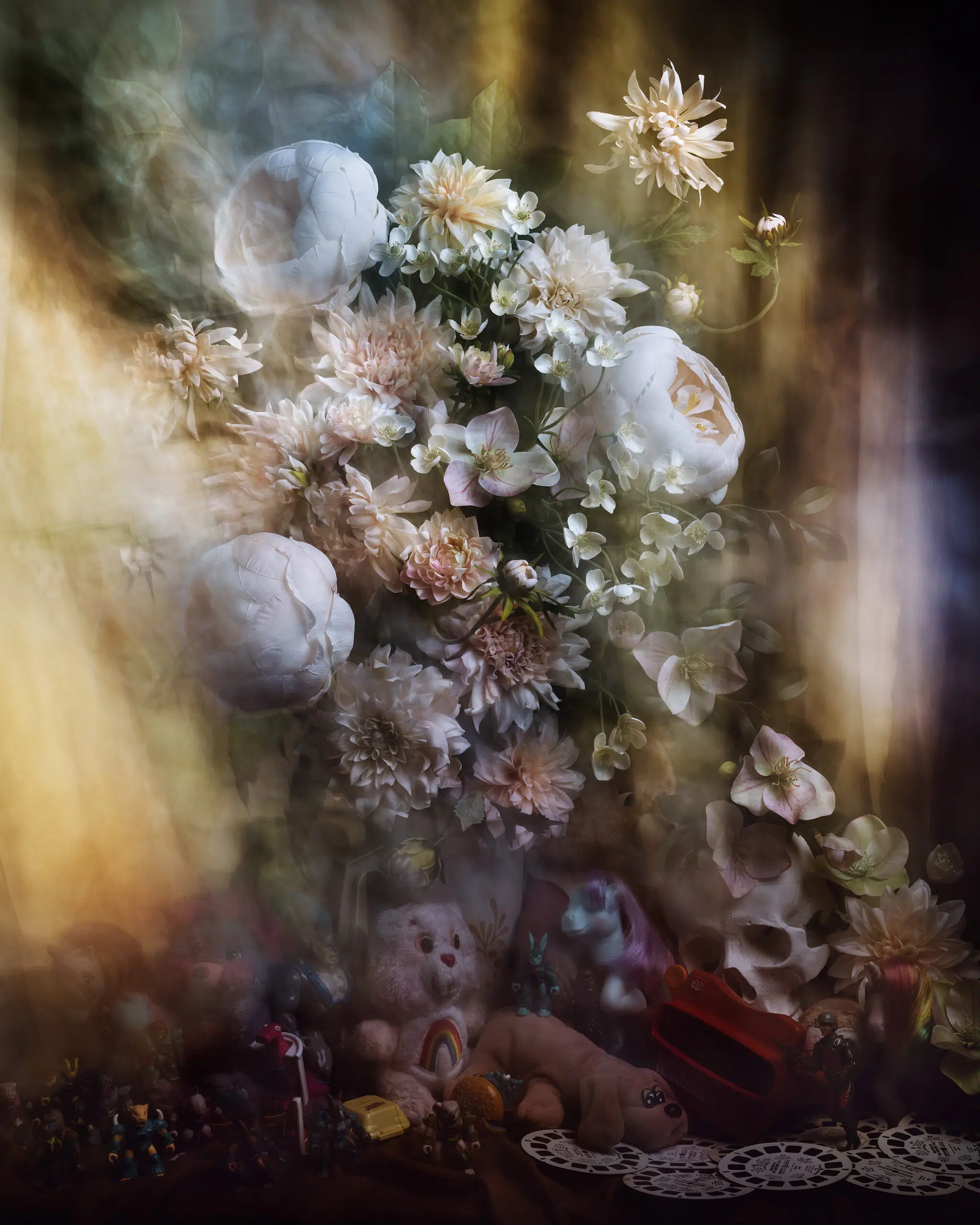
Still-life painting has a long and rich history. It’s a genre that has persisted across movements, cultures, and periods. The term “still life” is derived from the Dutch word stilleven in the 16th century, although still-life art dates back to ancient times. But just like the art world, the idea of still life continues to evolve and now transcends mediums to include photography. The enduring genre inspires Seattle-based photographer Aaron Leitz. He draws upon the history of still-life painting for his intriguing series of photographs titled Remember You Must.
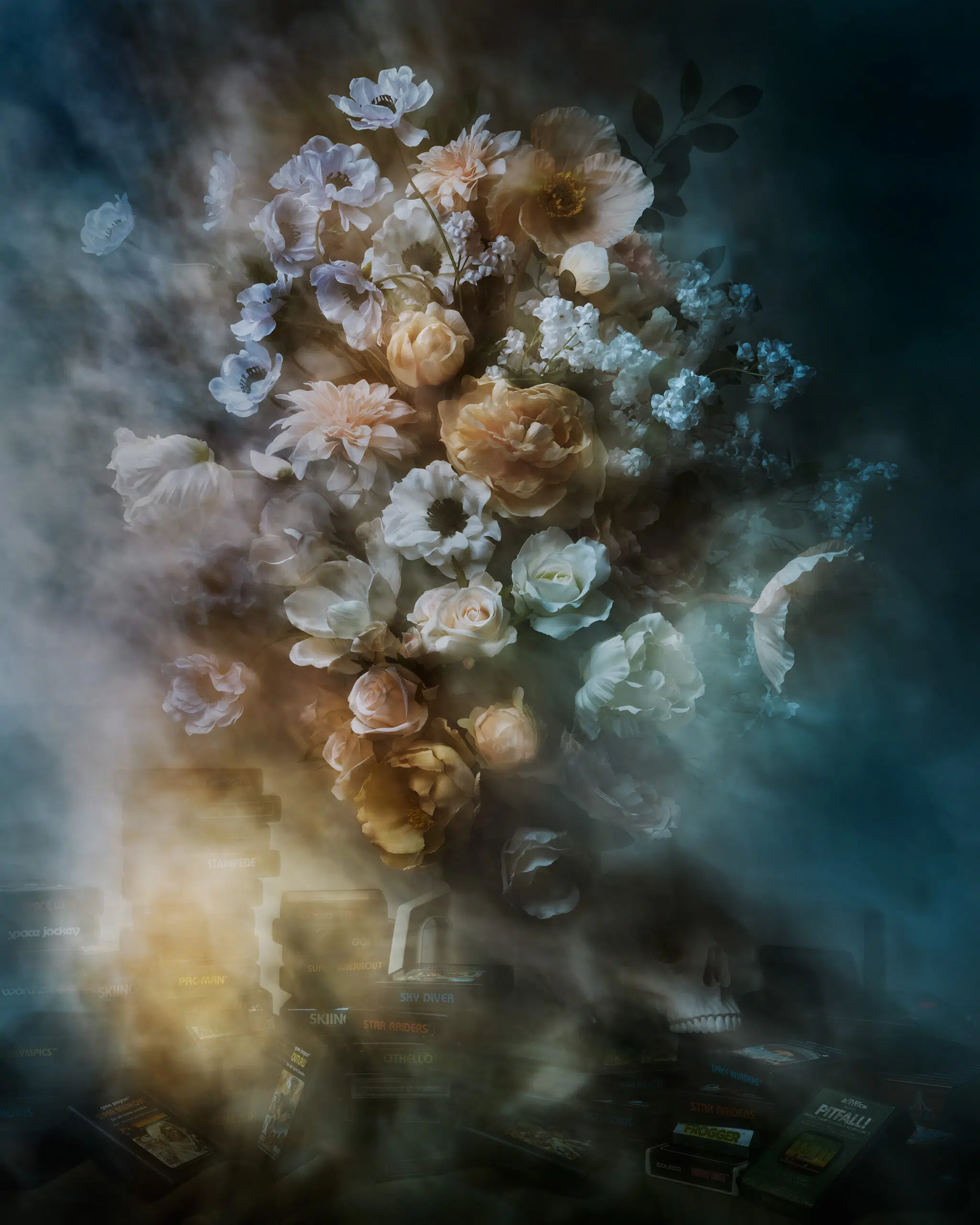
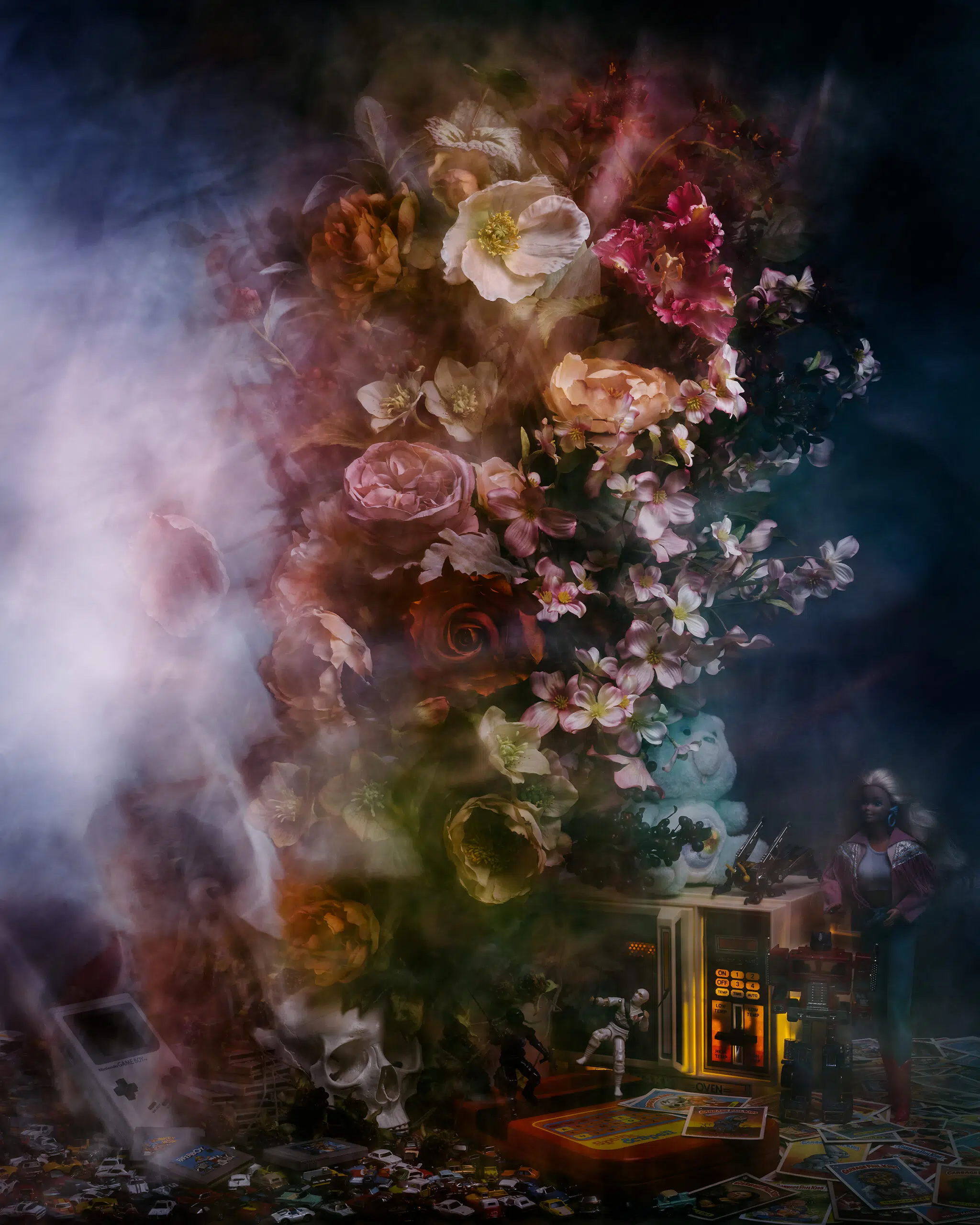
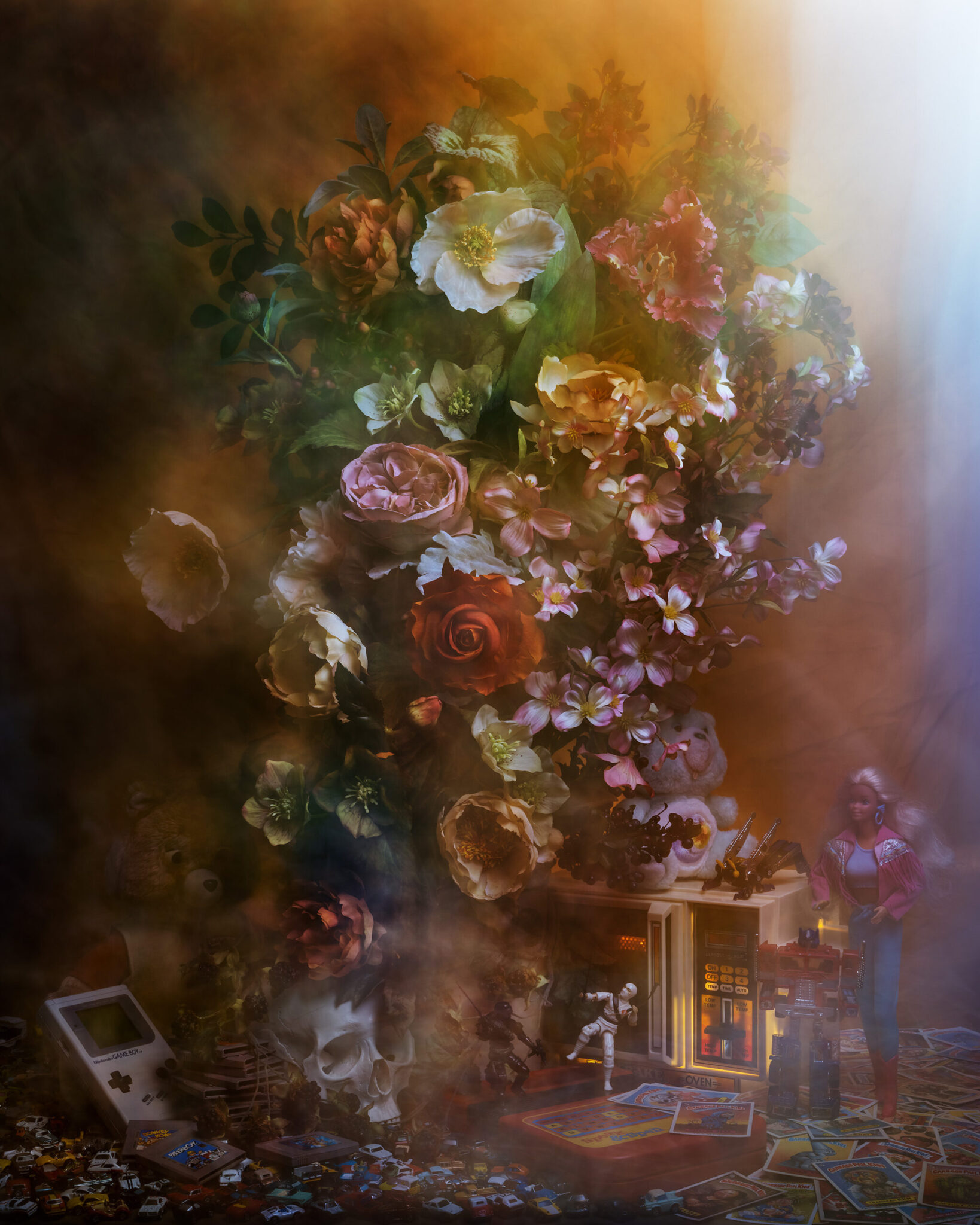
Leitz’s colorful and disorienting works present vanitas, a type of still-life painting popularized by 17th-century Dutch painters emphasizing the transiency of life and the certainty of death. Vanitas are a potent reminder that the only constant is that things change. While they might typically be symbolized with a skull or hourglass, Leitz’s scenes have a contemporary spin. Beneath bountiful bouquets are icons of childhood nostalgia for those who grew up in the 1980s: Care Bear dolls, Barbies, an Easy-Bake Oven, and various action figures and toy cars. Meticulously arranged and paired with a long camera exposure, the resulting images don’t sit still; they, instead, have a ghostly feel.
The items included in Leitz’s photographs are cultural artifacts, proof that time has continued to pass us by. The kids who played with those toys have grown up, perhaps melancholic for the simplicity of youth. While they can’t go backward, the still lifes in Remember You Must are suspended in time and immune to its passing. In Leitz’s series, they will always be that shiny and brand new.
Leitz is represented by Winston Wachter in Seattle. To see what he’s working on next, follow Aaron Leitz on Instagram.
Still-life painting has a long and rich history. It’s a genre that has persisted across movements, cultures, and periods.
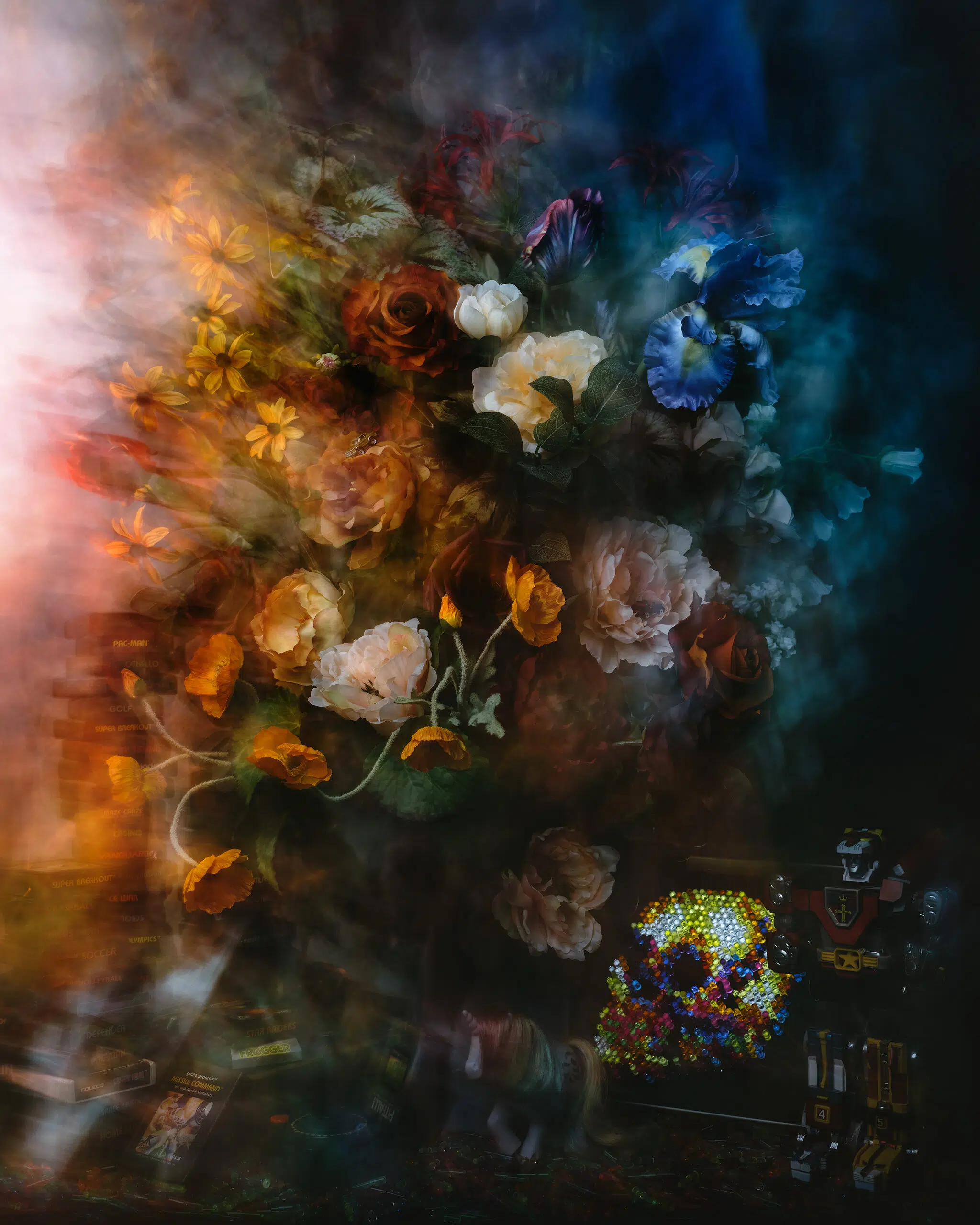
The enduring genre inspires Seattle-based photographer Aaron Leitz.
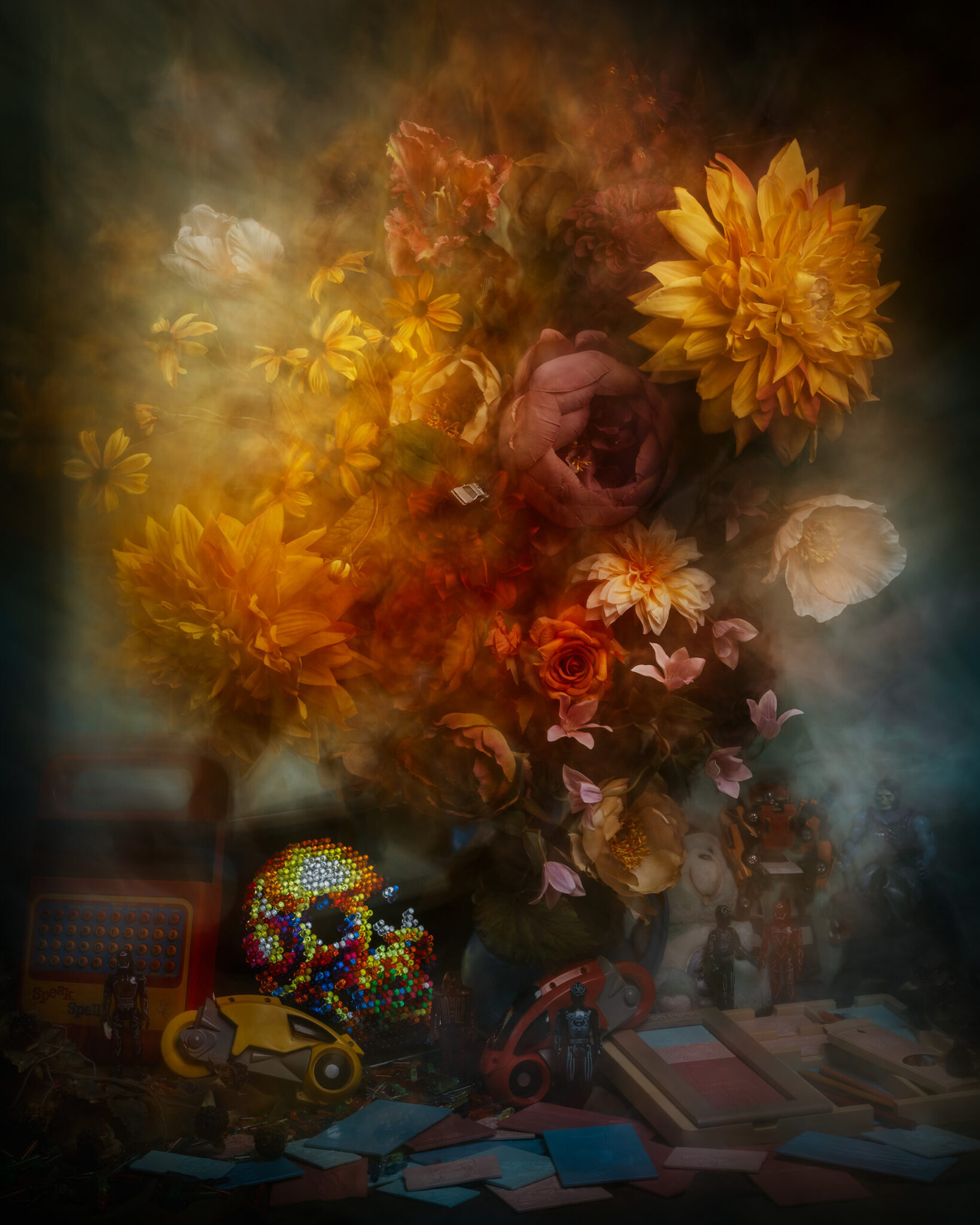
He draws upon the history of still-life painting for his intriguing series of photographs titled Remember You Must.
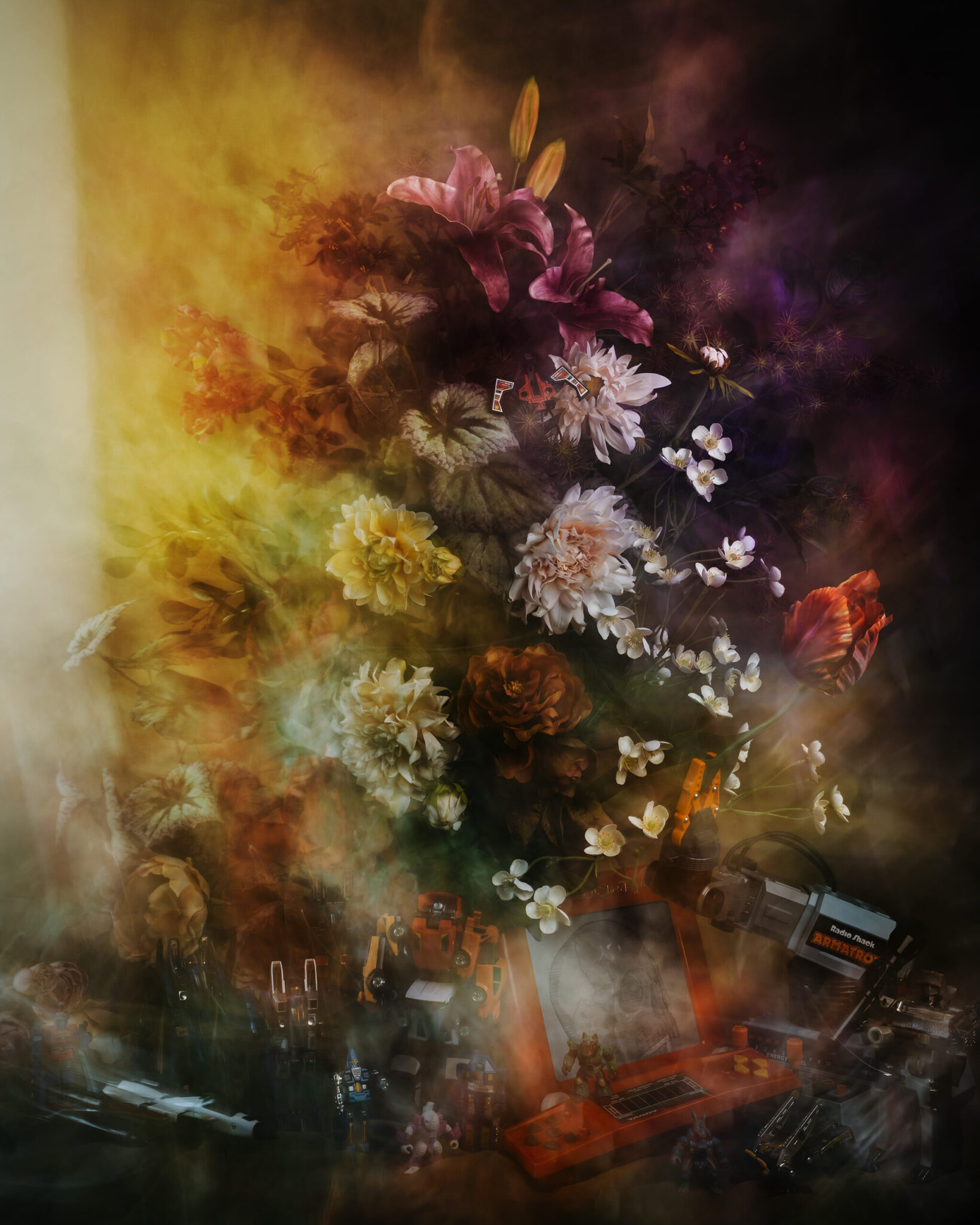
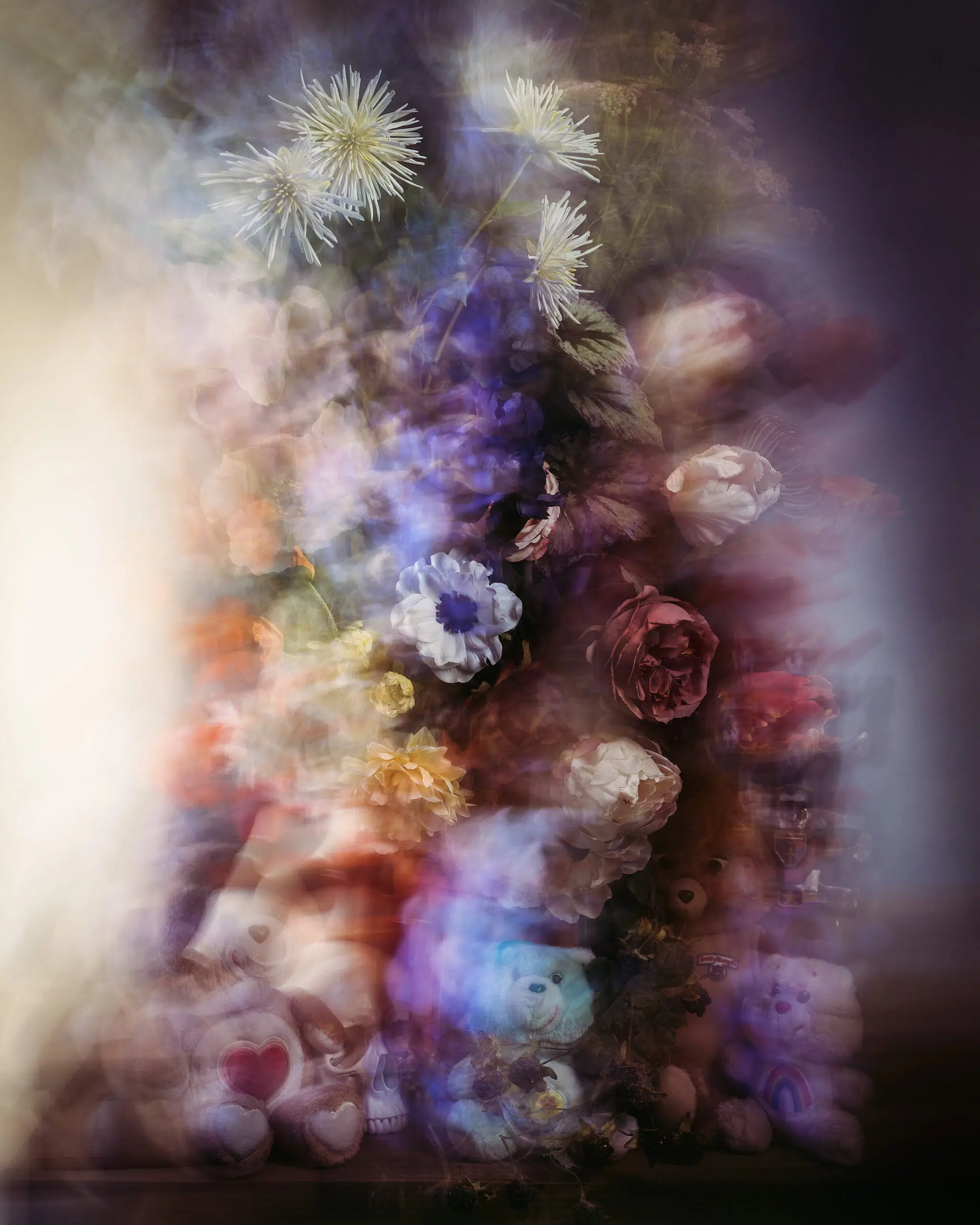
Leitz’s colorful and disorienting works present vanitas, a type of still-life painting popularized by 17th-century Dutch painters emphasizing the transiency of life and the certainty of death.
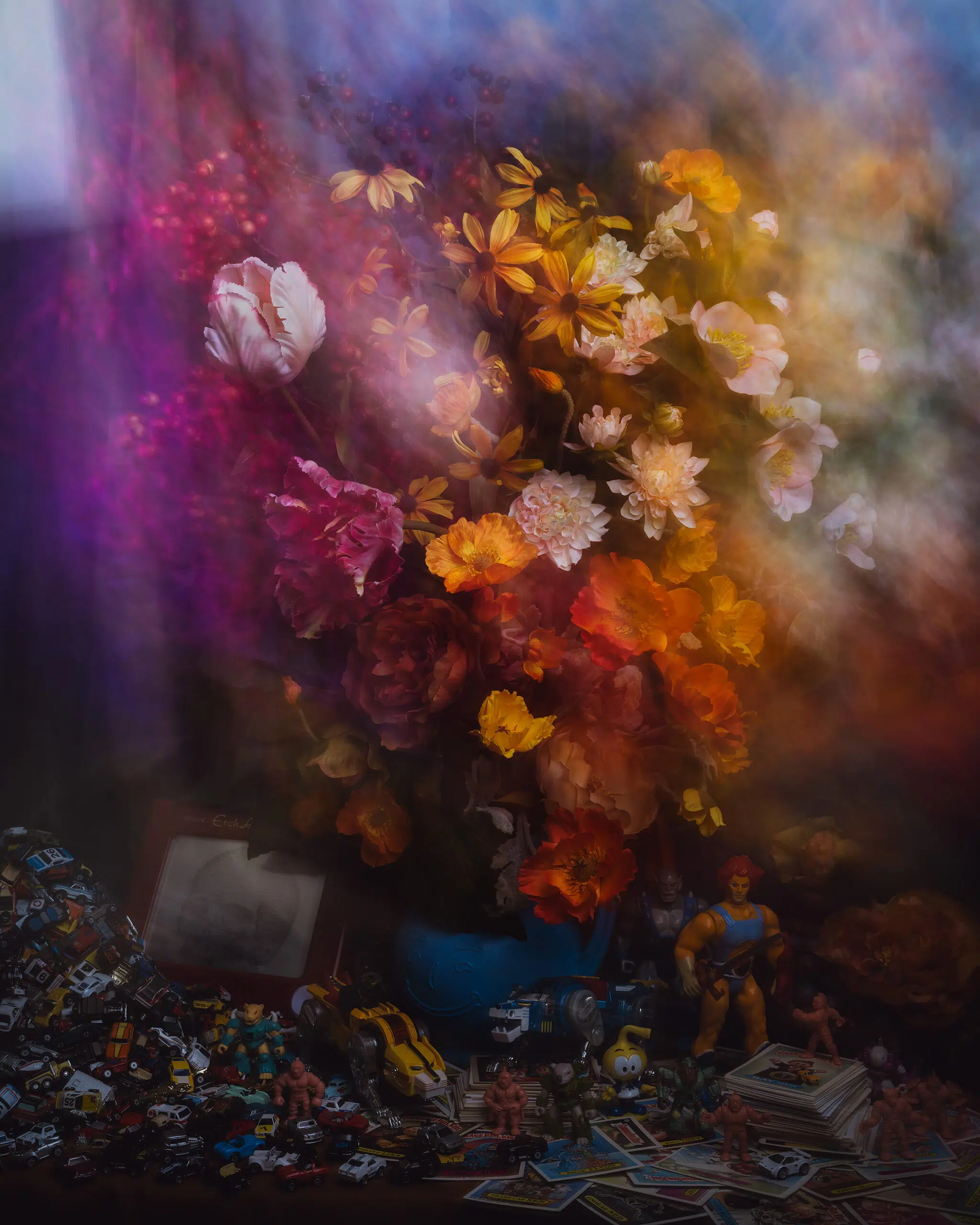
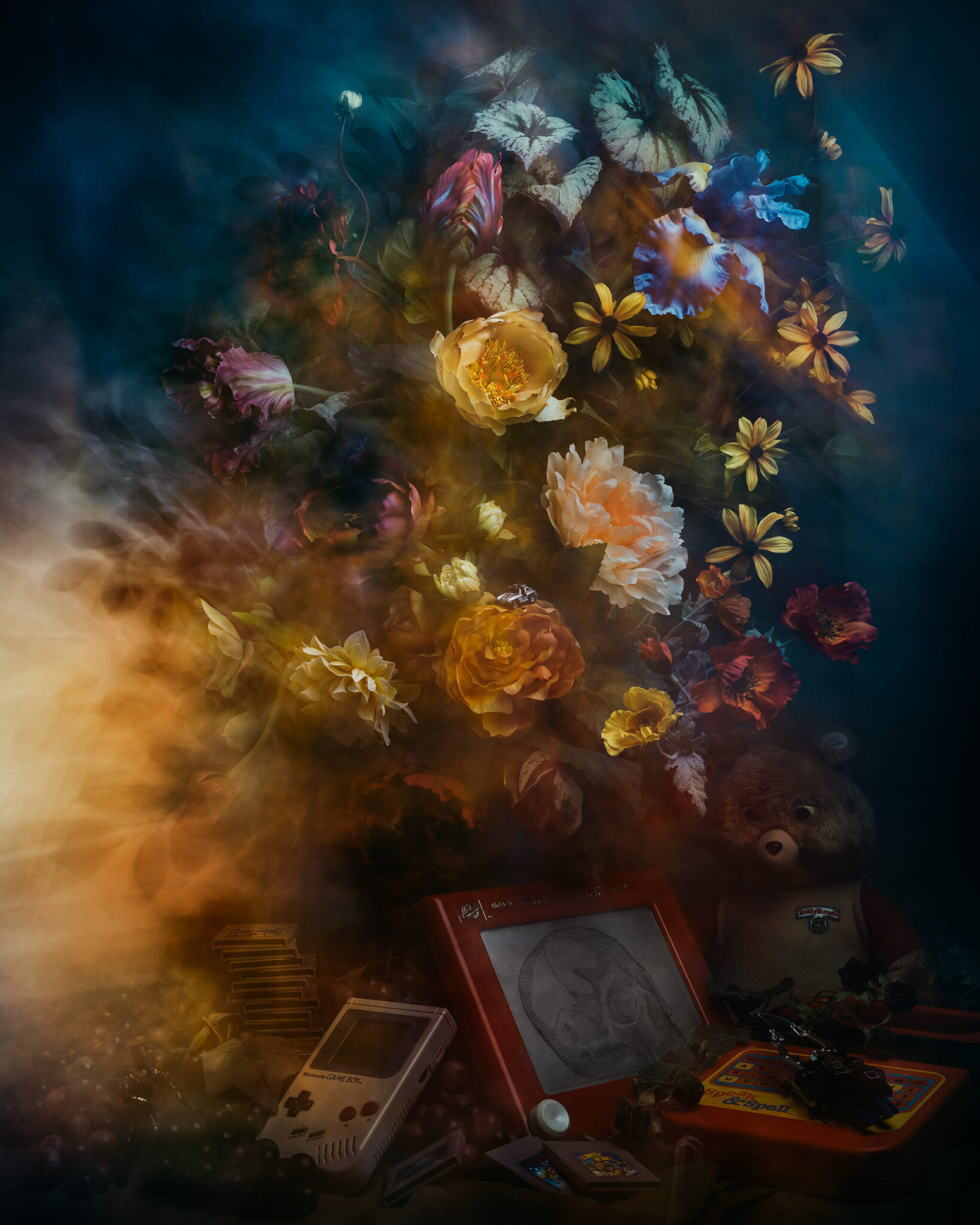
Vanitas are a potent reminder that the only constant is that things change.
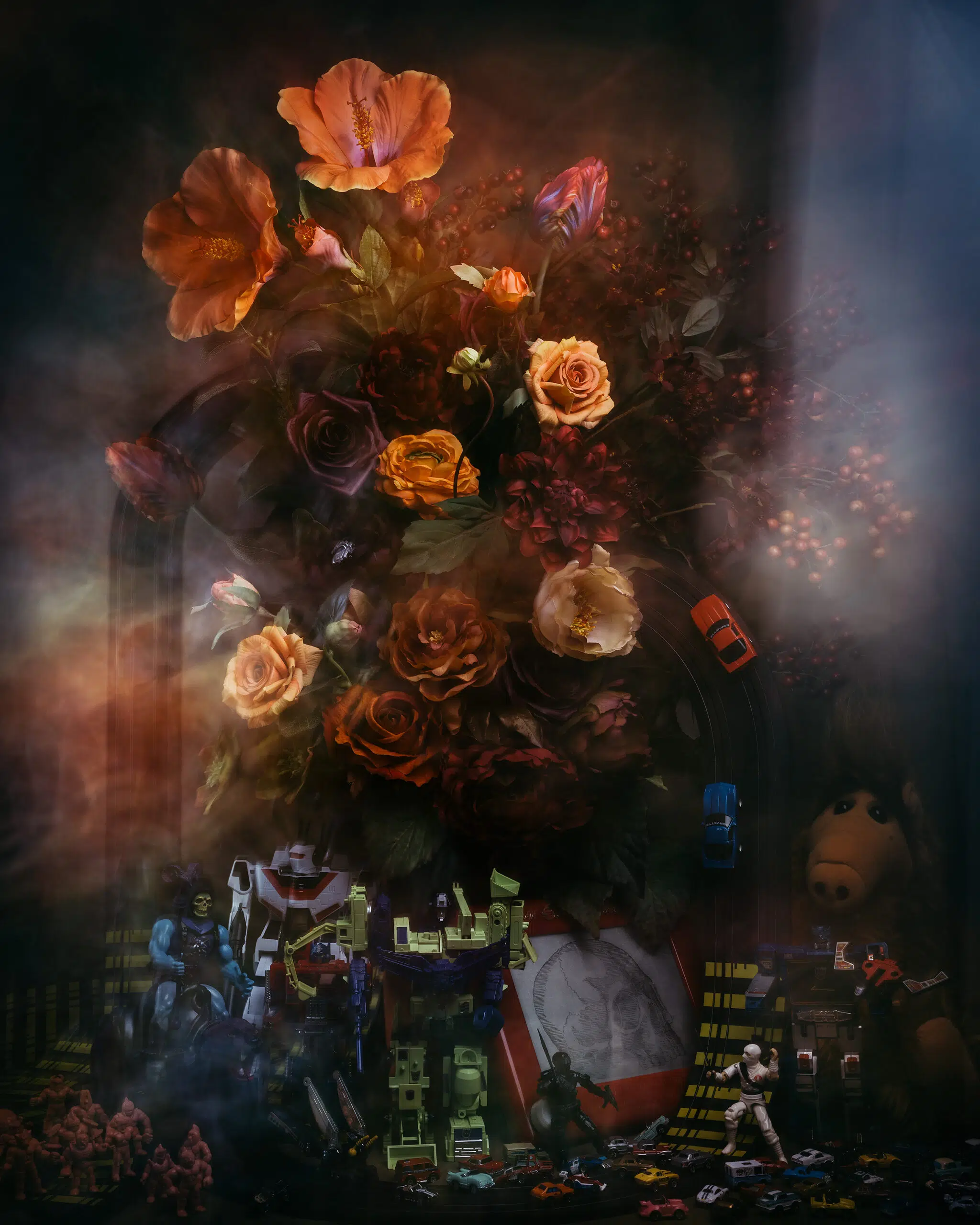
While they might typically be symbolized with a skull or hourglass, Leitz’s scenes have a contemporary spin.
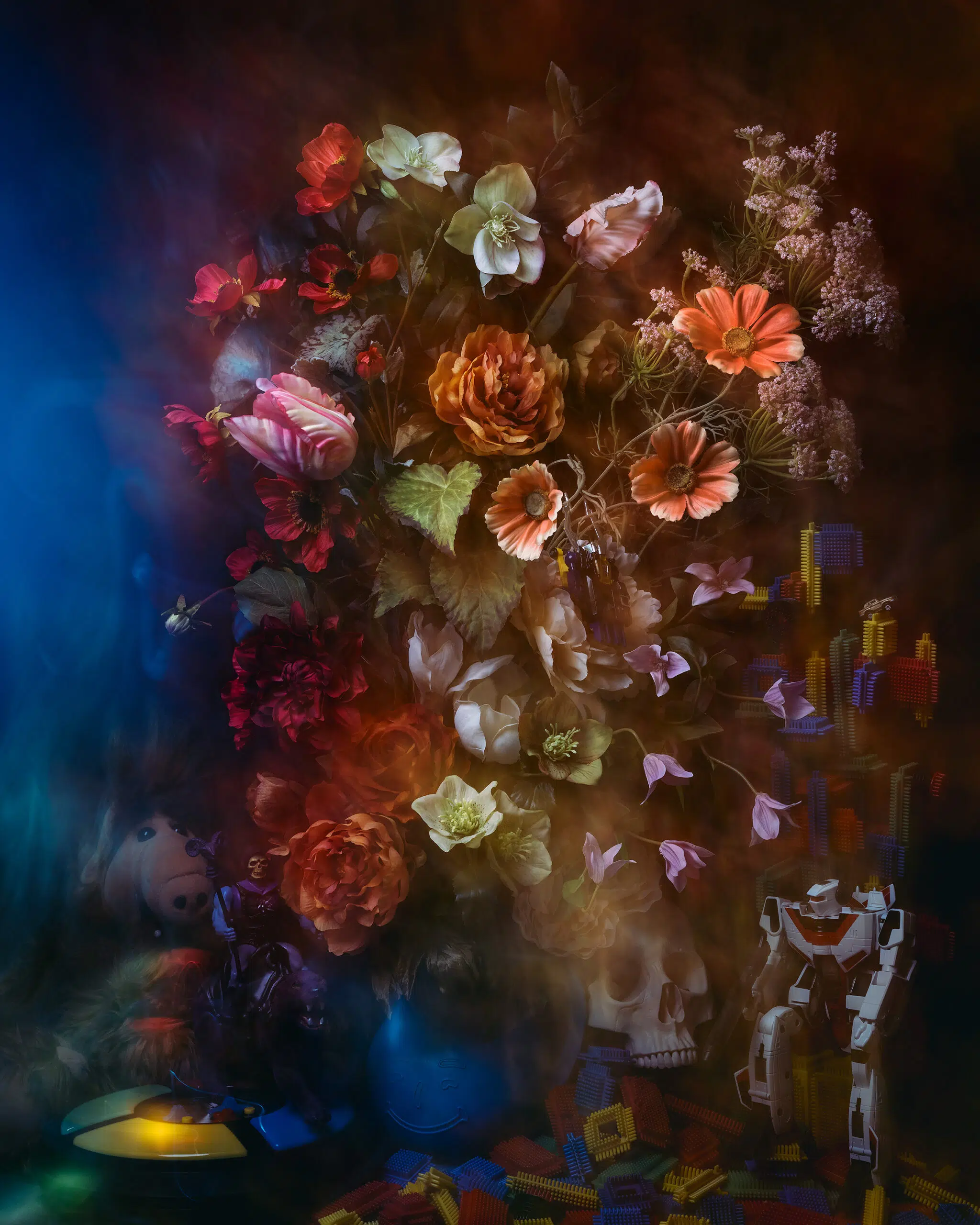
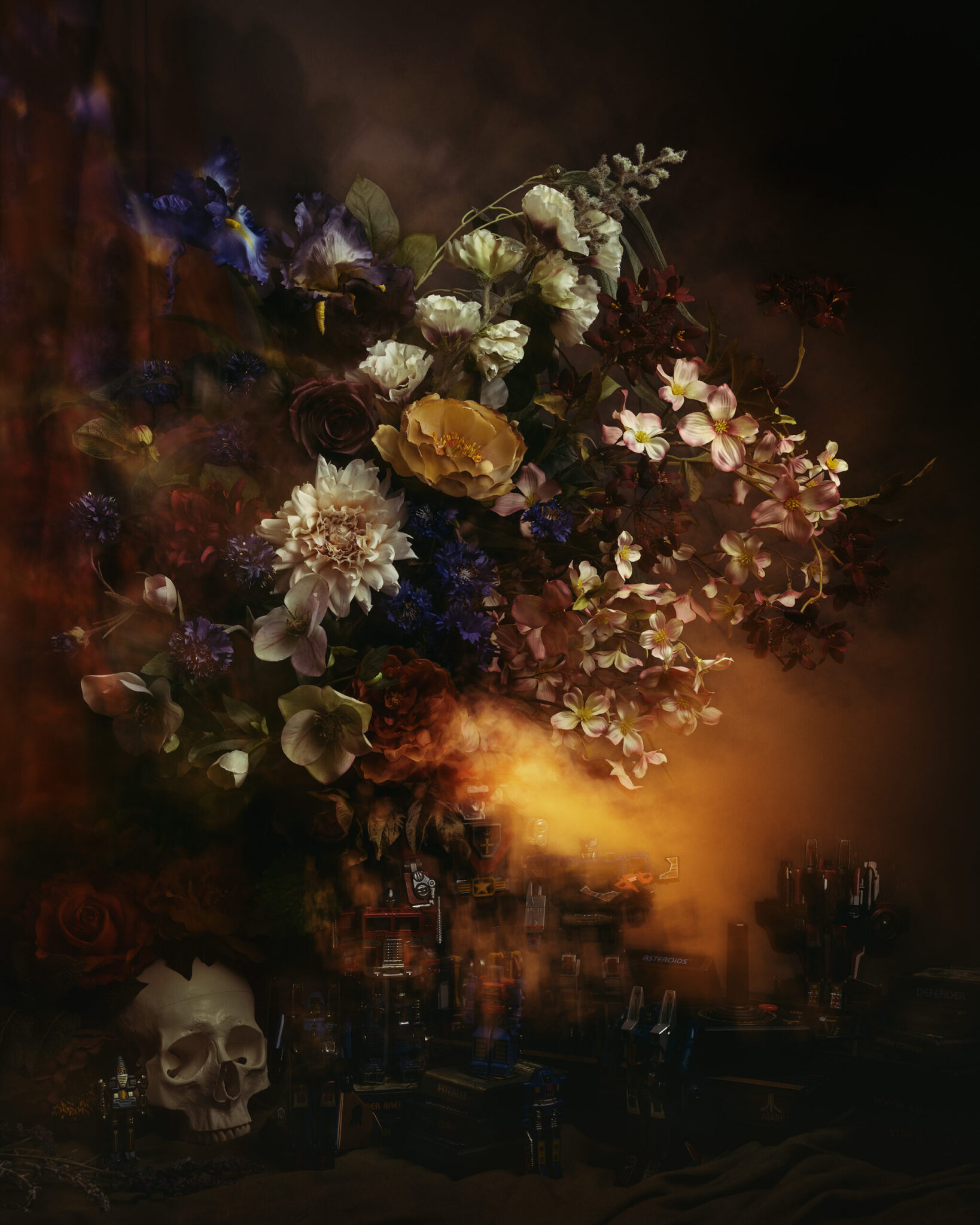
Beneath bountiful bouquets are icons of childhood nostalgia for those who grew up in the 1980s: Care Bear dolls, Barbies, an Easy-Bake Oven, and various action figures and toy cars.