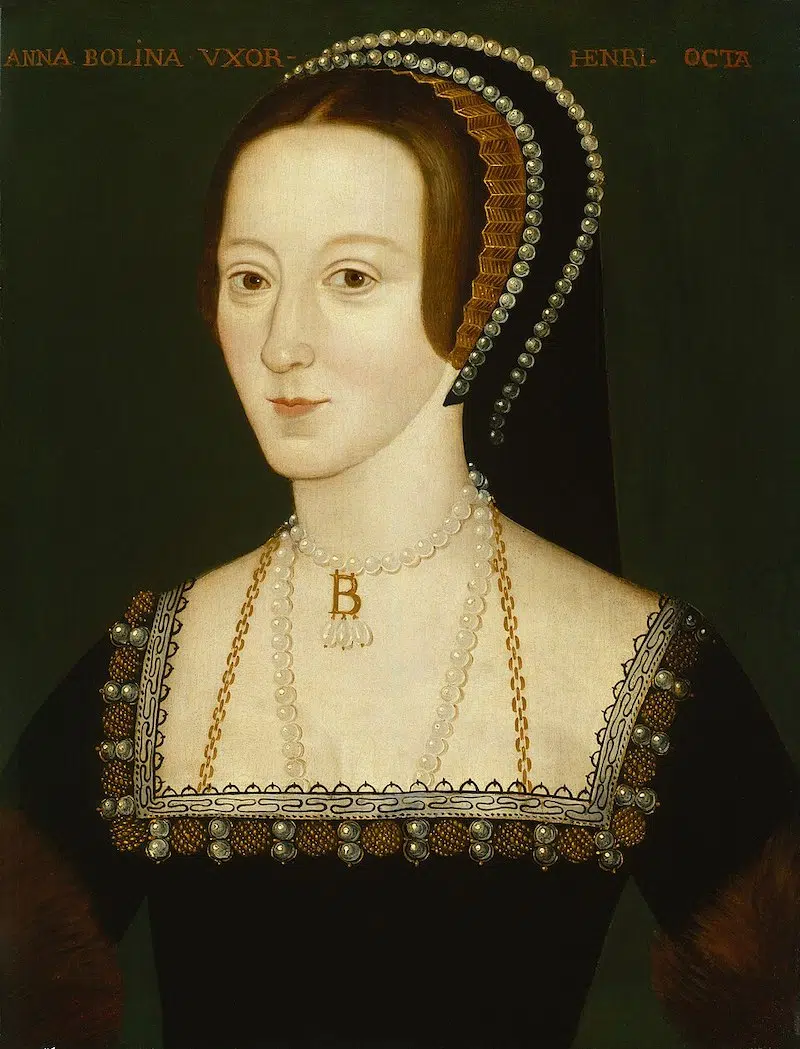
For centuries, Anne Boleyn’s face has remained one of art history’s most enduring mysteries. Now, researchers believe artificial intelligence may have uncovered a forgotten portrait of the ill-fated queen hidden within the drawings of Hans Holbein the Younger.
A new study from researchers at the University of Bradford and independent scholar Karen Davies challenges a centuries-old assumption. The team argues that a famous Holbein sketch, long identified as Anne Boleyn, may actually portray her mother, Elizabeth Howard. At the same time, another drawing labeled only as “An Unidentified Woman” could instead show Anne herself.
The researchers reached their conclusion through facial recognition and AI-assisted image analysis. They compared facial structures, proportions, and family similarities across dozens of Tudor portraits connected to the Boleyn and Howard families. Their analysis found that the unidentified sitter shares stronger similarities with authenticated images of Anne Boleyn’s daughter, Elizabeth I, than the traditionally accepted portrait does.
The discovery overturns a theory that historians accepted for more than 200 years. The well-known “Windsor sketch,” traditionally identified as Anne, shows a fair-haired woman with softer features and a fuller face. However, contemporary accounts consistently describe Anne as dark-haired, slender, and strikingly elegant, with a long neck and darker complexion. Those contradictions pushed Davies to question the attribution long before AI entered the investigation.
Researchers also believe the confusion dates back to the 18th century. During that period, curators remounted and relabeled several Holbein drawings in the Royal Collection. Because only a small number of the works contain contemporary inscriptions or reliable documentation, historians have debated many of the identifications for generations. Davies estimates that fewer than 15% of Holbein’s portrait drawings carry firm contemporary verification.
The newly proposed portrait also aligns more closely with Holbein’s artistic practices during Anne’s lifetime. Holbein created the drawing on pink-prepared paper, a material he frequently used during his second stay in England between 1532 and 1543. That period coincided directly with Anne’s rise at the Tudor court and her years as queen consort.
Holbein remains one of the defining portraitists of the Tudor era. He became famous for his remarkably detailed depictions of royals, diplomats, scholars, and members of Henry VIII’s court. Today, historians still rely on his portraits as some of the most vivid visual records of the English Renaissance and Tudor England.
At the same time, Anne Boleyn presents a unique challenge for historians and curators. After her execution in 1536, many people likely destroyed images connected to her in an effort to erase her legacy from English history. As a result, no universally accepted portrait of Anne created during her lifetime survives today.
Still, many scholars remain cautious about declaring the mystery solved. Experts quoted in coverage of the study stress that facial recognition technology should support traditional art historical research rather than replace it. Even the researchers behind the project describe their findings as an invitation for further debate instead of a definitive conclusion.
The study also reflects the growing role of artificial intelligence within the humanities. Researchers increasingly use digital tools to reassess attribution, authentication, and historical records. In recent years, AI-assisted analysis has sparked new debates surrounding disputed works connected to Renaissance masters such as Raphael and other Old Masters.
Whether the unidentified Holbein sitter truly depicts Anne Boleyn may continue to divide historians. Even so, the research has reopened one of the Tudor era’s most fascinating visual mysteries and offers a compelling new possibility for what the queen may actually have looked like nearly 500 years ago.
Researchers used AI to study Hans Holbein’s Tudor drawings and now believe a portrait long thought to show Anne Boleyn may actually depict her mother, Elizabeth Howard.
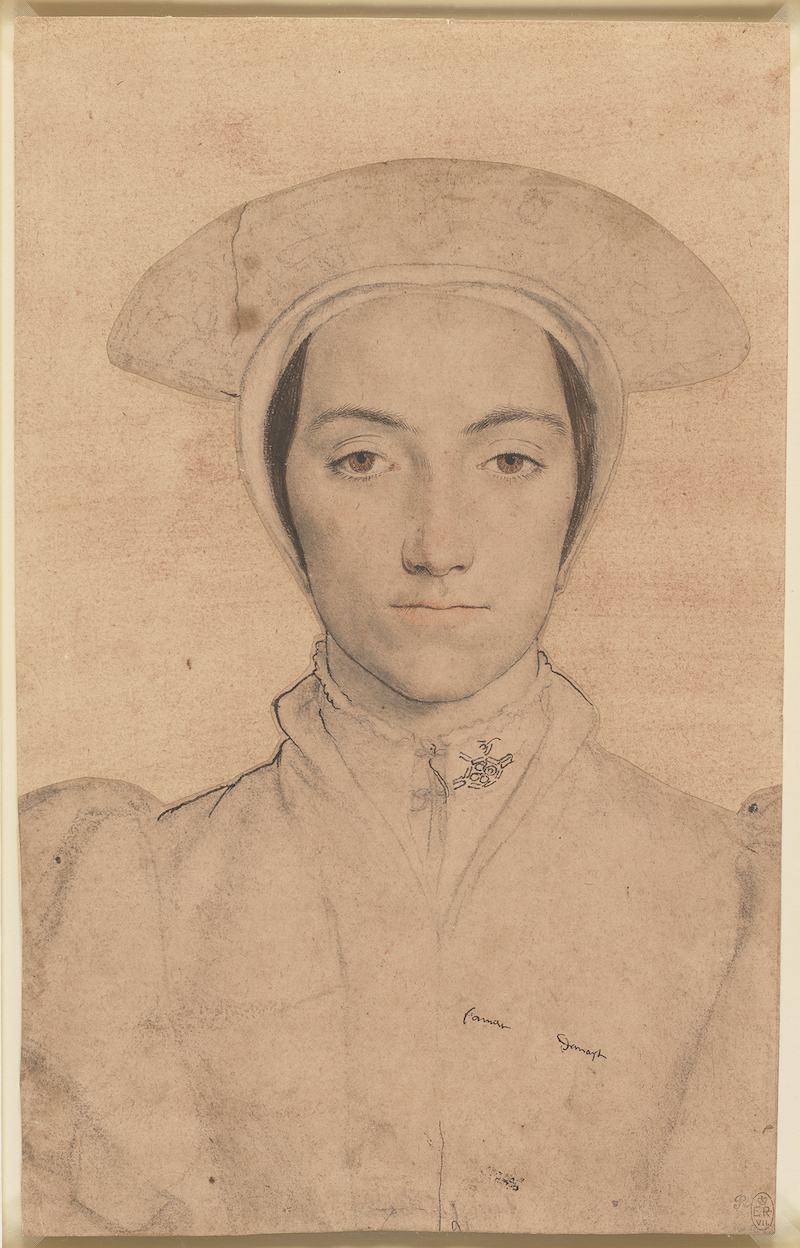
Photo: Royal Collection Enterprises Ltd 2026 | Royal Collection Trust
Another Holbein sketch labeled as “An Unidentified Woman” more closely matches historical descriptions of Anne Boleyn and may be the closest surviving image of the queen.
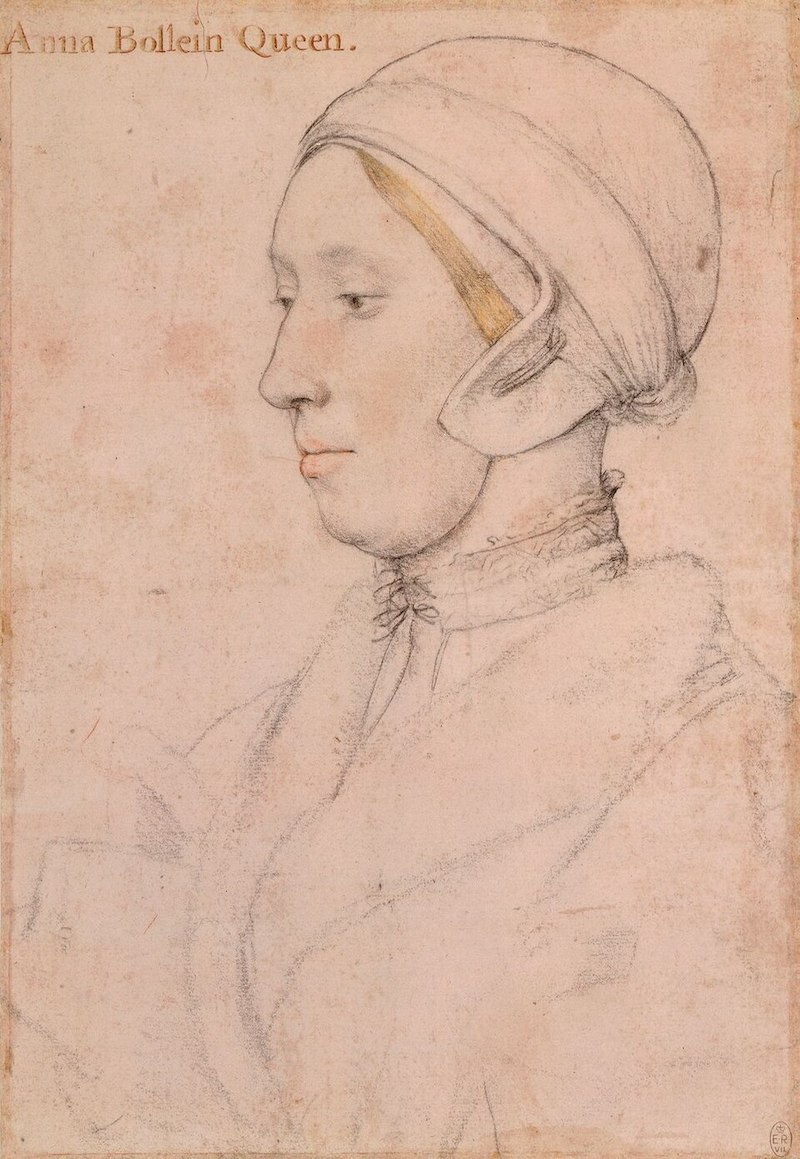
Portrait of a Woman, inscribed in gold over red “Anna Bollein Queen”. Black and coloured chalks on pink prepared paper, 28.1 × 19.2 cm. Royal Collection, Windsor. (Photo: Wikimedia Commons, Public domain)
The discovery has sparked new debate among historians and shows how artificial intelligence is changing the way experts study art history and lost portraits.
Sources: AI Helps UK Researchers Identify Unknown Subject in Hans Holbein Drawing as Anne Boleyn; Mystery sitter in Holbein portrait could be Anne Boleyn, AI analysis finds; Did Facial Recognition Find a Lost Portrait of Anne Boleyn? Scholars Debate Whether A.I. Solved or Merely Muddled an Art History Mystery.
My Modern Met granted permission to feature photos by The Royal Collection Trust.
Related Articles:
Monet Paintings Hidden for 100 Years Resurface at an Auction in Paris
Medieval Manuscript Reveals Cat Paw Prints Left in Wet Ink 500 Years Ago
A Folder of “Nice Pictures” Turns Out to Be a Collection of Rembrandt Etchings
Lost Renaissance Masterpiece Rediscovered in North Carolina After 100 Years