Art History

April 26, 2020

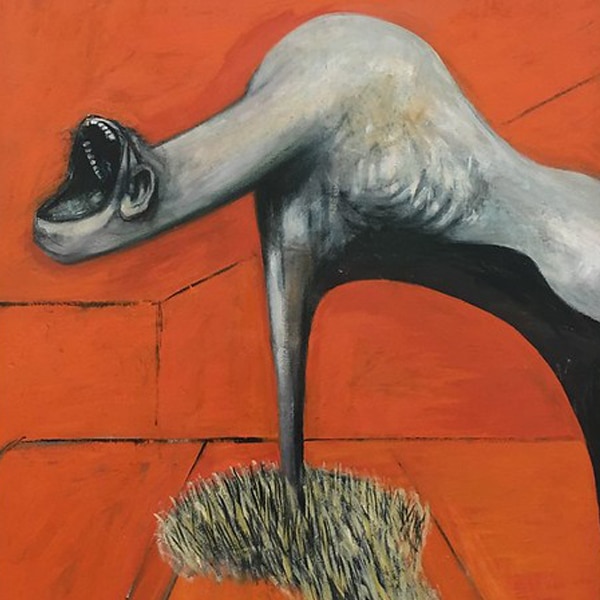
The Raw, Grotesque, and Honest Post-War Paintings of Francis Bacon

As an artist that emerged in the aftermath of World War II, Francis Bacon explored feelings like pain, fear, and anger in his paintings. It was his intention to create art that reflected raw and honest emotion. His intense, grotesque style portrayed animal-like forms that veered on the alien, as well as distressed human figures often screaming in pain or horror.

Read Article


April 4, 2020

The History of the Prestigious Paris Salon (And the Radical Artists Who Subverted It)

In 1874, several artists based in Paris banded together to hold an independent art show. Later known as the Impressionists, these figures took it upon themselves to present their own paintings, prints, and sculptures, bypassing an external selection process. Today, this may seem like standard practice. In 19th-century France, however, it was considered a radical move, as it subverted the Salon. At this time, the Salon served as Paris' premier art exhibition.

Read Article


March 9, 2020

5 Facts About James McNeill Whistler, an American Artist Who Made “Art for Art’s Sake”

In 1871, American artist James McNeill Whistler completed one of today's most famous paintings. Known colloquially as Whistler's Mother, Arrangement in Grey and Black No. 1 has captivated viewers with its understated simplicity and straightforward composition for nearly 150 years. While this piece is arguably Whistler's most famous creation, it is not the only thing worth knowing about the artist, whose life story includes foreign homes, feuds with friends, and even fighting peacocks.

Read Article


March 6, 2020

17th-Century Sculpture Captures Unbelievable Lace Details in Hand-Carved Marble

The Baroque Period is known for its decadent theatricality, with European artists continuing the classical trends of the Renaissance and shaping them into dramatic paintings and sculptures. Italian sculptor Gian Lorenzo Bernini's work is particularly revered by art historians. Yet, the work of his lesser known apprentice, Giuliano Finelli, are just as breathtaking. Finelli was born in 1601 in Torrano di Carrara, Italy and received formal training in sculpting in Naples.

Read Article