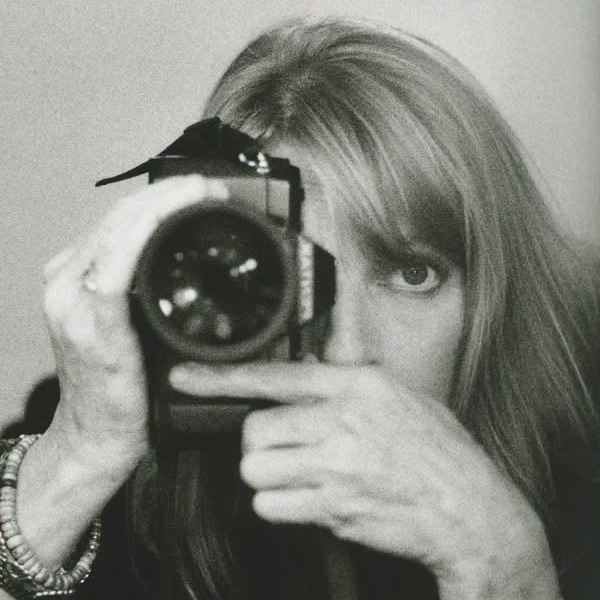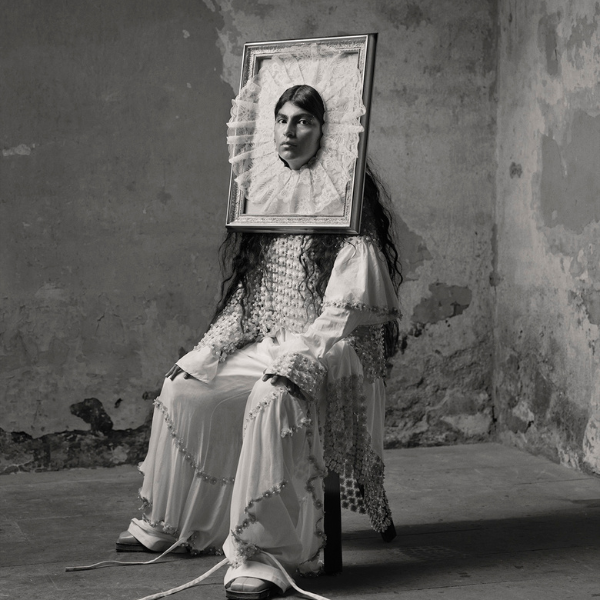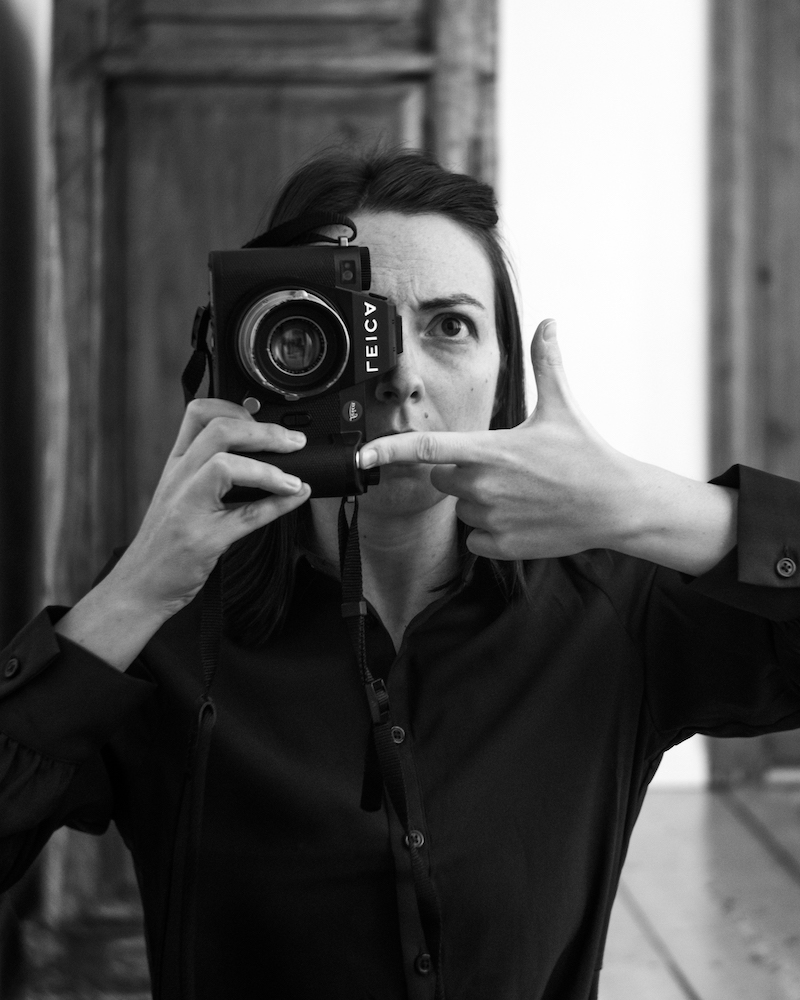
Trigger, Hannah Altman. Courtesy of Archer
A new exhibition at ARCHER at House 88 in Oświęcim, Poland, uses restored camera lenses once manufactured by Jewish engineer Lore Sternfeld to reconstruct the inner world of the Holocaust victim who crafted them before Nazi forces murdered her at Auschwitz in 1943. Ground Glass: Reframing the World of Lens-Maker and Holocaust Victim Lore Sternfeld, by Jewish-American photographer Hannah Altman, opened June 21, 2026, at the Auschwitz Research Center on Hate, Extremism and Radicalization (ARCHER). Organized by the Counter Extremism Project, the exhibition transforms reclaimed Astro-Berlin optics into a powerful act of remembrance, inviting viewers to reconsider how photography can preserve histories nearly erased.
Photography carries an inherent paradox. The camera records history, but it also shapes it. Those behind the lens decide what remains visible and what disappears. Altman places this tension at the center of Ground Glass, which traces the life of Sternfeld (1915–1943), a precision lens-maker whose work at Astro-Berlin contributed to one of Germany’s leading optical manufacturers. During the same period, Nazi propagandists relied on Astro-Berlin lenses to construct the visual mythology of the Third Reich. On January 29, 1943, Nazi authorities deported Sternfeld from Berlin and murdered her upon her arrival at Auschwitz.
Altman approached Sternfeld’s story through the very tools she once crafted. In early 2025, the Counter Extremism Project acquired several vintage Astro-Berlin Pan-Tachar lenses dating to Sternfeld’s years at the company. London-based restoration studio Focus Canning carefully refurbished the optics and adapted them to a Leica digital camera. Altman then used the restored lenses to create Ground Glass, an 18-image series that imagines Sternfeld’s emotional landscape during the final winter of her life.
The photographs unfold across two locations. The first series takes place inside a sparsely furnished Berlin apartment, where Altman transformed two modest rooms into an intimate psychological space using everyday objects such as eggshells, Judaica, a cutting board, and clothing resembling Sternfeld’s documented wardrobe. The restored lenses soften the light and introduce subtle distortions that heighten the atmosphere of uncertainty and confinement.
The second series follows Sternfeld’s final journey. On the 83rd anniversary of her deportation, Altman traveled by train from Berlin to Auschwitz, photographing each stage of the route. The resulting images remain restrained rather than overtly dramatic. Nearly two-thirds of the series appear in black and white, while the remaining works use a muted palette of warm oranges and brief flashes of sunlight. The vintage optics never disappear behind the image. Their softened focus, flares, and imperfections collapse the distance between Sternfeld’s time and Altman’s act of witness, allowing the material history of the lenses to shape every photograph.
The exhibition builds on Altman’s broader exploration of Jewish memory, identity, and storytelling. Her photobooks, Kavana (2020) and We Will Return to You (2025), both held in the collections of institutions including the Museum of Modern Art, the Metropolitan Museum of Art, the Getty, Harvard University, and Stanford University, examine the space between history, memory, and myth. Ground Glass extends that inquiry into the Holocaust while asking how photography can honor lives that official records left fragmented or incomplete.
The exhibition gains additional resonance through its setting. Altman created some images inside House 88, the former residence of Auschwitz commandant Rudolf Höss, where he oversaw the operation of the concentration camp and extermination center. It now serves as ARCHER’s headquarters overlooking the former camp, a center dedicated to research, education, and artistic responses to extremism. Visitors encounter the restored Astro-Berlin lenses alongside the photographs and can look through the optics themselves, creating a direct connection to the tools Sternfeld once assembled.
Through Ground Glass, Altman transforms instruments once associated with Nazi propaganda into vehicles for remembrance. The restored lenses no longer serve the machinery of oppression. Instead, they restore visibility to the life and legacy of Sternfeld, ensuring that her story continues to be seen.
Ground Glass is on view at ARCHER at House 88 through January 2027.
The exhibition Ground Glass uses restored Astro-Berlin camera lenses to reconstruct the life of Jewish lens-maker Lore Sternfeld, who crafted the optics before Nazi forces murdered her at Auschwitz in 1943.
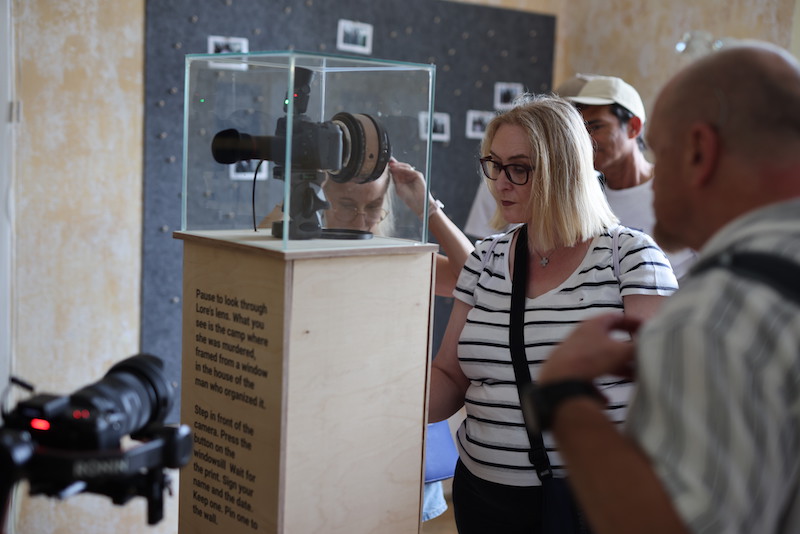
Guests were invited to take and print their own photos with the camp behind them, through Lore's lenses.
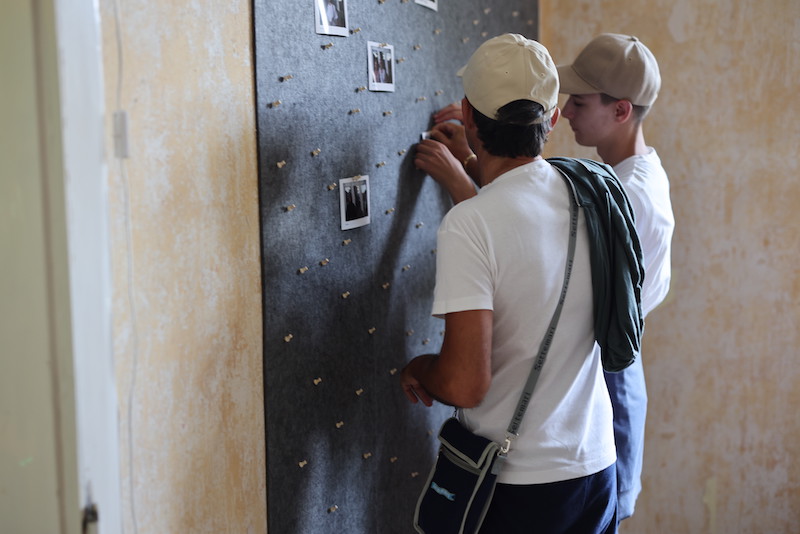
Visitors place their own photos on the wall of the commandant’s former home.
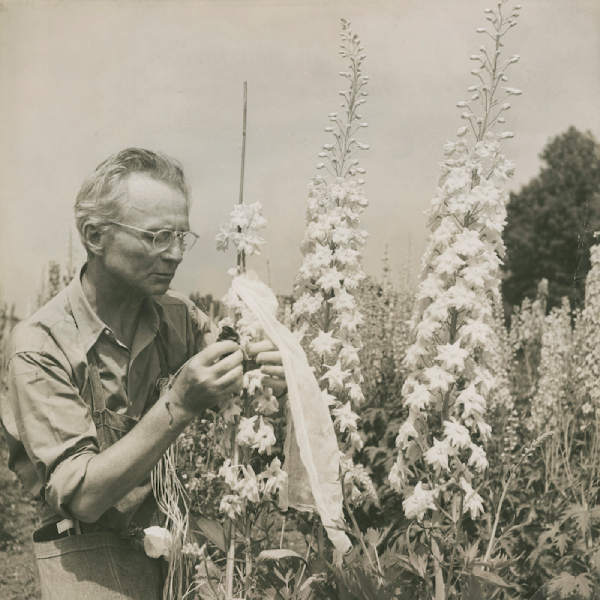
Photographer Hannah Altman created the exhibition with the reclaimed lenses, moving between a Berlin apartment and Sternfeld’s final deportation route.
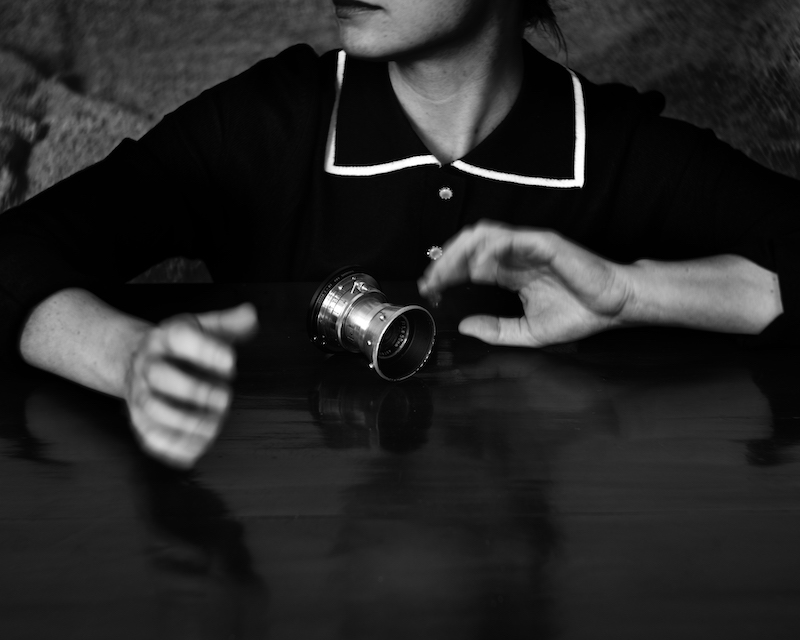
Focusing Hands, Hannah Altman. Courtesy of Archer
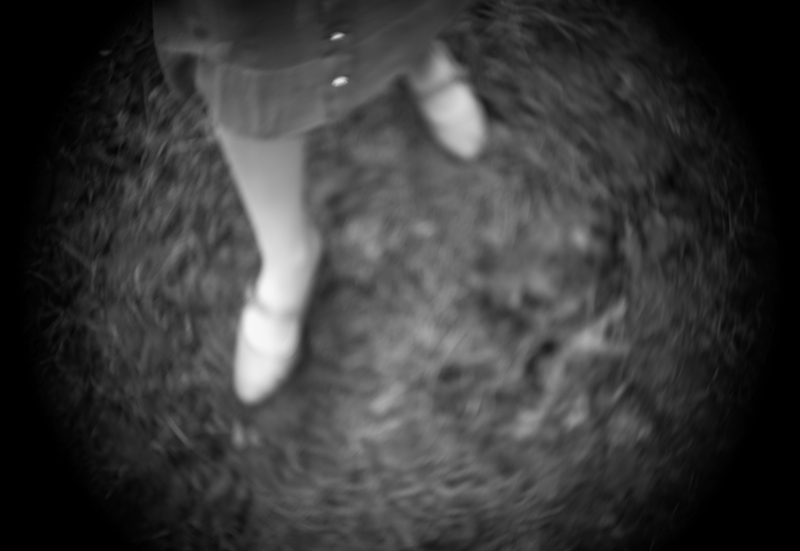
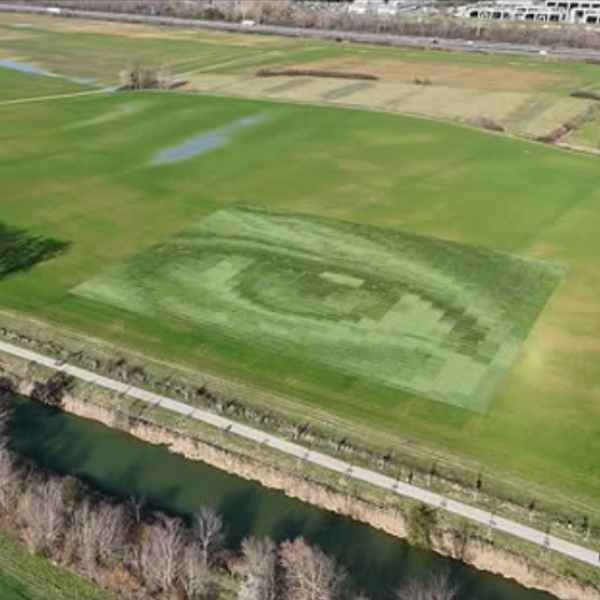
Running, Hannah Altman. Courtesy of Archer

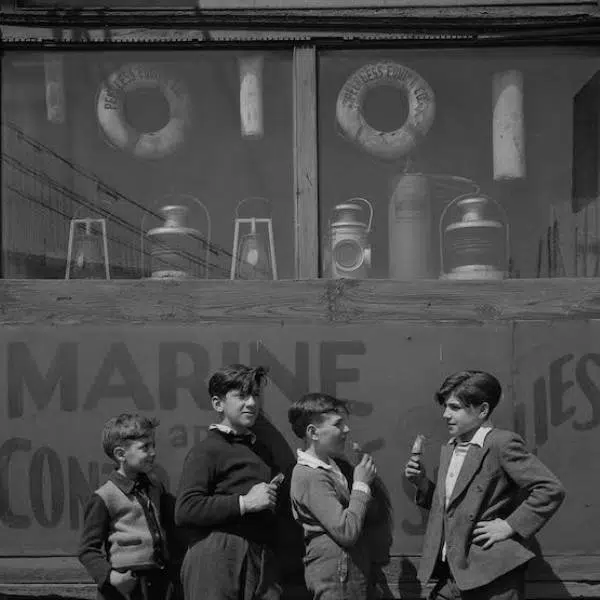
Portrait on 100mm, Hannah Altman. Courtesy of Archer
Presented at ARCHER at House 88, the former home of Auschwitz commandant Rudolf Höss, the show transforms a site of Nazi power into one of remembrance by centering Sternfeld’s story and inviting visitors to look through the restored lenses themselves.

Menorah in Corner, Hannah Altman. Courtesy of Archer
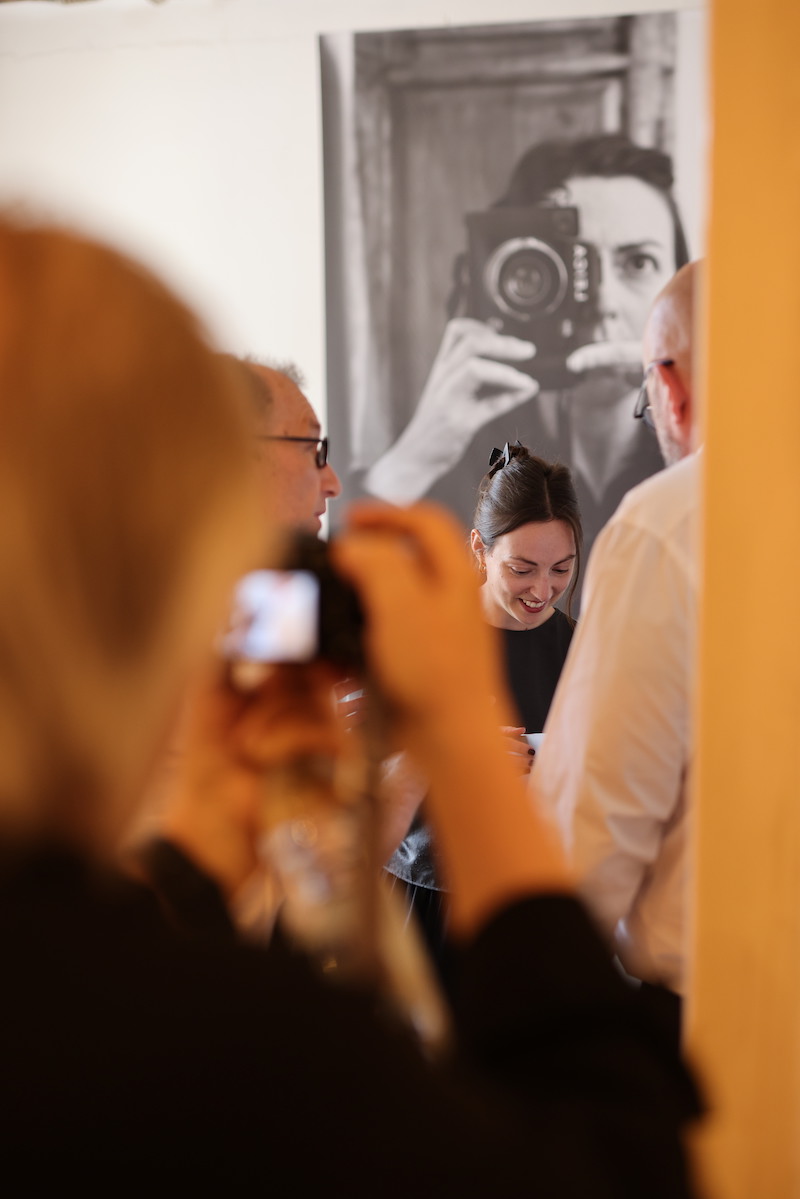
Photographer Hannah Altman at the exhibition's opening.
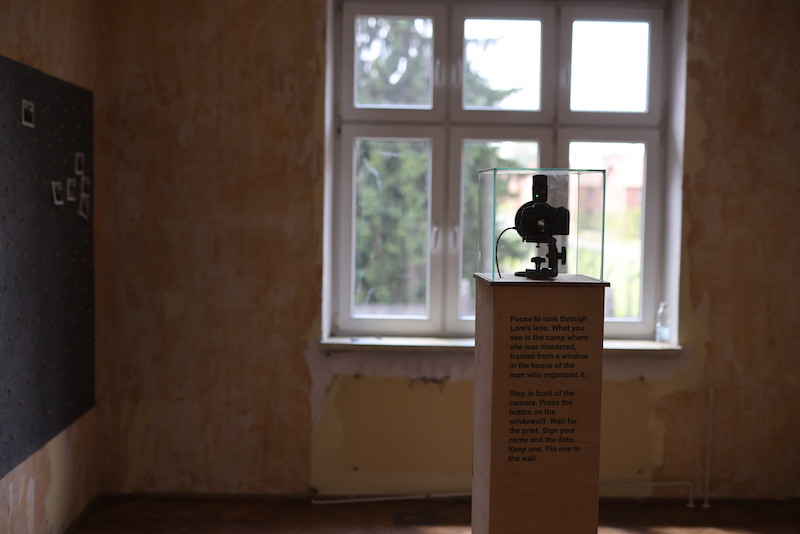
Lore’s lenses retrofitted to a modern camera and directed toward the camp through former commandant Rudolf Höss’s window.
Exhibition Information:
Hannah Altman
Ground Glass: Reframing the World of Lens-Maker and Holocaust Victim Lore Sternfeld
June 21, 2026-January 2027
ARCHER at House 88
Legionów 88, 32-600 Oświęcim, Poland
Hannah Altman: Website | Instagram
My Modern Met granted permission to feature photos by ARCHER.
Related Articles:
Buried Box of Photos Reveal Jewish Man’s Perspective from the Lodz Ghetto in WWII
Anne Frank’s Secret Rooms Recreated for Exhibition in New York
96-Year-Old Holocaust Survivor Is Now the Epic Frontwoman for a Death Metal Band
Community Bands Together To Restore Crumbling 19th-Century Synagogue in NYC