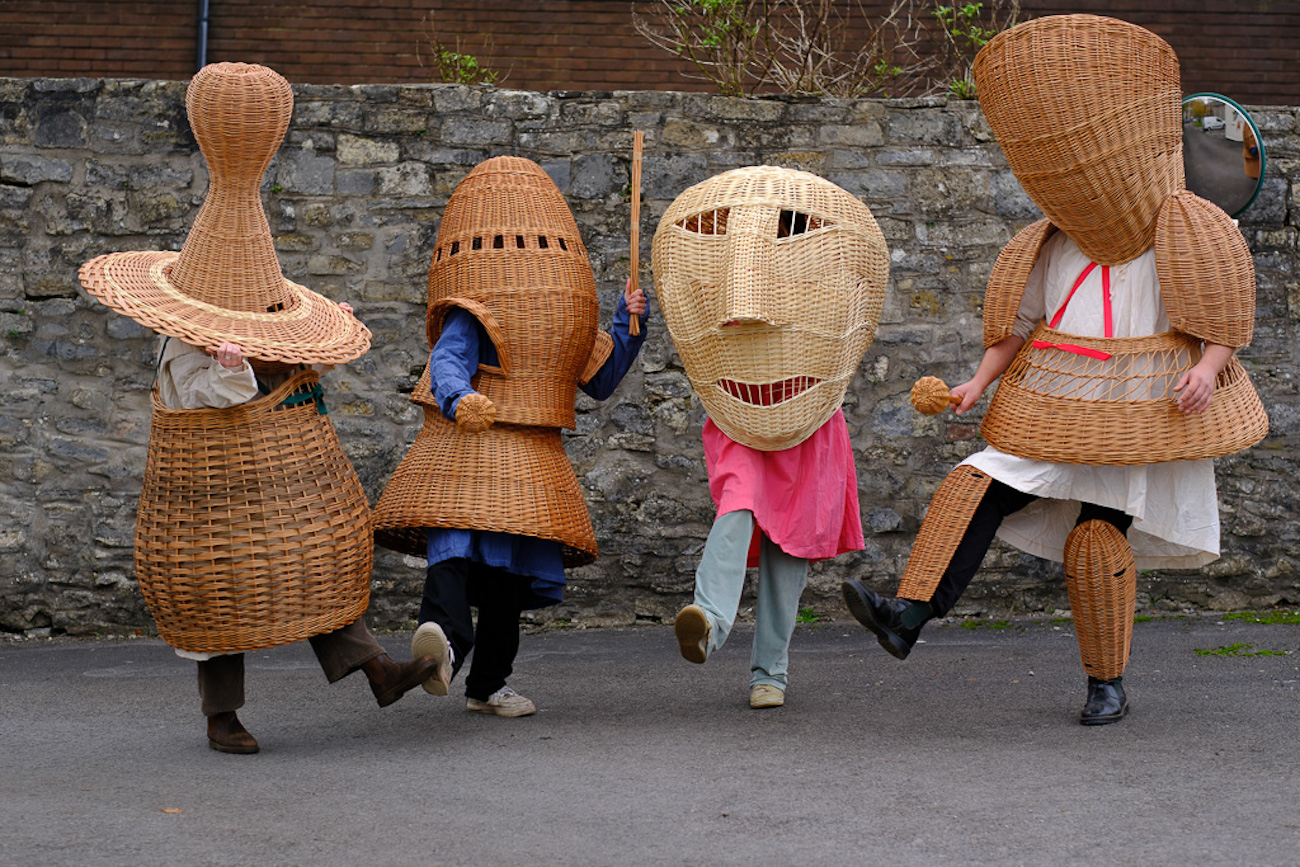
Photo: David Sinden
A towering woven head rises nearly as tall as its maker, while mysterious figures dressed in intricate basket-woven costumes appear somewhere between folklore, sculpture, and performance. These surreal creations come from British artist Lewis Prosser, who transforms traditional willow weaving into monumental artworks that challenge the boundaries between craft and contemporary art.
Working from his studio in Penarth, South Wales, Prosser uses traditional basketry techniques to create monumental sculptures, wearable costumes, and immersive performances. Although he works almost exclusively with willow, few of his creations function as baskets. Instead, he pushes the centuries-old craft into unexpected territory, exploring labor, regional identity, and the value of making by hand.
Prosser first studied printmaking at the Glasgow School of Art before leaving city life for rural Wales, where he taught himself basketry through experimentation. As his confidence with the material grew, so did his ambitions. Rather than treating willow as a practical craft medium, he began using it as a sculptural language capable of telling larger cultural stories.
His work challenges the way people think about basketry itself. Willow, once an everyday material used to make everything from fishing traps to furniture, shaped daily life long before synthetic plastics replaced natural fibers. Prosser reimagines that overlooked tradition through oversized forms that feel simultaneously ancient and futuristic.
The artist often describes his practice as existing somewhere between art and craft. Instead of choosing one discipline over the other, he embraces the tension between them. That freedom allows him to honor traditional weaving techniques while creating objects that feel playful.
Heritage remains central to Prosser’s practice. Many of his costumes draw on basketry traditions native to Wales and southwestern England, preserving techniques that risk disappearing as fewer people learn them. Several of these woven costumes now belong to the Folk Preservation Society in Devon, where they continue to appear in performances rather than remain static museum objects.
Whether building monumental wicker sculptures or inventing basket-based performances, Prosser continues to expand what basketry can become. His work honors tradition without remaining bound by it, proving that one of humanity's oldest crafts still holds endless creative possibilities.
To keep up to date with the artist’s work, you can follow Lewis Prosser on Instagram.
British artist Lewis Prosser has gained recognition as an “absurdist basketmaker” by transforming willow weaving into unexpected sculptural forms that challenge traditional ideas about craft.
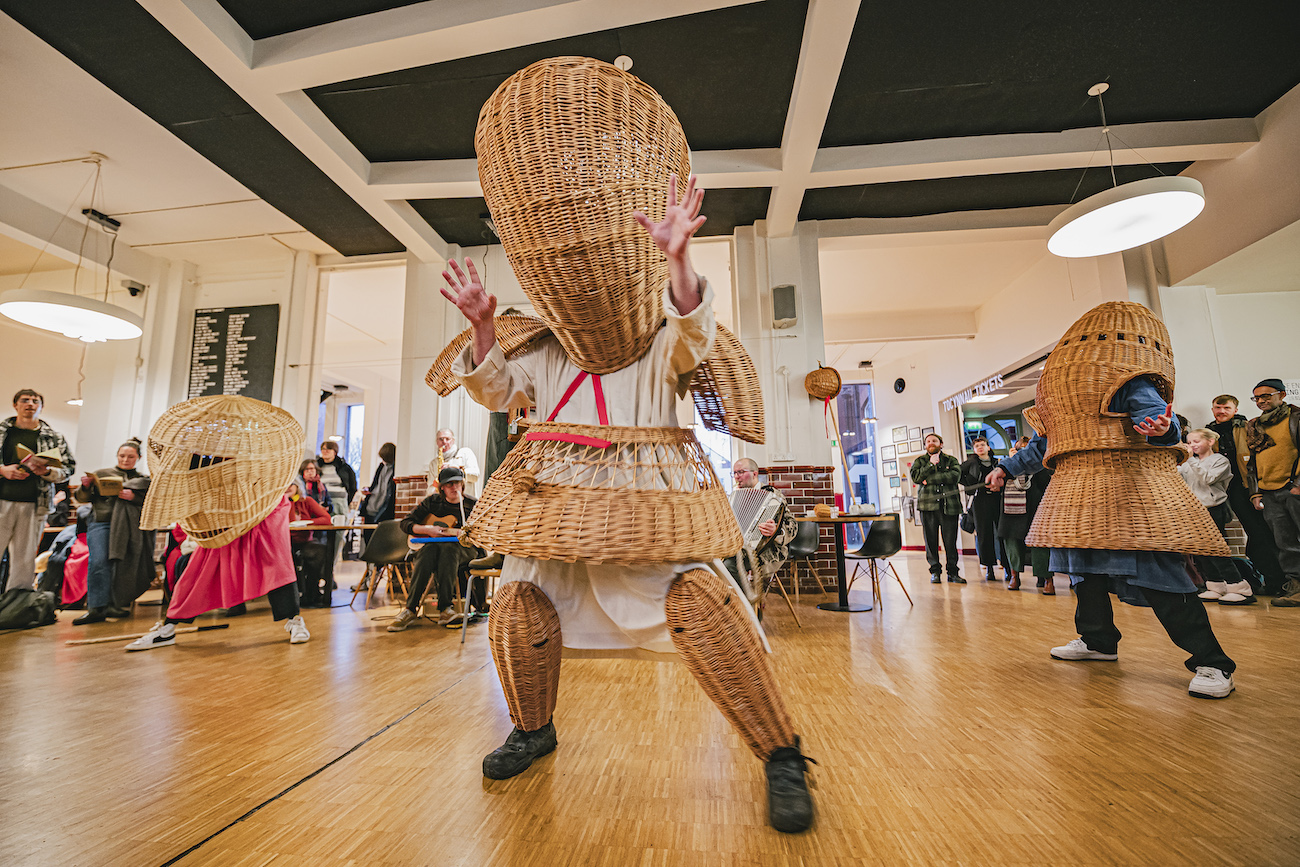
Photo: Kirsten McTiernan
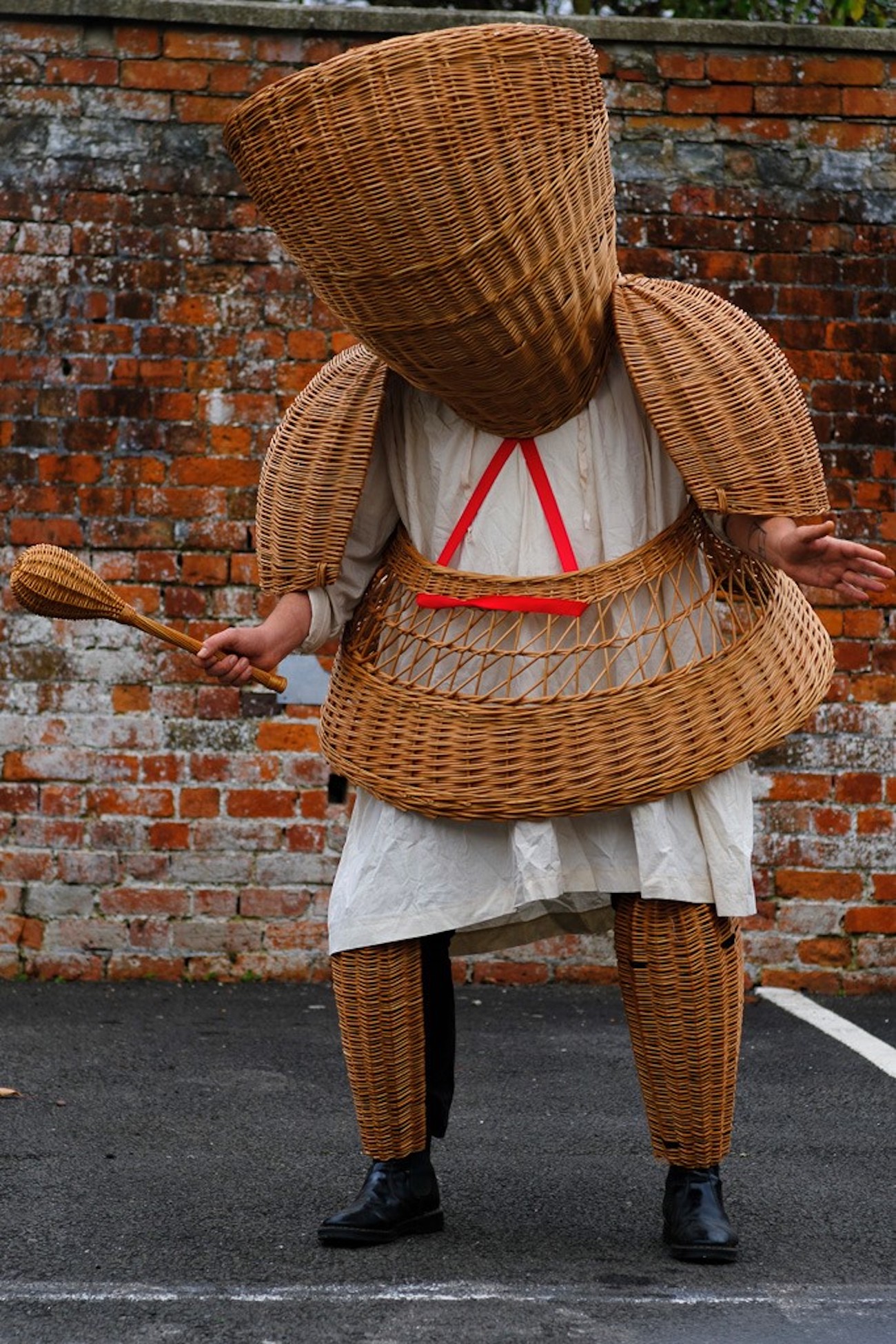
Photo: David Sinden
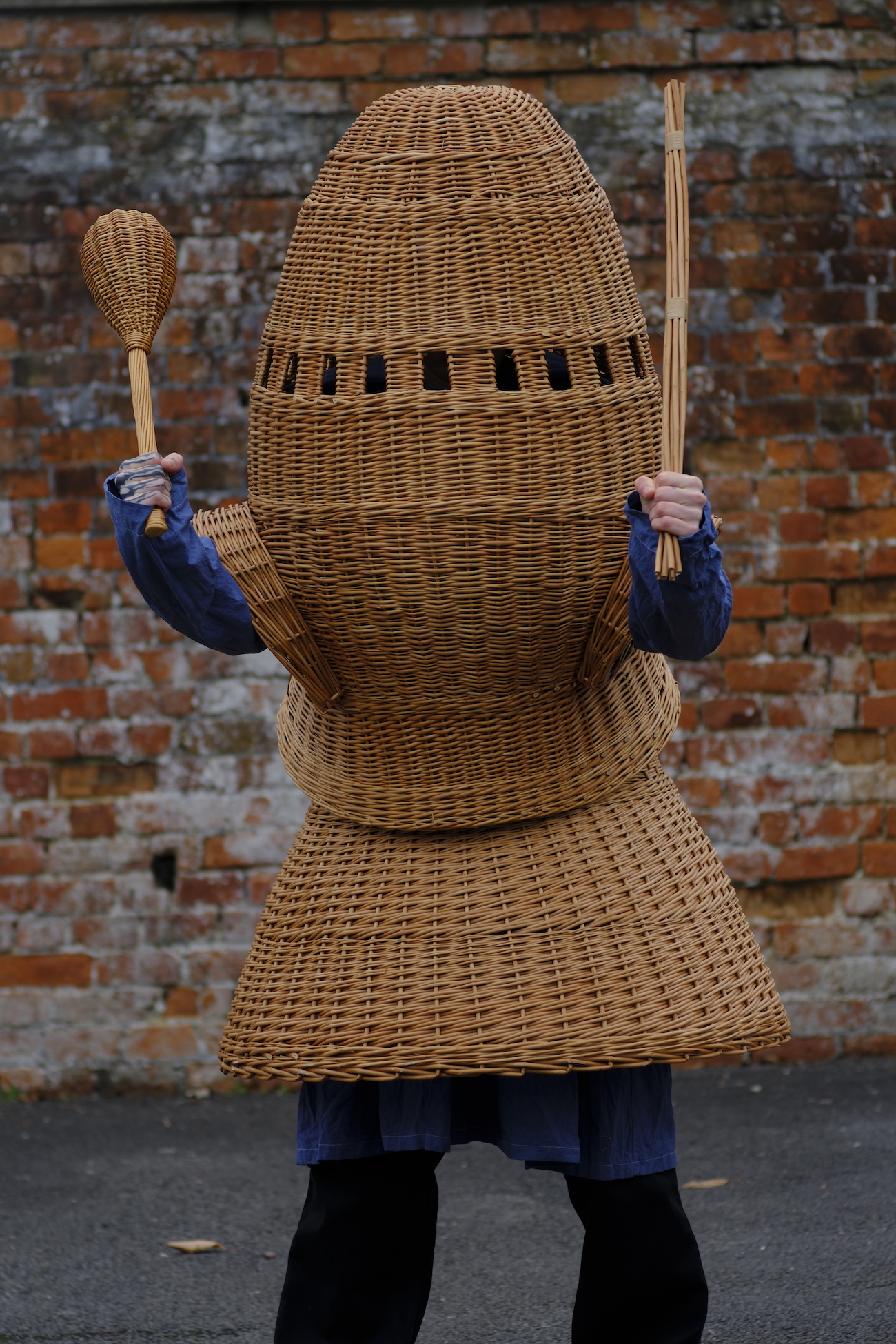
Photo: David Sinden
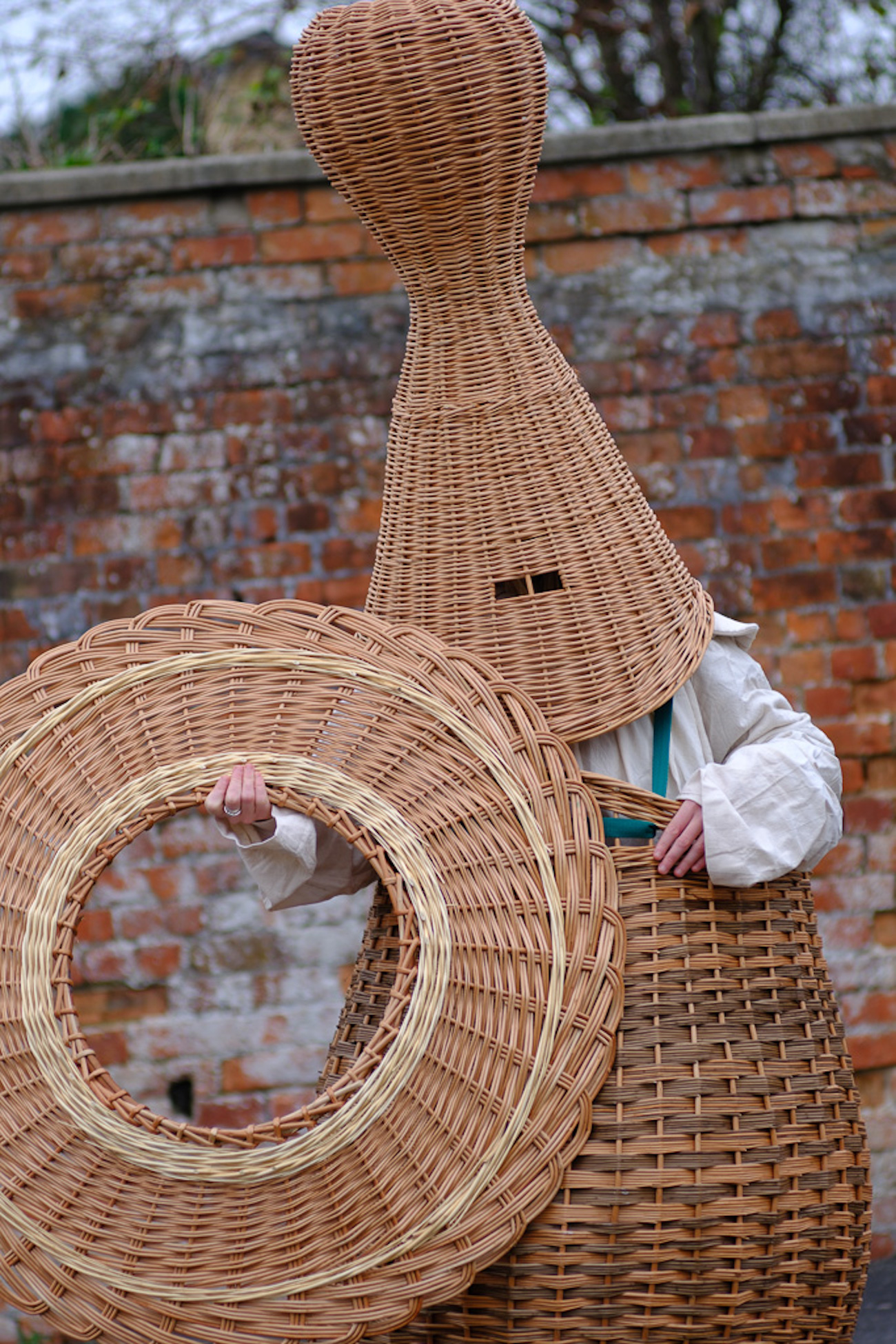
Photo: David Sinden
Based in Penarth, South Wales, Prosser learned basketry through experimentation and now uses the centuries-old practice to explore the cultural history behind handmade objects.
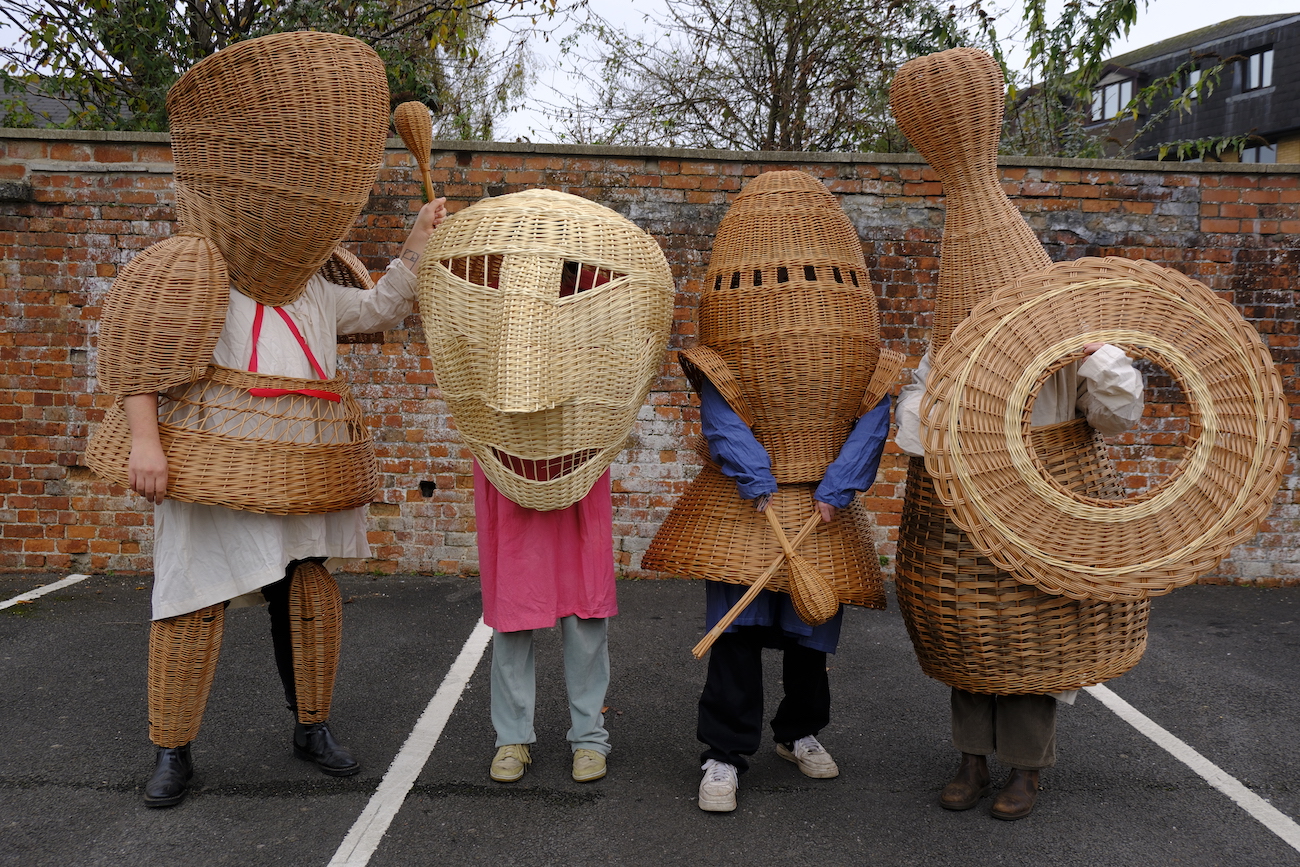
Photo: David Sinden
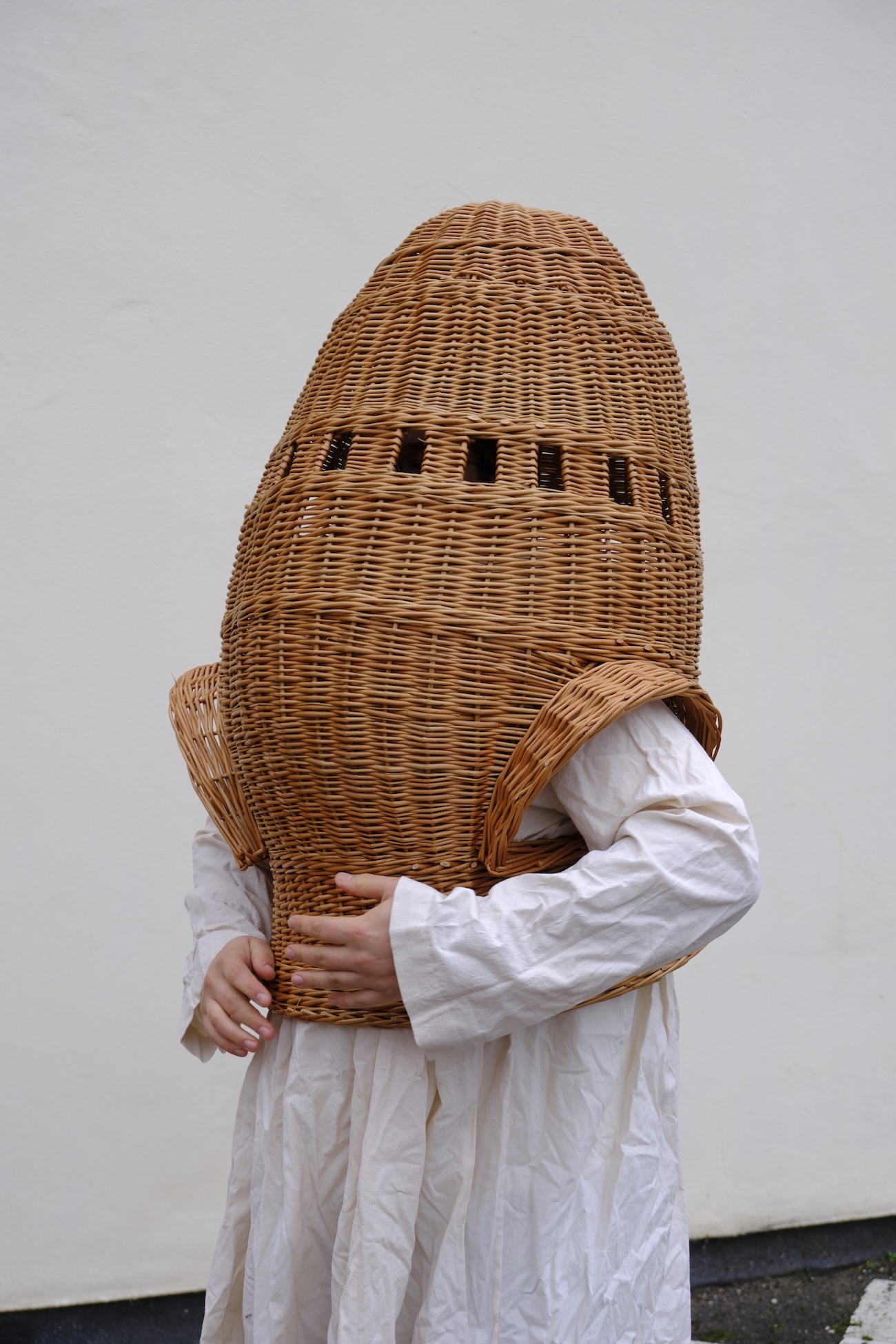
Photo: David Sinder
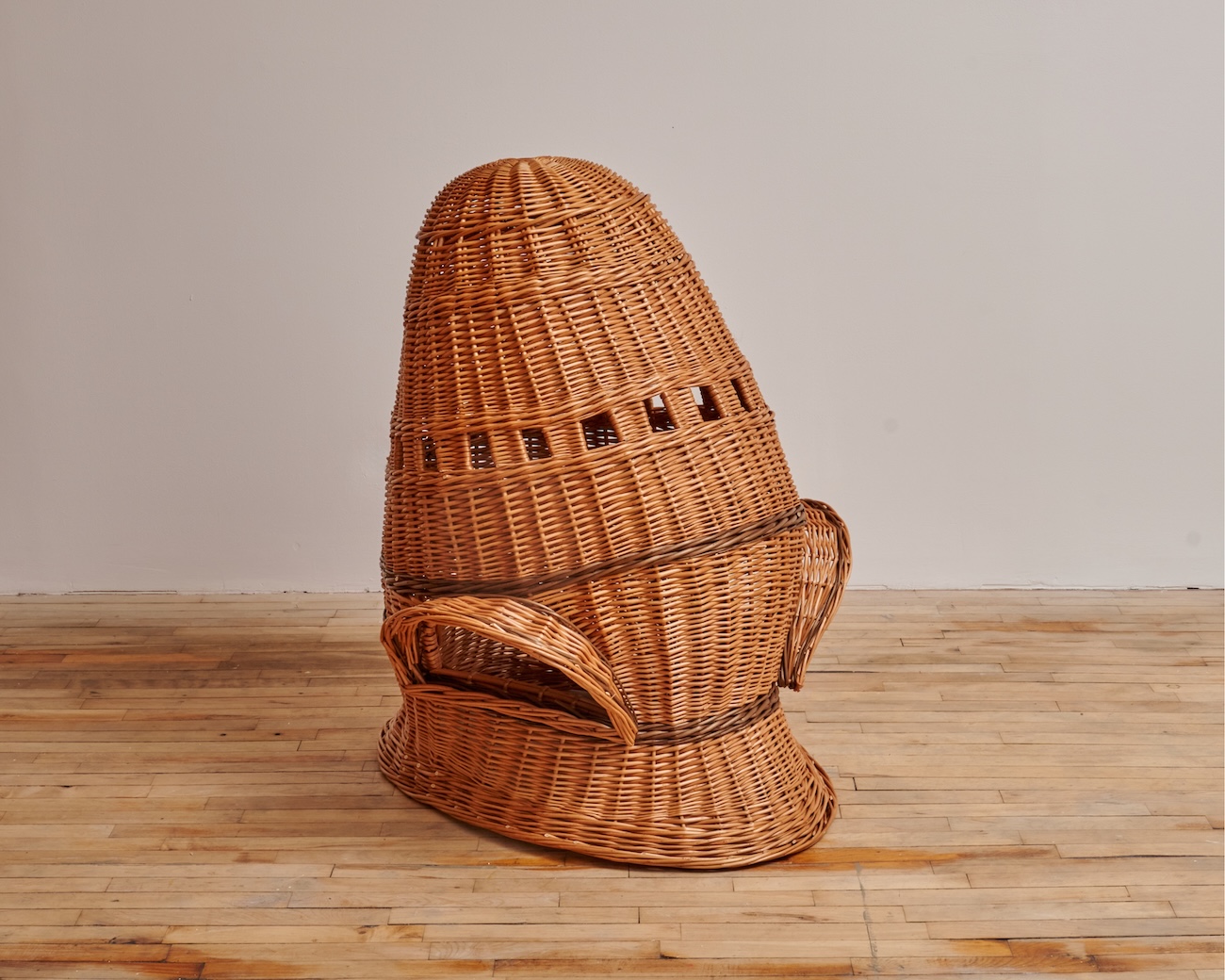
Photo: Matthew Gordon
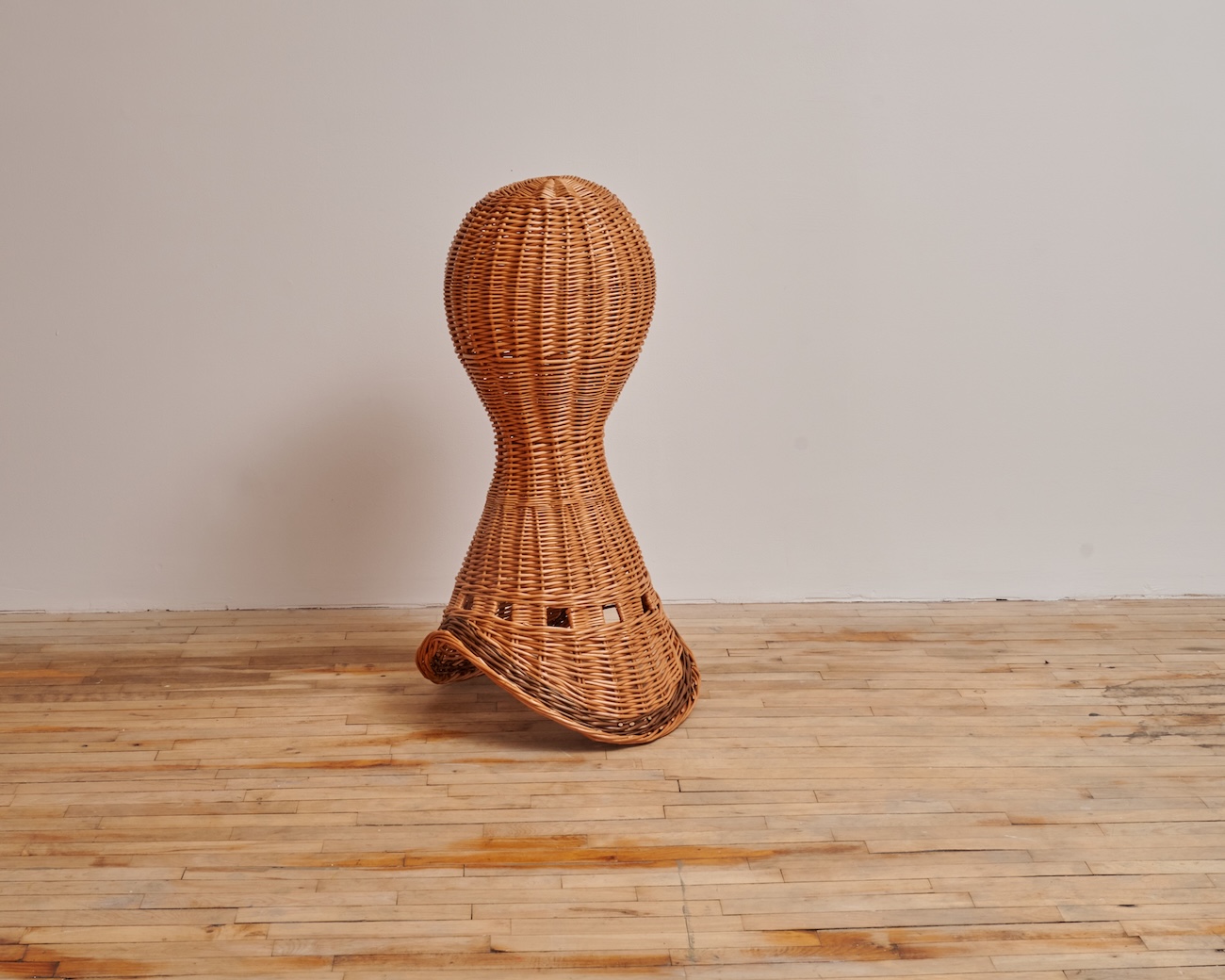
Photo: Matthew Gordon
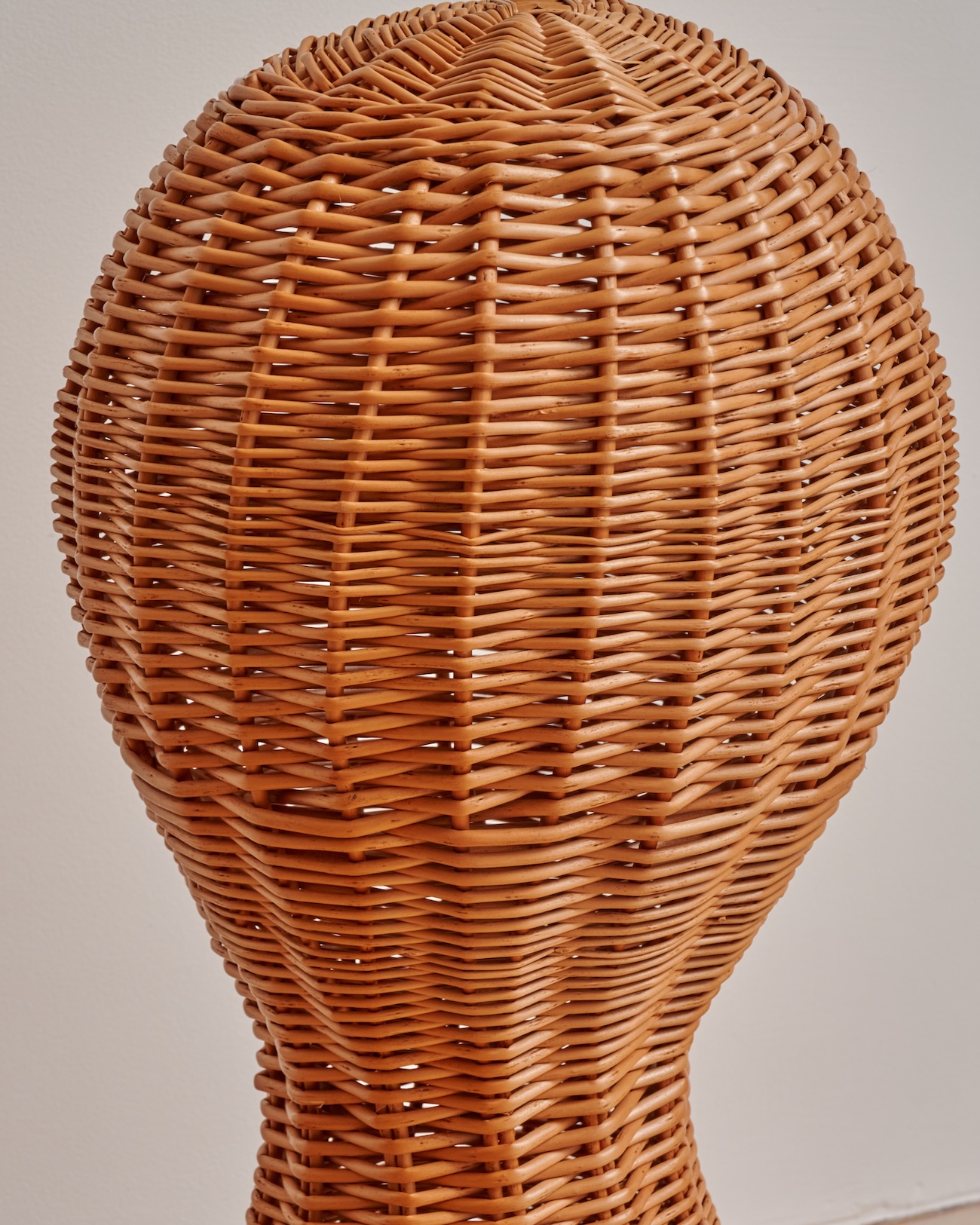
Photo: Matthew Gordon
His large-scale woven creations bring renewed attention to disappearing basketry traditions while showing how natural materials can take on new meanings in contemporary art.
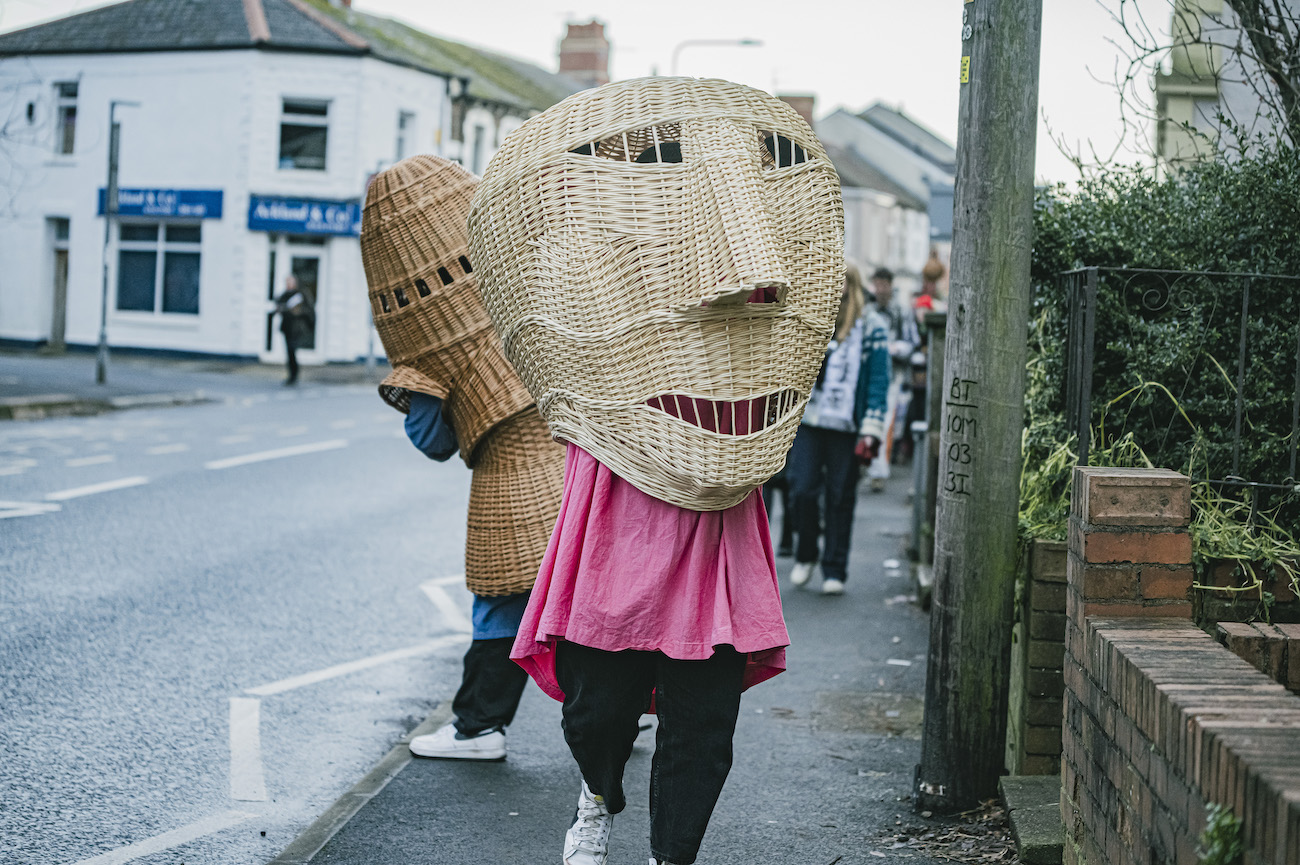
Photo: Kirsten McTiernan
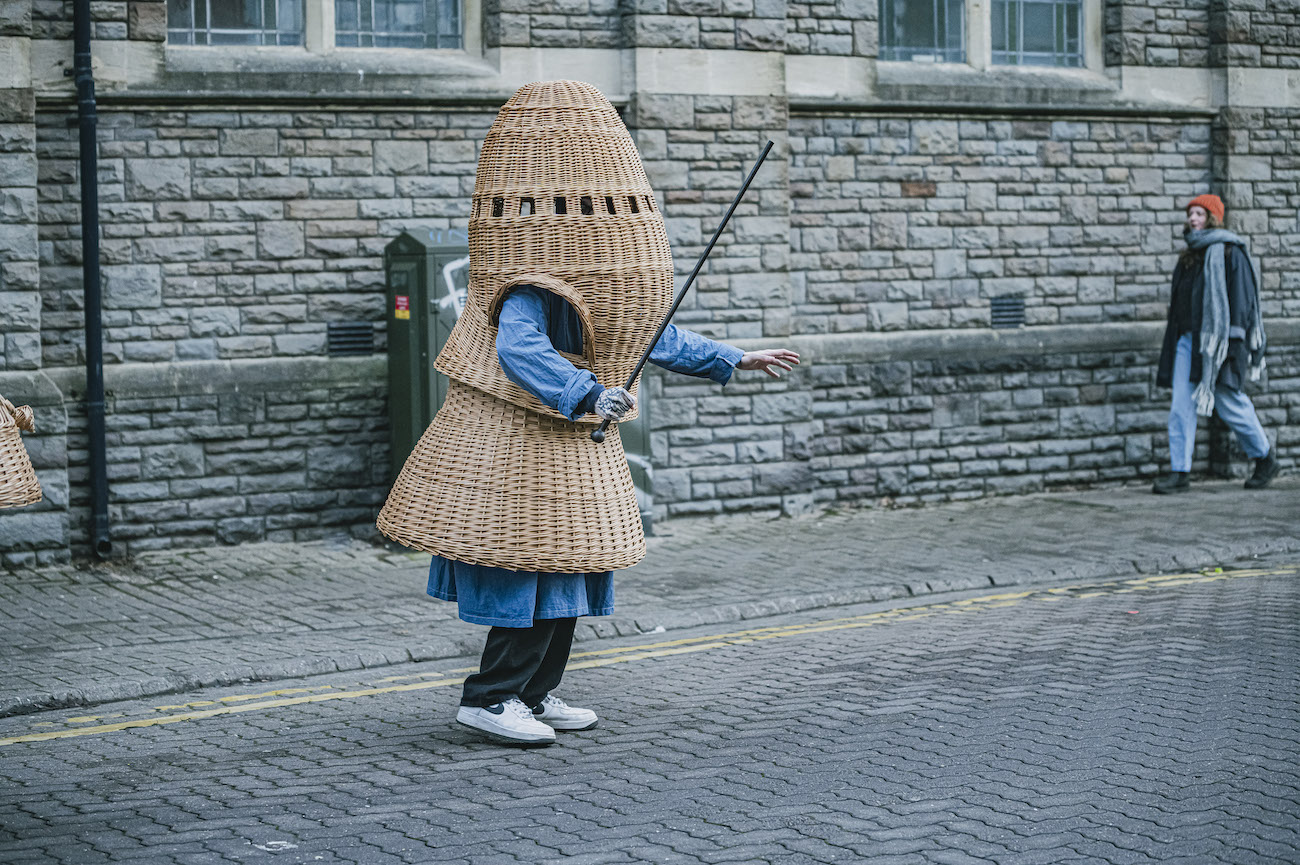
Photo: Kirsten McTiernan
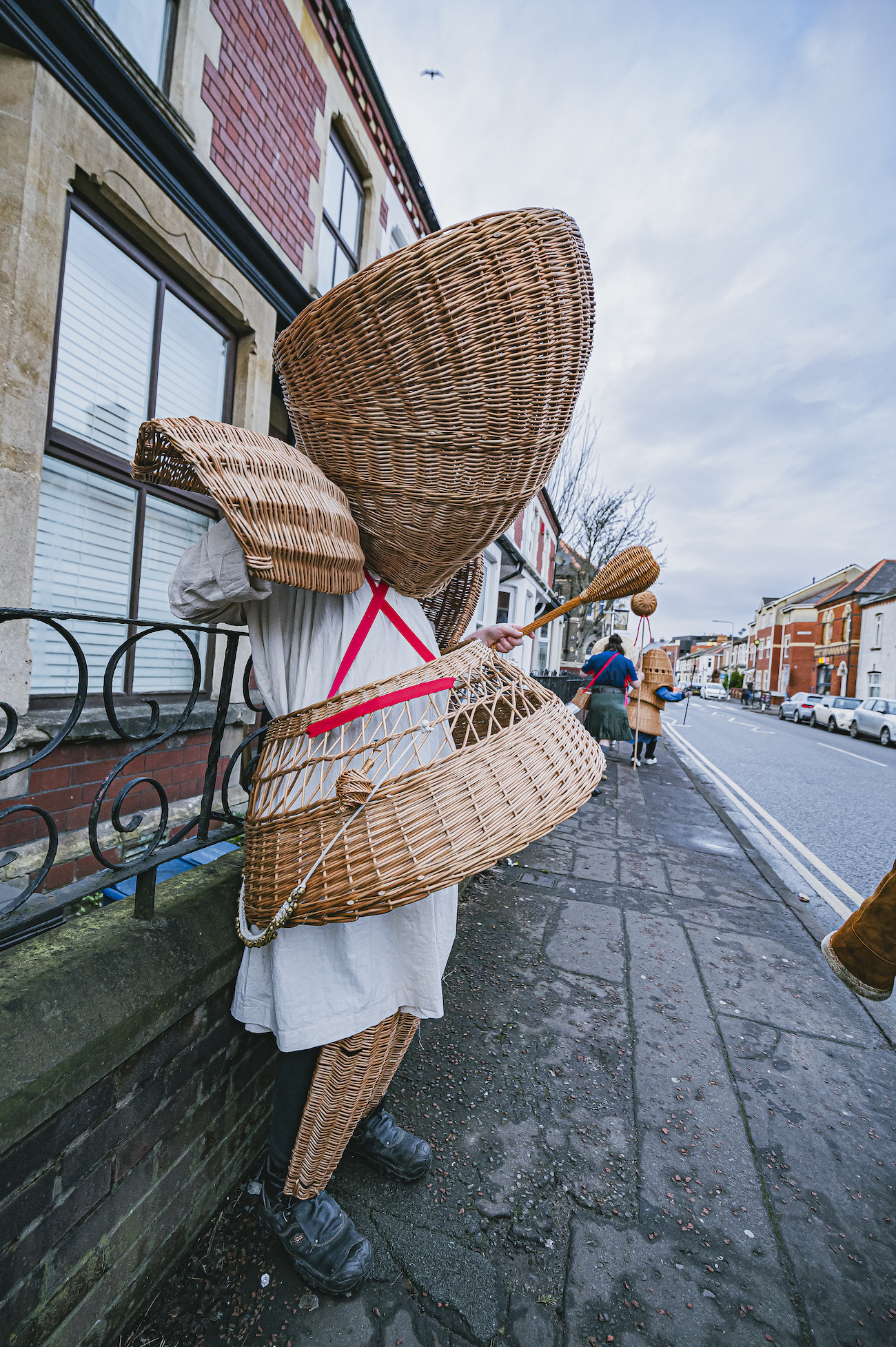
Photo: Kirsten McTiernan
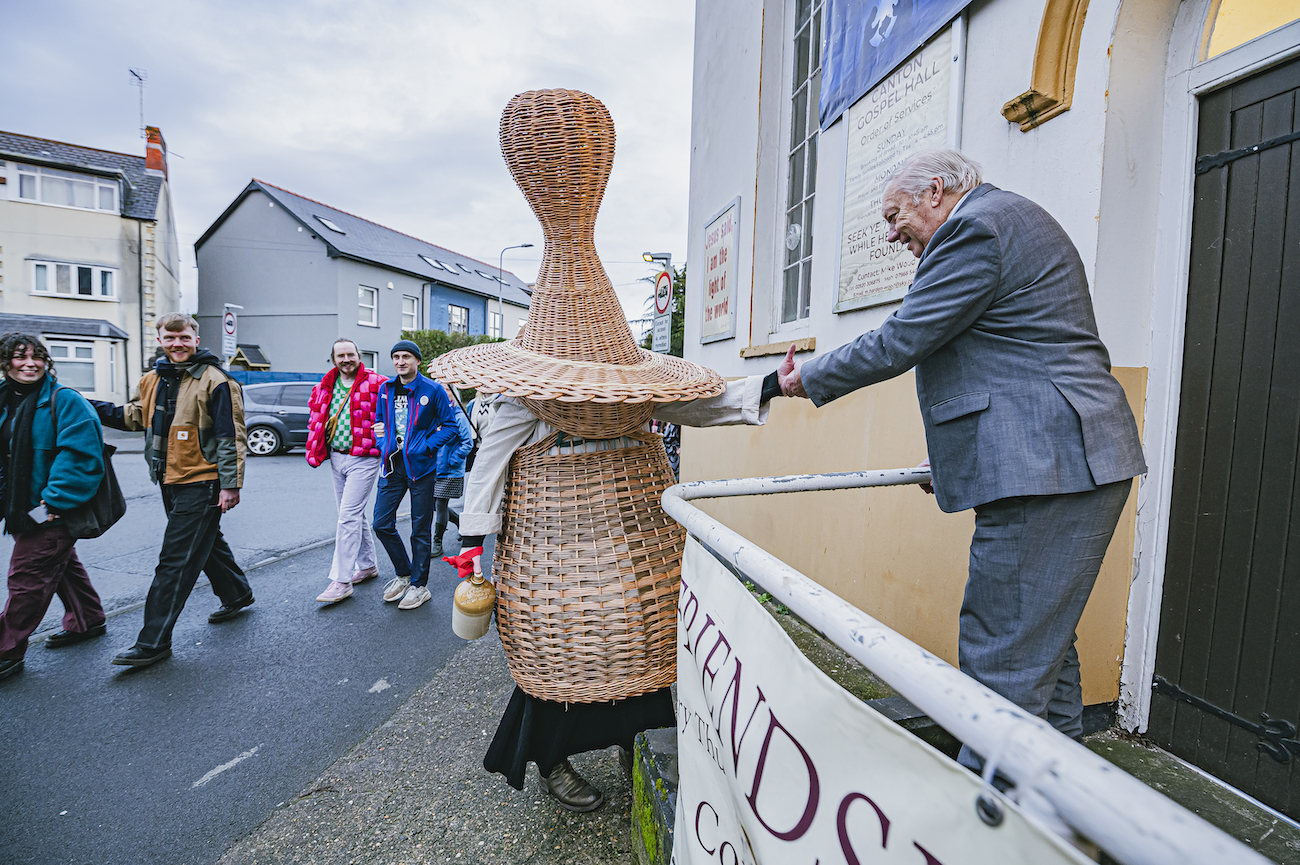
Photo: Kirsten McTiernan
By looking to the past while pushing the boundaries of what basketry can be, Prosser reveals the lasting creative potential of one of humanity’s oldest crafts.
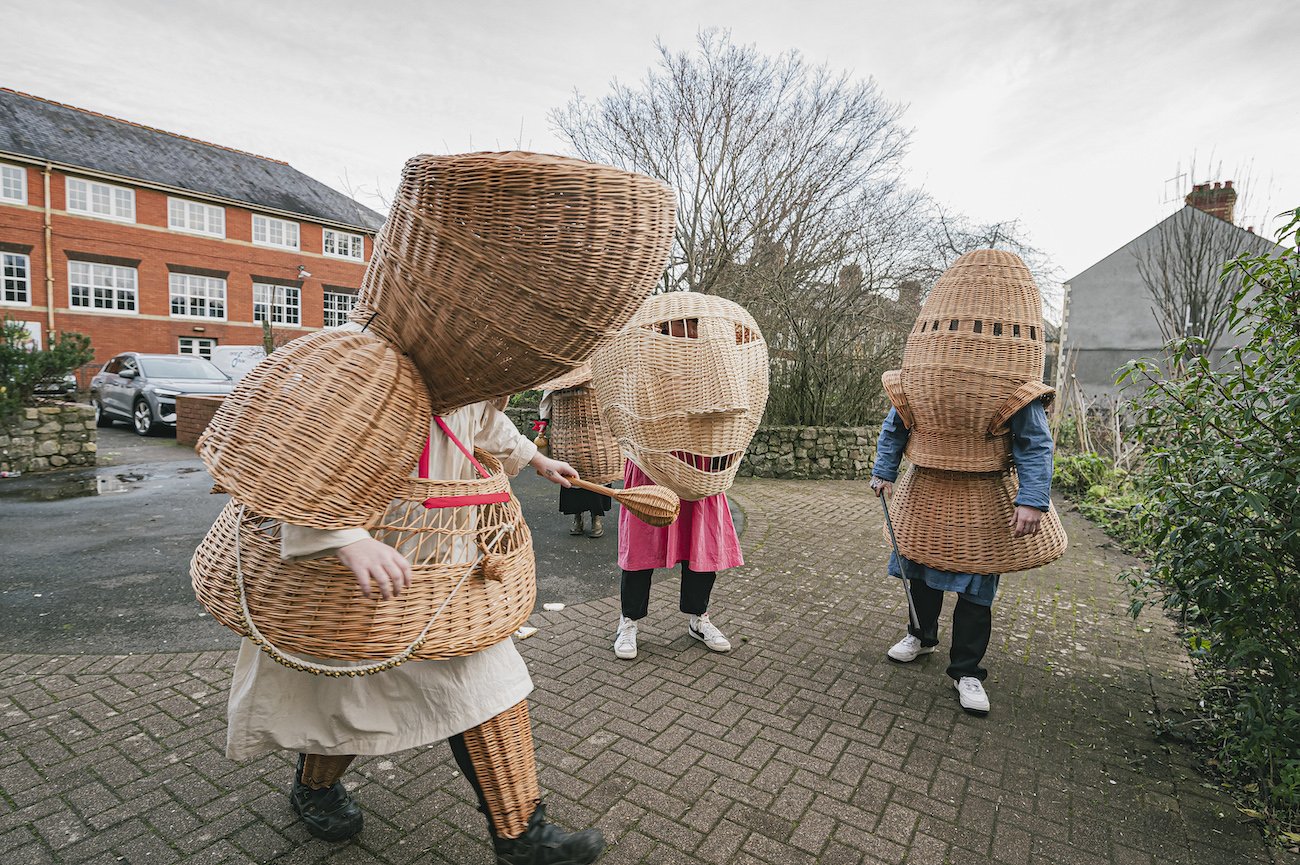
Photo: Kirsten McTiernan
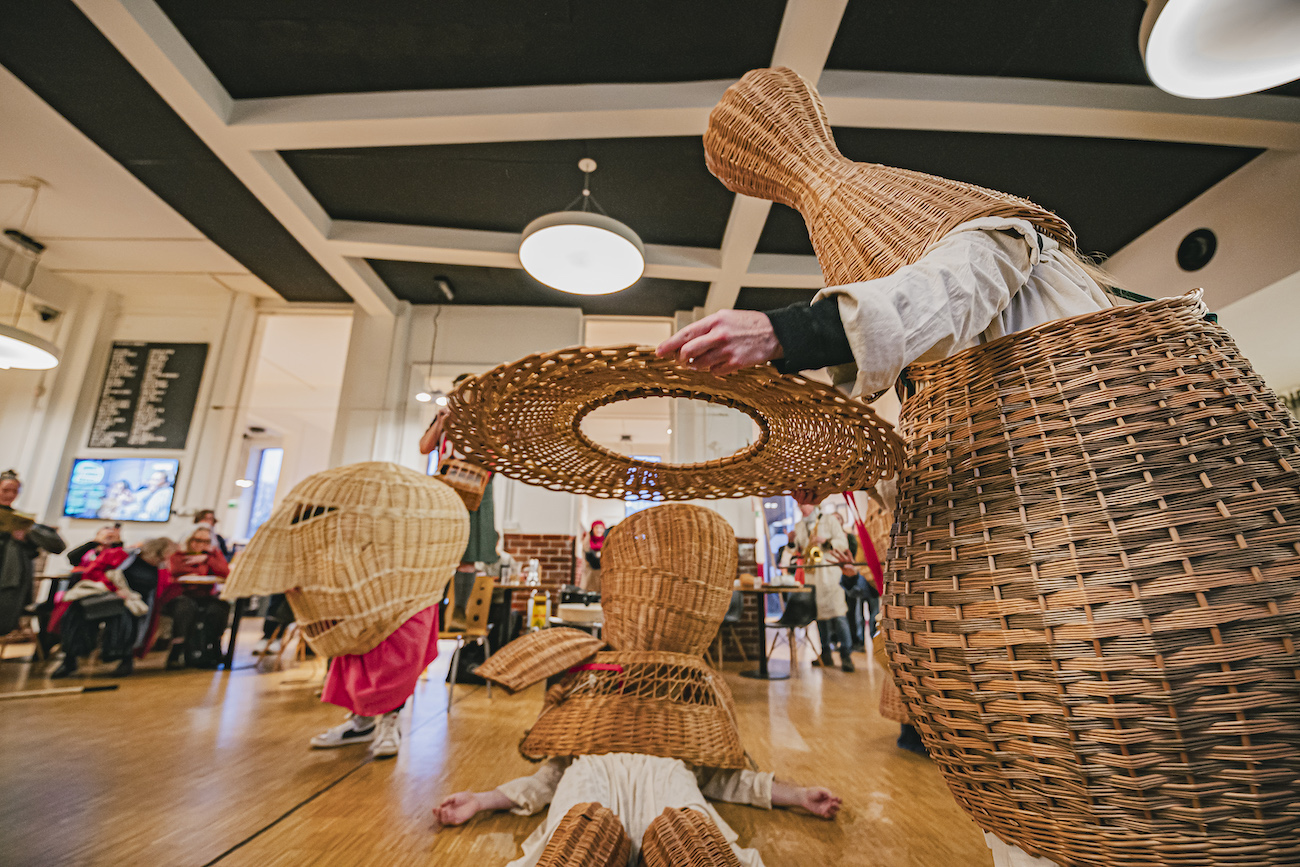
Photo: Kirsten McTiernan
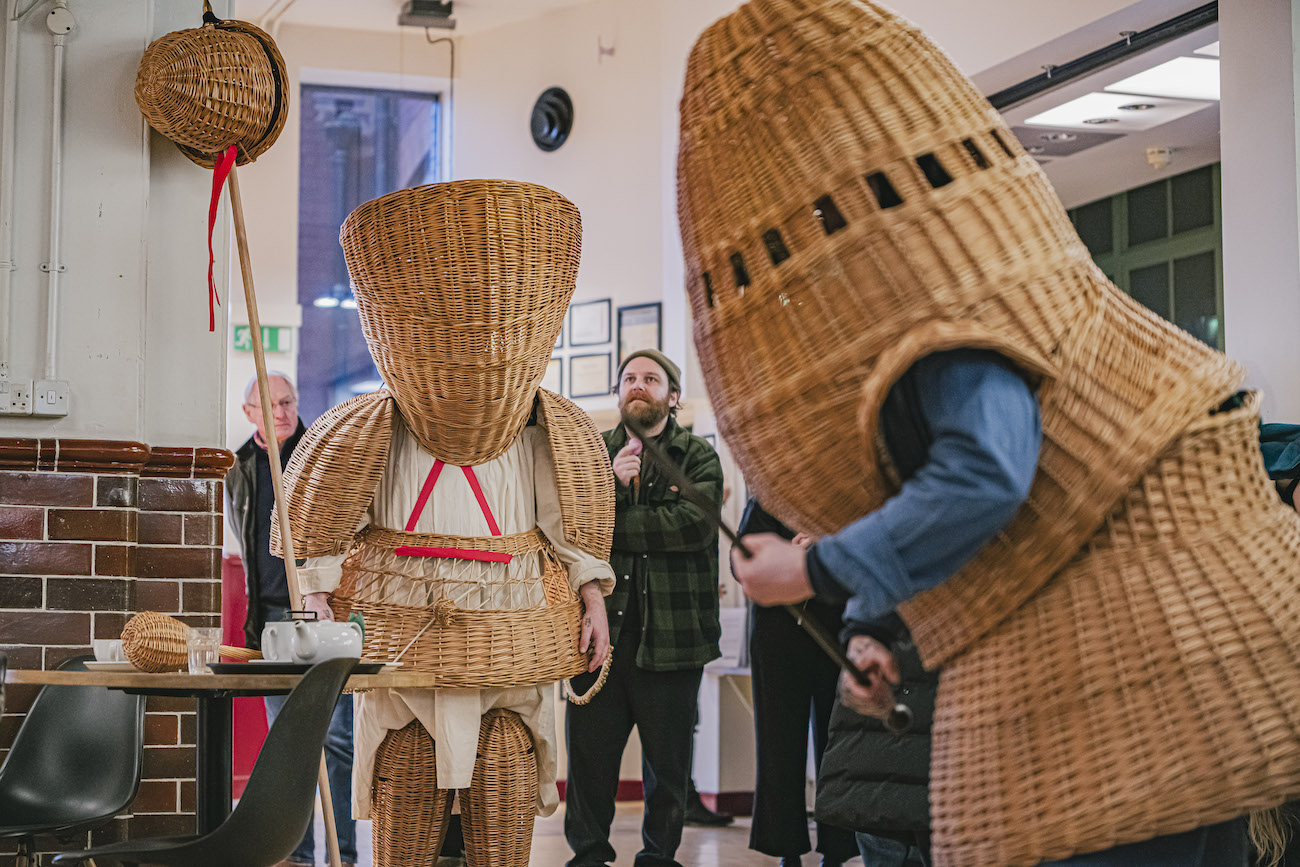
Photo: Kirsten McTiernan
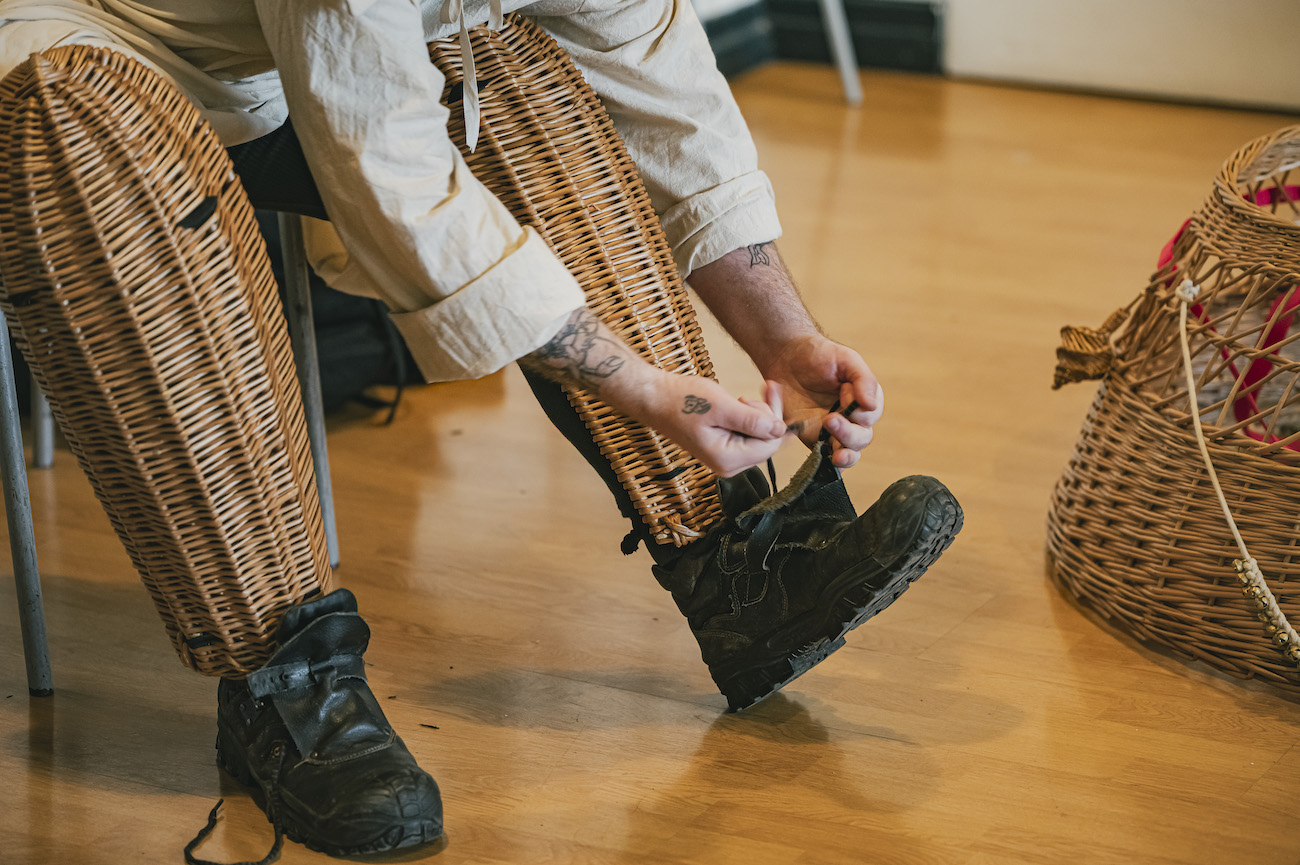
Photo: Kirsten McTiernan
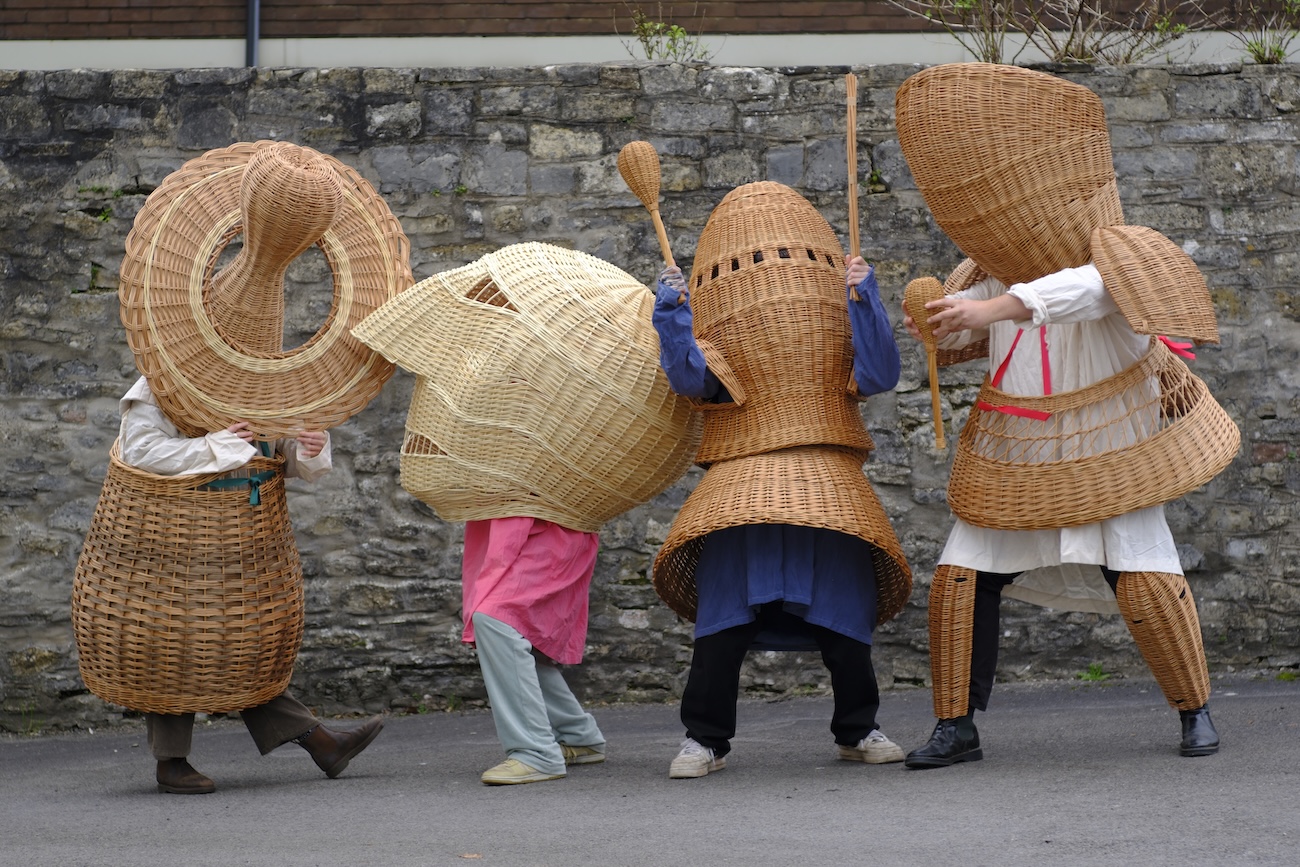
Photo: David Sinder