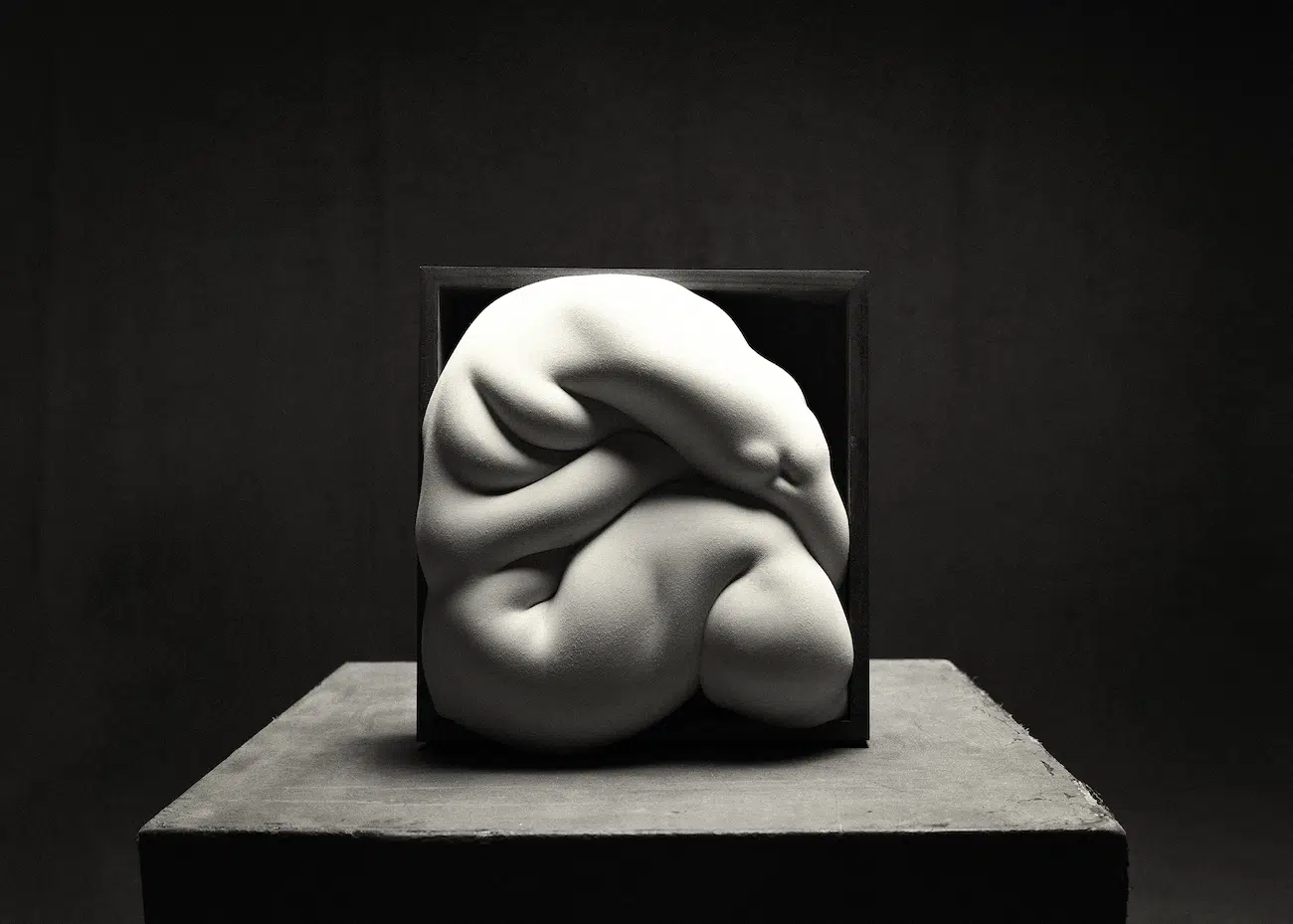
Multifaceted artist Vincent Lagrange spent more than two decades photographing animals with a sense of closeness that defined his acclaimed series Between Us. With Never Enough, he shifts that gaze inward, building sculptural forms that transform photography’s logic into physical space. The result is a body of work that confronts excess not as an abstract idea, but as something that presses, swells, and refuses containment.
The series began, Lagrange explains, as an extension of his photographic practice rather than a departure from it. He first imagined shaping and lighting sculptural models that he would then photograph, continuing his work with animal portraiture in a new form. But once the objects took shape in his Antwerp atelier, their presence changed his direction entirely. “There wasn’t one dramatic moment, more a beautiful betrayal by my own plan,” Lagrange tells My Modern Met. “A photograph is a window: you look through it at something else. This subject needed a mirror.” As the forms developed, they stopped functioning as subjects for images and instead demanded to exist as objects in their own right.
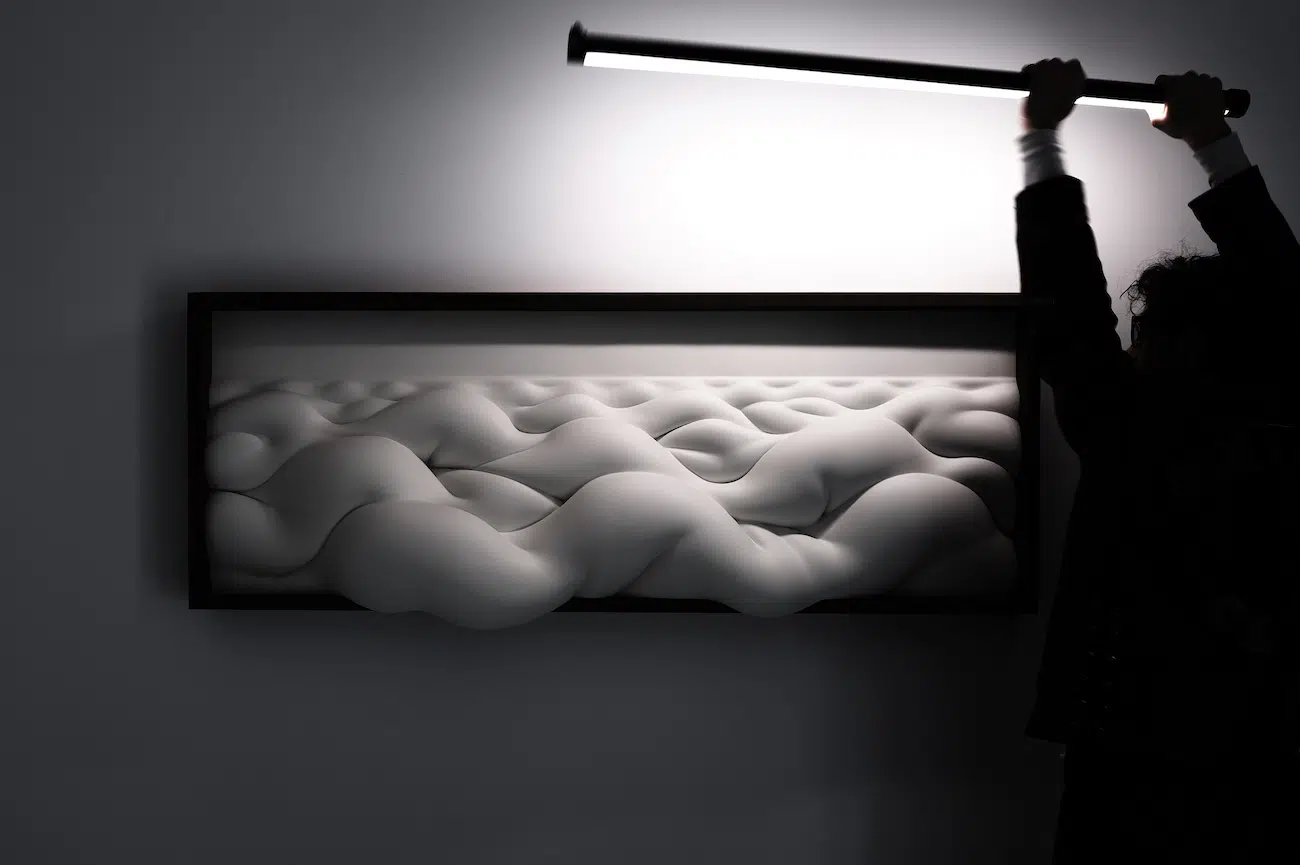
Even as the work moved into sculpture, photography never disappeared from its foundation. Lagrange continues to design each form using 3D software and constructs controlled lighting environments inside his studio, echoing the visual precision of his photographic practice. Yet he insists the shift became necessary once he realized the subject could not remain contained within an image. “Greed is pressure, weight, mass pushing against a boundary,” he says. “These works are about the moment we overflow that cadrage.”
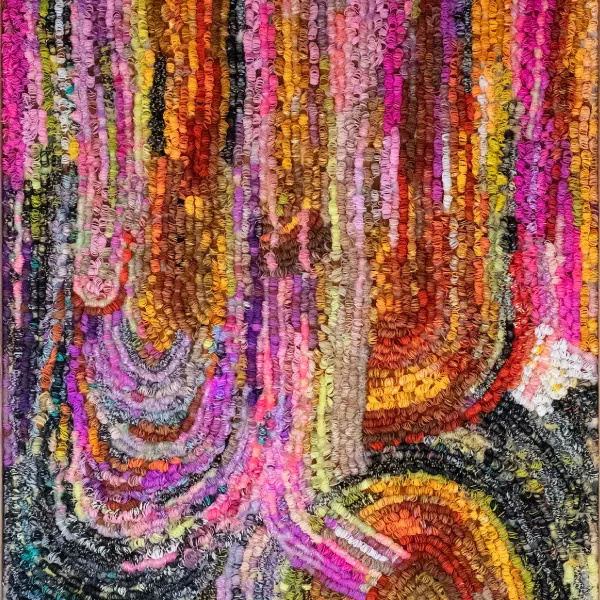
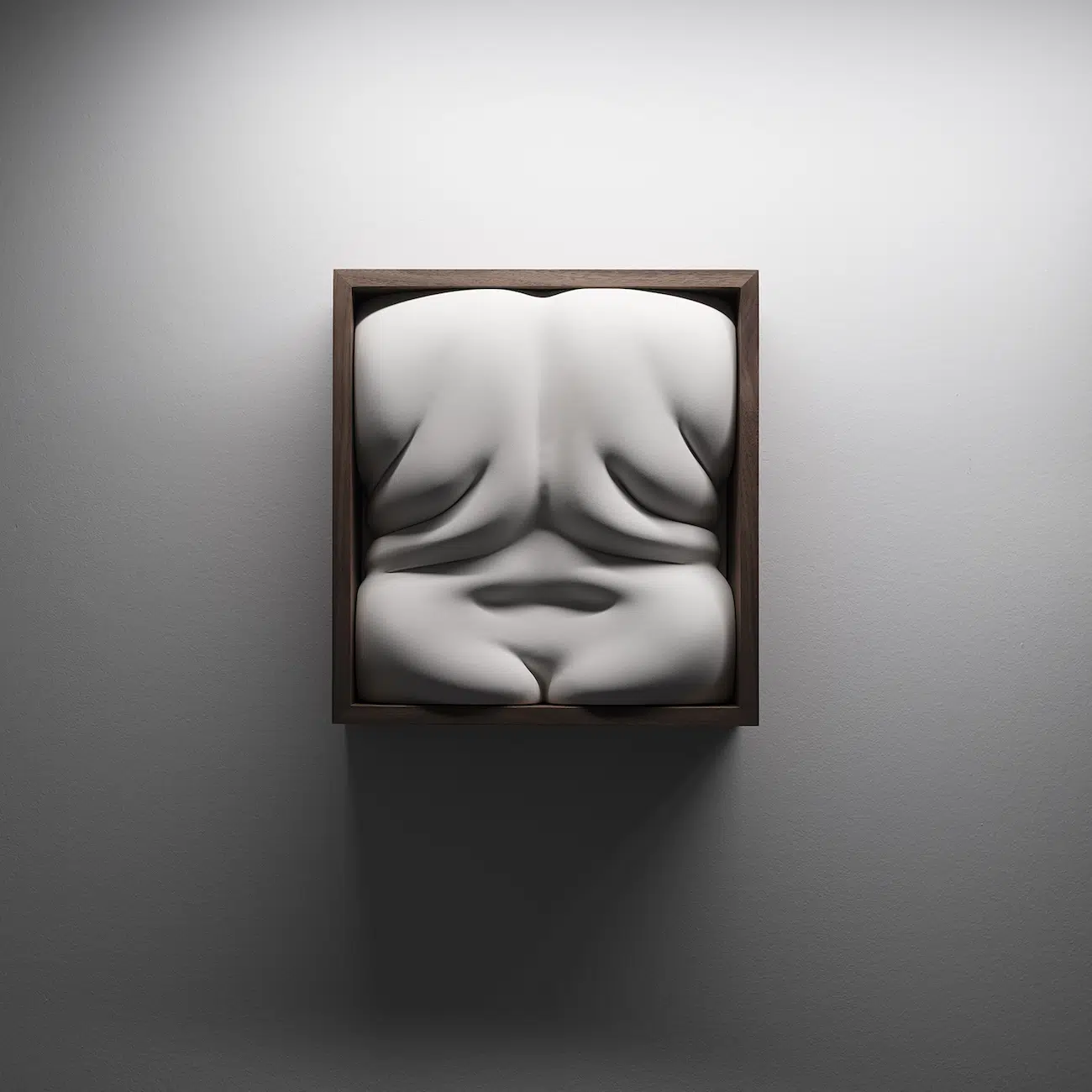
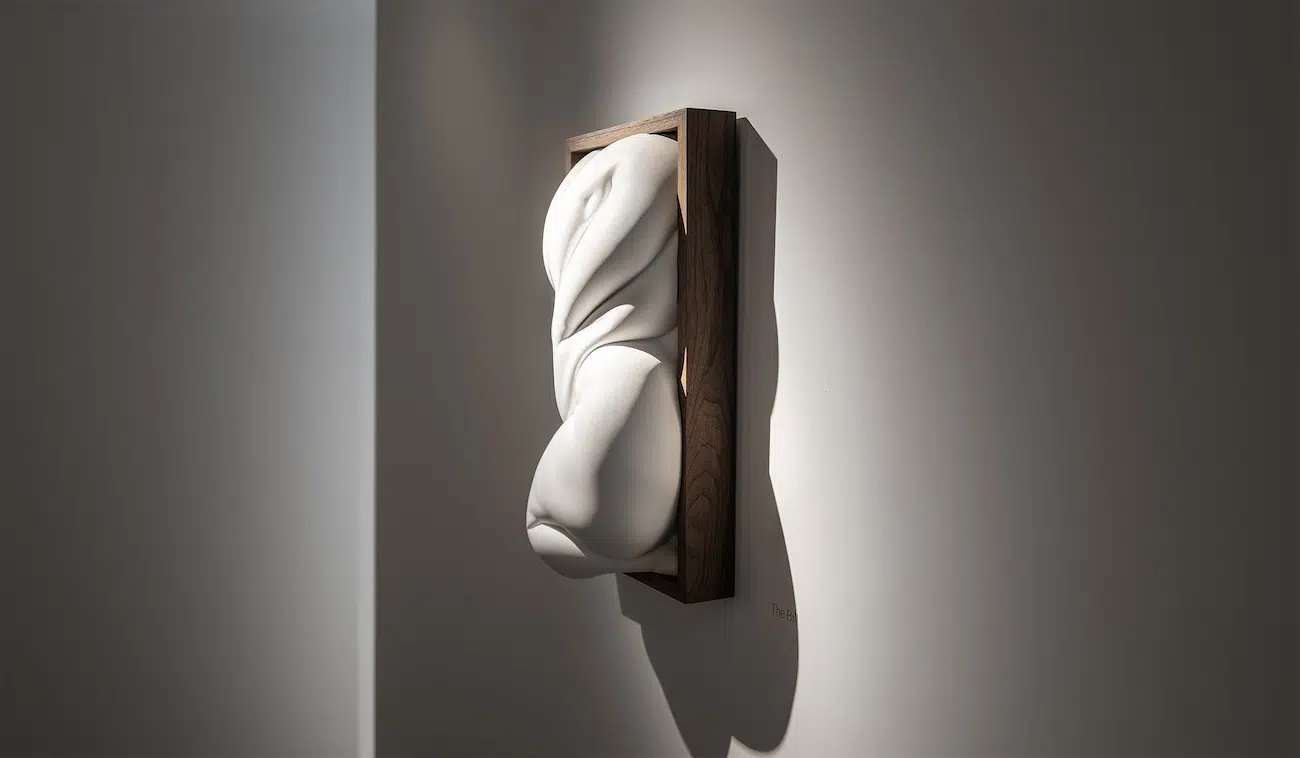
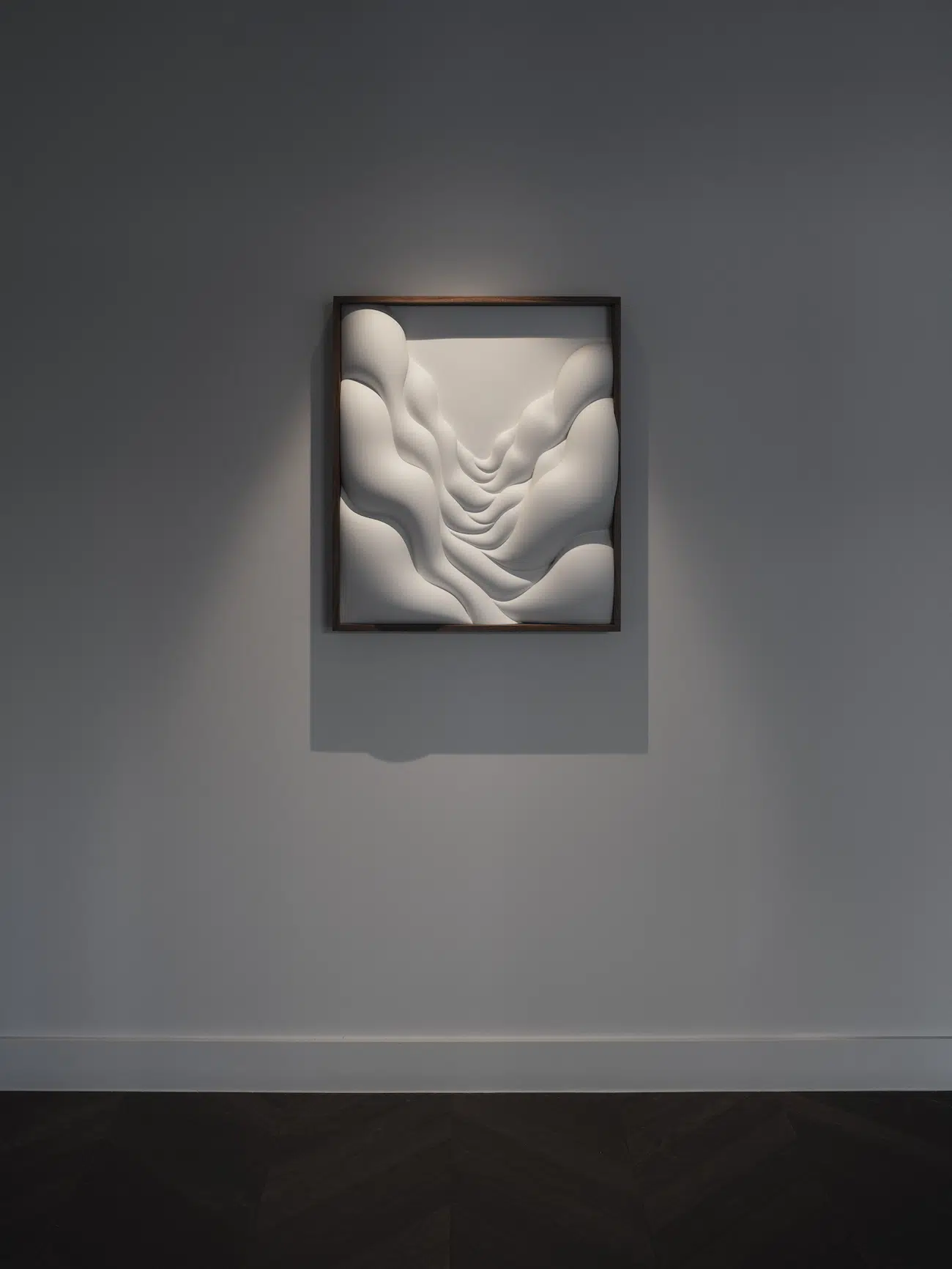
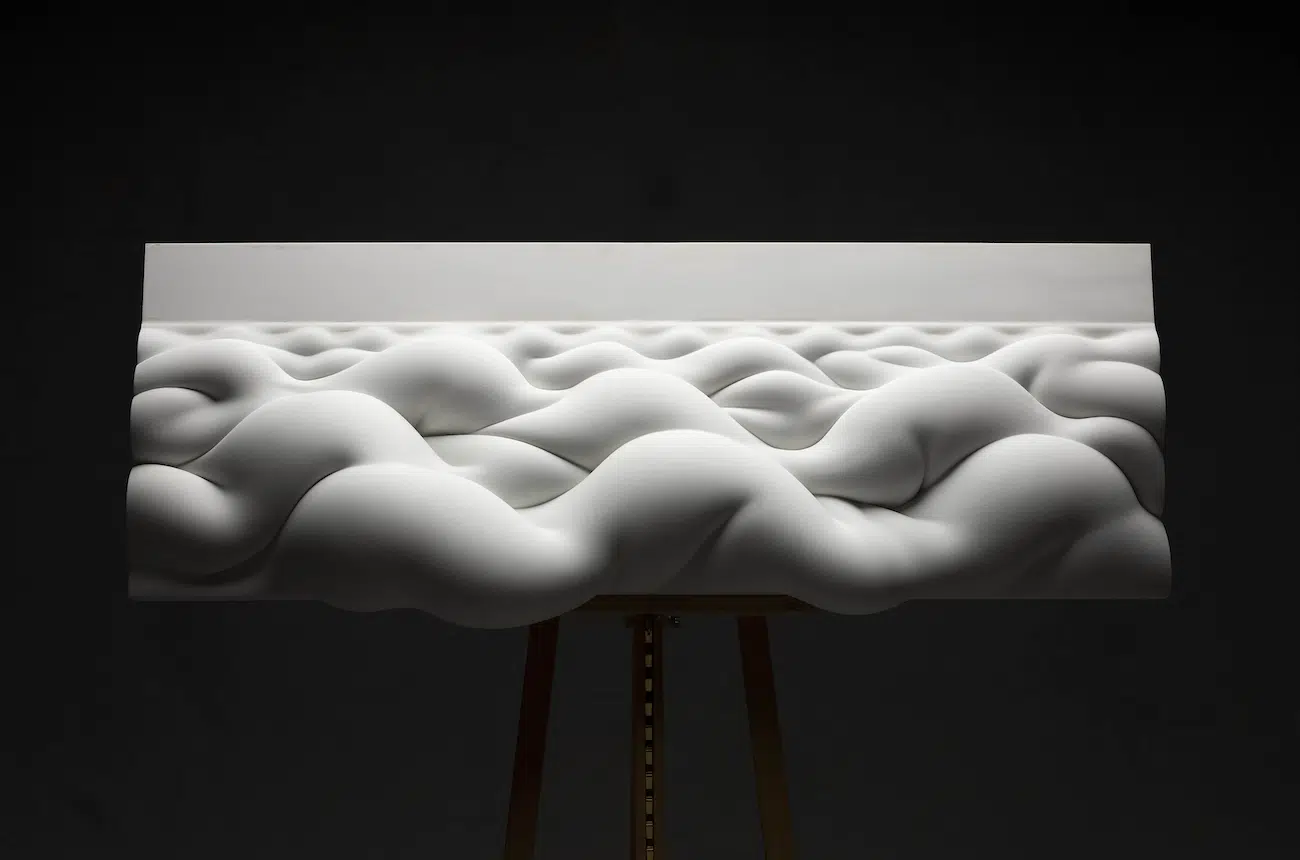
That sense of pressure defines the visual language of Never Enough. The sculptures appear soft, yet they are rendered in hard, matte mineral surfaces that resist touch. Lagrange builds this contradiction into the core of the work.
“Your eye reads flesh, folds, something warm,” he tells My Modern Met. “What looks inviting is unyielding, what seems soft has already hardened into consequence.” He describes the works as a “dagger of whipped cream,” where attraction and critique collapse into a single form. Material does not illustrate the idea here. It becomes the idea.
Lagrange also extends that material logic into organic matter drawn from his earlier practice. For a selection of works, he incorporates pigments derived from elephant dung collected from Mala, an elephant he previously photographed in Between Us. “The material carries the story further than people suspect,” Lagrange says. “The animal I photographed for her dignity returns, literally, as substance in the work about our greed.” The gesture tightens the link between series, folding past observation into present critique.
Rather than depict recognizable symbols of excess, Lagrange turns to abstraction. “Because a recognizable symbol lets you off the hook,” he tells My Modern Met. “Abstraction removes that escape route.” Without identifiable objects to interpret, viewers respond to sensation instead of narrative, moving through recognition that stays unresolved and bodily.
Lagrange developed the series over two years in near-total isolation, closing his Antwerp studio to visitors and external influence. Inside that space, he combined sculpture, photography, mold-making, and digital design under one roof. The process became both productive and revealing. “The biggest discovery was uncomfortable,” he says. “My obsession of creating mirrors the obsession the work exposes. I never had enough either.” That realization brings the artist directly into the psychological frame of the work itself.
Nature plays a central role in shaping the forms of Never Enough. Lagrange points to fungi, particularly pink oyster mushrooms he cultivated in his studio, as a key influence. “A mushroom knows when it has enough; we hoard until we burst,” he tells My Modern Met. Their organic limits stand in contrast to human systems of accumulation, where desire rarely recognizes completion. These natural structures helped define a visual vocabulary rooted in growth, expansion, and controlled overflow.
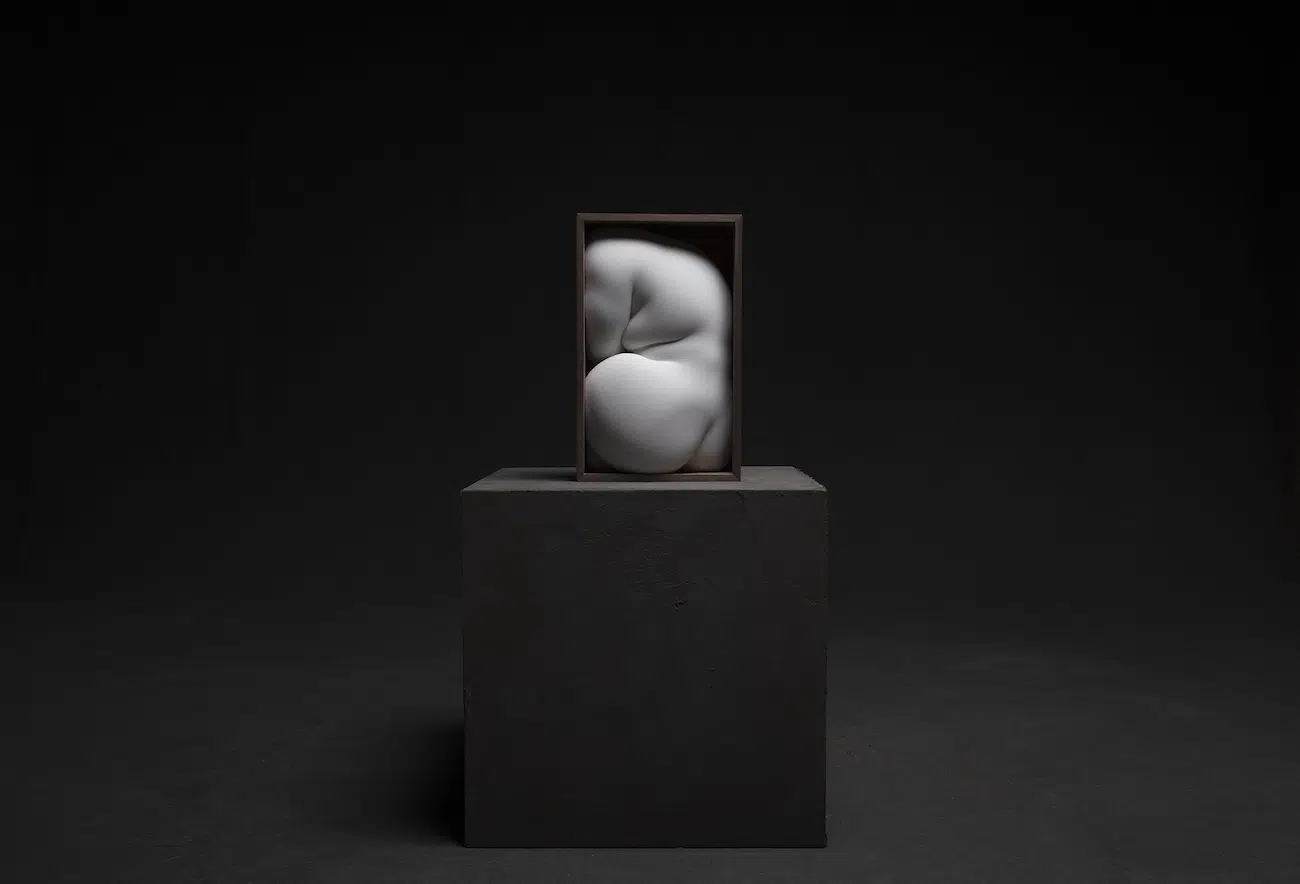
The works sit within solid walnut frames that function as both boundary and structure. “The frame is not decoration; it is the other half of the sculpture,” he says. “Without the frame, overflow is just chaos. With the frame, it becomes drama.” The frame holds tension at the center of the series, shaping how excess is seen and contained.
The title Never Enough extends that logic into language. Lagrange describes it as both diagnosis and self-portrait, one that applies as much to individual behavior as to collective systems. “Animals take what they need, then they stop,” he tells My Modern Met. “We are the only species that forgot where it ends.” The series holds that contradiction in suspension, inviting viewers to recognize the quiet moments where desire overrides restraint.
In the end, Lagrange does not position the work as instruction, but as interruption. He hopes it introduces a pause into familiar patterns of consumption and desire. “If the work plants that pause between wanting and taking, it has done its job,” he says. “Knowing when to stop may be the greatest revolution of all.”
To stay up to date with the artist’s work, follow Vincent Lagrange on Instagram.
Developed in Vincent Lagrange’s Antwerp atelier over two years, Never Enough marks his shift from animal photography to sculpture.
The multifaceted artist used 3D design, mold-making, and hand-crafted mineral forms to build the series.
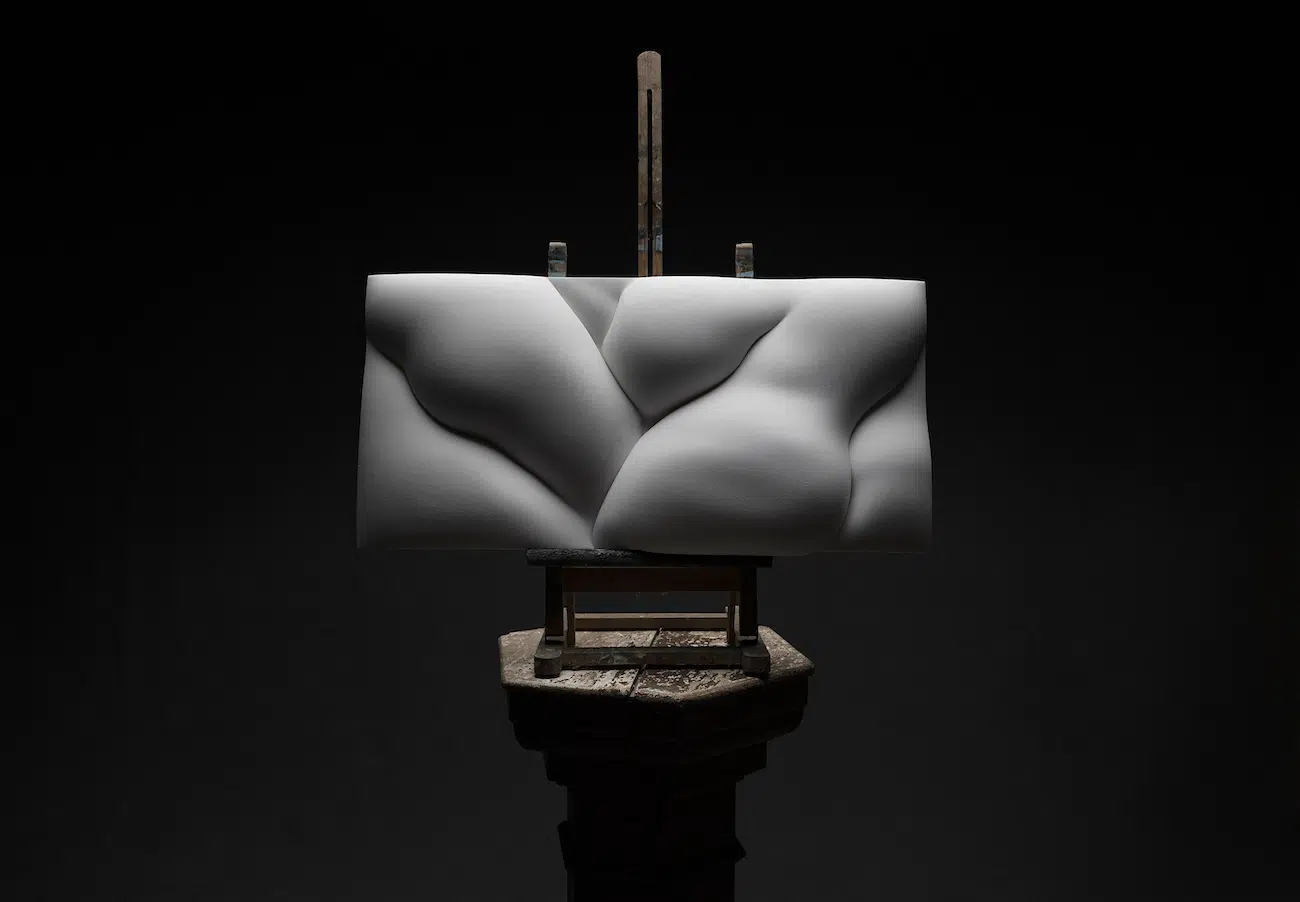
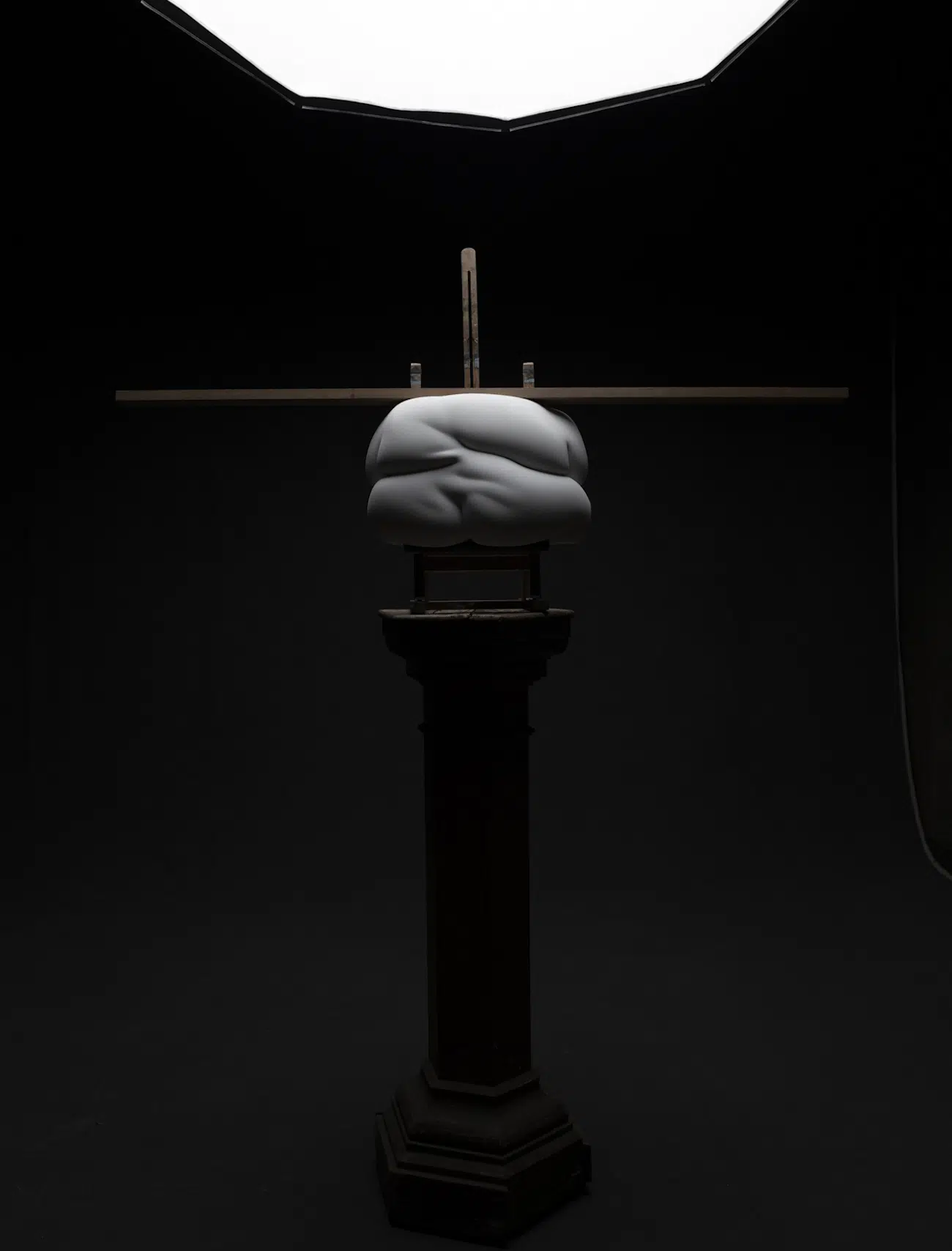
The works explore human greed and overconsumption, visualizing them as seemingly soft bodies bursting and bloating out of their frames.
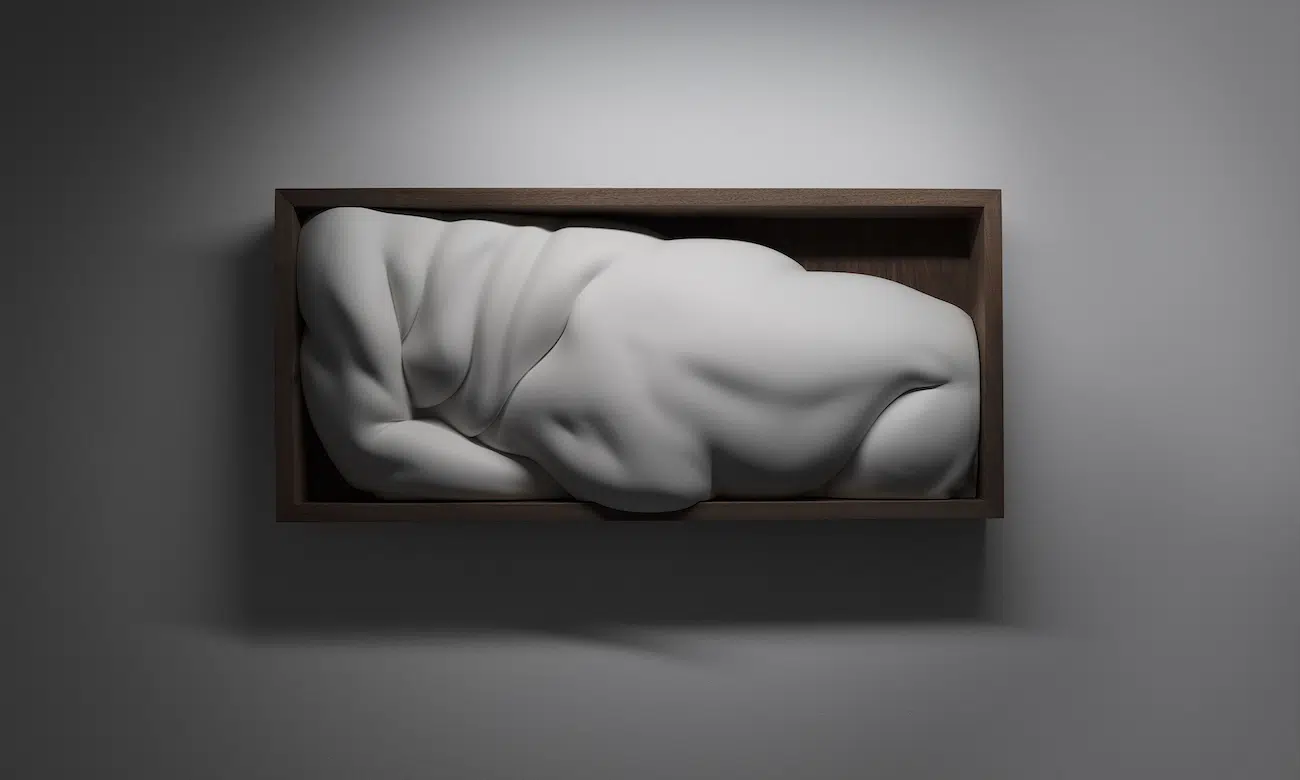
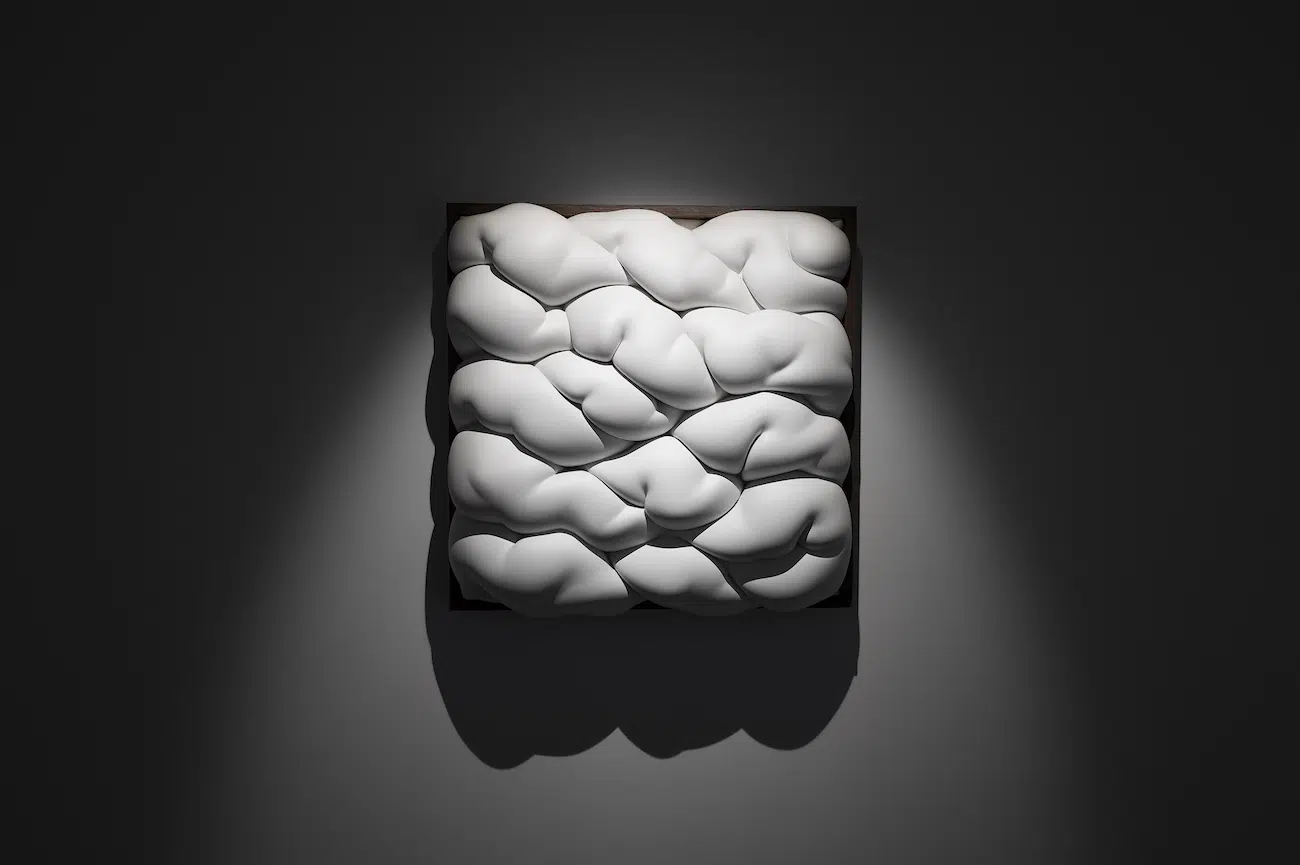
Lagrange draws from natural systems like fungi growth and earlier animal portraits to shape a visual language that shows how expansion in nature differs from human excess.
The series concludes by positioning these forms as mirrors of human behavior, asking viewers to recognize how desire accumulates and where the line between need and excess disappears.