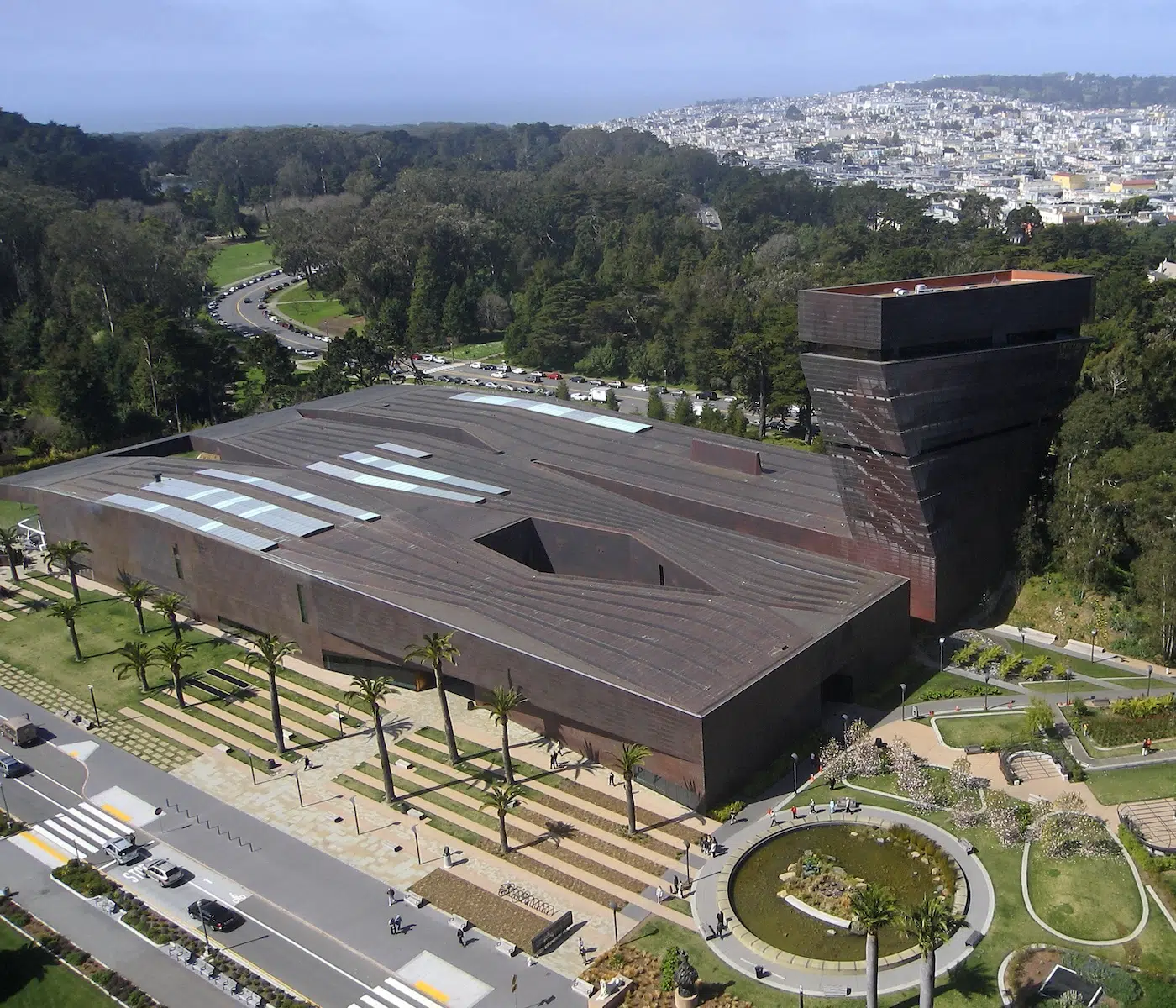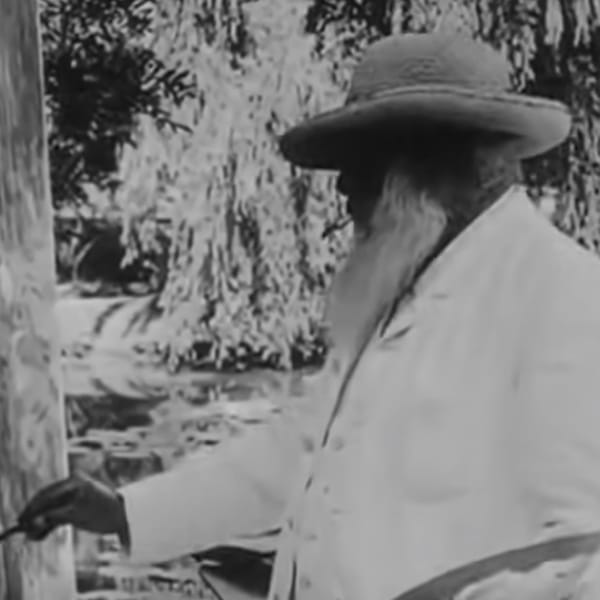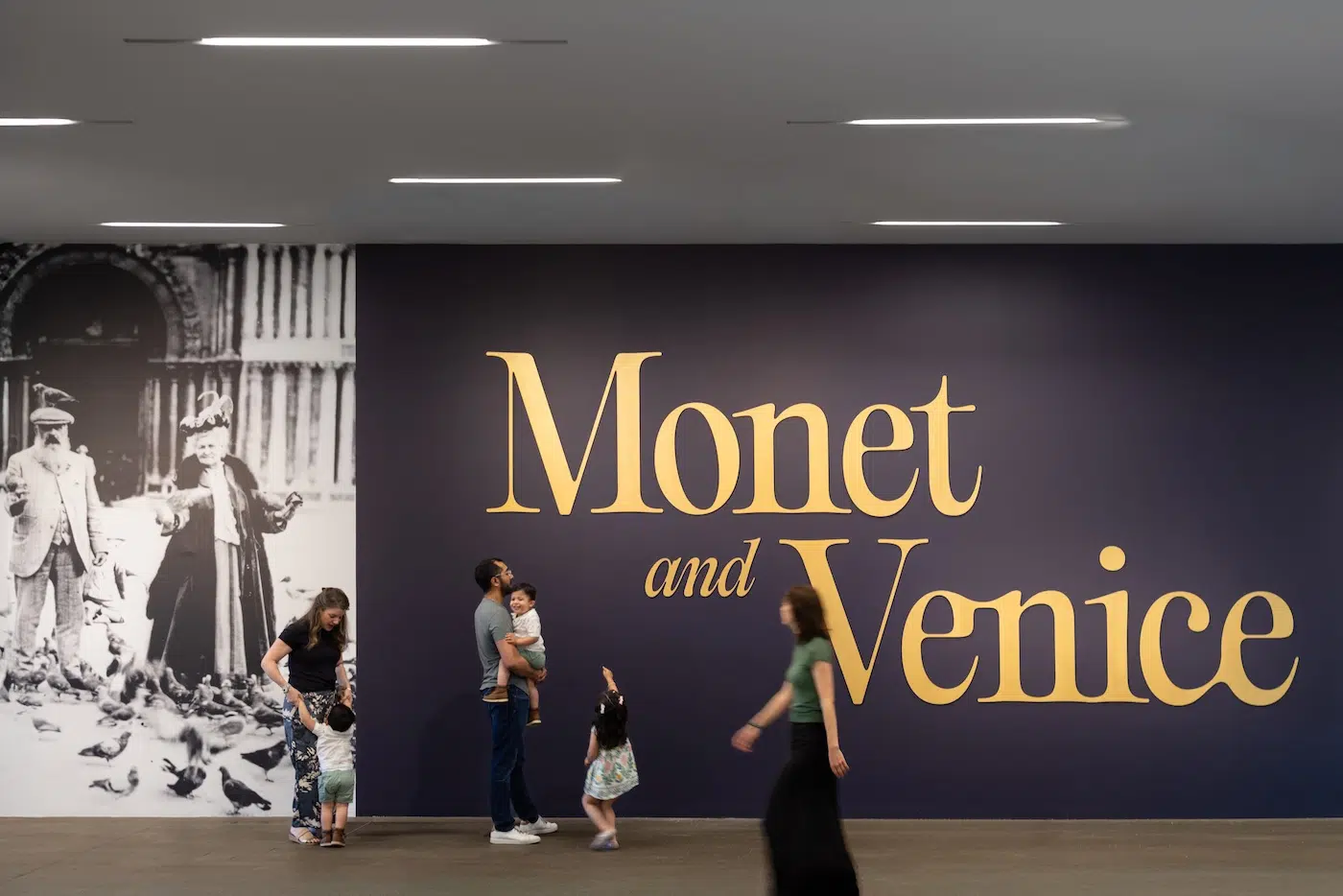
In October 1908, at 68 years, French Impressionist painter Claude Monet arrived in Venice with his second wife, Alice. It was his first and only time in the city, but the experience left a lasting impression. The city’s stunning canals and ornate architecture inspired more than 100 works. Now, in the first exhibition dedicated to Monet’s Venetian paintings since their debut in Paris over a century ago, more than 20 of Monet’s paintings of Venice are on display at the de Young museum in San Francisco.
Following its debut in Brooklyn, the Monet and Venice exhibition is co-organized by the Fine Arts Museums of San Francisco and the Brooklyn Museum. Monet’s Venice-inspired works are thoughtfully set alongside select pieces from across his career, including his iconic Water Lilies. Other key works include The Doge’s Palace and The Grand Canal, Venice, both on loan from the Brooklyn Museum and Fine Arts Museums of San Francisco.
“Although Monet visited Venice only once, his paintings of the city are among his most dazzling,” said Thomas P. Campbell, director and CEO of the Fine Arts Museums of San Francisco. “Unlike bustling scenes painted by other artists, Monet’s Venice is hauntingly deserted, with its architecture, buildings, and canals dissolving in an atmospheric light. This exhibition offers an opportunity to experience Monet’s sublime vision of the famed Italian city, and for visitors to feel inspired by new perspectives on an artist they may think they know very well.”
Monet was so taken by Venice that he once said he found the city “too beautiful to be painted.” Although he only meant to stay a few weeks, he remained for two months, often painting his scenes from a canal gondola, much like the “studio boat” he used early in his career on the Seine.
“His Venetian paintings are among the most luminous and poetic of his career, yet they are often overshadowed by his depictions of the French landscape, as well as by his late works that are linked to the rise of 20th-century abstraction,” said Melissa E. Buron, director of collections and chief curator at the Victoria and Albert Museum, exhibition co-curator, and former director of curatorial affairs of the Fine Arts Museums. “His time in Venice was a critical period of creative renewal that has not previously been explored in-depth before this exhibition.”
The exhibition also displays works from other artists who worked in Venice, including Canaletto, John Singer Sargent, J. M. W. Turner, and James McNeill Whistler. Together, they help show how Monet ultimately reshaped the city’s rich painting tradition.
Monet and Venice is now on view until July 26, 2026 at de Young. Find out more about the exhibition on the Fine Arts Museums of San Francisco website.
More than 20 of Claude Monet’s paintings of Venice are now on display at the de Young museum in San Francisco.
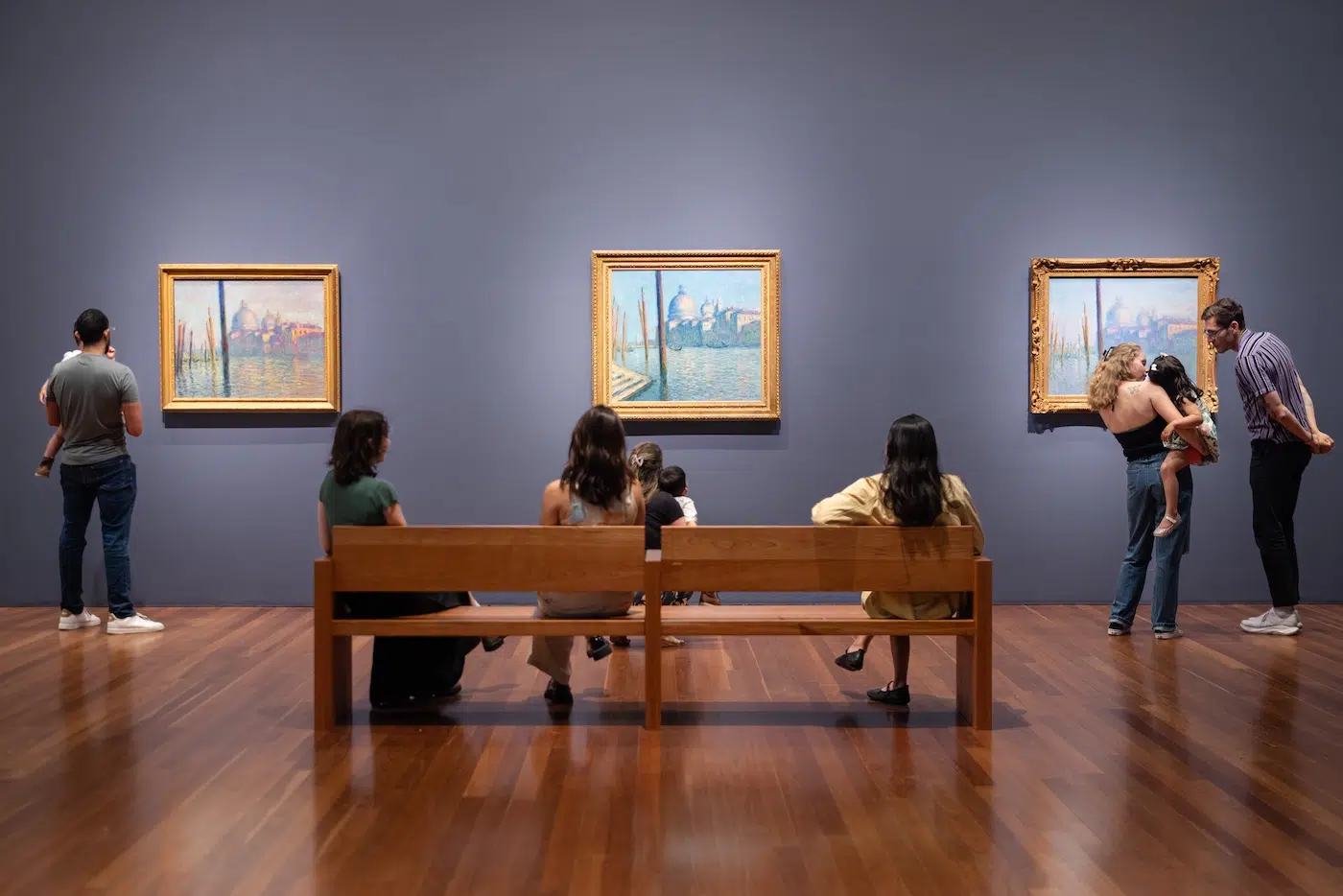
Monet was so taken by Venice that he once said he found the city “too beautiful to be painted.”
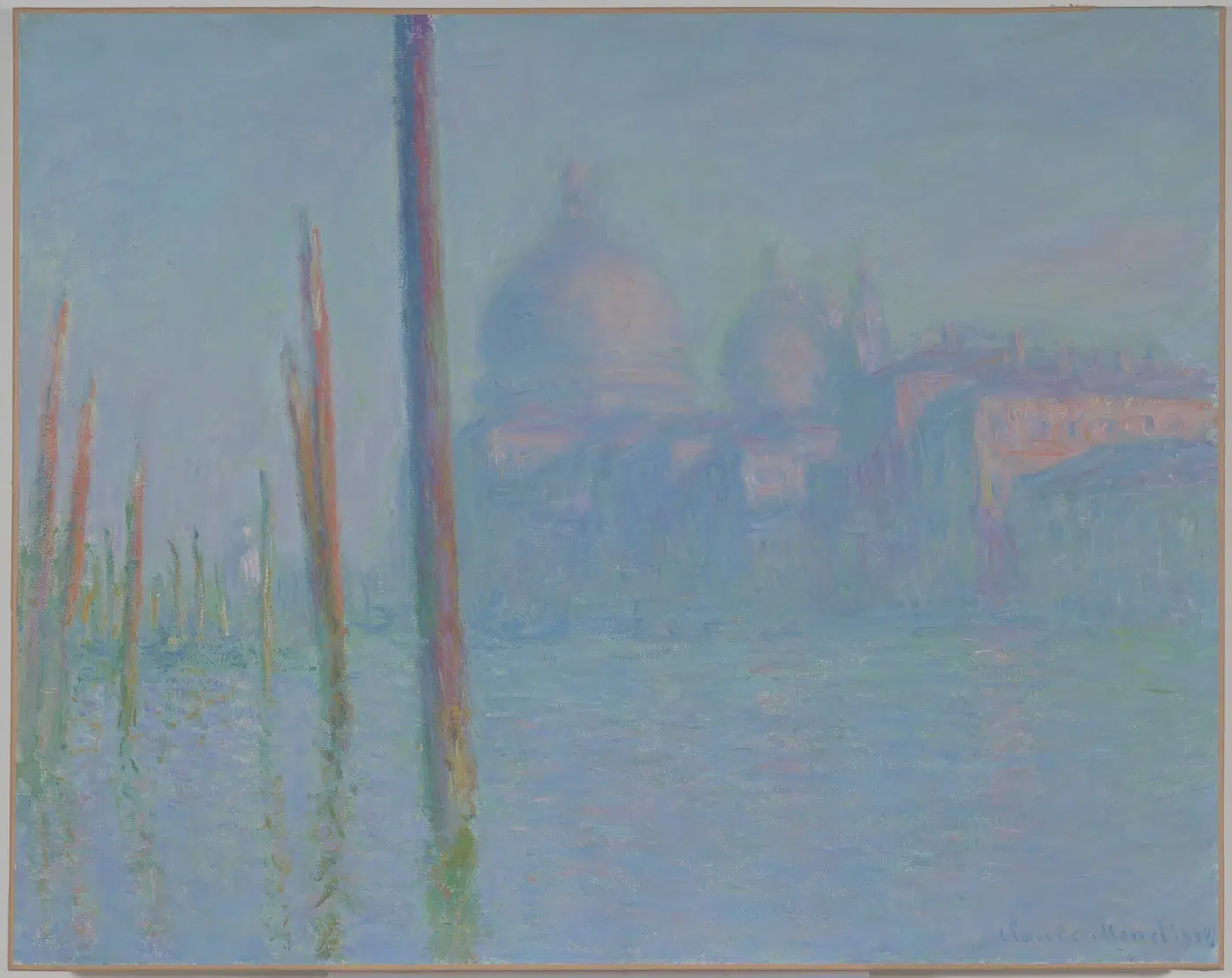
“The Grand Canal, Venice,” 1908 by Claude Monet
Although he only meant to stay a few weeks, he remained in Venice for two months, often painting his scenes from a canal gondola.
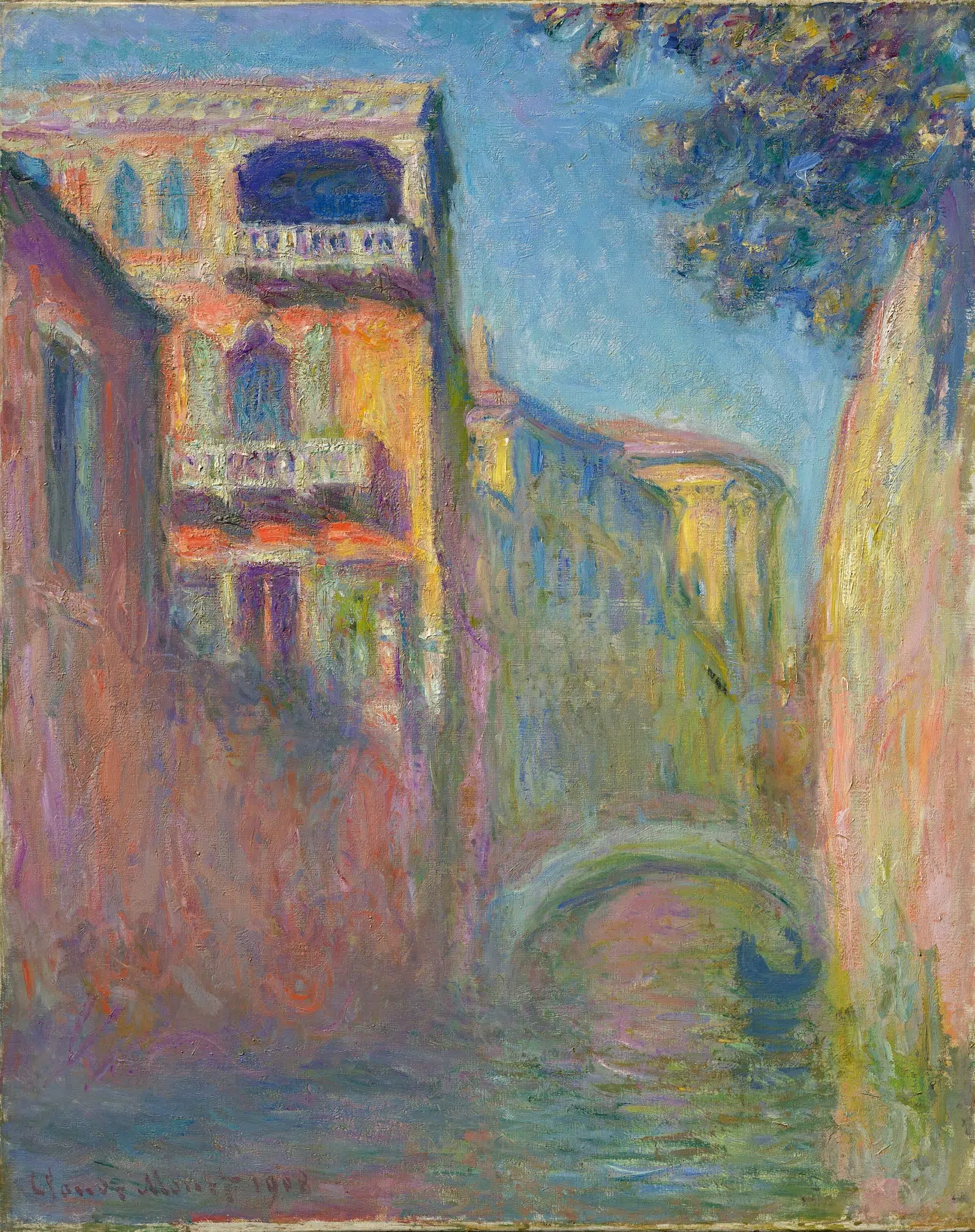
“The Rio della Salute,” 1908 by Claude Monet
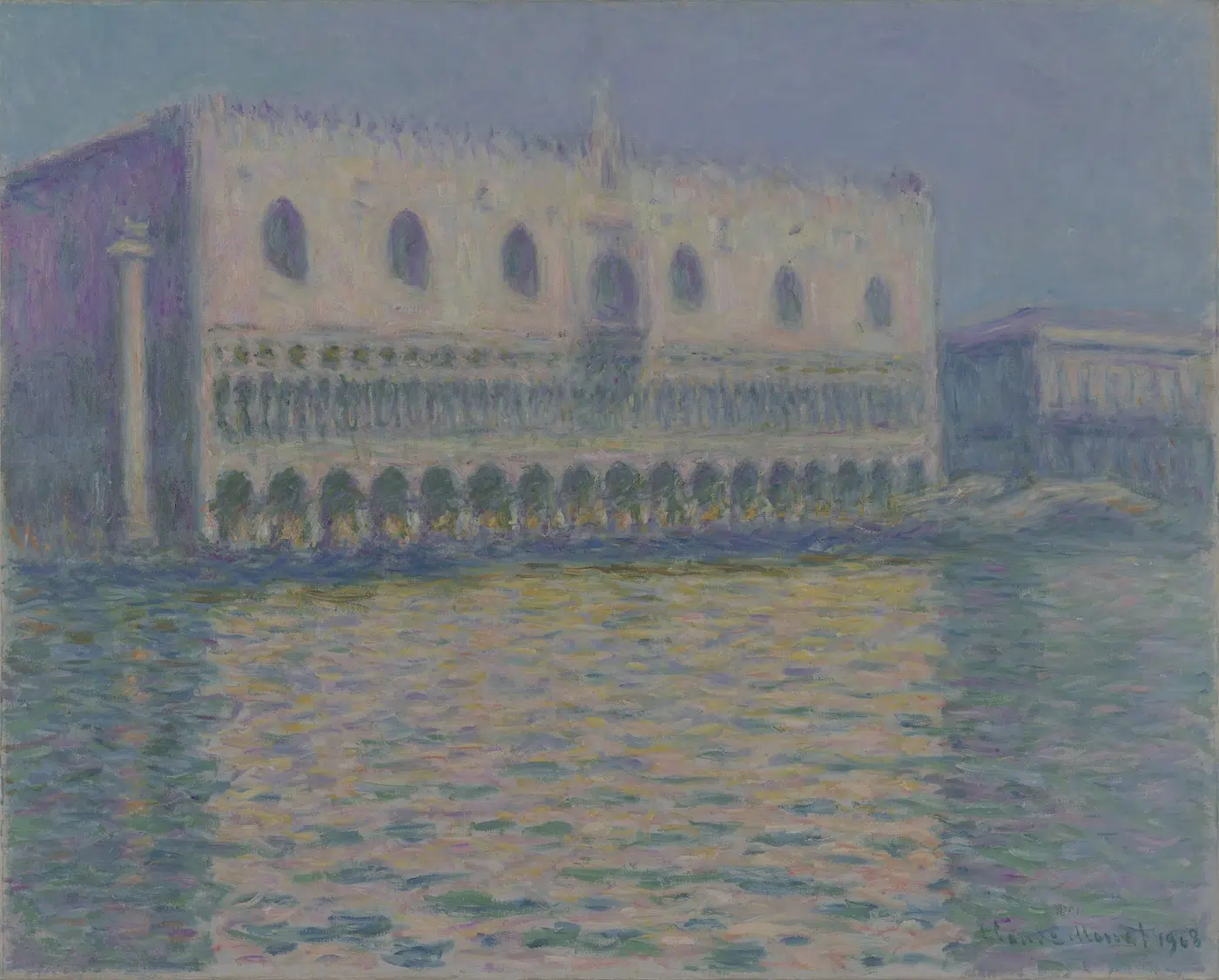
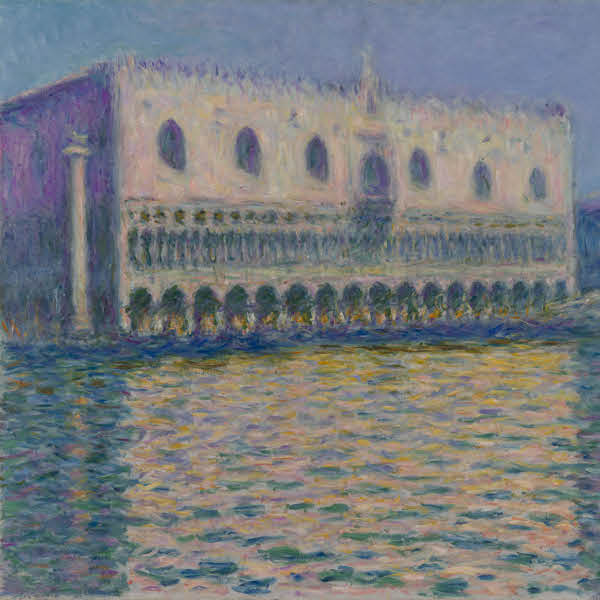
“The Doge's Palace (Palais ducal),” 1908 by Claude Monet
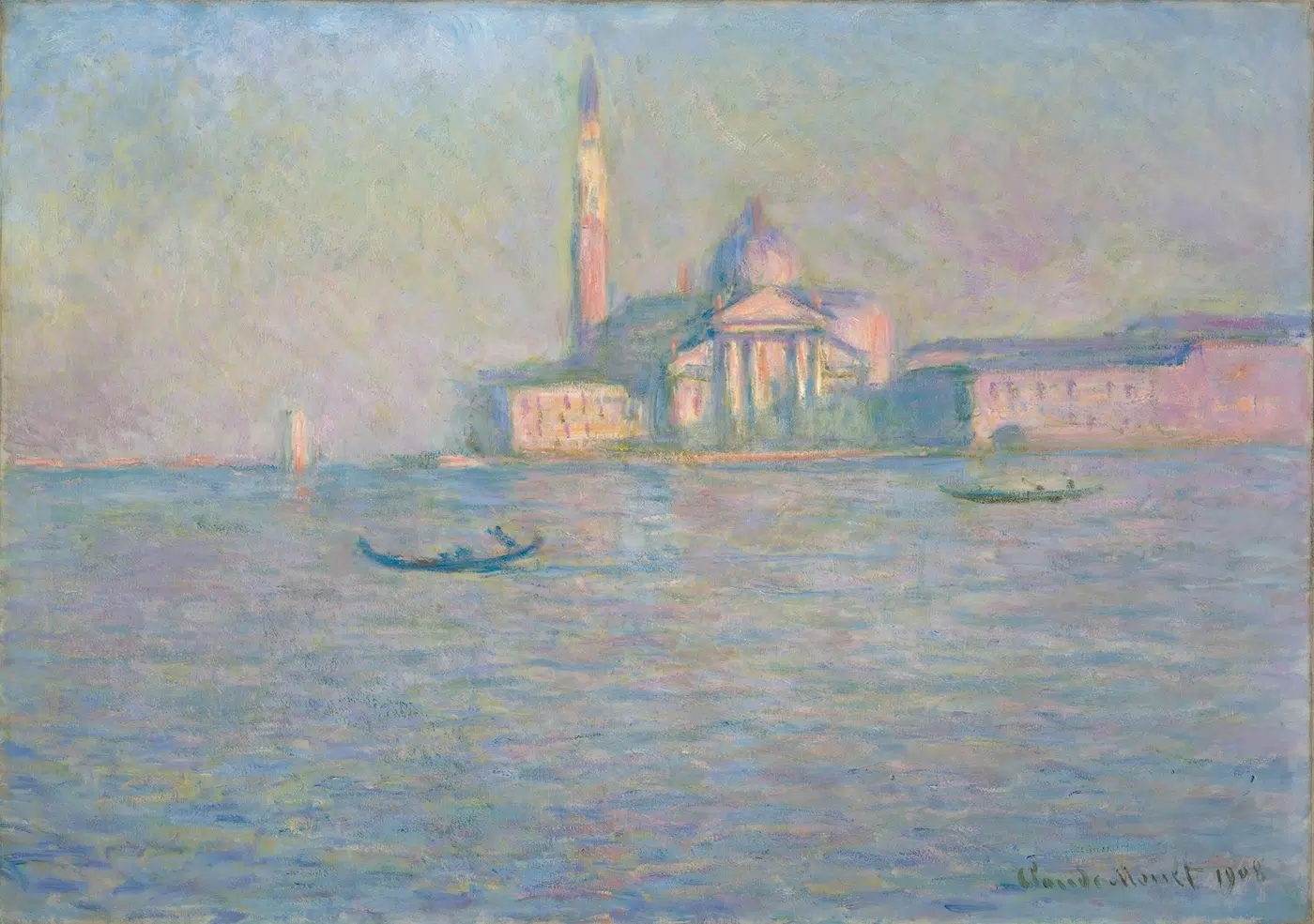
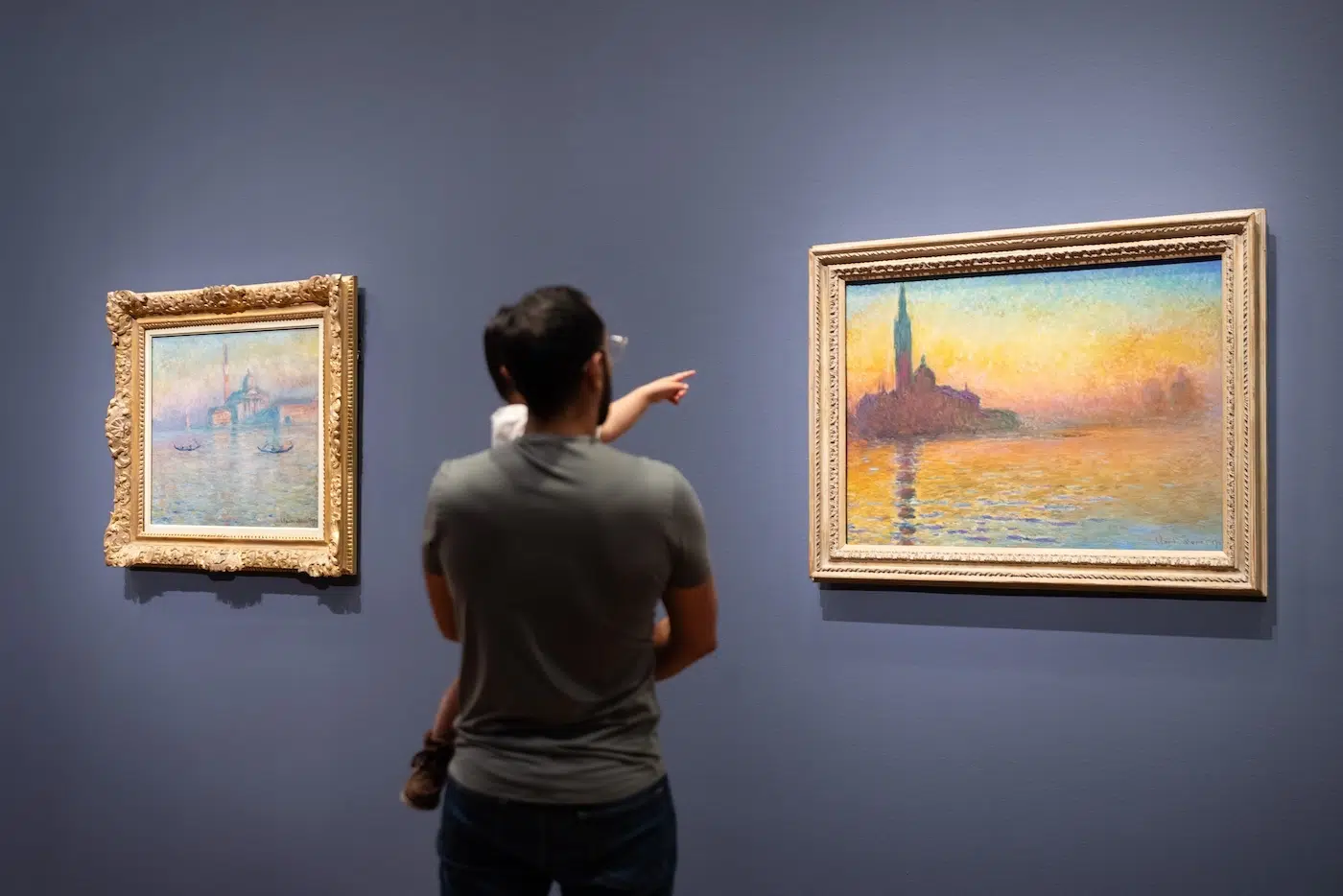
“The Church of San Giorgio Maggiore, Venice,” 1908 by Claude Monet
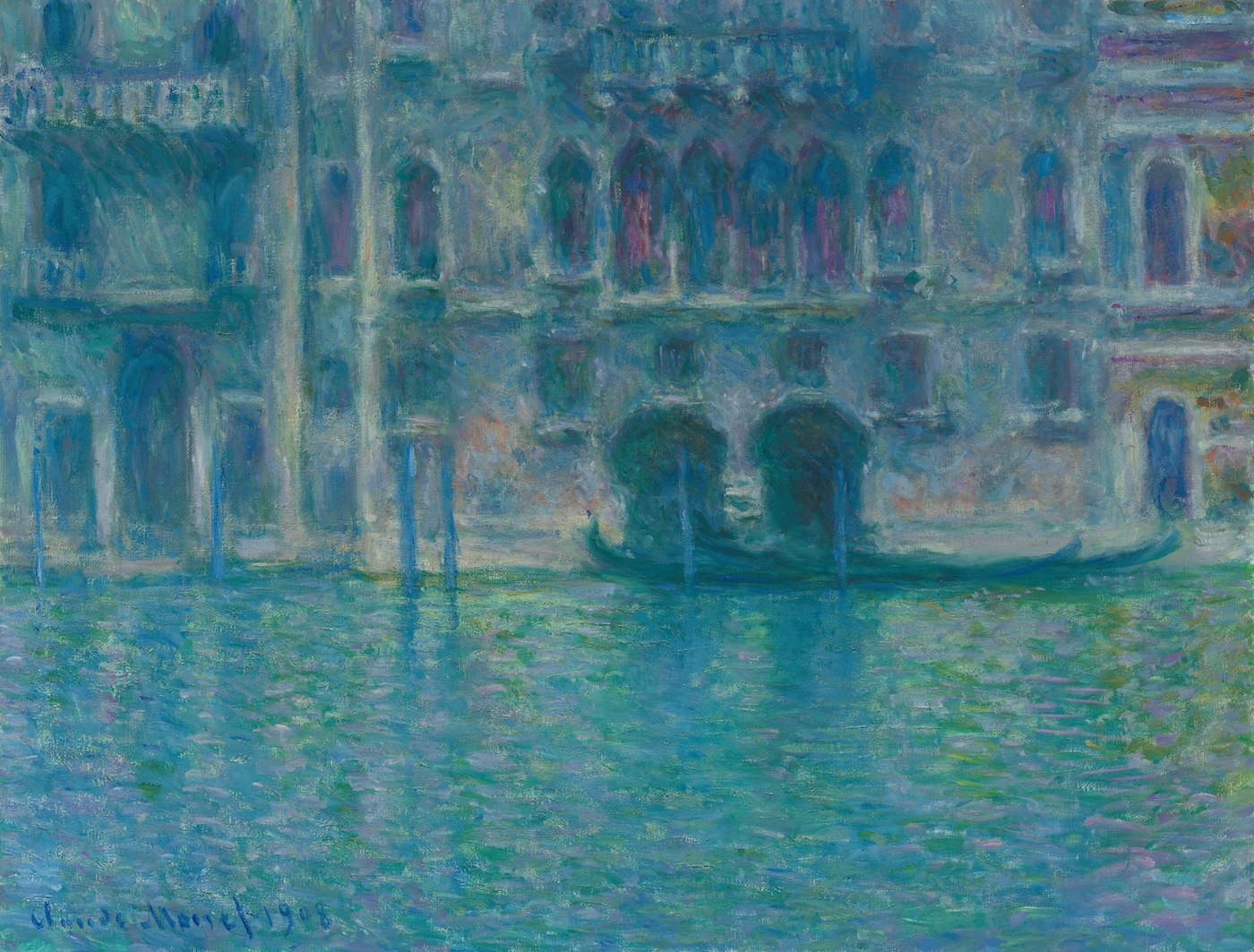
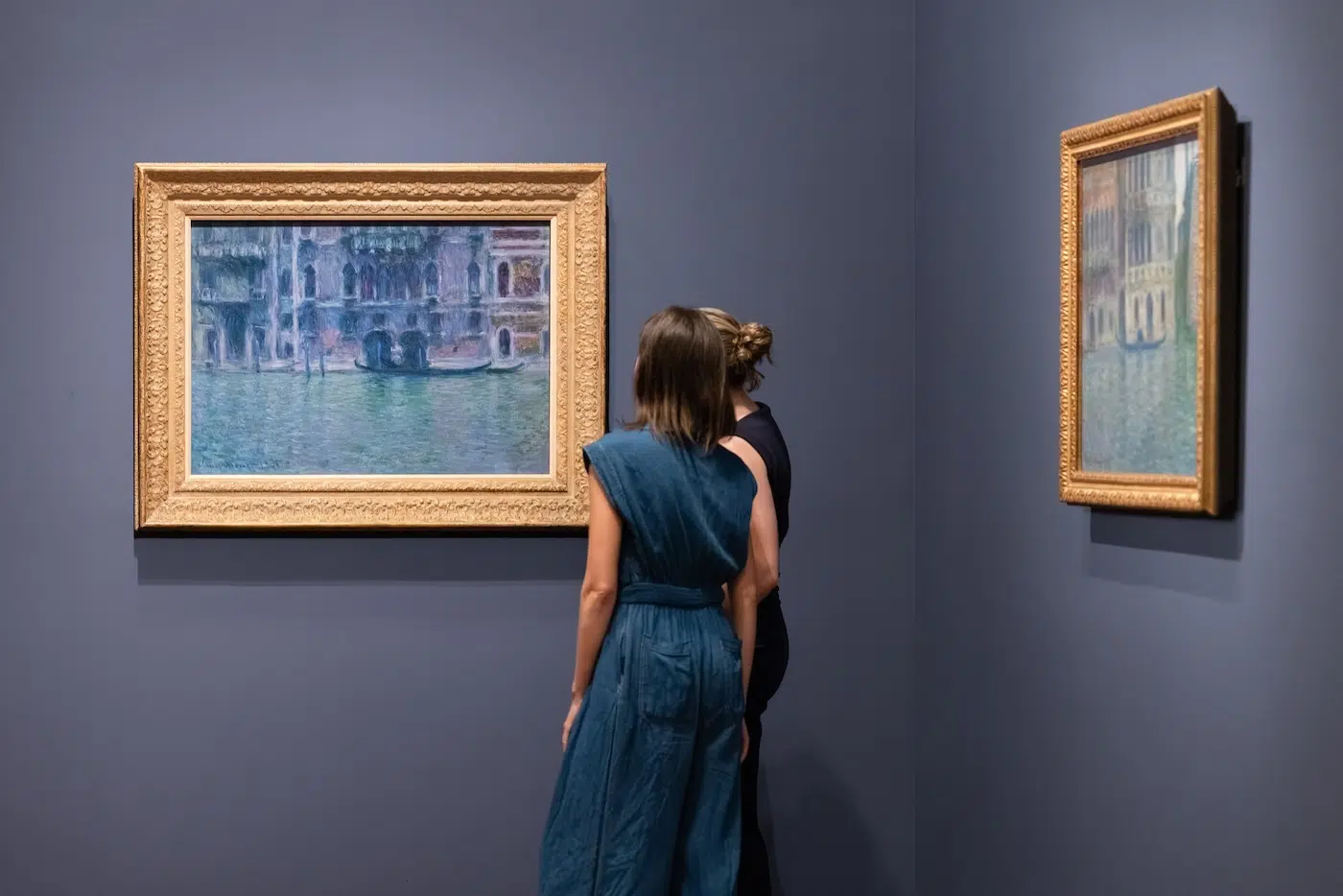
“The Palazzo de Mula, Venice” 1908 by Claude Monet
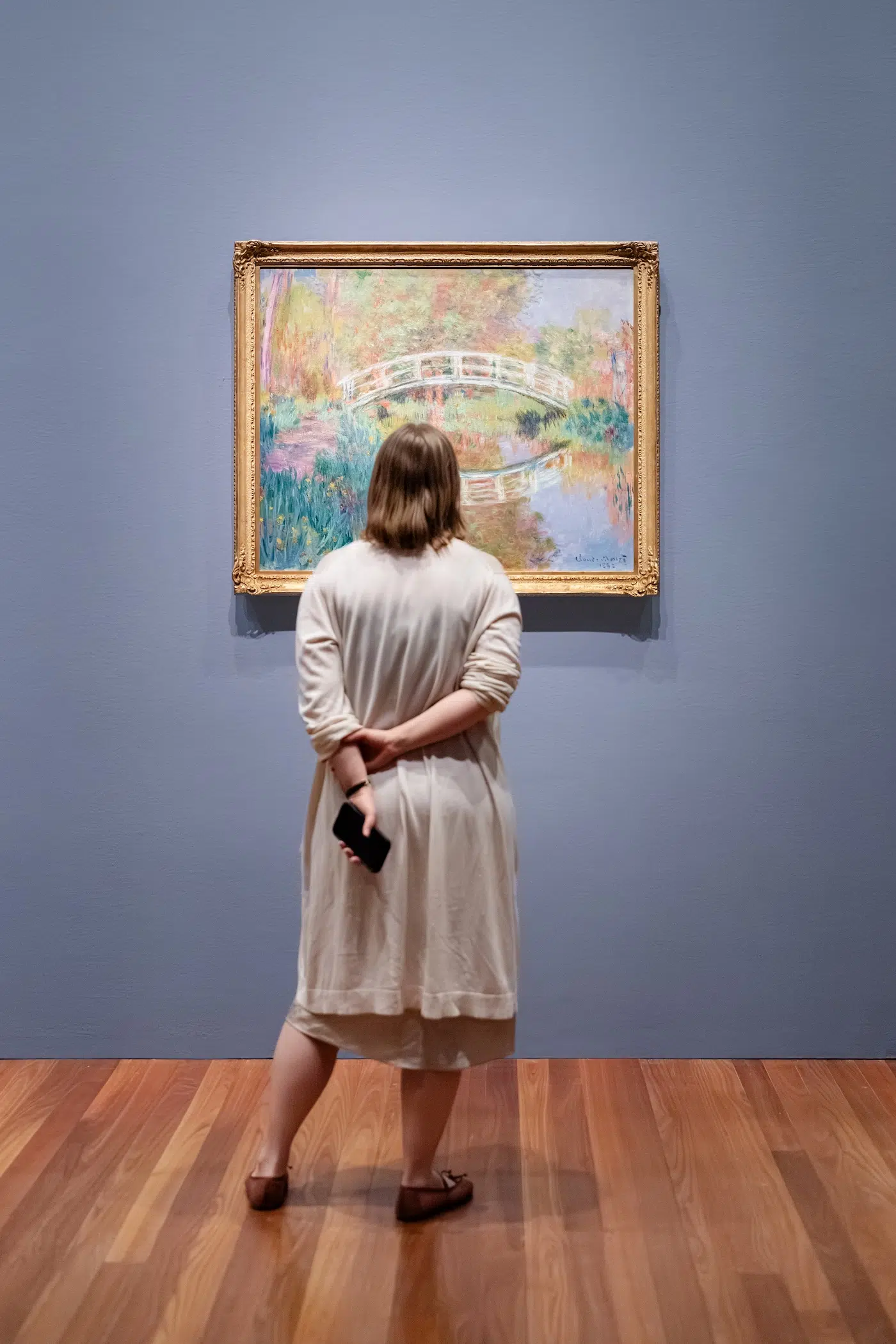
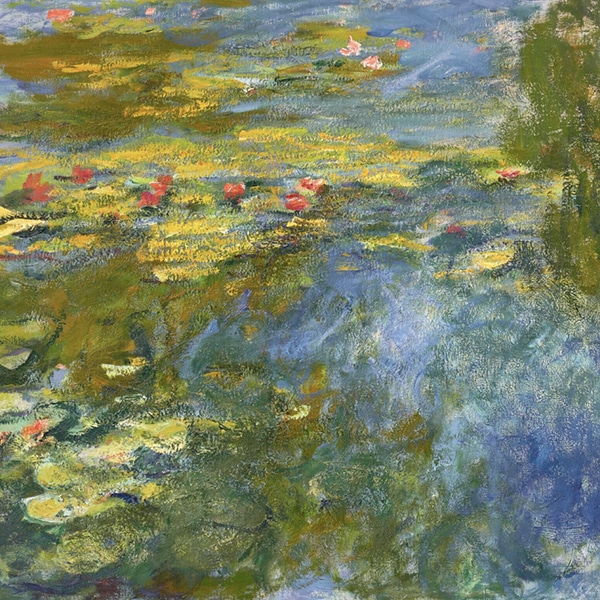
Monet’s Venice-inspired works are thoughtfully set alongside select pieces from across his career, including his iconic Water Lilies.
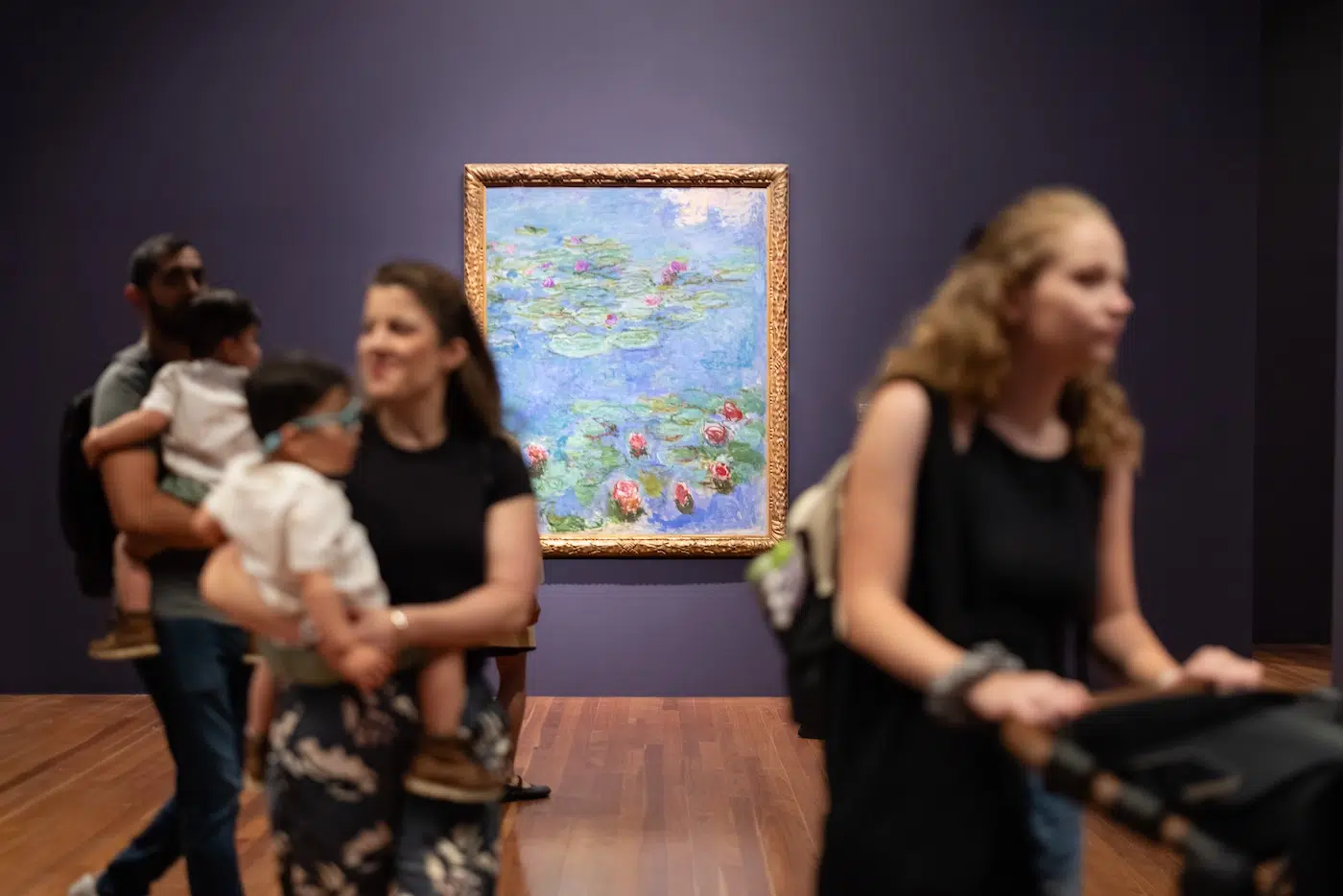
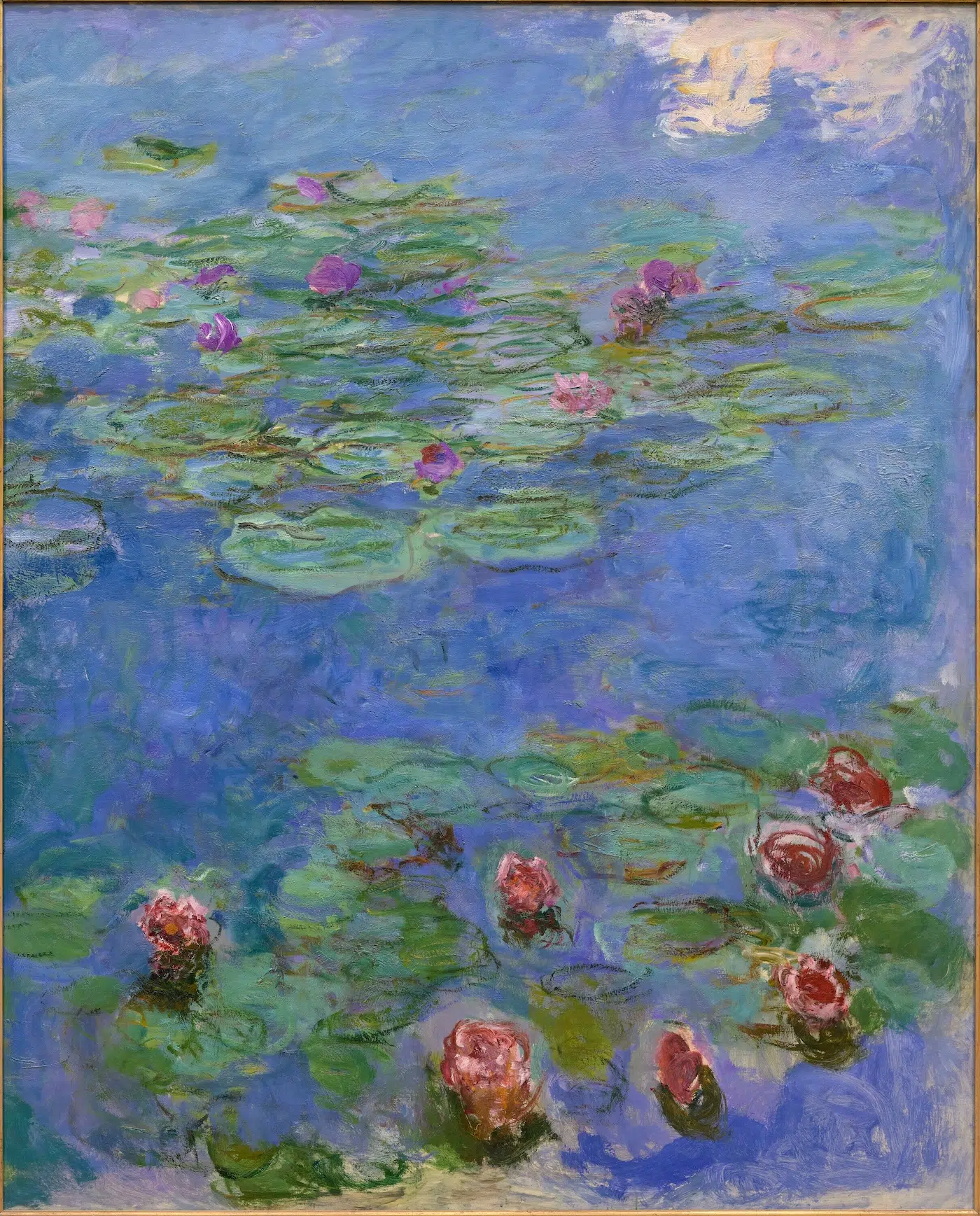
“Water Lilies,” ca. 1914-1917 by Claude Monet