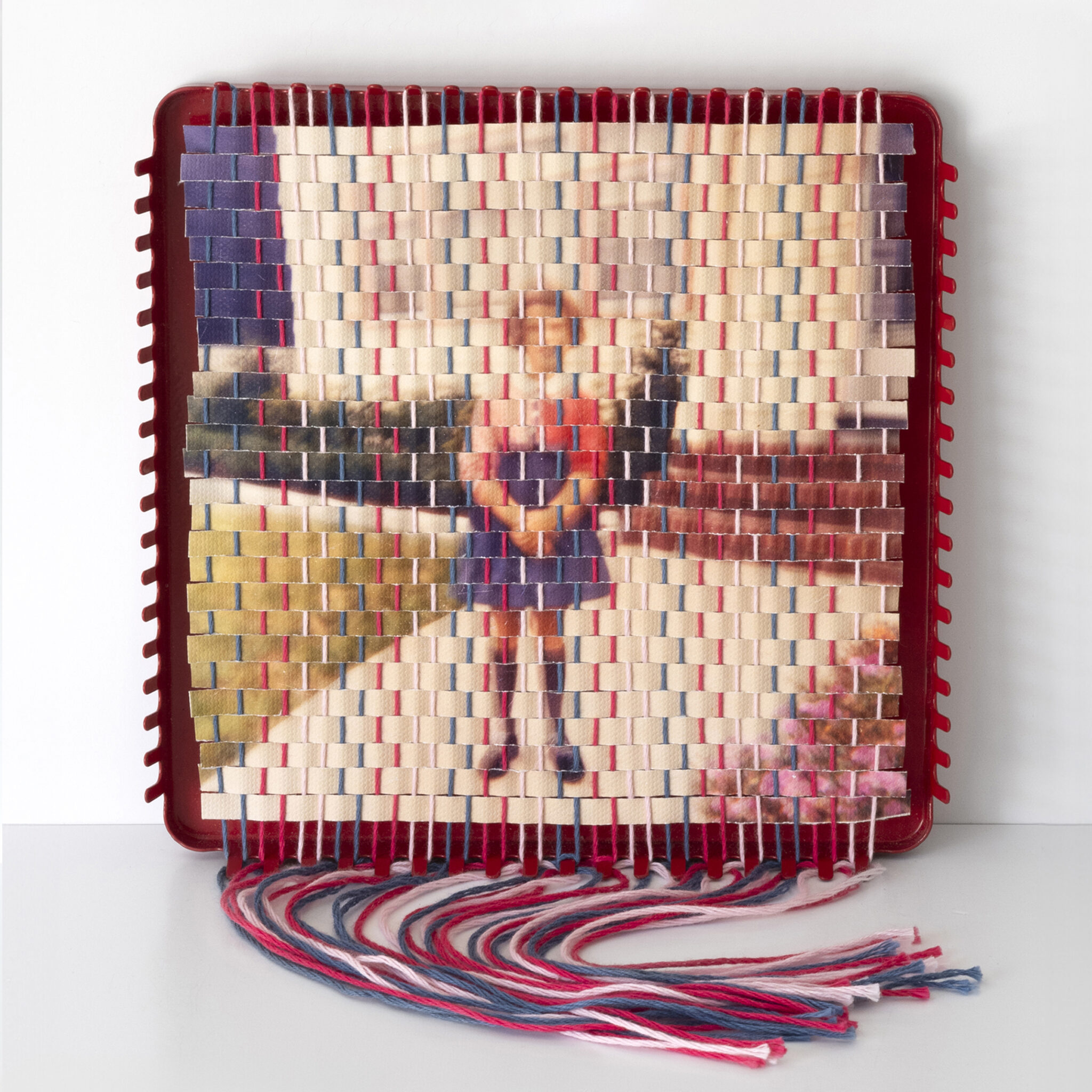
“First Day of School”
In Pam Connolly’s mind, childhood isn’t simply a state of being. It’s also a landscape full of creative possibilities, teeming with memories that demand interpretation. For more than 30 years, Connolly has done exactly that, returning to her childhood over and over again to mine her experiences for artistic meaning. What she finds herself revisiting most often, though, is the furniture store her parents owned.
“I grew up in the 1960s and 70s in a suburb just outside New York City,” Connolly tells My Modern Met. “My parents owned a furniture store that was at the center of our family’s universe—everything revolved around it. As a child, I spent endless hours roaming the maze of rooms there, creating intricate stories about the families who lived there.”
Much of Connolly’s work is, as she explains, a response to these “childhood impressions and memories,” remixing them through themes of home, domesticity, and the American dream. Her ongoing Wishmaker project, for instance, explores litho-printed tin dollhouses, a popular toy manufactured throughout the 1960s. In their neat and standardized interiors, these dollhouses seem not only to introduce but also accustom young girls to domestic labor, to the role of a traditional housewife committed to her suburban home. That fact alone was enough to fascinate Connolly, but there was also a sense of familiarity that intrigued her.
“The rooms inside these tin dollhouses are strikingly similar to my parents’ furniture store and our house growing up,” she says. “Peering through the windows like an oversized Alice in Wonderland, I roam through these tiny spaces with my camera, transported back to my childhood.”
Columbus Drive, another ongoing project, contends with similar ideas. Connolly first began the series while scanning family photographs from her mother’s album, which reminded her of her beloved potholder loom from childhood. “The square photos and the square loom, both from that era, seemed to belong together,” she adds. It didn’t take long for the artist to combine both media, meticulously cutting her photographic scans and reassembling them with colored thread. The resulting reconstructions challenge expectation with their fragmented, almost pixelated compositions, a testament to the precariousness of memory.
“As I create patterns and maneuver the canvas under and over, again and again, the image is slowly revealed,” Connolly remarks. “In this way, a personal history is both remembered and reconstructed—visibly imperfect and ephemeral.”
My Modern Met had the chance to speak with Pam Connolly about her creative practice and how notions of childhood and home have defined her work for decades. Read on for our exclusive interview with the artist.
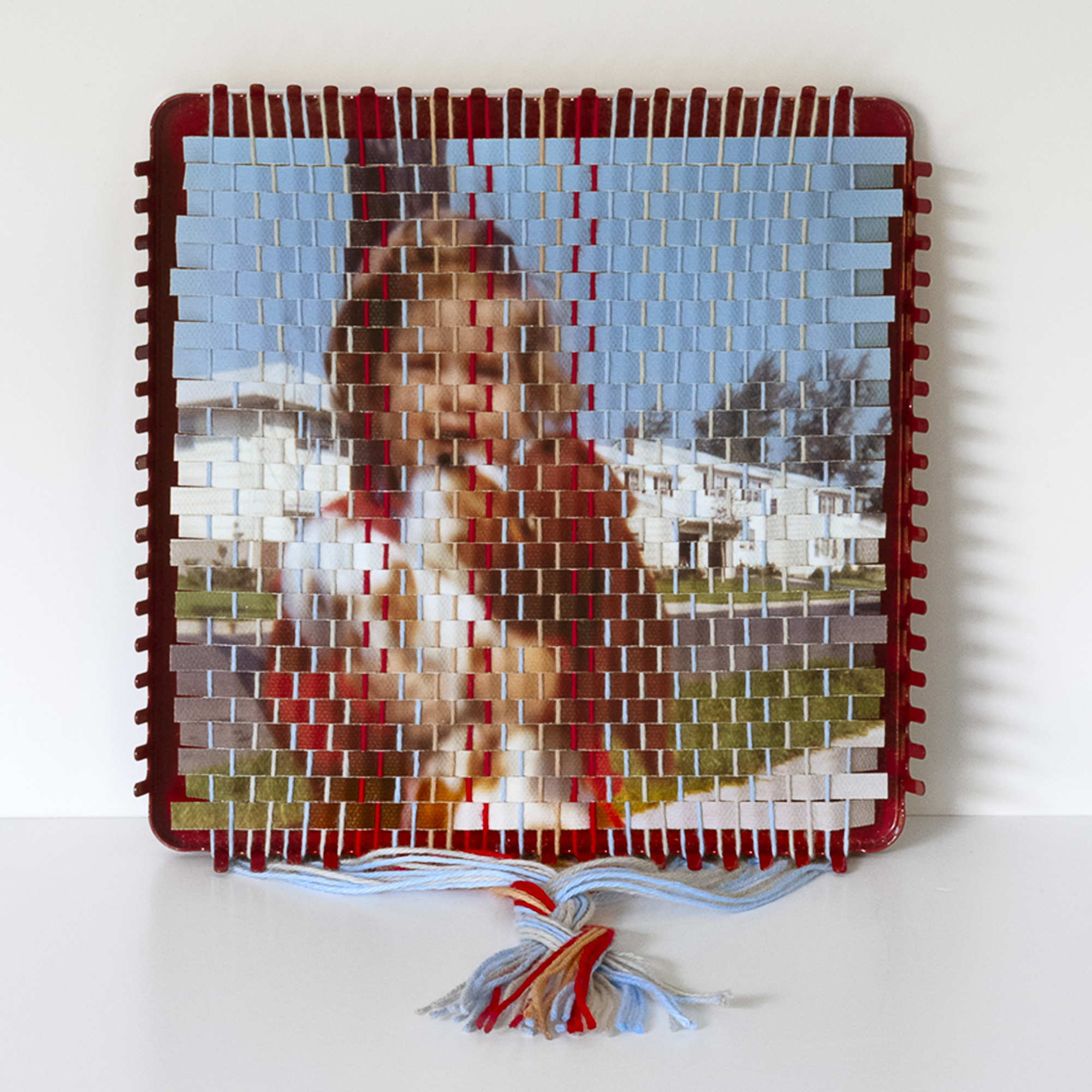
“Pam and Lovee”
What first drew you to photography as an artistic medium?
I began photographing at 17, during my senior year of high school. It was the first big thing I bought with my own money, which was empowering. Through the lens of this beautifully functional object, everything looked different—hyper-real and abstract at the same time. In college, I had the life-changing experience of learning to print in the darkroom; watching images slowly float to the surface in the developer was magical. From that moment until today, I remain fascinated with the metamorphosis from the latent to the printed image.
I photograph because I enjoy seeing. To me, photography is a physical response to the world around me. I feel the need to capture things as I see them, in part to share them with others, in the hope that they will see me.
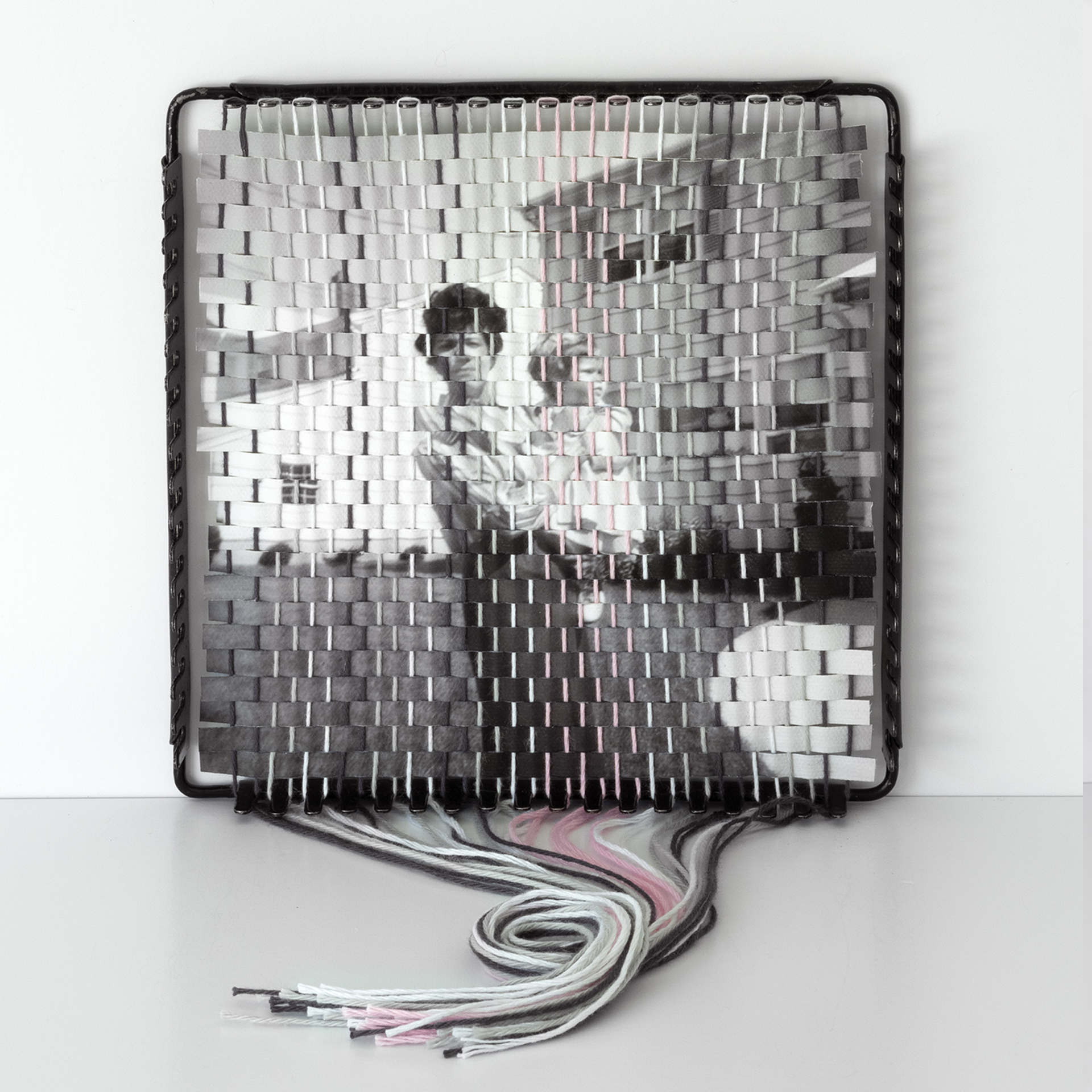
“Lois, Take the Picture!”
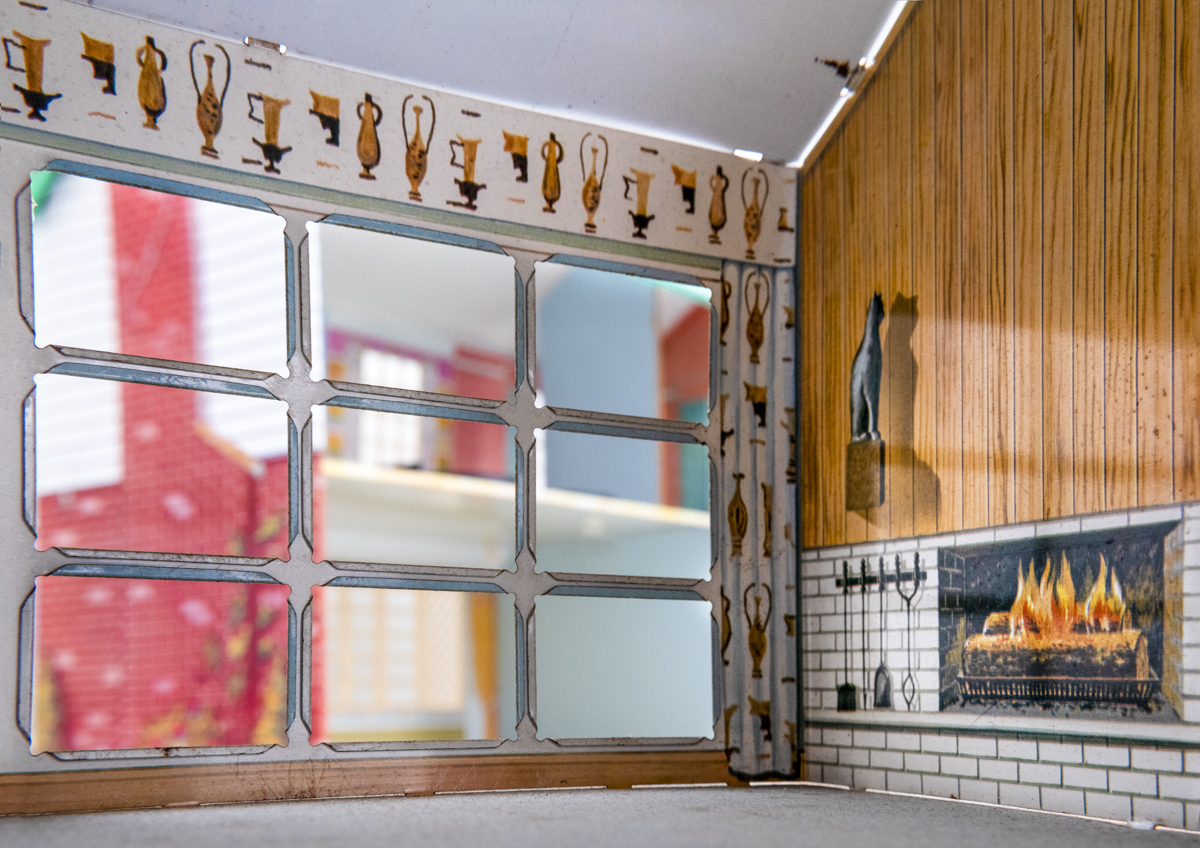
From the “Wishmaker” project
What compels you about themes of home, and how do you express this throughout your practice?
I grew up in the 1960s and 70s in a suburb just outside New York City. We lived on a block of newly built colonials, one next to the other. You knew which house was yours by the color of the shutters (ours were pink). My parents owned a furniture store that was at the center of our family’s universe—everything revolved around it. As a child, I spent endless hours roaming the maze of rooms there, creating intricate stories about the families who lived there. The store was a world filled with wallpaper, wing chairs, and window treatments that blocked the sunlight. Our family home was a replica of this fantasy, a duplicate of the showroom. My photographic work is in response to these childhood impressions and memories.
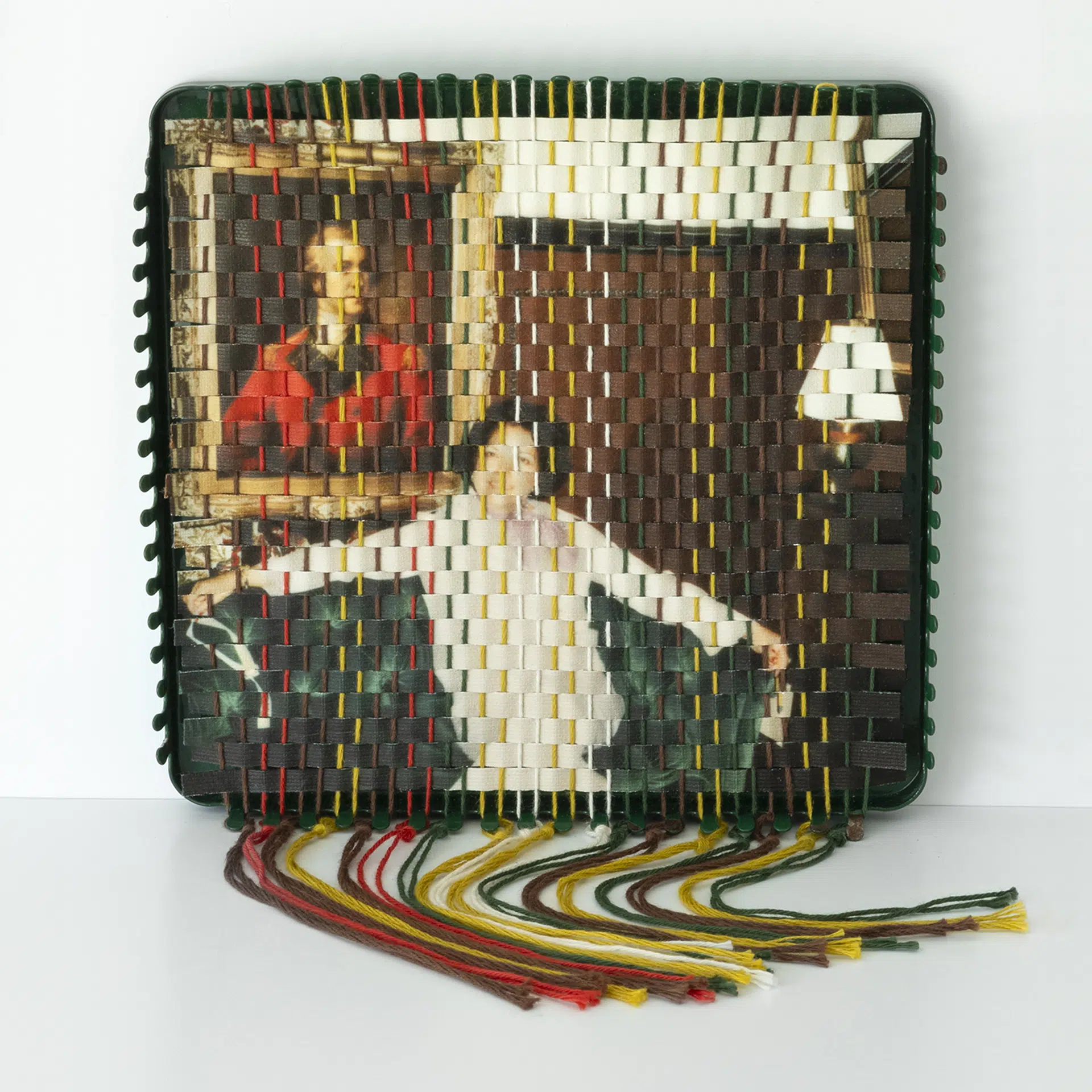
“Mom and British Officer”
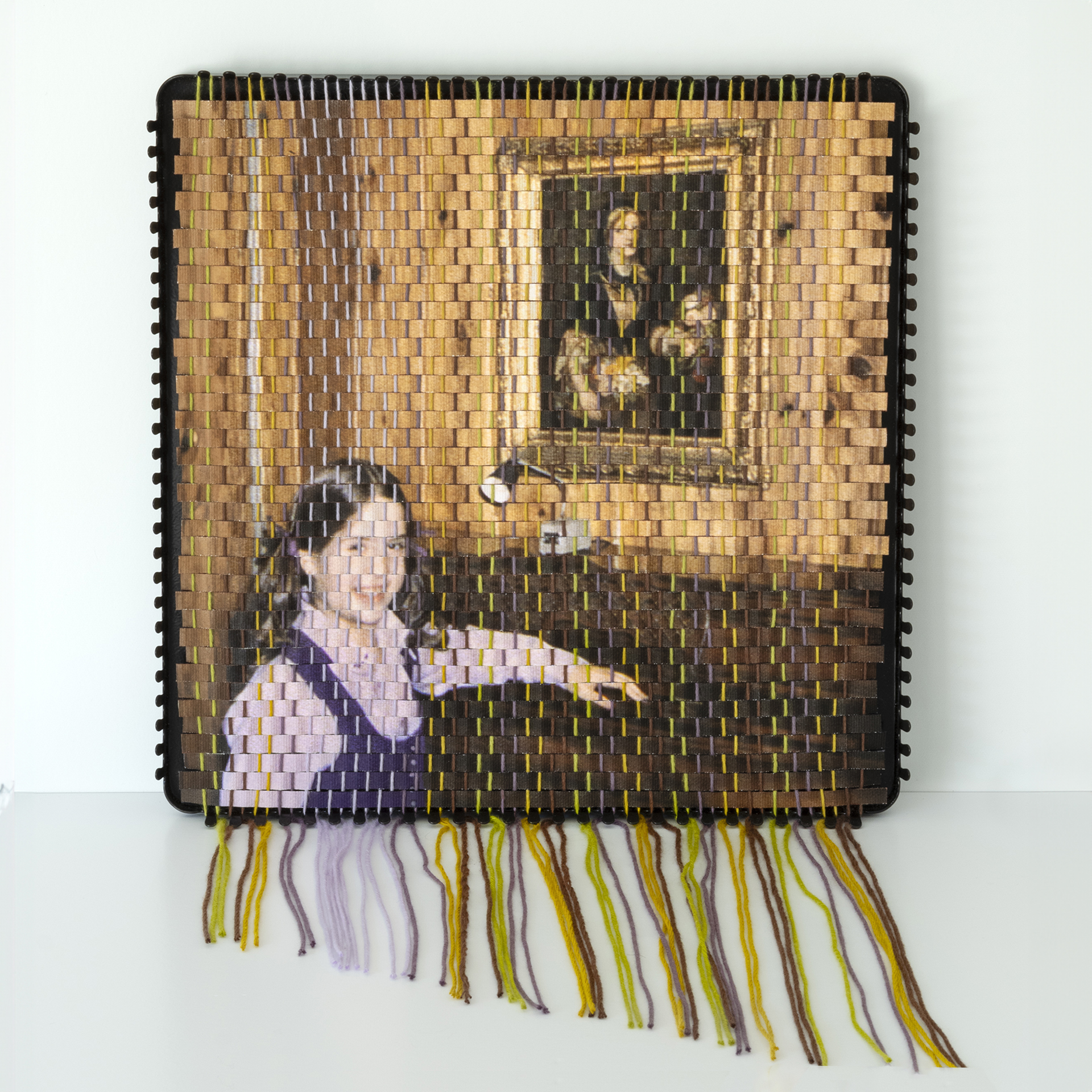
“Pam and Flower Girl”
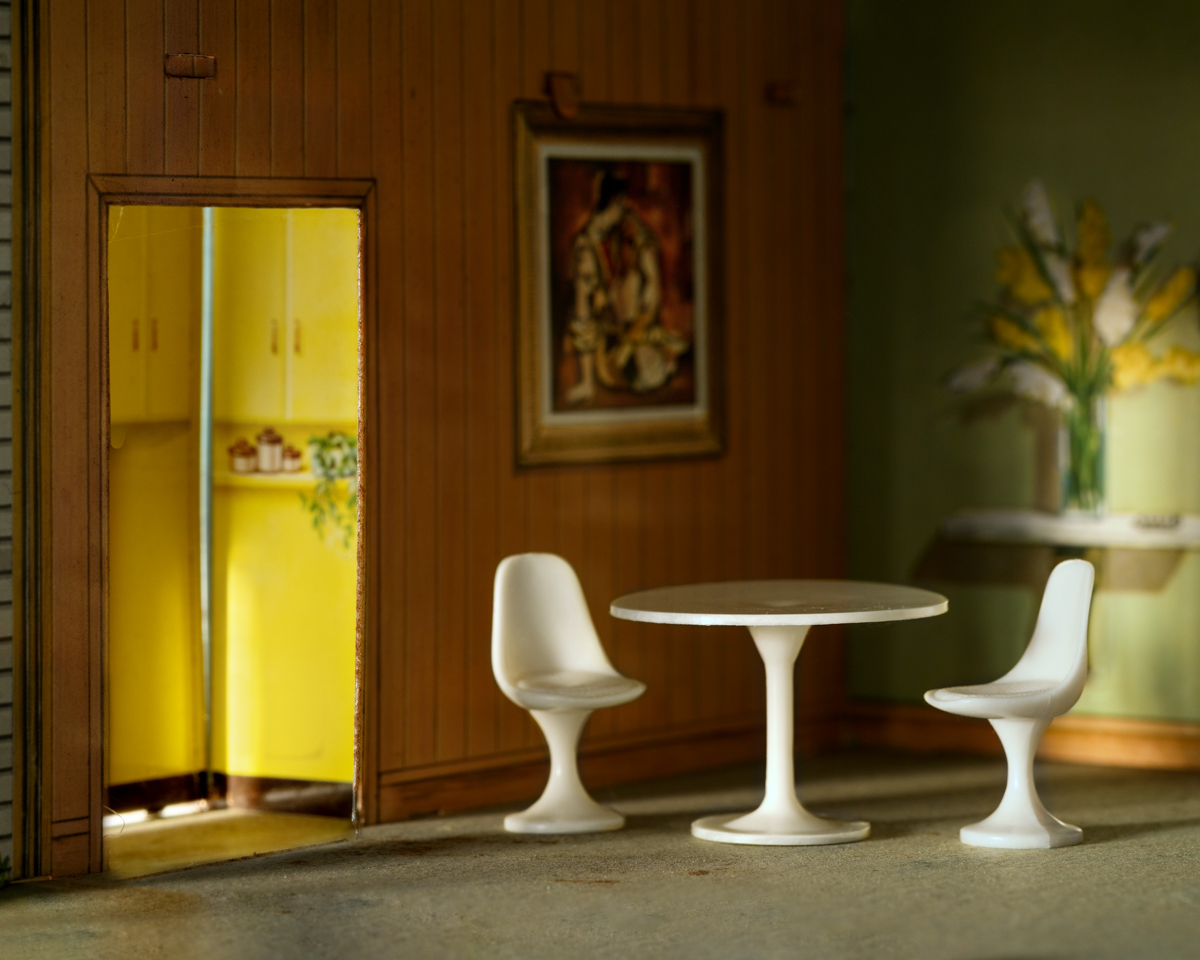
From the “Wishmaker” project
What was the impetus behind the Columbus Drive series?
Columbus Drive is an offshoot of Wishmaker, a previous project, exploring the world of litho-printed tin dollhouses from the 1960s. These colorful toys were manufactured for baby boomer girls growing up in suburbs across the United States, and sold at local five-and-dime stores. As objects, they offer a snapshot of the American Dream, and the roles young girls were being groomed to fill. The rooms inside these tin dollhouses are strikingly similar to my parents’ furniture store and our house growing up. Peering through the windows like an oversized Alice in Wonderland, I roam through these tiny spaces with my camera, transported back to my childhood.
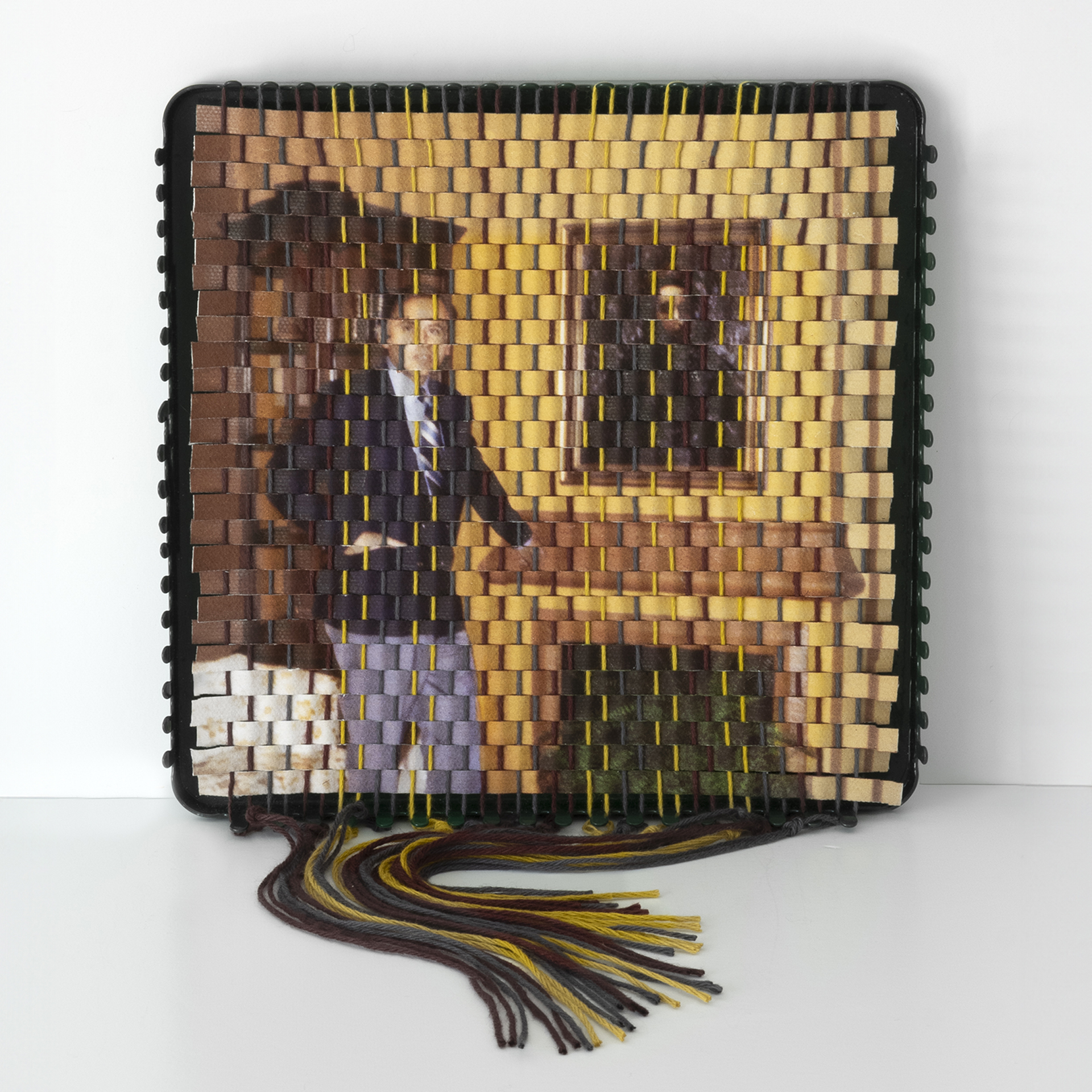
“Dad and Rembrandt”
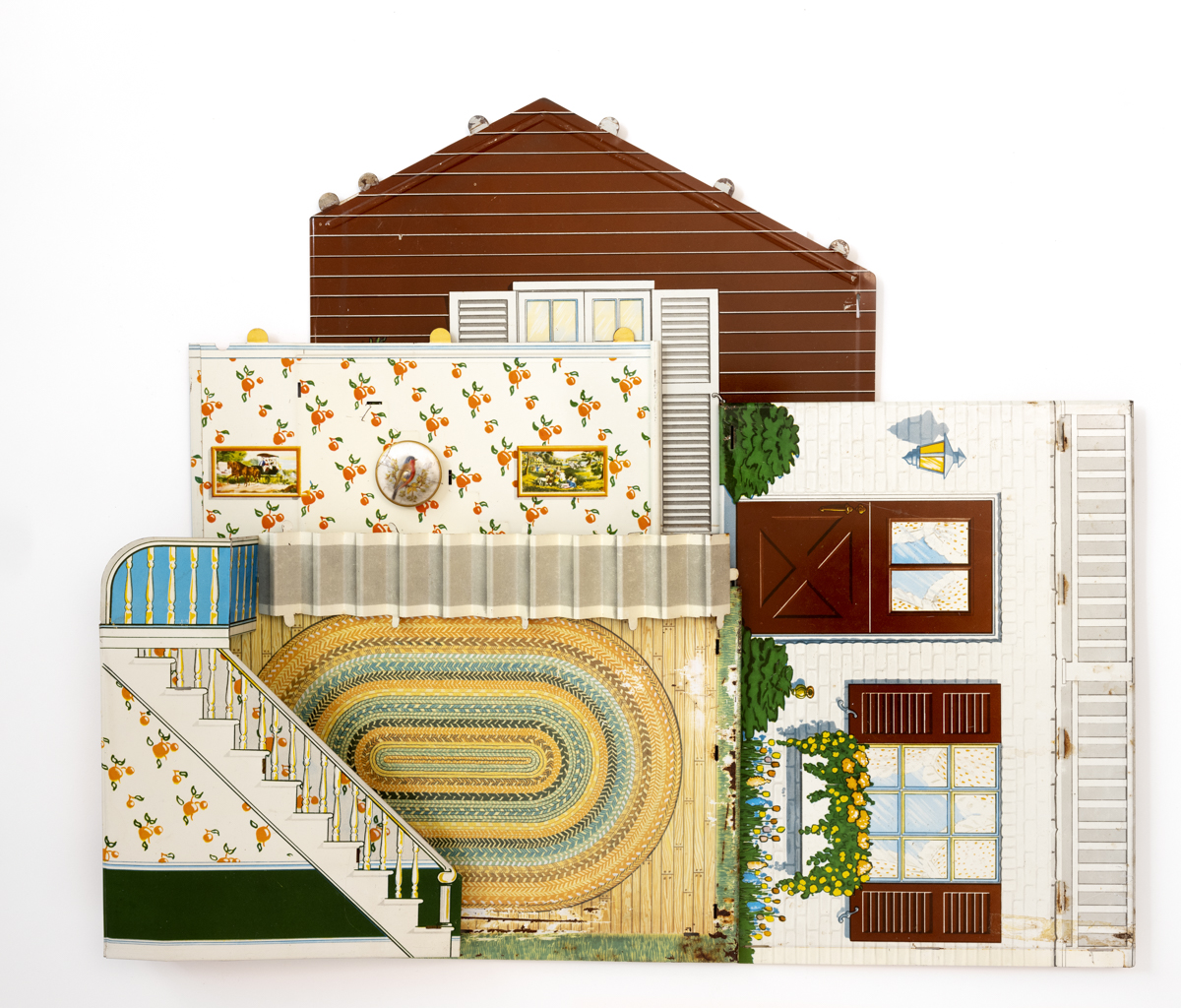
From the “Wishmaker” project
Why did you gravitate toward vintage potholder looms for the project?
Recently, while scanning square snapshots from my mother’s photo albums to create a family archive, I remembered my much-loved potholder loom from childhood. The square photos and the square loom, both from that era, seemed to belong together, and the idea emerged to combine them.
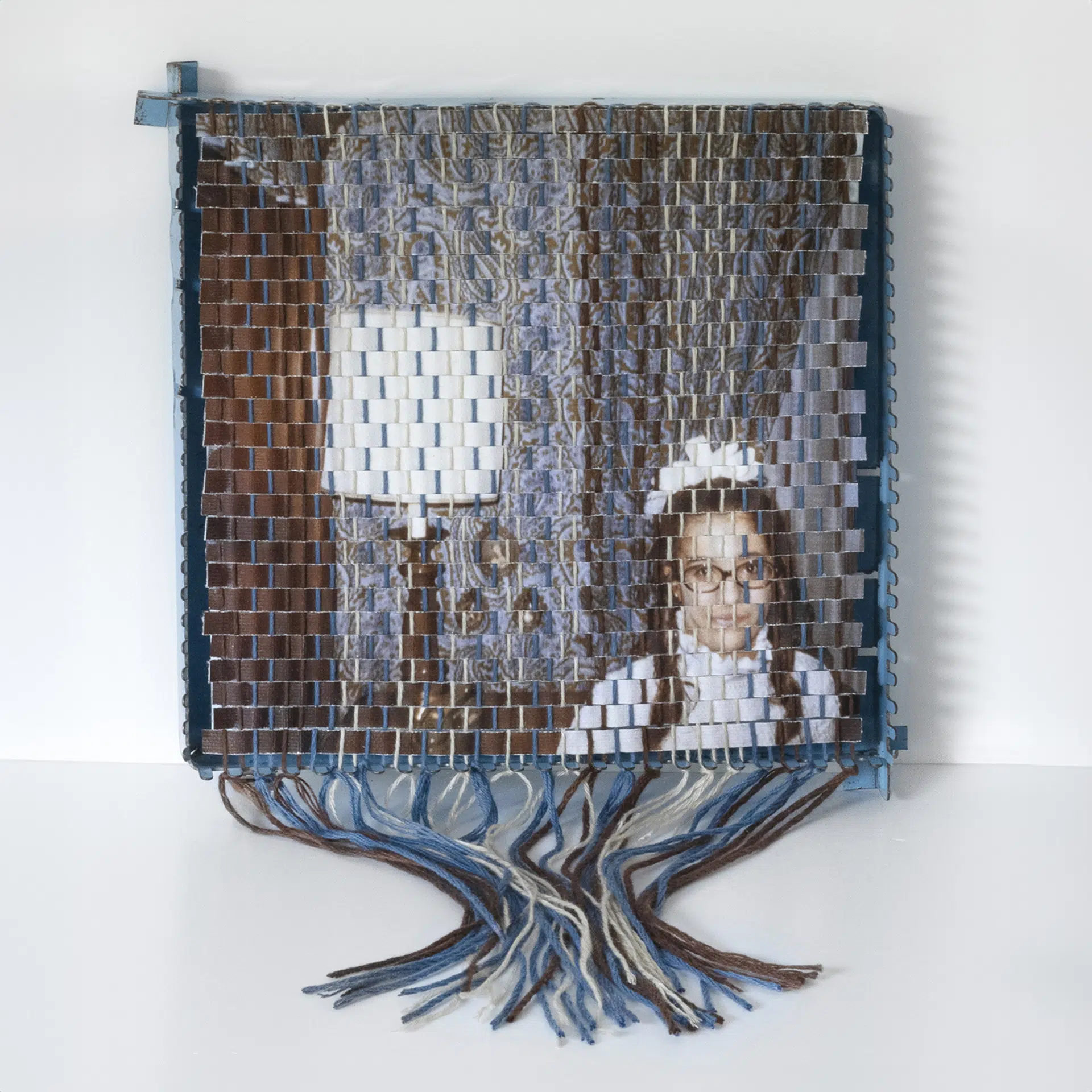
“Lois’s Bat Mitzvah”
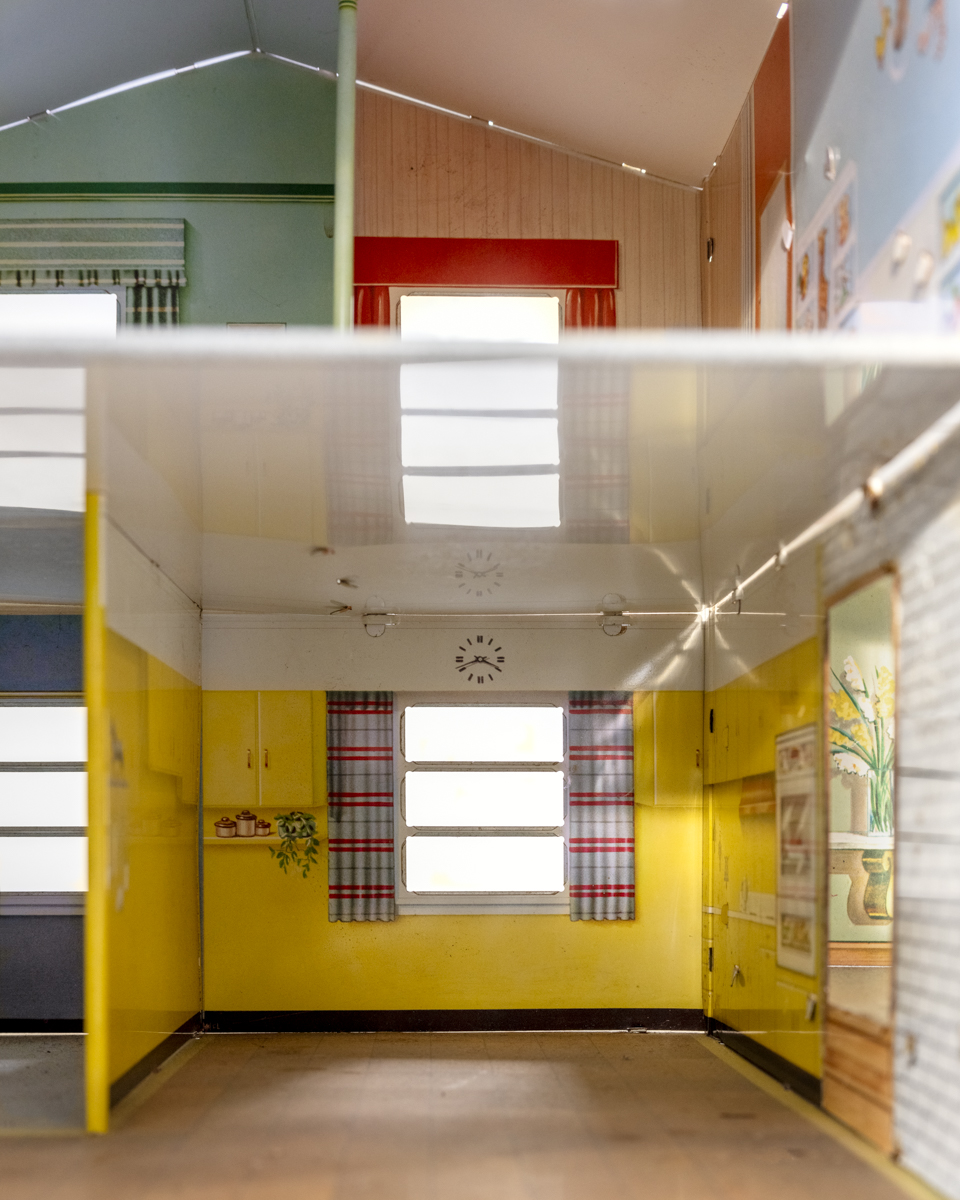
From the “Wishmaker” project
How does fiber art contribute to the project’s overall narrative and interest in domesticity?
The use of fiber in the original potholders led me to do the same with Columbus Drive. Historically, fiber was equated with “women’s work” and “hobby.” My intention is to bring these small weaving looms into the realm of art.
The act of cutting up and reassembling images using canvas and colored thread is a mediation on family, history, and memory. As I create patterns and maneuver the canvas under and over, again and again, the image is slowly revealed. In this way, a personal history is both remembered and reconstructed—visibly imperfect and ephemeral.
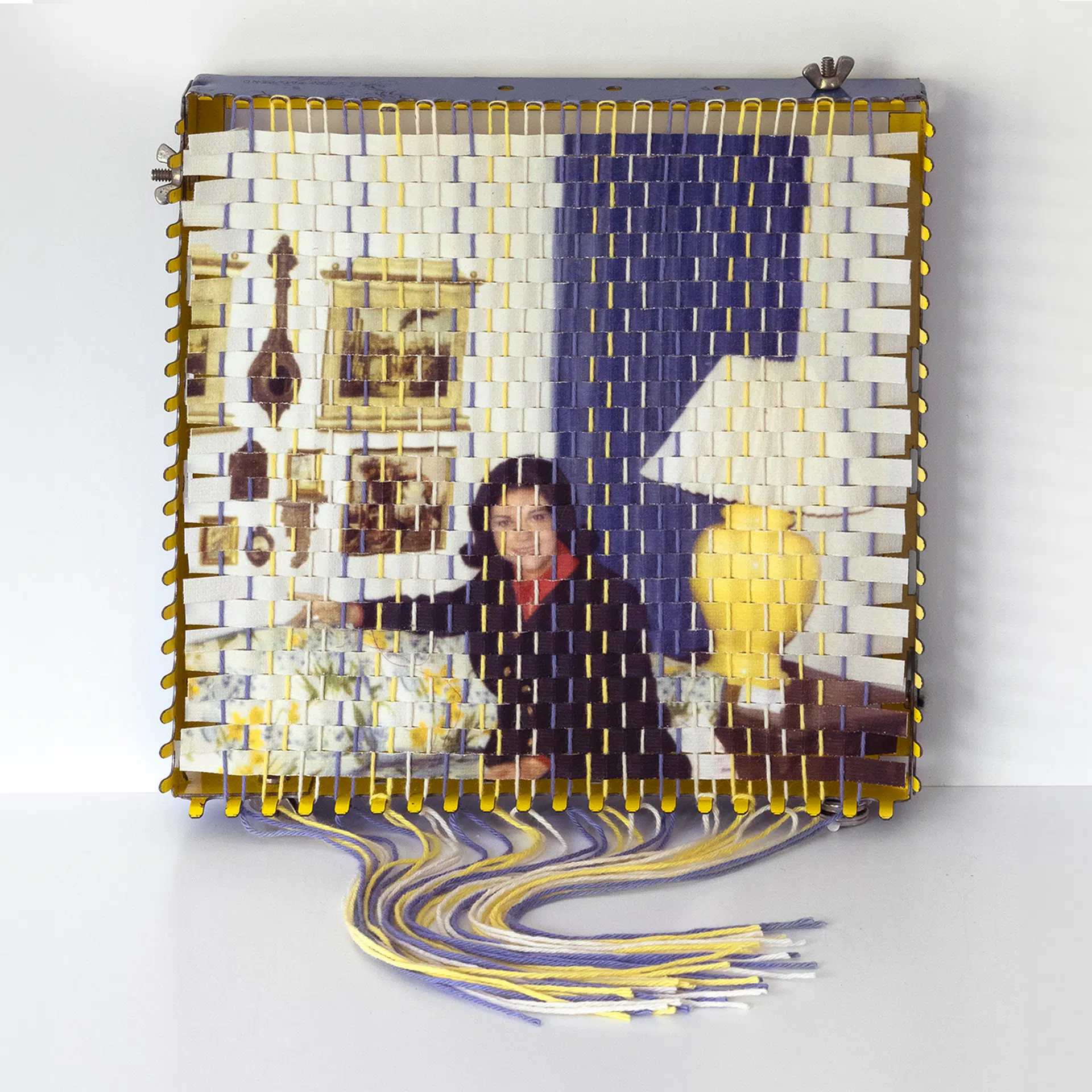
“Mom and Yellow Lamp”
What does Columbus Drive reveal about memory, childhood, and the expectations surrounding growing up?
While working on Wishmaker, I began to think of other toys from this era designed to prepare girls for their future as housewives. At this time, the division between girl play and boy play was sharply delineated. Boys played Cowboys and Indians and truck drivers, while girls’ play revolved around motherhood, housekeeping, and cooking. Playing with tin dollhouses and the potholder looms reinforced skills girls would someday need.
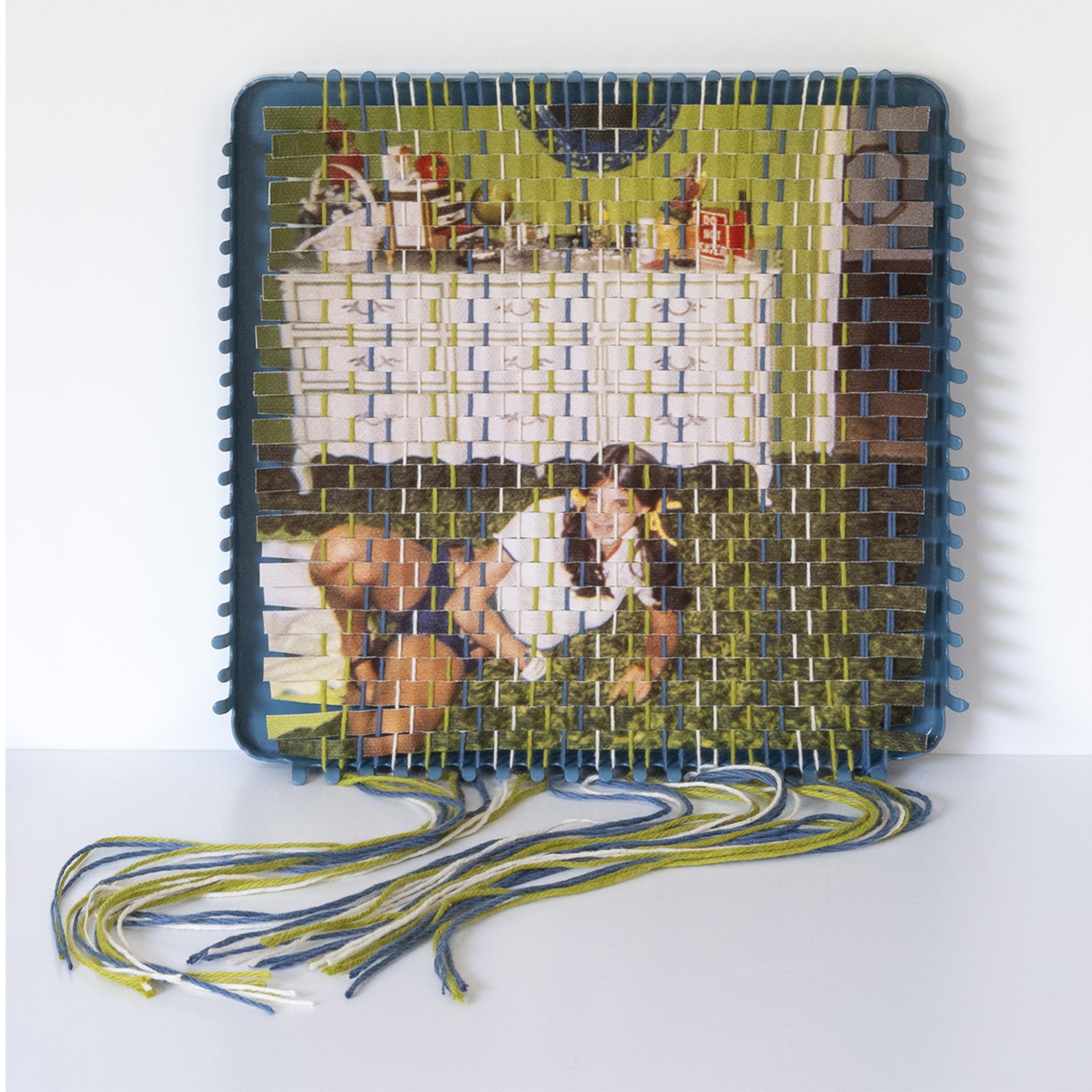
“Lauren in My Room”
What do you hope people take away from Columbus Drive and your work as a whole?
With both my Wishmaker and Columbus Drive, I hope that the viewer will take a step back from the present and reflect on memories and impressions from their own childhoods. How do the towns, houses, and families we grow up in shape us into the people we are today? I also hope viewers will be able to temporarily suspend their adult worries, and simply play.
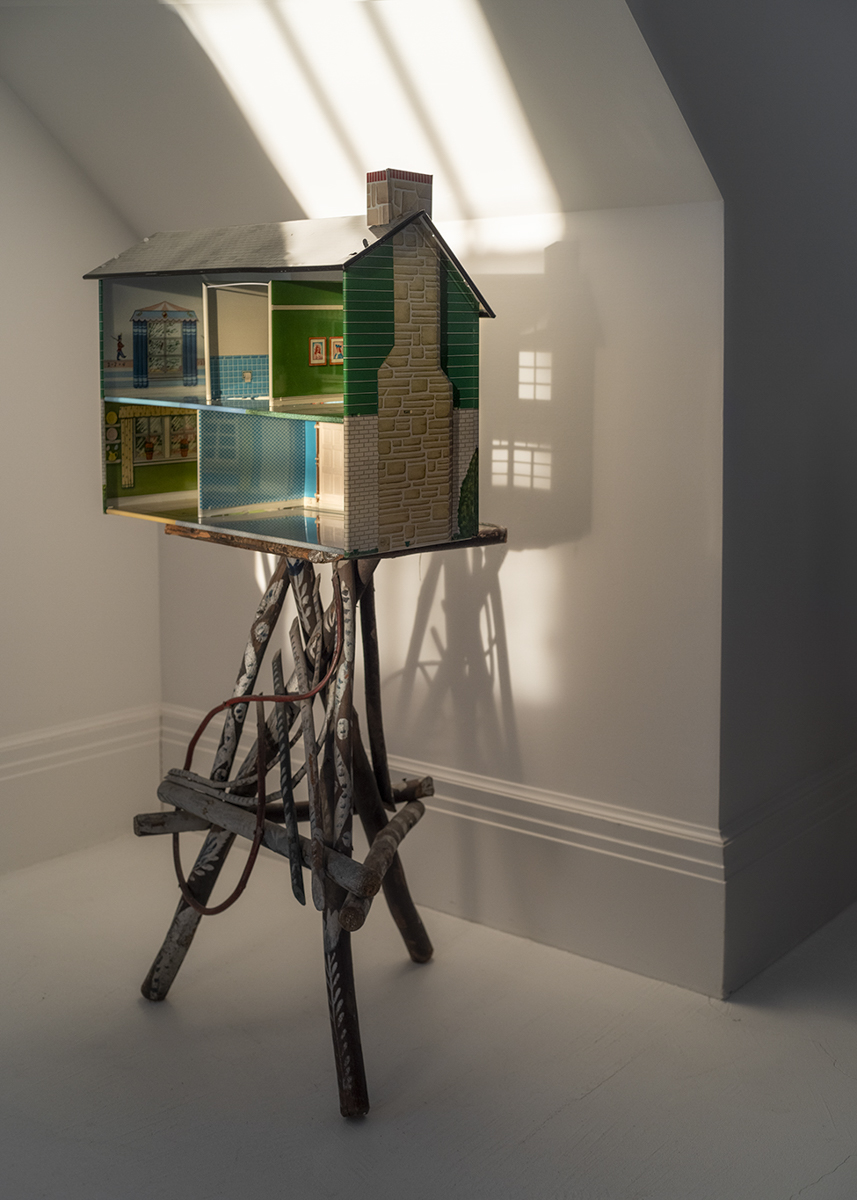
From the “Wishmaker” project
Pam Connolly: Website | Instagram
My Modern Met granted permission to feature photos by Pam Connolly.
Related Articles:
Fiber Artist Creates Delicately Woven “Windows” With Cut-Up Silk Paintings
Nontraditional Fiber Artist Seamlessly Weaves Beautiful Circular Creations
Artist Weaves Monumental Fiber Installations Whose Colors Shift and Evolve With the Sun