When we look at prehistoric cave paintings today, we usually see them brightly illuminated or reproduced in photographs. But thousands of years ago, people would have experienced these artworks very differently. By the flickering light of a torch or small lamp, painted animals may have appeared to emerge from the stone, shift in the shadows, and even move.
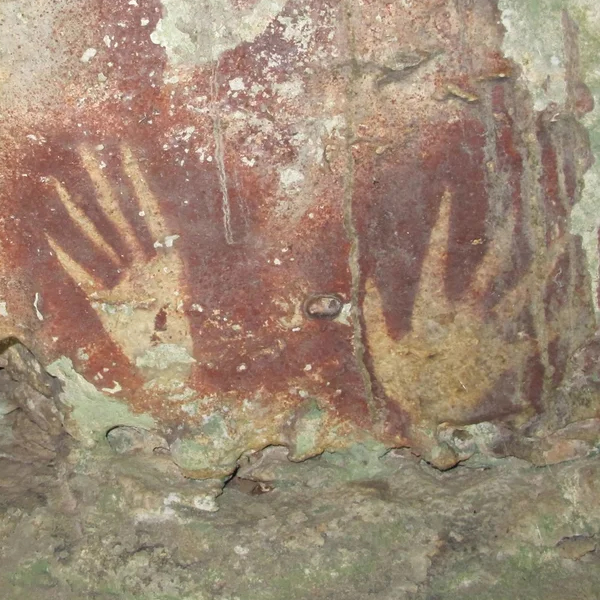
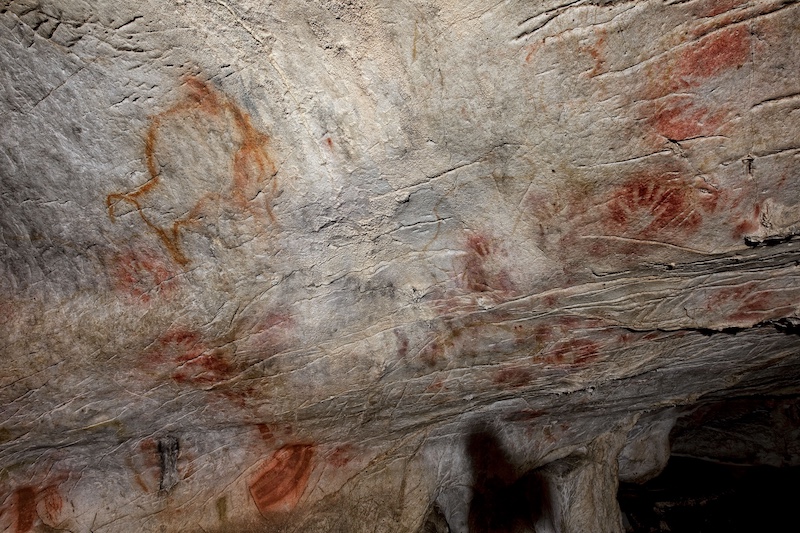
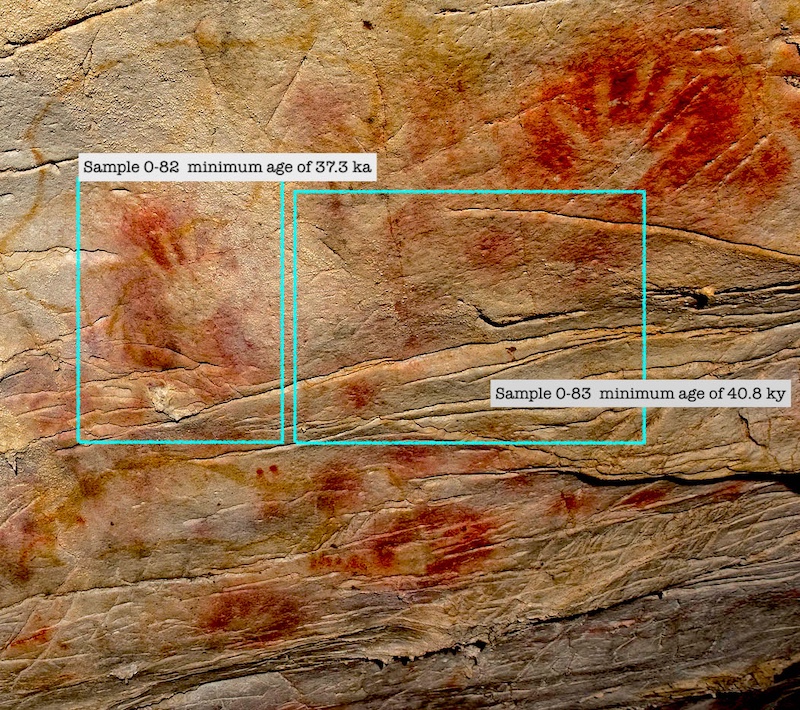
Researchers are increasingly studying prehistoric cave art as part of its physical environment rather than simply as images on a wall. At El Castillo in northern Spain, which contains thousands of prehistoric images, artists often incorporated the natural contours of the cave into their work. Cracks, ridges, and bulges in the rock could become part of an animal's body. A curve might suggest the muscular back of a bison, while other formations could evoke the shape of a horse or deer. In some cases, artists added only a few marks to turn an existing feature of the stone into a recognizable figure. This suggests that prehistoric artists weren't necessarily treating cave walls as blank canvases. Instead, they may have recognized animal forms in the stone and used paint or carving to make them more visible.
Archaeologist Diego Garate, who has studied Paleolithic cave art extensively, is among the researchers examining how these images interacted with their surroundings, including something easily lost when cave art is reproduced in photographs: how it would have looked under prehistoric lighting.
Unlike modern electric lights, torches and animal-fat lamps produced flickering illumination. Shadows would have continually shifted across the irregular cave walls as people moved through the space. An animal painted over a ridge or fissure could therefore look different from one moment to the next.
One particularly intriguing example at El Castillo is a figure sometimes known as the “bison man.” Carved into a stalagmite, the figure can cast a bison-like shadow when illuminated from a particular angle. As Garate moved the light, the shadow appeared to walk across the cave wall.
Whether its prehistoric creator intended that effect is impossible to say. Modern flashlights are very different from the torches and lamps available thousands of years ago, making it difficult to recreate the experience precisely. Researchers are now using digital reconstructions and virtual reality to investigate how ancient light sources might have interacted with cave surfaces.
Other artworks show just how closely prehistoric artists observed the stone around them. One natural formation at El Castillo resembles a bison's head, with an artist adding only two small black marks to create an eye and nostril. Most of the animal is supplied by the rock itself.
Taken together, these details are changing how researchers think about prehistoric art. Cave paintings may not have been static images meant to be viewed from a single position. They existed within an environment of darkness, uneven stone, moving viewers, and constantly shifting light. Seen under those conditions, a prehistoric cave could have offered a surprisingly immersive experience. The animals painted and carved into its walls weren't simply pictures of the surrounding world. In the glow of a flickering flame, they may have seemed to come alive.
Prehistoric artists used the natural contours of cave walls to bring animals to life.
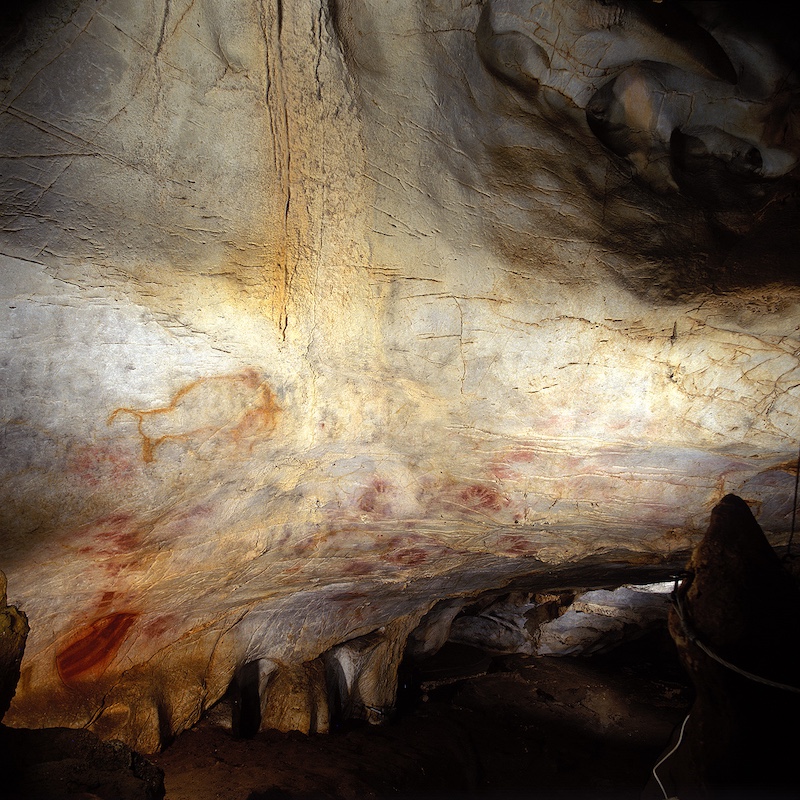
Flickering torchlight may have made cave paintings appear to move.
Source: The Prehistoric Paintings on the Walls of Caves Have Always Been Moving. But With the Right Kind of Light, Some Actually Seem to Move
Related Articles:
Scientists Finally Date Mysterious Paintings in France’s Font-de-Gaume Cave
World’s Oldest Known Cave Art Discovered in Indonesian Cave
Recently Discovered Lunar Cave May One Day Serve as a Base Camp