In Seoul’s bustling Gangnam district, a new cultural landmark invites visitors to experience sound in an entirely different way. The Audeum Audio Museum, designed by Kengo Kuma & Associates, challenges traditional museum conventions by placing sound at the center of the experience. Rather than focusing solely on what visitors see, the museum encourages them to listen, feel, and slow down.
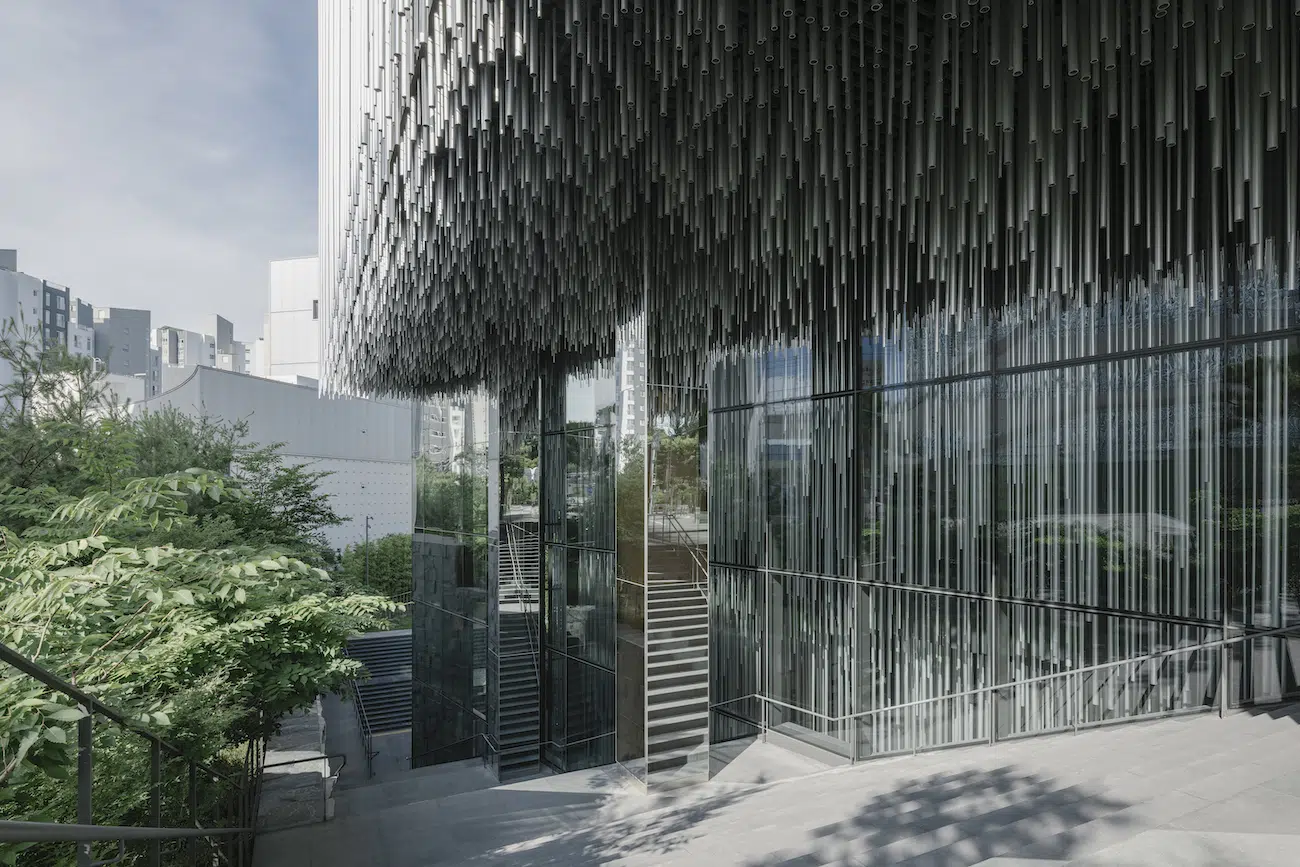
From the outside, Audeum already hints at what awaits within. The building’s façade features 20,000 vertical aluminum pipes that reflect sunlight throughout the day. As a result, light and shadow shift constantly across the surface. This movement gives the structure a dynamic presence that responds to its surroundings.
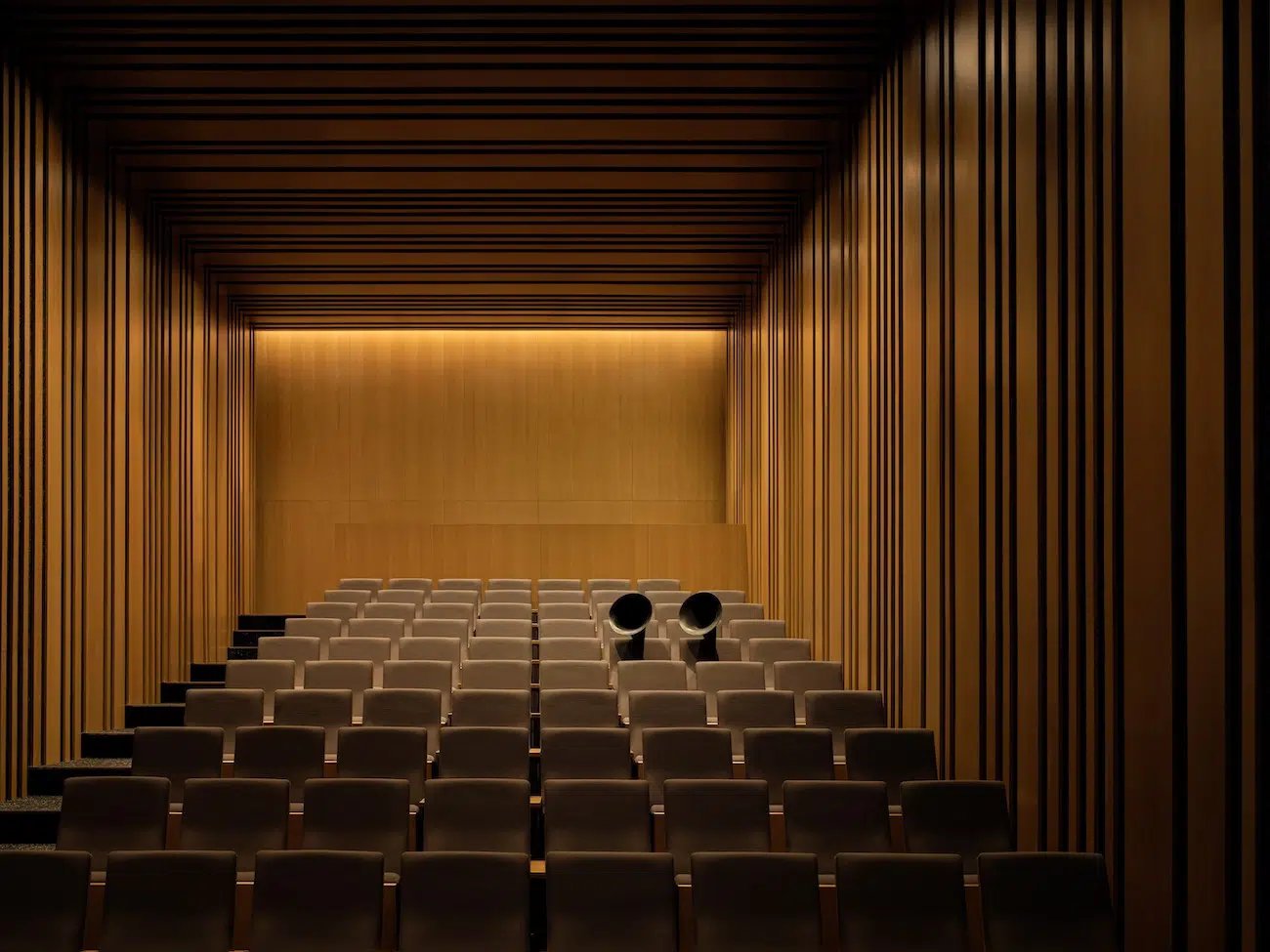
Once inside, the atmosphere changes immediately. Warm wooden surfaces replace the metallic exterior and create a sense of calm. The architects used a wood drape technique that softens the material while improving acoustics. Because of this, the interior feels both intimate and immersive. Visitors become more aware of sound, texture, and space as they move through the galleries.
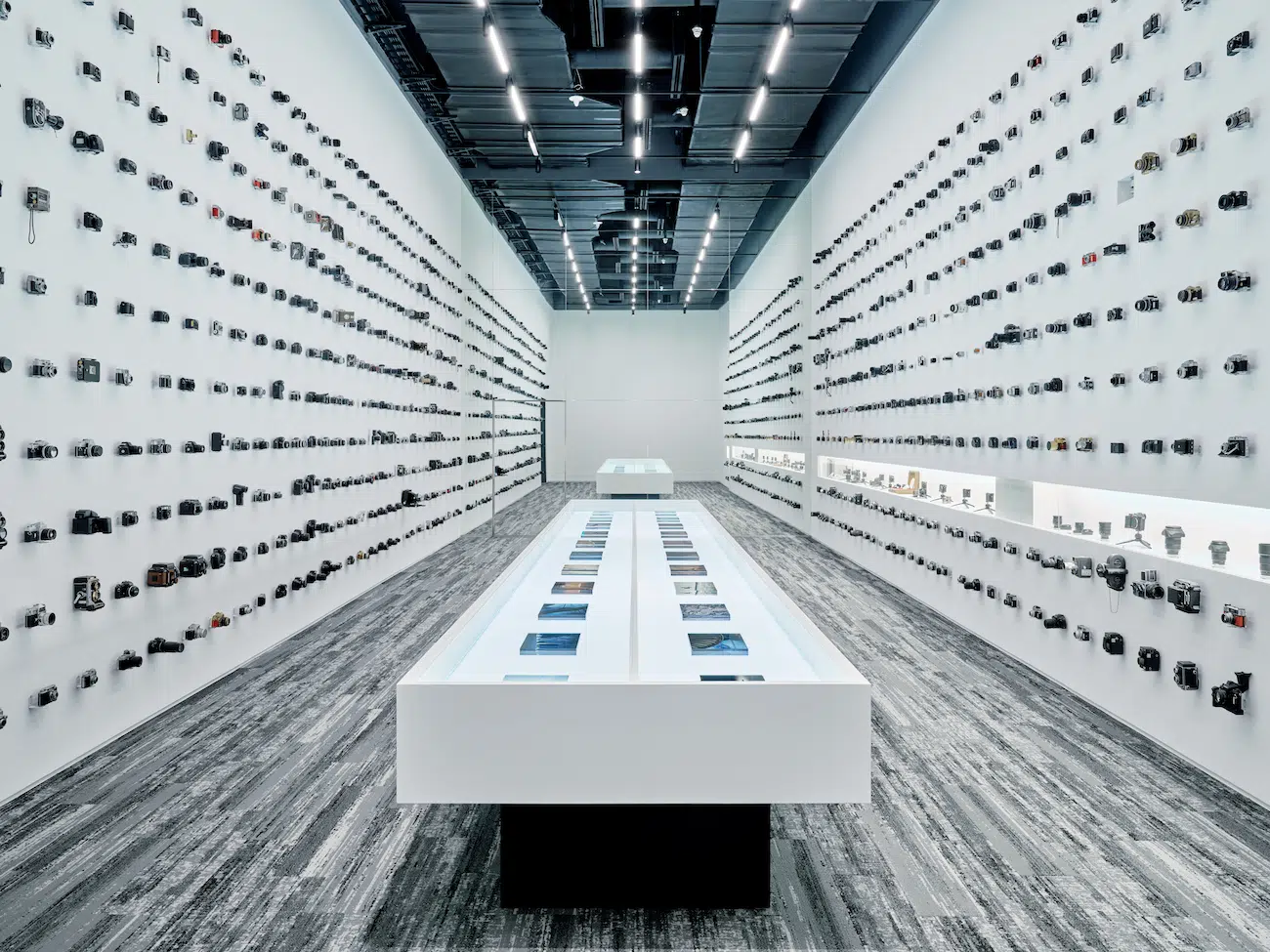
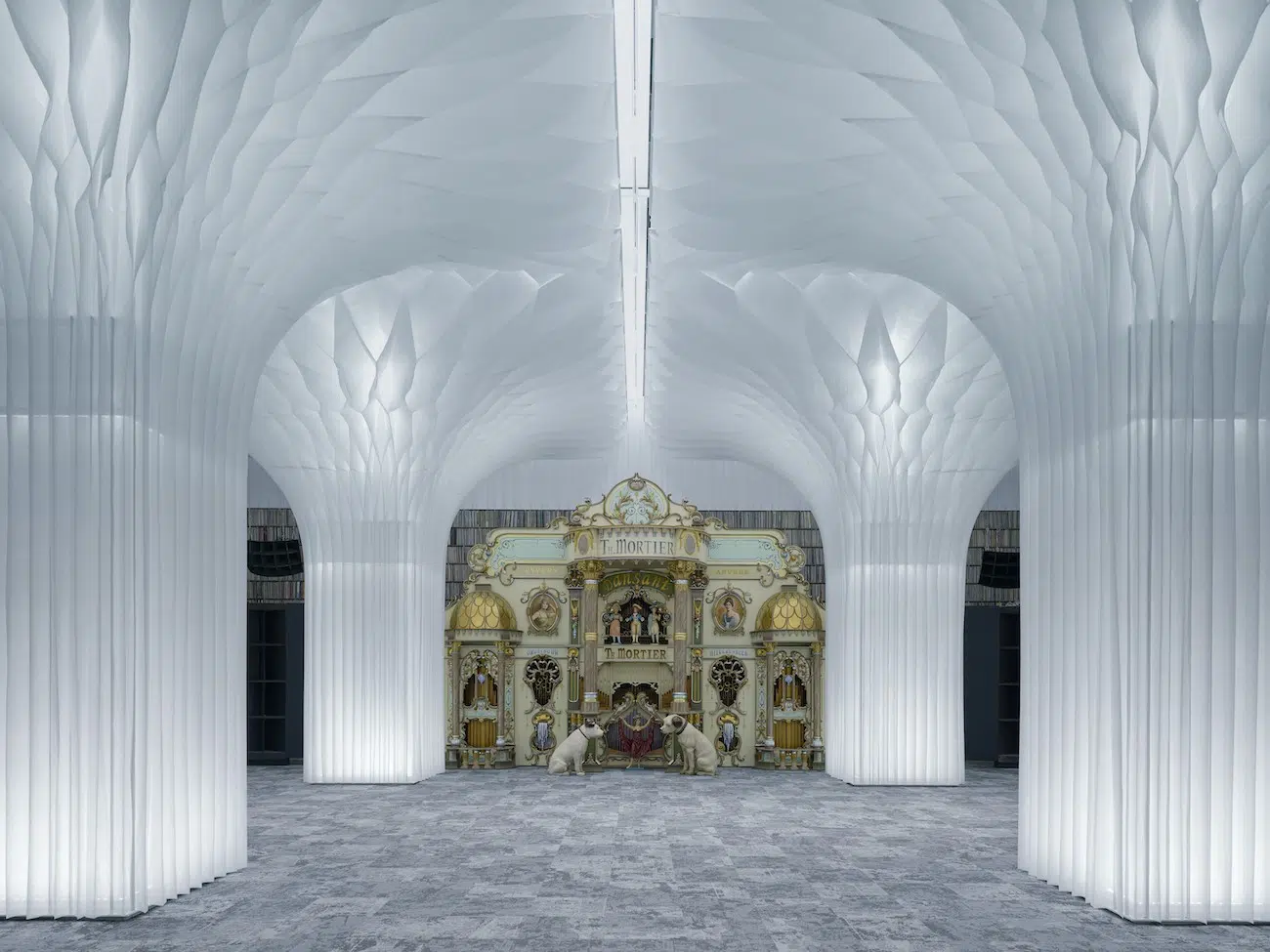
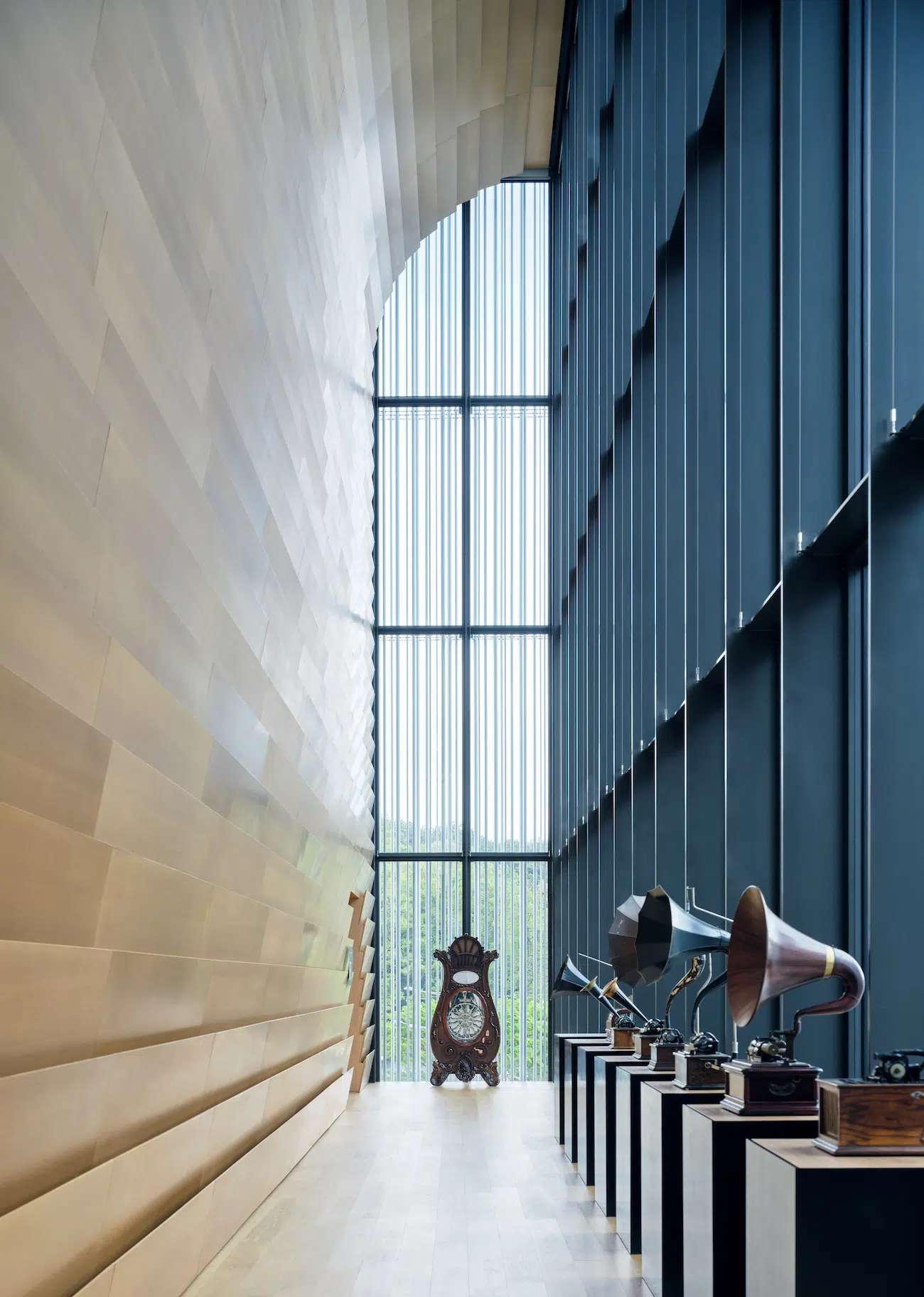
Beyond its architecture, Audeum also houses an extensive collection of audio equipment. The museum traces roughly 150 years of sound technology, beginning with early phonographs and continuing through mid-century hi-fi systems. Instead of presenting these objects as static artifacts, the museum allows them to be heard. Consequently, visitors gain a deeper understanding of how sound recording and playback have evolved.
At the same time, Audeum prioritizes experience over instruction. Rather than overwhelming visitors with text, the museum invites exploration through listening. Sound fills the rooms and resonates through the wood-lined spaces. This approach transforms each gallery into a place of reflection rather than observation.
Unsurprisingly, the museum has attracted international recognition. In 2025, Prix Versailles named Audeum one of the World’s Most Beautiful Museums and awarded it the Special Prize for Interior Design. The honor highlights the building’s ability to balance innovation with sensory engagement.
Ultimately, Audeum demonstrates how museums can move beyond display. By treating sound as both subject and medium, it offers a rare opportunity to reconnect with the senses. In doing so, it reminds visitors that listening can be just as powerful as seeing.
Wrapped in thousands of aluminum pipes, the Audeum Audio Museum announces its focus on sound before visitors ever step inside.

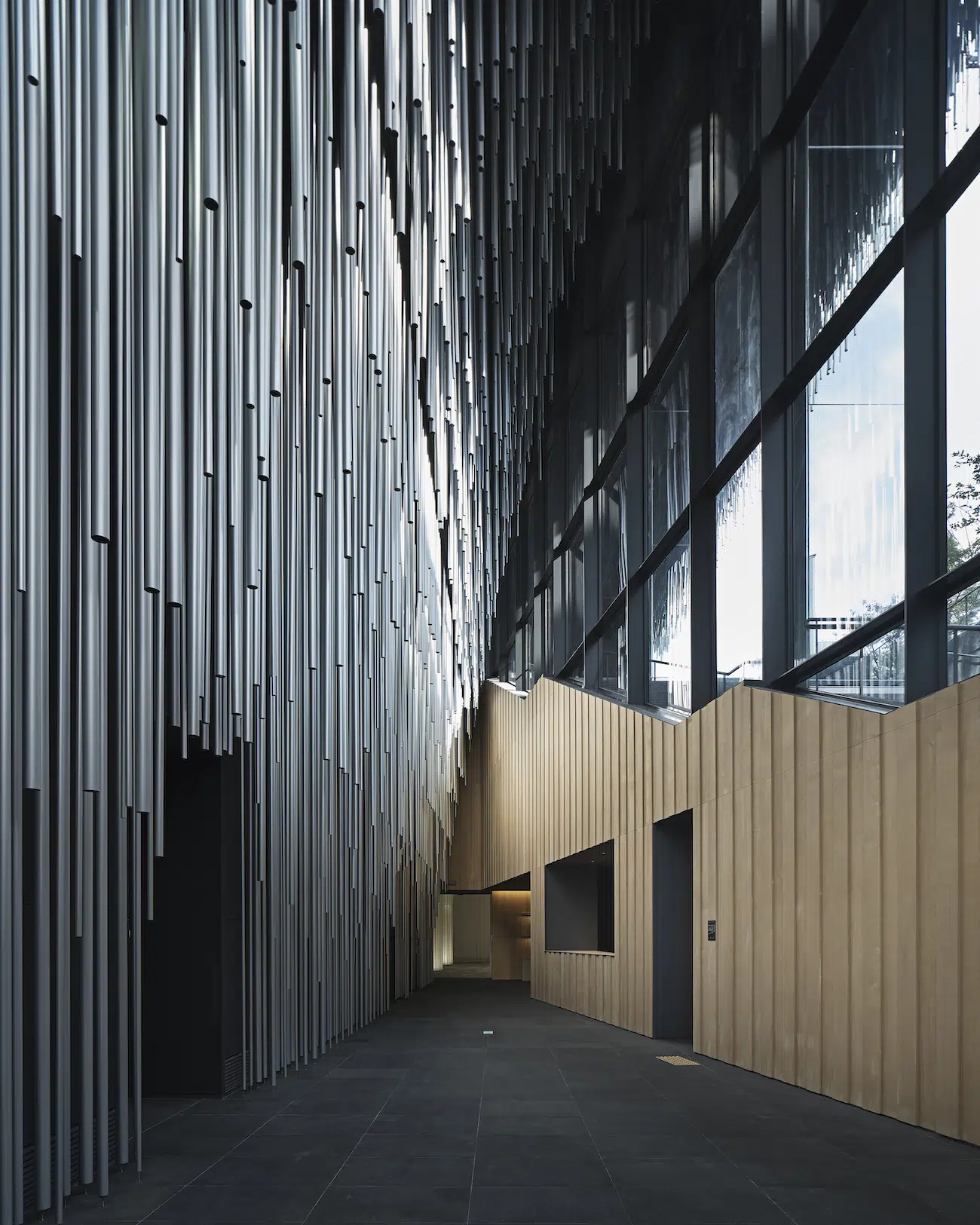
Inside, warm wood surfaces and carefully tuned acoustics transform historic audio equipment into an immersive listening experience.
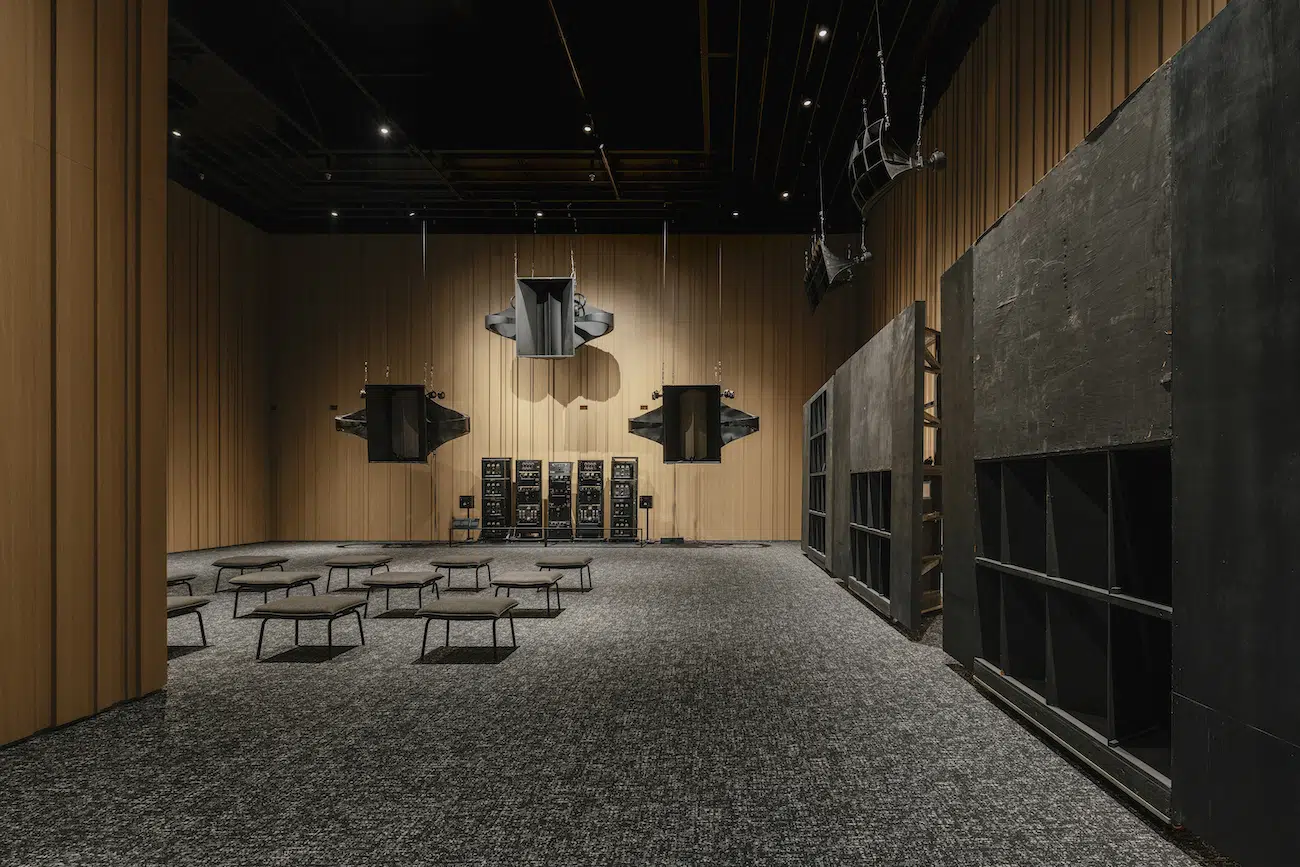
By centering sound as both subject and medium, Audeum ultimately reimagines what a contemporary museum can be.