March 14, 2019
NYC Parks Are Using a Designer’s ‘Tree Font’ to Plant Secret Messages with Real Trees
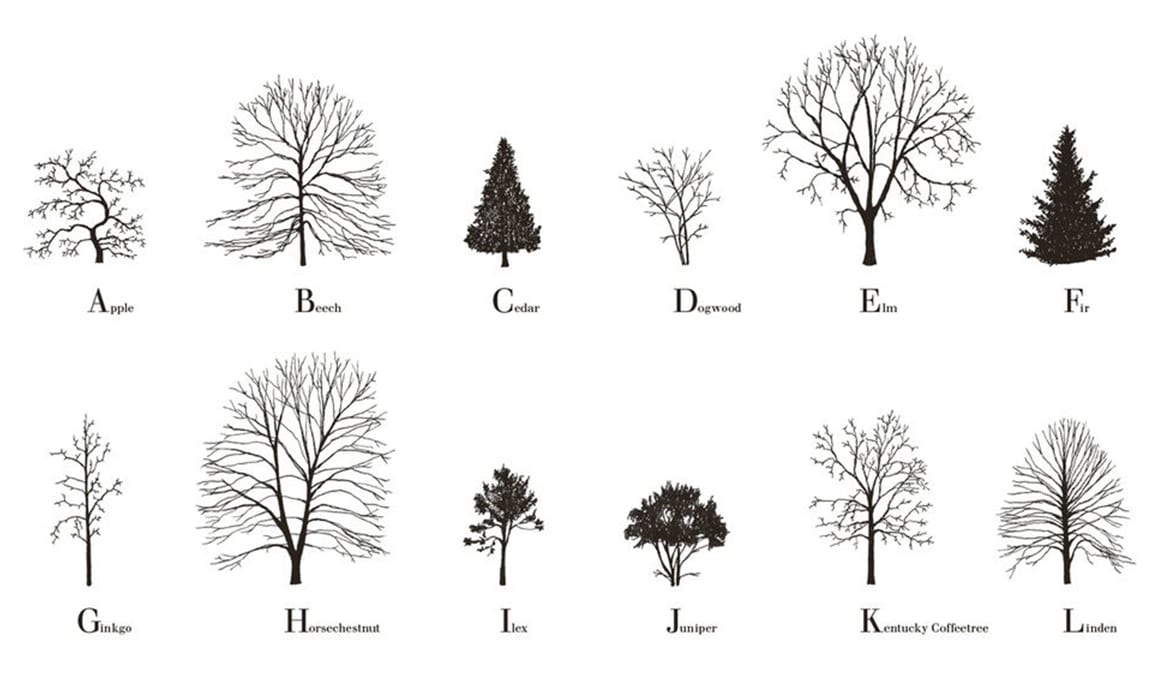
Inspired by the nature around her, artist Katie Holten recently developed the New York City Tree Alphabet. Each letter is represented by an illustration of a different type of tree found in NYC. The letter A, for example is depicted as an ash tree, and the letter O is illustrated as an oak.