Photo: ©Fundació Catalunya La Pedrera
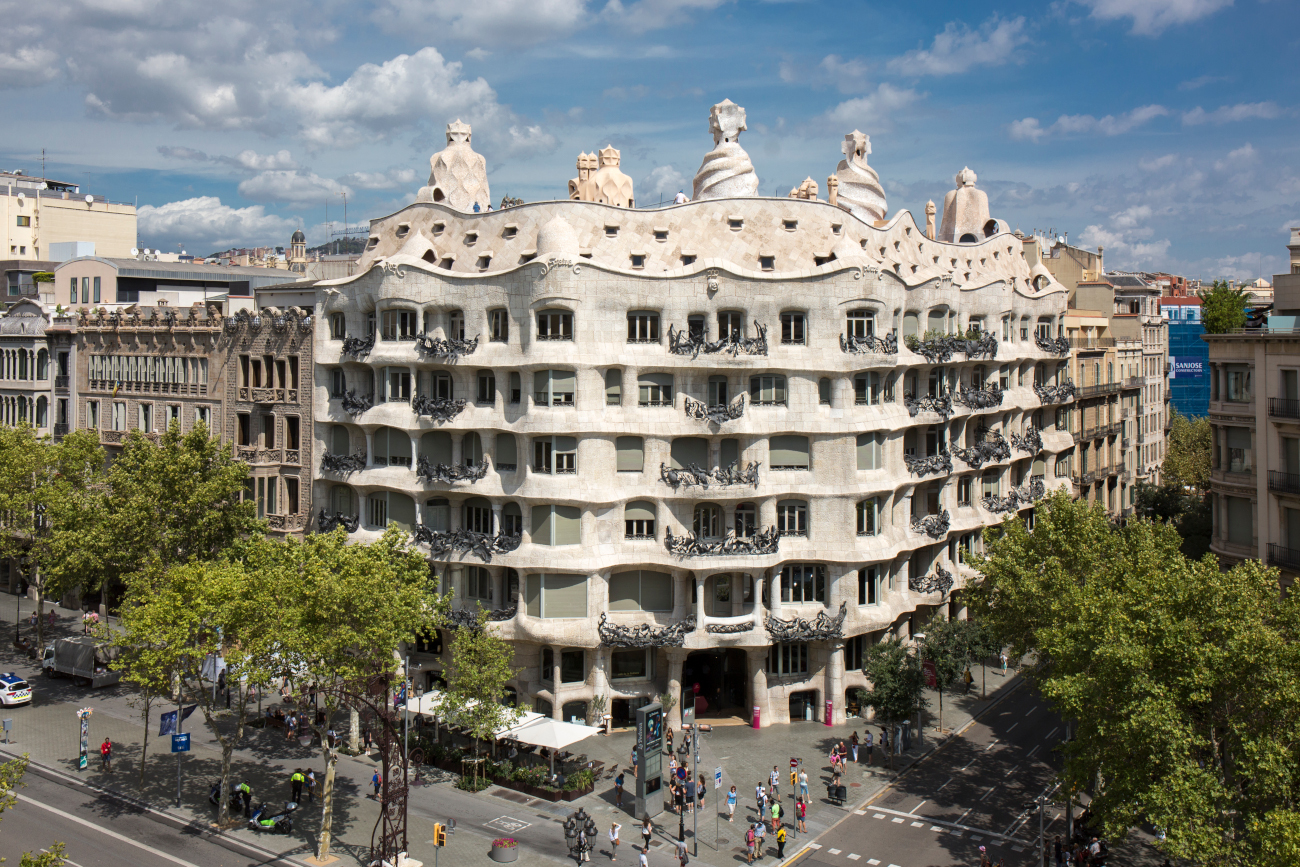
Barcelona was architect Antoni Gaudí’s creative playground. From the ornate narrative elements of Sagrada Familia to the playful underwater theme of Casa Batlló, he expressed his unique vision as one with a deep admiration for nature and geometry. However, no building showcases his way of thinking like Casa Milà, best known around the world as La Pedrera. This residential complex doubles as a museum of the legacy of Gaudí and how his work shaped the face of the city.
Casa Milà was built between 1906 and 1912, becoming the last private residence designed by Gaudí. It was commissioned by Pedro Milá y Camps and Rosario Segimon, a wealthy couple who planned to live on the main floor and rent out the rest of the apartments. While today it is a landmark of Barcelona and a UNESCO World Heritage Site, it was looked down upon by neighbors upon its construction, as they thought the odd-looking building would lower the value of their properties.
This modernist icon is known around the world for its undulating stone facade, rounded out by the wrought iron balconies with organic motifs. Its nickname, La Pedrera, means “The Quarry” in Catalan, given for its unique appearance. Made up of two buildings, it overlooks the Passeig de Gràcia, often regarded as the most exclusive street in Barcelona. Its nine stories feature a basement, ground floor, mezzanine, main floor, four upper floors, and an attic.
For all its innovative elements, the most breathtaking part of Casa Milà is the terrace. This area is crowned by the “Garden of Warriors.” These towering sculptures are actually functional features; there are 29 chimneys, six stairwell exits or badalots, and two ventilation towers. Some are covered in trencadis, a technique often used by Gaudí in which he made colorful mosaics out of mismatched broken tiles.
“In Gaudí’s own words: ‘Buildings need to have a double roof, just like people have a hat and a parasol.’ This was Gaudí’s understanding of the protective function of the attic and the dignification and personalization of the roof,” explains Fundació Catalunya La Pedrera, the non-profit that safeguards the building today. “Every part of the roof is designed to serve a purpose. The roof terrace is characterized by order, aesthetic quality, and highly functional construction elements.”
While the terrace alone is worth the visit, Casa Milà also features the Espai Gaudí, a cultural center that explores Gaudí’s life and work through models, photographs, and videos. Meanwhile, the Pis d’Epoca restores the top-floor apartment to its former glory, showing visitors how it would have looked as the upscale home of a rich family during the first decades of the 20th century.
If you’re ever in Barcelona and want to check out this historic building, visit the Casa Milà website to get your tickets. To learn even more and take a peek inside, scroll down to watch a video by My Modern Met’s Editor-in-Chief Eugene Kim at Casa Milà.
In Barcelona, Casa Milà doubles as a museum of the legacy of architect Antoni Gaudí, showing how his work shaped the face of the city.
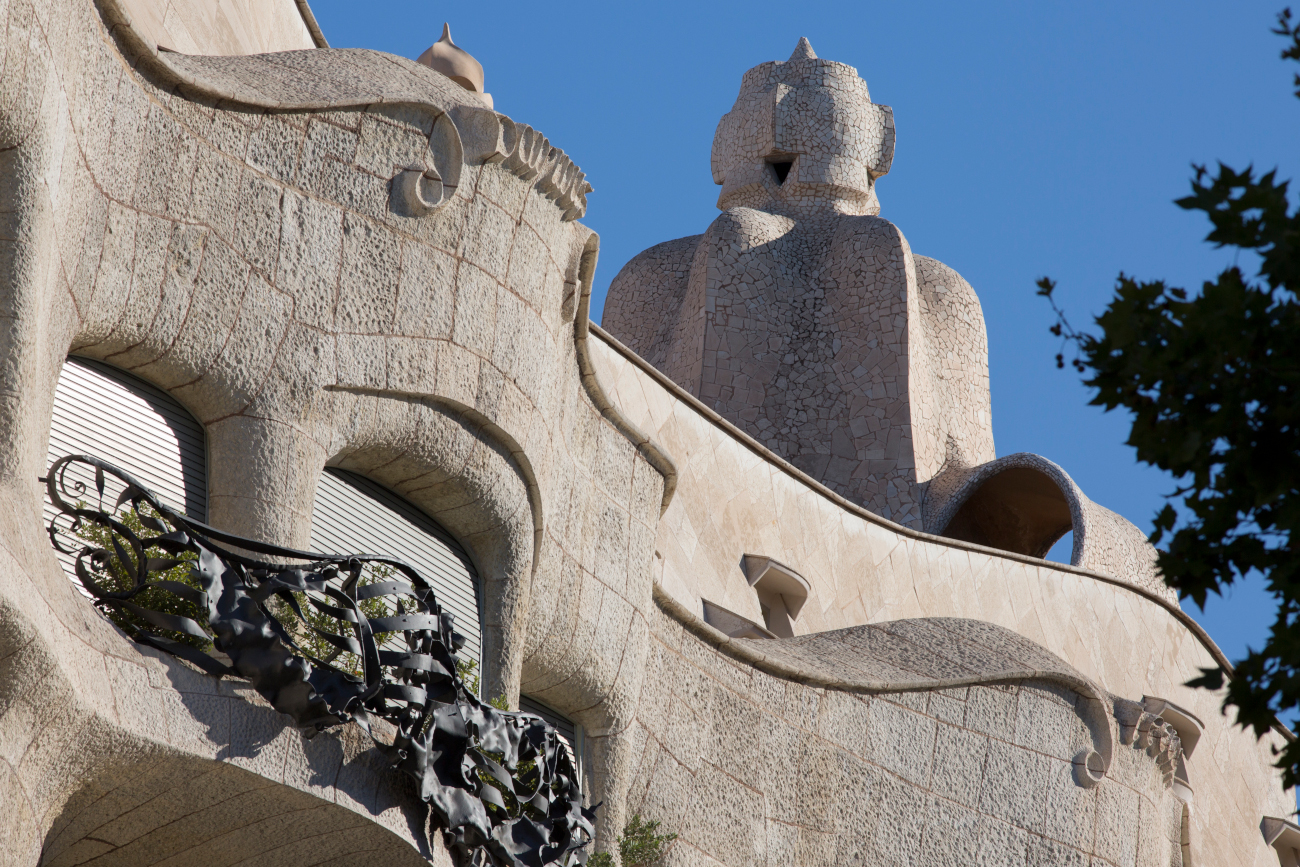
Photo: ©Fundació Catalunya La Pedrera
For all its innovative elements, the most breathtaking part of Casa Milà is the terrace.
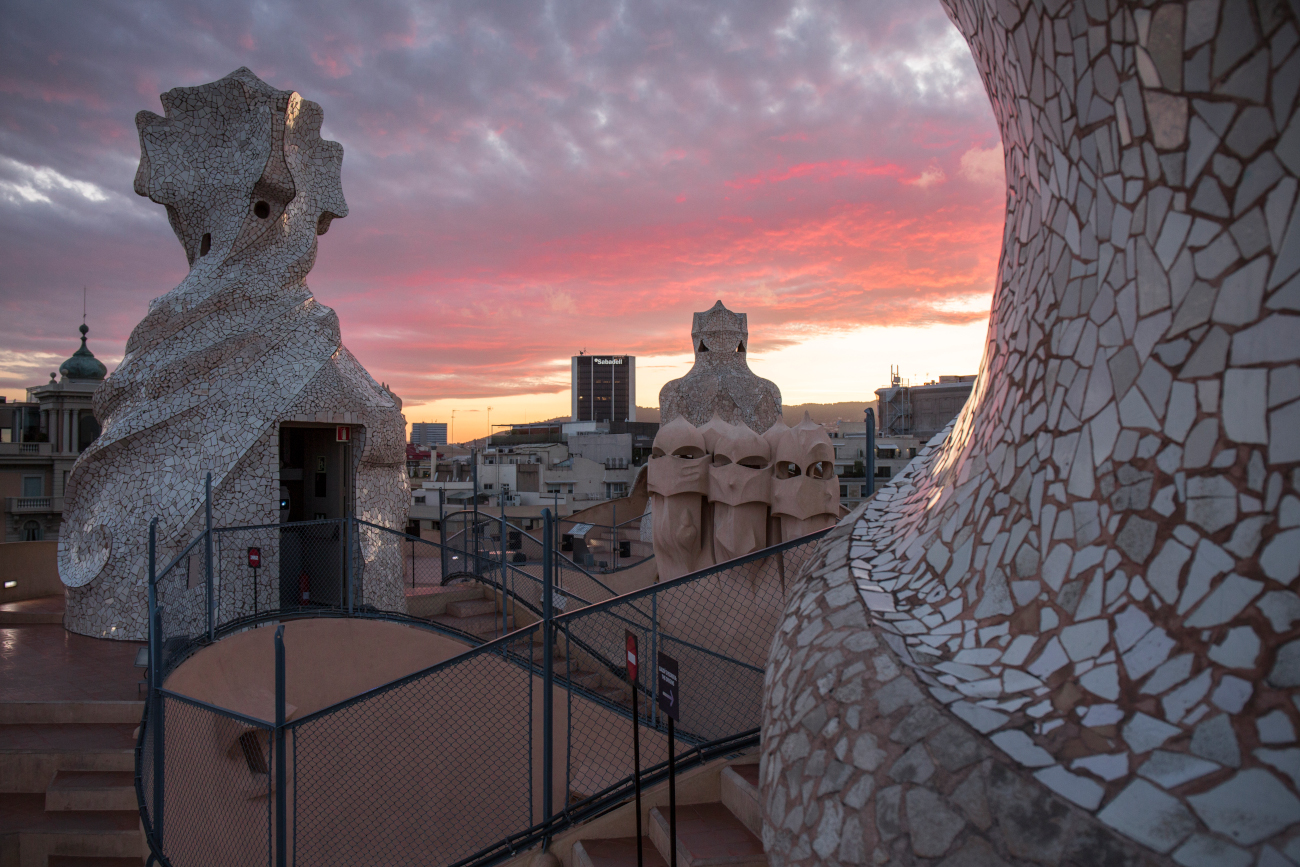
Photo: ©Fundació Catalunya La Pedrera
This area is crowned by the “Garden of Warriors.”
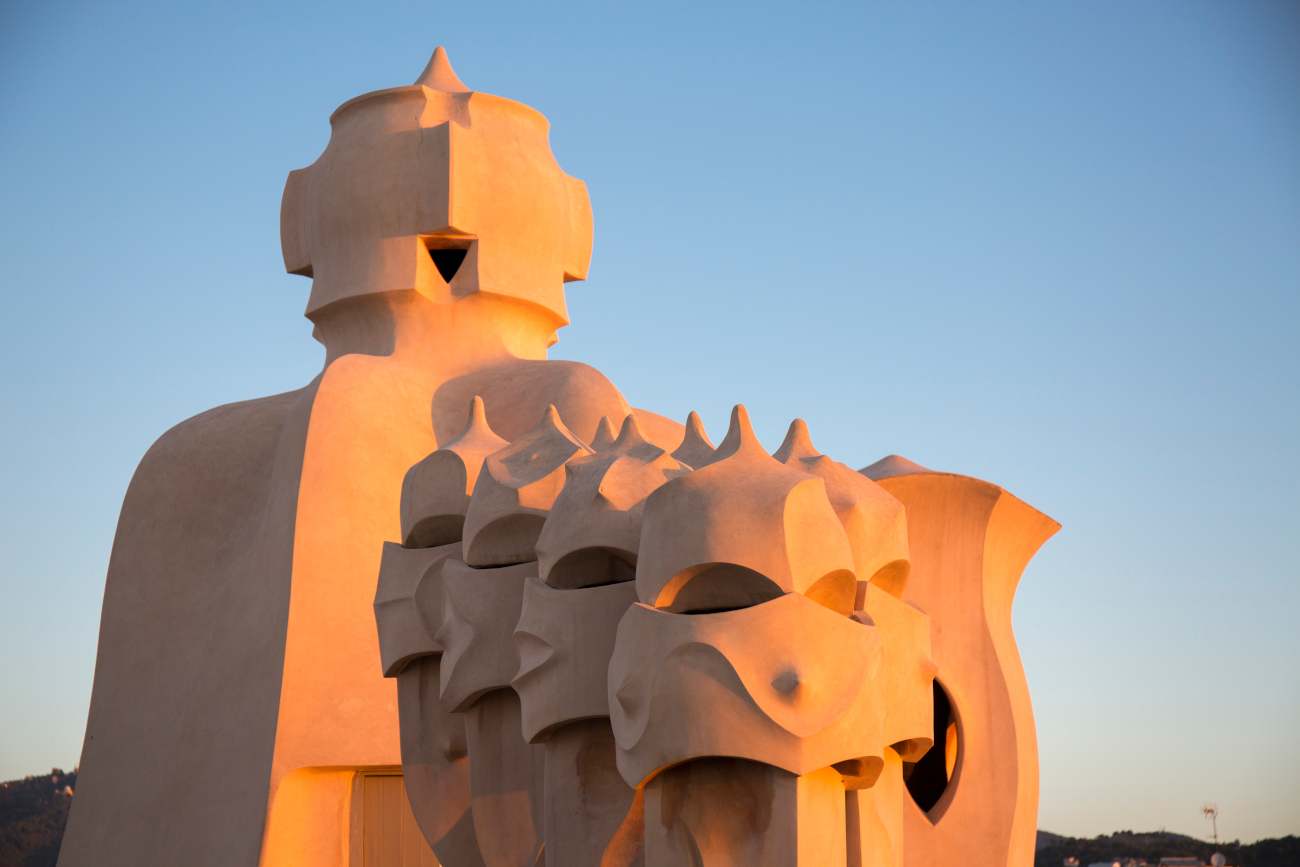
Photo: ©Fundació Catalunya La Pedrera
These towering sculptures are actually functional features; there are 29 chimneys, six stairwell exits or badalots, and two ventilation towers.
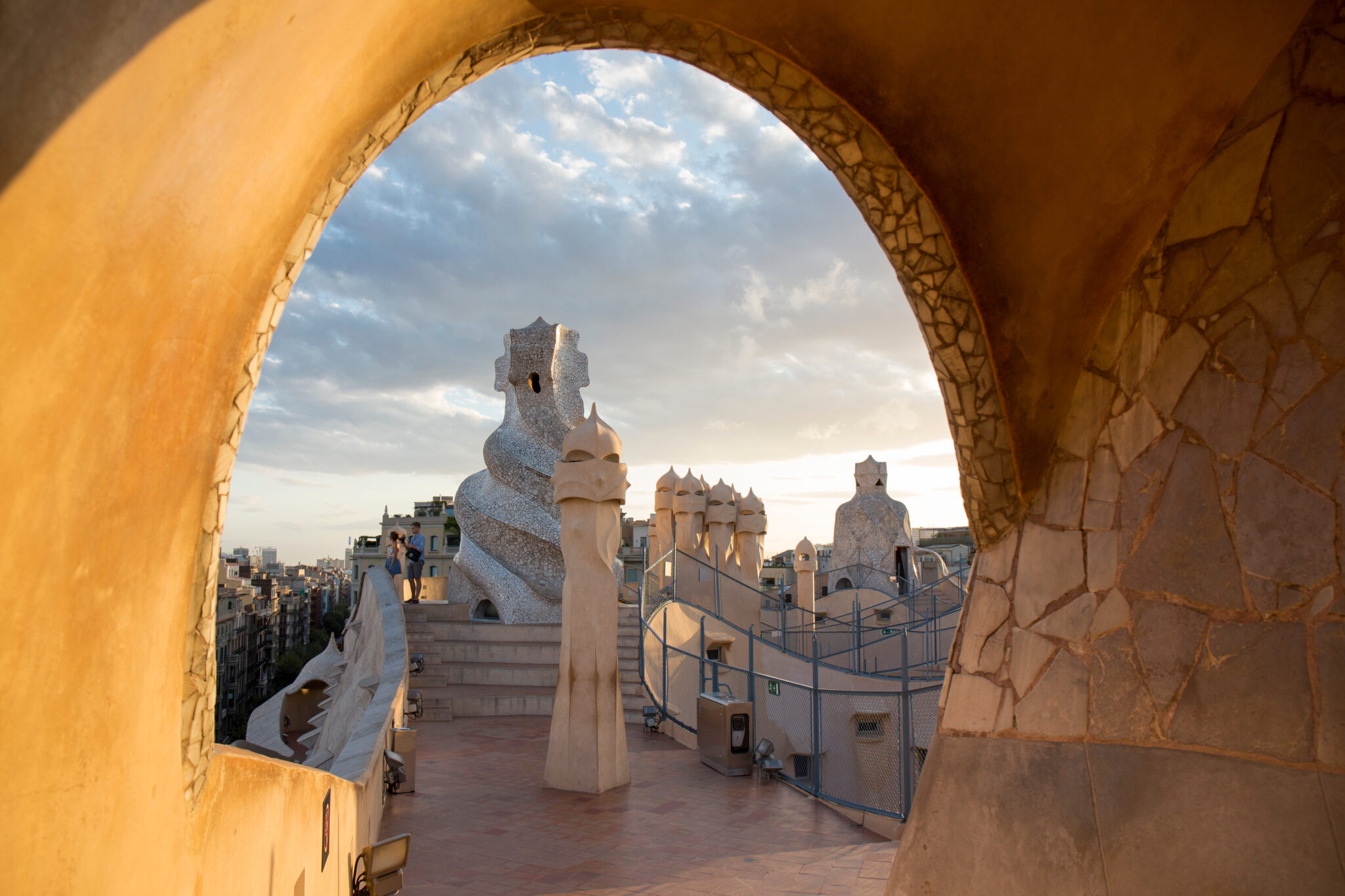
Photo: ©Fundació Catalunya La Pedrera
Some are covered in trencadis, a technique often used by Gaudí in which he made colorful mosaics from mismatched broken tiles.
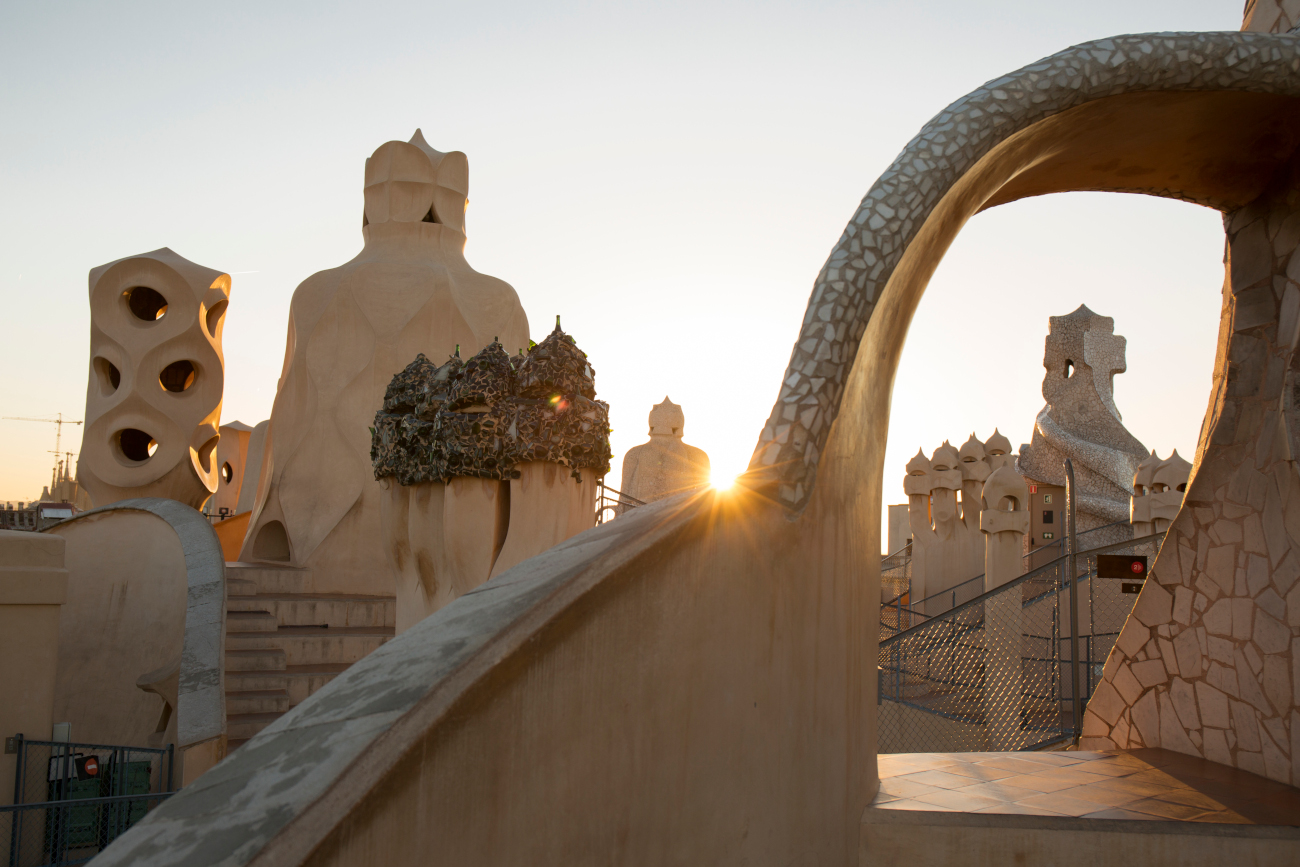
Photo: ©Fundació Catalunya La Pedrera
“In Gaudí’s own words: ‘Buildings need to have a double roof, just like people have a hat and a parasol.’” explains Fundació Catalunya La Pedrera.
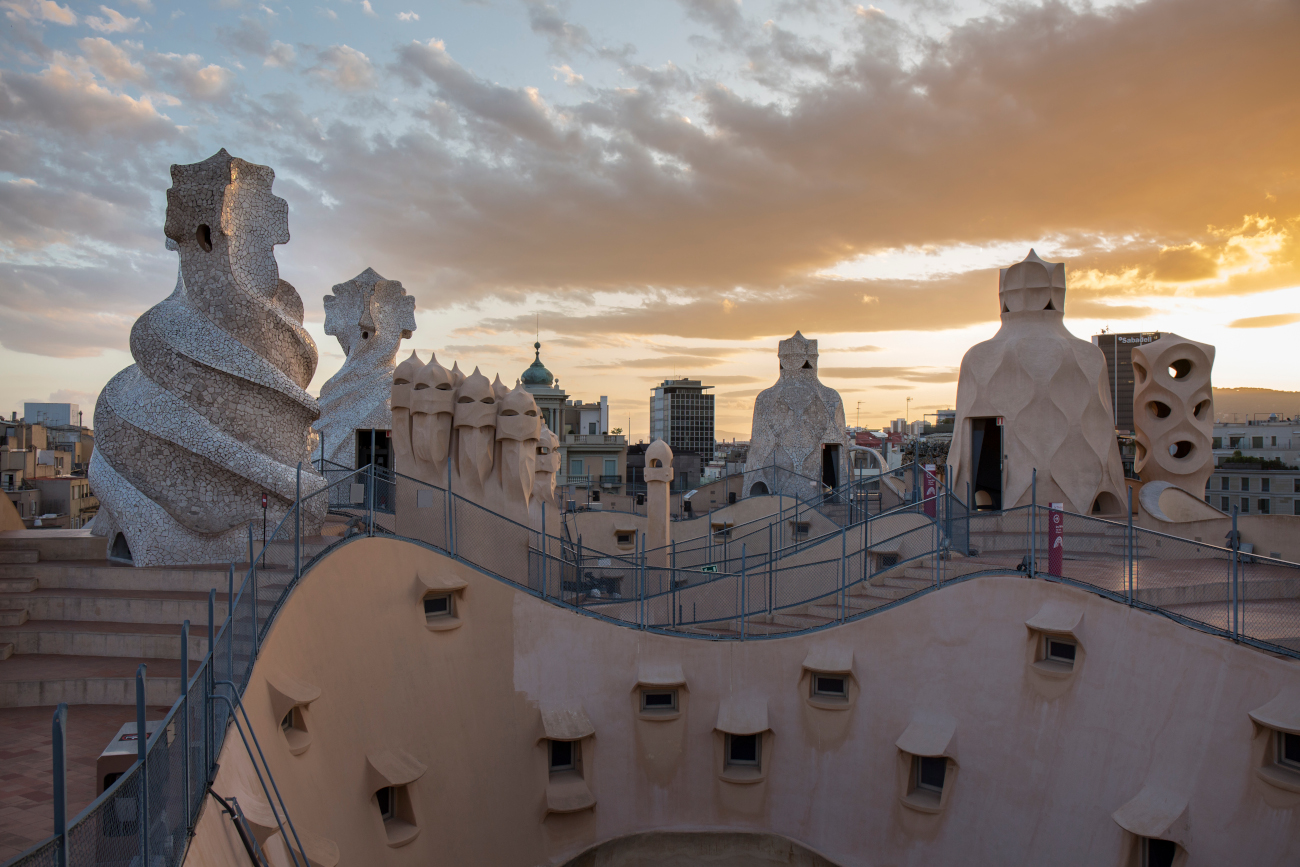
Photo: ©Fundació Catalunya La Pedrera
“Every part of the roof is designed to serve a purpose. The roof terrace is characterized by order, aesthetic quality, and highly functional construction elements.”
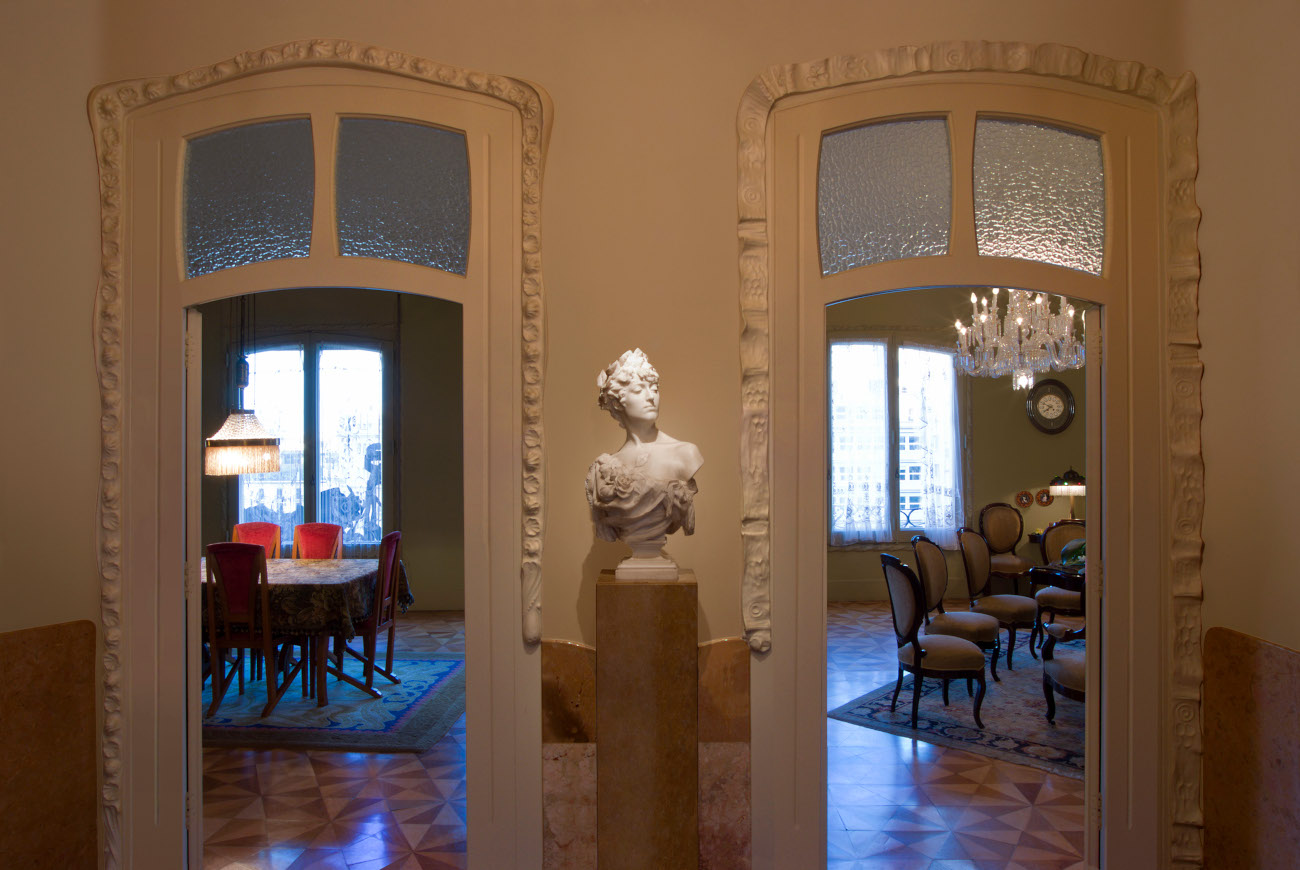
Photo: ©Fundació Catalunya La Pedrera
Meanwhile, the Pis d’Epoca restores the top-floor apartment to its former glory, showing visitors how it would have looked as an upscale apartment during the first decades of the 20th century.
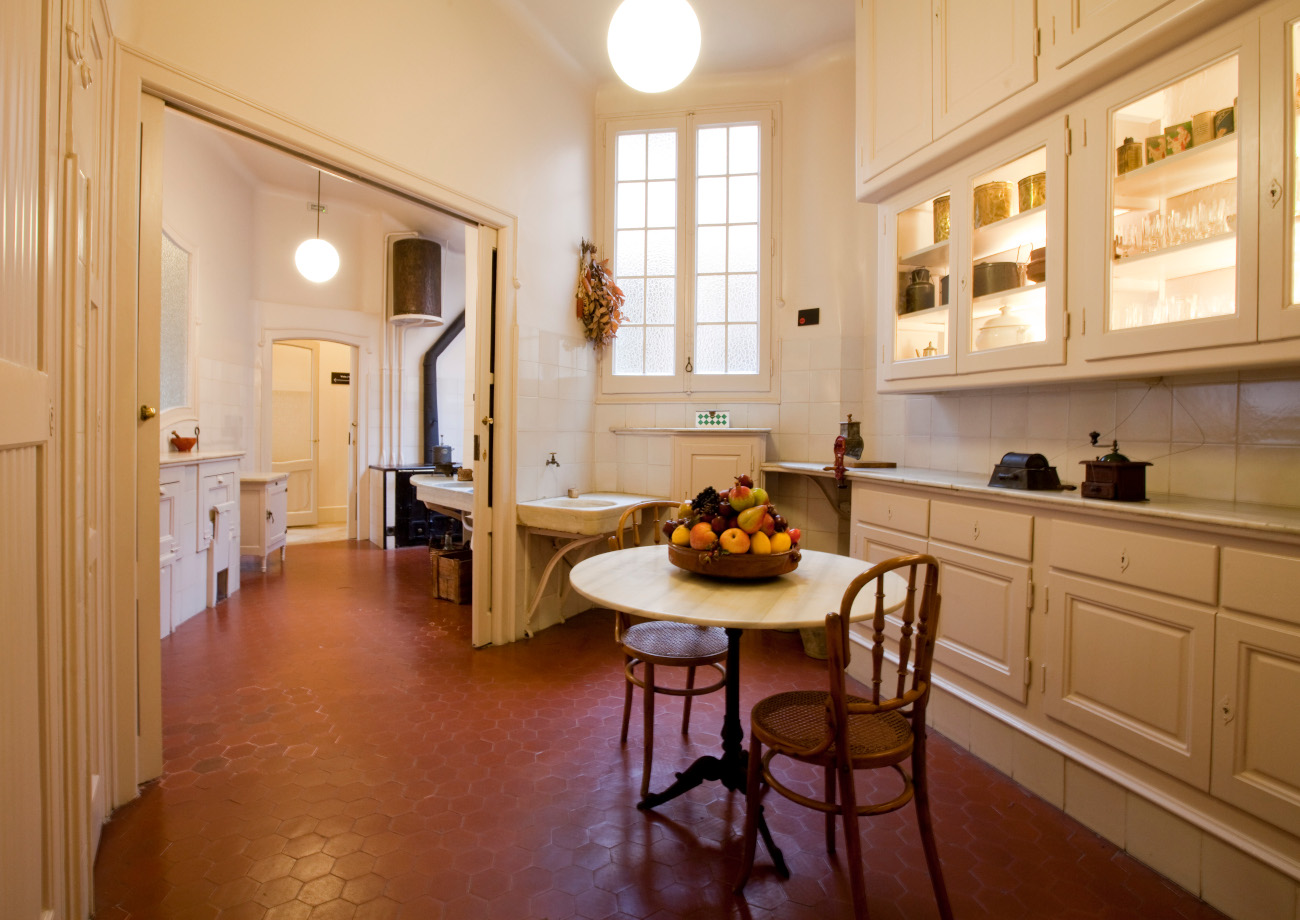
Photo: ©Fundació Catalunya La Pedrera
Another area, the Espai Gaudí, explores Gaudí’s life and work through models, photographs, and videos.
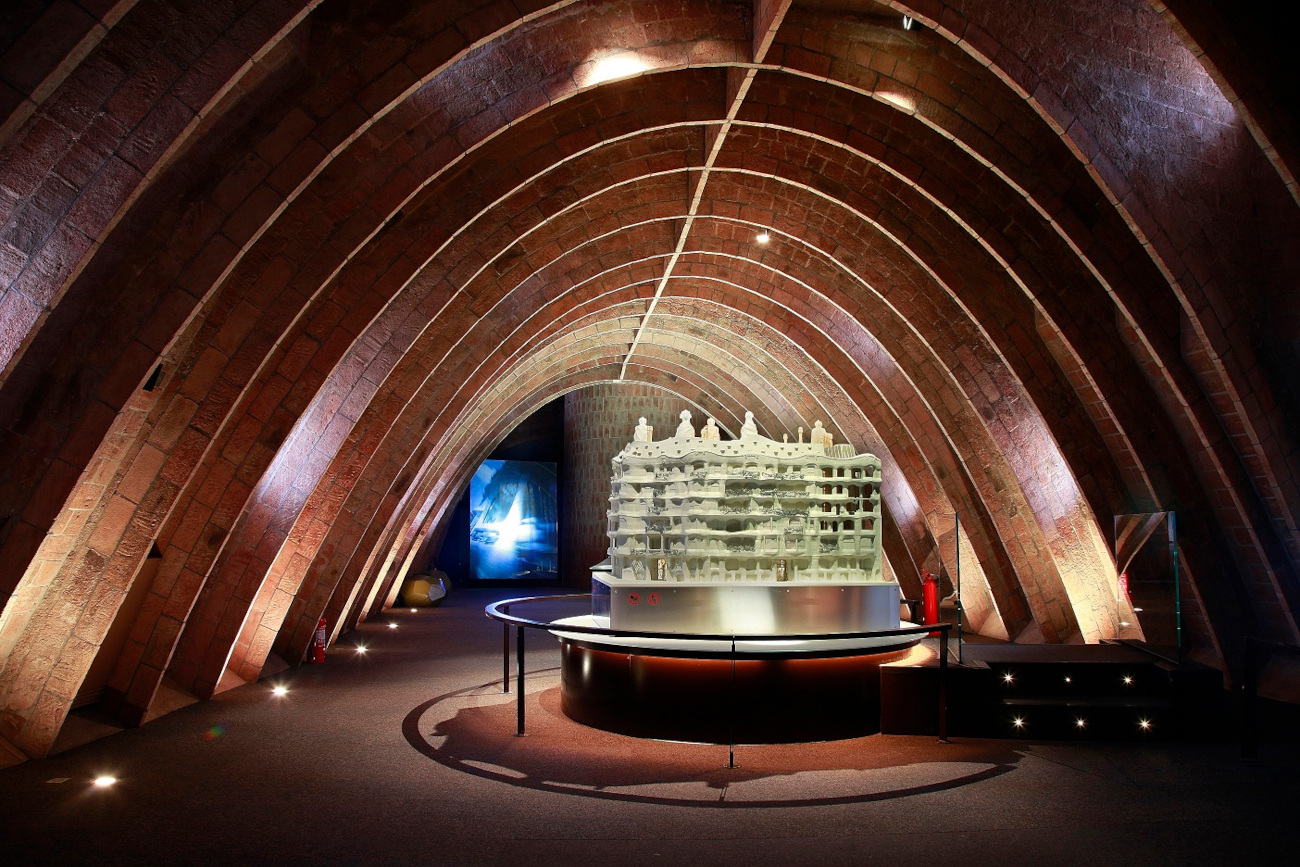
Photo: ©Fundació Catalunya La Pedrera
Take a peek inside with this video by My Modern Met’s Editor-in-Chief Eugene Kim at Casa Milà.
Ver esta publicación en Instagram