Ancient Art

April 17, 2020

Classical White Marble Sculptures Were Actually Painted But Lost Color Over Time

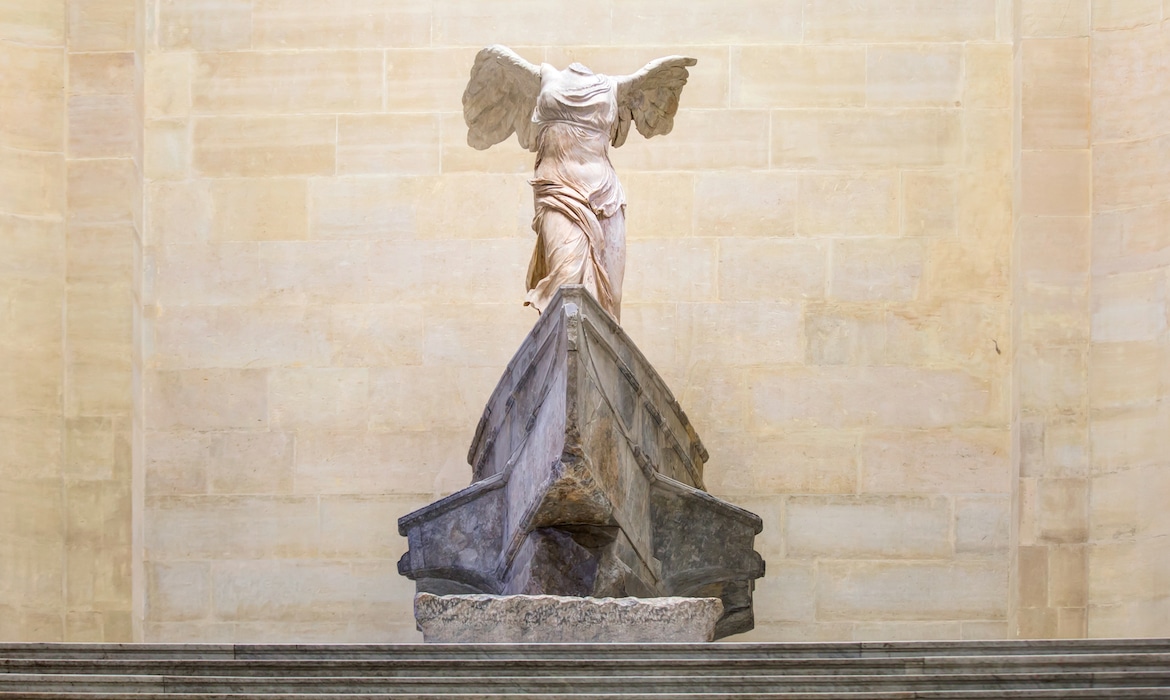
Marble sculpture is a cornerstone of art history. The ancient Greeks left a legacy of transformative sculptural works that reached for unprecedented naturalism in Hellenistic gems such as Venus de Milo and Nike of Samothrace. This was succeeded by the ancient Romans, who copied their major works and created portrait busts and equestrian statues of major historical figures. At the time of their completion, however, these ancient masterpieces looked remarkably different.

Read Article


October 6, 2019

How This 30,000-Year-Old Figurine Continues to Captivate Today

Throughout history, countless creatives have found inspiration in Venus, the Roman goddess of love. Derived from Aphrodite, a prominent deity in ancient Greek mythology, Venus was central to Roman worship—and, in turn, to art of the time. While the 2nd-century-BCE Venus de Milo is perhaps the most well-known sculpture of the goddess, it is not the oldest; in fact, that honor goes to the Venus of Willendorf, a piece that predates the myth itself by over 20,000 years.

Read Article


January 9, 2019

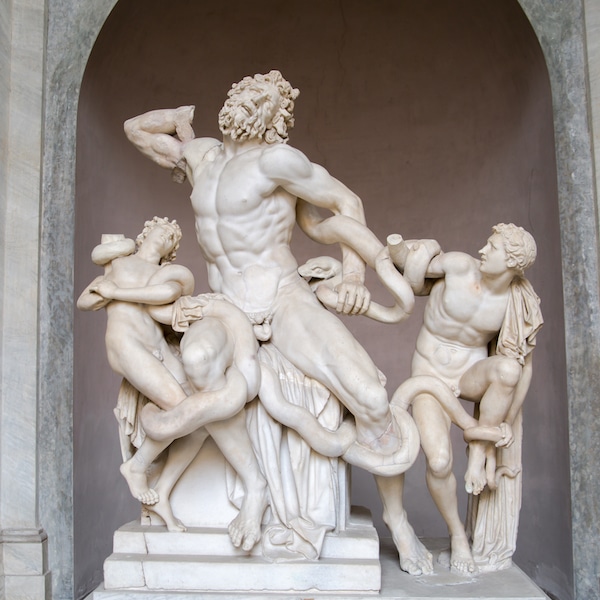
All About ‘Laocoön and His Sons’: A Marble Masterpiece From the Hellenistic Period

During ancient Greece's Hellenistic Period, sculptors took their classical craft to new levels. Renowned for expressive figures that appear to be in motion, this era saw the creation of three of the world's most famous marble sculptures: The Venus de Milo, The Winged Victory of Samothrace, and Laocoön and His Sons. Since its 16th century excavation, Laocoön and His Sons has attracted archaeologists and art lovers alike.

Read Article