Oil Painting

March 27, 2023

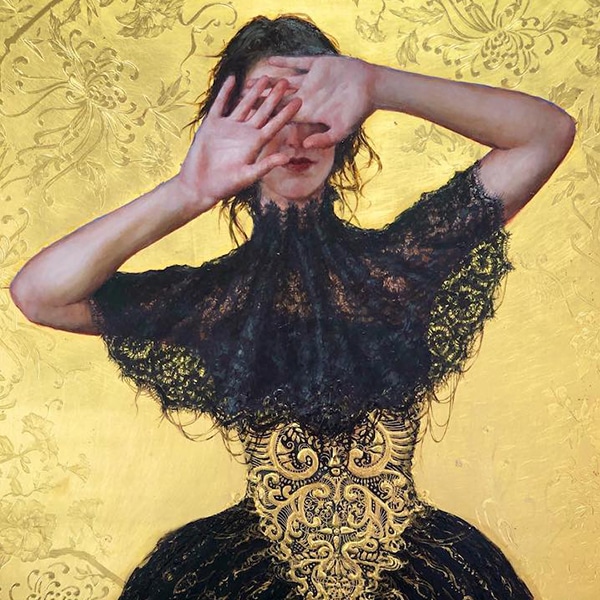
Hyperrealistic Oil Paintings Explore What We Hide and Share

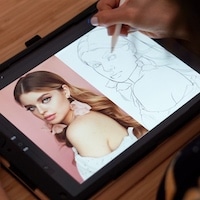
Since the introduction of social media, there has been more pressure than ever to present an idealized version of ourselves. New York-based artist Tigran Tsitoghdzyan explores this phenomenon in his ongoing series of hyperrealistic portraits, titled Mirror. Rendered in a limited grayscale color palette, these paintings depict different women covering their faces with their hands. Except, rather than hiding their features, we are able to see through their hands.

Read Article


January 16, 2023

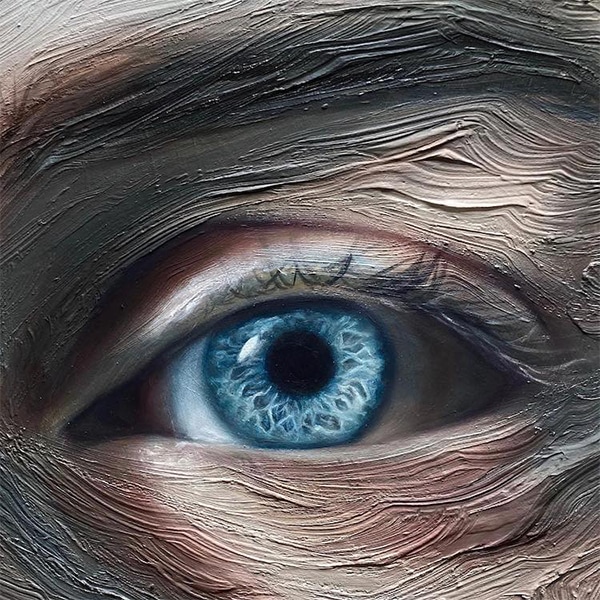
“Eye-Catching” Oil Paintings Capture the Power of a Gaze

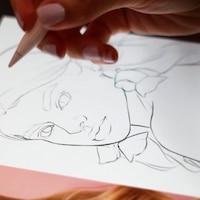
Whether we are angry, sad, or happy, our emotions are often reflected in our eyes. Artist Maldha Mohamed explores this range of feelings in her ongoing series of eye paintings. Rendered completely in oil, these expressive works center one or more eyes on the canvas, letting the captivating qualities of a gaze shine through. Each of Mohamed's canvases is an immersive depiction of human eyes.

Read Article


December 20, 2022

Cézanne Self-Portrait Hidden Under a Still Life Is Discovered After Almost 160 Years

During a routine inspection of the Cincinnati Art Museum’s cherished Paul Cézanne work titled Still Life with Bread and Eggs, chief conservator Serena Urry noticed something “odd.” What she found lying beneath the surface is a secret that has remained hidden for almost 160 years. No work is safe from time, and for this still life piece from 1865, cracking in the paint is expected.

Read Article


October 21, 2022

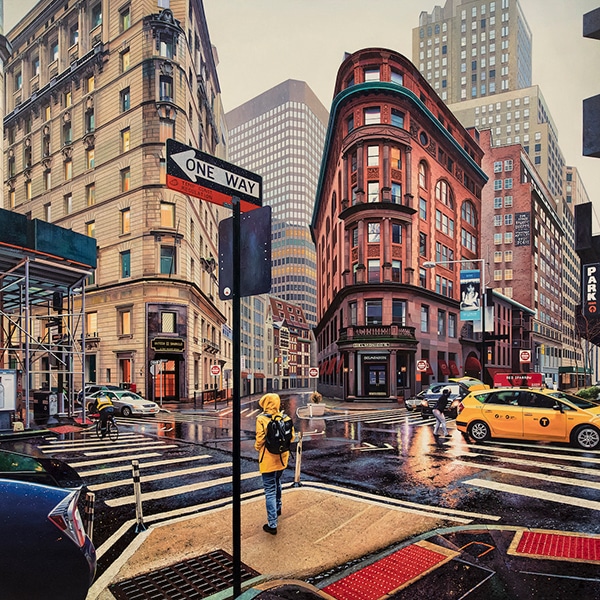
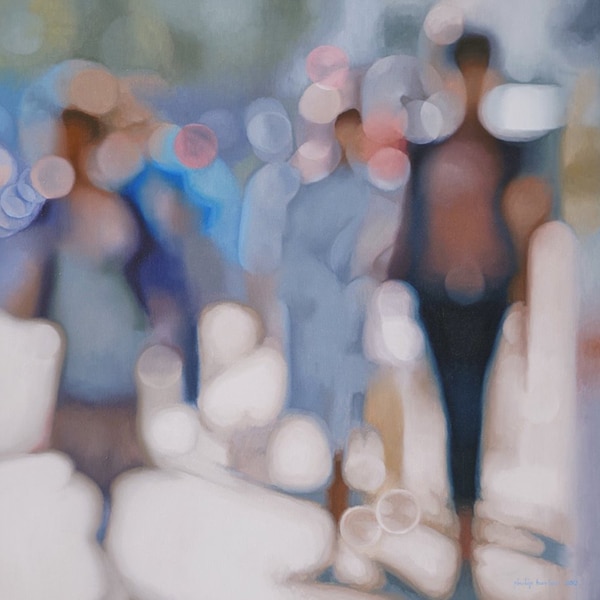
Purposely Blurry Oil Paintings Show How People With Impaired Vision See the World

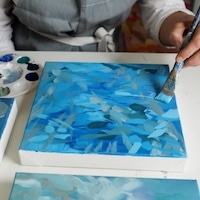
South Africa-based artist Philip Barlow uses his paintings to showcase a unique view of the world. By translating figures and places into simplified shapes, he explores the relationship between color and form, as well as between people and their environment. The striking results of this approach have been compared to the bokeh effect in photography—a phenomenon in which subjects are condensed into blurs of light—and even to how people with impaired vision view the world.

Read Article