Science

January 6, 2021

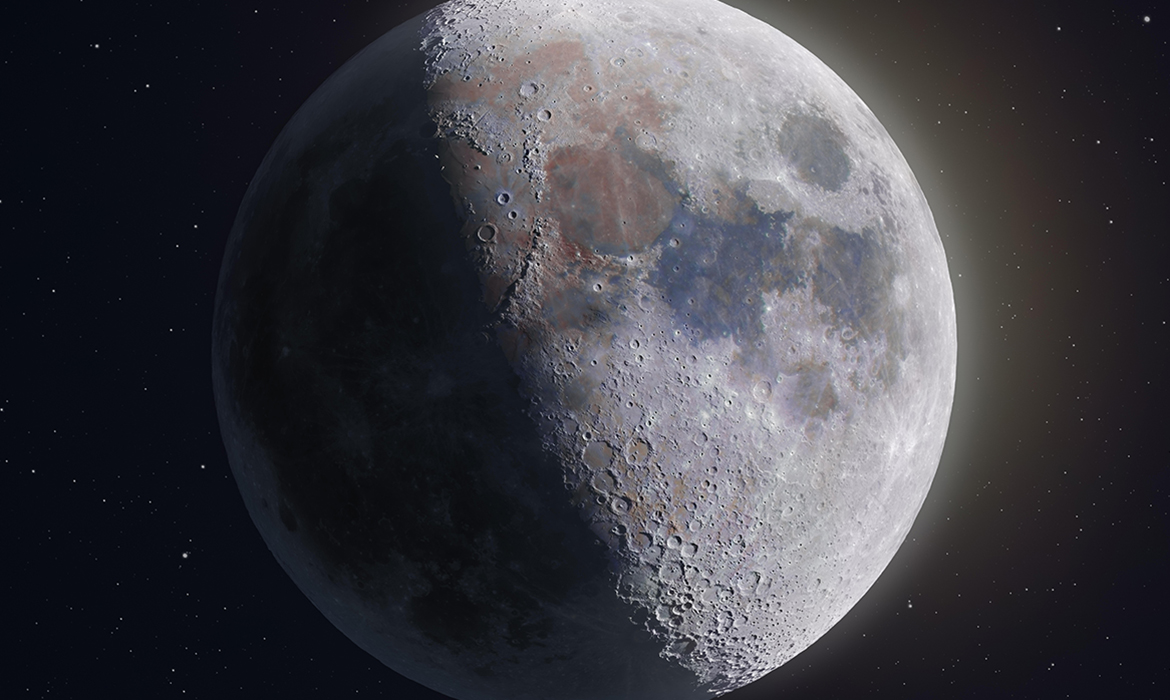
Astrophotographer Captures Extraordinary Details of Moon’s Surface in 209-Megapixel Photo

With the United States hoping to return astronauts to the Moon by 2024, exploring Earth’s natural satellite has received more popular attention in recent years. But astrophotographer Andrew McCarthy has his own type of moon mission—one he pursues from his own backyard in Sacramento, California. For several years, McCarthy has been refining his techniques to produce increasingly high resolution and detailed images of the Moon's surface.
Read Article


December 18, 2020

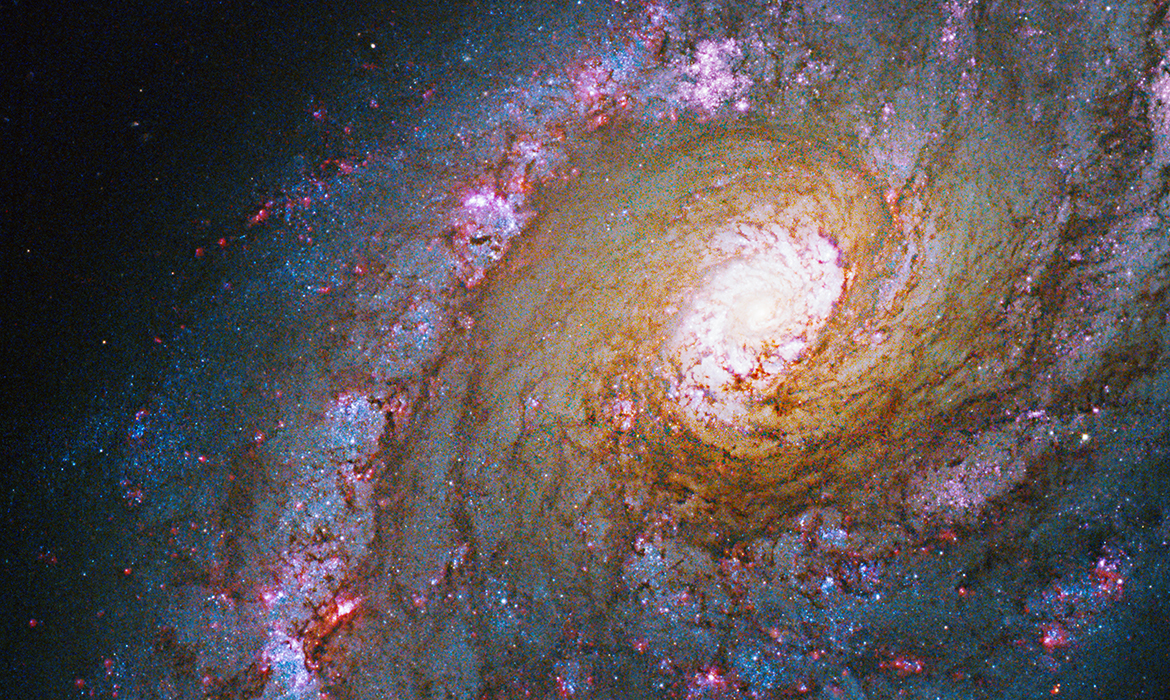
NASA Releases 30 New Space Images for 30th Anniversary of the Hubble Telescope’s Launch

It's the Hubble Telescope's 30th birthday, and NASA is celebrating by releasing over 50 new images of 30 famous celestial objects. Astronomy enthusiasts can rejoice in this collection of photographs, taken by the famous telescope over the years since its launch in 1990. All 30 celestial objects featured—galaxies, nebulas, and star clusters—are part of the Caldwell catalog, a list of 109 space objects bright enough to be seen with amateur telescopes or even binoculars.

Read Article


November 25, 2020

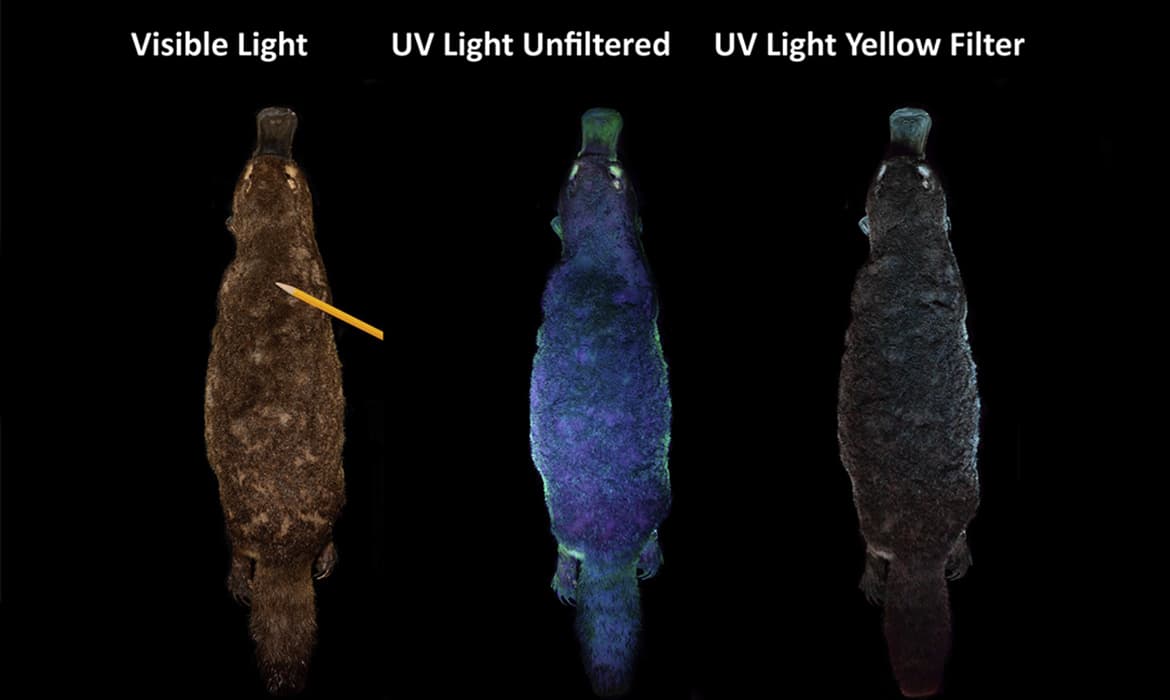
Researchers Discover That Platypuses Mysteriously Glow Under Ultraviolet Light

The platypus is an extremely unique creature. They are milk-producing mammals with incongruously webbed feet, and a bill. They also lay eggs like an amphibious water bird. The platypus is so strange that British scientists in the late 18th century were dubious as to its existence, even though a preserved pelt had been sent to London. The platypus continues to fascinate today with its charming face.

Read Article


November 10, 2020

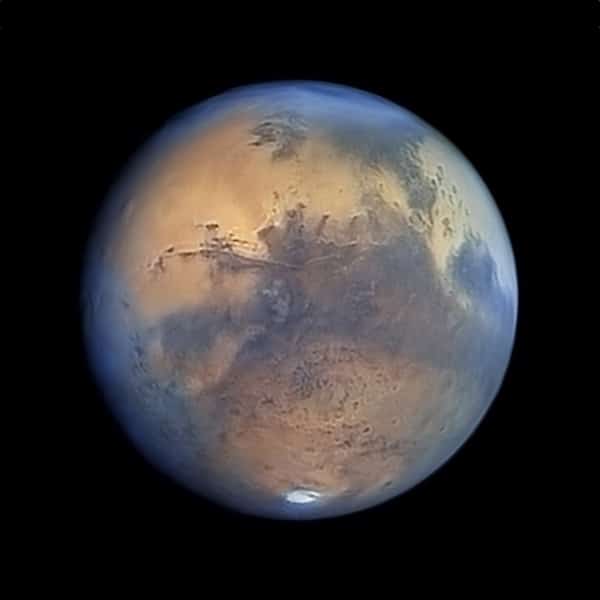
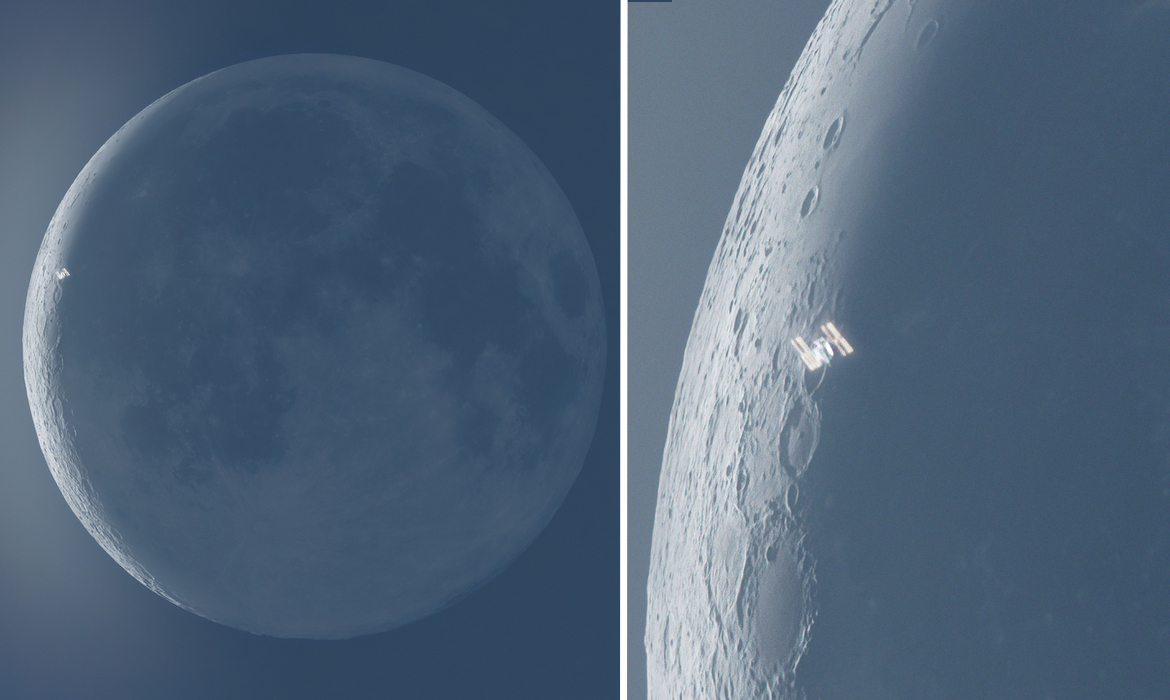
Astrophotographer Captures Incredible Photos of ISS Transiting the Sun and Moon

Our favorite backyard astrophotographer Andrew McCarthy is back with more spectacular images of outer space. Recently, he captured the International Space Station as it passed both in front of the Sun and the Moon. While these events, known as transits, happen quite frequently—crew members on the ISS experience 16 sunrises and sunsets every day—they're hard to capture. But given his extensive research, McCarthy was able to grab these two transits just a week apart.

Read Article