Supporting the arts is a growing challenge around the world, and England is now looking at new ways to finance its cultural institutions and art funding programs. One controversial idea currently under discussion is to charge international tourists an entrance fee to the UK’s best-known museums and galleries.
While the proposal has not yet been implemented, the Department for Culture, Media and Sport (DCMS) says it plans to work with museums to explore the possibility of charging international visitors. The proposal follows a review of Arts Council England by Labour politician Baroness Hodge, who found evidence of “considerable financial stress” within the cultural sector. Currently, national museums receive about £484 million (about $640.7 million) in public funding each year and must remain free to enter for all visitors.
The exact fee, if introduced, is yet to be decided, but figures of around £15–£20 (around $20–$26) have been suggested, bringing it in line with entry prices at major museums around the world. A UK government report for 2023–24 found that international visitors accounted for 17.5 million visits to 15 DCMS-sponsored museums between April 2023 and March 2024, representing around 43% of the total. If international visitor numbers remained the same, the new initiative could generate between £262 million and £350 million ($347 million and $463 million) per year. However, figures would likely fall once an entry fee is introduced.
The plans have understandably sparked backlash from institutions who want to keep their doors open and free to all, regardless of where they’re from. According to a report in the Financial Times, V&A director Tristram Hunt said that the museum is not “institutionally attracted to” the idea of charging international visitors. Meanwhile, Tate director Maria Balshaw suggested that England should consider introducing a tourist tax instead, rather than charging for entry to UK museums.
But how would museums actually distinguish between UK residents and tourists? Hodge’s review suggests introducing a universal digital ID system to identify residents versus overseas visitors. However, this identification system does not currently exist and similar proposals have been rejected in the past.
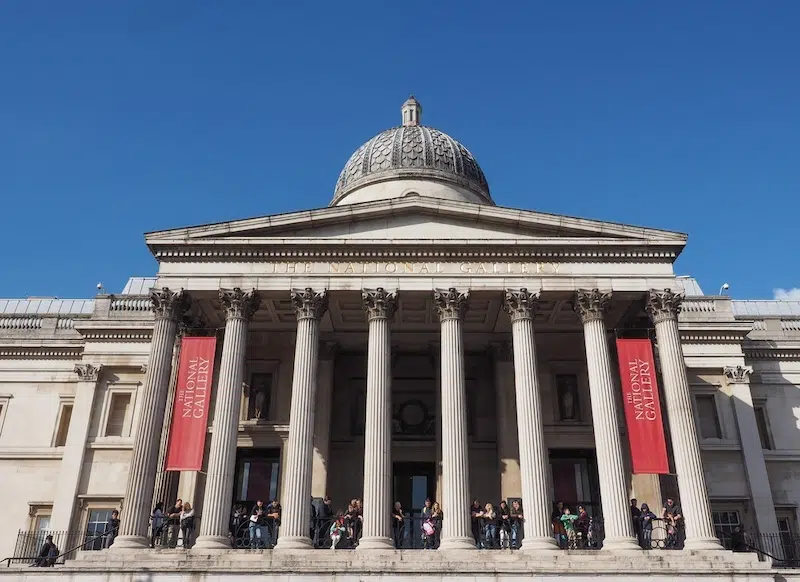
If the plan moves forward, major institutions such as Tate, the V&A, the British Museum, and the National Gallery could begin charging international visitors, despite currently offering free access to their collections. So, if you’ve been thinking about visiting these museums and want to skip a possible fee, it might be worth planning your trip sooner rather than later.
Sources: England set to charge foreign tourists for entry to leading museums; Government response to the recommendations from the independent review of Arts Council England
Related Articles:
Exploring the History and Highlights of London’s World-Renowned British Museum
7 Museums With Iconic Architecture Everyone Should Recognize
This Is the Best City for Art and History Museums in the World (And It’s Not in Europe or the U.S.)
Met Museum Now Lets You Explore 3D Scans of Over 100 Objects From Its Collection