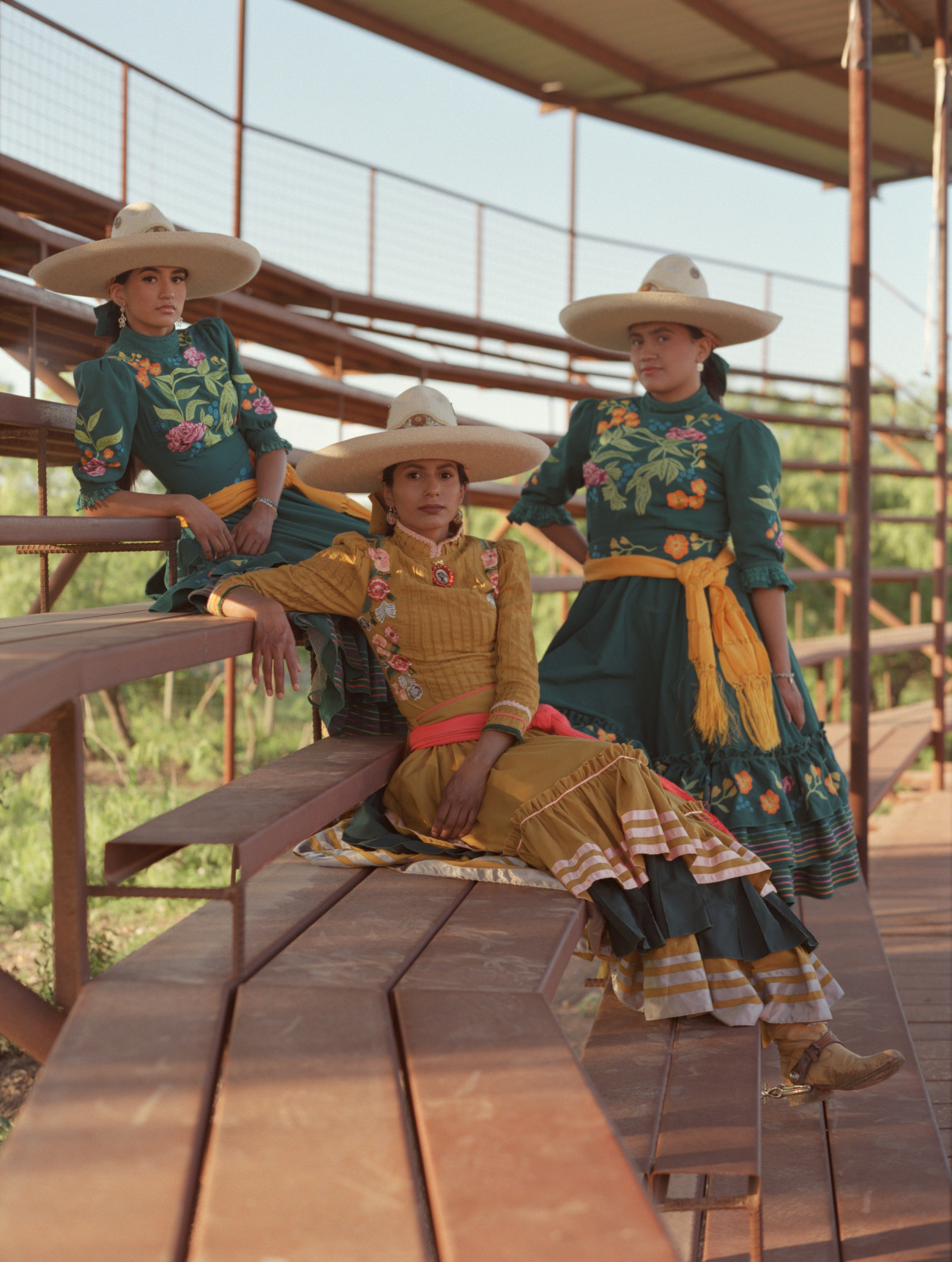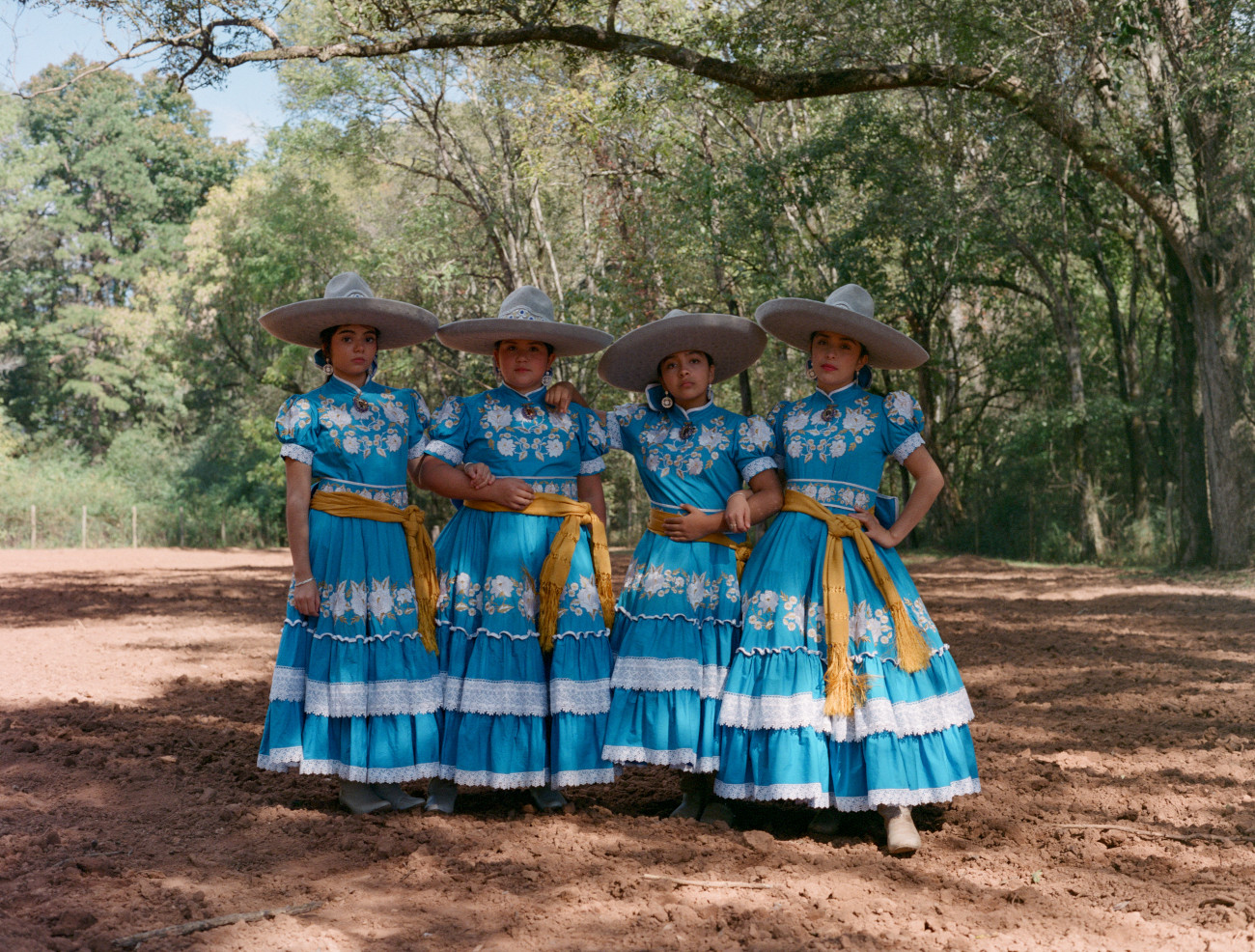
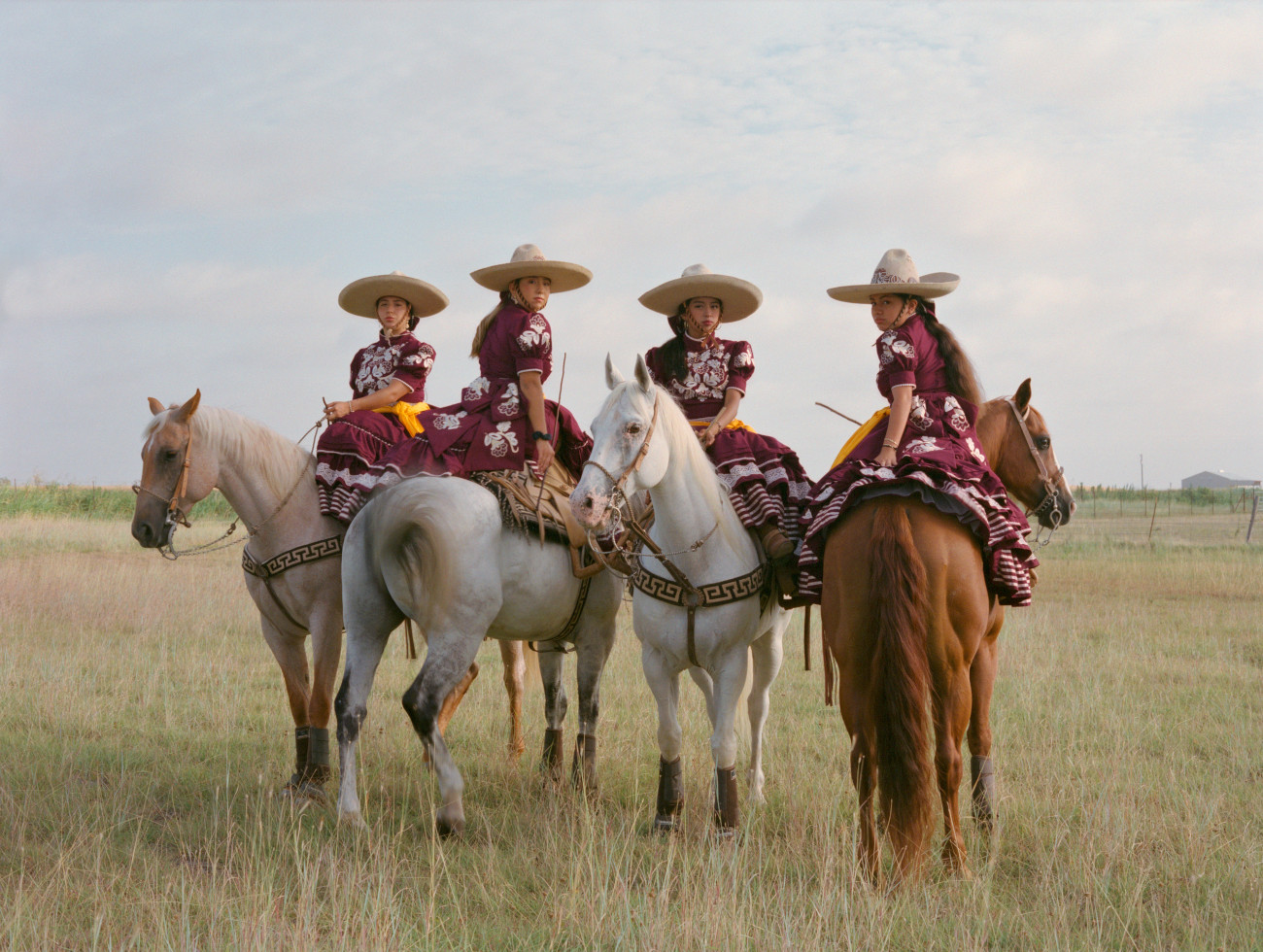
In the world of Mexican charrería, a series of equestrian stunts performed by experienced horseback riders, female competitors have always stood out. Female horseback riders form teams to compete in the escaramuza. In this female-only equestrian event, they execute choreographed synchronized moves and tricks to music, adding their own creative touch each step of the way.
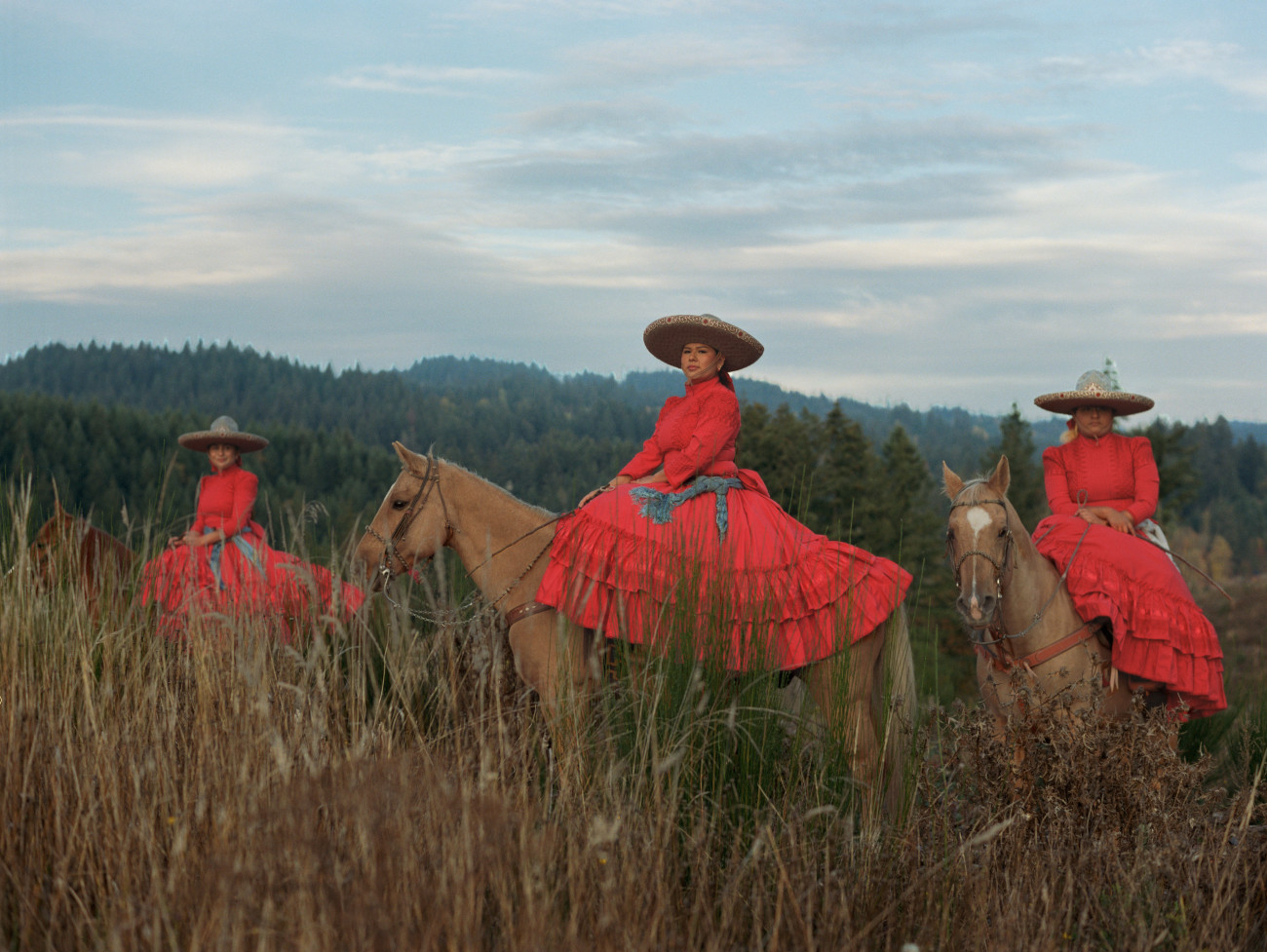
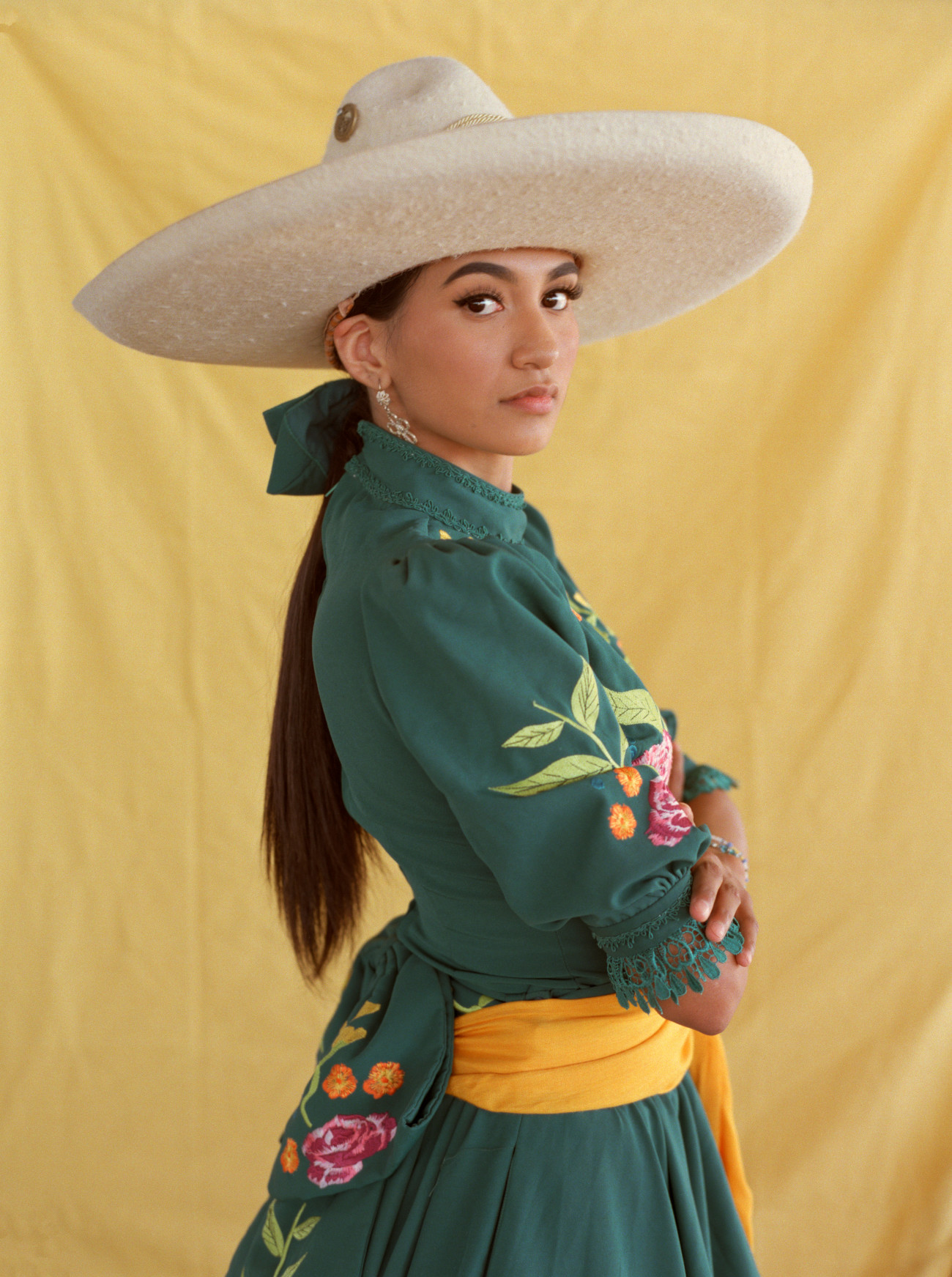
The ornate aesthetic of these competitions, as well as the discipline that goes into putting together a polished routine, caught the eye of Swiss-born photographer Constance Jaeggi, who captured a series of powerful portraits of U.S.-based escaramuza teams. As she researched and engaged with the riders, Jaeggi saw beyond the performance and the glam, unraveling stories about immigration, family, legacy, gender, and tradition within this traditional sport.
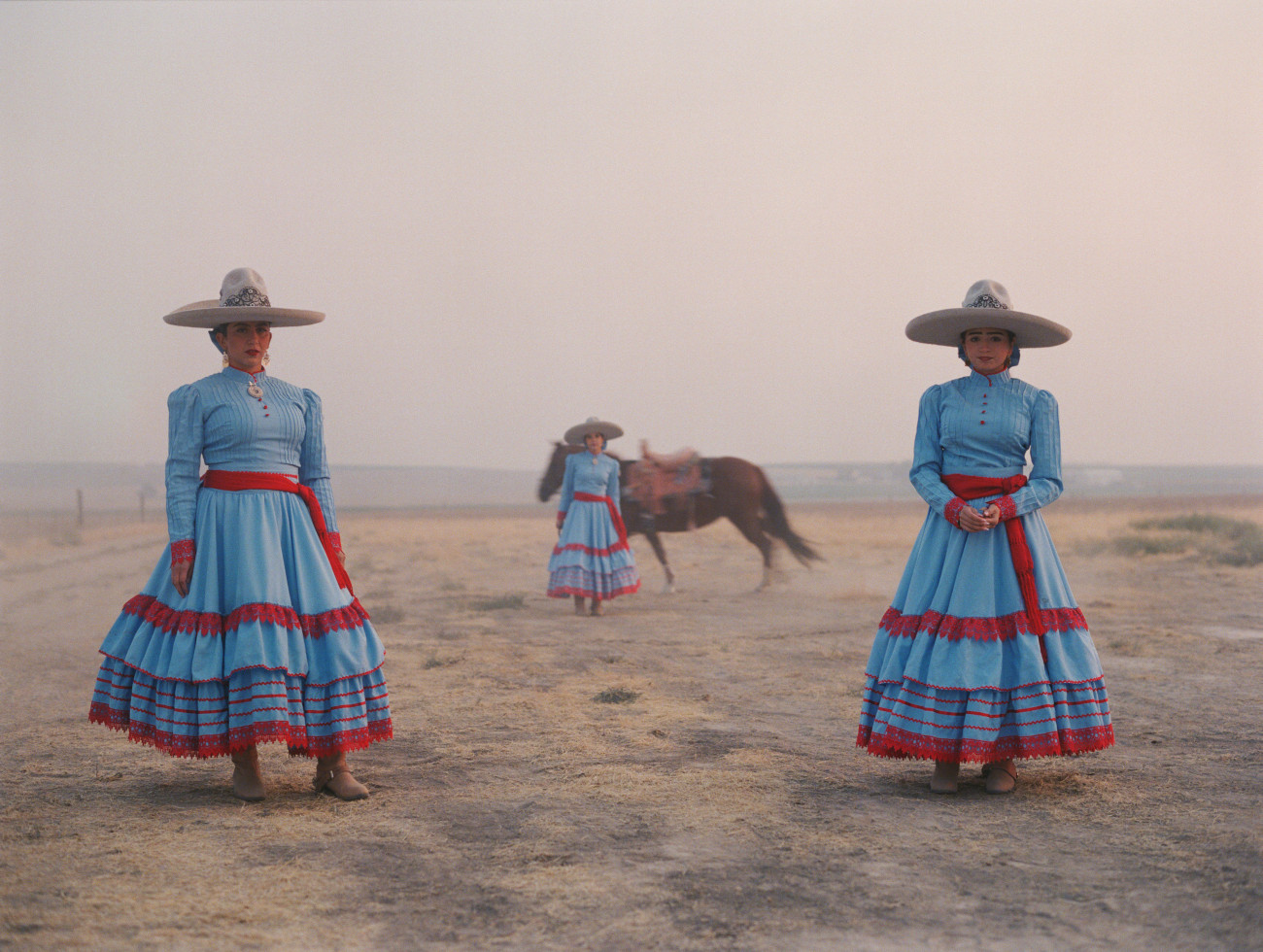
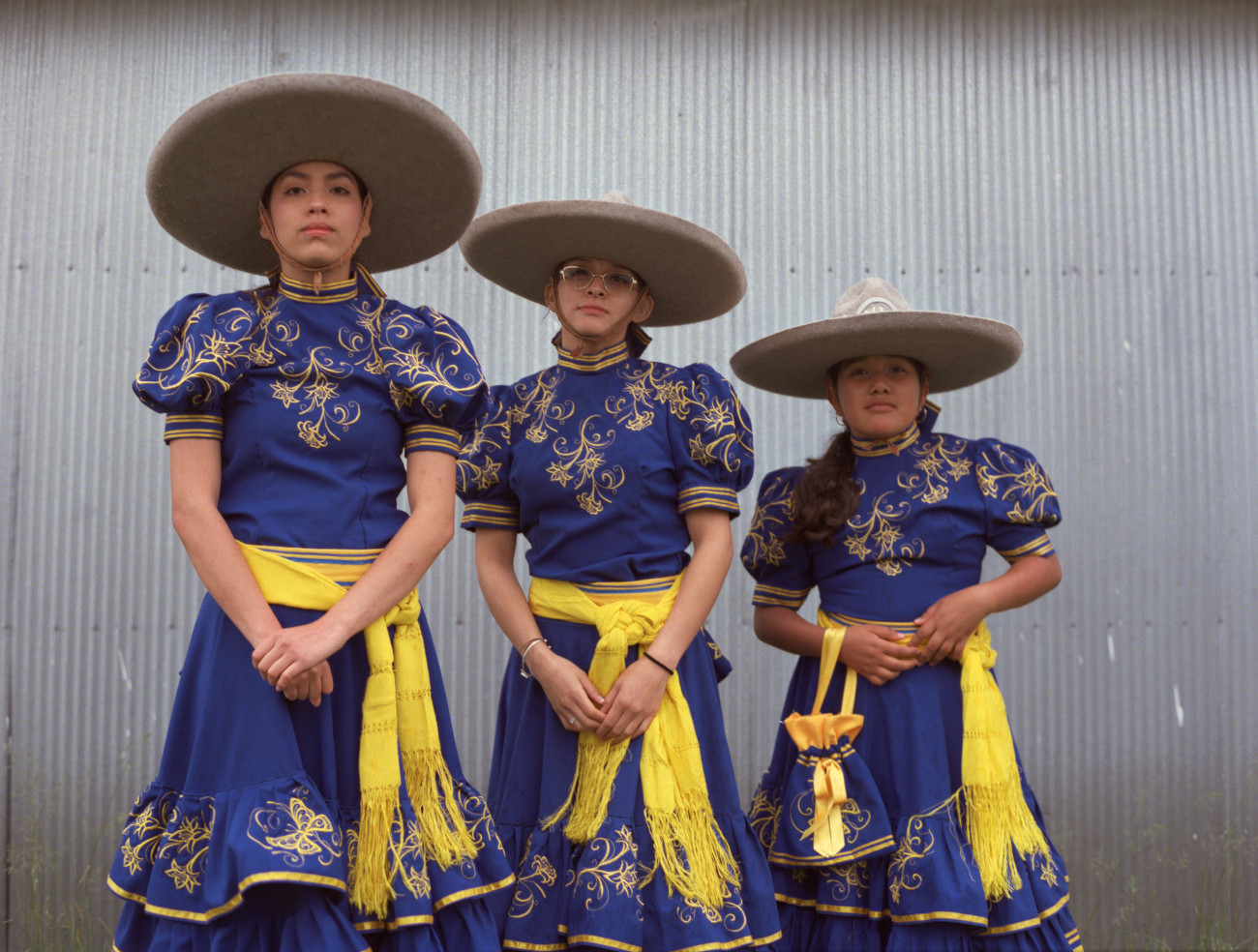
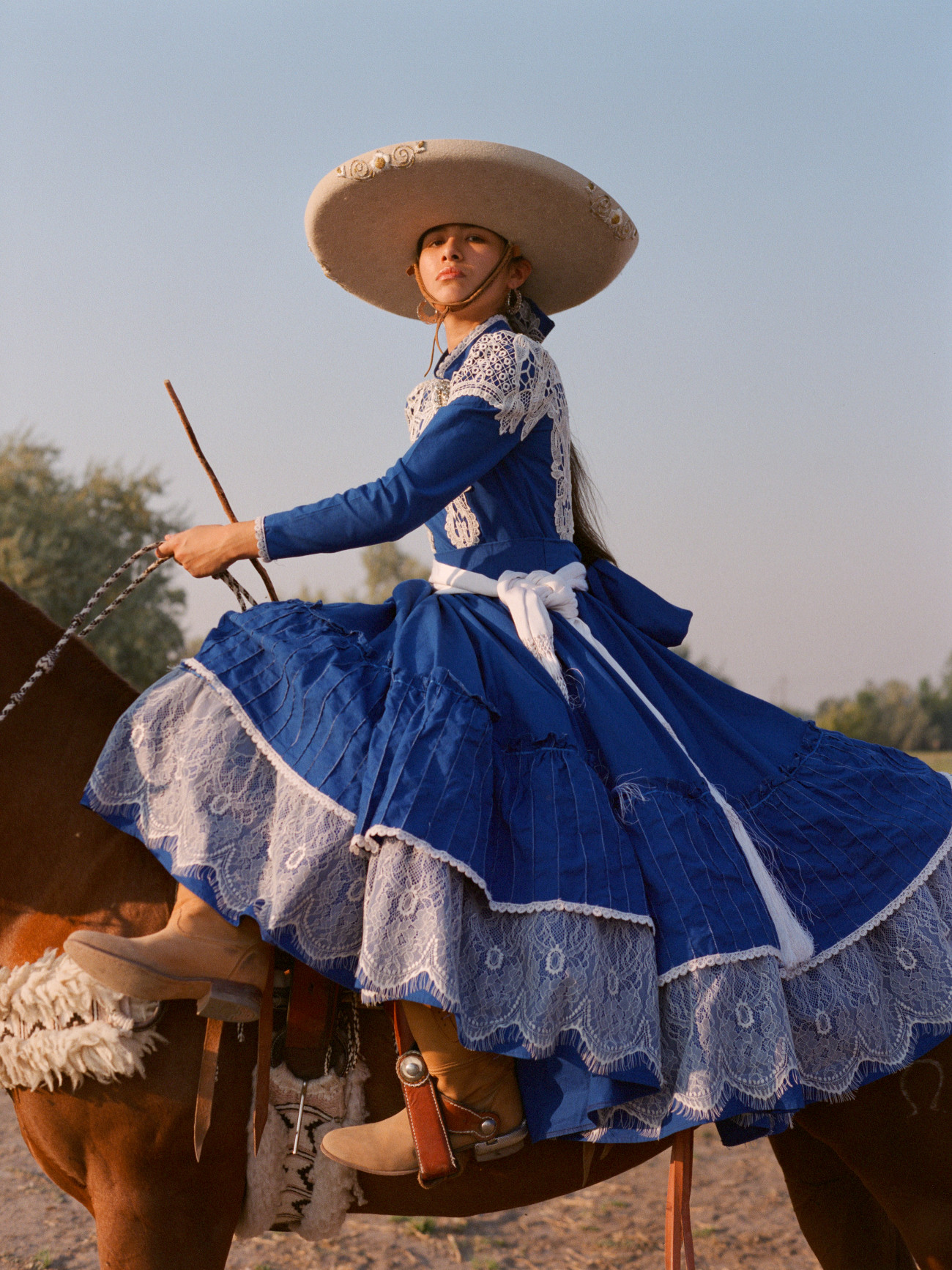
The escaramuzas—the name that both the riders in a team and the competition are known by—don colorful and ornate traditional garments embroidered with silk and beads or colored sequins. Each outfit is completed with a petticoat and sash at the waist, tied in a bow at the back. Their hair is often worn in a low bun or pony tail with a matching bow, all crowned with an elegant sombrero.
As a national sport of Mexico, escaramuza has broken barriers. Teams are now popping up all over North America, sending a message of female empowerment and inclusion.
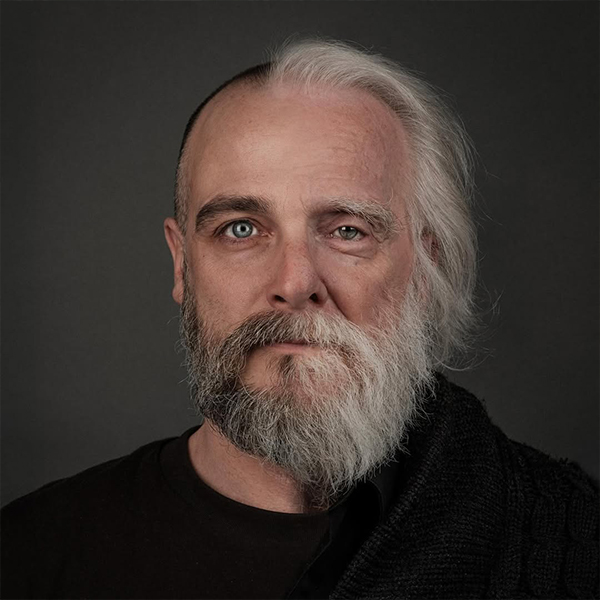
We had the chance to talk to Jaeggi about her photography journey, the beauty of the escaramuza tradition, and what she hopes people will take away from this project. Read on for My Modern Met’s exclusive interview with Cosntance Jaeggi.
How did your photography journey begin?
My journey in photography began after I moved to the U.S. from my home country of Switzerland to attend university and pursue a competitive horseback riding career. I had fallen in love with horses in my early teens and was quickly introduced to western style riding. After that, I aspired to be a cowgirl. While at university in Texas I was also getting more and more involved in the western community, in particular in the sport of cutting which is sort of adjacent to the North American rodeo world.
My relationship with horses has been very formative for me. My new life in Texas as a competitor and rancher revolved entirely around horses. Throughout college, I was spending all my weekends and free time on horseback. I spent a lot of time on the road on the competition circuit, and after graduation, I was fully dedicated to my competitive career.
Eventually, I felt compelled to explore horses and my relationship to them visually. Having grown up with an appreciation for visual arts, it was almost impulsive. I didn’t think much about it at the time. I just picked up a camera and started photographing. I found that it fulfilled a part of me that I hadn’t tended to up until then, as well as deepening my connection and understanding of horses. I was curious about the age-old human-horse relationship and how that impacts our relationship with horses today. Photography was a way to lean into that curiosity and express myself differently.
When did you first learn about escaramuza? What drew you to it?
I had been vaguely aware of escaramuza for a while, because of my involvement in the Western riding industry and escaramuza performances being part of our local Fort Worth Rodeo. I had also been making work that explored the idea of the “cowgirl” in a broad sense, but hadn’t really dived into the world of escaramuza yet when the Cowgirl Museum in Fort Worth approached me about creating a series for an exhibition they were planning.
I would say my initial draw was the relationship between women and horses, and of course the incredible beauty of the tradition, the dresses, the elegance. But as I started researching, I found the story to be so rich and layered when it comes to the community partaking in the sport here in the U.S. I was fascinated by the historical connection to the soldaderas, the women who fought in the Mexican Revolution between 1910 and 1920, and how their image, blended with myth had served as inspiration for the creation of this contemporary tradition. As I started shooting and speaking to the escaramuzas I met, their individual stories really took center stage in my mind. This sport is about so much more than beauty. It’s about cultural preservation, about finding belonging, about family and tradition, and about gender norms and immigration. I felt that it was an important project to take on because of all these layers.
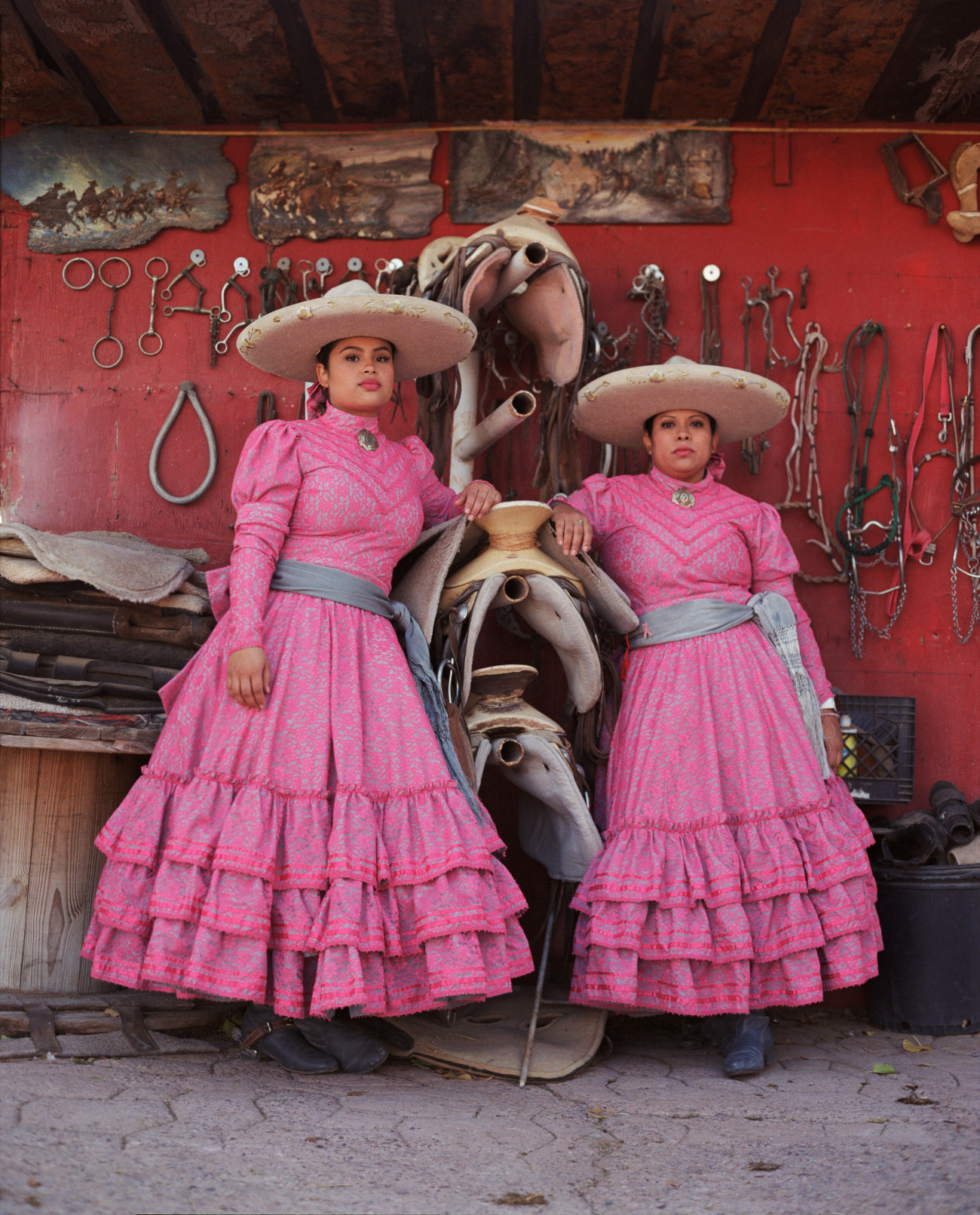
Who are the women in the series? How did you get in touch with them?
The women in the series are escaramuzas from all over the U.S. I started closer to home, photographing teams in Texas, and gradually went further, eventually photographing teams in Washington state, Idaho, Oregon, Colorado, California, Georgia, Arizona, Iowa, Illinois. In the beginning I was finding teams by reaching out on Instagram. Eventually, teams I photographed connected me with other teams who might be interested in being a part of the series. It’s a very tight-knit community and all the teams know each other and compete against one another so it was fairly easy to get in touch.
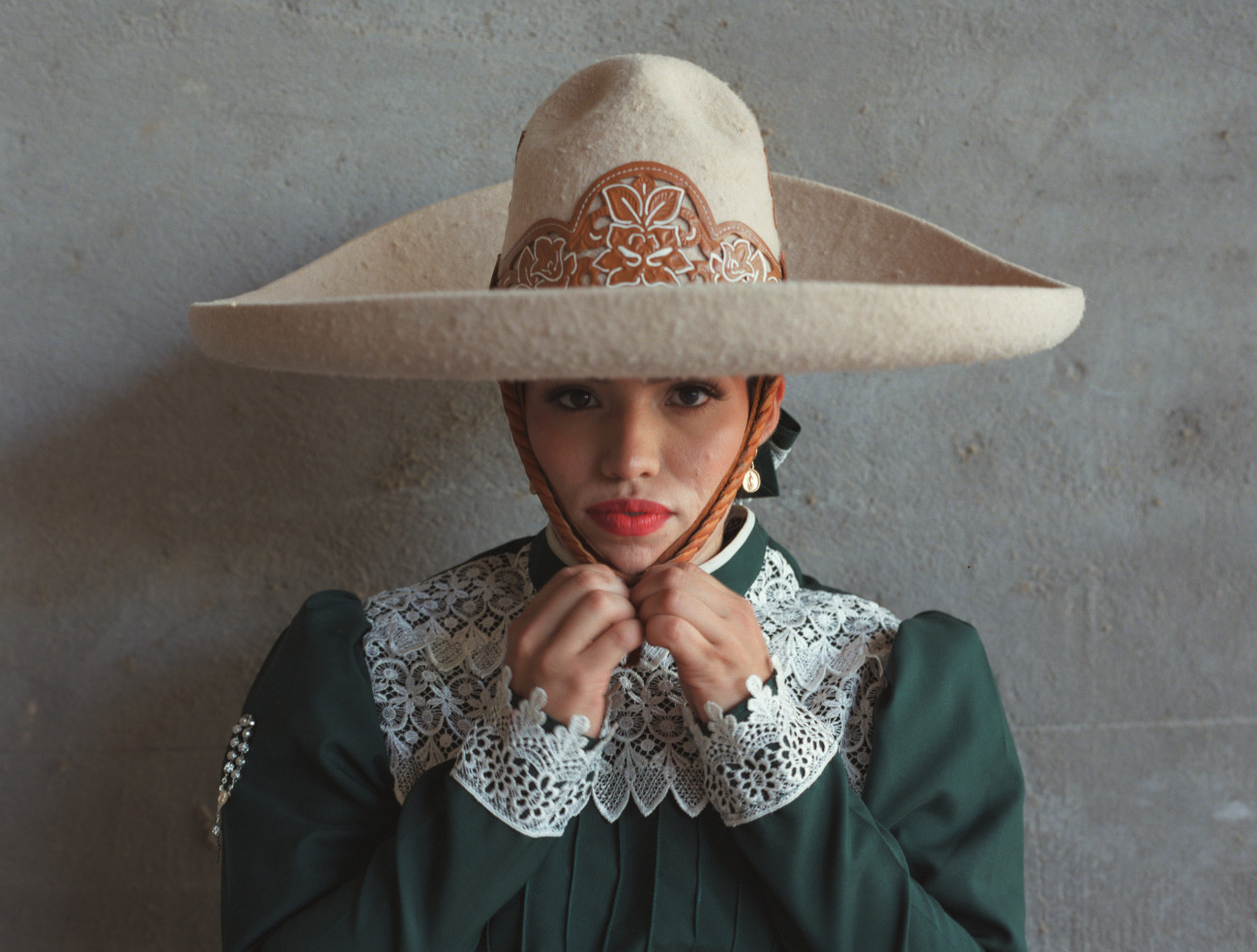
How was the shooting process? What kind of research went into it?
I knew very little about escaramuza when I first took this work on, and as an outsider to the sport, and the culture, research was essential so that I could understand the implications and the different aspects of the story I was hoping to tell and give myself a framework. Early on in my research I realized that escaramuza looks different in Mexico, where it originated, than it does here in the U.S. which helped me decide to focus on escaramuza in the U.S. In Mexico, charrería culture is very prominent, it is the National Sport of Mexico and at the high level, is a big production where riders have a lot of resources. In the U.S., this is often practiced by immigrant communities who have had to work hard to be able to afford the luxury of owning and riding horses. That felt like the story I wanted to share.
I also early on realized that I wanted to bring in another medium. It felt important that the voices of the women I was photographing were present in the story. I worked with two incredible poets, Angelina Sáenz (UCLA project writing fellow) and ire’ne lara silva (2023 Texas State Poet Laureate) who brought the escaramuza’s voices to life in a collection of poetry they wrote based on audio interviews I conducted with all the teams that I met.
I typically spent a couple of days with the teams I met, especially if I was traveling far. I would photograph when the light was how I wanted it, and sit down for audio interviews in between, sometimes with the entire team, sometimes with one or two women, sometimes with mothers and daughters, or sisters and cousins. The interviews greatly influenced how I think of this tradition, and the decision making that went into making the photographs.
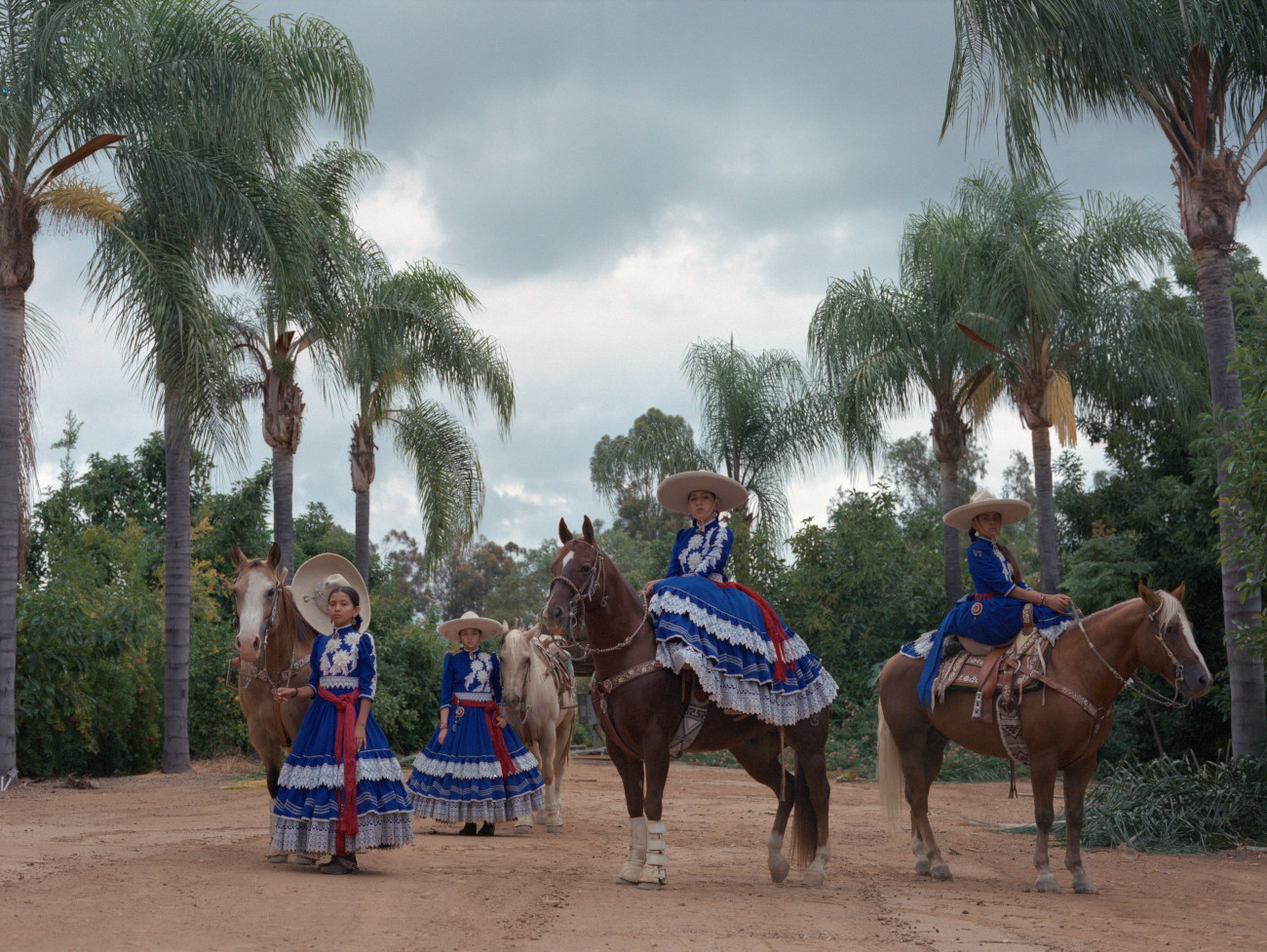
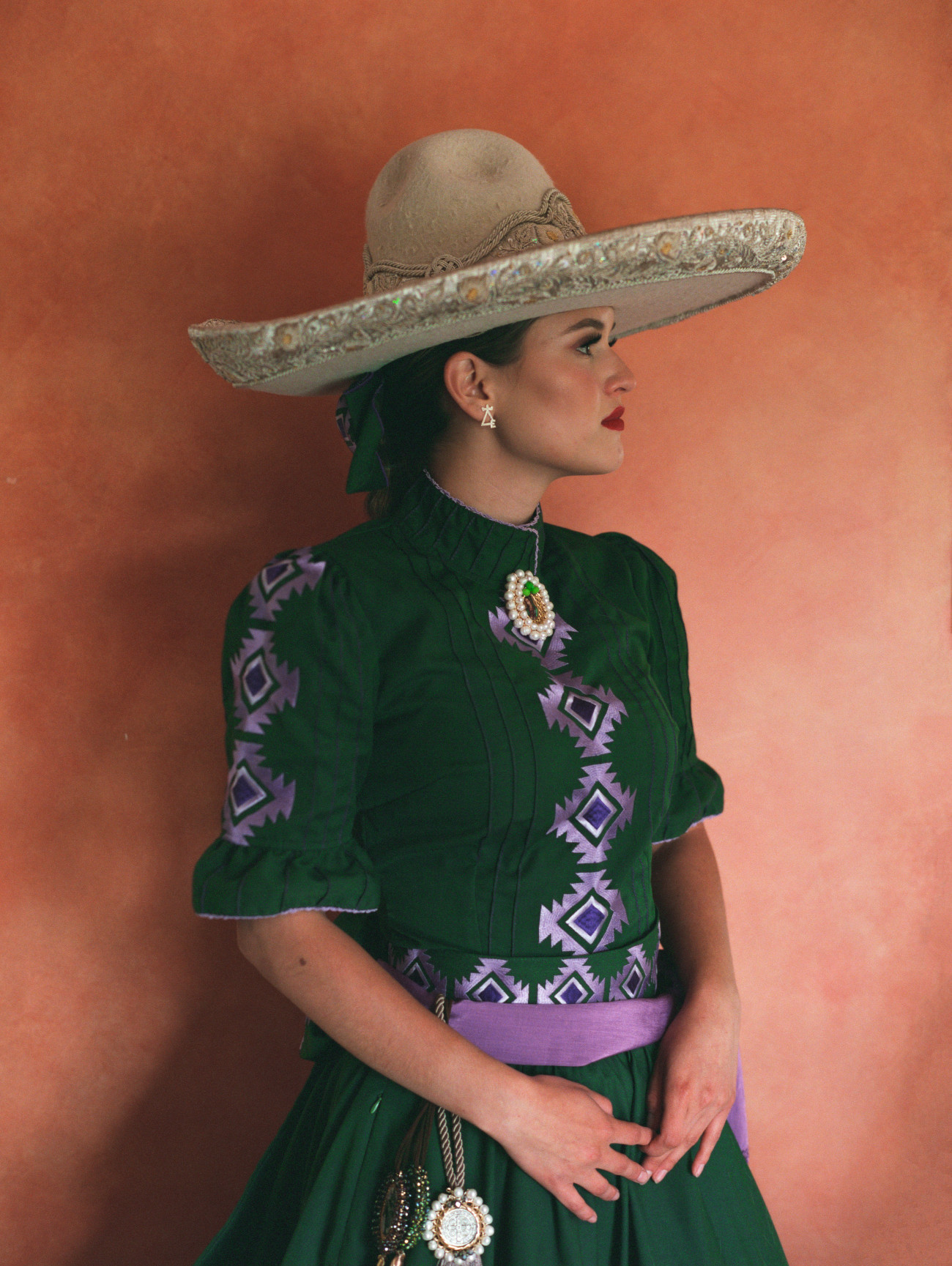
Have you shown the pictures to the women depicted in the series? What were their reactions?
The first exhibition of this work was at the Cowgirl Museum in Fort Worth, TX. On the opening night, quite a few escaramuzas I had photographed came, including members from a Seattle team and a Colorado team. One of the more emotional experiences throughout the realization of this project was seeing their reactions to that show, not only to the photographs, but to the poetry which was displayed alongside the photographs on the walls. I remember one of the women recognizing her words, herself, in one of Angelina’s poems and saying how moved she was.
What do you hope people will take away from this series?
I hope that people take the time to see beyond the beauty of this tradition and the dresses and discover the narratives lying underneath. I hope that they take the time to sit with the words and take in some of these women’s individual experiences, which I think speak to all of us on some level.