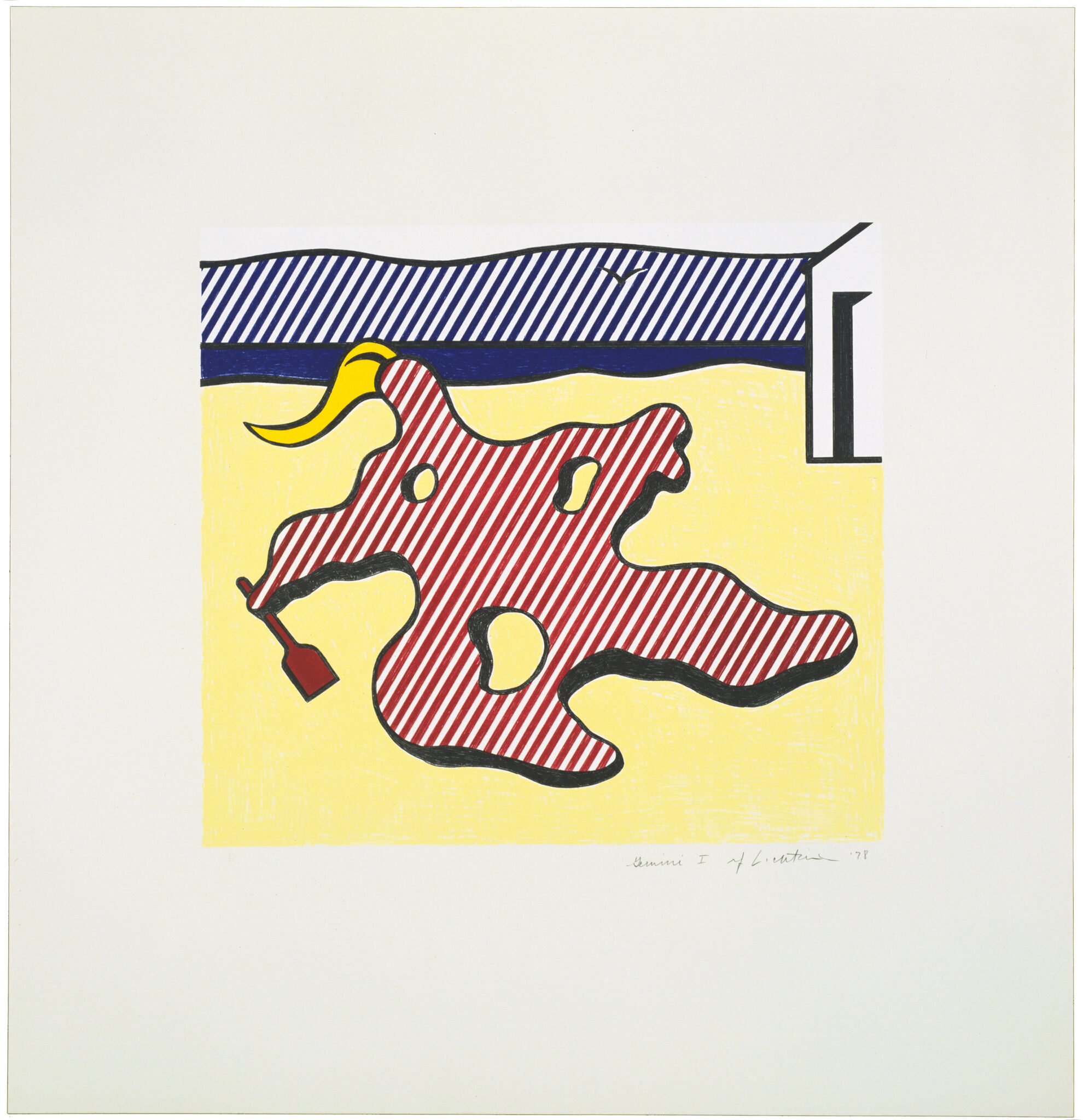
Roy Lichtenstein, “Nude on Beach,” 1978. 6-color lithograph, edition of 38
Six decades ago, Sidney Felsen and Stanley Grinstein entered a new phase in their lifelong friendship. The pair, who had been fraternity brothers at USC, discovered a small print shop run by Kenneth Tyler, a master printer who specialized in fine art printmaking. It didn’t take long for Felsen and Grinstein to partner with Tyler, establishing Gemini G.E.L. in 1966.
Now, 60 years later, Gemini stands as Los Angeles’ longest-running contemporary art gallery, print workshop, and artists’ studio. This longevity can undoubtedly be attributed to the space’s revolutionary approach to printmaking and editioned works, spanning everything from lithography and silkscreen to three-dimensional multiples and sculptures. These innovations are, of course, impressive in and of themselves, but they gain additional weight when evaluated against the creative landscape of the 1960s. At that time, printmaking was still fairly nascent in the United States, not yet widespread enough to boast broad recognition.
“Contemporary publishing in the U.S. was just starting at that time,” Ayn Grinstein, Ellen Grinstein, Joni Weyl Felsen, and Suzanne Felsen tell My Modern Met. All four women—the founders’ three daughters and one of their wives—currently serve as partners at Gemini, ensuring that the organization remains family-owned. “On the East Coast, ULAE was publishing prints. Meanwhile, on the West Coast, Crown Point Press, which initially did ‘contract’ printing and had just converted to a publishing business, worked only in etching.”
Within this environment, Gemini offered not just an artistic but technical vision that propelled printmaking toward greater popularity—not just for the public or collectors, but for artists. That much is made clear when consulting Gemini’s list of collaborators, which spans modernist heavyweights such as Frank Gehry, David Hockney, Claes Oldenburg, Robert Rauschenberg, and Richard Serra. In recent years, the gallery has significantly expanded its scope as well, having worked with contemporary artists like Sophie Calle, Tacita Dean, and Elizabeth Murray.
Luckily, visitors across LA can now encounter many of these prints at Gemini, thanks to Impressions of Los Angeles. The exhibition celebrates Gemini’s 60th anniversary, all while presenting a comprehensive history of the gallery’s printmaking practice and its impact upon the art form. Several of the featured works are also being shown for the first time in decades.
“Artists choose to come to Gemini because of the exceptional quality of what we do,” Ayn, Ellen, Joni, and Suzanne add. “When an artist asks for something new, we face the challenge head-on and do our very best to respond fully to where their curiosity and creativity take them.”
Amid these festivities, My Modern Met had the chance to speak with Ayn Grinstein, Ellen Grinstein, Joni Weyl Felsen, and Suzanne Felsen about Gemini G.E.L.’s origins, its 60th birthday, and what’s next for the organization. Scroll down for our exclusive interview with them.
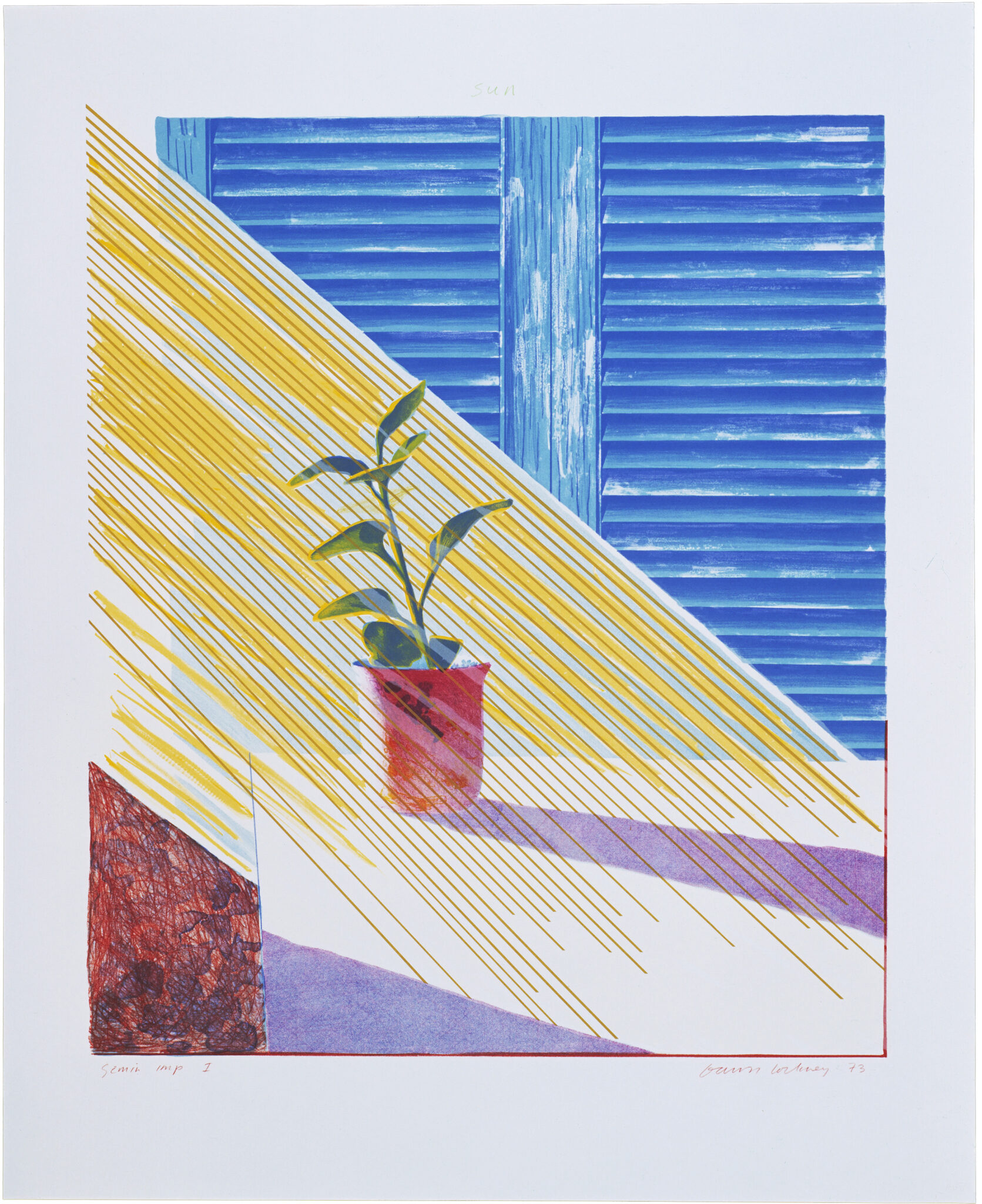
David Hockney, “Sun,” 1973. 8-color lithograph/silkscreen, edition of 98
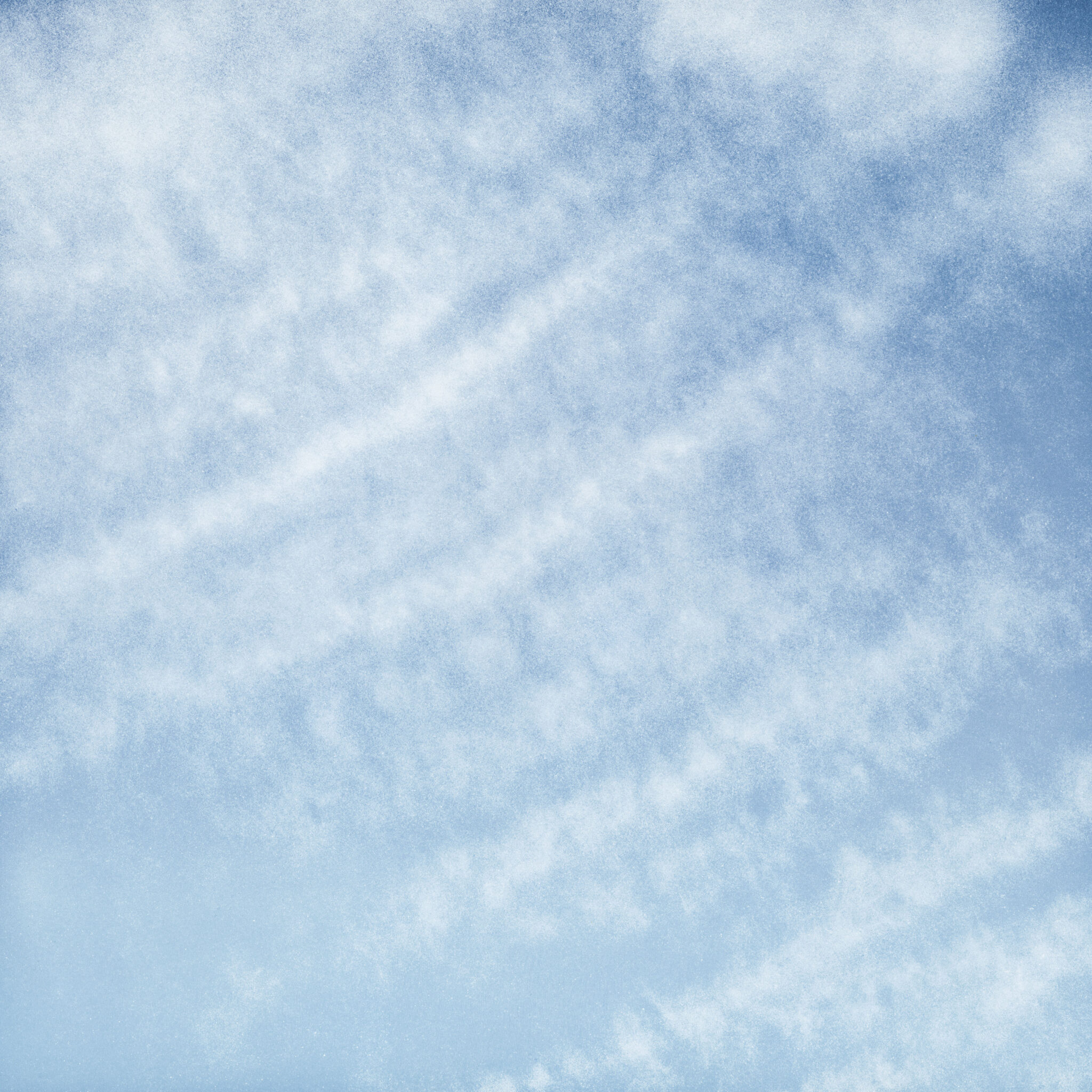
Tacita Dean, “LA Exuberance 2,” 2016. Hand-drawn 3-color blend lithograph, edition of 36
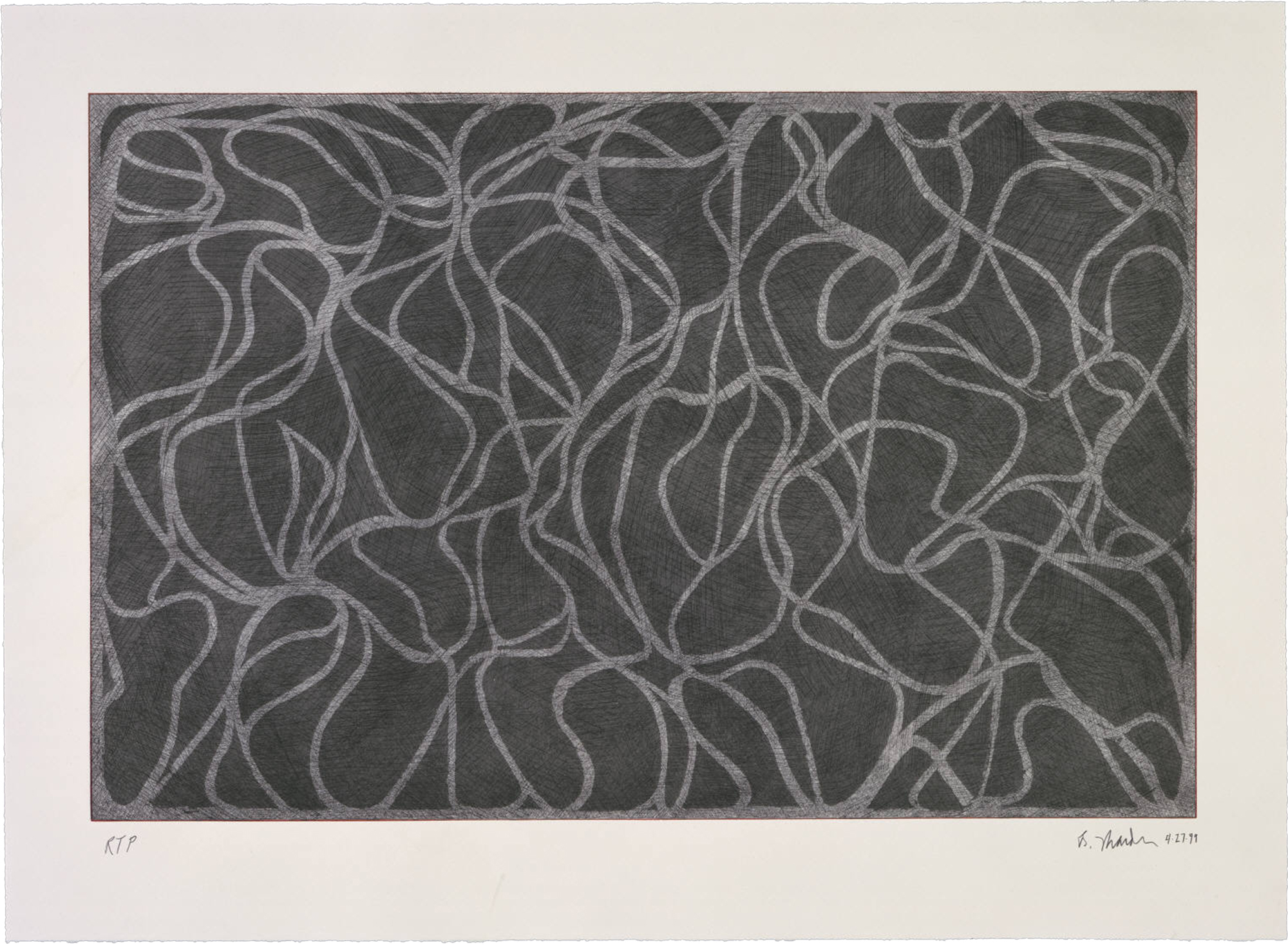
Brice Marden, “LA Muses,” 1999. 3-color etching/lithograph, edition of 80
What originally inspired the establishment of Gemini G.E.L.?
The original co-founders—college fraternity brothers and lifelong friends Sidney Felsen and Stanley Grinstein—had entered, along with their wives, the art world from different approaches. Both families, though, believed there was an opportunity to start a creative business and surround themselves with highly interesting and creative people.
They needed a Master Printer, and formed a partnership with Ken Tyler, who was doing “contract” (i.e., “for-hire”) printing in Los Angeles. Gemini was founded at exactly the right time and with the right artists—the contemporary art world was just beginning to really expand, and Gemini grew right along with it.
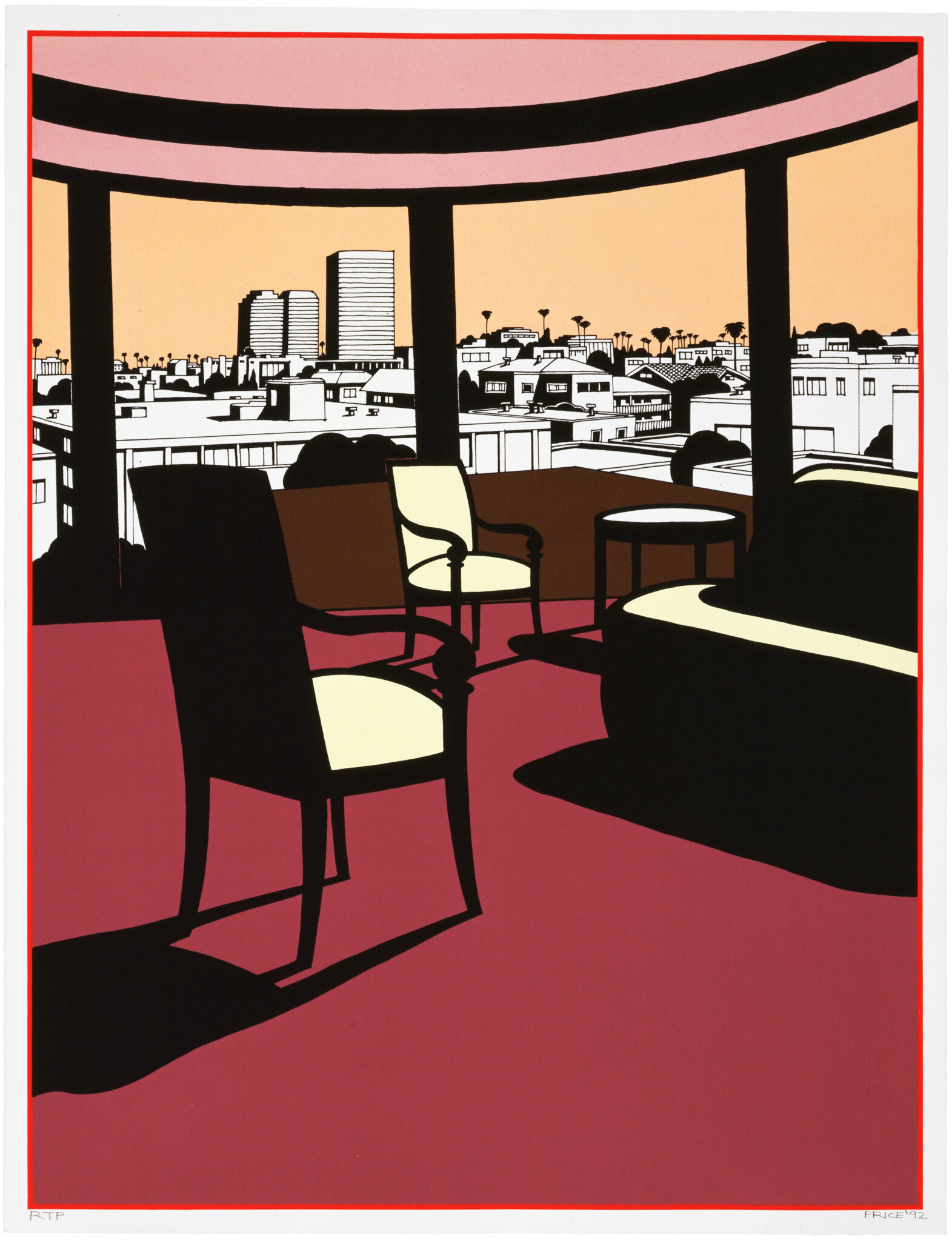
Ken Price, “Western Sunset,” 1993. 7-color screenprint, edition of 70
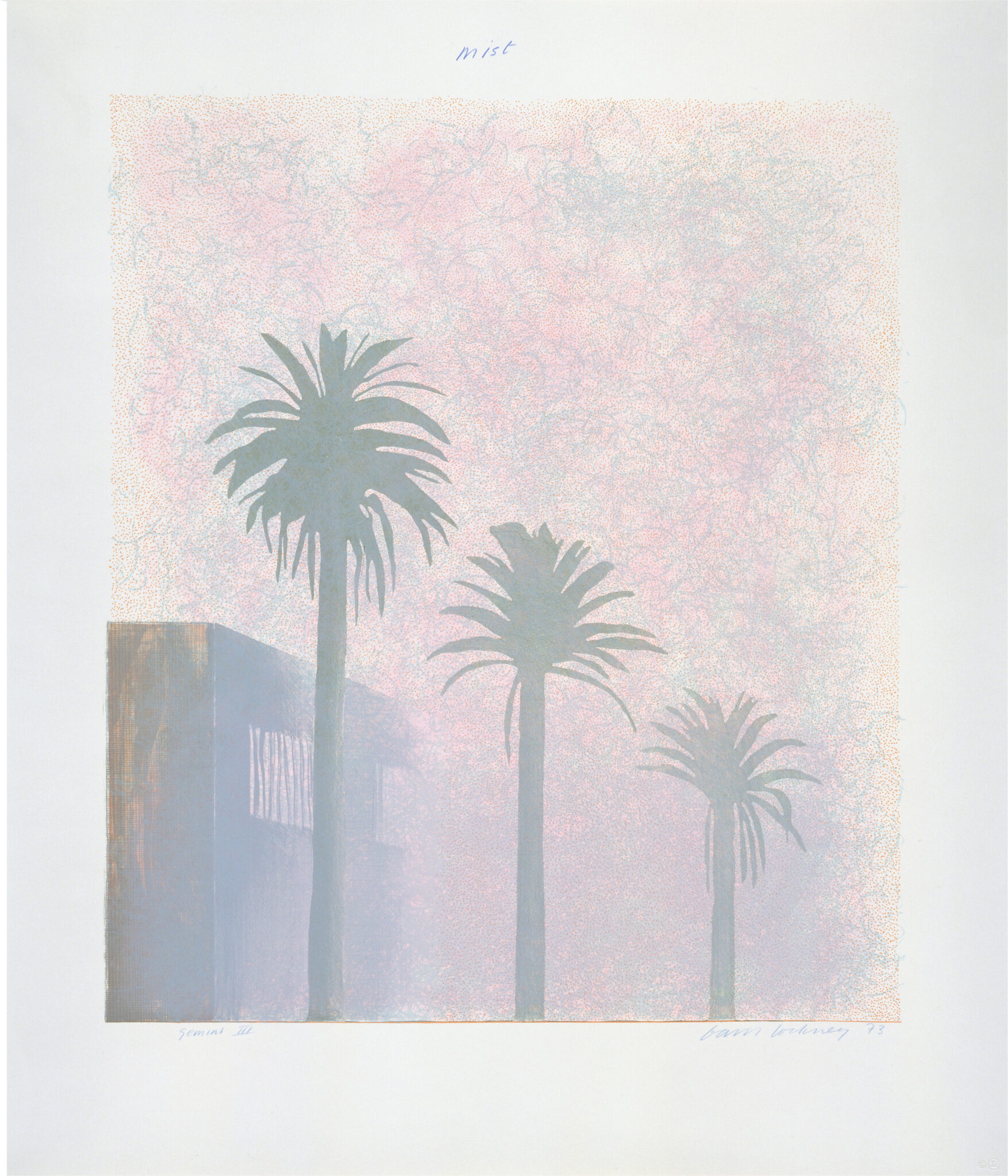
David Hockney, “Mist,” 1973. 5-color lithograph, edition of 98
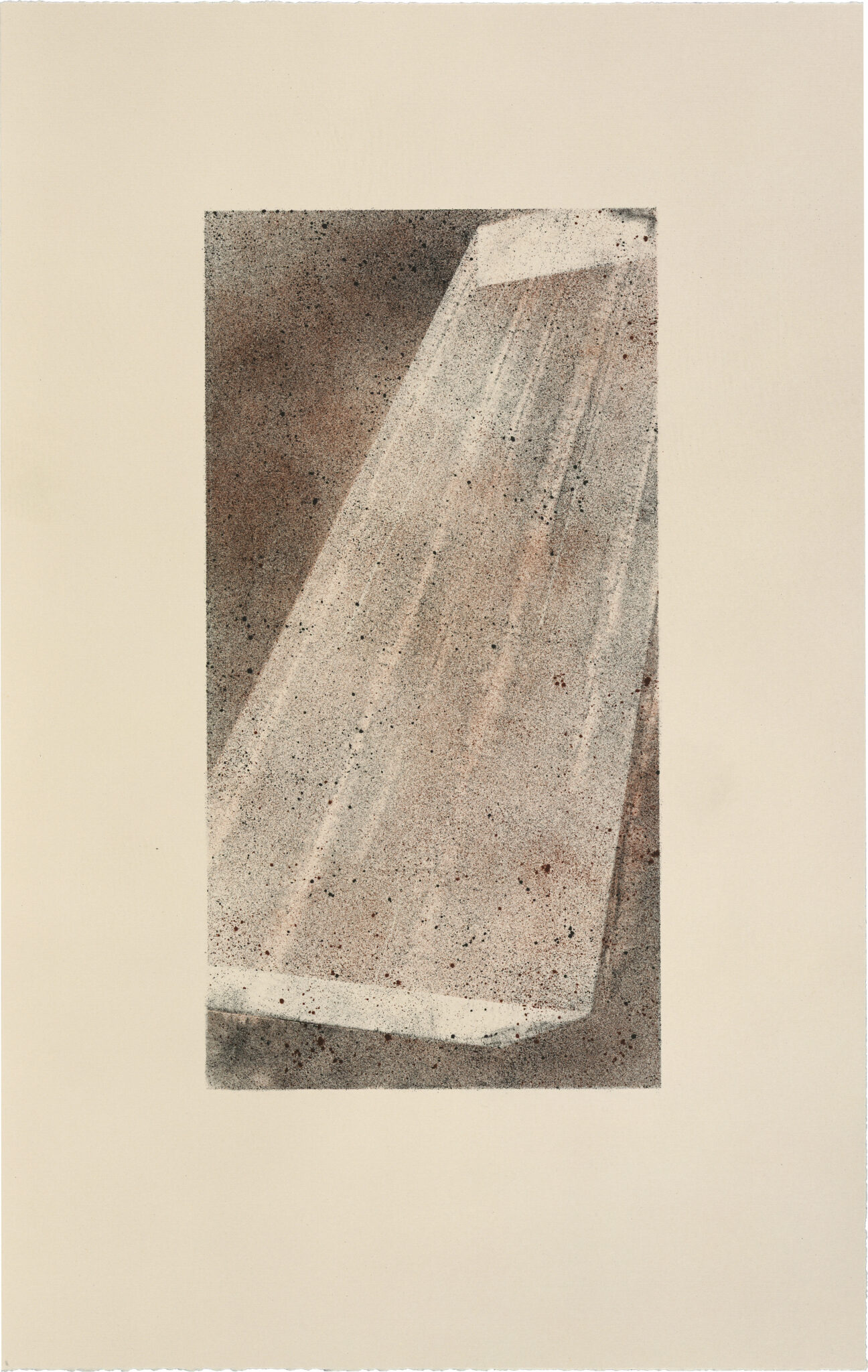
Ed Ruscha, “Bolt II,” 1998. 2 color lithograph, edition of 35
When founding the publishing business, why did it feel important to uplift fine art printmaking and how did Gemini contribute to the art form during that time?
Contemporary publishing in the U.S. was just starting at that time. On the East Coast, ULAE was publishing prints. Meanwhile, on the West Coast, Crown Point Press, which initially did “contract” printing and had just converted to a publishing business, worked only in etching.
Gemini’s contribution to the publishing industry’s expansion came at a critical moment, developing relationships with a different group of artists and increasing the possibilities of publishing with its ability to offer the artists a very wide range of printmaking and sculptural media.
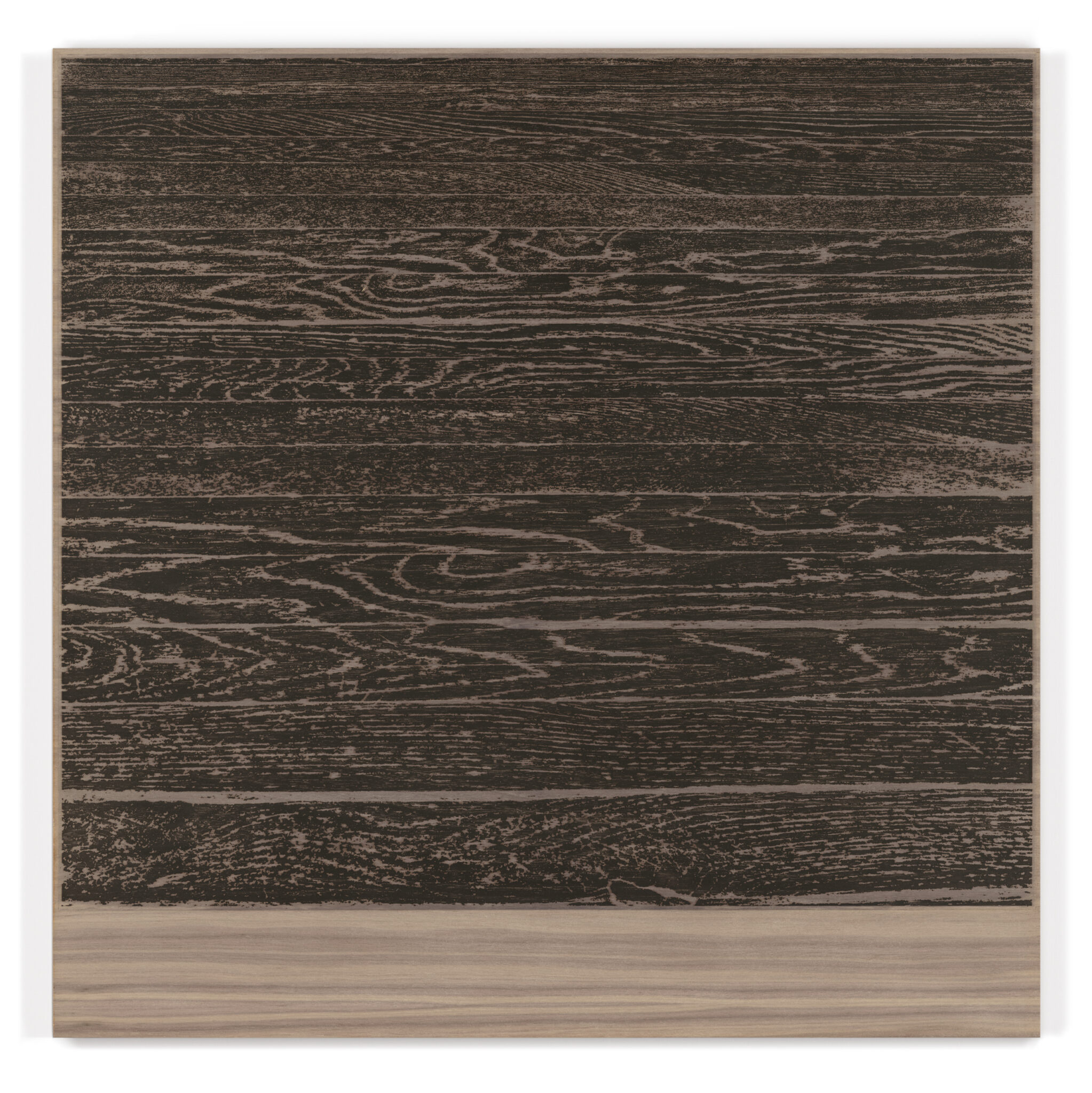
Analia Saban, “Wooden Floor on Wood (Horizontal),” 2017. Photoetching on wood, edition of 38
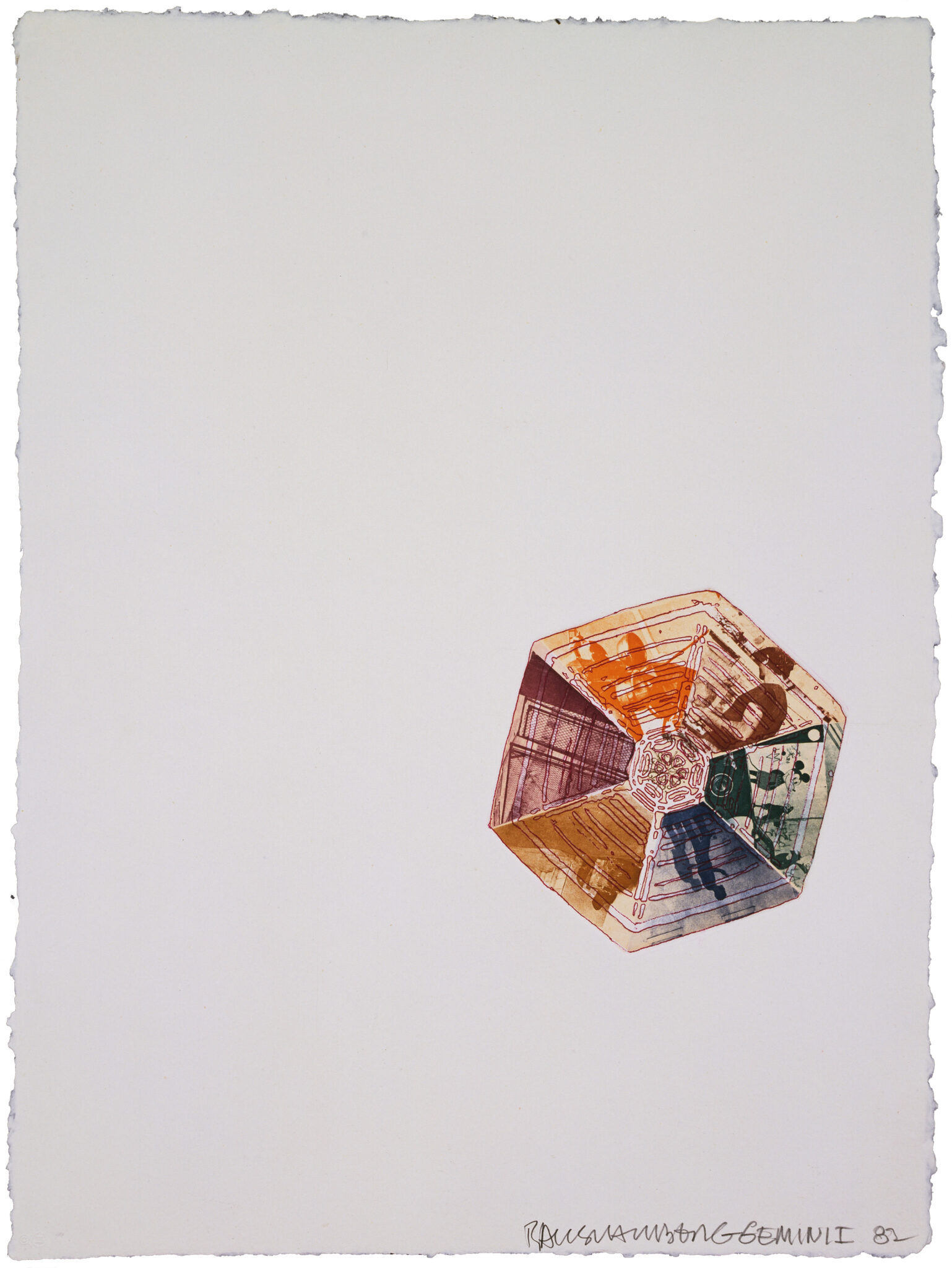
Robert Rauschenberg, “LA Flakes–2,003’ and Falling,” 1982. 9-color etching/embossing, edition of 37
How has Gemini evolved over the past six decades?
It’s more like we keep doing what we do, keeping focused on exceptional excellence. We have kept our eye out for new artists over the years, adding to the roster with that always in mind.
Similarly, how has Gemini’s relationship to the graphic arts transformed over the years and what new technology informs your craftsmanship?
Artists choose to come to Gemini because of the exceptional quality of what we do. And obviously, we can make editions at a scale and scope of media that most other publishers cannot achieve all under one roof. We offer a full range of print techniques, from the most traditional to the most inventive. When an artist asks for something new, we face the challenge head-on and do our very best to respond fully to where their curiosity and creativity take them.
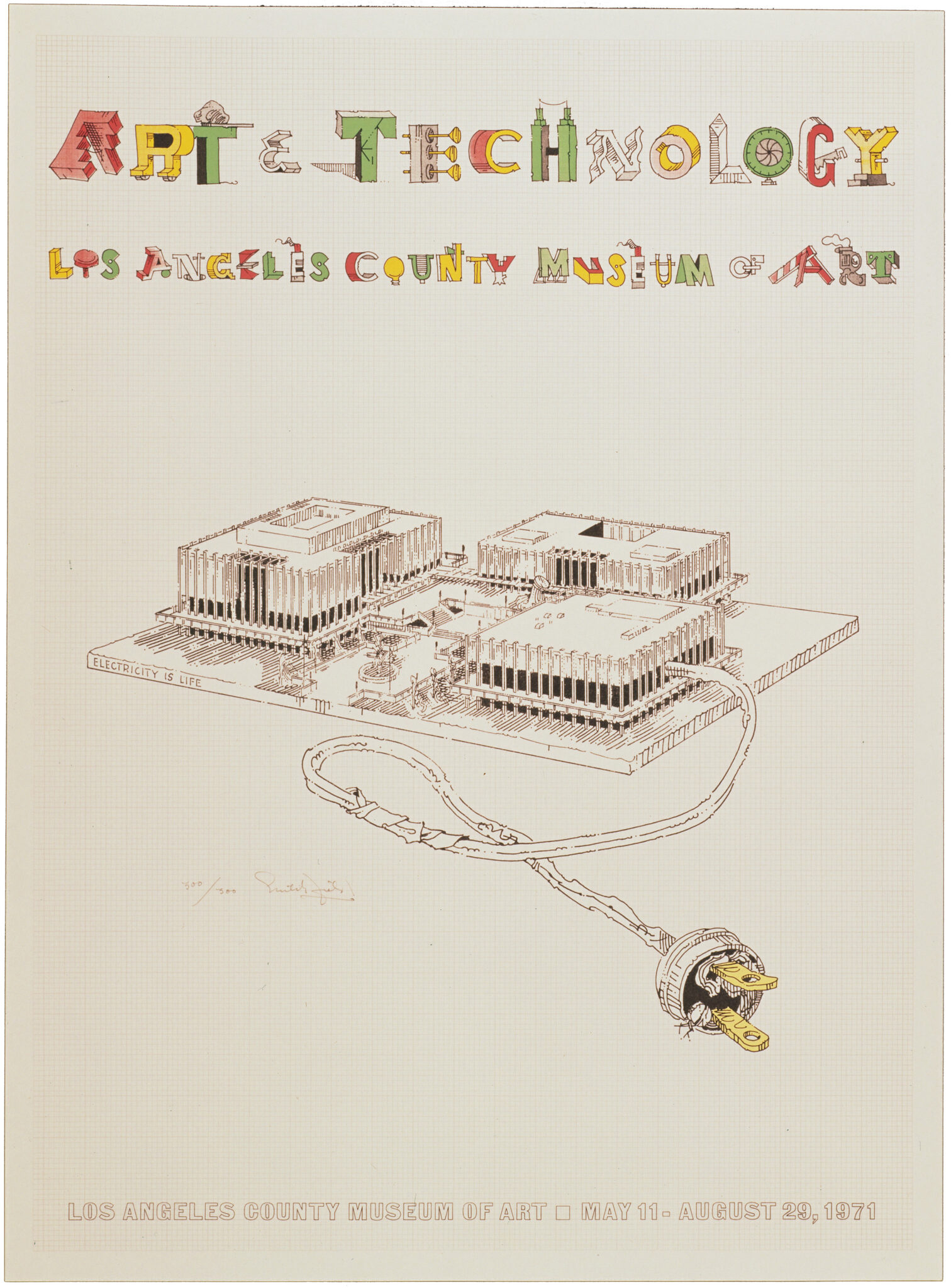
William Crutchfield, “Art & Technology,” 1971. 5-color photo offset/silkscreen, edition of 300
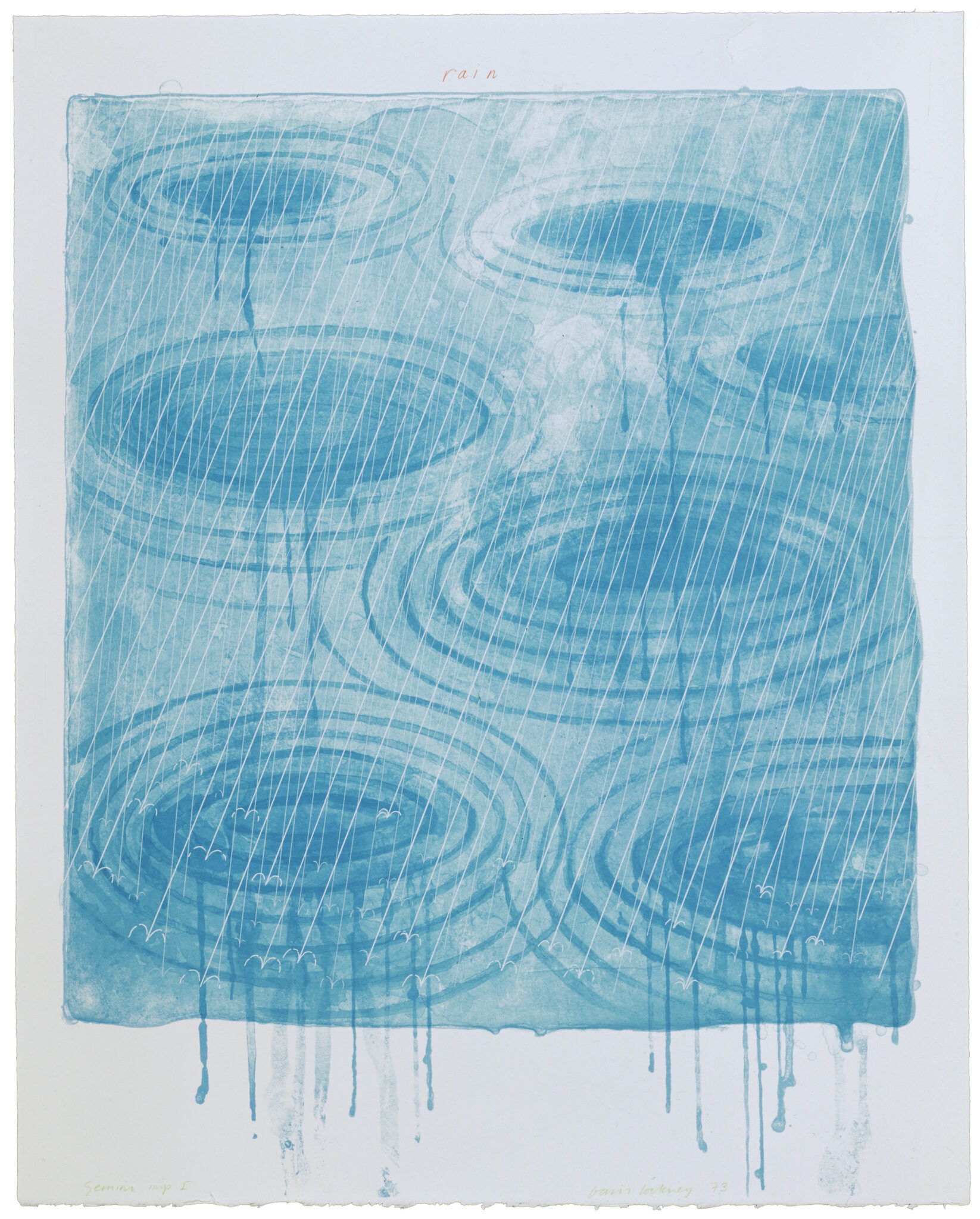
David Hockney, “Rain,” 1973. 6-color lithograph/silkscreen, edition of 98
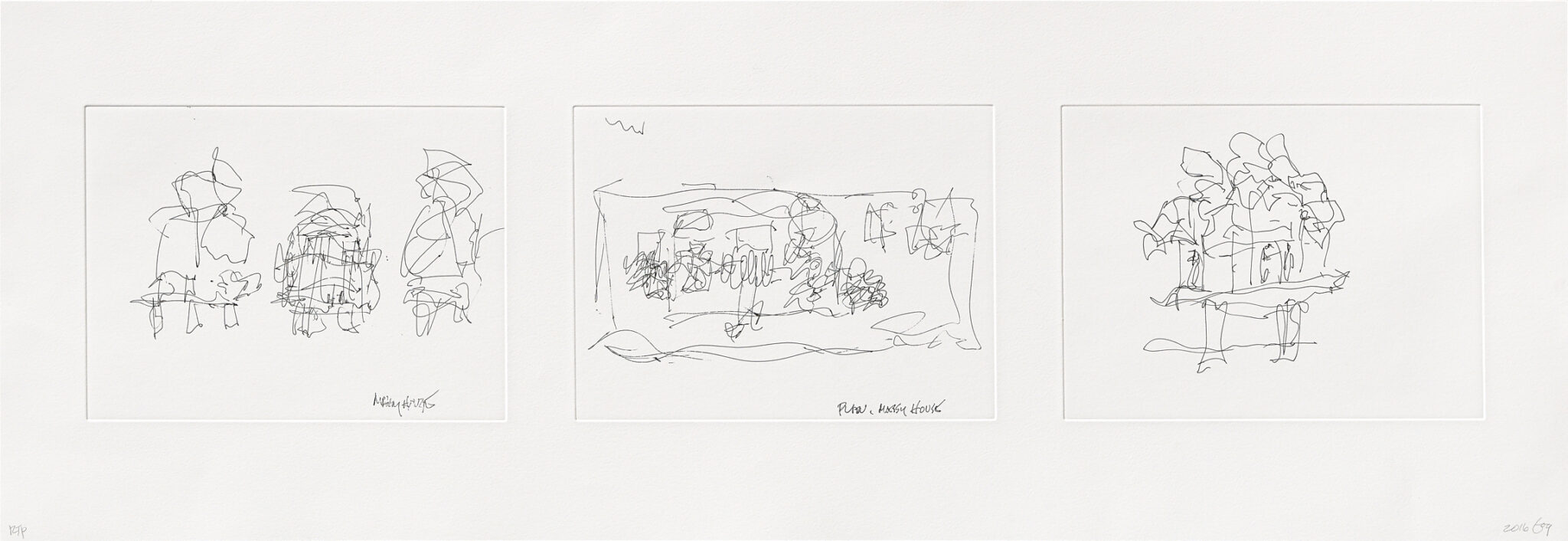
Frank Gehry, “House Study I,” 2016. 1-color etching, edition of 35
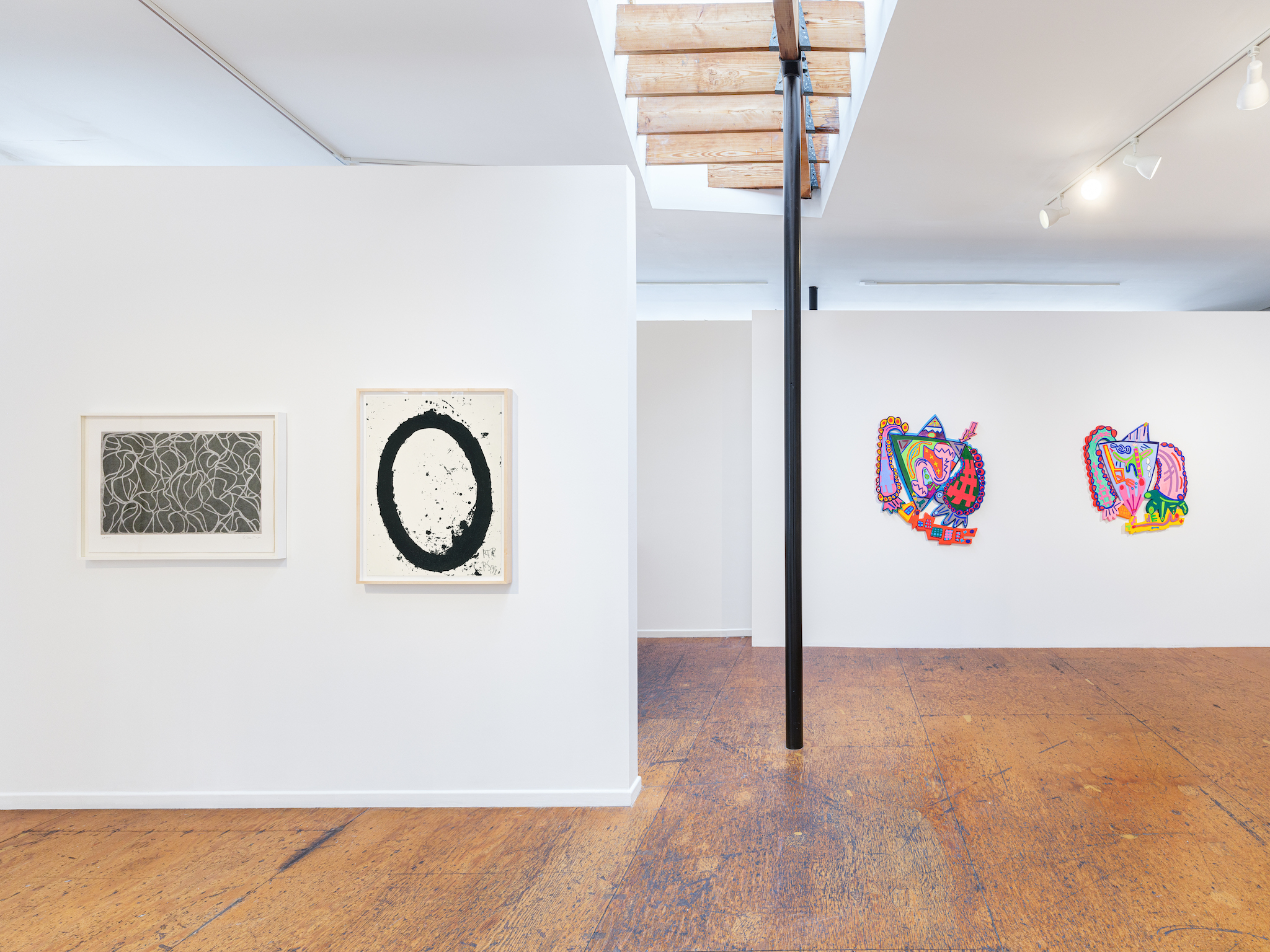
Installation view of “Impressions of Los Angeles: 60 Years of Printmaking” at Gemini G.E.L. in Los Angeles, open through May 1, 2026.
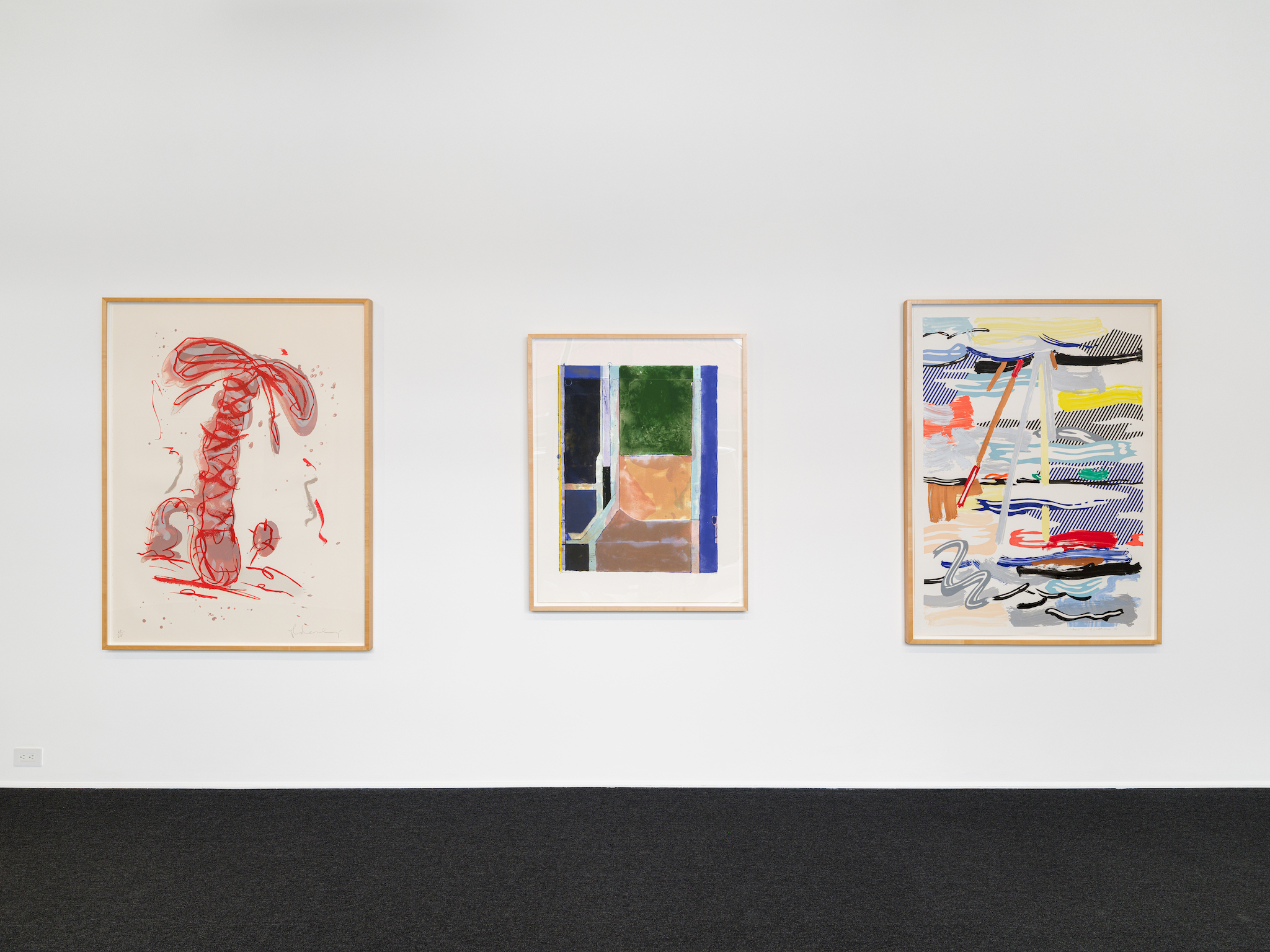
Installation view of “Impressions of Los Angeles: 60 Years of Printmaking” at Gemini G.E.L. in Los Angeles, open through May 1, 2026.
What was the process of curating Impressions of Los Angeles, and what do you hope the exhibition reveals about the gallery and its history?
We partnered with curator Susan Dackerman to put the exhibition together. As we mark 60 years here in Los Angeles, we felt it was important to celebrate that. We also felt the exhibition she curated was a very good place to begin—to focus on the artists who either live here or have loved coming to Los Angeles to make their editions.
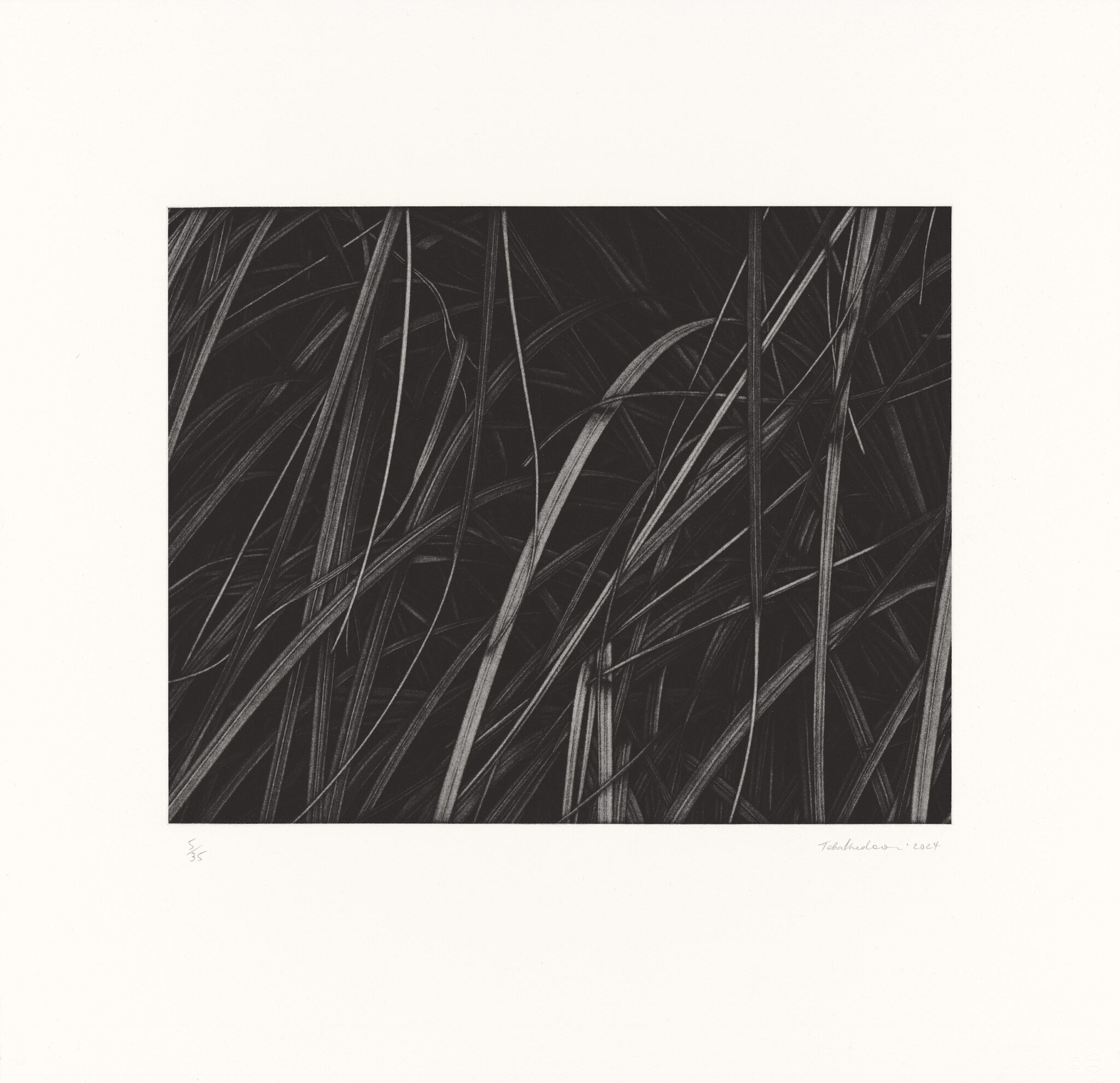
Toba Khedoori, “Untitled 2,” 2025. 1-color mezzotint, edition of 35
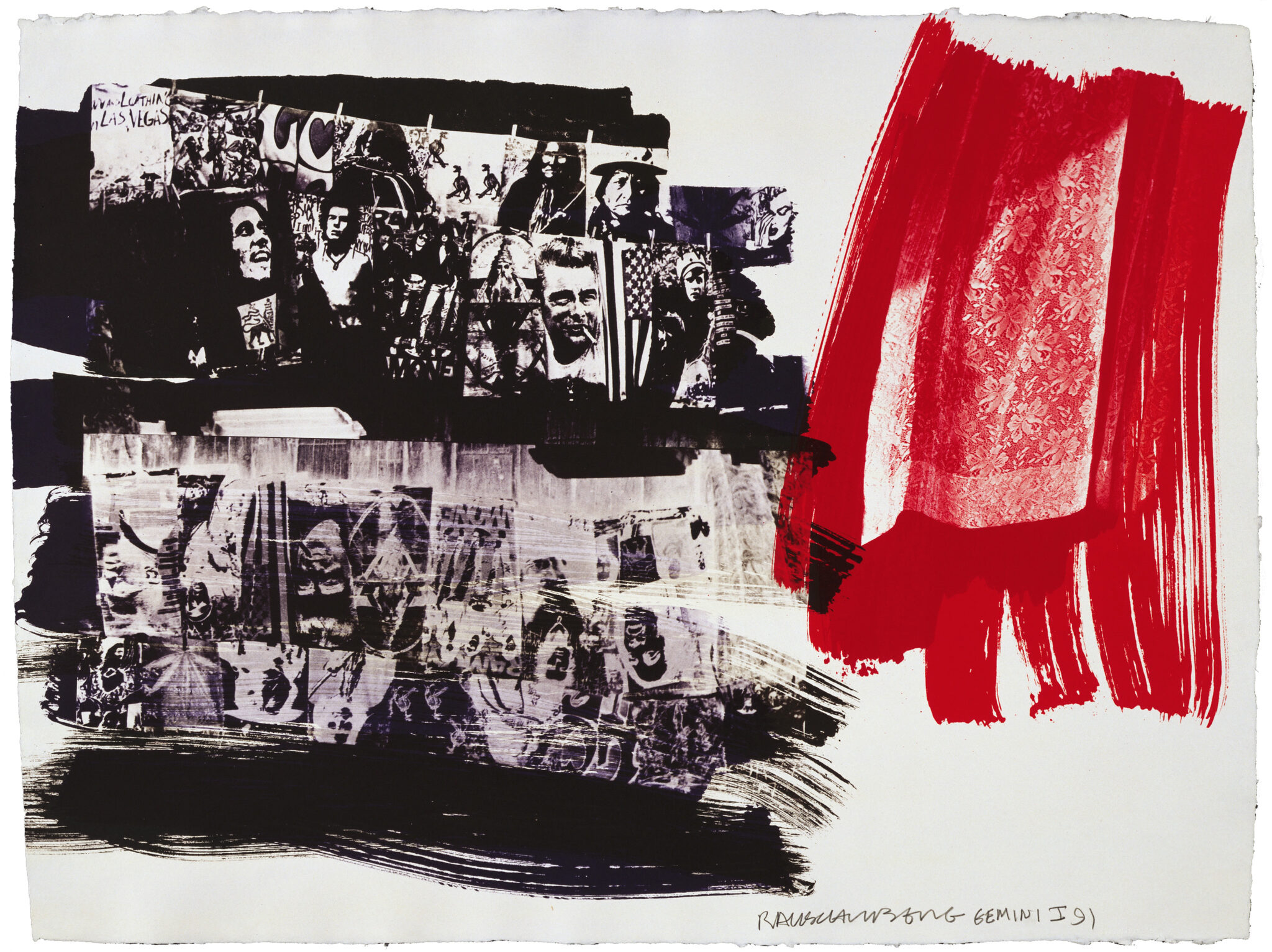
Robert Rauschenberg, “Marmont Flair,” 1991. 4-color lithograph, edition of 59
What does it mean to not only be a family-run gallery, but LA’s longest-running contemporary art gallery?
We’re extremely proud of our longevity! We believe it is a testament to excellence in every way: to the commitment by the founders—and now us, the next generation—of nurturing creativity, to the Master Printmakers’ exceptional talent, and last but certainly not least, to the artists’ exceptional creativity and talent.
How do you envision the future of Gemini?
Keep doing what we’re doing, and doing it with the same commitment to excellence that we’ve maintained over the past 60 years.
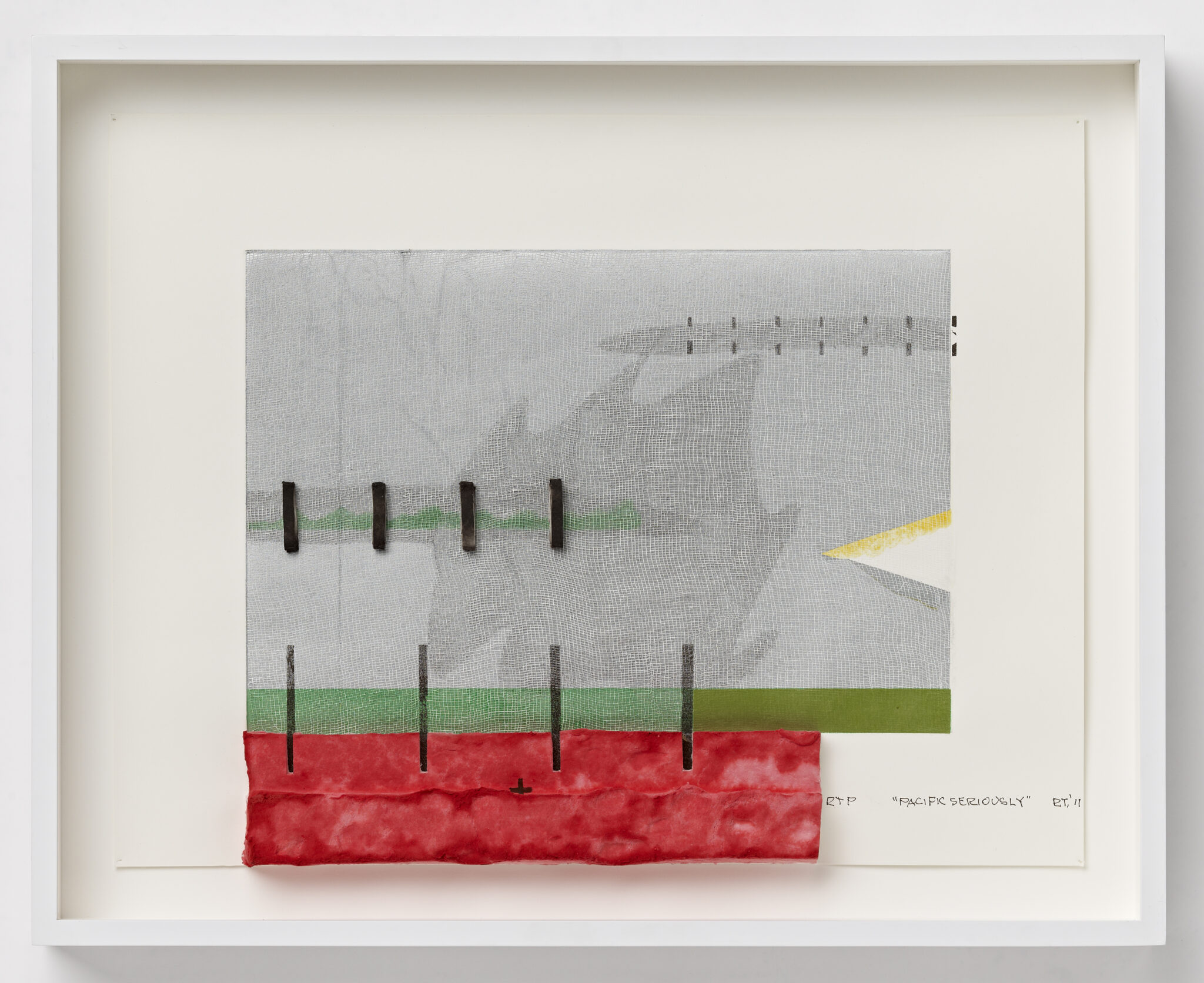
Richard Tuttle, “Pacific Seriously,” 2012. 6-color spit bite, aquatint, chine colle, and paper pulp construction, with unique hand-drawn by artist
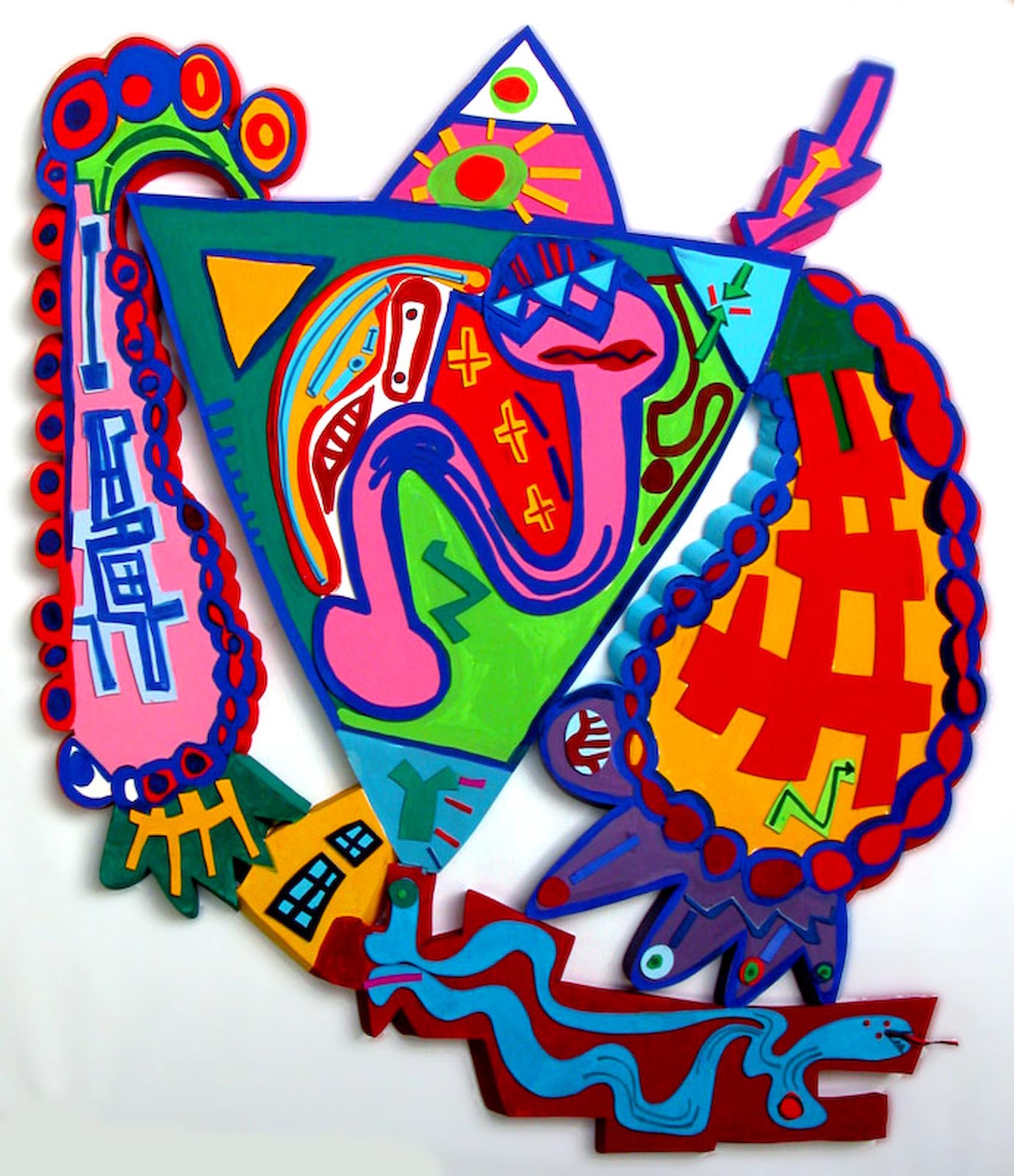
Elizabeth Murray, “Woof” from “Sweetzer Suite,” 2006. 3-dimensional assemblage of hand-carved foam, hand-painted by the artist
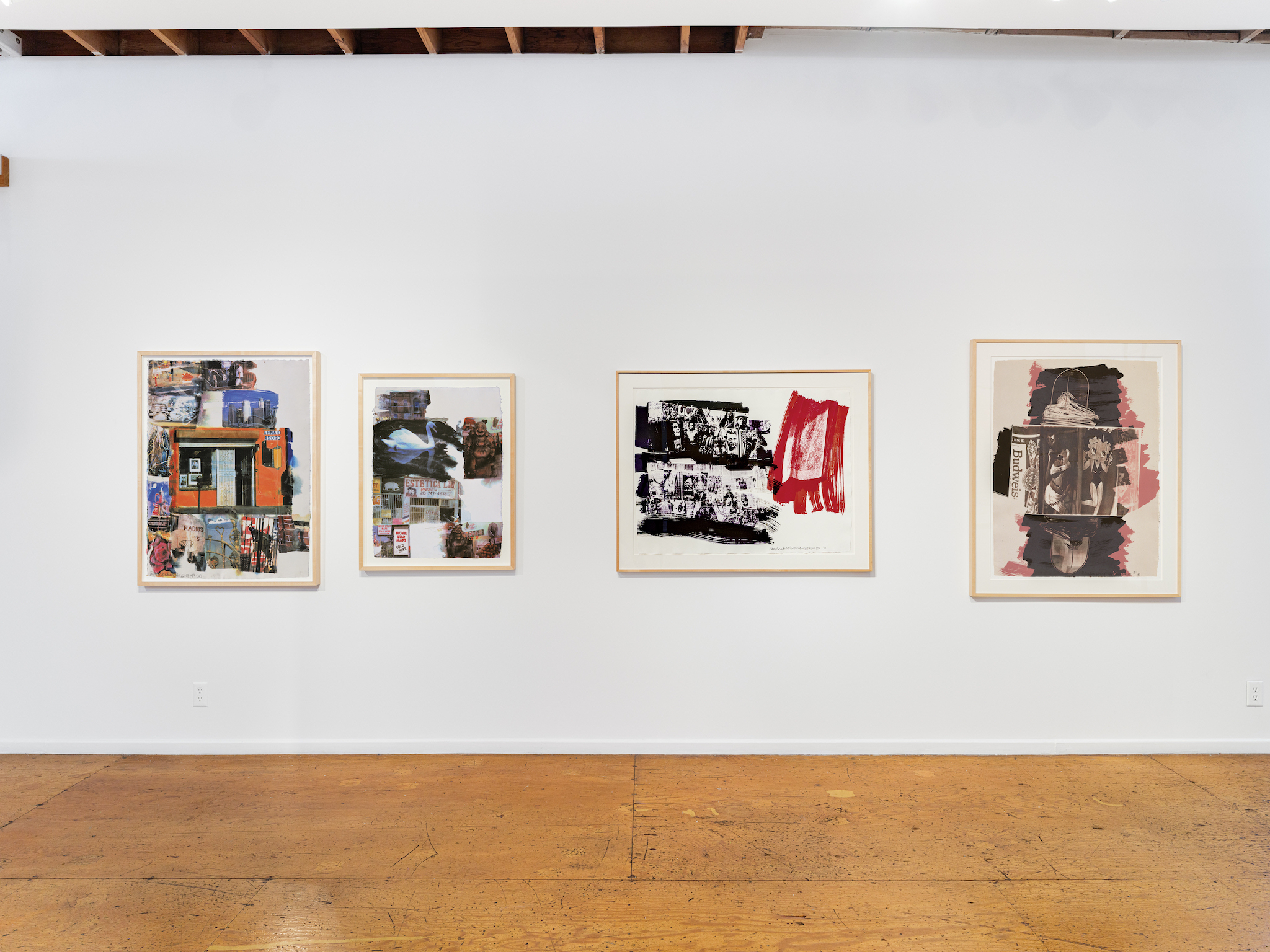
Installation view of “Impressions of Los Angeles: 60 Years of Printmaking” at Gemini G.E.L. in Los Angeles, open through May 1, 2026.
Exhibition Information:
Impressions of Los Angeles: 60 Years of Printmaking
February 23–May 1, 2026
Gemini G.E.L.
8365 Melrose Ave., Los Angeles, CA 90069
Gemini G.E.L.: Website | Instagram
Interview has been edited for length and clarity. My Modern Met granted permission to feature photos by Gemini G.E.L.
Related Articles:
National Academy of Design Celebrates 200th Anniversary [Interview]
Gallery Uplifts Vibrant and Joyful Art While Celebrating 10th Anniversary [Interview]