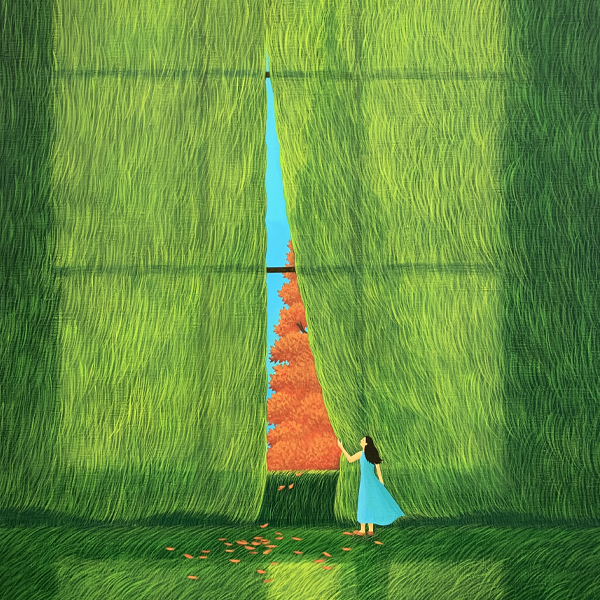
“Chaekgado (책가도)”
When someone is struggling to make ends meet, an artistic practice is often the last thing on their mind. For 20 years, artist Janice Yang struggled to finish her Bachelor of Fine Arts degree and keep painting. It was not for lack of willpower or interest—Yang wanted nothing more than to be an artist. But as an immigrant family from South Korea to the United States, her parents needed her help running their small Japanese restaurant.
“My path to becoming an artist was restricted by survival,” she tells My Modern Met. “Following family business failures, I dropped out of school twice to work full-time managing our small restaurant. When my mother faced health crises and had to return to Korea for treatment due to a lack of U.S. health insurance, the responsibility of the restaurant management fell on me. For two decades, the exhaustion of daily physical labor consumed my time and stalled my art practice.”
Despite the hardships, Yang persevered and eventually found her way back to art—specifically, painting. Her work now blends her Korean heritage and symbolic motifs with a surrealistic oil-and-acrylic style she developed while studying art in the U.S. Salmon is a recurring character in her work. The fish often symbolize a search for home and belonging, as the creature is driven to return to its birthplace. For Yang, they also mean working in her family’s kitchen.
“I felt a deep kinship with those fish,” the artist admits, “as I also felt stuck in a kitchen, desperately swimming against the current to find my true home and fulfill my dream as an artist.”
We had the chance to speak with Yang about her work, including how her experience as a teacher helped inspire her to create again. Scroll down to read her exclusive interview with My Modern Met.
“Sacred Shift”
How did you first become interested in art?
I have loved drawing for as long as I can remember. From the moment I could first hold a pencil, I drew everywhere and at every opportunity. In kindergarten, my deep love for art earned me the nickname “the little artist,” and even then, my heart was set on a singular path: I was going to be an artist.
To achieve this dream, I followed the rigorous, traditional path in South Korea. Like many young Koreans, I attended private art academies, which eventually led to my admission into a prestigious art high school in Seoul. My next goal was clear: attend a top art college in Seoul. However, our lives changed overnight when South Korea hit an economic crisis. My father lost his job, plunging our family into sudden financial instability.
Seeking a fresh start and financial survival, our family relocated to the United States. Because I was born in Connecticut while my father was studying for his PhD on a scholarship, I held U.S. citizenship, which facilitated our move. We settled in Oregon, where I attended an art magnet high school, and I later enrolled at the Art Center College of Design. I was determined to stay on track and officially launch my artistic career.
Unfortunately, the reality of being first-generation immigrants brought severe challenges. Unfamiliar with the American business landscape, my parents faced numerous business failures, fell victim to financial schemes, and made costly missteps. To help them survive, I put my own dreams on hold. For two decades, I worked as an unpaid waitress at our family’s small Japanese restaurant. Overwhelmed by the need for financial stability, I stopped painting altogether. I dropped out of Art Center twice, and it ultimately took me 15 years to finally earn my BFA in Portland, Oregon.
Eventually, I transitioned into art education. Even while managing my teaching schedule and continuing to help my parents at the restaurant, I found myself with no time to create my own work. Yet, working with young artists reignited something within me. I loved sharing my passion, and as I painted live demonstrations for my classes, the urge to create returned. I deeply connected with students who shared my cultural background as immigrants. This inspired me to begin painting portraits of them, a project that restored my confidence and rekindled my eagerness to pursue my original dream.
Now those two decades of labor, hardship, and sacrifice have become the vital narrative and core concept that I share through my work.
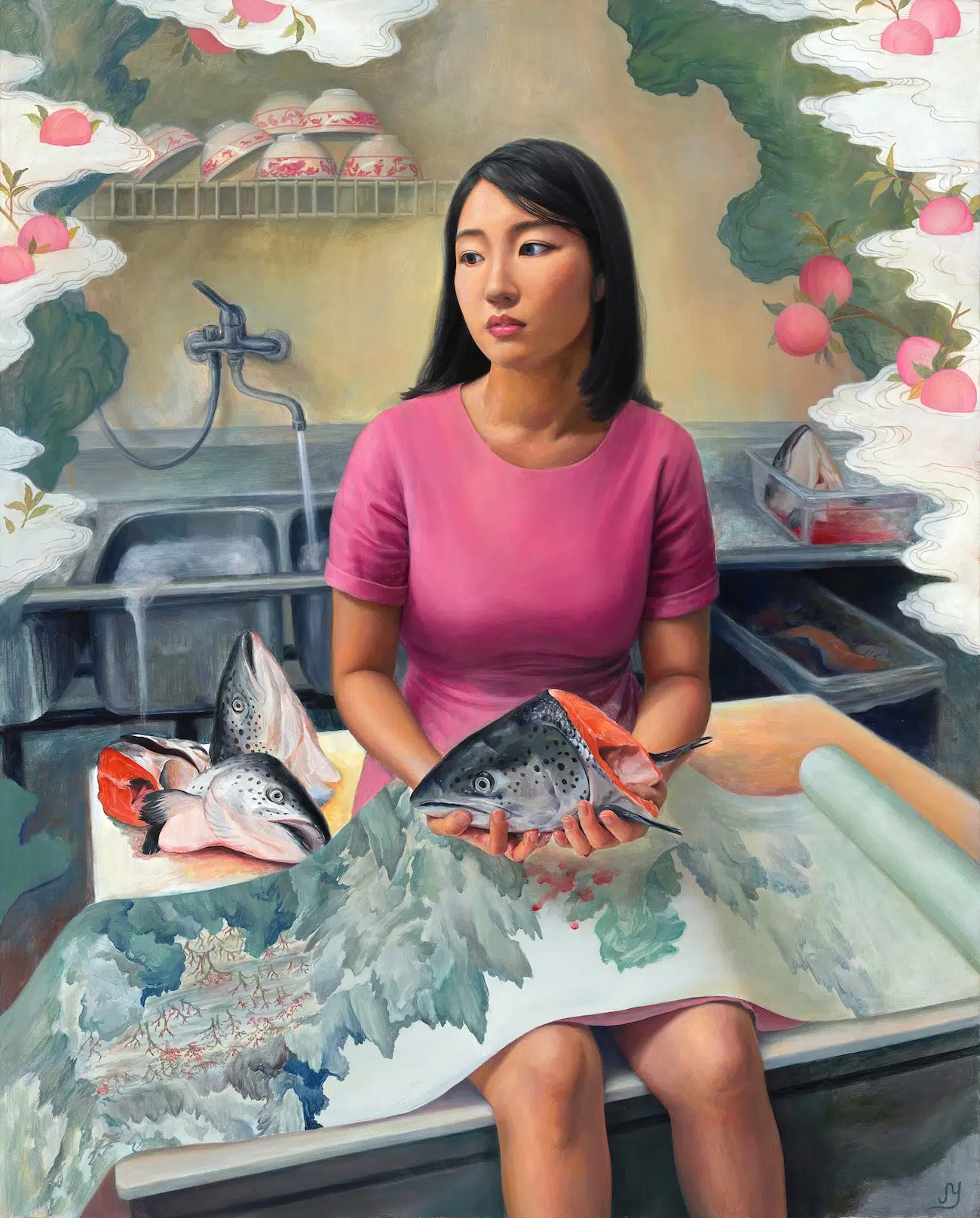
“Ahn Gyeon’s Dream Journey to the Peach Blossom Land”
Your family immigrated to the U.S. from South Korea, and you later worked for many years in your family’s sushi restaurant. How did this massive life change shape your artistic practice, both then and now?
Moving to the United States plunged me into a profound culture shock that felt like being a newborn baby forced to learn a completely new world. Having only ever known a homogeneous society in South Korea, I was entirely unprepared for this sudden transition. For two years, I deeply struggled to adapt, feeling as though I had lost my identity and self-confidence. This isolation was worsened by living in an area with almost no other Asians. Even within the local Korean teenage community, a painful social hierarchy existed that favored those who were more Americanized and fluent in English, leaving me feeling further alienated.
My path to becoming an artist was restricted by survival. Following family business failures, I dropped out of school twice to work full-time managing our small restaurant. When my mother faced health crises and had to return to Korea for treatment due to a lack of U.S. health insurance, the responsibility of the restaurant management fell on me. For two decades, the exhaustion of daily physical labor consumed my time and stalled my art practice.
The turning point came when I became a public high school art teacher. Carving out just one or two hours to paint before and after school—while still helping at the restaurant—reignited my purpose. In the classroom, I discovered a profound connection with students who shared my immigrant heritage. Listening to their struggles with cultural conflict and underrepresentation mirrored my own journey, inspiring me to explore the complex search for identity and belonging. It took years of courage to realize that my 20 years of hardship were not a distraction from my art, but the very core of it. Today, the central theme of my work is to share these raw, real-life immigrant experiences and build connections with others who navigate the same unseen challenges.
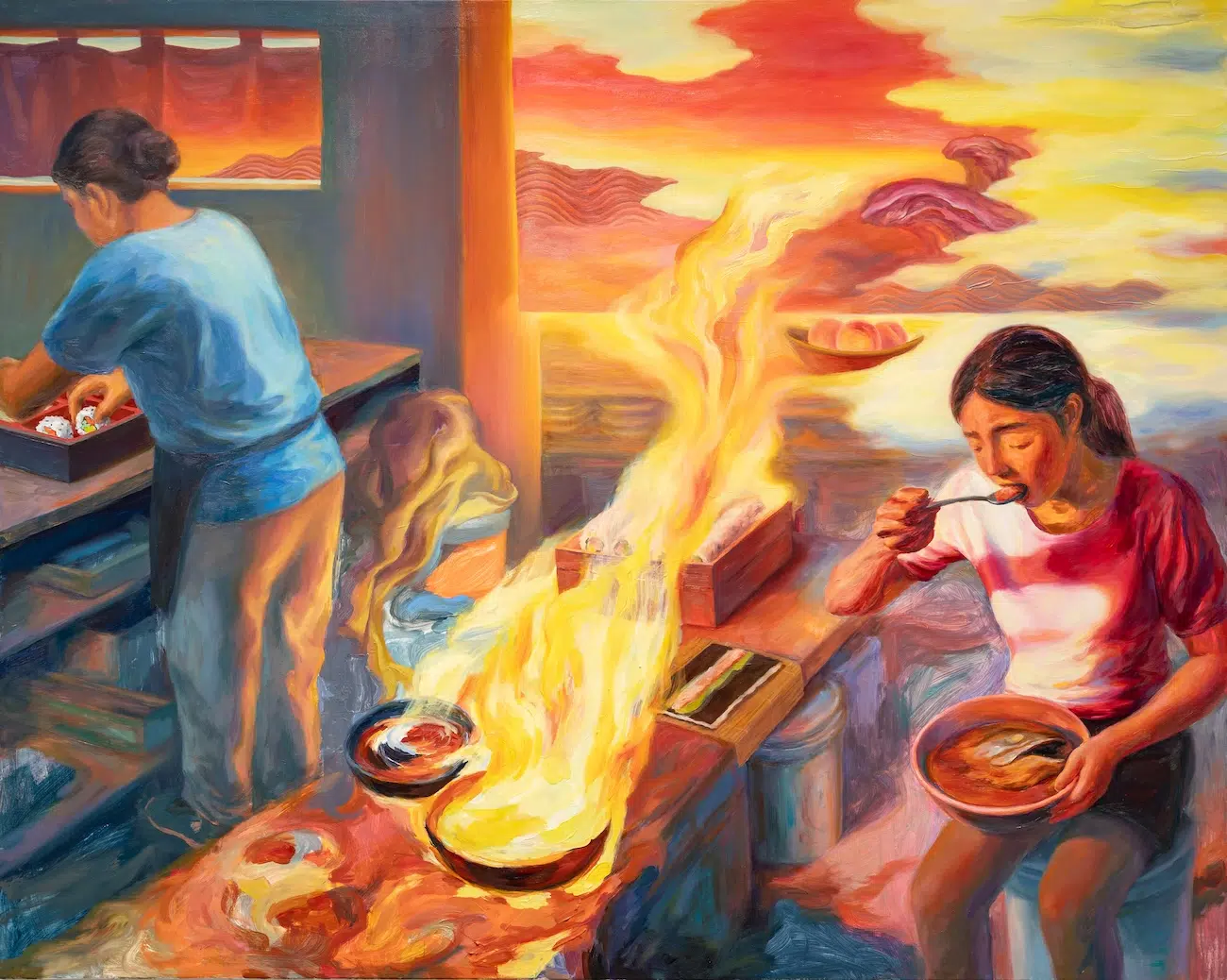
“The Hours Between”
Many of your scenes take place in an industrial kitchen. Sometimes, the figure is actively engaged in slicing salmon, while other times they are more contemplative—but they all have a dreamlike quality to them. Can you explain some of the symbolism you place within your composition?
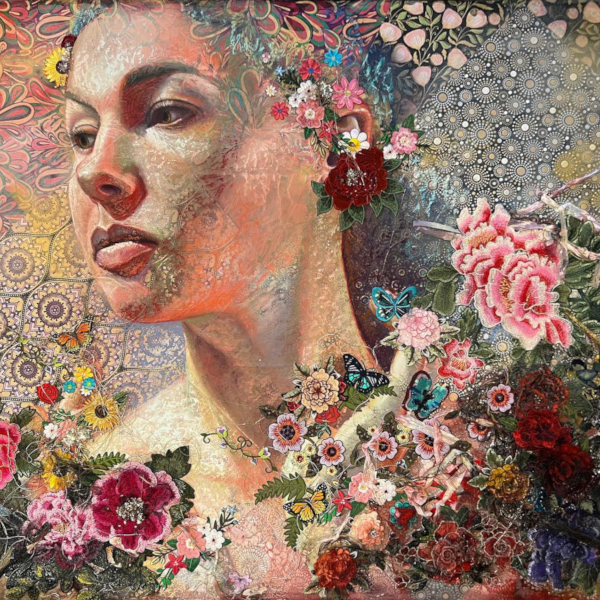
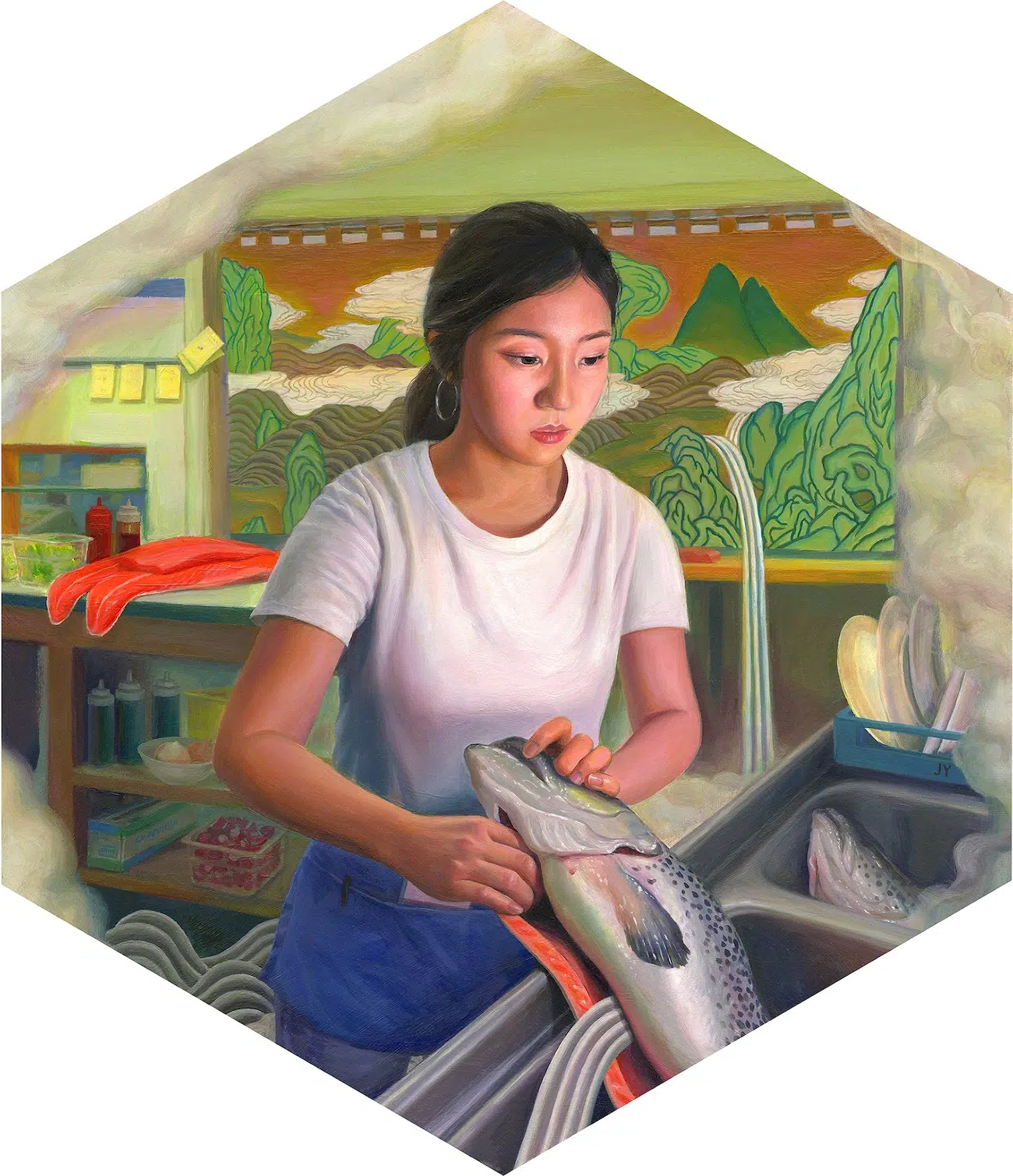
In traditional Joseon dynasty paintings, landscapes and object carries deep symbolism. This rich cultural heritage inspired me to blend Korean symbolic motifs with the surrealistic, narrative style of oil and acrylic painting I developed while studying illustration in the U.S. By combining traditional Korean elements with classical Western painting techniques, my art reflects the actual transformation and blending of cultures I have experienced in my own life.
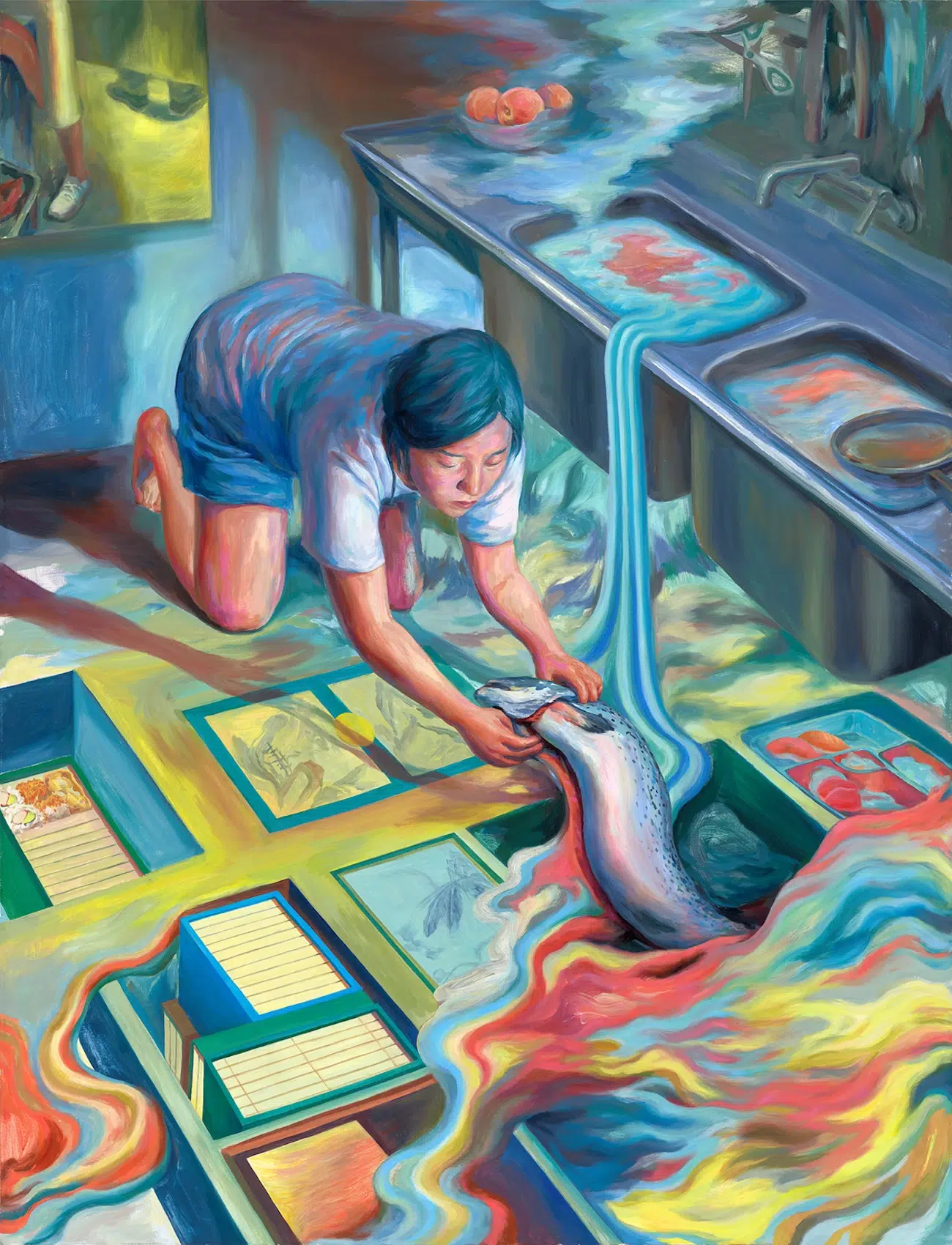
The salmon is a recurring figure in my work, carrying a dual meaning. Universally, salmon represent the search for home and belonging, driven by an instinct to return to their birthplace. On a personal level, they symbolize my two decades as an immigrant working in my family’s kitchen. Every week, tons of salmon were delivered, and I spent my days watching them get filleted, chopped, and wrapped in plastic. Seeing them trapped in that environment, I began to personify them. I felt a deep kinship with those fish, as I also felt stuck in a kitchen, desperately swimming against the current to find my true home and fulfill my dream as an artist.
I also frequently incorporate Chaekgado, the traditional Korean motif of bookcases. Historically, these paintings symbolized a scholar’s hope for wisdom, success, and a better life. In my work, I place these bookcases on the ground to represent my foundation. They symbolize the cultural spirit of diligence and resilience that Koreans have historically relied on to survive immense hardships. This heritage is the very ground I stand on; it is what gave me the strength to endure decades of challenges while keeping my artistic dreams alive.
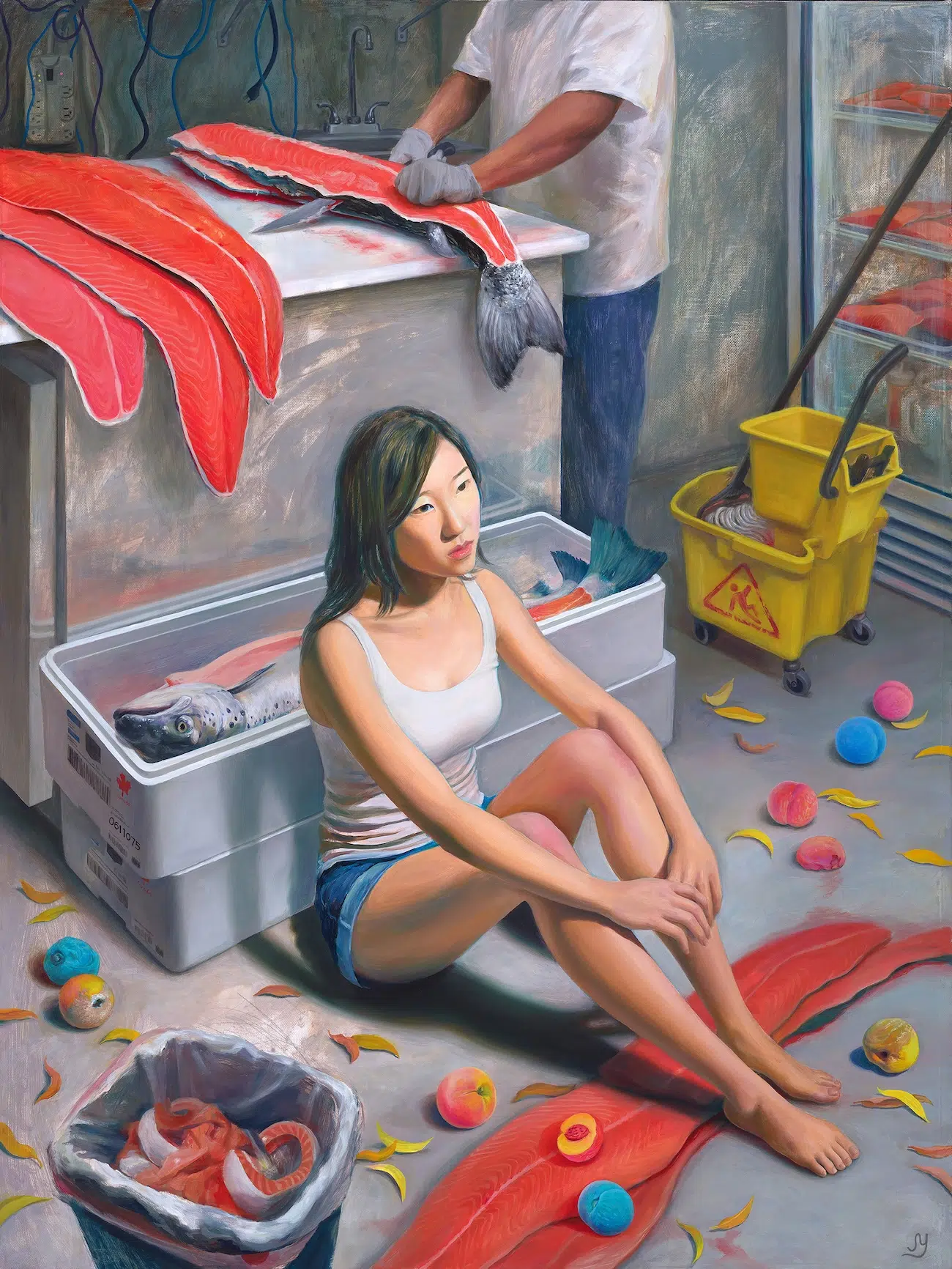
“Threshold”
What are you working on now? Anything exciting you can tell us about?
I am currently in Johannesburg, South Africa, completing an artist residency at Gallery MOMO as the recipient of the graduate residency award from the School of the Art Institute of Chicago. As this is my very first time on the African continent, the experience has been incredibly eye-opening. I am deeply fascinated by South Africa’s vibrant culture and complex history, and I am learning immensely from the inspiring local artists and cultural practitioners I meet daily.
In exploring South Africa’s historical hardships, I have discovered a profound common ground with the historical traumas of South Korea, as well as my own lived immigrant experience in the United States. It has been deeply moving to witness how South African contemporary artists sublimate these heavy systemic challenges into creative expressions filled with true dignity, joy, love for humanity, and hope. This powerful local energy has inspired me to research new visual frameworks, finding ways to merge these shared global narratives of resilience into my current studio practice.
Right now, I am thrilled to be showcasing my latest work at the FNB Art Joburg fair through Gallery MOMO. It is an honor to share my journey and residency insights with the international art community here, and I look forward to deepening this creative dialogue in Gallery MOMO’s upcoming group exhibitions.
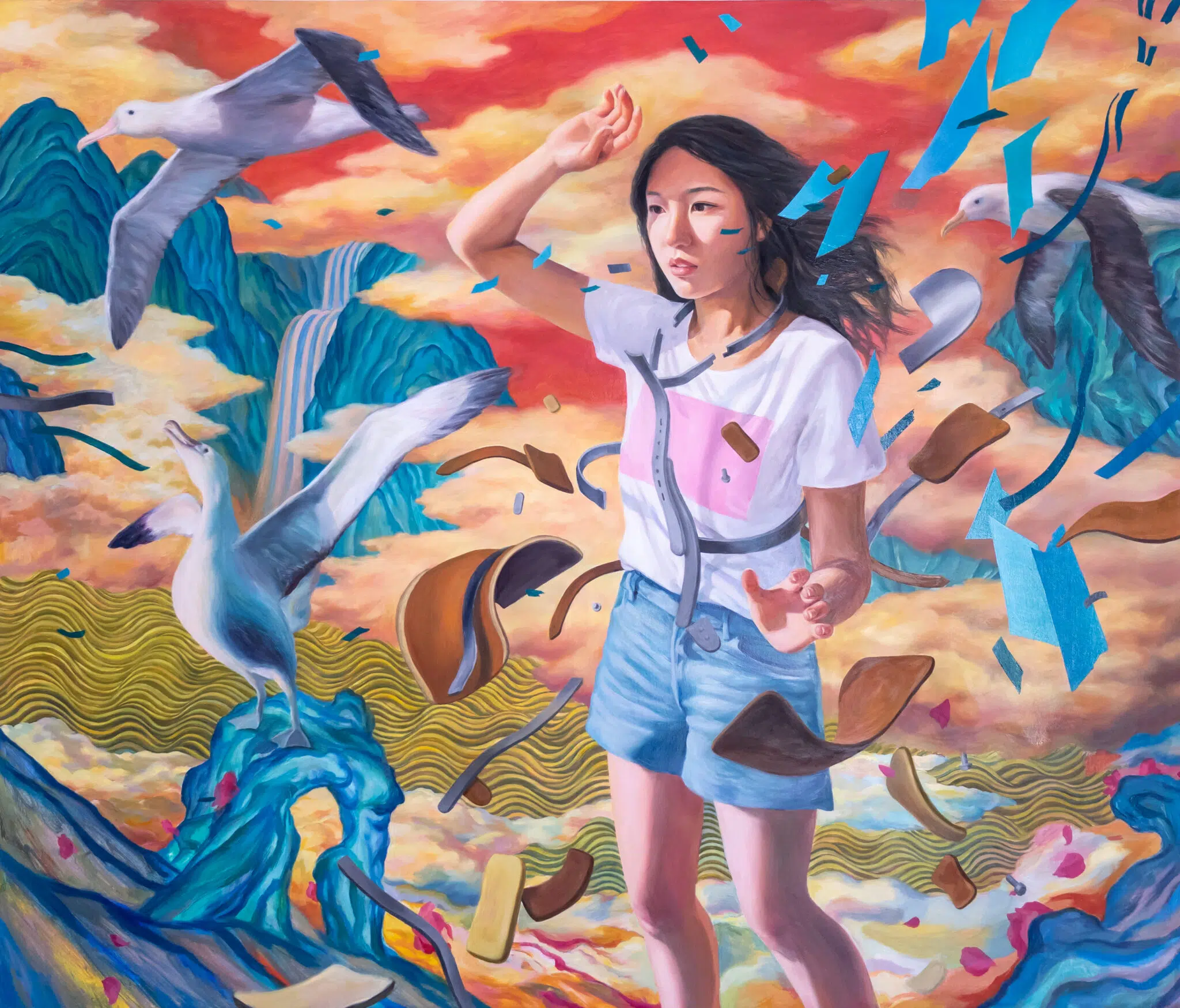
“Iwan”
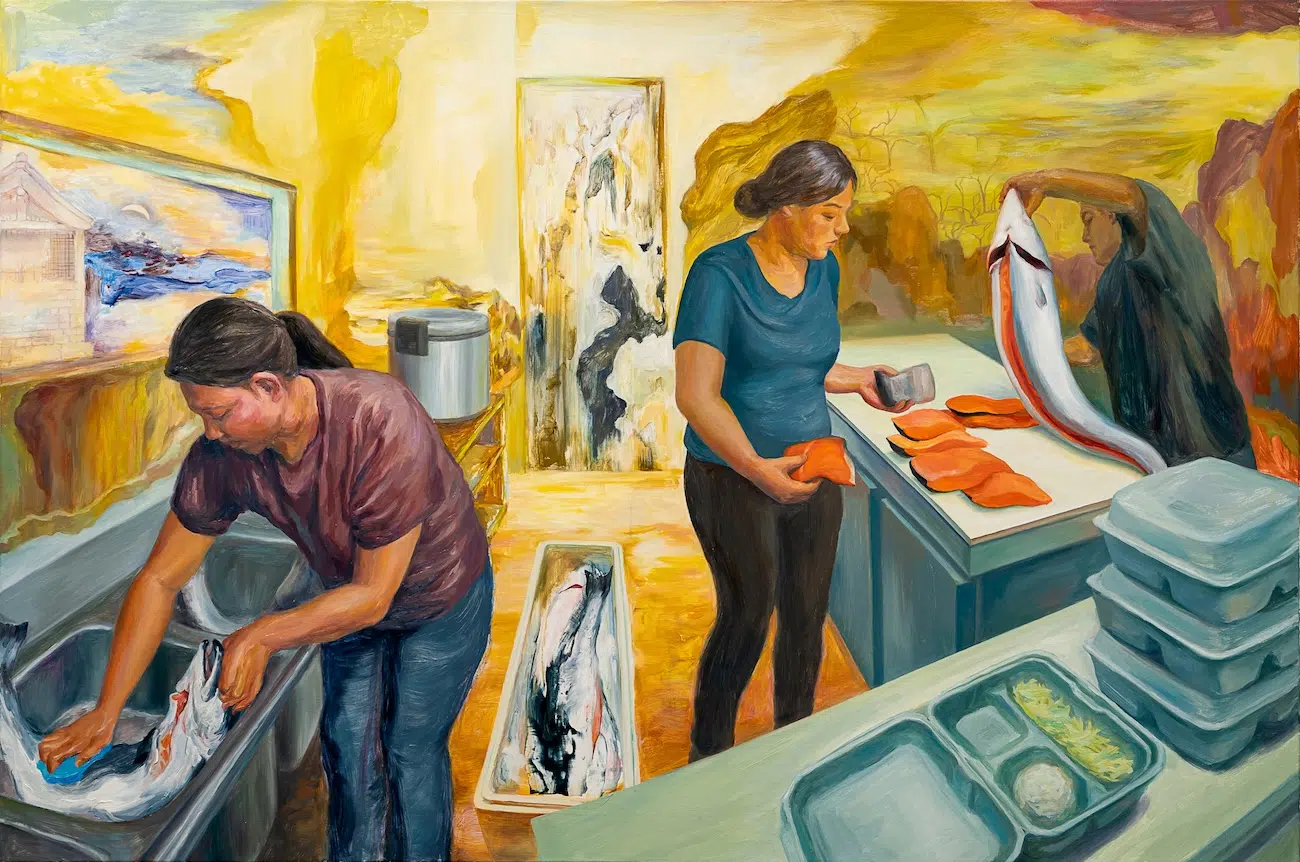
“From the Cracks”
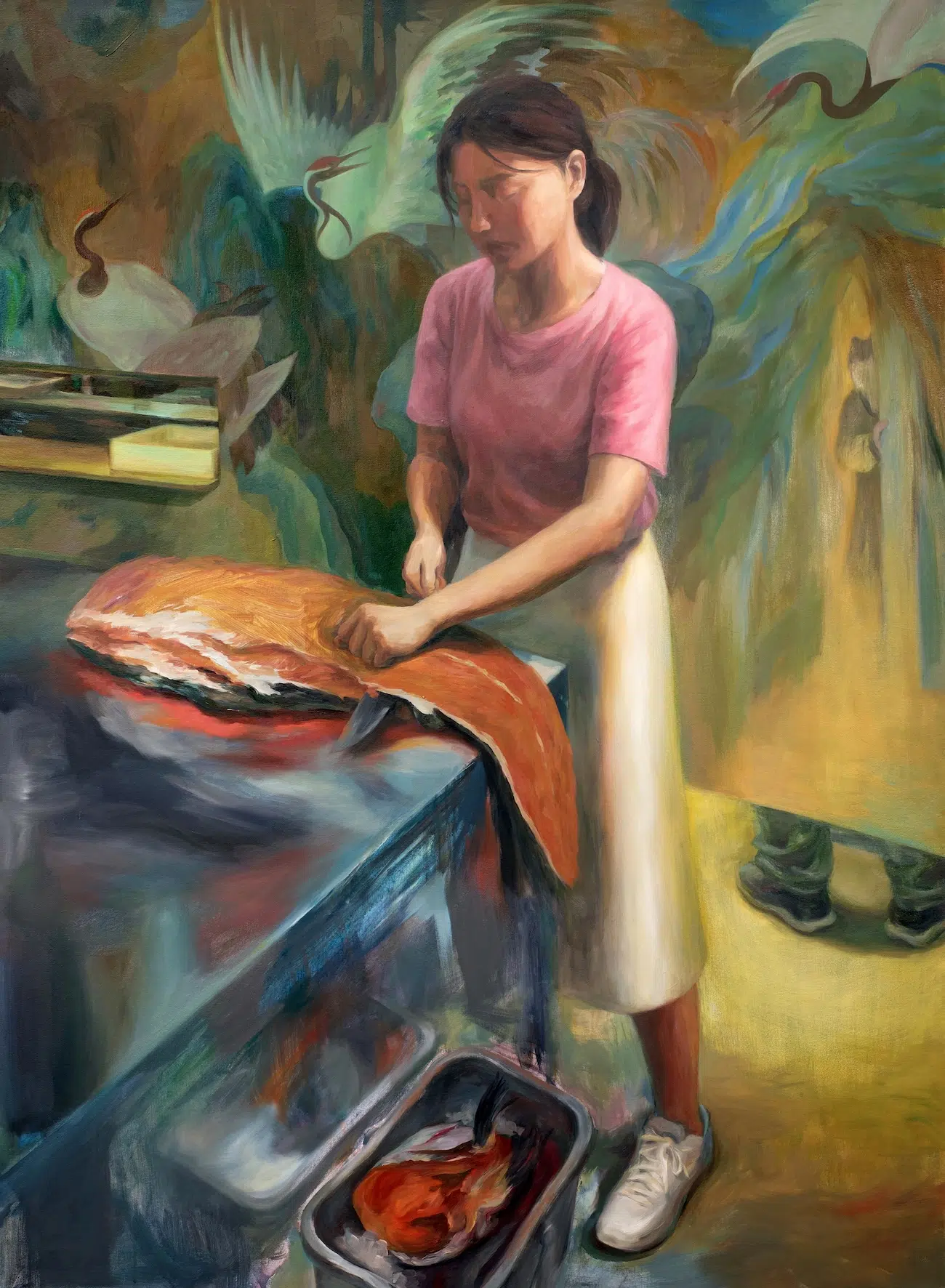
“Kata/카타 (カタ)”
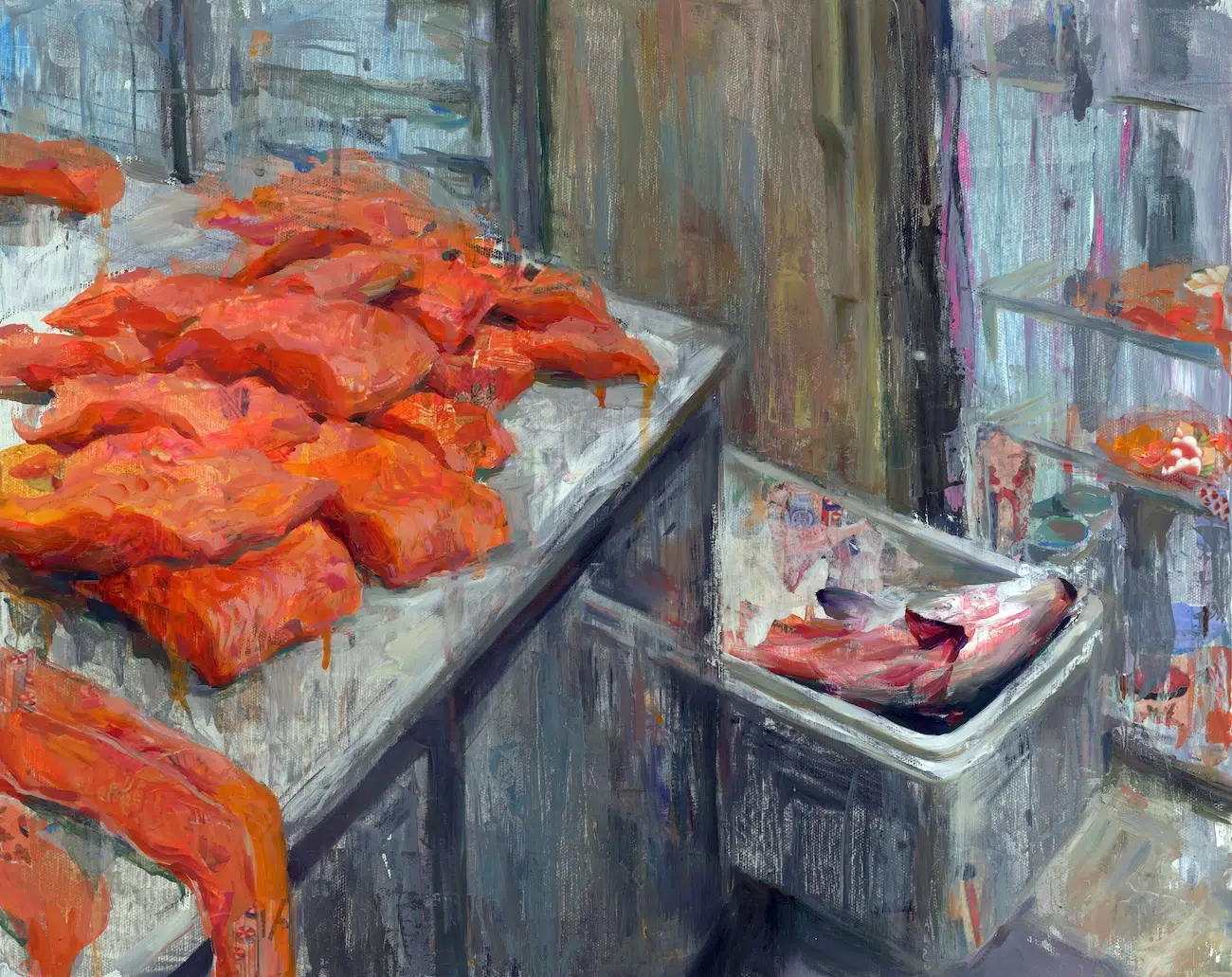
“Reiteration”
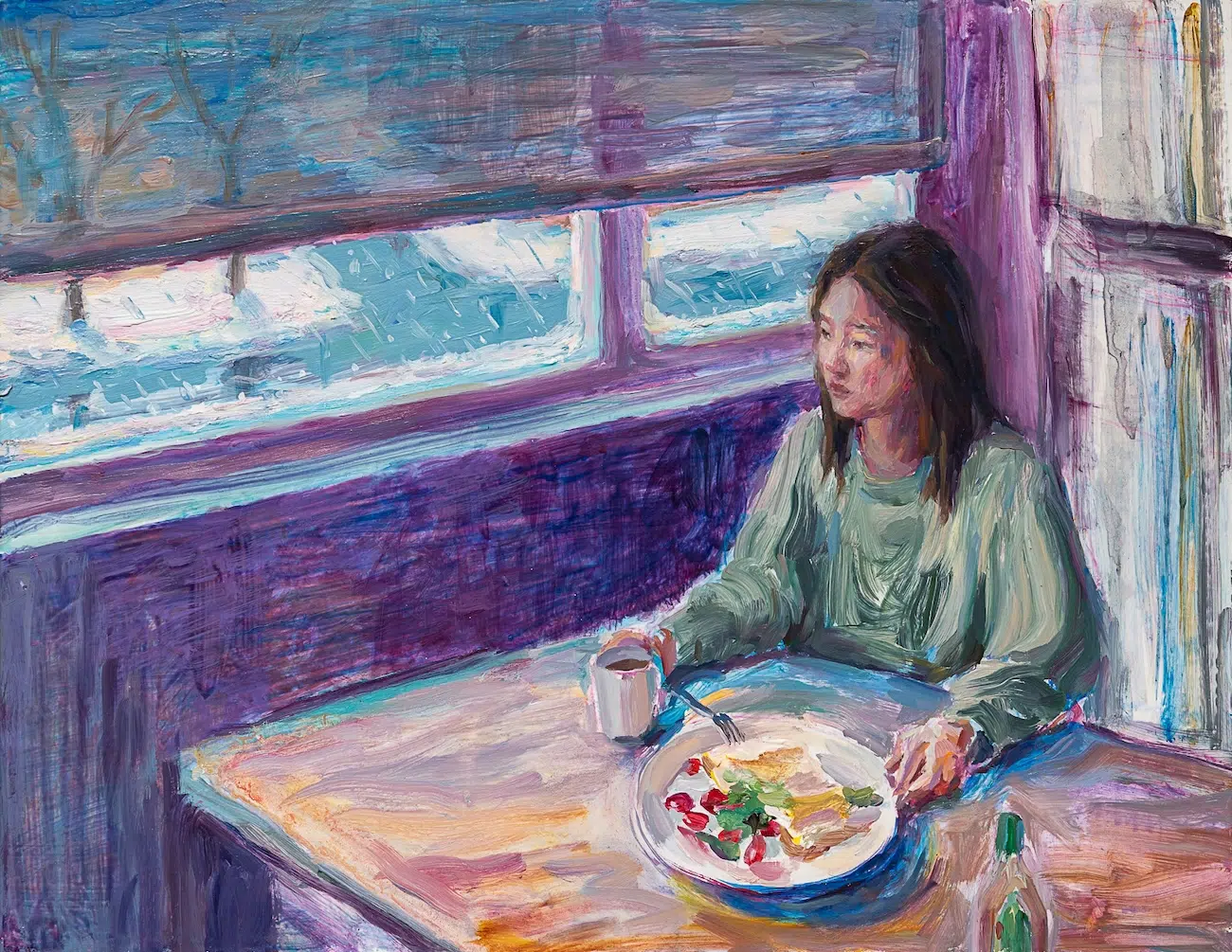
“Self Portrait”