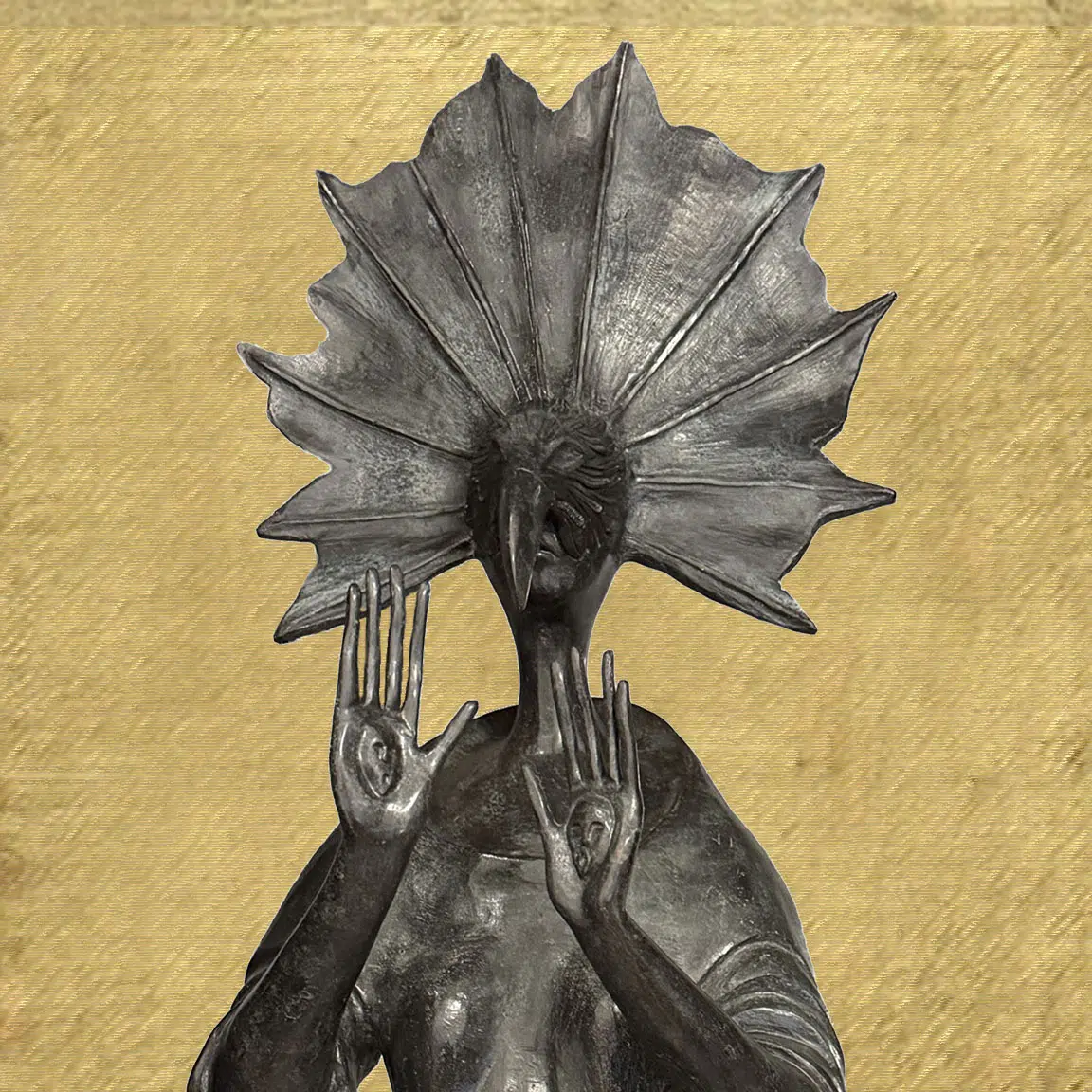
Detail, “The Palmist,” 2011. Lost-wax bronze casting. (Photo: Courtesy L’Space)
Leonora Carrington was primarily celebrated as a surrealist painter and novelist by the time she died in 2011 at the age of 94. But, as a new exhibition at New York’s L’Space Gallery reveals, the British-born artist was an equally adept sculptor. Across several bronze sculptures, intricate golden jewelry, and even an interactive tarot reading booth, the show, which is aptly titled Shape of Dreams, seeks to unveil a new dimension to Carrington’s practice.
Born in 1917, the same year that Guillaume Apollinaire coined the term “surrealism,” Carrington first gravitated toward sculpture when she was around 18 or 19. One of her first sculptural works was a concrete bench in the form of a horse’s head, created for her home in Ardèche in the south of France, where she lived with fellow surrealist artist Max Ernst. The piece hints at the stylistic ethos that she would come to develop throughout her career, and yet Carrington viewed sculpture as a more personal and intimate endeavor.
“She regarded many of [her sculptures] almost as talismans: protective objects imbued with symbolic and spiritual meaning, often intended for her domestic environment,” Fermín Llamazares, president of the Leonora Carrington Council, tells My Modern Met, adding that the artist would return to the medium intermittently at different points in her life.
Upon escaping to Mexico City during World War II, Carrington explored three-dimensionality with renewed vigor. She would often design theatrical sets and marionettes, conjuring fantastical environments that “extended her imaginative universe,” per Llamazares. Emerging later were her bronze sculptures, which she produced as part of a project developed with her sons. Aside from expanding her visual language, these works also served a practical purpose, presenting a natural evolution within the broader trajectory of her practice. Toward the end of her life, Llamazares explains, the artist’s eyesight had deteriorated and she suffered from severe arthritis, ultimately preventing her from painting with ease.
“The bronzes became a way for her family to support her continued creative production by translating her imagery into sculptural forms,” Llamazares continues. “The works allowed Carrington to remain artistically engaged while also helping to preserve and extend her legacy.”
That idea is at the heart of Shape of Dreams. Throughout the exhibition, we encounter a rare assortment of Carrington’s sculptures, the majority of which were crafted during her later years. Many works also resemble hybrid, if not entirely mythological, beings, ranging from a bird-like woman whose palms are engraved with faces to a crescent-headed figure peering down at a bowl resting in its lap. These sculptures radiate with a singular sense of magic, tugging at our subconscious with their bizarre mysticism.
“When I first encountered Carrington’s sculptures in Mexico nearly two years ago, I was struck by the feeling that her paintings had suddenly stepped into physical space,” Lili Almog, L’Space Gallery’s director, tells us. “The same dream figures, mystical creatures, and spiritual symbols that inhabit her canvases were now standing before me as living presences. It felt less like viewing sculpture and more like entering her subconscious world.”
That sensation undoubtedly informs Shape of Dreams. After all, Almog notes, the gallery hoped to make the works “feel animated, almost as if they had emerged directly from the artist’s inner visions into our present moment.” The effect certainly comes through, reminding us that Carrington’s inner world extended far beyond painting or literature. It also reached into physical, three-dimensional spaces, forcing us to contend with our own dreams, our spirituality, and, perhaps most of all, our imaginations, no matter how abstract.
“For Leonora, surrealism wasn’t just a mere artistic aesthetic or process,” Llamazares concludes. “It was more of a way of life, and she lived and breathed the surrealist ethos.”
Leonora Carrington: Shape of Dreams will be on view at L’Space Gallery in New York starting May 14 through July 25, 2026.
Throughout her life, Leonora Carrington was best known for her surrealist paintings and novels. A new exhibition reveals she was also an adept sculptor.
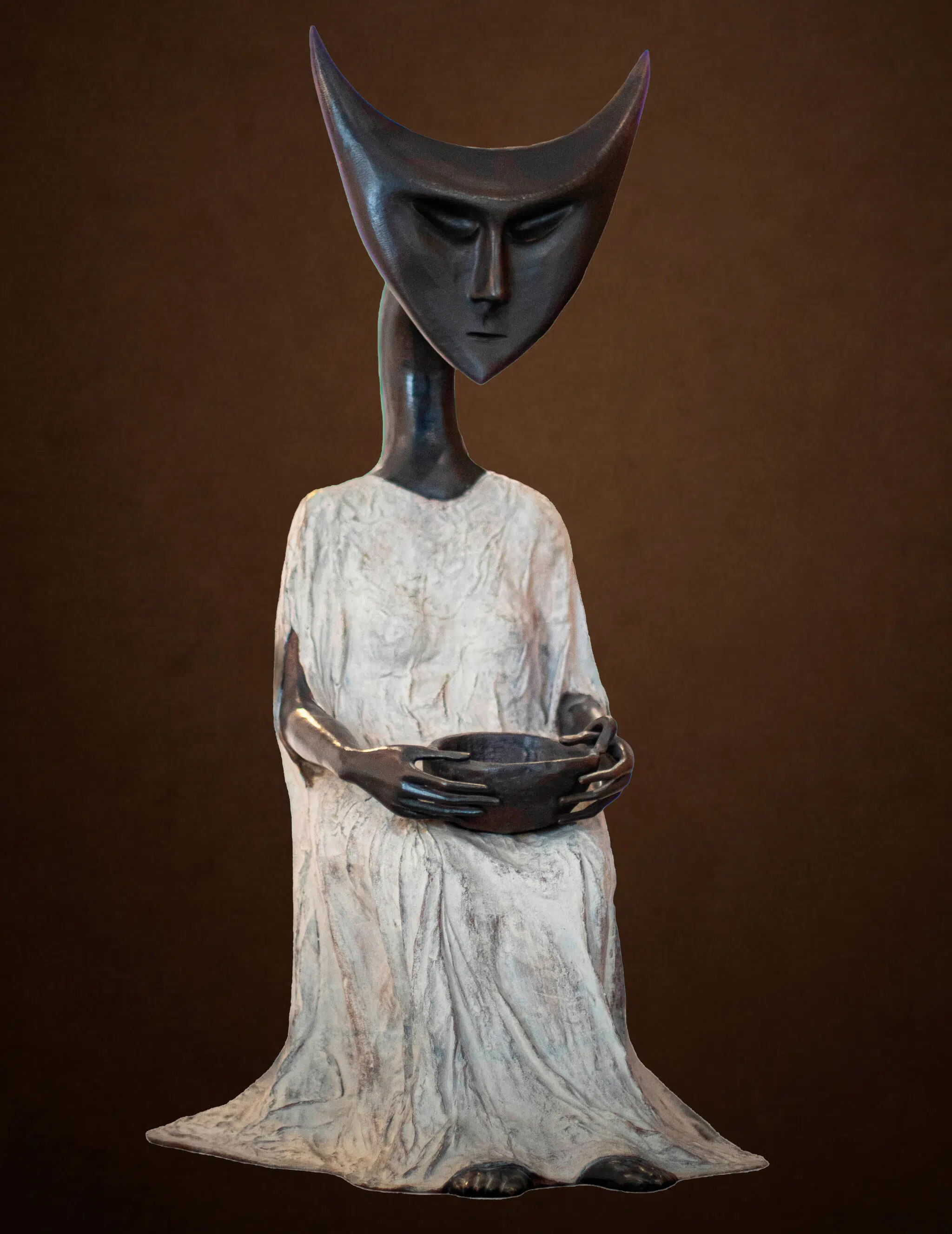
“The Inventor of Atole,” 2011. Lost-wax bronze casting. (Photo: Courtesy L’Space)
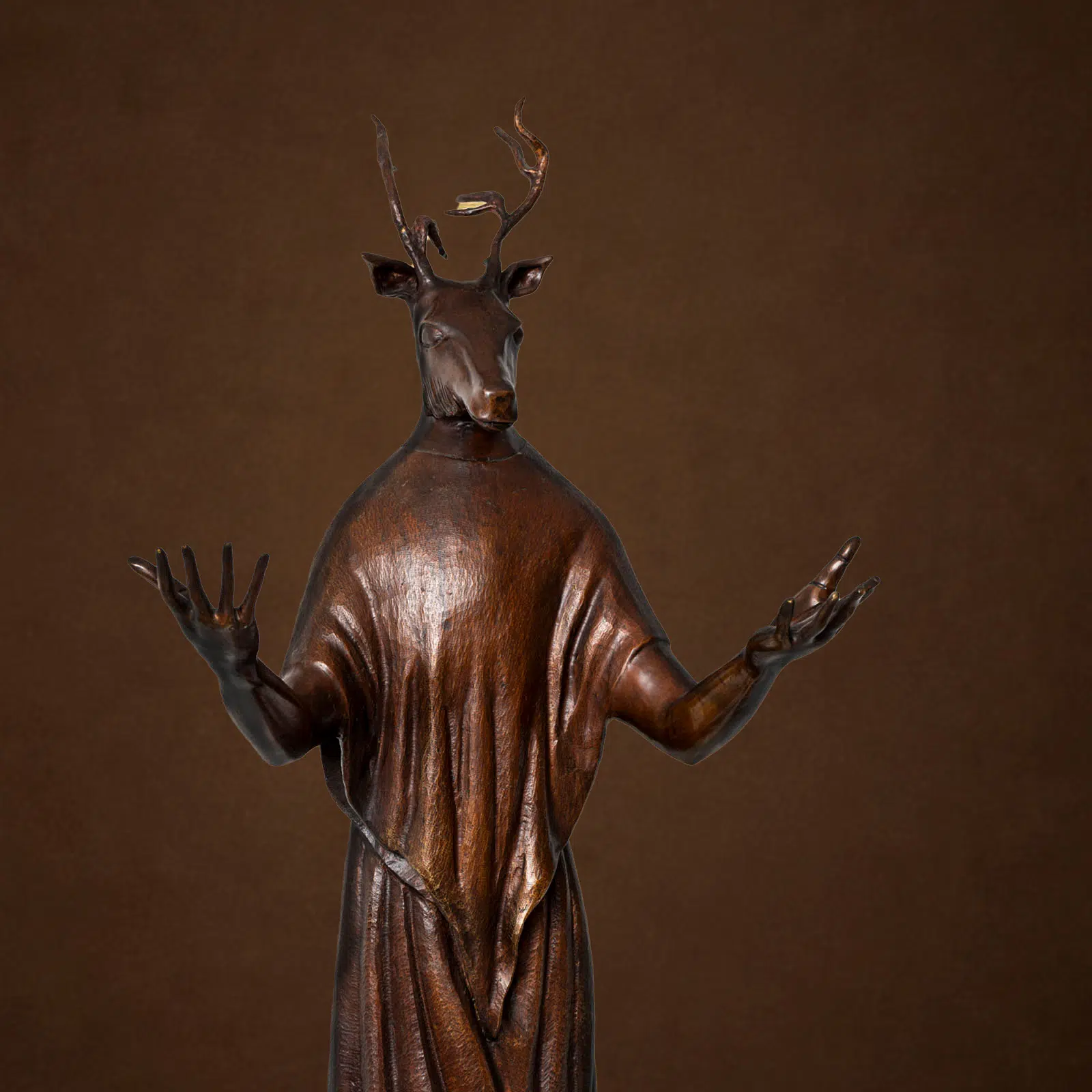
Detail, “Unknown,” 2010. Lost-wax bronze casting. (Photo: Courtesy L’Space)
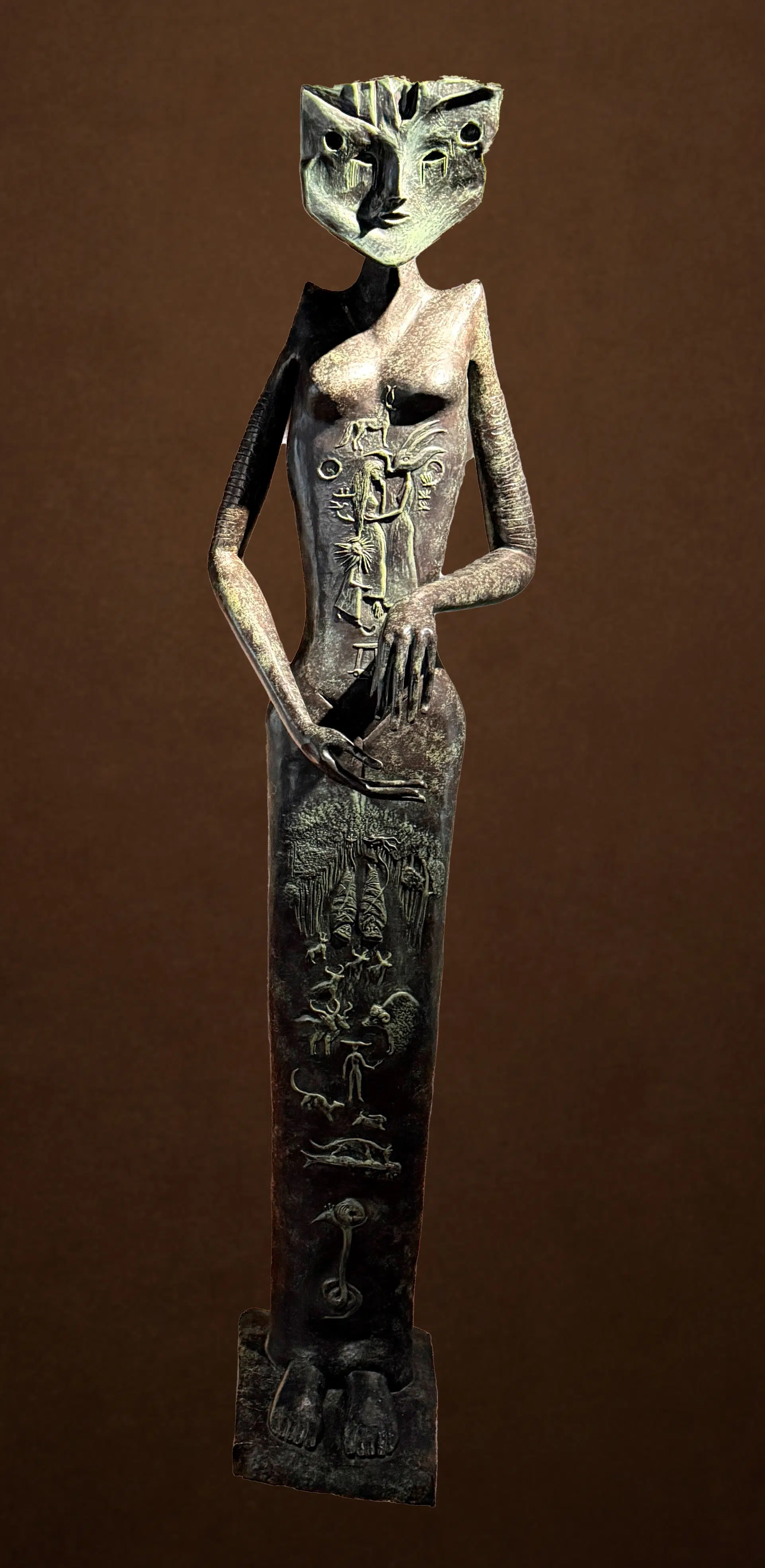
“Catwoman,” 2011. Lost-wax bronze casting. (Photo: Courtesy L’Space)
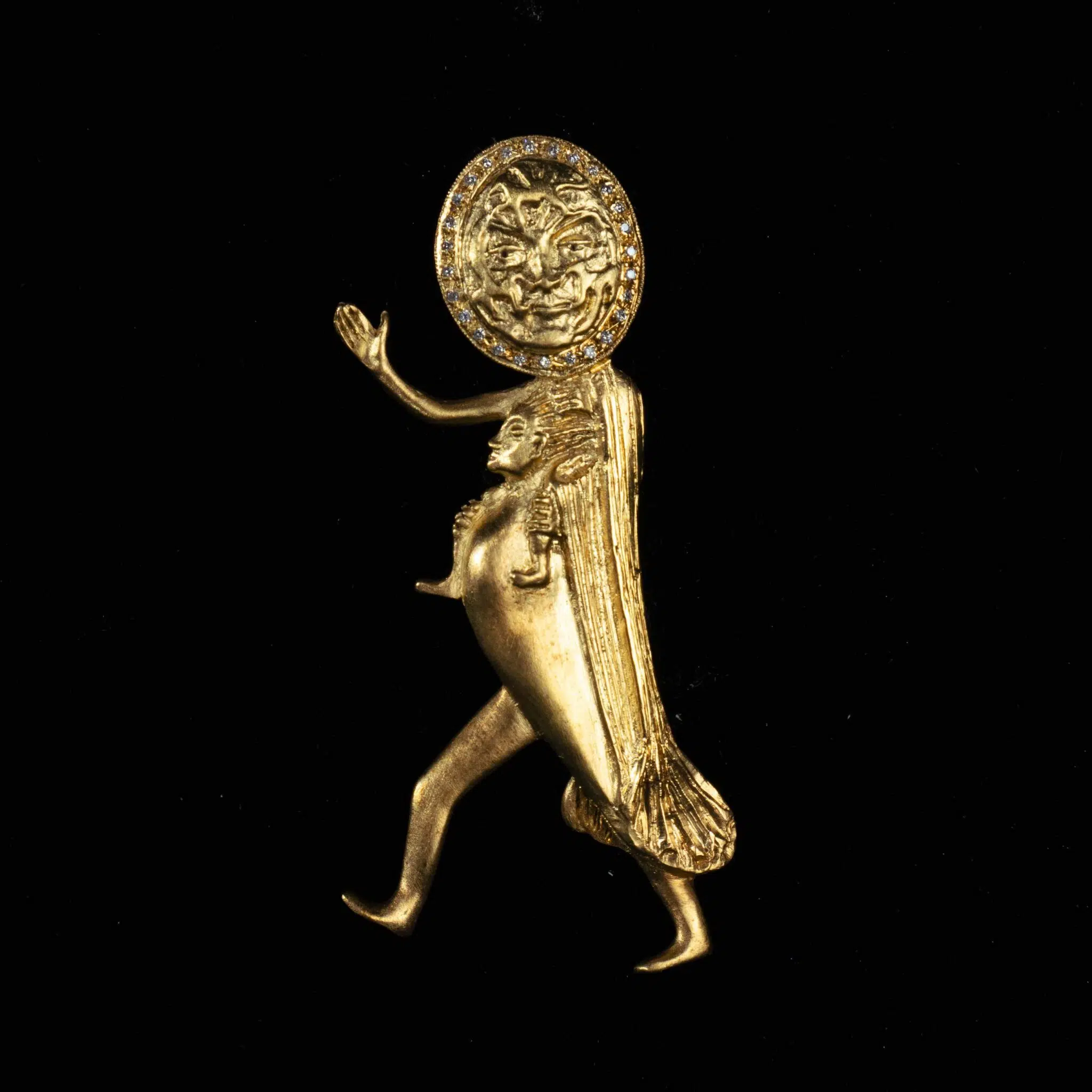
“Sol Negro.” 0.925 Sterling Silver, 24k Gold Plated, and gemstones. (Photo: Courtesy L’Space)
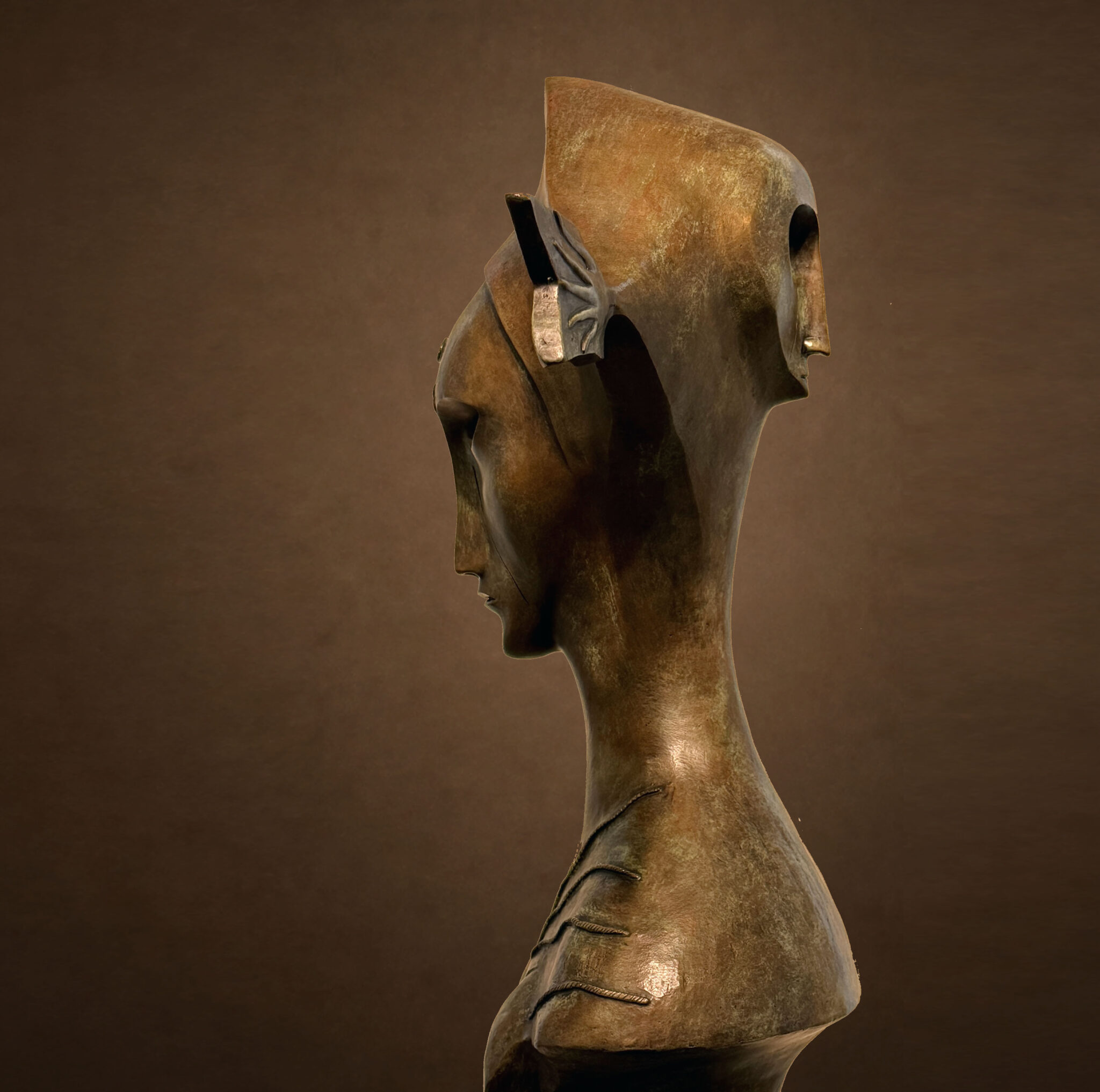
“Cantana Muda.” (Photo: Courtesy L’Space)
Now on view at L’Space Gallery in New York, Shape of Dreams presents a rare selection of Carrington’s sculptures, many of which are inspired by surrealism, mysticism, mythology, and hybridity.
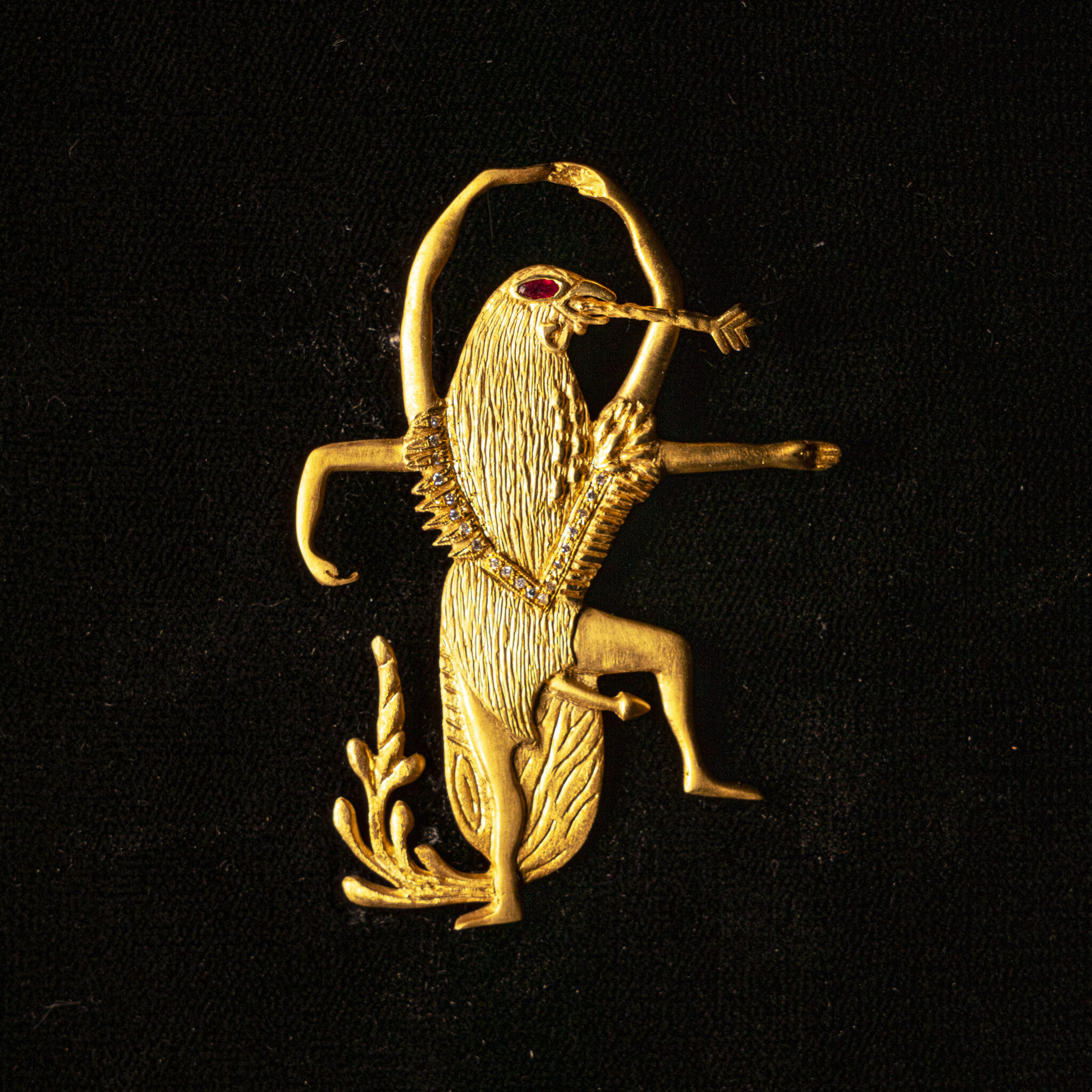
“Bailarin.” 0.925 Sterling Silver, 24k Gold Plated, and gemstones. (Photo: Courtesy L’Space)
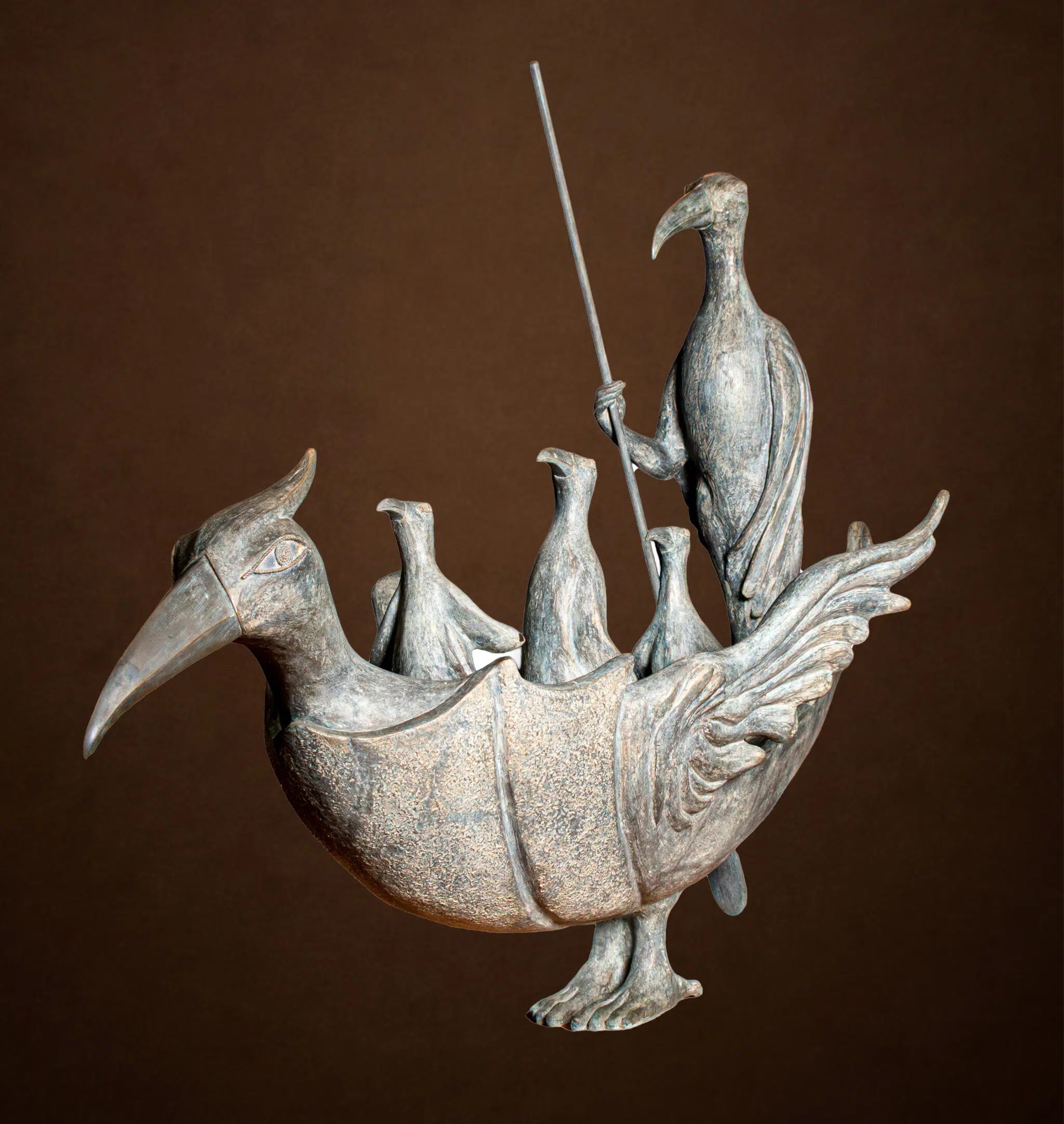
“The Ship of Cranes,” 2010. Lost-wax bronze casting. (Photo: Courtesy L’Space)
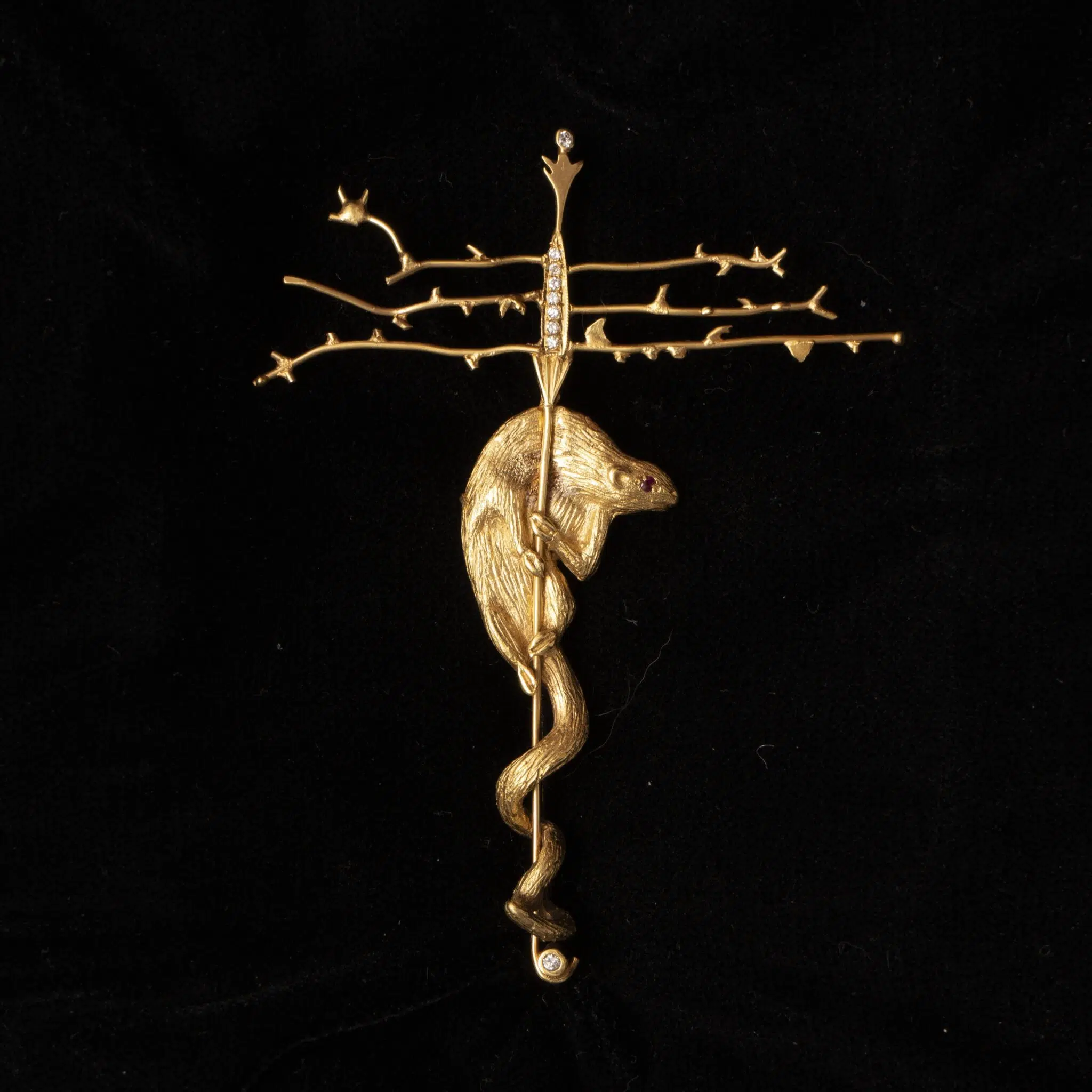
“Syssigy.” 18k gold, diamonds, and sapphires. (Photo: Courtesy L’Space)
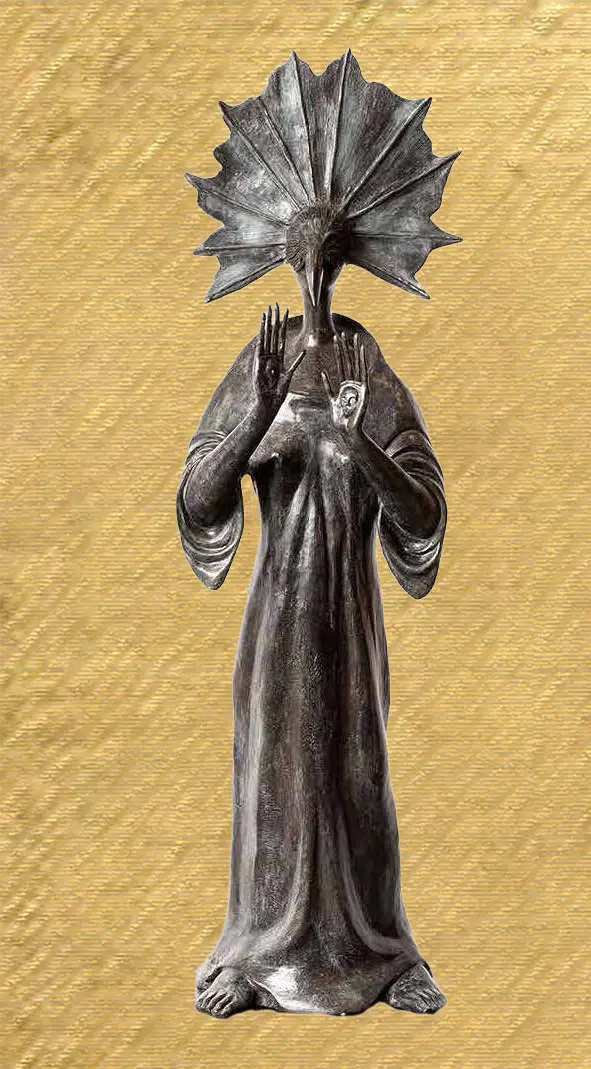
“The Palmist,” 2011. Lost-wax bronze casting. (Photo: Courtesy L’Space)
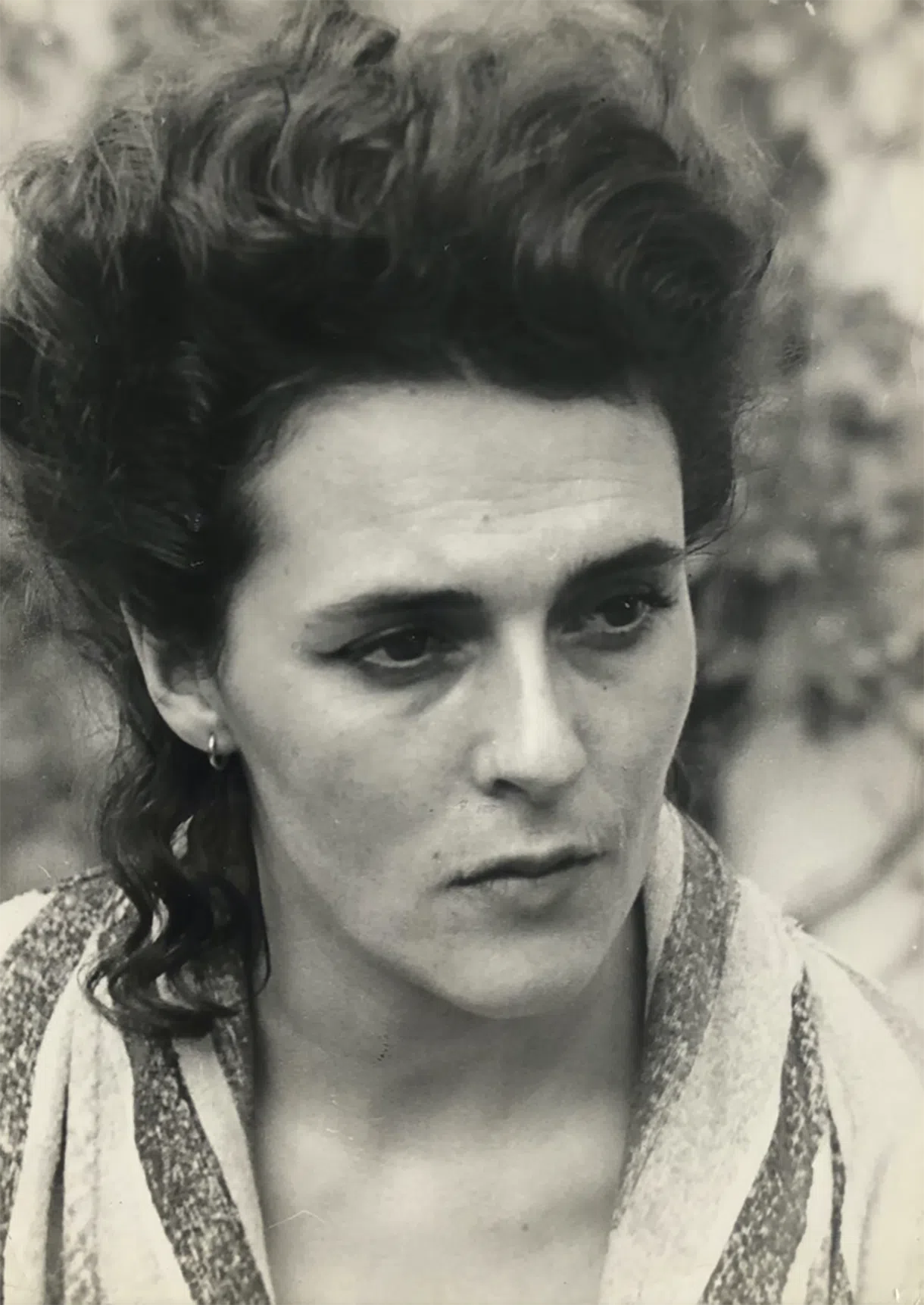
Portrait of Leonora Carrington. (Photo: Courtesy L’Space)
Exhibition Information:
Leonora Carrington
Shape of Dreams
May 14–July 25, 2026
L’Space Gallery
524 W 19th St., New York, NY 10011
L’Space Gallery: Website | Instagram
My Modern Met granted permission to feature photos by L’Space Gallery.
Related Articles:
Exhibition Dives Headfirst Into Water as a Source of Everyday Enchantment
New Exhibition Offers Portals Into the Past, Present, and Future of Blackness
U.S.’s First Comprehensive Exhibition on Renaissance Master Raphael Coming to NYC