February 5, 2020

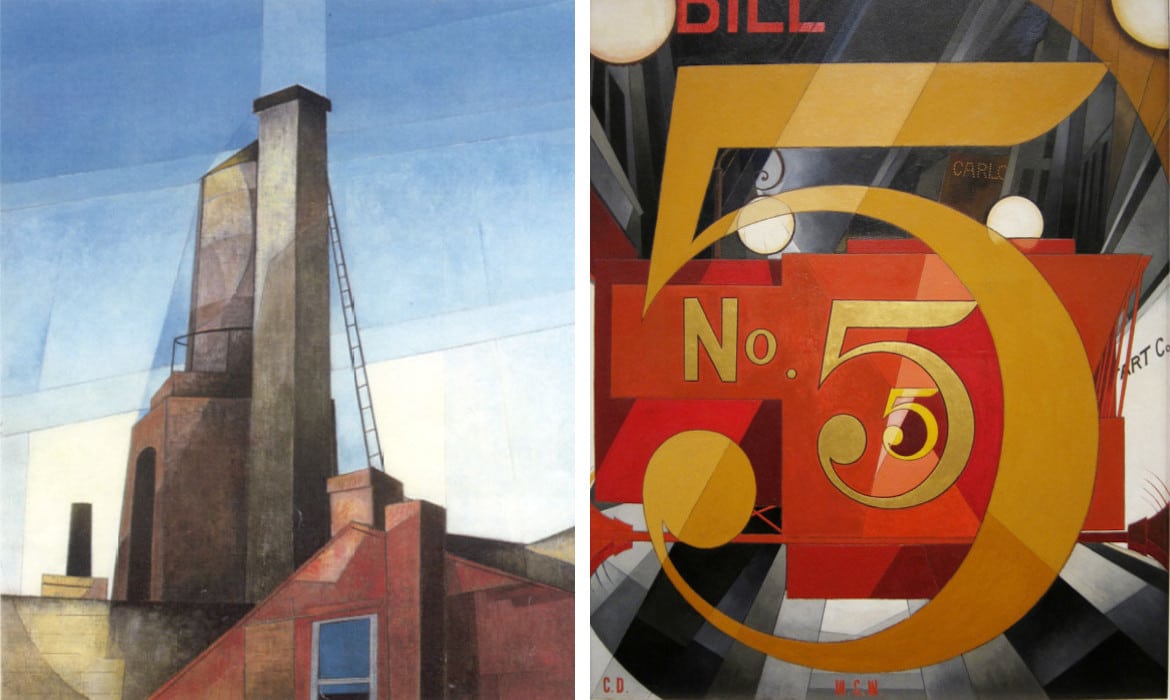
Precisionism: The Modern American Style Sparked by Industrialization

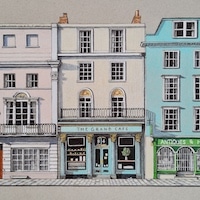
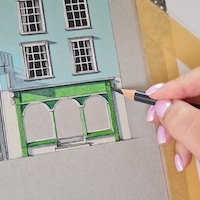
In the 1920s, forward-thinking artists began looking to the glitz and grit of industry for inspiration. This fascination with new technologies was particularly prevalent in the United States, where artists adapted international movements driven by industrialization, like Art Deco and Mexican Muralism. In addition to these borrowed practices, however, some artists worked in a style that was all-American: Precisionism. Though influenced by European sensibilities, Precisionism is indigenous to the United States.
Read Article


February 4, 2020

Pianist Comforts Blind Elephants in Thailand by Playing Classical Music for Them

When concert pianist Paul Barton moved from Britain to Thailand, little could he have expected where life would take him. Instead of playing for your typical classical music lovers, Barton's fans are a bit more unorthodox. Since 2011, he's been dragging his piano to a wildlife sanctuary for old and injured elephants. He spends his time playing everything from Bach to Beethoven for these gentle giants, many of which are blind.

Read Article


February 4, 2020

Land Artist Surprises Beach Goers By Leaving Striking Stone Arrangements Along the Coast

Land artist Jon Foreman finds comfort in arranging stones in eye-pleasing formations on the beach. His practice, which he calls Sculpt the World, showcases rocks fashioned into swirling patterns as well as giant circles containing an array of rainbow-esque hues. “This process is therapy to me,” Foreman tells My Modern Met. “The simple act of placing stone upon stone in the sand is very therapeutic.

Read Article


February 3, 2020

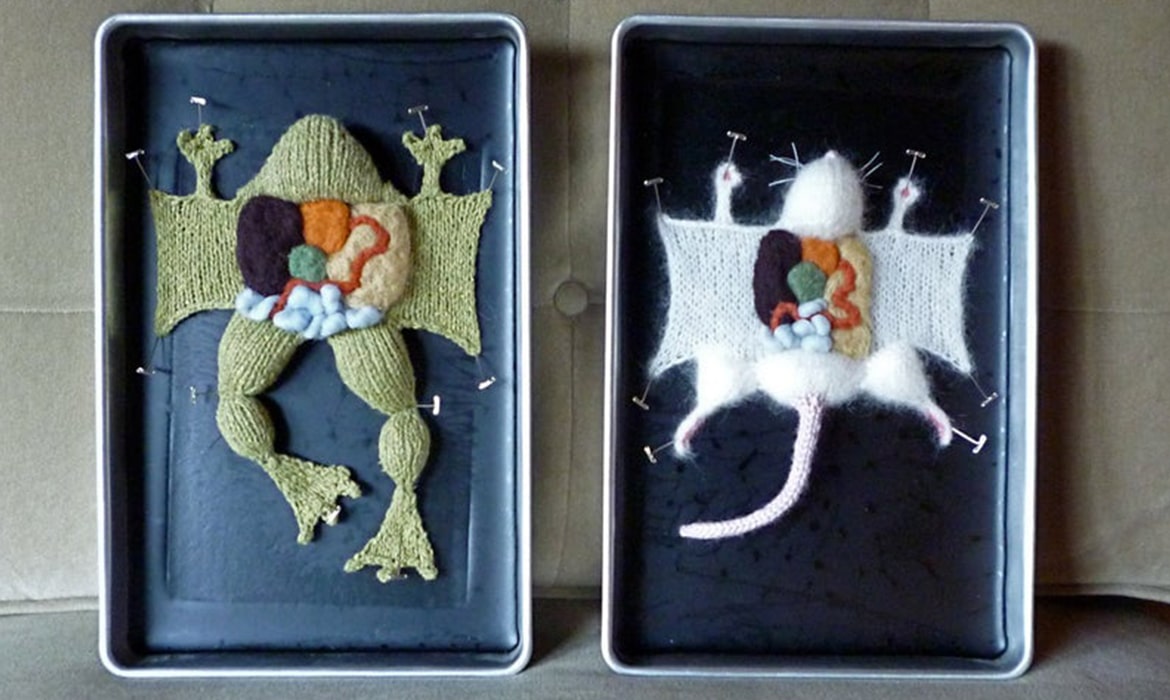
Knitted Animal Dissections Turn Squeamish Scenes Into Cute Cruelty-Free Displays

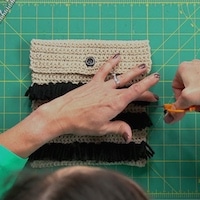
Each year, hundreds of animals are dissected in school biology classes in order to analyze the structure and function of their innards. If you’re an animal lover, you might remember fearing the grim, unethical experience and ultimately being put off a career in science. However, textile artist Emily Stoneking (of aKNITomy) shows that learning about anatomy doesn’t have to be all blood and guts.

Read Article