November 2, 2018

The Cosmic Cool NASA x Vans “Space Voyager Collection” Has Just Landed

To celebrate six decades of space exploration and discovery, skatewear fashion brand Vans has just launched a stellar collection of footwear and apparel inspired by NASA’s original space suits. The Vans Space Voyager Collection allows aspiring astronauts of all ages to show their love of space in style. The cosmic collection includes eight footwear iterations on Van’s classic skate models, including the Sk8-Hi and Old Skool.
Read Article


November 1, 2018

Interview: Photographer Captures Powerful Portraits of Marginalized Children in Bangladesh

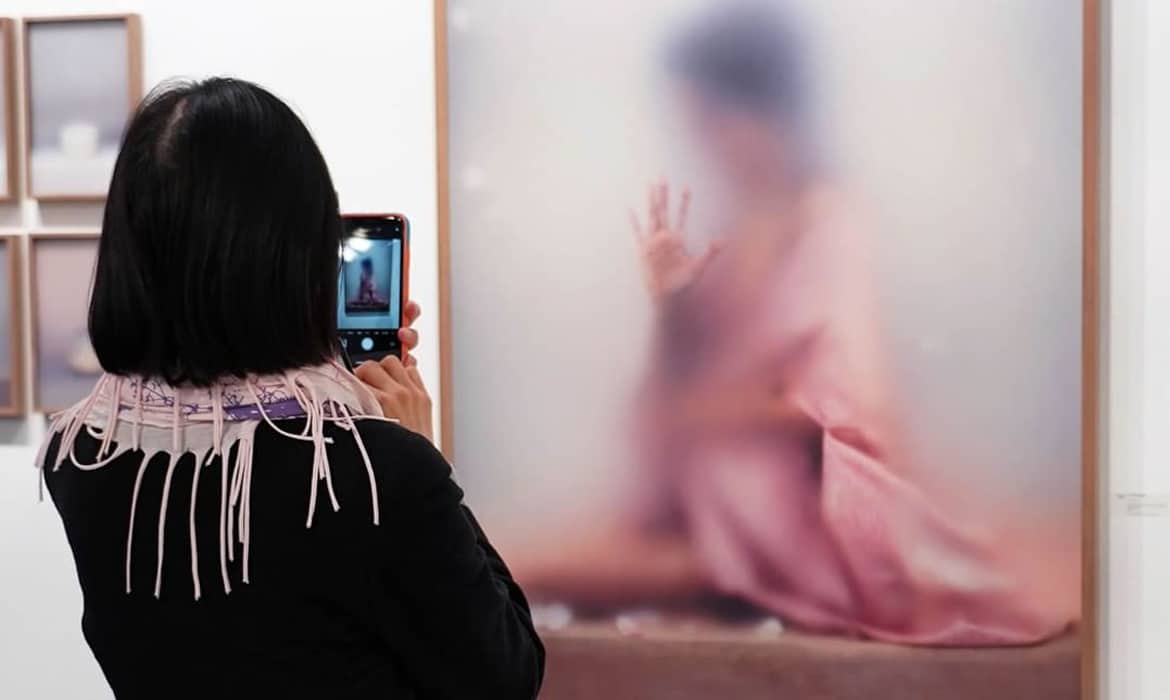
Bangladeshi photographer Mou Aysha is using her skills to spotlight the plight of street children in her country. Through moving portraits of children in Dhaka and the Bangladeshi countryside, Aysha gives a voice to those who are often unheard. Aysha, who views her photography as a humanitarian way to enact change, has cultivated a strong following on Instagram, with over 31,000 supporters.

Read Article


October 31, 2018

People in Japan Dressed Up as Famous Paintings for a Halloween Parade

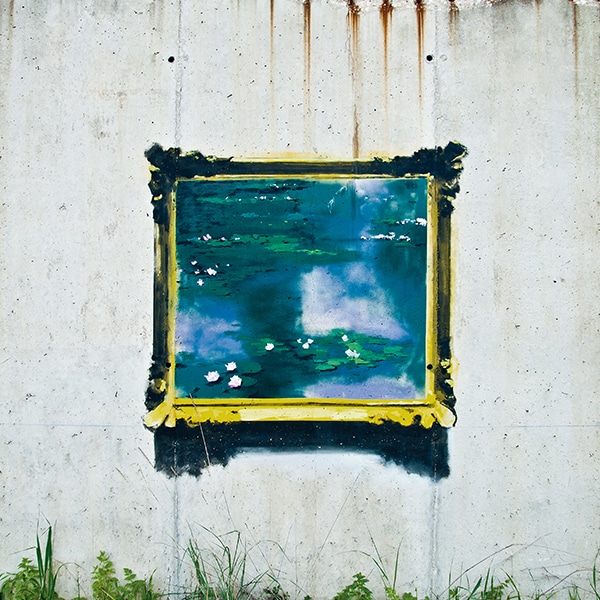
Sunday October 28, 2018 marked the 22nd annual Halloween parade in the city of Kawasaki in the prefecture Kanagawa, Japan. Around 2,000 people in costume marched the streets along with 120,000 excited spectators. Among ghosts, vampires, skeletons, and other cosplay creations, a group of art-loving participants dressed as famous paintings, bringing some of the world’s most famous art history masterpieces to life.

Read Article


October 29, 2018

Wabi-Sabi: The Japanese Art of Finding Beauty in Imperfect Ceramics

While the Western world often favors perfection, traditional Japanese culture celebrates the beauty of transience and imperfection—best encapsulated in a term known as wabi-sabi. This expression is intimately tied to Buddhism (specifically Zen) and derived from the Three Marks of Existence (or sanbōin)—the Buddhist teaching that all things have “impermanence” (mujō), “suffering” or damage (ku), and “non-self” (kū). Therefore, items exhibiting wabi-sabi are seen to be more beautiful with age.

Read Article