May 10, 2018

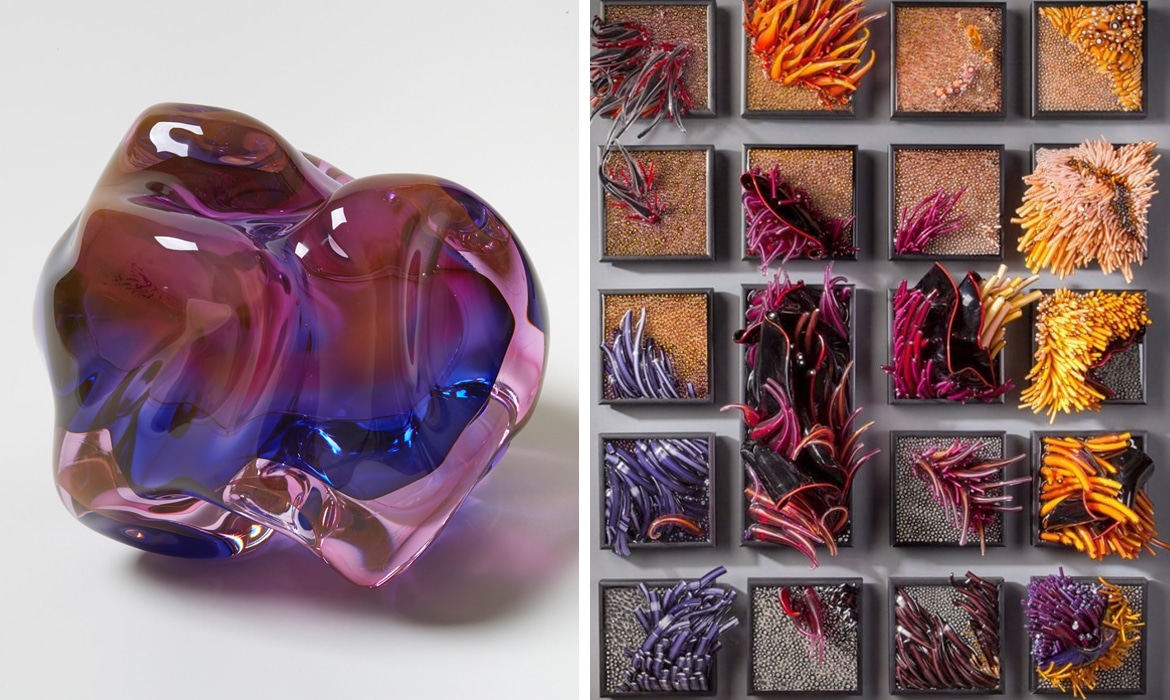
8 Contemporary Glass Artists Who Shatter the Boundaries of the Craft

We’re so familiar with glass being used for everyday objects, it’s sometimes hard to believe that the same brittle material can be sculpted and molded into incredible works of art. Glass was first developed as a decorative material by ancient Egyptians, who used it to create trinkets and colored beads for jewelry. The material was then adopted by the Romans who used it to create glass vessels and mosaics from the 1st century onwards.


Read Article


May 10, 2018

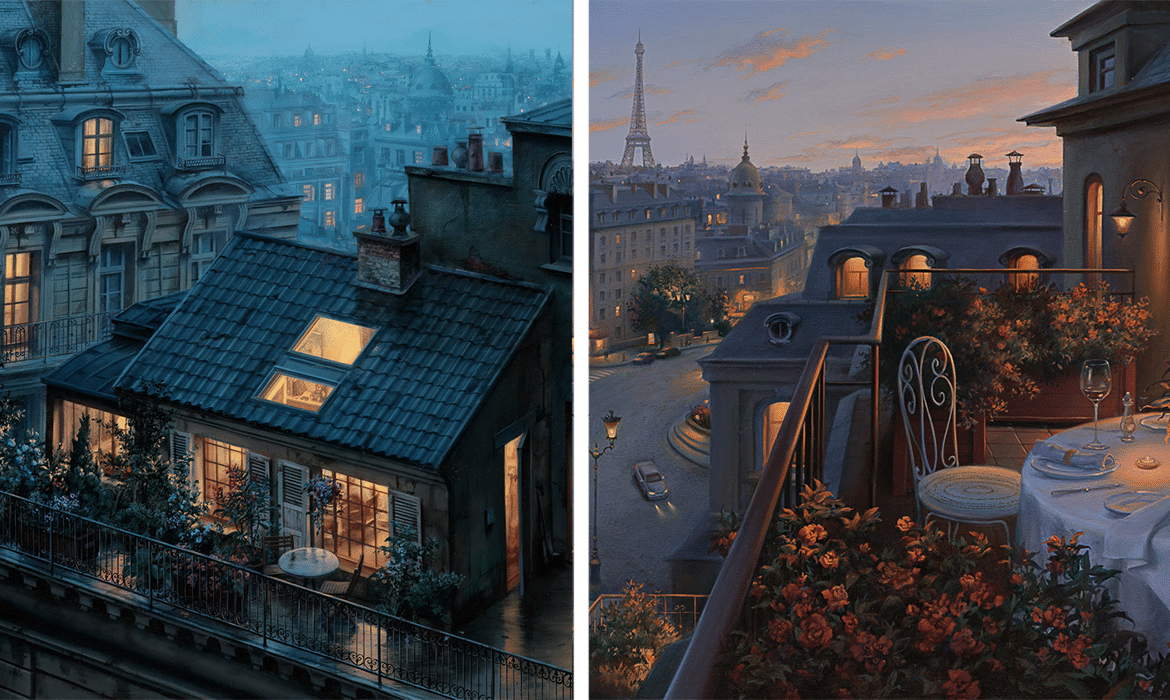
Enchanting Paintings Capture the Twinkling Rooftops of Paris at Twilight

Russian artist Evgeny Lushpin is renowned for the “power and light” of his enchanting paintings. Featuring famous cities and tiny towns alike, his body of work showcases the diverse beauty of locations all around the world. In one particularly sparkly series, Lushpin presents sentimental views of Paris, capturing the effortless allure of the “city of light.” Lushpin explores a range of intimate settings in his Paris paintings, from romantic rooftops to quiet streets.
Read Article


May 8, 2018

Early Highlights of “People” in the 2018 National Geographic Travel Photographer of the Year Contest

The 2018 National Geographic Travel Photographer of the Year Contest is in full swing, with submissions pouring in from international travel photographers. Five weeks into the submission period and it's clear that it will be no easy task for the jury of experts to declare a winner. And a new selection of favorites from the People category is a fascinating look at how people live around the world.

Read Article


May 7, 2018

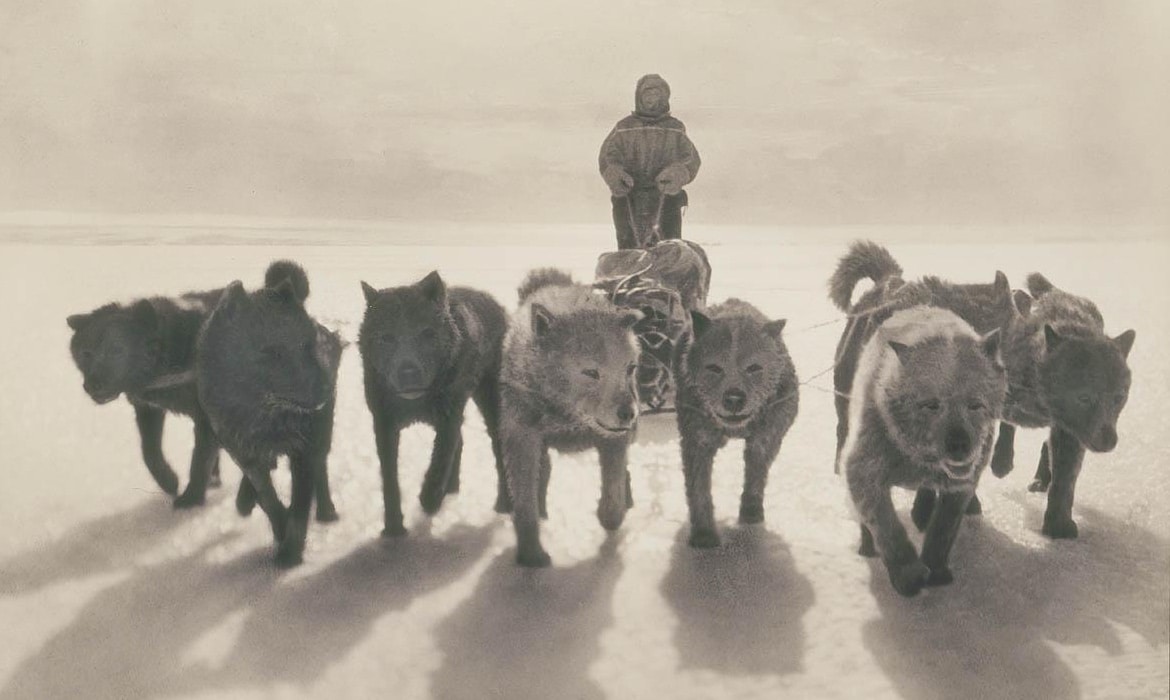
Rare Photos of the First Australasian Expedition to Antarctica in 1911

In 1911, a group of scientists and adventurers set off on the Australasian Antarctic Expedition, which covered previously unexplored areas of Antarctica. Led by Dr. Douglas Mawson—a geologist, explorer, and academic—the voyage produced a wealth of scientific information and aided in mapping the area. The journey was meant to chart the 2,000-mile coastline of Antarctica that lay south of Australia and lasted until 1914.

Read Article