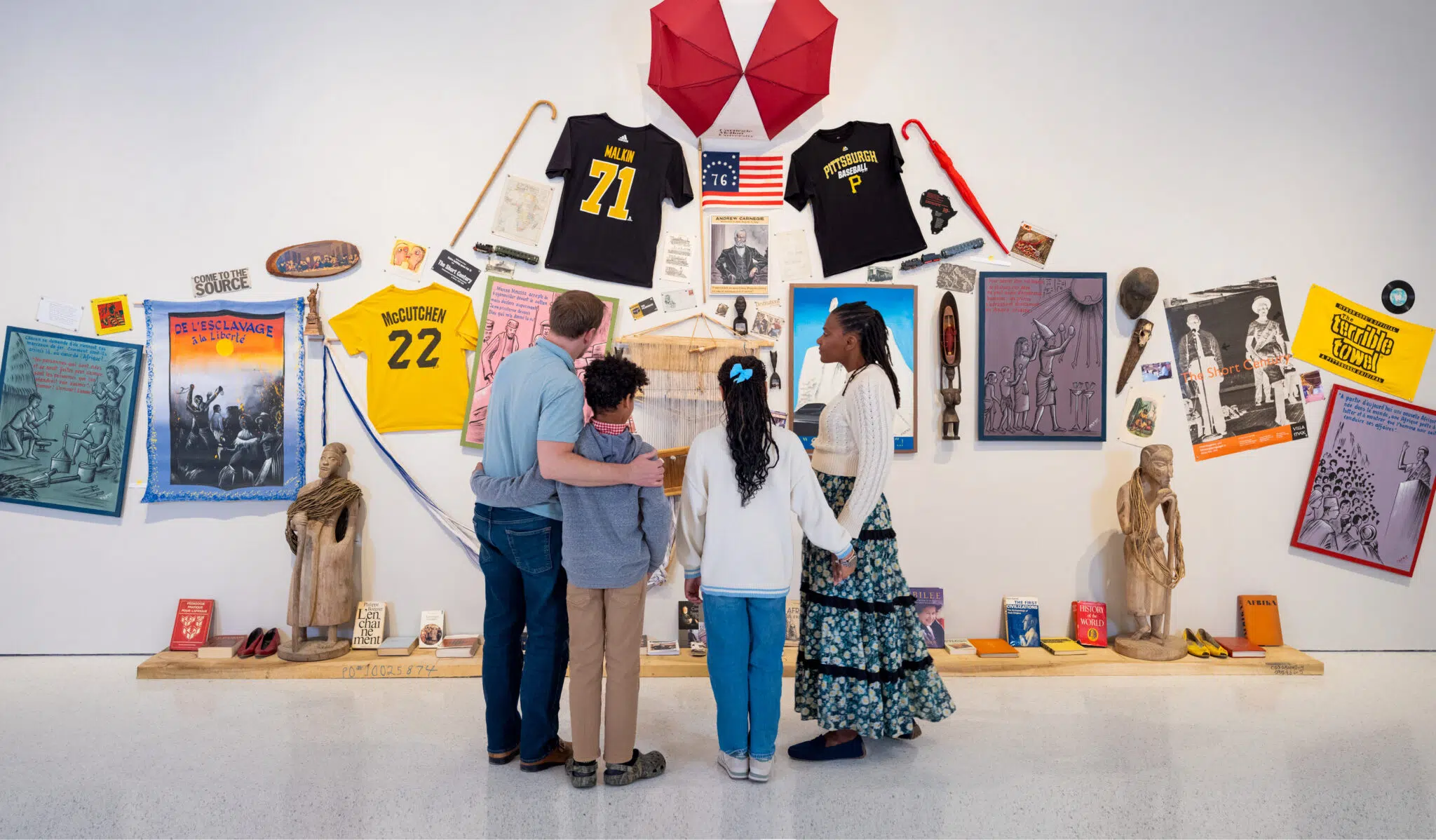
Installation view of Georges Adéagbo, “Le Socialism Africain,” 2001–04, featured in “If the word we,” the 59th Carnegie International at the Carnegie Museum of Art, Pittsburgh. (Photo: Zachary Riggleman)
In 1895, Andrew Carnegie set out to make Pittsburgh “famous for art as it is now for steel.” His solution, which arrived a year later in 1896, was an ingenious—and enduring—one: the Carnegie International. Staged every four years at the Carnegie Museum of Art, the exhibition has become North America’s longest-running showcase of international art, offering a kaleidoscopic glimpse into creative practices around the world. Perhaps unsurprisingly, the 59th edition of the Carnegie International is no exception.
Titled If the word we, this year’s exhibition gathers some 61 artists and collectives from across the globe, spanning countries like Brazil, Benin, China, Indonesia, Lebanon, Peru, Taiwan, and South Africa, among many others. Together, the featured artists consider “we” as their thematic scope, complicating the first-person plural as an “open and evolving proposition,” according to the museum. That sense of porousness complements the exhibition’s various media, which range from painting, photography, and sculpture to installation, video, and theater. Subject matter is equally expansive, largely attending to what the museum describes as “experience, circulation, and worlds in transition.”
Notably, the 59th edition encompasses nearly 40 newly commissioned projects, the largest number in the International’s history. Per Eric Crosby, the director of the Carnegie Museum of Art, these works have allowed “artists to test ideas, develop new languages, and work across disciplines and contexts,” ultimately supporting “artistic experimentation” and “new forms of public engagement.” Indeed, several pieces included in the exhibition challenge expectations of art as a static and largely solitary pursuit, with performances leading the charge. Interdisciplinary artist Jonathan González, for instance, will premiere The Strikebreakers at the museum’s Grand Staircase later this summer, in which movement, sound, and image coalesce to explore Blackness, memory, geography, and embodiment. Brooke O’Harra, on the other hand, will present Be Holding, a large-scale performance reimagining Ross Gay’s long poem of the same name and produced in collaboration with the poet, composer Tyshawn Sorey, and Yarn/Wire.
Other works unfold in similarly dynamic ways. Georges Adágbo’s Le Socialism Africain may exemplify this best, in that it both invites close inspection and various interpretations. As with much of his work, the installation once again compiles discarded items that the artist discovers while out on walks in Cotonou, including an umbrella, t-shirts, shoes, and books, alongside acquired objects and works he himself commissions. These items all bear different origins and histories, and yet their seeming banality reveals something more specific. In juxtaposing objects from pop culture, historical scholarship, and even his personal life, Adágbo unearths how Western power and remnants of the colonial era continue to resurface throughout Africa.
“The Carnegie International gives the museum the potential to transform itself against the background of American industry and history through collaboration with international curators, artists, and partners who engage with the museum,” Crosby has said of the exhibition. “We invite their perspectives to activate the museum as a site for civic and social engagement, connecting our experiences to a larger whole.”
The 59th edition clearly upholds that sentiment. This year, the International will extend beyond the Carnegie Museum of Art itself, with works featured at four partner institutions, including the Children’s Museum of Pittsburgh, Kamin Science Center, and Mattress Factory. The curatorial team also maintained deep connections with local and global partners, each of whom offered creative input and insight.
“This International emerged through sustained relationships rather than a single curatorial framework,” curators Ryan Inouye, Danielle A. Jackson, and Liz Park remarked. “Projects developed through extended exchanges with artists, writers, and collaborators allow works to evolve in response to specific sites, contexts, and forms of knowledge. This process shaped an exhibition attentive to how ideas move across place, disciplines, and histories as they take form in the present.”
If the word we is currently on view at the Carnegie Museum of Art through January 3, 2027. To learn more and plan your own visit, check out the museum’s website.
Staged every four years at the Carnegie Museum of Art, the Carnegie International has returned to Pittsburgh for its 59th edition.
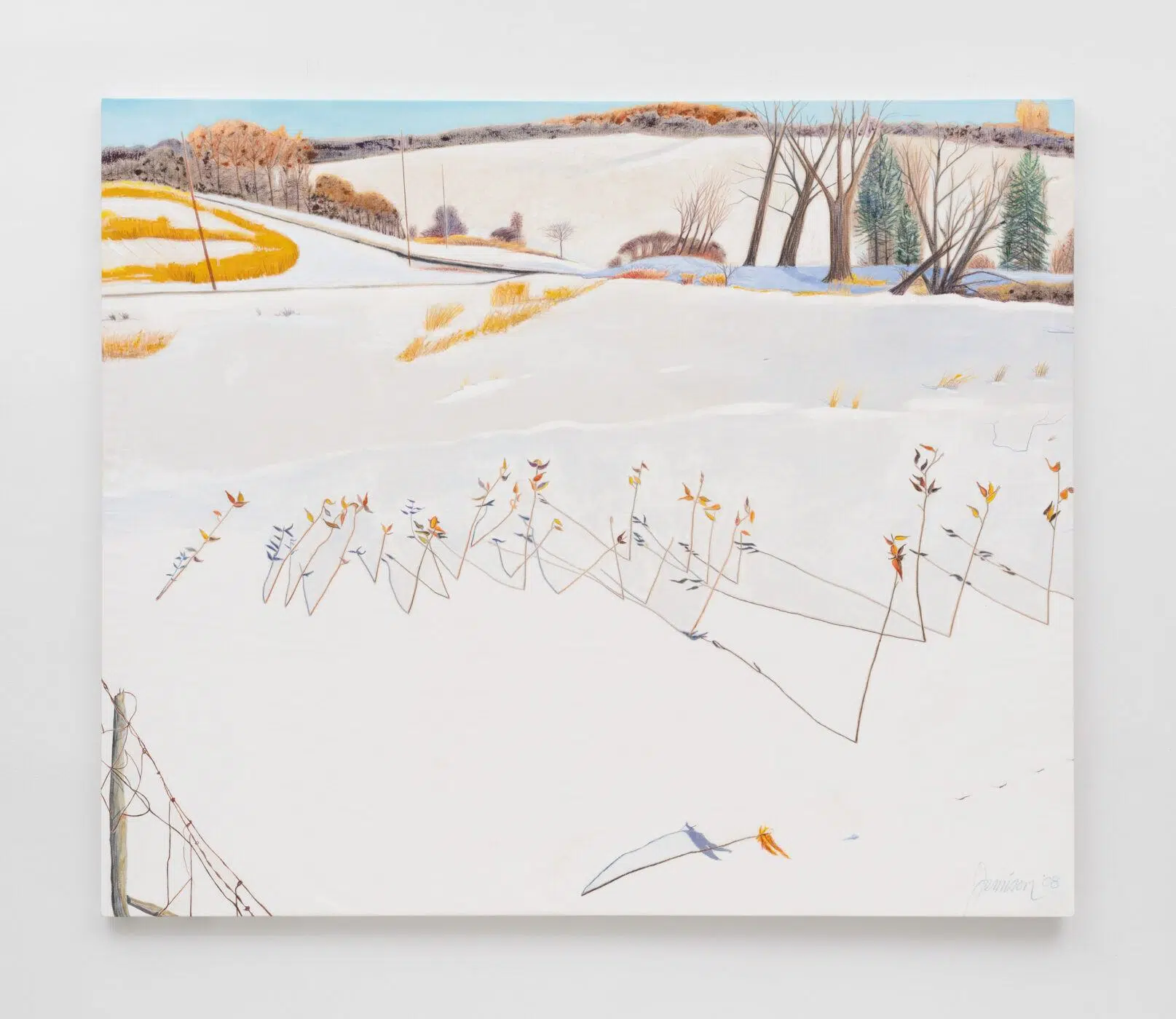
G. Peter Jemison, “Wenitsyoh II,” 2008. Acrylic on canvas. (Photo: Joerg Lohse, courtesy the artist and 47 Canal, New York)
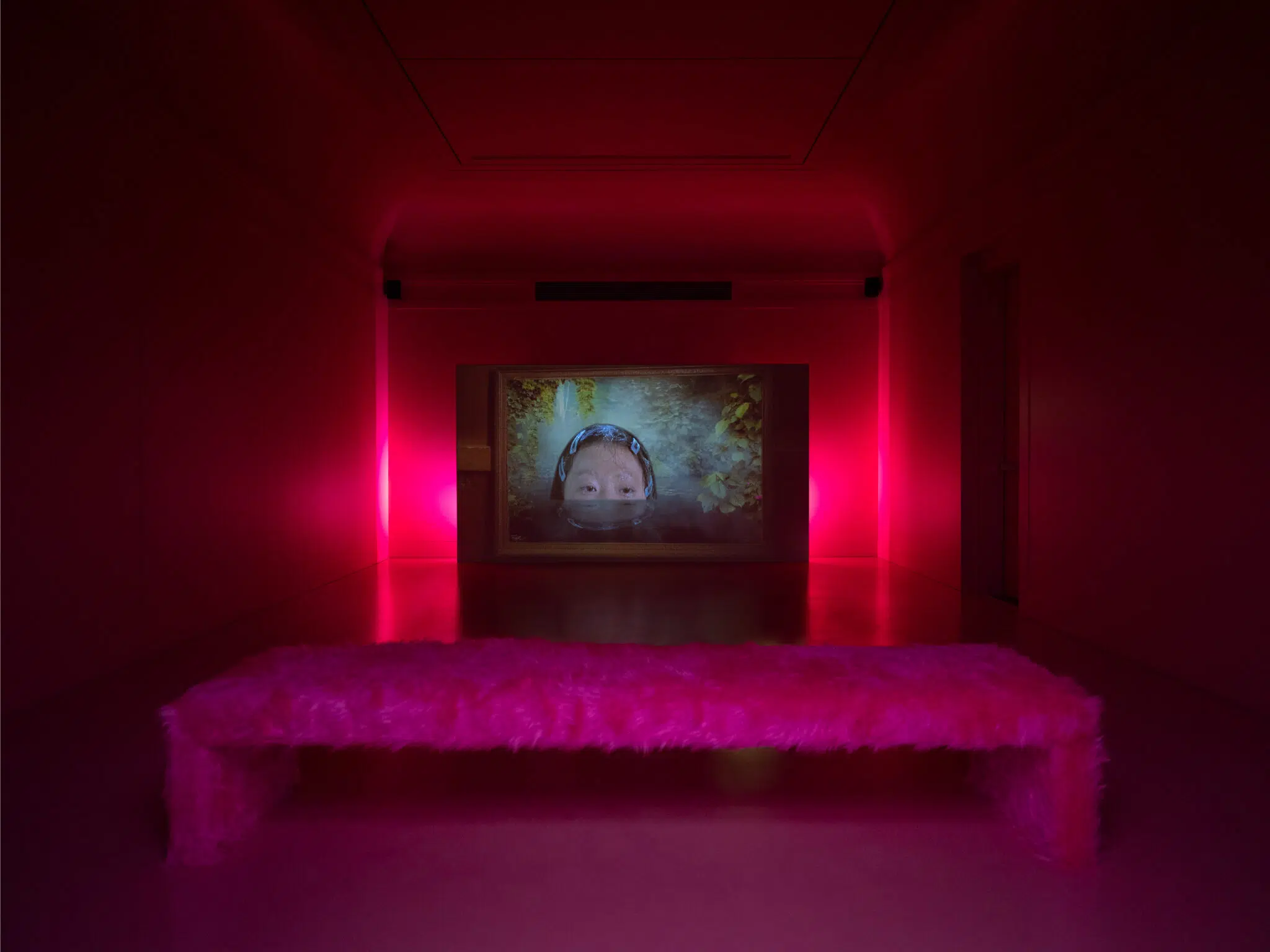
Installation view of “If the word we,” the 59th Carnegie International at the Carnegie Museum of Art, Pittsburgh, featuring work by Natasha Tontey. (Photo: Zachary Riggleman)
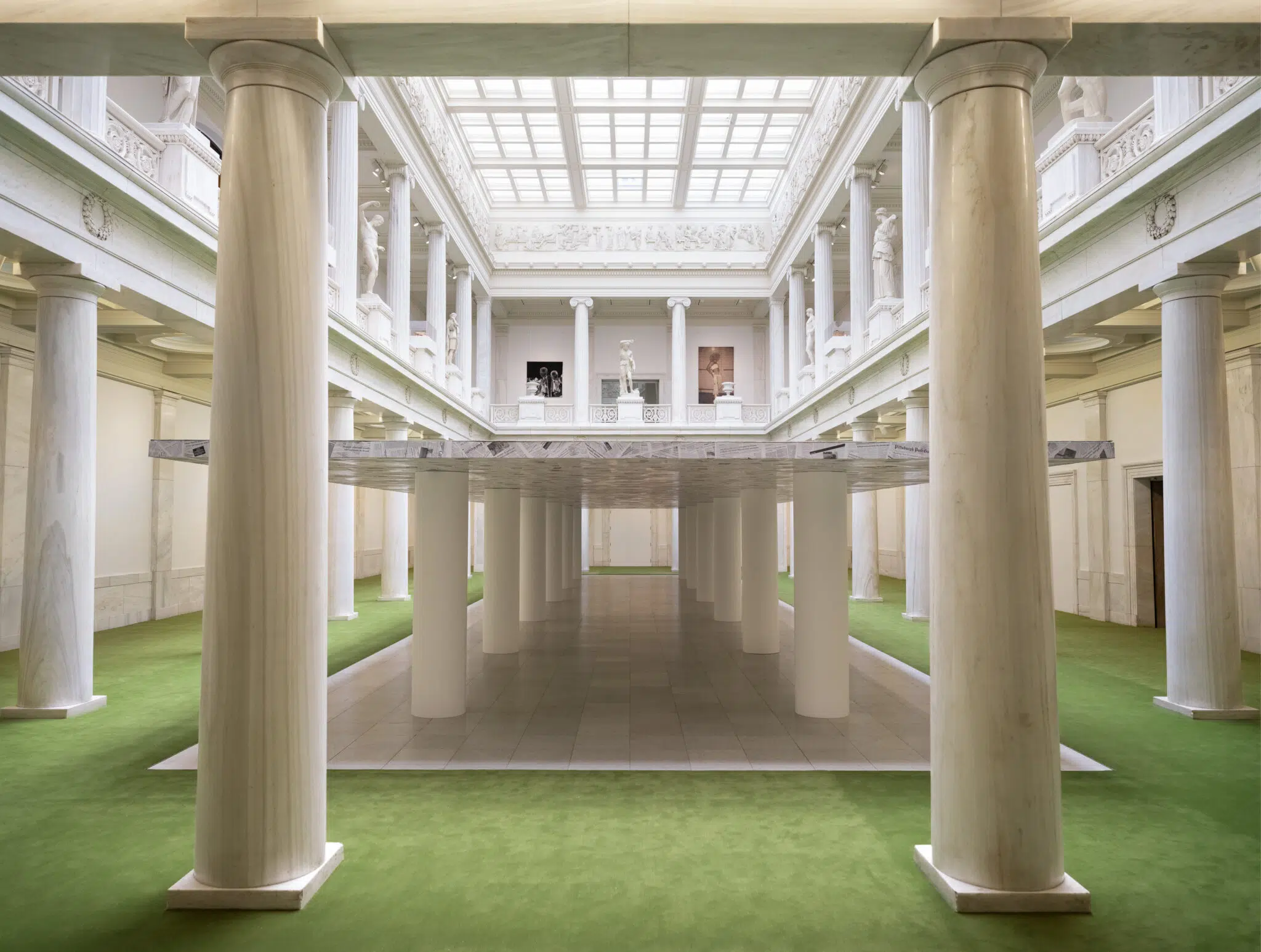
Installation view of “If the word we,” the 59th Carnegie International at the Carnegie Museum of Art, Pittsburgh, featuring work by Cinthia Marcelle. (Photo: Zachary Riggleman)
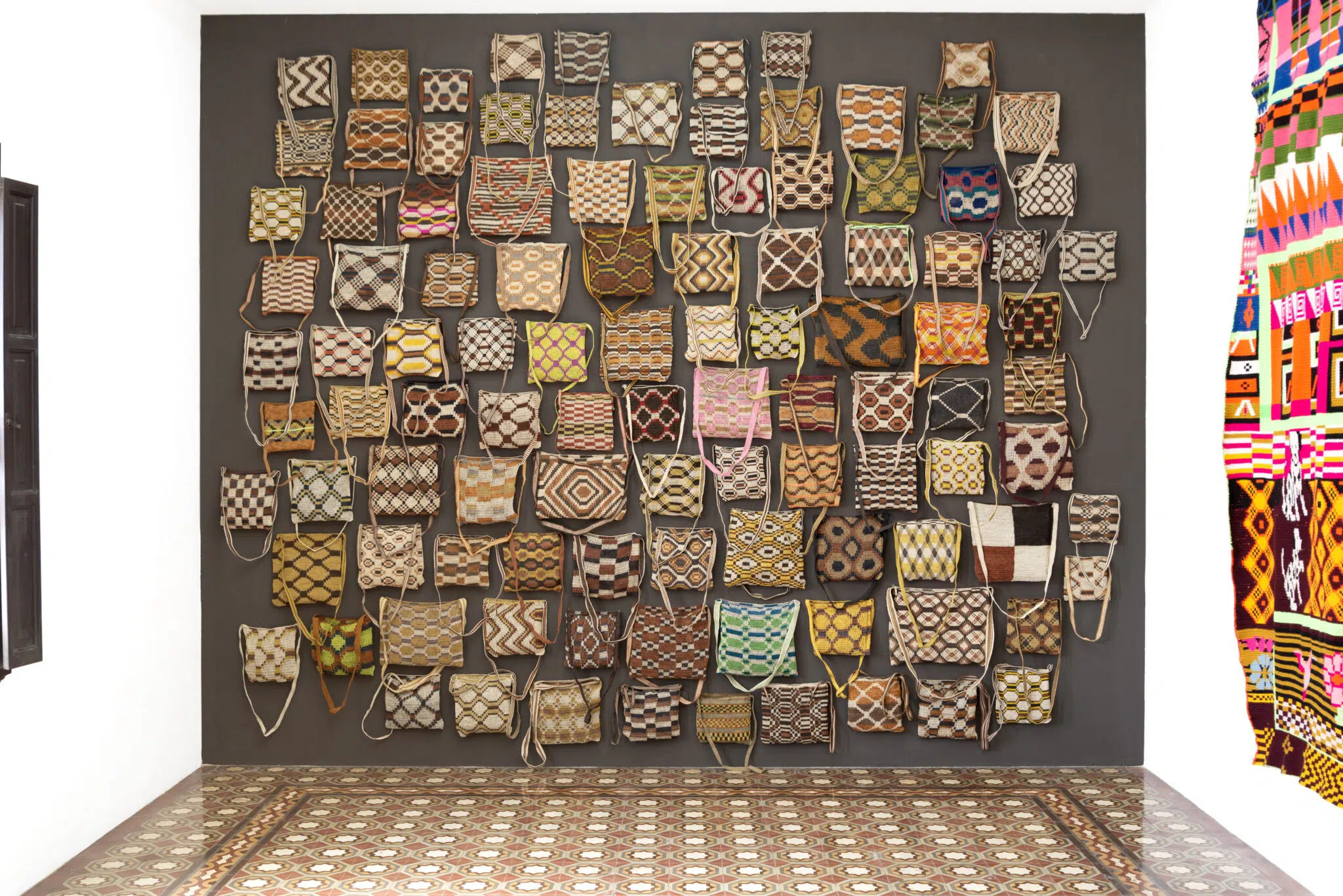
Silät, “Hilulis tenkay (Yicas That Are Songs),” 2024. Chaguar fiber (bromelia hieronymi), natural pigments from the Chaco plain, and dyes. (Courtesy of the artist)
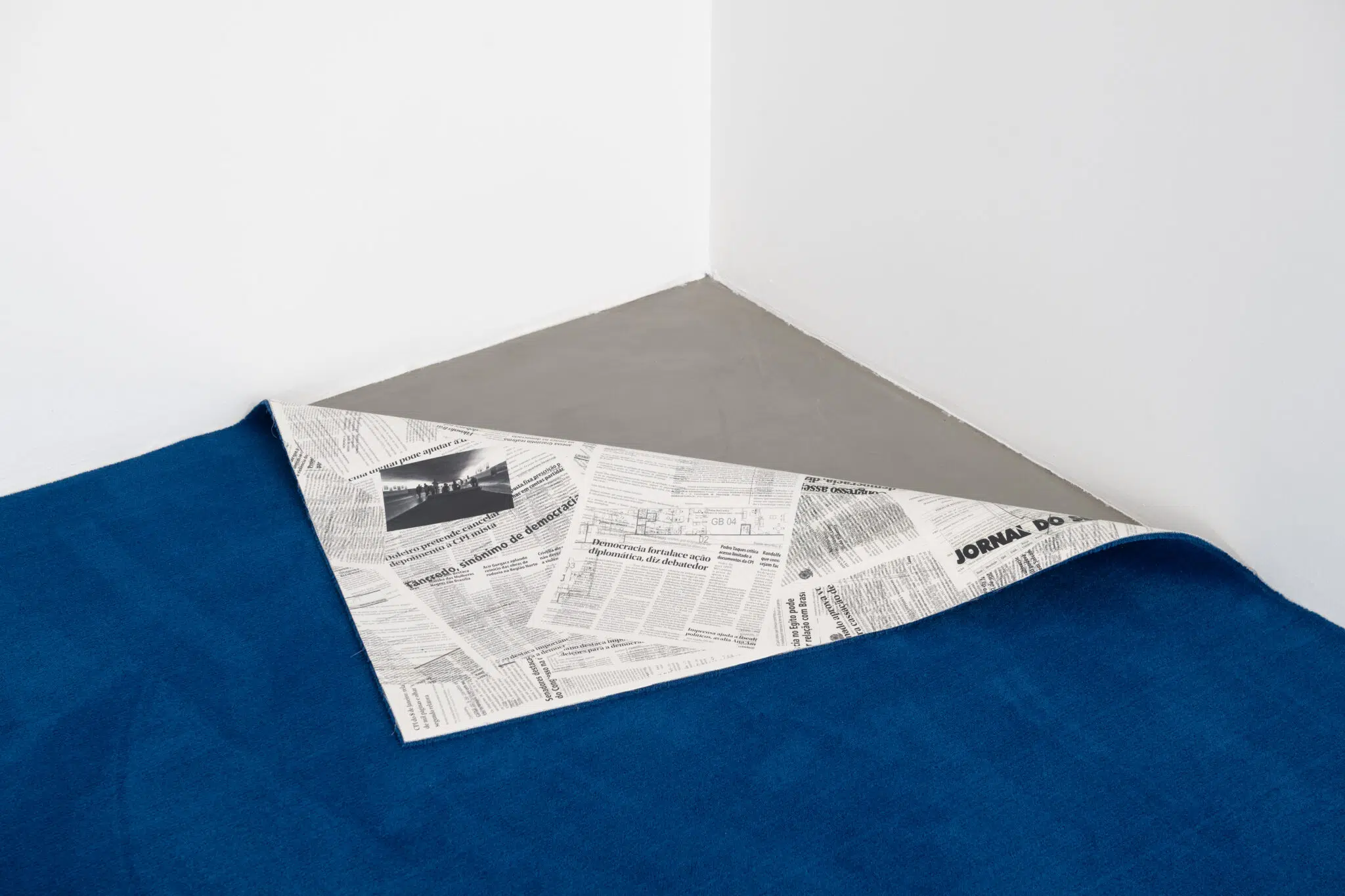
Cinthia Marcelle, installation view of “Anexo do Salão Azul,” at Galeria Luisa Strina, Oct. 31–Dec. 16, 2023. (Photo: Edouard Fraipont, courtesy of the artist and Galeria Luisa Strina)
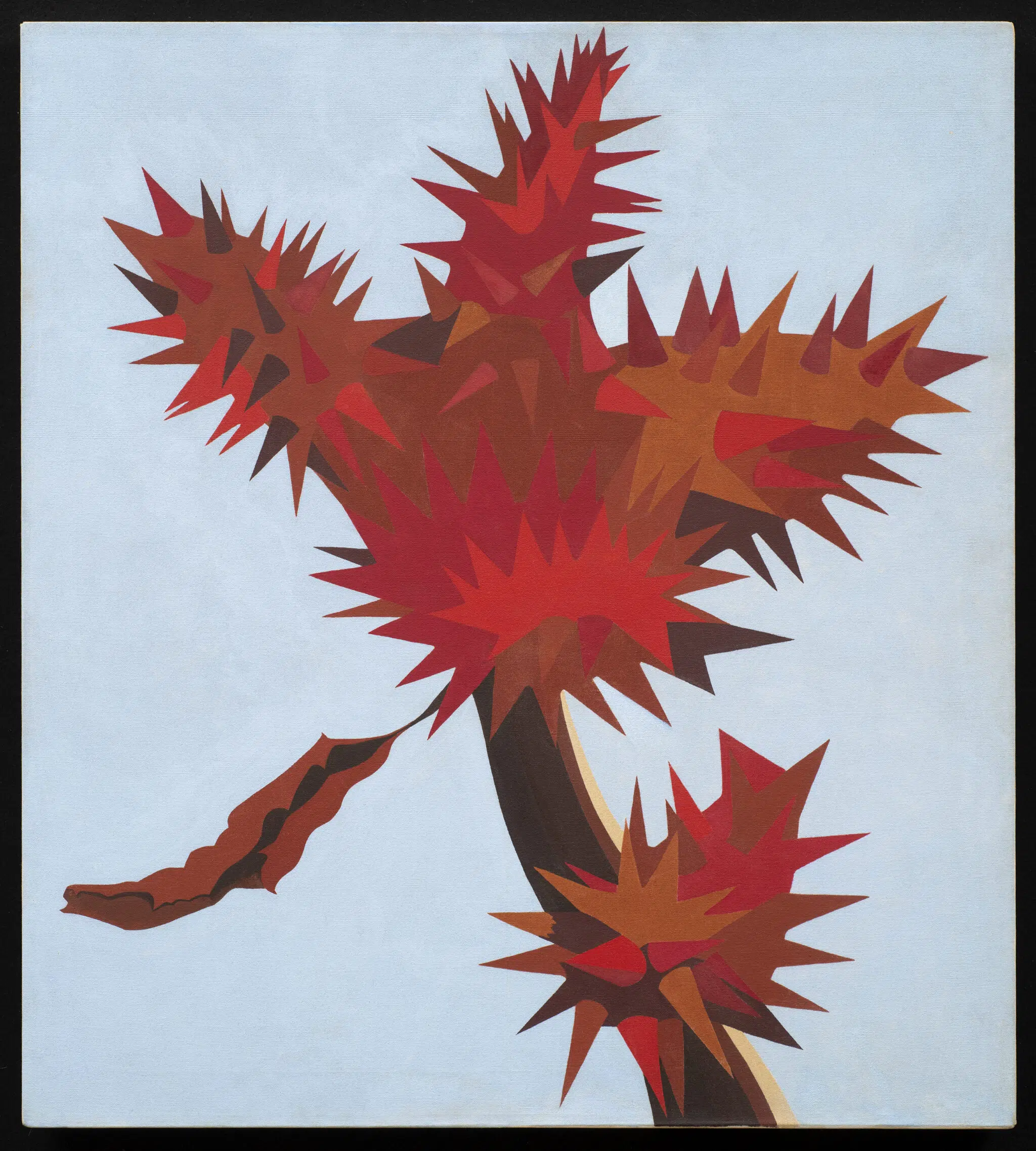
G. Peter Jemison, “Red Power,” 1973. (Photo: James Hart, courtesy Tia Collection © the artist)
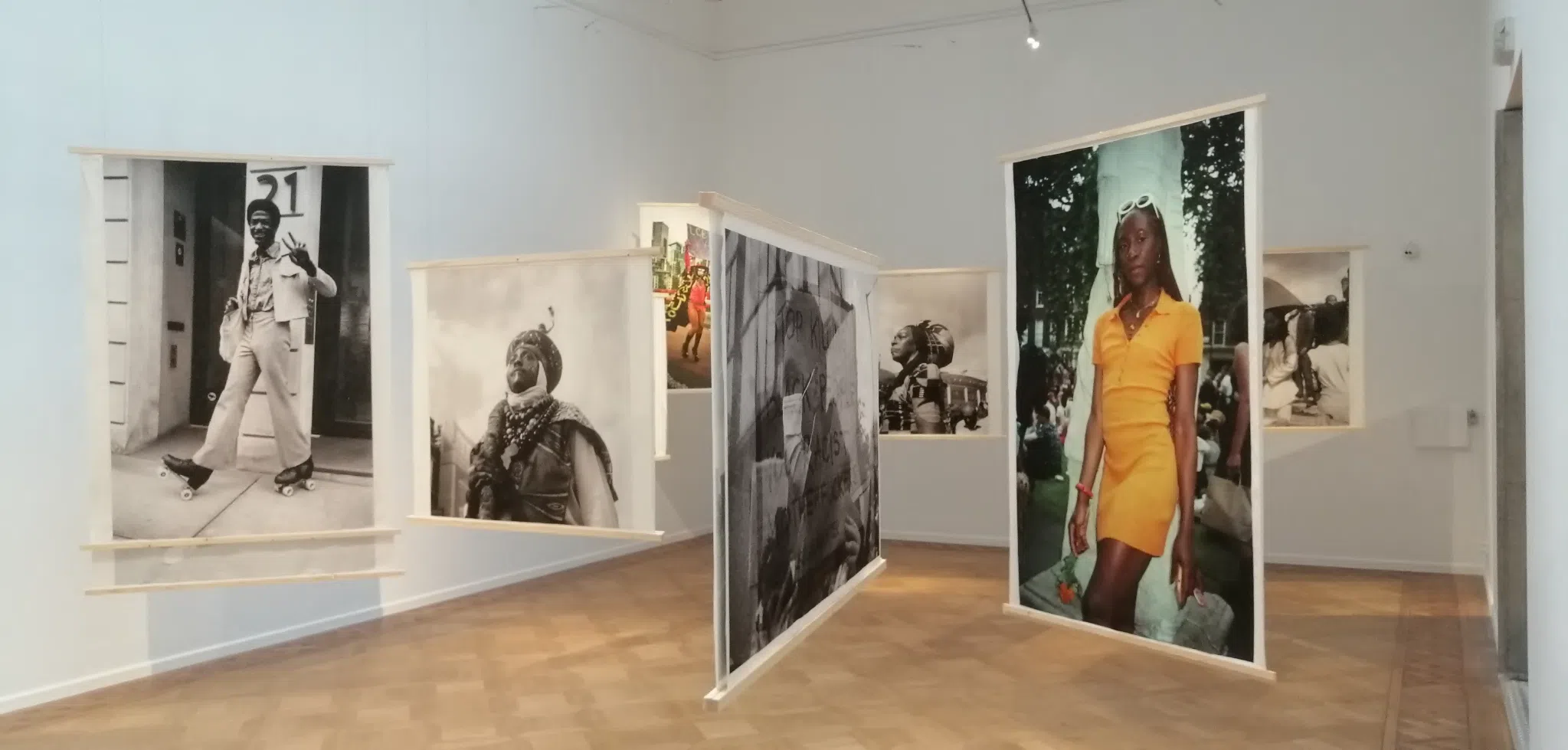
Liz Johnson Artur, “untitled,” 2021, installed at the exhibition “of life of love of sex of movement of hope” at FOAM, Amsterdam.
As North America’s longest-running exhibition of international art, this year’s Carnegie International features 61 artists and collectives from around the world.
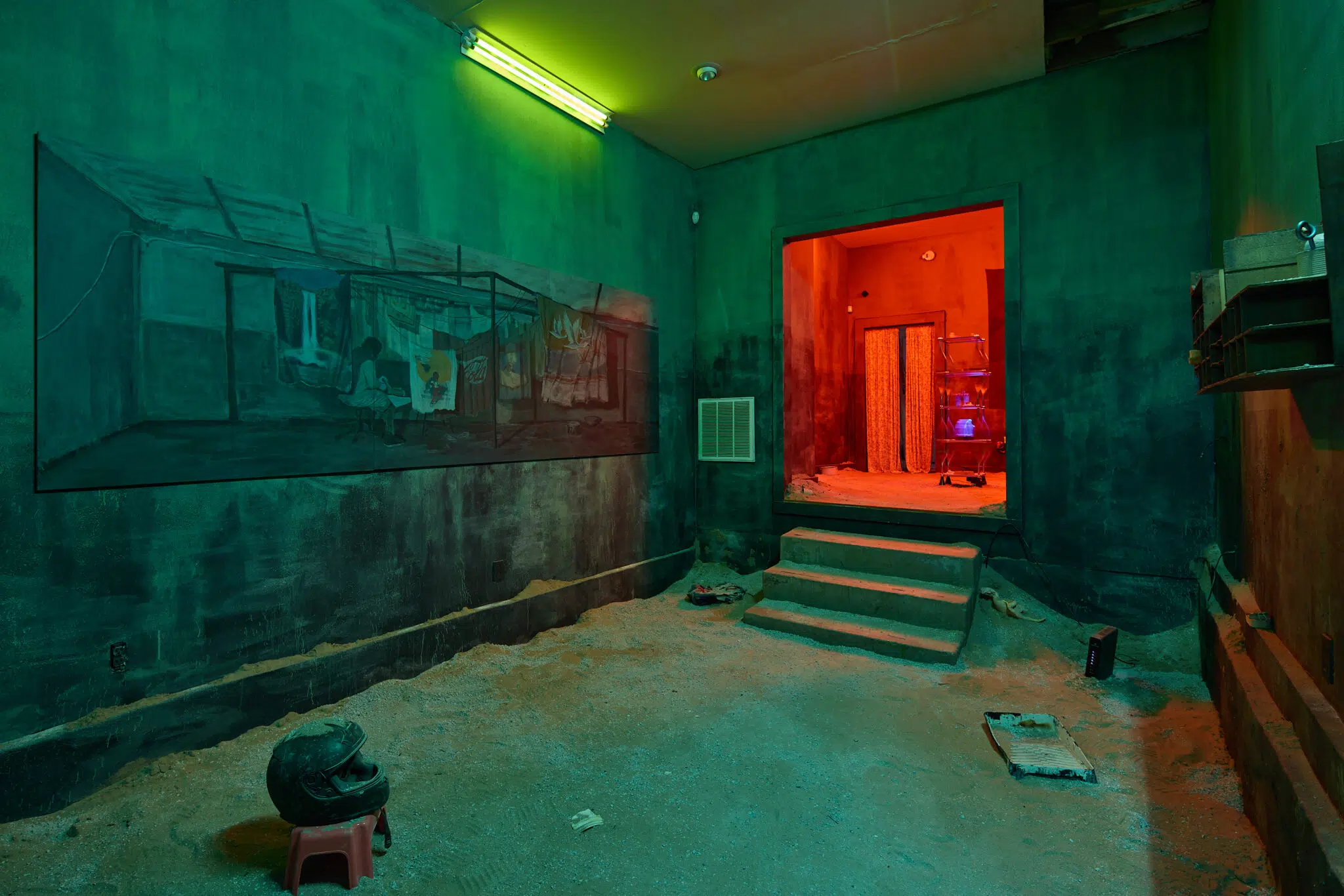
Arturo Kameya, installation view of “Whatever comes first, 2024, Prospect.6: The Future Is Present, The Harbinger Is Home,” in New Orleans, Nov. 2, 2024– Feb. 2, 2025. (Photo: Alex Marks, courtesy of the artist, Prospect 6, and Grimm)
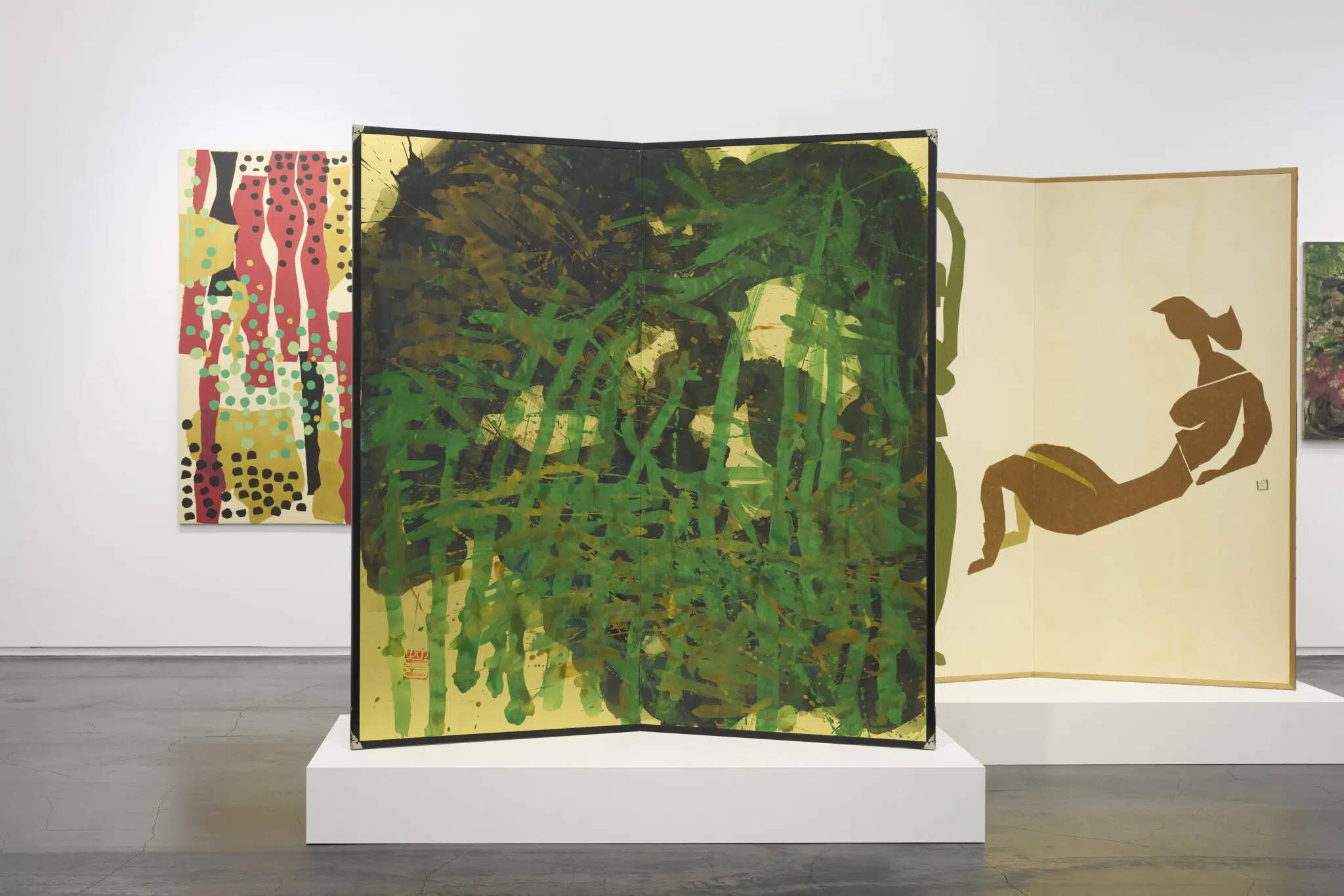
Sofu Teshigahara, installation view at Taka Ishii Gallery, Feb. 10–Mar. 16, 2024. (Photo: Kenji Takahashi, courtesy of the Sogetsu Foundation and Taka Ishii Gallery)
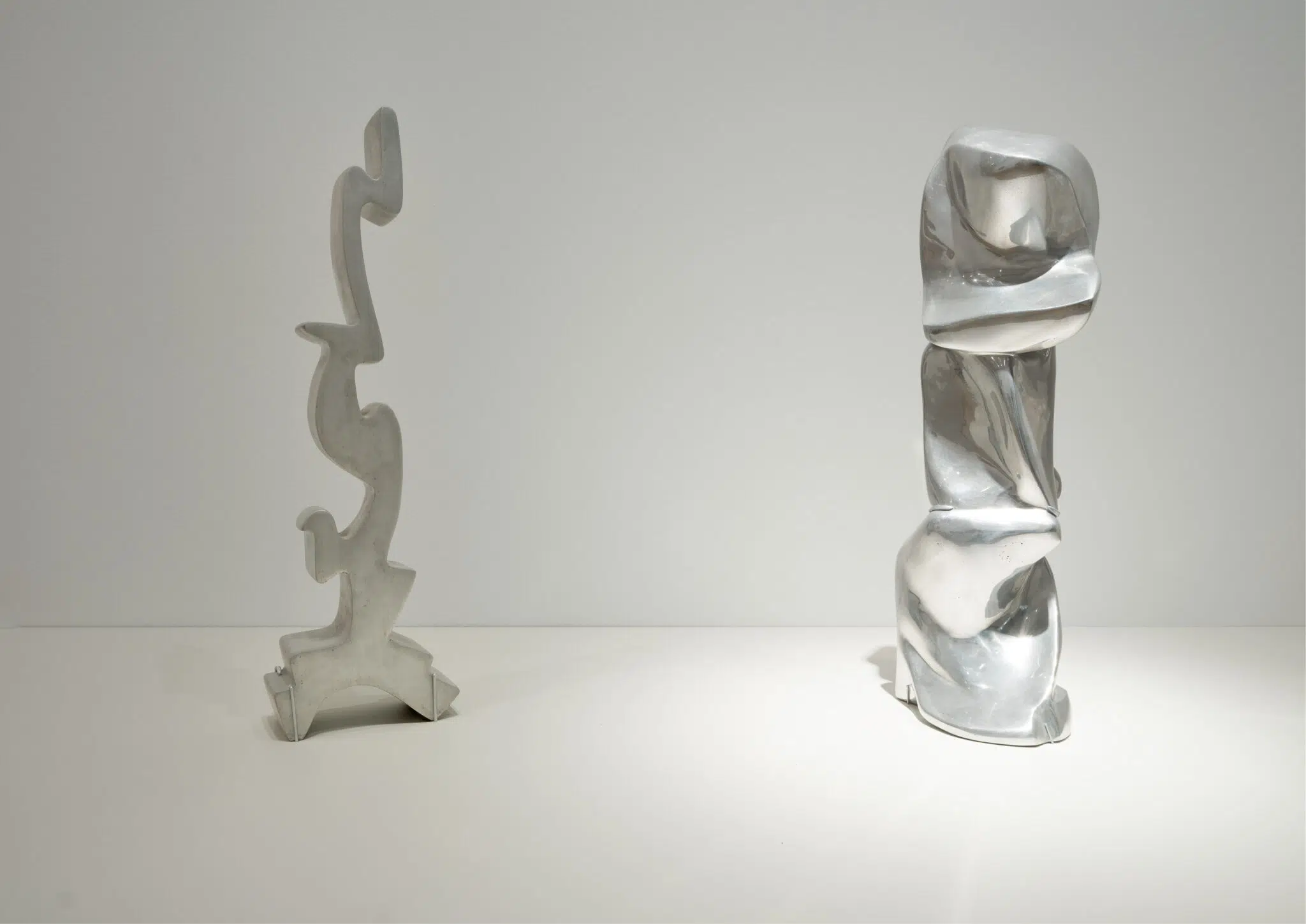
Installation view of “If the word we,” the 59th Carnegie International at the Carnegie Museum of Art, Pittsburgh, featuring work by Saloua Raouda Choucair. (Photo: Zachary Riggleman)
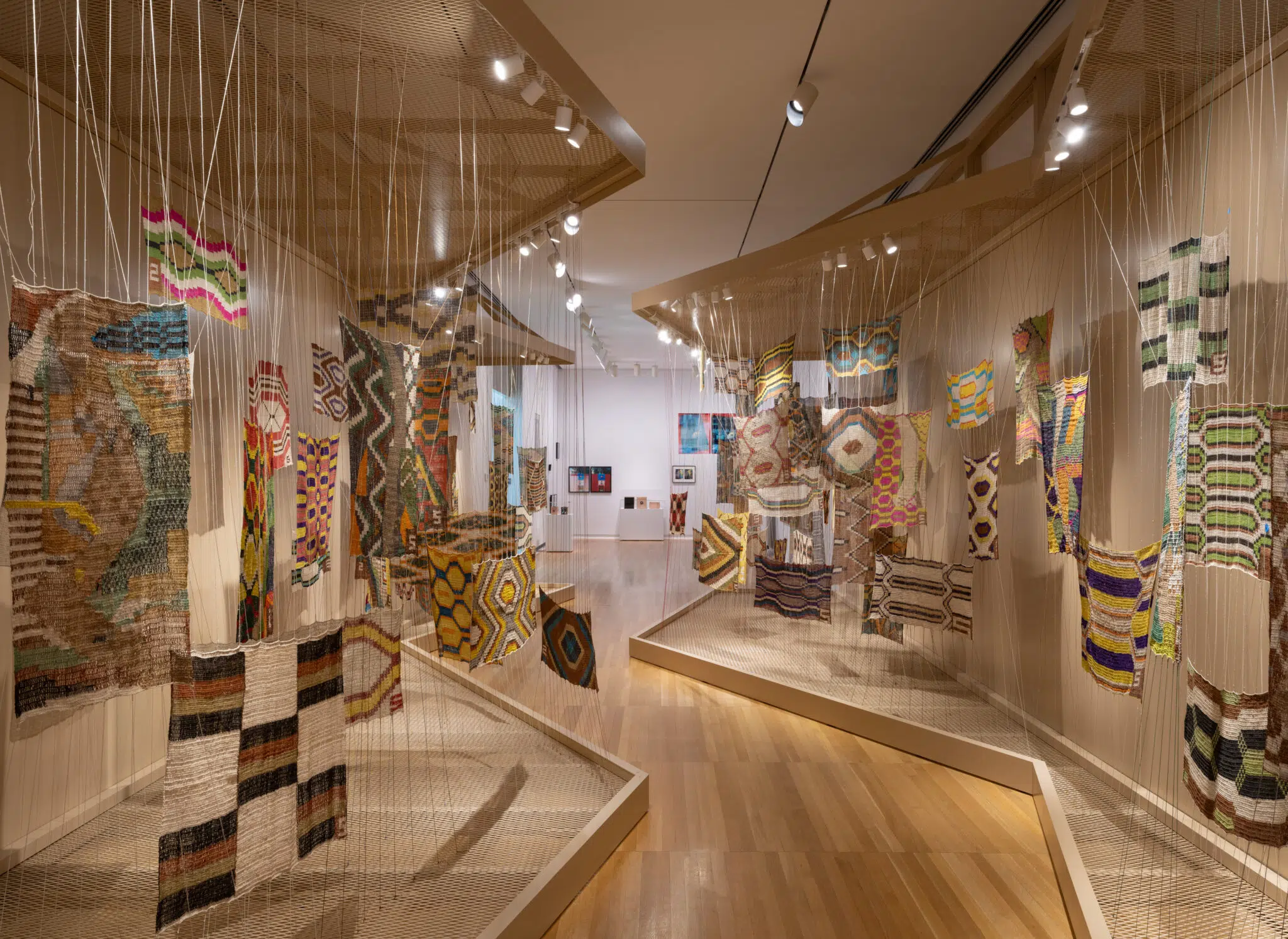
Installation view of Silät, Tewok, “the river we weave,” 2026, featured in “If the word we,” the 59th Carnegie International at the Carnegie Museum of Art, Pittsburgh. (Photo: Zachary Riggleman)
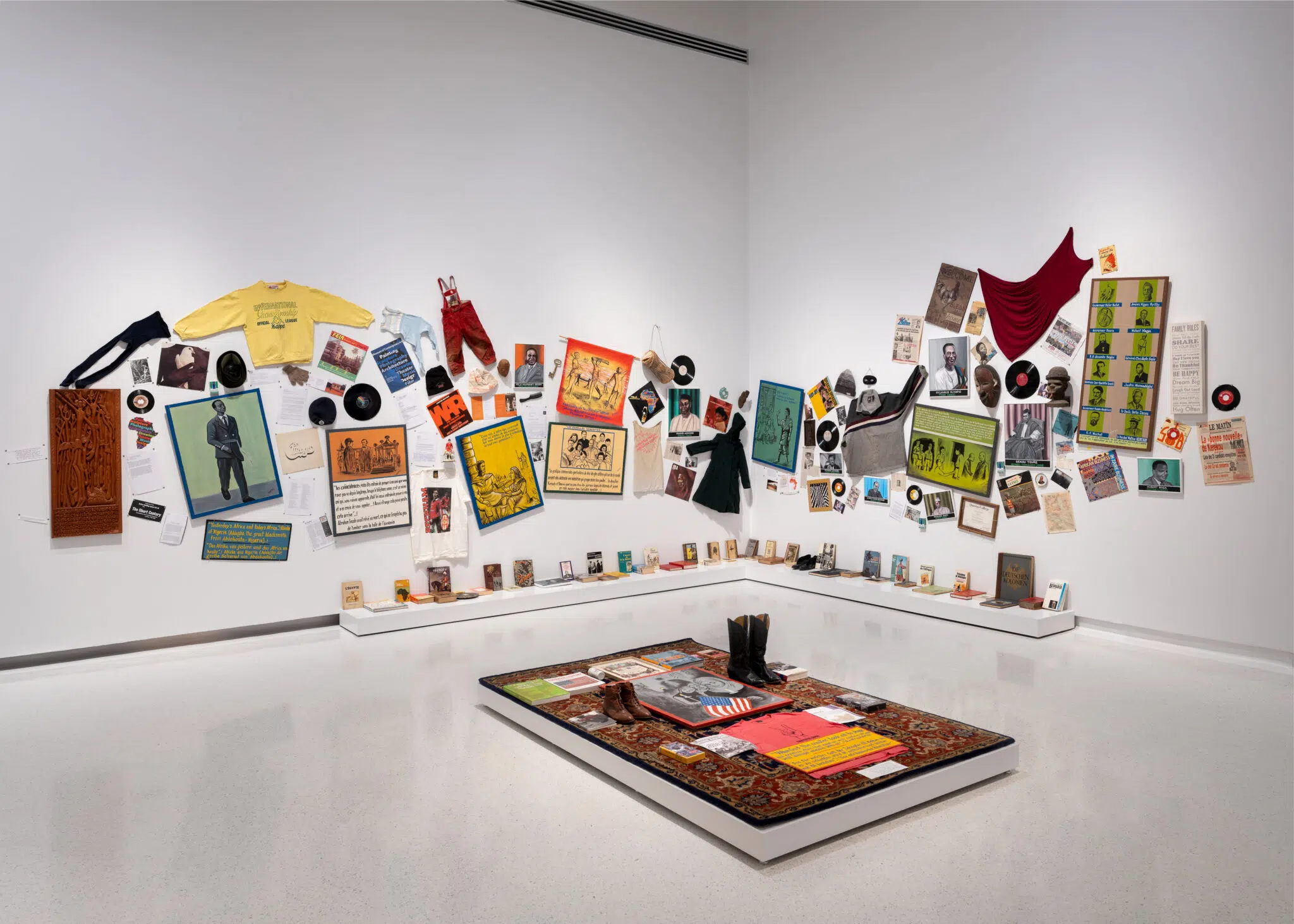
Installation view of Georges Adéagbo, “Le Socialism Africain,” 2001–04, featured in “If the word we,” the 59th Carnegie International at the Carnegie Museum of Art, Pittsburgh. (Photo: Zachary Riggleman)
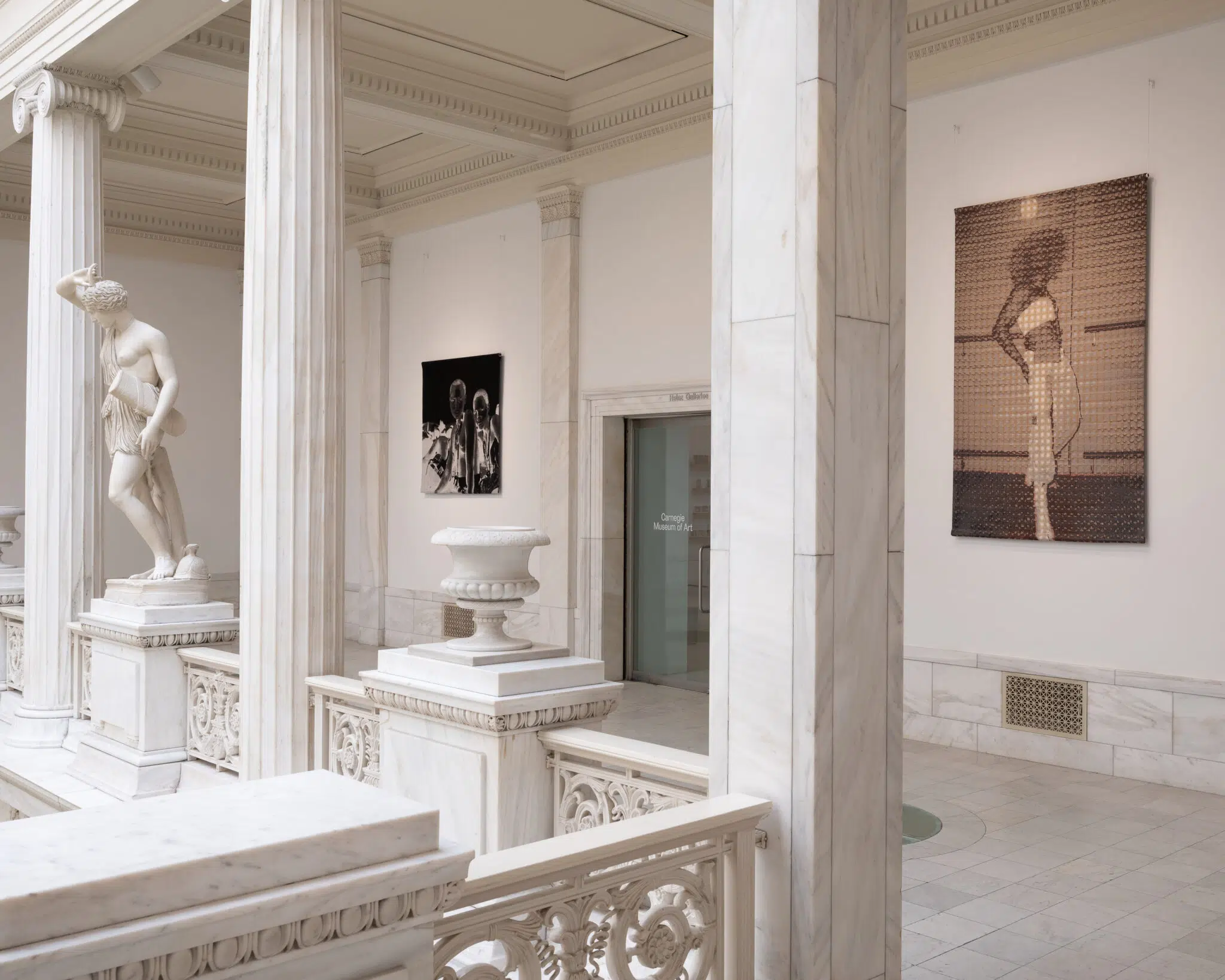
Installation view of “If the word we,” the 59th Carnegie International at the Carnegie Museum of Art, Pittsburgh. (Photo: Zachary Riggleman)
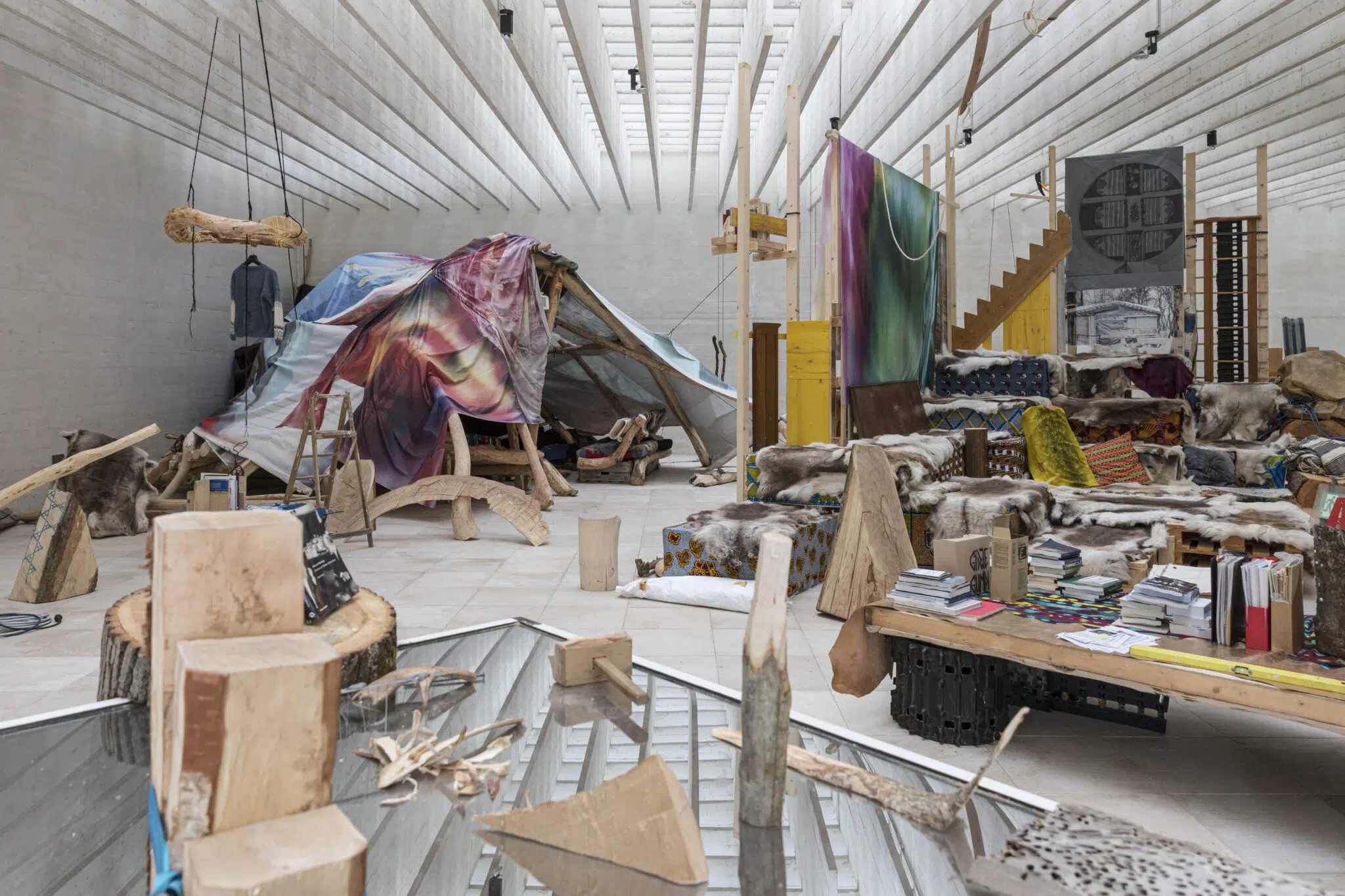
Joar Nango, “Girjegumpi: The Sámi Architecture Library,” 2023, installed at the Nordic Countries Pavilion at the 18th International Architecture Exhibition, Venice Biennial. (Photo: Laurian Ghinițoiu, courtesy of the artist)
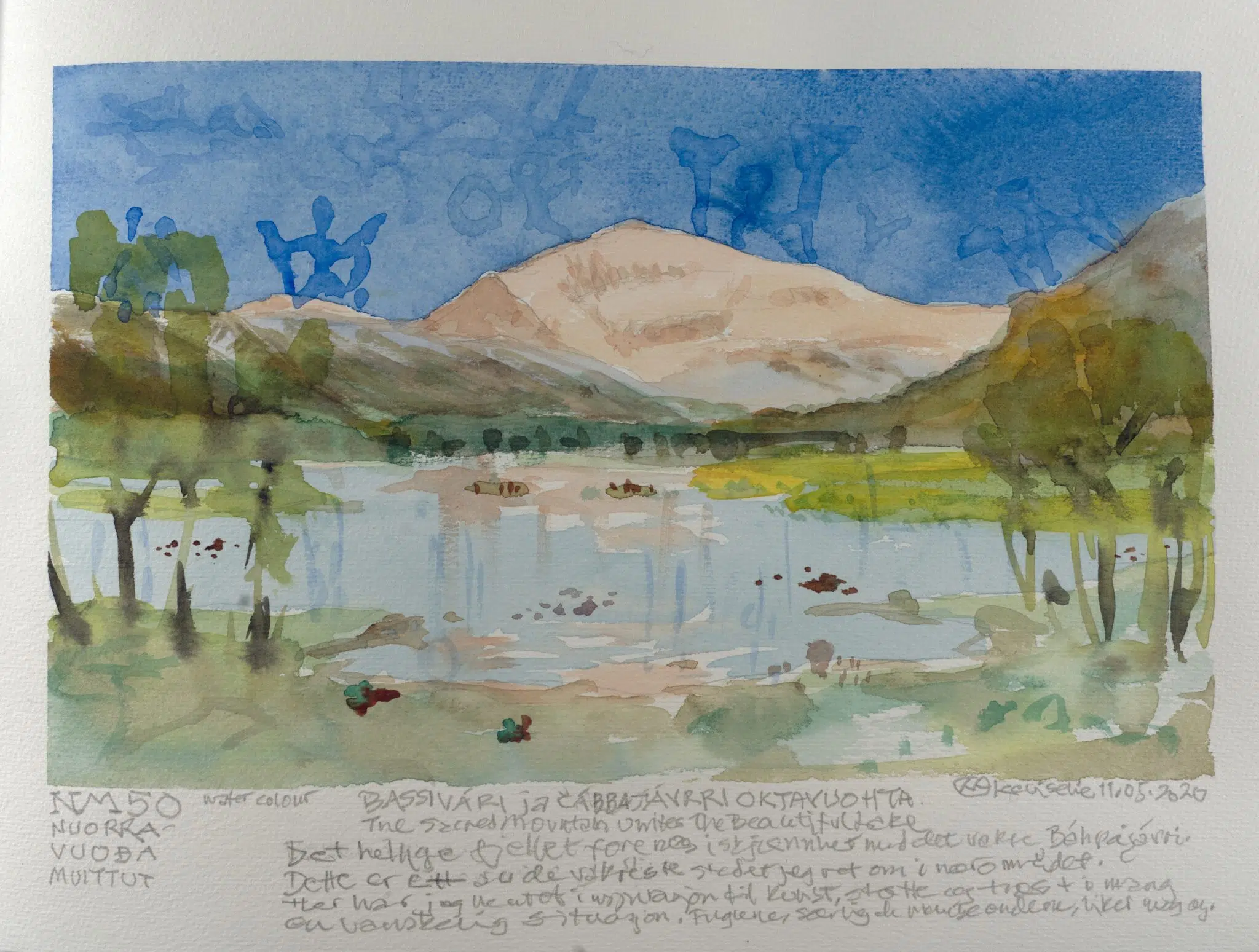
Hans Ragnar Mathisen, “The Sacred Mountain Unites the Beautiful Lake,” 2020. Watercolor on paper. (Photo: Tanya Busse, courtesy of the artist)
Exhibition Information:
Carnegie International
If the word we
May 2, 2026–January 3, 2027
Carnegie Museum of Art
4400 Forbes Avenue, Pittsburgh, PA 15213
Carnegie Museum of Art: Website | Instagram
My Modern Met granted permission to feature photos by Sutton Communications.
Related Articles:
150+ Works Celebrate Philadelphia’s Boxing Legends and Monuments in New Exhibition
This Exhibition Proves That Blackness Is as Vast and Limitless as the Universe Itself
Expansive Exhibition Highlights U.S. History Through ‘A Nation of Artists’