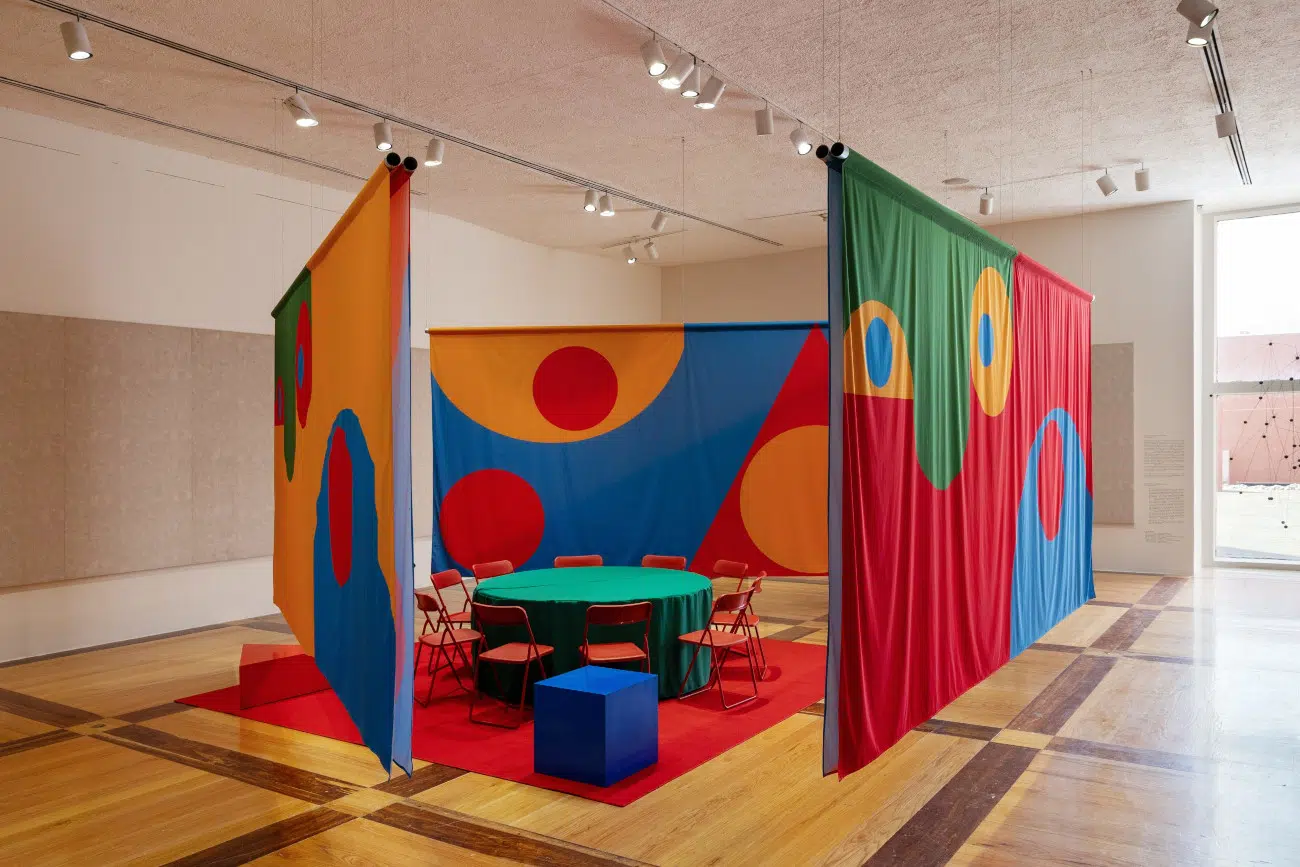
Exhibition view: “Constellations and Drifts: Art from Latin America in the FEMSA Collection.” Museum of Contemporary Art of Monterrey, 2026. Courtesy of the FEMSA Collection. Photo: Michelle Lartigue
In 1977, the Garza family, a powerful business dynasty from northern Mexico, donated The Cornfield (Dry Maizefield), a painting by artist Gerardo Murillo (best known as Dr. Atl) depicting an unequivocally Mexican landscape. This gesture kickstarted the FEMSA Collection, today one of the most important assortments of Latin American art. To mark its 50th anniversary, the Museum of Contemporary Art of Monterrey (MARCO) is hosting an exhibit that captures how the collection has held up a mirror to the many ways Latin America’s own creatives have portrayed this nuanced, complex region.
Titled Constellations and Drifts: Art from Latin America in the FEMSA Collection, the show features 174 works from over 100 Latin American artists, all created between the 20th and 21st centuries. Here, big names like Rufino Tamayo, María Izquierdo, Diego Rivera, Fanny Sanín, and Joaquín Torres-García engage with emerging creatives, like Ángel Cammen and Paloma Contreras.
Constellations and Drifts takes its name from the way the works are displayed. Curated by Eugenia Braniff, Paulina Bravo, and Beto Díaz Suárez, curators of the FEMSA Collection, alongside Adriana Melchor, an independent curator, the exhibit rejects a linear narrative in favor of drawing connections and finding middle ground between artworks from different times, mediums, and countries.
“Rather than presenting a strictly historical survey, we are interested in showing how the questions that run through Latin American art continue to resonate in the present,” says Paulina Bravo, chief curator of the FEMSA Collection. “By bringing together emblematic modern works with contemporary artists, the exhibition opens up new ways of approaching the collection.”
The exhibit is divided around five themes: Territories: The Symbolic Limits of Geography; Architectures of Colonization: Between Language and Bodies; Debating Abstraction: Geometry and Form in Latin America; Alchemy: Transformation, Transmutation, and Change; and Identities: Identities on the (Im)Possibility of a Chorus. These not only track the evolution of Latin American art, but also prompt a conversation about what brings us together and what sets us apart.
“The constellation model allows us to understand that there isn’t just one single history of Latin American art,” explains Beto Díaz Suárez, curator of the FEMSA Collection. “Rather, it’s a network of connections that can be continually reconfigured, generating new interpretations among artists working from different contexts and moments.” It’s as if the one word that could define this great collection of work is “undefinable;” and that is, likely, its main driving force.
Constellations and Drifts: Art from Latin America in the FEMSA Collection is currently on view through August 9 at MARCO. To plan your visit, check out MARCO’s website and follow the museum on Instagram.
The exhibit Constellations and Drifts: Art from Latin America in the FEMSA Collection marks 50 years of one the most important assortments of Latin American art.

Exhibition view: “Constellations and Drifts: Art from Latin America in the FEMSA Collection.” Museum of Contemporary Art of Monterrey, 2026. Courtesy of the FEMSA Collection. Photo: Michelle Lartigue
This landmark exhibition is held at the Museum of Contemporary Art of Monterrey, in northern Mexico.

Exhibition view: “Constellations and Drifts: Art from Latin America in the FEMSA Collection.” Museum of Contemporary Art of Monterrey, 2026. Courtesy of the FEMSA Collection. Photo: Michelle Lartigue
The show features 174 works from over 100 Latin American artists, all created between the 20th and 21st centuries.
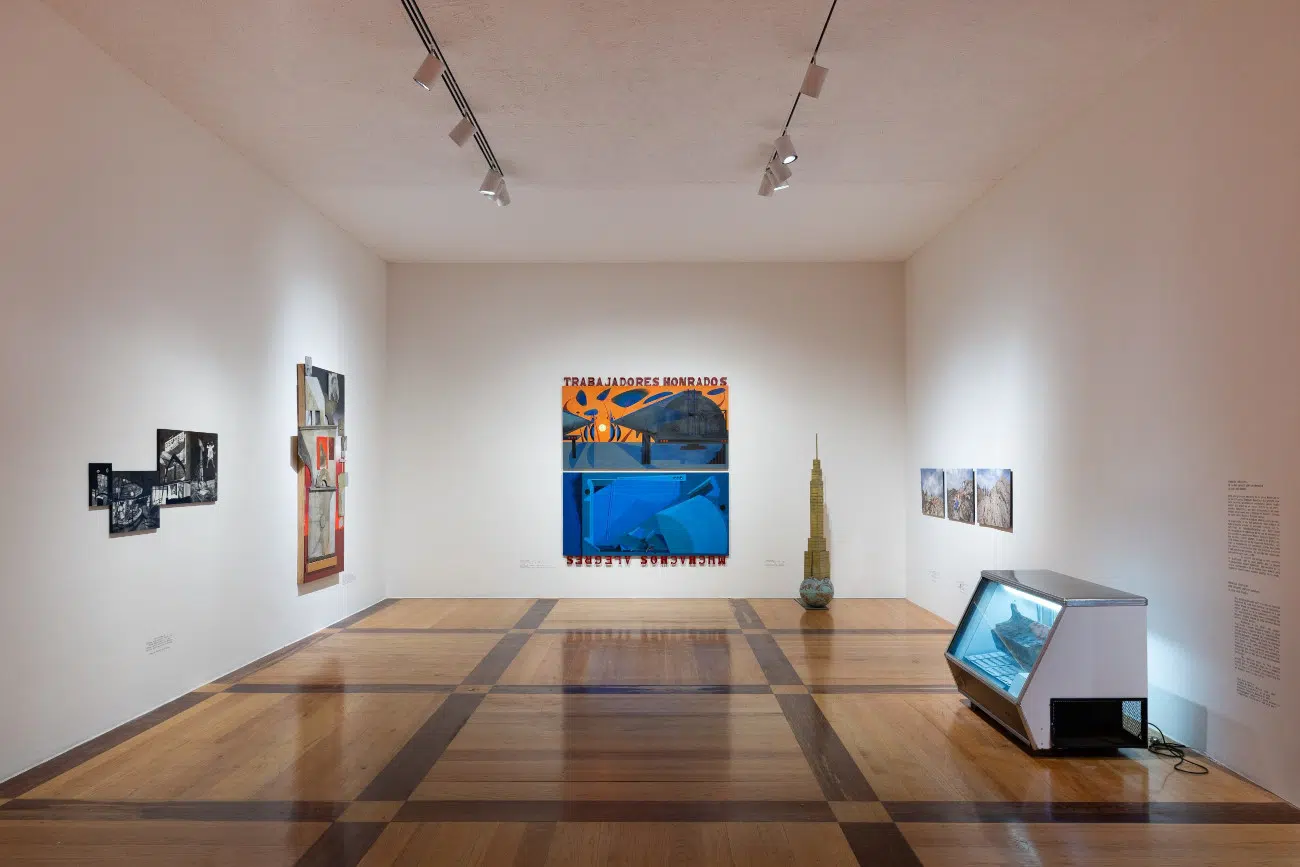
Exhibition view: “Constellations and Drifts: Art from Latin America in the FEMSA Collection.” Museum of Contemporary Art of Monterrey, 2026. Courtesy of the FEMSA Collection. Photo: Michelle Lartigue
Here, big names like Rufino Tamayo, Diego Rivera, Fanny Sanín, and Joaquín Torres-García engage with emerging creatives, like Ángel Cammen and Paloma Contreras.
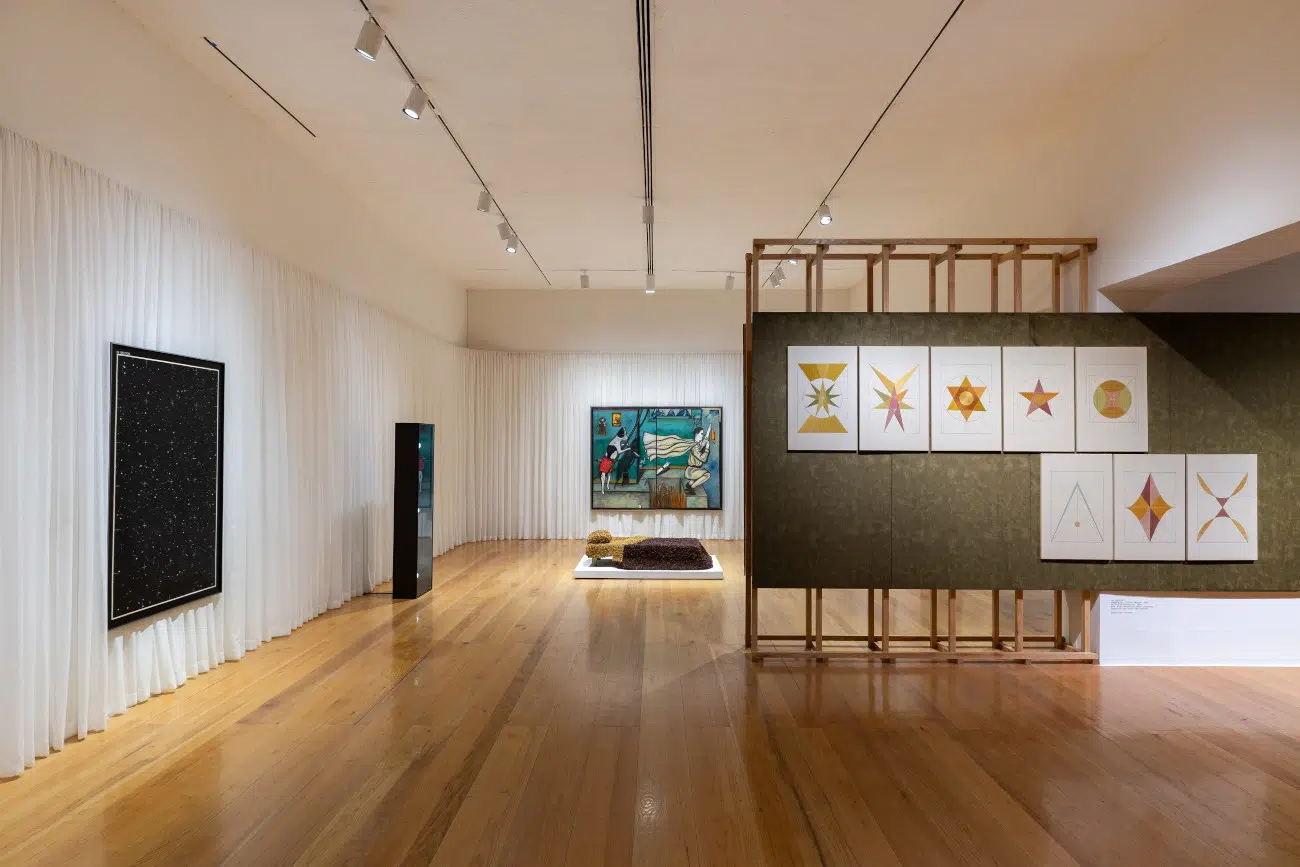
Exhibition view: “Constellations and Drifts: Art from Latin America in the FEMSA Collection.” Museum of Contemporary Art of Monterrey, 2026. Courtesy of the FEMSA Collection. Photo: Michelle Lartigue
The exhibit rejects a linear narrative in favor of drawing connections and finding middle ground between artworks from different times, mediums, and countries.
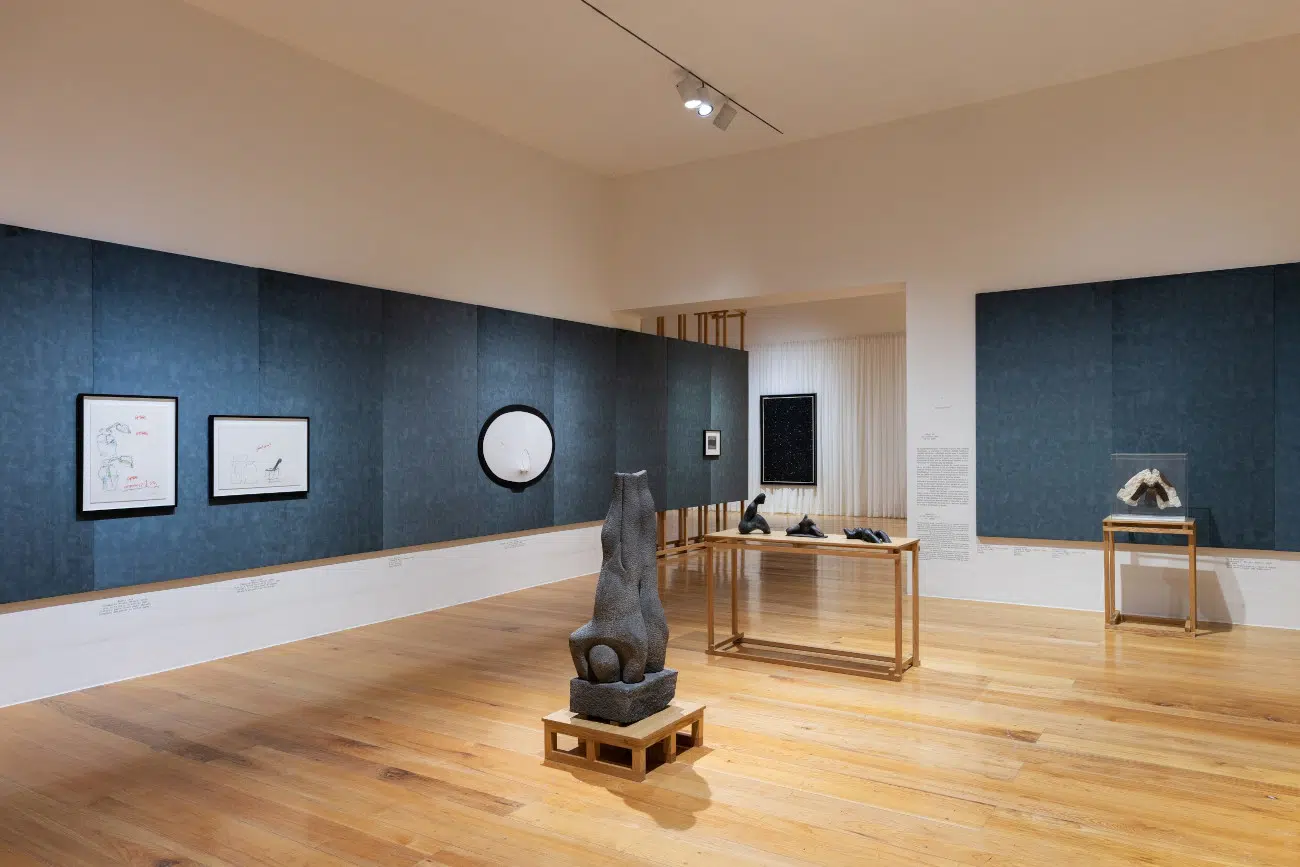
Exhibition view: “Constellations and Drifts: Art from Latin America in the FEMSA Collection.” Museum of Contemporary Art of Monterrey, 2026. Courtesy of the FEMSA Collection. Photo: Michelle Lartigue
“Rather than presenting a strictly historical survey, we are interested in showing how the questions that run through Latin American art continue to resonate in the present,” says Paulina Bravo, chief curator of the FEMSA Collection.
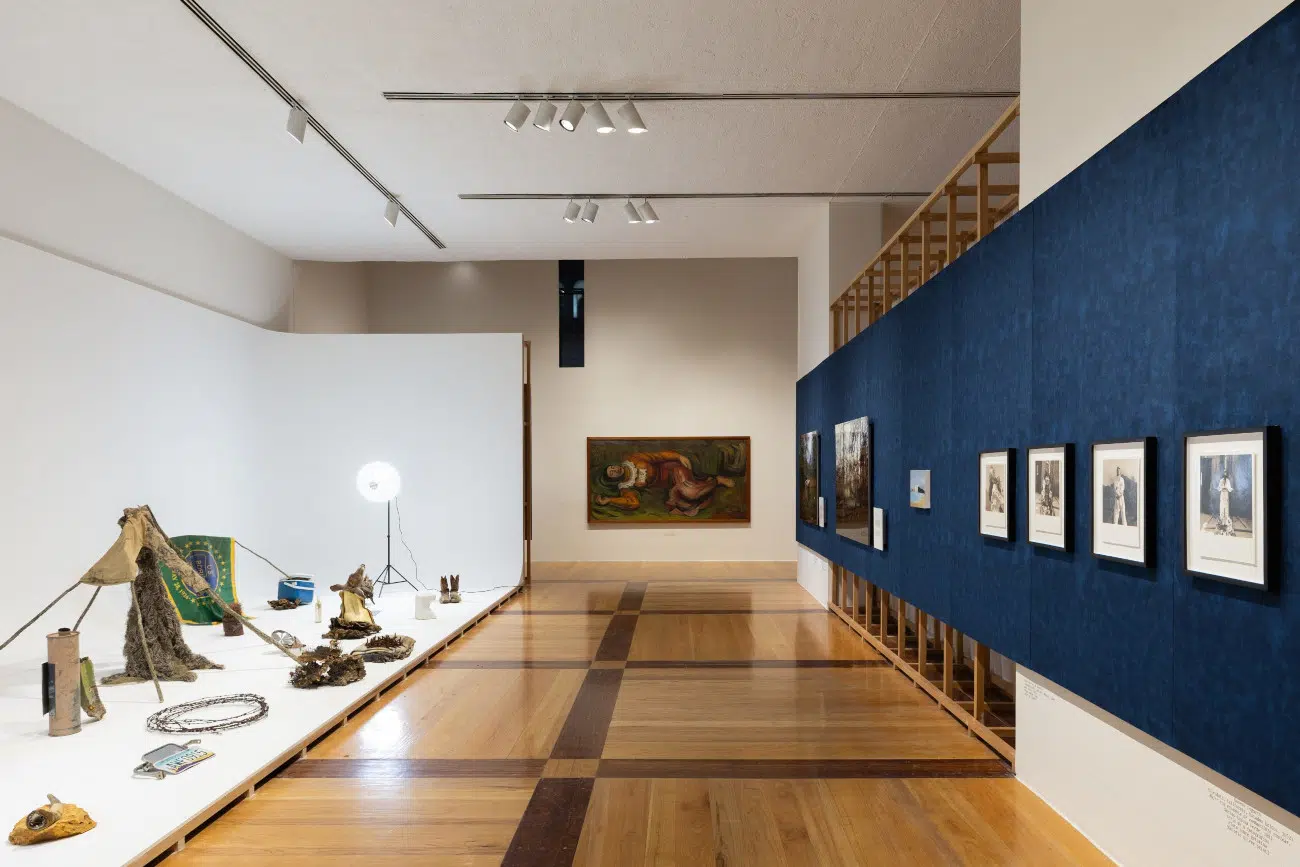
Exhibition view: “Constellations and Drifts: Art from Latin America in the FEMSA Collection.” Museum of Contemporary Art of Monterrey, 2026. Courtesy of the FEMSA Collection. Photo: Michelle Lartigue
“By bringing together emblematic modern works with contemporary artists, the exhibition opens up new ways of approaching the collection.”
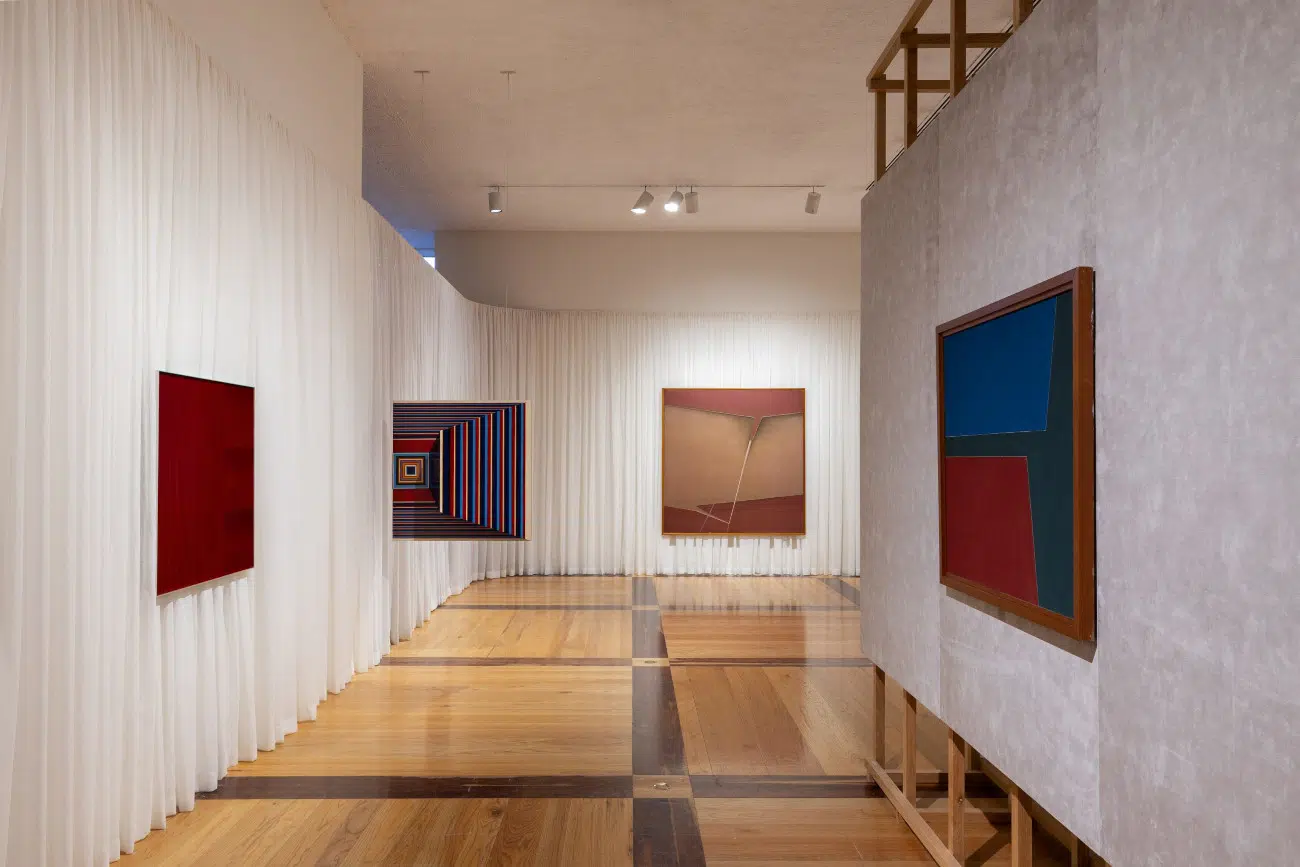
Exhibition view: “Constellations and Drifts: Art from Latin America in the FEMSA Collection.” Museum of Contemporary Art of Monterrey, 2026. Courtesy of the FEMSA Collection. Photo: Michelle Lartigue