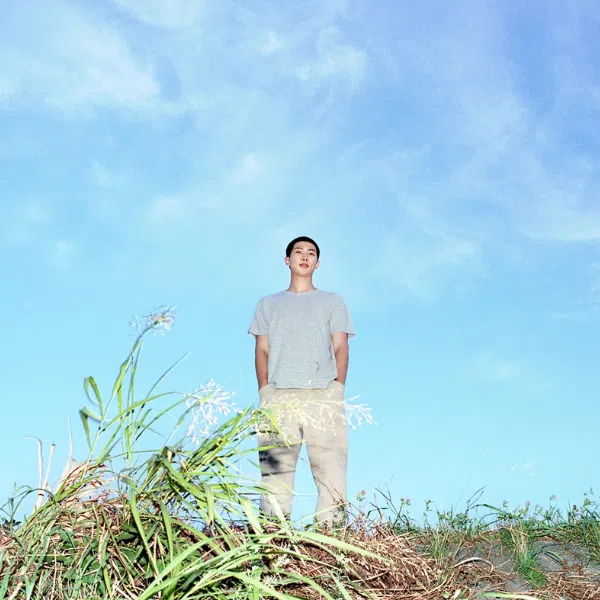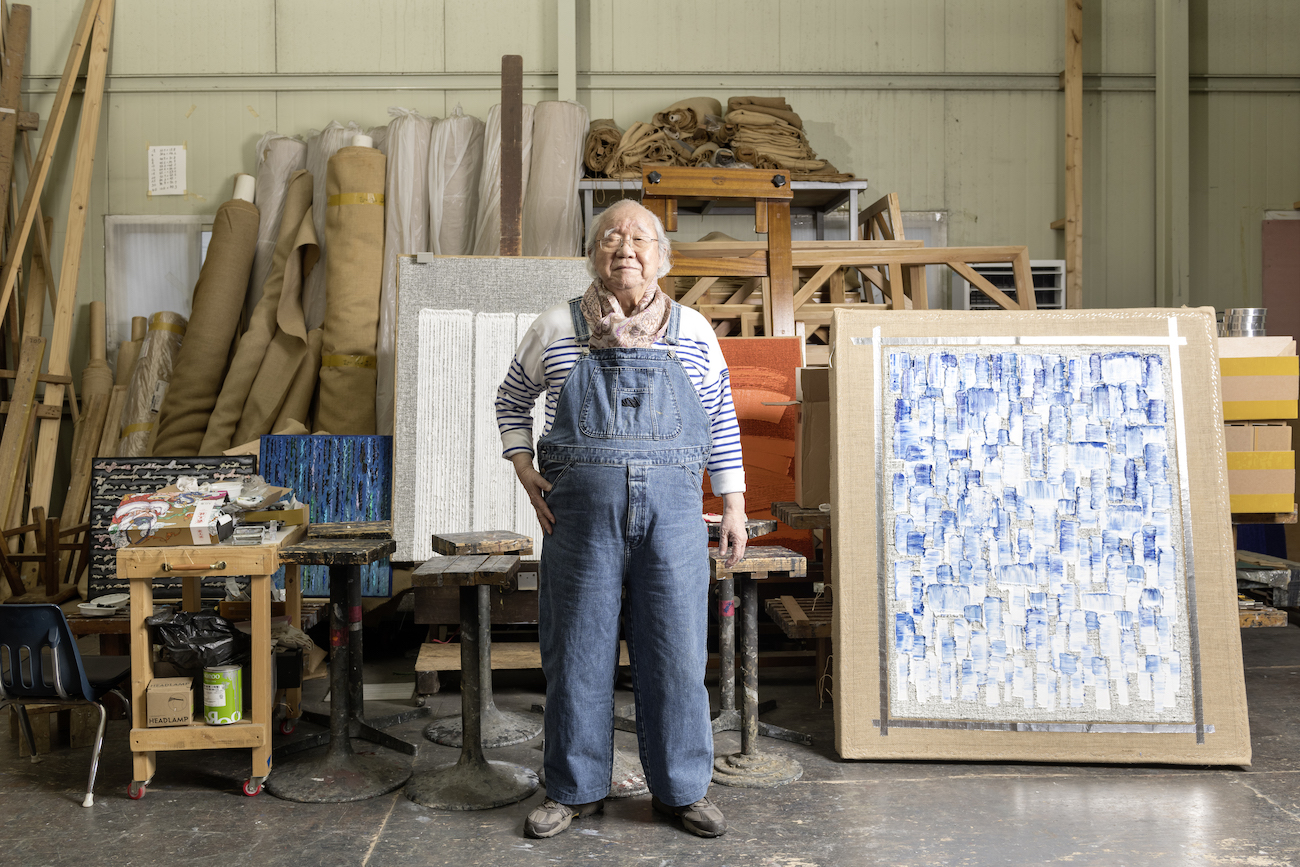
Ha Chong-Hyun in his studio. (Photo: Chunho An)
For six decades, Korean artist Ha Chong-Hyun has pushed painting beyond the boundaries of the canvas. Ha Chong-Hyun: Retrospective at San Francisco’s Asian Art Museum brings together more than 50 works spanning the 1960s through 2025, tracing the artist’s ongoing experimentation with paint, fabric, industrial materials, and physical process. Together, the works reveal how Ha has continually redefined what a painting can be.
Organized by guest curator Sunjung Kim, the retrospective is Ha’s first major North American museum exhibition. It presents his work beyond his association with Dansaekhwa, the Korean monochrome painting movement, highlighting the range of materials and techniques that have shaped his practice.
Ha’s early works reveal his interest in disrupting traditional painting. Works from the 1960s incorporate newspaper, thread, and industrial elements, while later experiments push paint into, across, and beyond the canvas surface.
The exhibition includes works from his White Paper on Urban Planning and Conjunction series, showing how his approach developed from geometric compositions and experimental constructions into increasingly tactile paintings. Ha began his celebrated Conjunction series in 1974. These works form the core of his practice and are among the exhibition’s most recognizable paintings.
Rather than applying oil paint to the front of the canvas, Ha works from behind. He presses thick pigment through loosely woven hemp, forcing it between the fibers before manipulating the emerging material by hand or with tools. The process leaves behind deeply textured surfaces. Ridges, clumps, and traces of the woven fabric remain visible, giving the paintings an almost sculptural quality. Their surfaces preserve evidence of pressure, repetition, and physical effort.
Ha’s use of hemp also connects the paintings to postwar Korea. The material was commonly used for industrial sacks, including those used to transport relief supplies. In Ha’s hands, an everyday material became the foundation for sustained artistic experimentation.
The exhibition follows the evolution of Conjunction across five decades. Ha gradually introduced new colors, techniques, and materials while maintaining his focus on the relationship between paint and surface. His later works move beyond the restrained palette often associated with Dansaekhwa. Vivid reds and blues appear alongside dense layers of paint, while more recent works incorporate charred materials and ash.
Conjunction 25-19 (2025), one of the newest works in the exhibition, demonstrates this continued experimentation. Blue and white paint form dense, repeated marks across the hemp surface, creating a composition that shifts with the viewer’s position and the light falling across its texture.
Ha Chong-Hyun: Retrospective is on view at the Asian Art Museum in San Francisco through January 25, 2027.
Ha Chong-Hyun’s six decades of experimentation come together in a major retrospective at San Francisco’s Asian Art Museum.
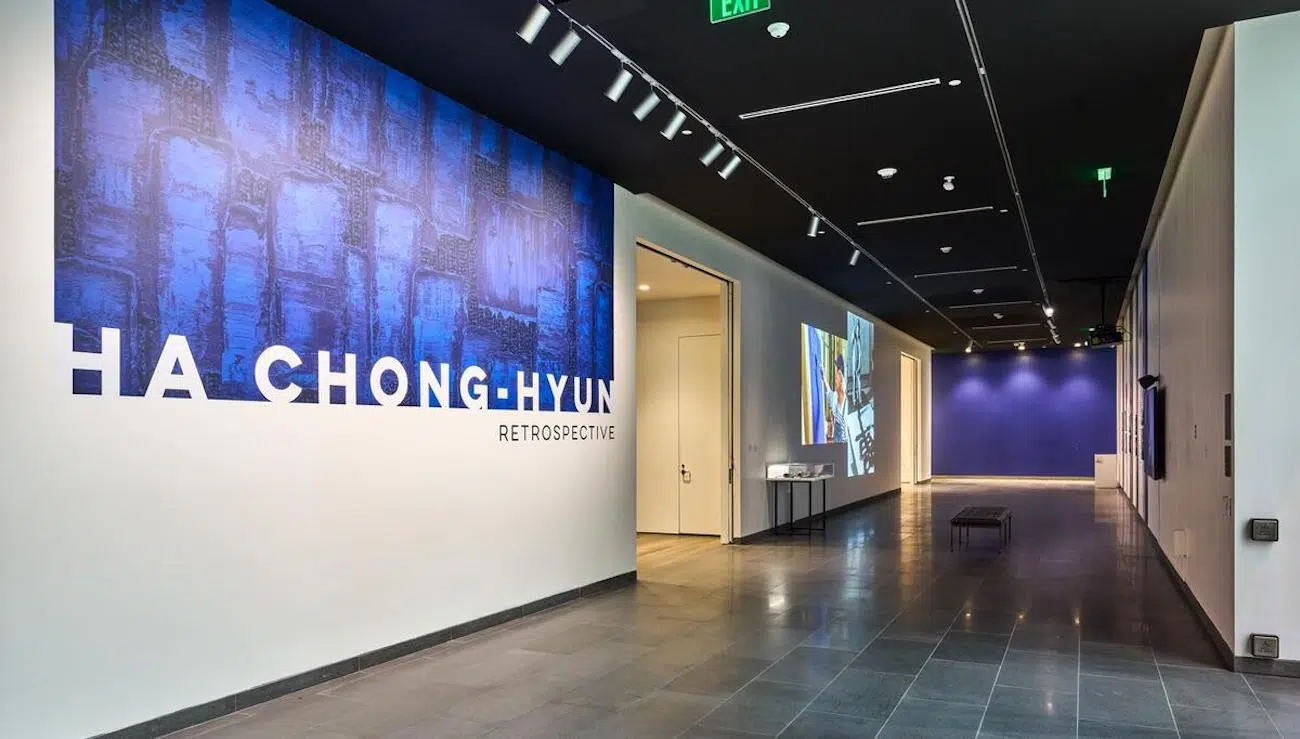
Installation view of Ha Chong-Hyun/ Retrospective, fall 2026. © Asian Art Museum of San Francisco. (Photo: Kevin Candland)
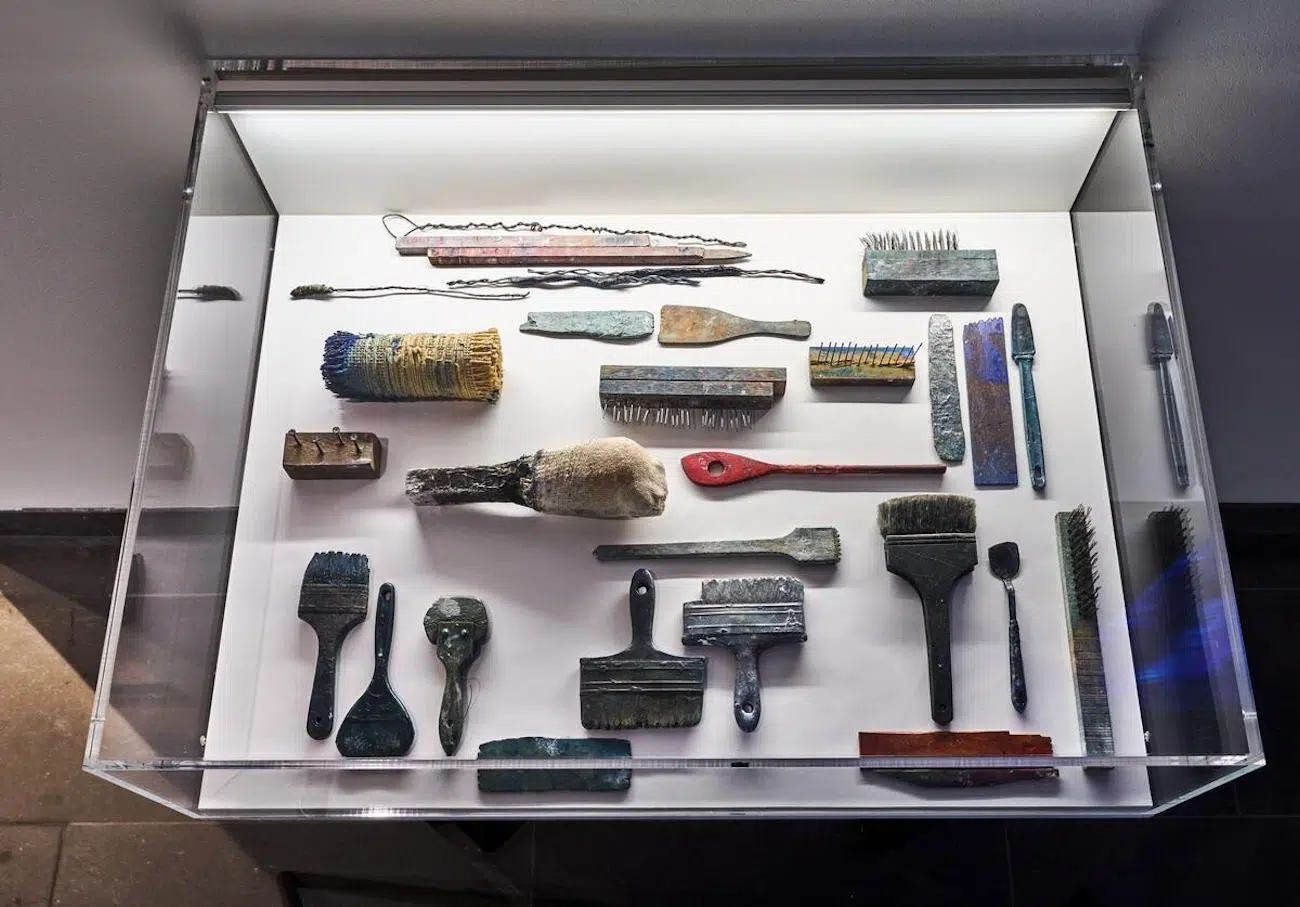
Installation view of Ha Chong-Hyun/ Retrospective, fall 2026. © Asian Art Museum of San Francisco. (Photo: Kevin Candland)
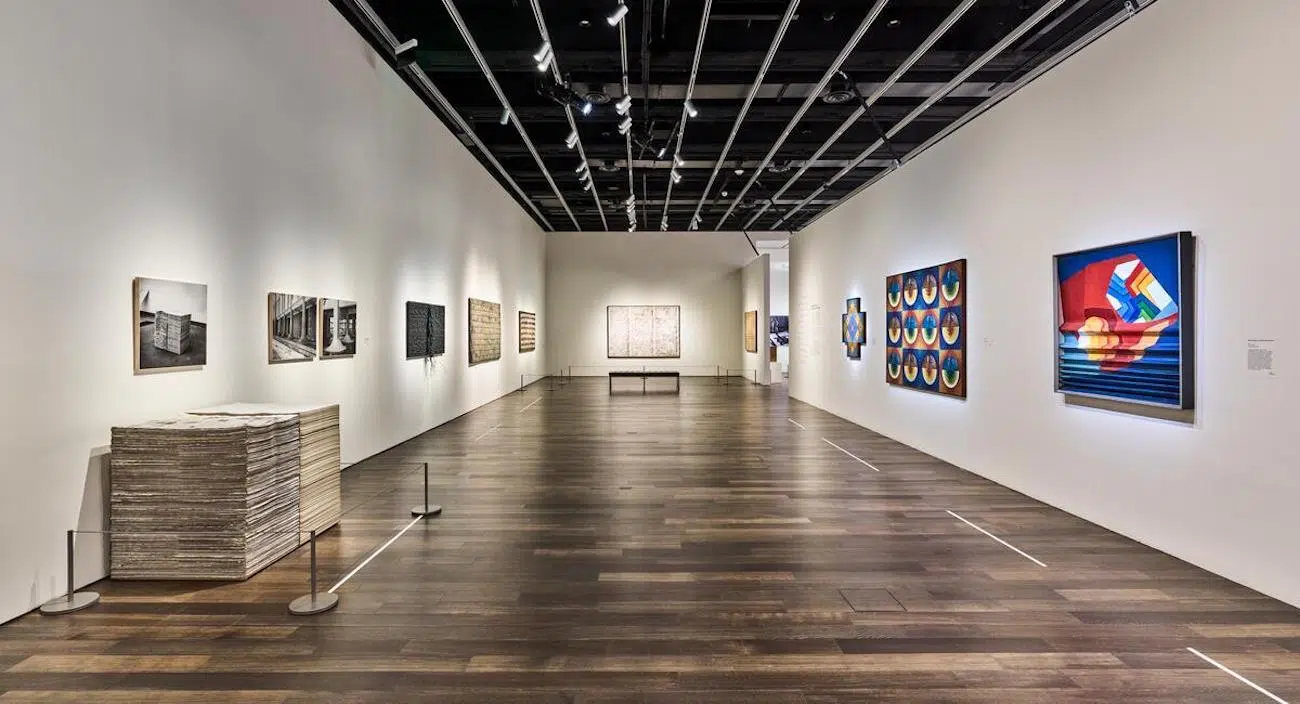
Installation view of Ha Chong-Hyun/ Retrospective, fall 2026. © Asian Art Museum of San Francisco. (Photo: Kevin Candland)
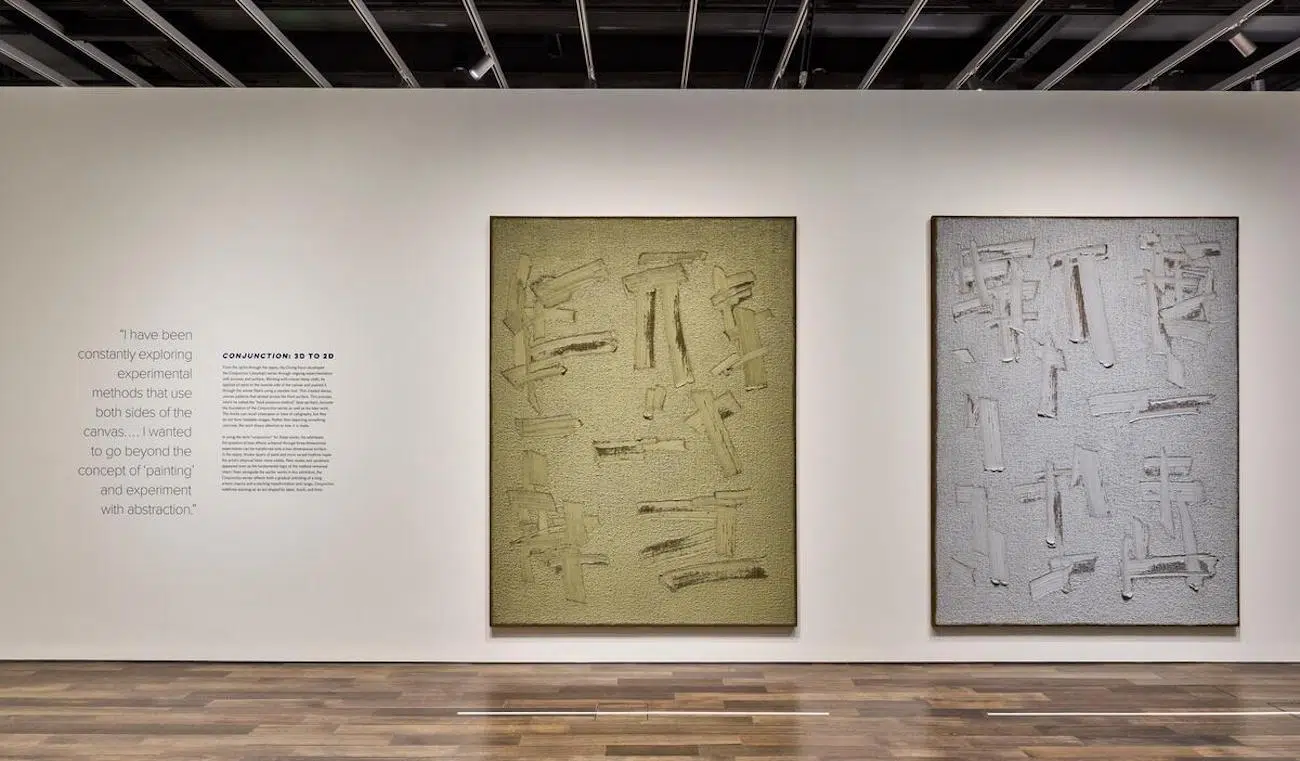
Installation view of Ha Chong-Hyun/ Retrospective, fall 2026. © Asian Art Museum of San Francisco. (Photo: Kevin Candland)
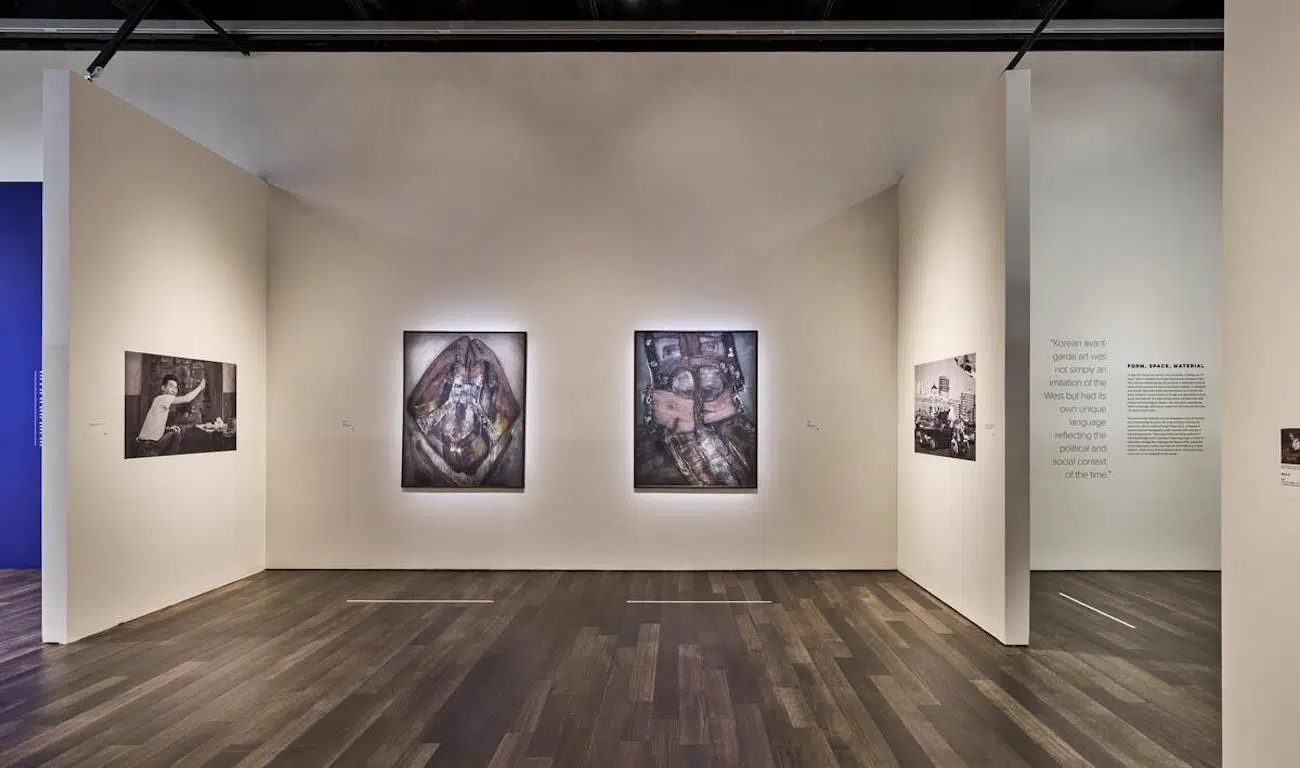
Installation view of Ha Chong-Hyun/ Retrospective, fall 2026. © Asian Art Museum of San Francisco. (Photo: Kevin Candland)
More than 50 works trace his evolution from early material experiments to his celebrated Conjunction paintings.
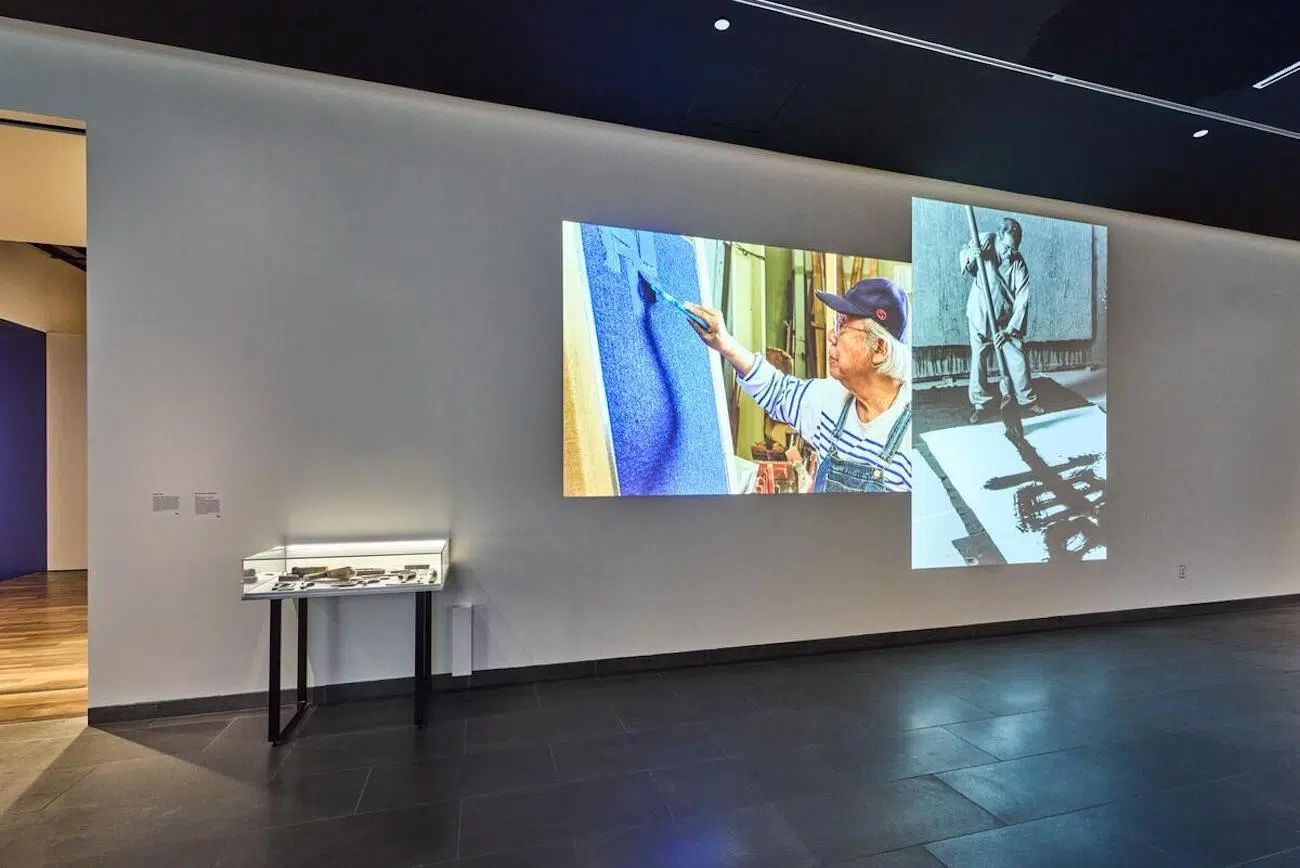
Installation view of Ha Chong-Hyun/ Retrospective, fall 2026. © Asian Art Museum of San Francisco. (Photo: Kevin Candland)
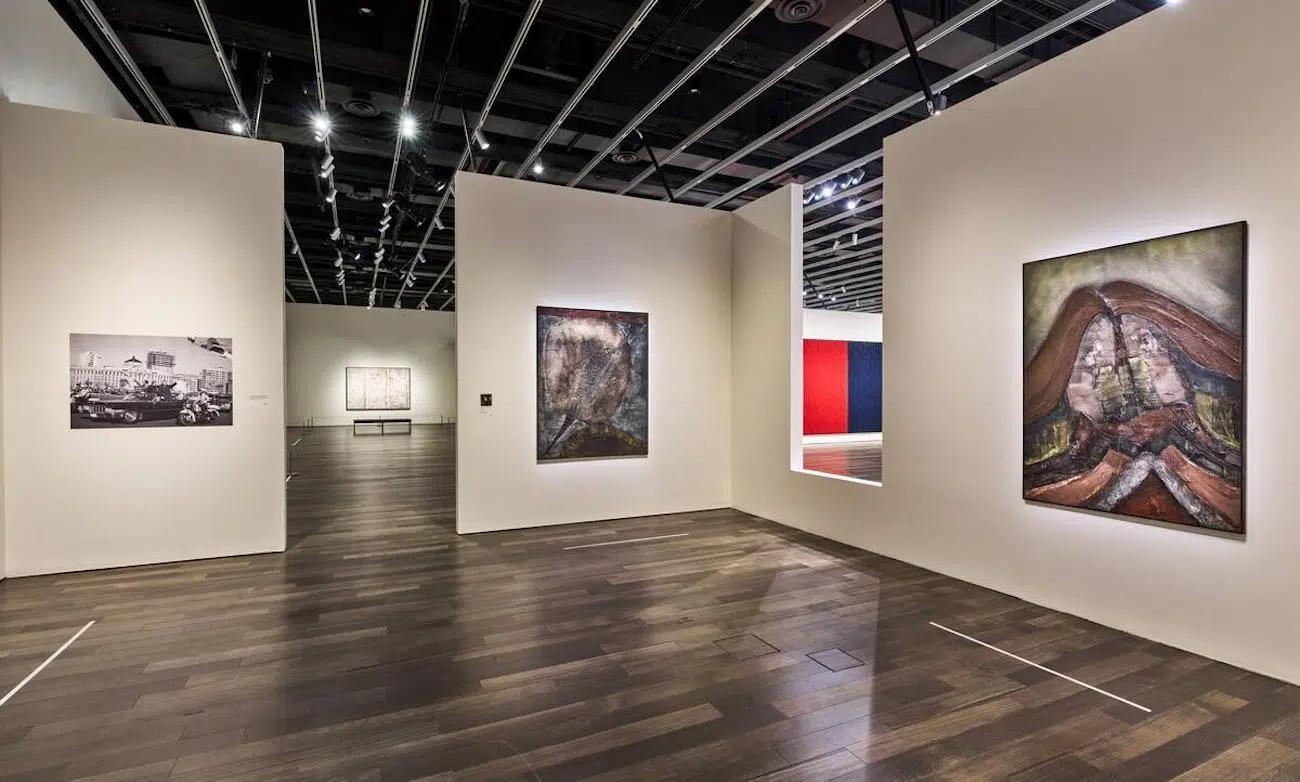
Installation view of Ha Chong-Hyun/ Retrospective, fall 2026. © Asian Art Museum of San Francisco. (Photo: Kevin Candland)
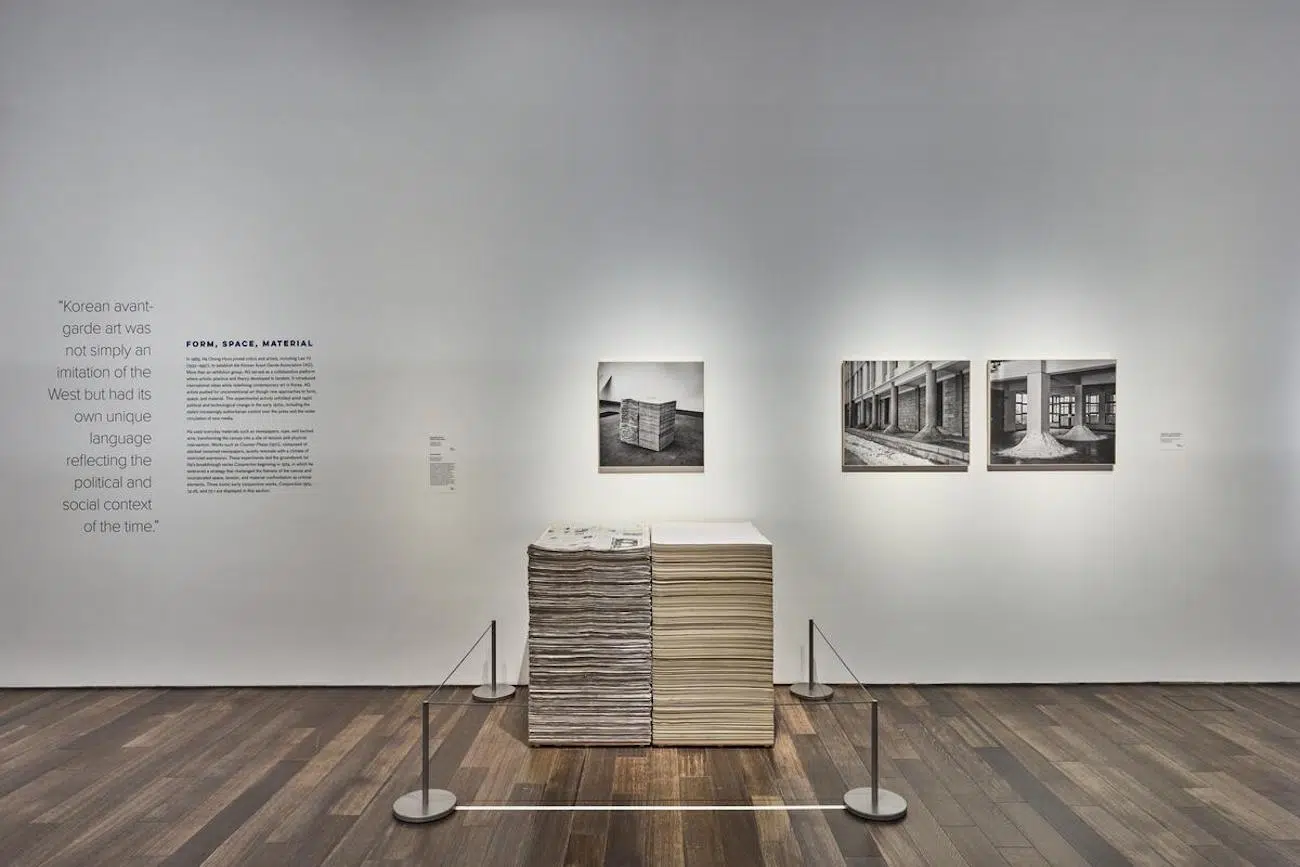
Installation view of Ha Chong-Hyun/ Retrospective, fall 2026. © Asian Art Museum of San Francisco. (Photo: Kevin Candland)
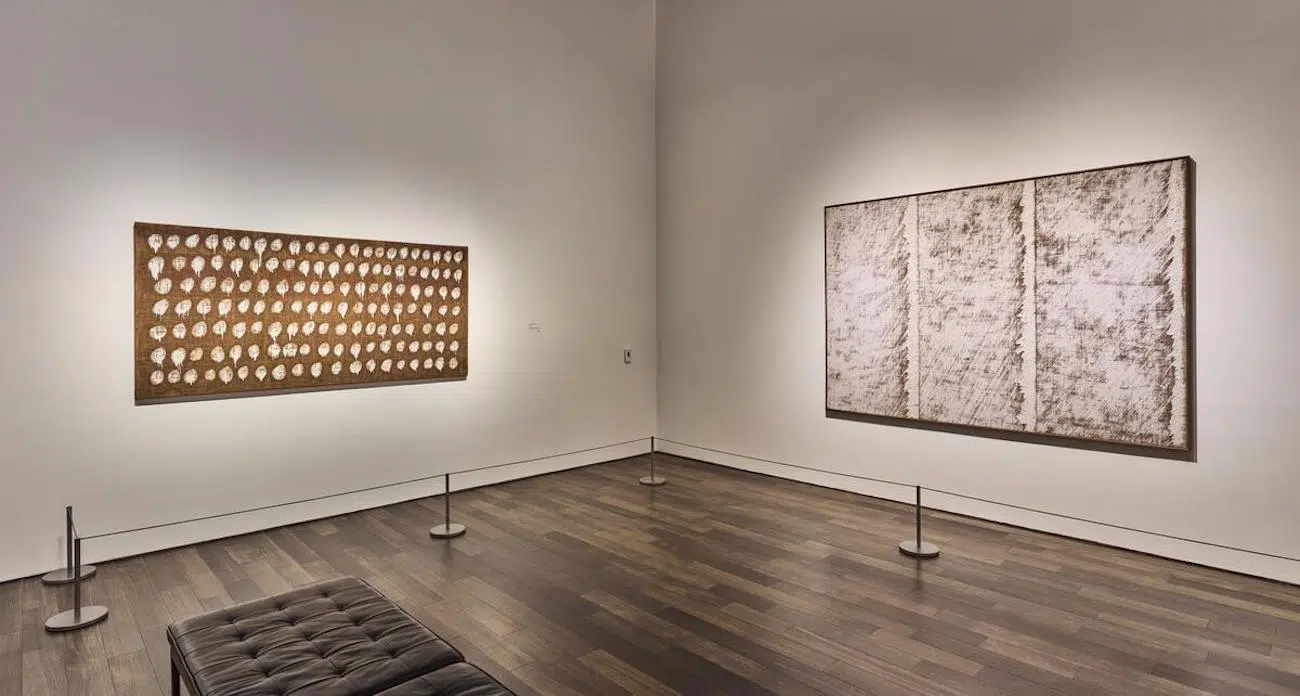
Installation view of Ha Chong-Hyun/ Retrospective, fall 2026. © Asian Art Museum of San Francisco. (Photo: Kevin Candland)
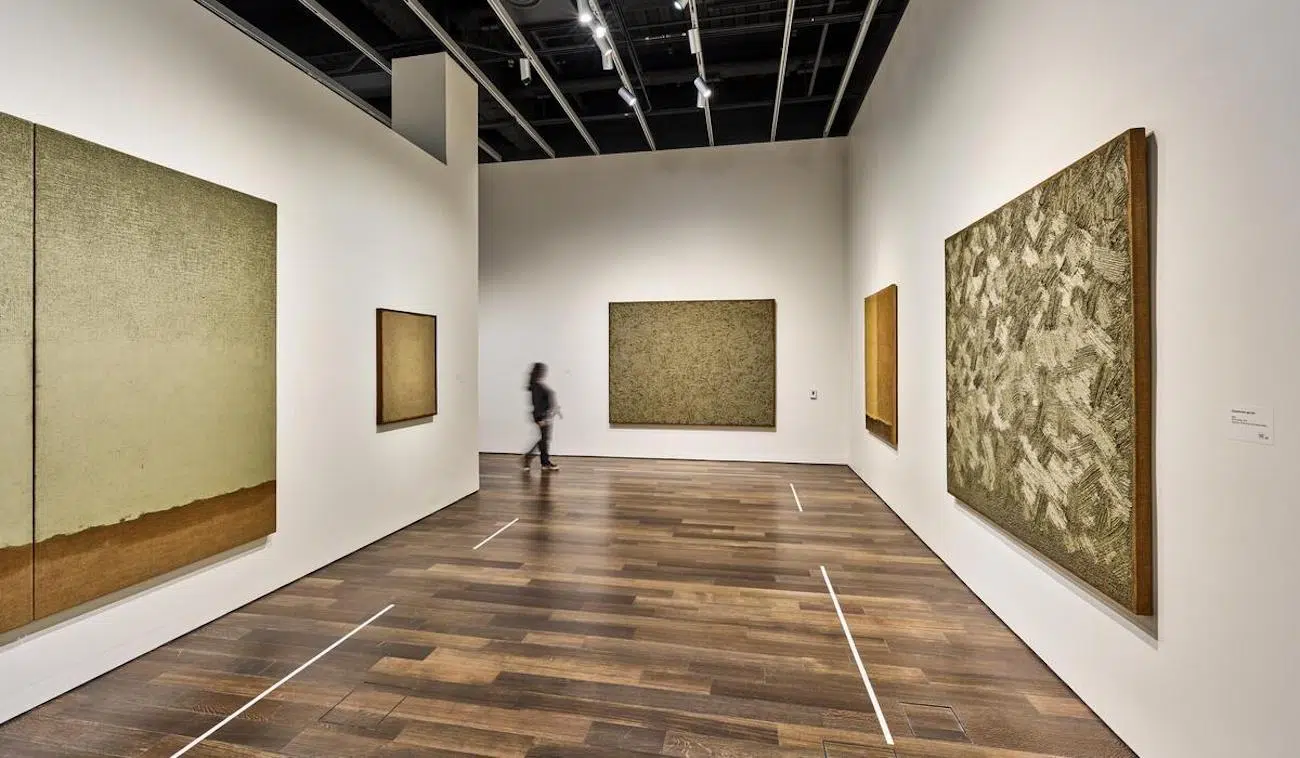
Installation view of Ha Chong-Hyun/ Retrospective, fall 2026. © Asian Art Museum of San Francisco. (Photo: Kevin Candland)
Ha presses oil paint through hemp from the back of the canvas, creating deeply textured surfaces shaped by pressure, repetition, and labor.
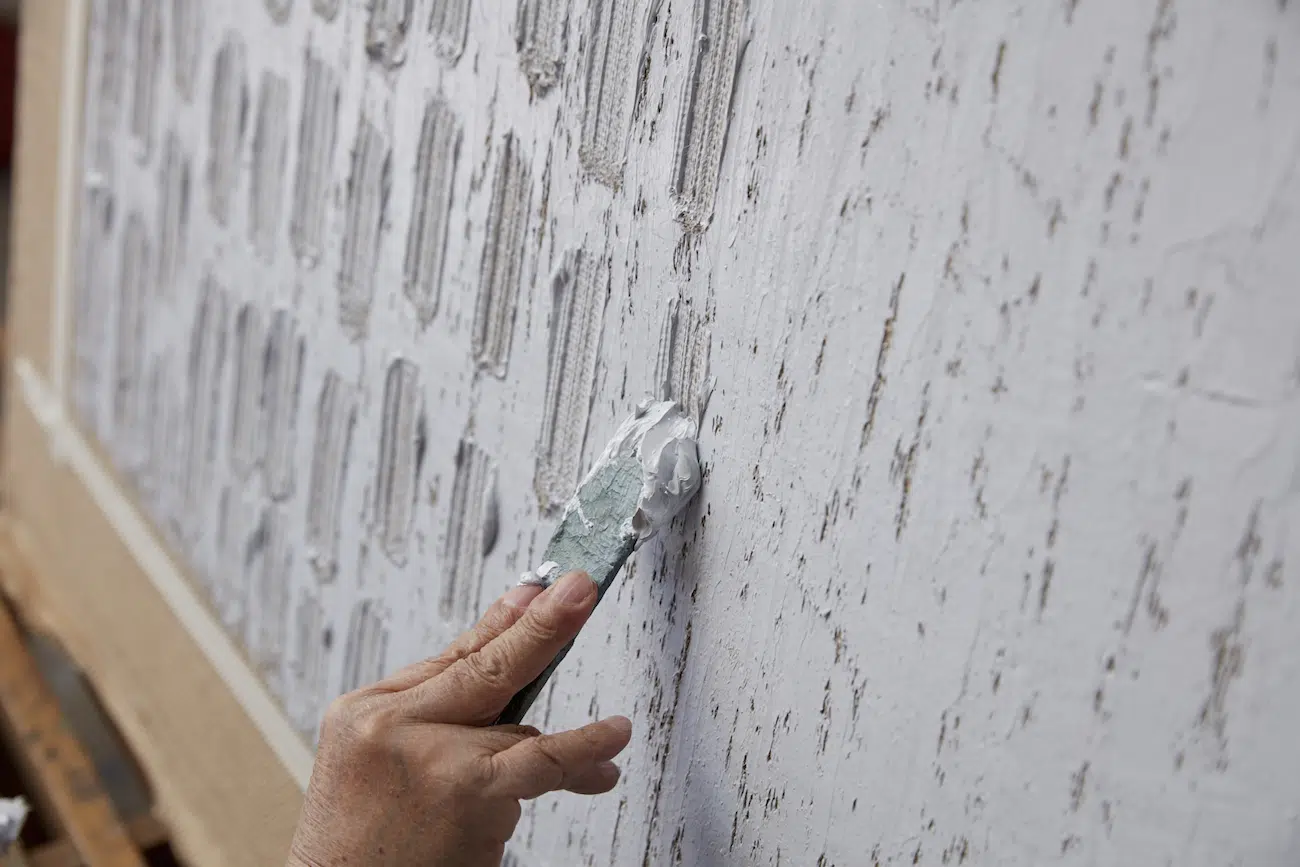
Ha Chong-Hyun in his studio. Photo by Sangtae Kim.
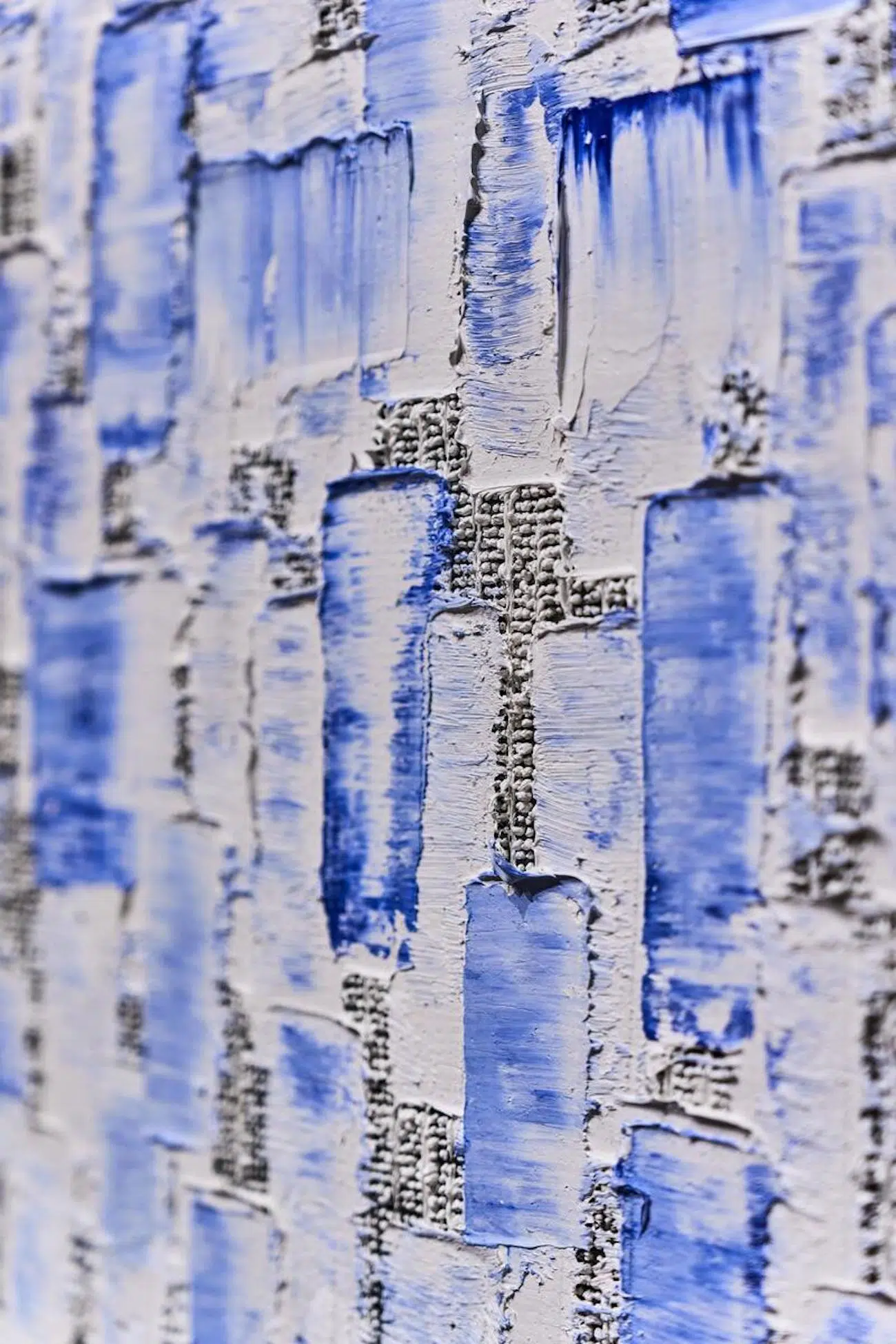
Installation view of Ha Chong-Hyun/ Retrospective, fall 2026. © Asian Art Museum of San Francisco. (Photo: Kevin Candland)
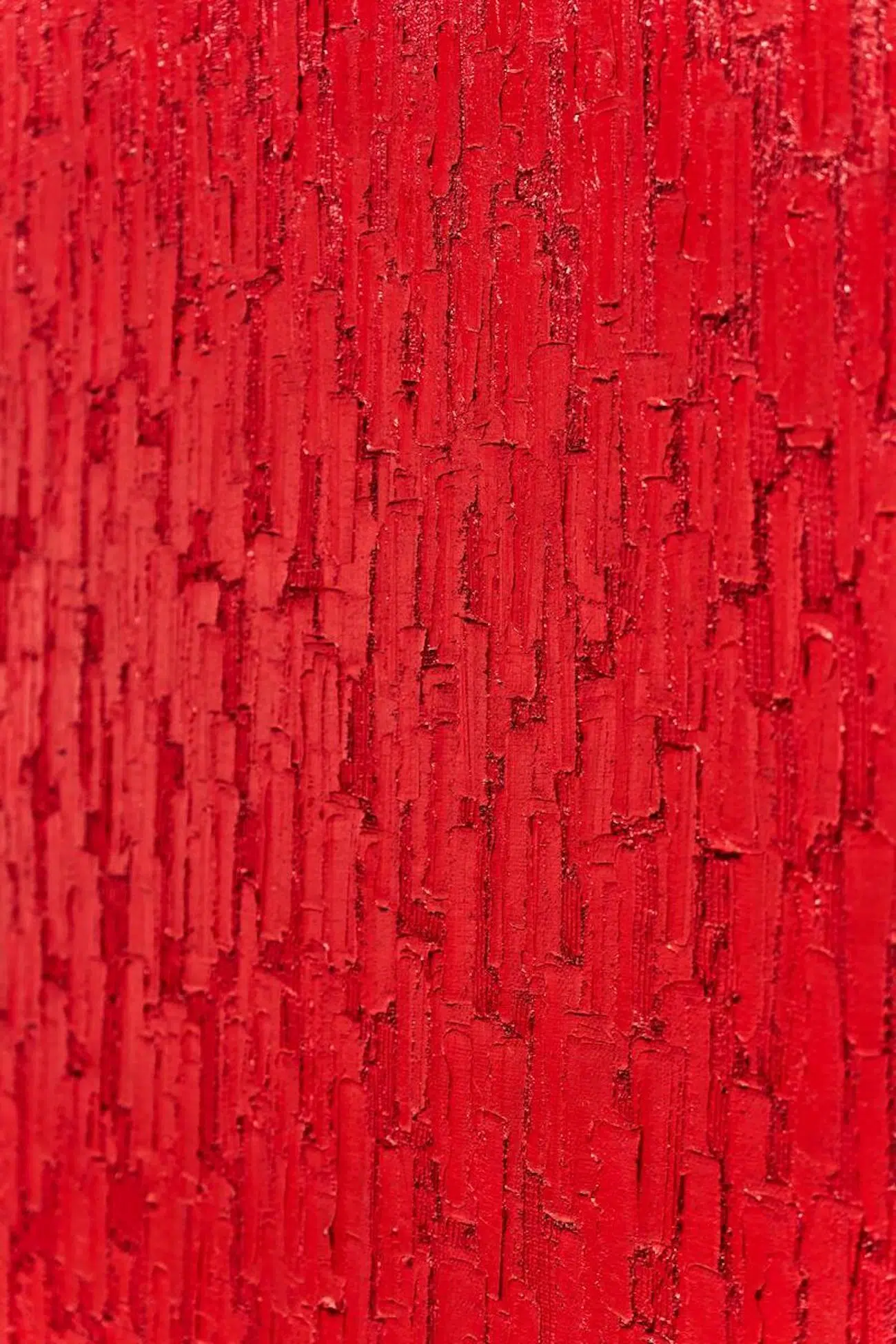
Installation view of Ha Chong-Hyun/ Retrospective, fall 2026. © Asian Art Museum of San Francisco. (Photo: Kevin Candland)
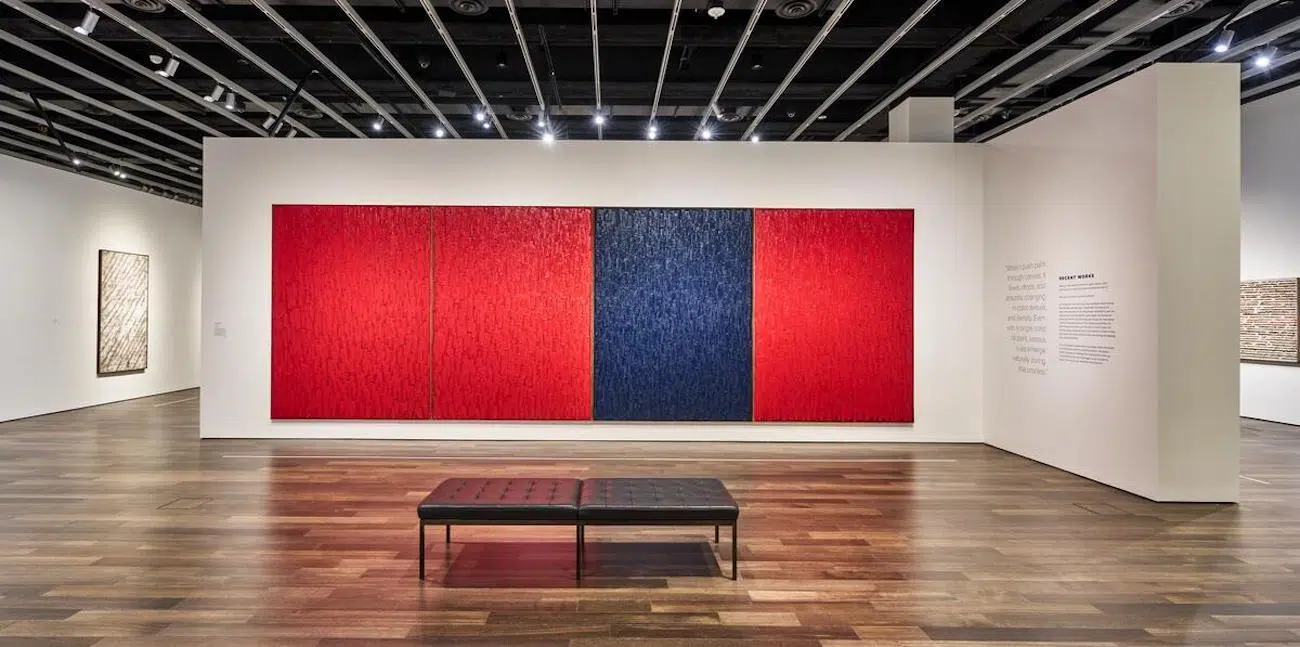
Installation view of Ha Chong-Hyun/ Retrospective, fall 2026. © Asian Art Museum of San Francisco. (Photo: Kevin Candland)
On view through January 25, 2027, the exhibition shows how Ha has continually expanded the possibilities of painting through material and process.
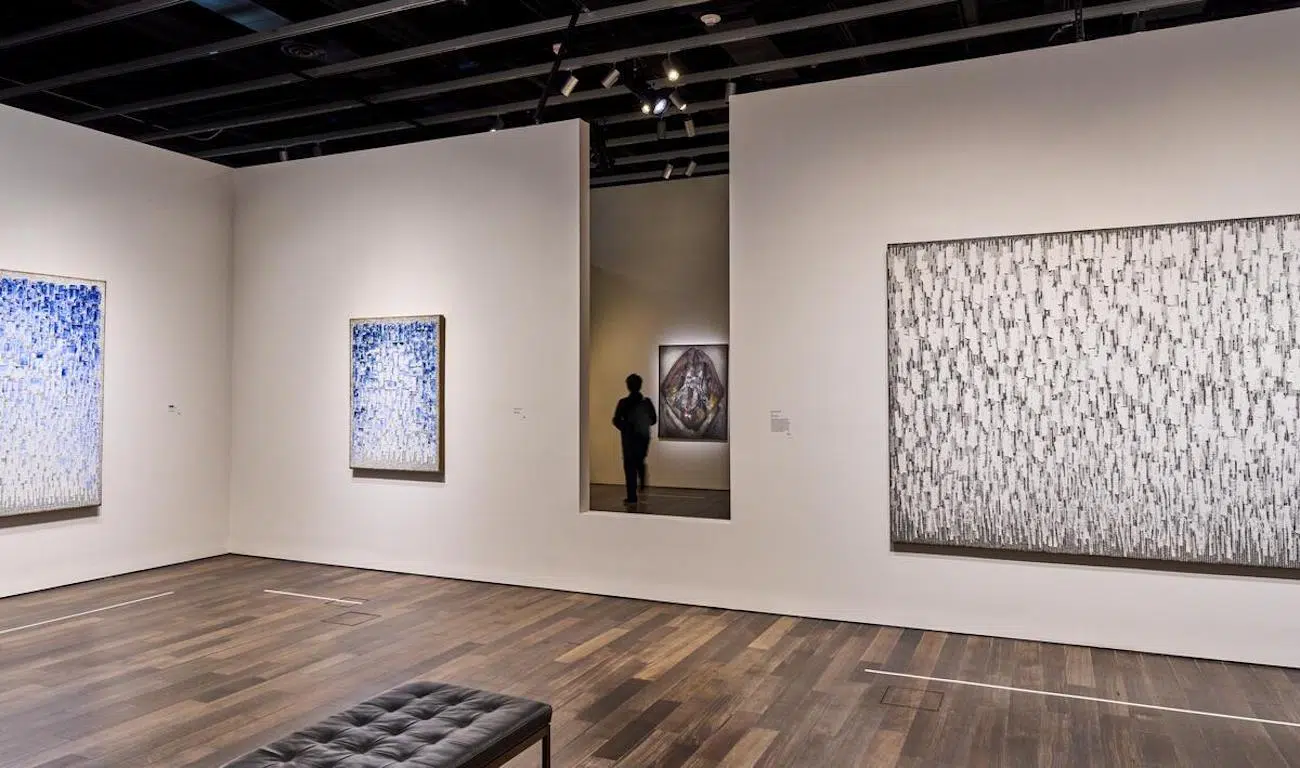
Installation view of Ha Chong-Hyun/ Retrospective, fall 2026. © Asian Art Museum of San Francisco. (Photo: Kevin Candland)
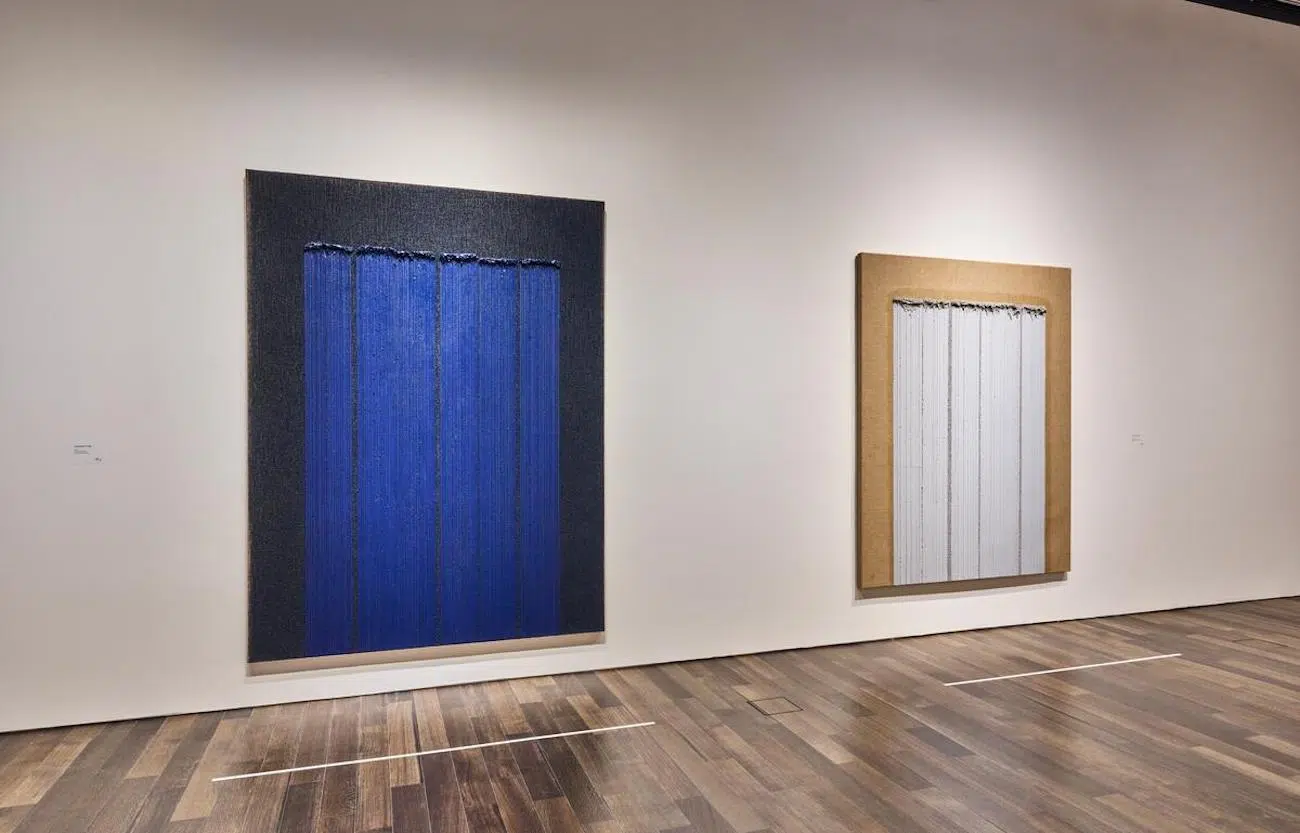
Installation view of Ha Chong-Hyun/ Retrospective, fall 2026. © Asian Art Museum of San Francisco. (Photo: Kevin Candland)
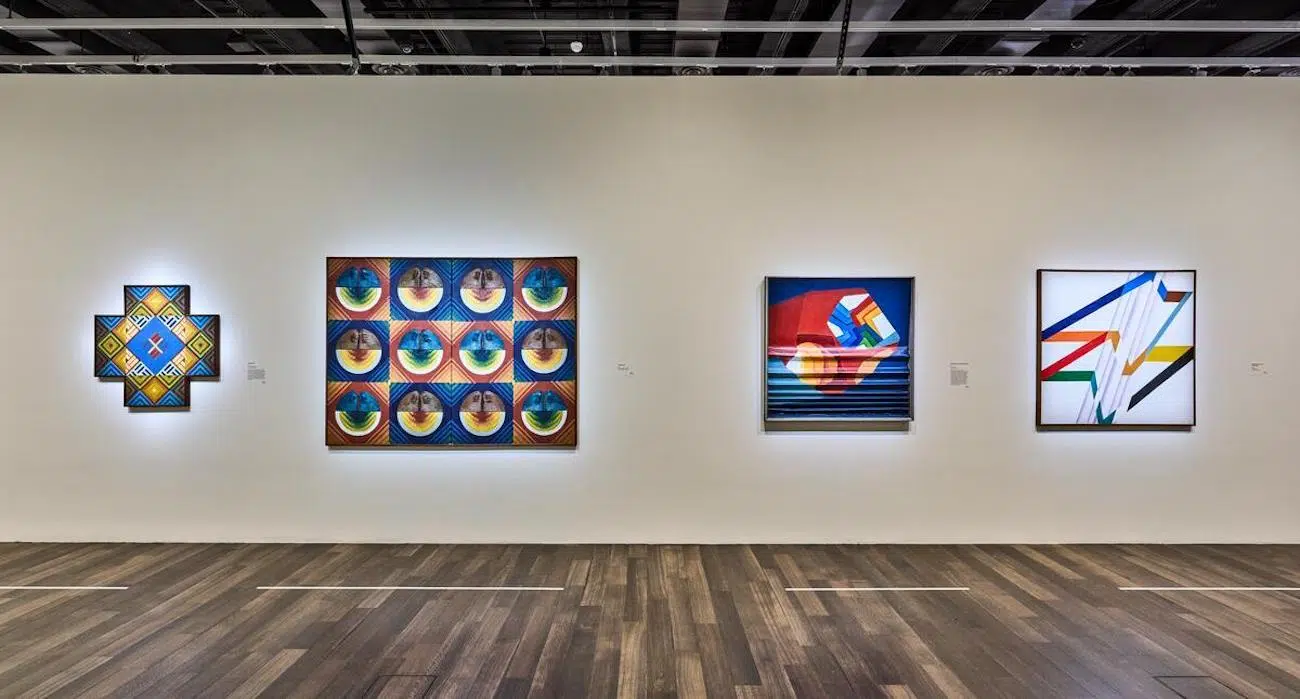
Installation view of Ha Chong-Hyun/ Retrospective, fall 2026. © Asian Art Museum of San Francisco. (Photo: Kevin Candland)
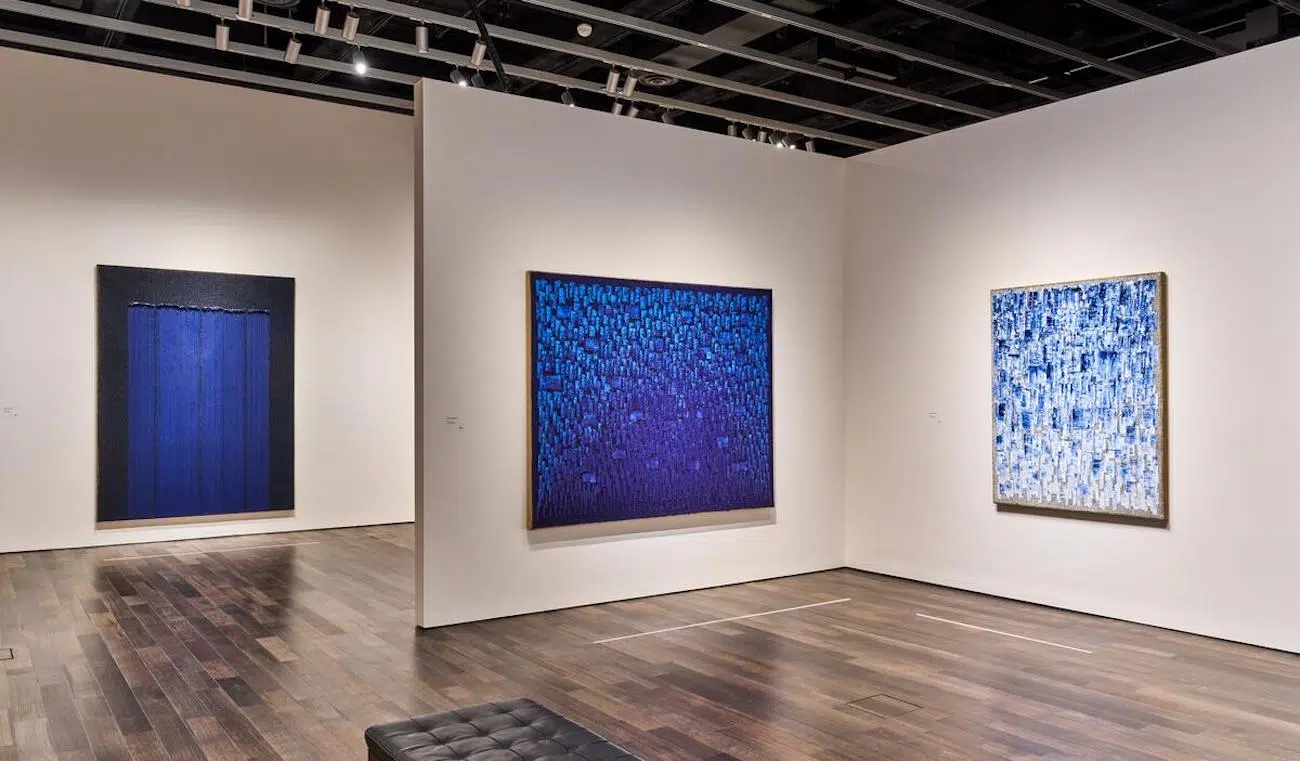
Installation view of Ha Chong-Hyun/ Retrospective, fall 2026. © Asian Art Museum of San Francisco. (Photo: Kevin Candland)
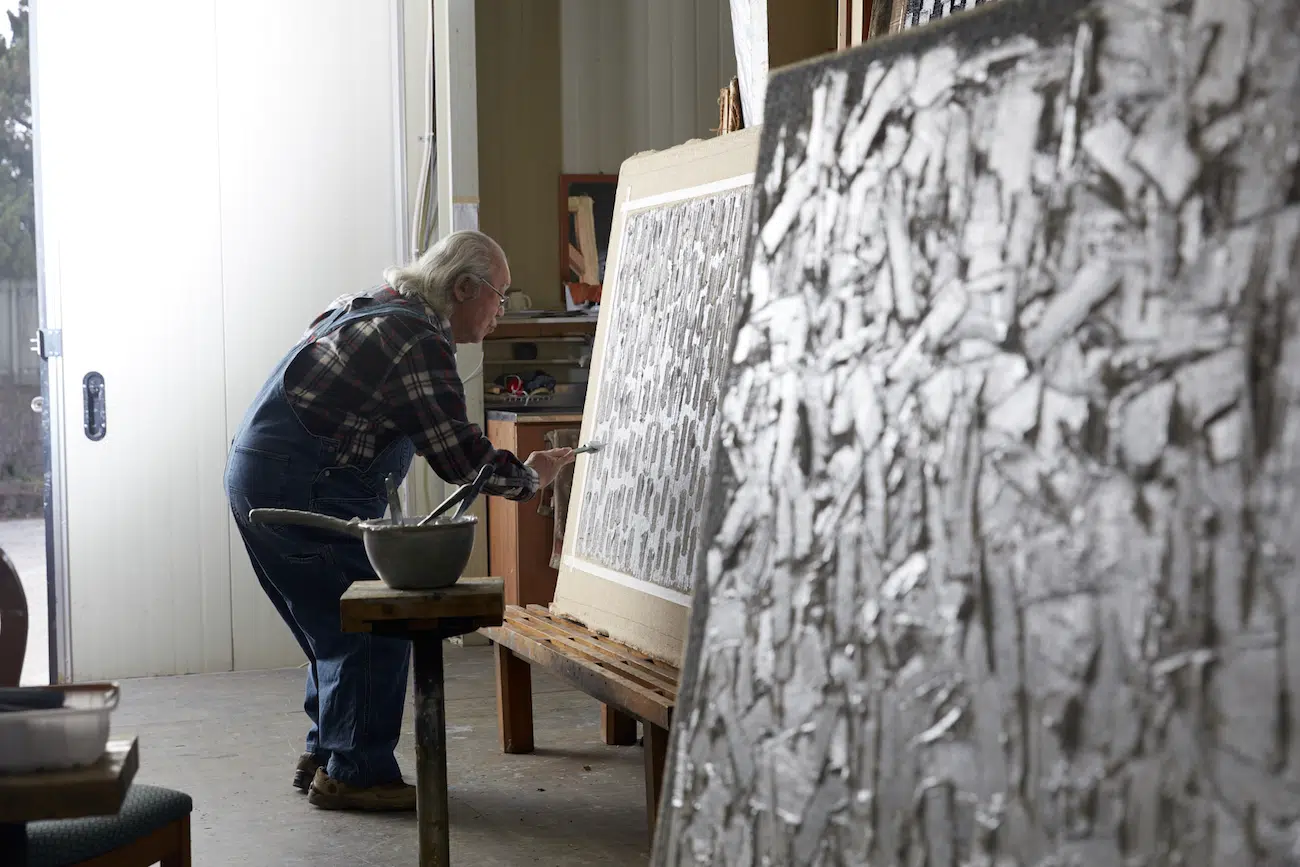
Ha Chong-Hyun in his studio. (Photo: Sangtae Kim)