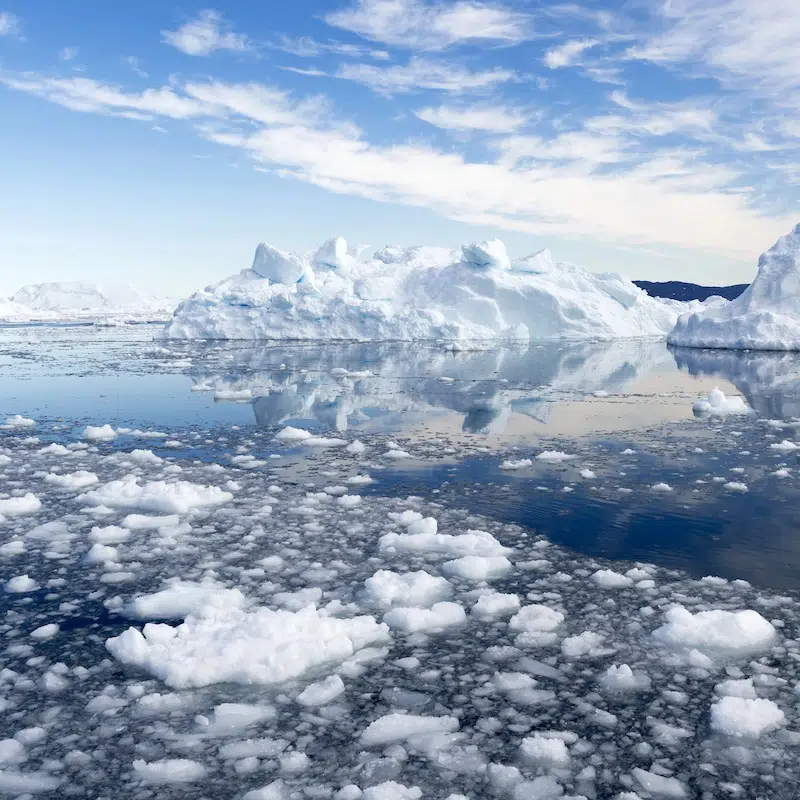
We’ve all heard about the ice sheets melting, but what do rising sea levels actually mean for us? A new study published in Scientific Data reveals the impact of the major melting we’ve seen in recent decades, and how it could continue to affect our planet for years to come.
Since 1979, Greenland and Antarctica have lost about 12.5 trillion tons of ice. While we might assume that warmer air is the main culprit, much of this loss is happening where glaciers meet the ocean. Warming ocean water can melt the ice from below, while glaciers also flow into the sea and break apart. All of that lost land ice ultimately contributes to rising sea levels, creating a much larger problem for coastal regions around the world.
When we think about sea-level rise in terms of inches, the overall impact can sound much smaller than it actually is. But according to Inès Otosaka, an ice scientist at Northumbria University in England who led the Scientific Data study, every third of an inch of sea-level rise exposes another 2 million to 3 million people to flooding at least once a year. And scientists have been watching this problem grow for quite some time.
“There is a clear trend that the ice sheets are losing more mass and it has been increasing from decade to decade, especially if you look at the ice being discharged to the ocean,” Otosaka says. “And that’s quite clear that there’s a link to climate change.”
The data shows that ice loss was relatively stable during the 1970s, 1980s, and 1990s. But things began to change in the early 2000s, and by the 2010s, the rate of ice loss had increased significantly.
Perhaps most concerning is that the ice sheets don’t necessarily respond to global warming right away. Instead, their response can play out over decades, meaning some of the consequences of today’s warming may still be ahead of us. “Which means we can expect them to continue for decades more—even if we are able to stop heating the planet,” says study co-author Andrew Shepherd, also of Northumbria University.
While some future ice loss may already be unavoidable, how much the planet warms still matters. Reducing greenhouse gas emissions can limit additional warming and, in turn, help reduce the severity of long-term ice loss and sea-level rise. Studies like this one also give scientists a clearer picture of how quickly the ice sheets are changing, offering coastal communities valuable information as they prepare for what comes next.
Since 1979, Greenland and Antarctica have lost about 12.5 trillion tons of ice.
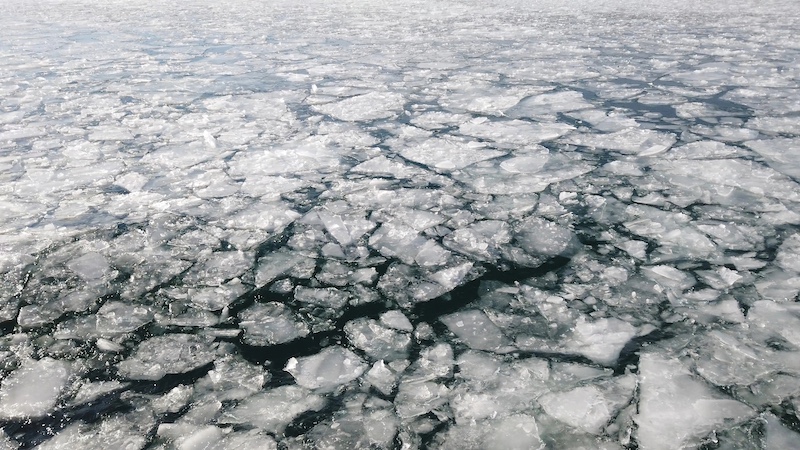
While previously stable, in the early 2000s, and by the 2010s, the rate of ice loss has increased significantly.
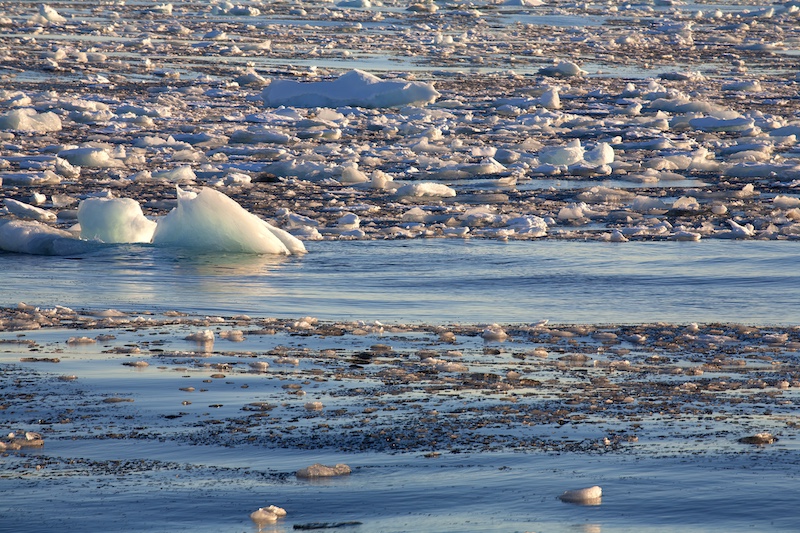
Reducing greenhouse gas emissions can limit additional warming and, in turn, help reduce the severity of long-term ice loss and sea-level rise.
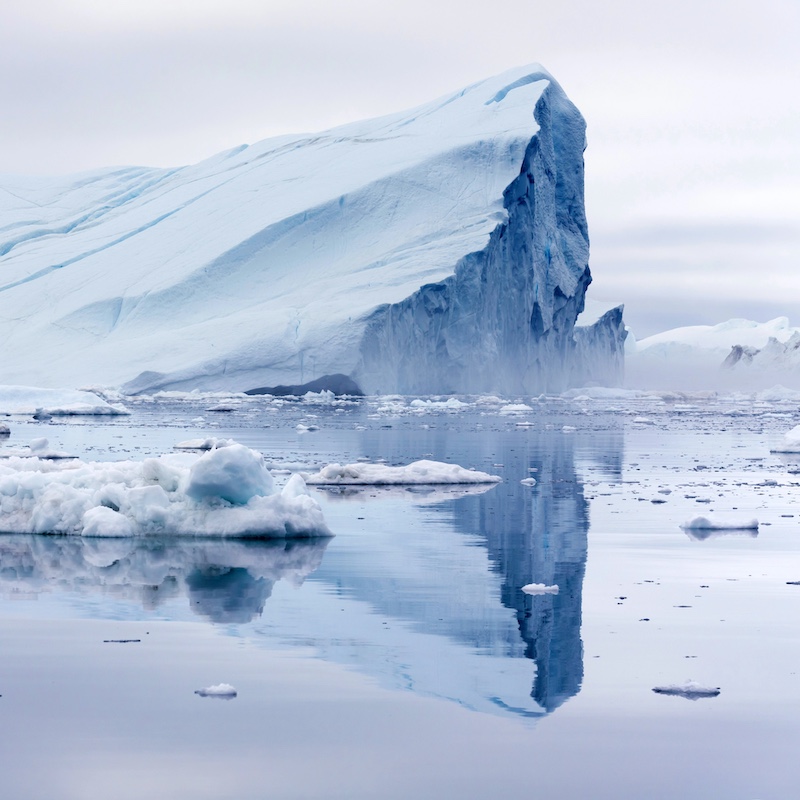
Source: Mass balance of the Greenland and Antarctic ice sheets from the 1970s to 2023
Related Articles:
Remembering Sir David Attenborough’s Predictions for 2030 and Onwards Ahead of His 100th Birthday
Massive Iceberg Flips Over Near Greenland, Creating Waves Visible From Shore
12,000 Acres of Forests and Wetlands Join Protected Nature Reserve in Minnesota