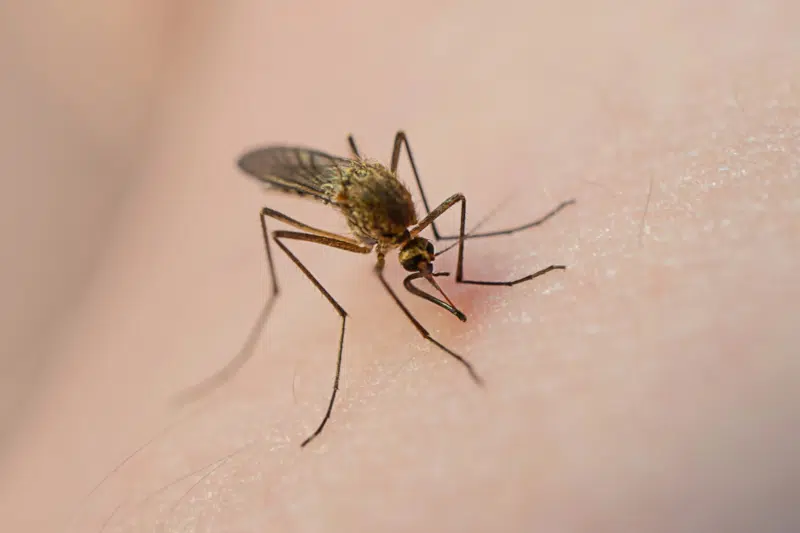
The world’s deadliest animal might not be what you expect. It’s not a venomous snake or a preying shark; per the Centers for Disease Control and Prevention, it’s the seemingly insignificant mosquito. These bugs are carriers of deadly illnesses, such as malaria, dengue, and West Nile virus, killing thousands every year. Alphabet, Google’s parent company, has created Debug, an innovative plan to reduce the mosquito populations, which includes releasing 32 million of these bugs in California and Florida.
“Bad mosquitoes spread disease. Good mosquitoes can stop them,” is the motto of the Debug team. Made up of scientists and engineers, they are working to raise and release sterile male mosquitoes. The premise is simple: “Male mosquitoes can’t bite or spread disease, so good bugs will stop bad ones from reproducing. Over time, there will be fewer and fewer bad mosquitoes.”
The plan relies on a naturally occurring bacteria called Wolbachia, which makes the male mosquitoes unable to have offspring with wild female bugs. To raise them, no chemicals or toxins are involved, and it doesn’t there’s no genetic modification either. The team is currently targeting the Aedes aegypti mosquito, known for spreading dengue, yellow fever, and chikungunya (a viral disease endemic in East Africa and parts of Asia).
The team explains that the idea isn’t new, as it has been around since the 1950s. “It’s called the Sterile Insect Technique (SIT), and it has worked on other kinds of bugs—like fruit flies, screwworms, and codling moths,” Debug explains. “But it’s never worked with mosquitoes at a large enough scale to stop diseases from being transmitted. Mosquitoes are fragile and difficult to rear in the necessary numbers. With Debug, we’re developing new technologies to make it possible.”
The team also shares that, at the moment, separating male and female mosquitoes is a slow, manual process, but they are developing technology to automate it. If it works, this would have a longer-lasting and less-polluting impact than pesticides.
Debug has already returned some promising results in Singapore. Since launching in 2024, Singapore has achieved 80-90% suppression of the Aedes aegypti mosquito population and more than 70% reduction in dengue incidents after six to 12 months of releases. Today, over 10 million sterile male mosquitoes are released every week.
This has inspired Debug to expand their efforts to the U.S., where they have submitted a request to release up to 16 million mosquitoes annually in California and Florida over the span of two years. The petition is being reviewed by the Environmental Protection Agency, which can issue an experimental use permit after a public comment period.
To stay up to date with these efforts, make sure to visit Debug’s website.
Debug: Website
Sources: Debugging: Google requests permission to release 32m mosquitoes in California and Florida; Debug Expands in Singapore: Building the Next Generation of Mosquito Control Technology; Fighting the World's Deadliest Animal
Related Articles:
This Plant-Powered Trap Will Help You Get Rid of Mosquitos To Make the Most Out of Your Summer
Iconic Tumbleweeds, Symobls of the American West, Are Actually Not Native to North America
Ghostlike Hare at the Edge of a Cave Wins GDT Nature Photographer of the Year 2026
Students Design Self-Sanitizing Door Handle to Help Prevent Contagious Illnesses