
For the first time on record, solar power has generated more electricity than coal in the United States, marking a structural shift in the country’s electricity mix and the accelerating role of renewables in the grid. In May 2026, solar accounted for approximately 12.8% of U.S. electricity generation, while coal accounted for about 12.2%. This marks the first monthly period in which solar surpassed coal in electricity output.
Solar’s record output during the month is is due in part to the seasonal conditions that increase daytime generation. Growth in solar also comes from both utility-scale installations and distributed systems across multiple states. At the same time, coal generation continued its long-term downward trend due to plant retirements, reduced utilization, and competition from lower-cost energy sources. Coal plants also increasingly operate below full capacity, which reduces their overall share of total electricity generation even when facilities remain active. This moment does not signal the end of coal, but it confirms a shift in the structure of electricity production in the U.S. The result is a grid that now relies more heavily on variable renewable energy, with solar playing a growing role in meeting daytime demand and offsetting fossil fuel generation.
The U.S. is not alone in this transition. Solar energy continues to expand rapidly in major economies worldwide, particularly in emerging markets. In India, for example, rapid solar deployment has added several gigawatts of capacity in a single month, pushing total installed solar capacity beyond 150 gigawatts. This reflects a broader international push toward renewable energy expansion and large-scale grid decarbonization.
Across regions, solar growth is being driven by declining technology costs, faster deployment timelines compared to fossil fuel infrastructure, and policy frameworks that prioritize renewable energy expansion. The solar-over-coal crossover reflects more than a statistical milestone. It signals a broader reconfiguration of electricity systems toward modular, rapidly deployable energy sources that can scale faster than traditional fossil fuel infrastructure.
Coal remains part of the U.S. energy system, but its role continues to diminish as solar and other renewable energy sources expand. Utilities now increasingly integrate solar into core planning for generation capacity rather than treating it as supplemental energy. The transition is gradual rather than abrupt, but the direction is clear. Solar has moved from a marginal source of generation to a central component of the grid, particularly during daylight hours when production peaks.
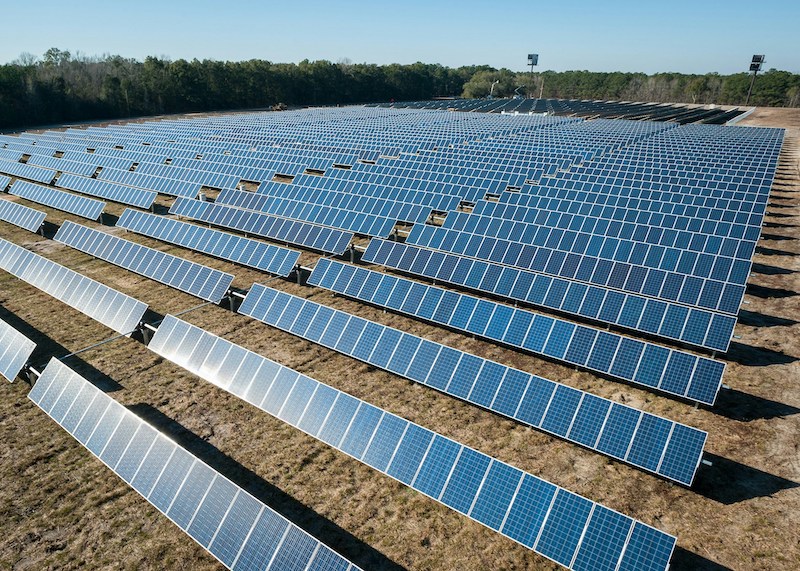
Solar power surpassed coal in monthly U.S. electricity generation for the first time in May 2026, with solar reaching about 12.8% of the mix compared to coal’s 12.2%.
Sources: Solar overtakes coal in US electricity for the first month on record; Solar generates more energy in US than coal for first time; India Adds 3.9 GW Solar Capacity in April, Crosses 154 GW Milestone Amid Rapid Renewable Energy Expansion
Related Articles:
Dubai’s Will Boast the “World’s Greenest Highway” With 100% Solar-Powered Trams and a Million Trees
13,000 Solar Panels Will Help Power JFK Airport’s ‘New Terminal One’
Innovative Turbine Combines Wind and Solar Power To Create Sustainable Energy System
Aerodynamic Solar Panel Powered Camper Holds up to Four People