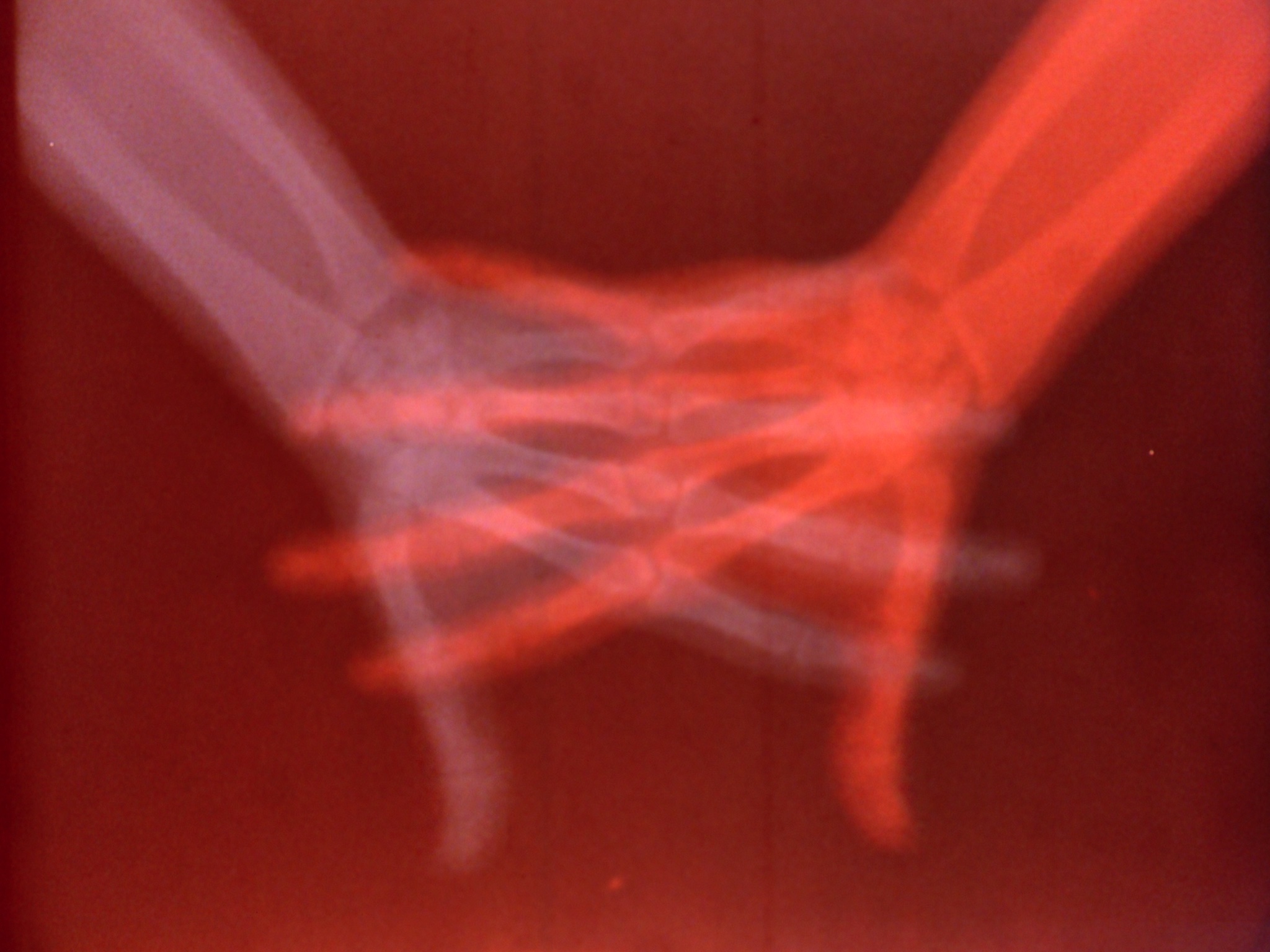
Barbara Hammer, “Sanctus,” 1990. 16mm film transferred to HD video. (Courtesy the artist’s estate and Electronic Arts Intermix)
On December 28, 1895, the public was introduced to two of the world’s most groundbreaking innovations: films and X-ray technology. That both inventions debuted on the same day seems to suggest some sort of shared history, one that radically altered the ways in which we understand and depict the human body. This is exactly what the Queens-based Museum of the Moving Image (MoMI) hopes to prove through Overexposed, a new exhibition exploring how art, imaging technology, and medical science inform one another.
Encompassing nearly 40 historical artifacts, films, and installation-based works, the show raises questions about normativity, objectivity, and care, as visualized through medical imaging tools and their appropriation by artists. Featured pieces incorporate everything from X-rays and ultrasounds to MRI and CT scans, offering unexpected and at times jarring representations of the body—both on the inside and on the outside.
“These optical devices changed the way that we think about the human body,” Sonia Shechet Epstein, MoMI’s curator of science and technology, tells My Modern Met. The exhibition, Shechet continues, probes beyond the surface of these devices, considering how “our bodies—and our sense of self—are constantly being redefined by the tools that claim to see us most clearly.”
Shechet has long been intrigued by what she calls the “intersection of science and film,” an interest that began when she encountered Sanctus, an experimental work by the pioneering queer artist Barbara Hammer, about a decade ago. The film repurposes moving X-rays originally shot by Dr. James Sibley Watson in the 1950s, filtering skeletal structures through propulsive, technicolored filters, effects, and visuals. “What’s fascinating is that the subjects are performing for the X-ray camera—shaving, putting on makeup, playing instruments,” Shechet adds.
Sanctus is at the heart of Overexposed, alongside modern and contemporary entries alike. The exhibition’s earliest work, for instance, hails from 1975, showcasing X-rays of artist Ana Mendieta’s head. As we confront these intimate, almost invasive images, Mendieta simultaneously performs standard speech tests, thus transforming herself into a medicalized subject. The show’s most recent contribution, on the other hand, contends with hybridity, autonomy, and gender expression. Produced between 2025 and 2026, Opera Medica sees Agnes Questionmark performing surgery on part-human, part-sea creature sculptures of her own making.
“Having experienced being a patient undergoing gender-affirming surgery, Questionmark uses the tools of a surgeon to reclaim agency and stage surgery her way, while her sculptures reject normative ideals,” Shechet says of the multimedia project.
Aside from art, Overexposed also traces medical imaging through historical objects. This is partially out of necessity, considering that artists only recently gained access to X-ray and similar technologies. “As the decades progressed, artists had a hard time working with the technology because they couldn’t get access to it. It was circumscribed to doctors,” Shechet explains. “Starting in the 1960s and 70s, artists found ways of gaining access. In the present day, we see many more artists working with medical imaging because they’re able to go online and download their scans.”
These artifacts, though, effectively expand the exhibition’s scope, contextualizing how medical imaging evolved throughout history. Highlights include early X-rays, a Lumière Brothers poster, an 1899 X-ray machine advertisement, Disney’s 1929 The Skeleton Dance, and Life Magazine’s 1956 beauty contest with X-rays. Taken together, Shechet hopes the curated selection won’t just provoke thought, but also surprise and delight. She feels confident that a set of bootleg records from the Soviet Union will achieve just that.
“This ‘bone music’ was made in the 50s and 60s, when vinyl was restricted as a way of censoring what citizens could listen to,” she says. “Bootleggers found a way of using X-rays as a substitute for vinyl, inscribing it with the music they secretly loved. From Ukraine, I ordered The Beatles singing Taxman inscribed on a shoulder joint and Hey Jude on some ribs.”
Overexposed: Art, Technology, and the Body is currently on view at the Museum of the Moving Image through January 3, 2027.
A new exhibition contends with the intersections of art, imaging technology, and medical science, gathering films that incorporate X-rays, MRI and CT scans, ultrasounds, and more.
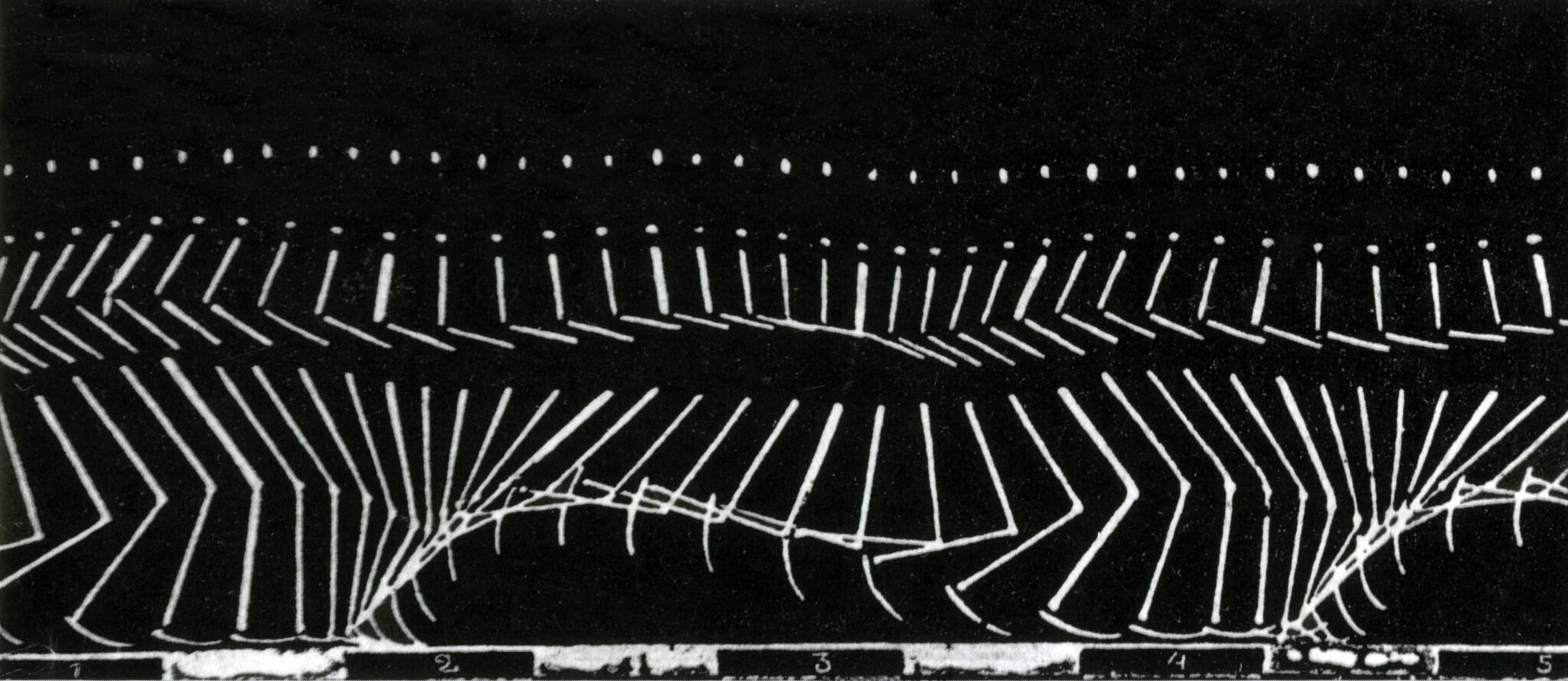
“Man Running,” c. 1880, a chronophotograph by Etienne-Jules Marey. Marey (1830-1904) was a French scientist, physiologist, and pioneer of early photography. In this early experiment, a man wearing a black suit with a white stripe painted on it was recorded as he ran past the open shutter of Marey’s camera.
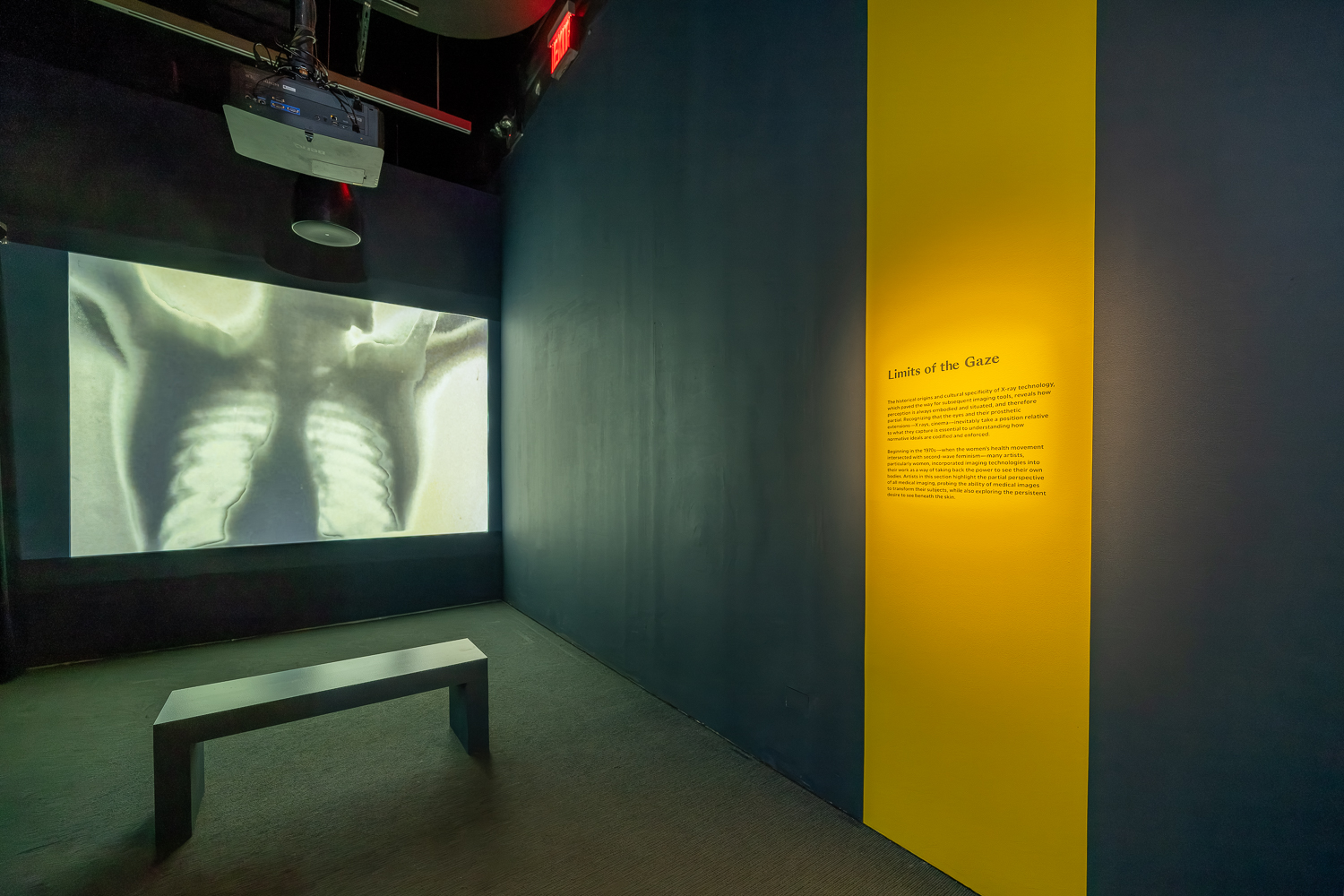
Installation view of “Overexposed: Art, Technology, and the Body” at the Museum of the Moving Image in Queens, NY. (Photo: Thanassi Karageorgiou)
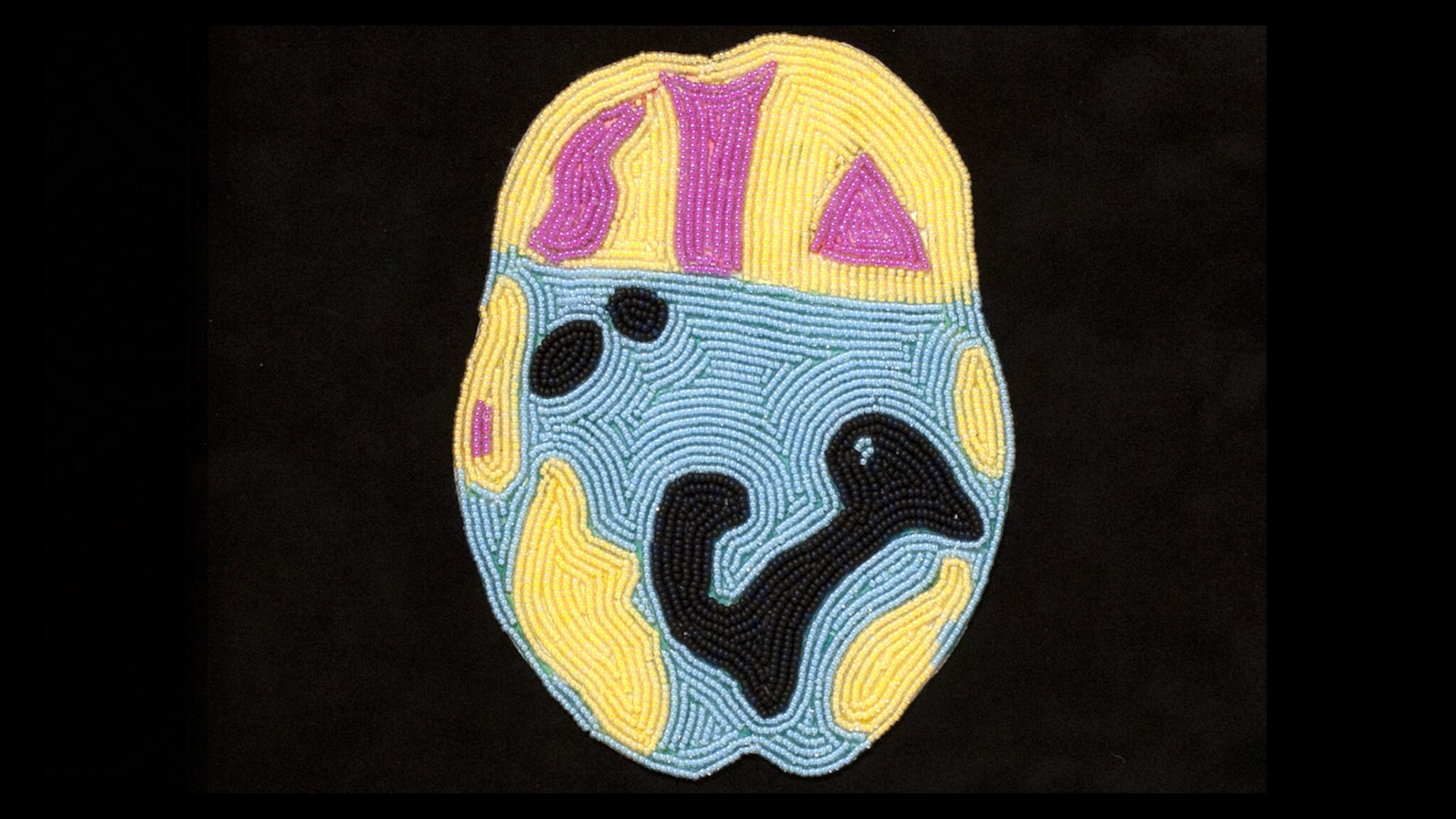
Theo Jean Cuthand and Ruth Cuthand, “Neurotransmitting,” 2021. Digital video. (Courtesy of the artists)
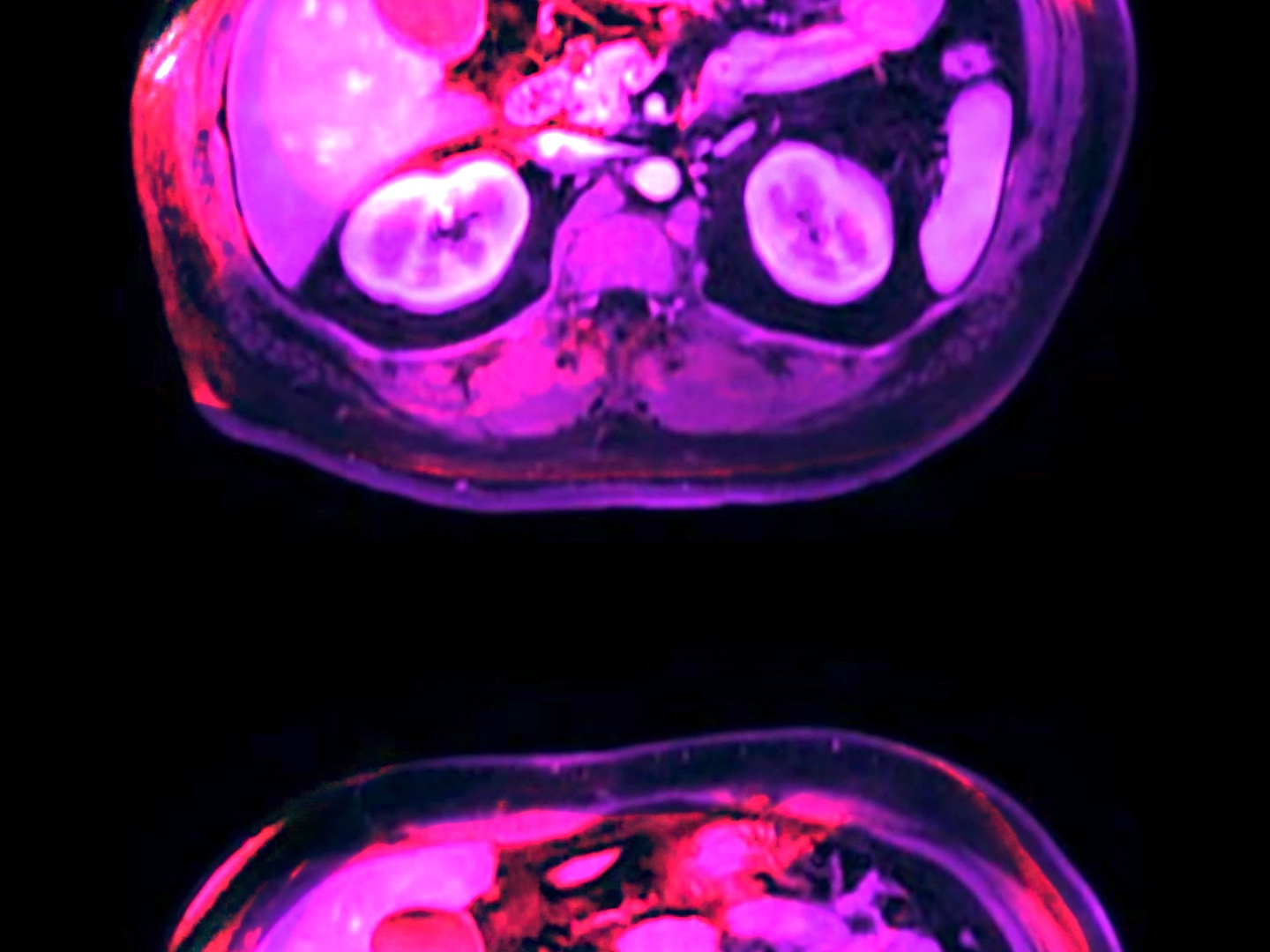
Anna Kipervaser, “in ocula oculorum,” 2021. Digital video. (Courtesy of the artist)
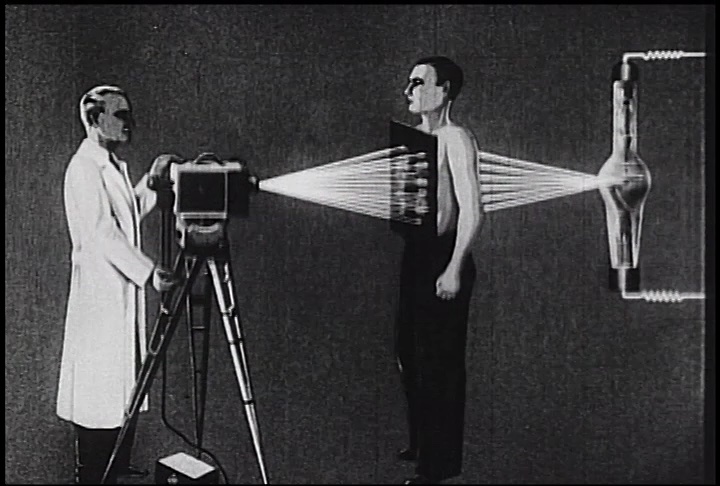
“Moving X rays,” c. 1938, prod. by Nicholas Kaufmann. Written and directed by Martin Rikli, technical advisor Robert Janker. Digital video. (Courtesy of the National Library of Medicine)
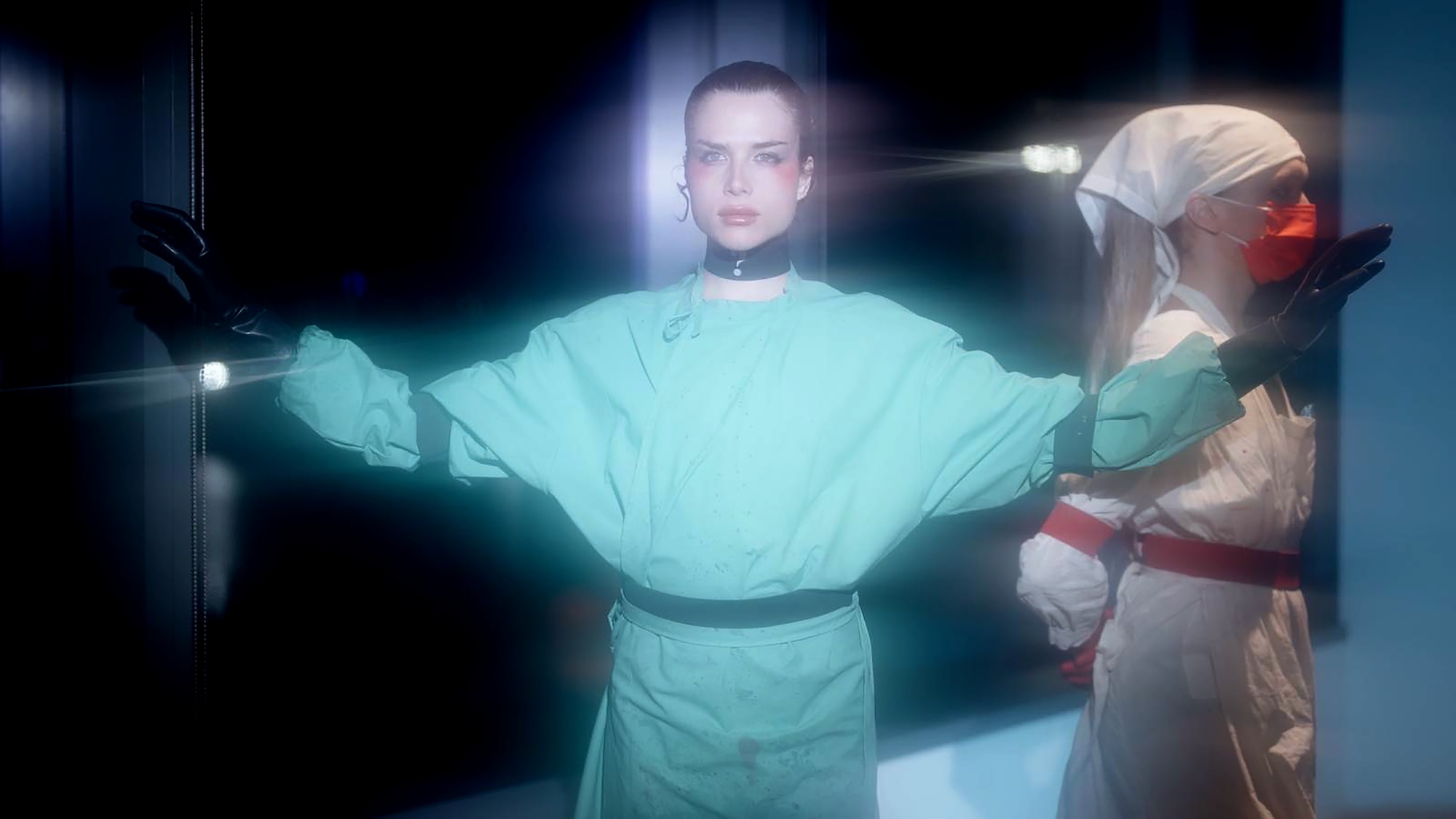
Agnes Questionmark, “Opera Medica,” 2025, dir. by Giulia Mucci, still photography by Jason Baker. Three-channel video installation. (Courtesy of the artist)
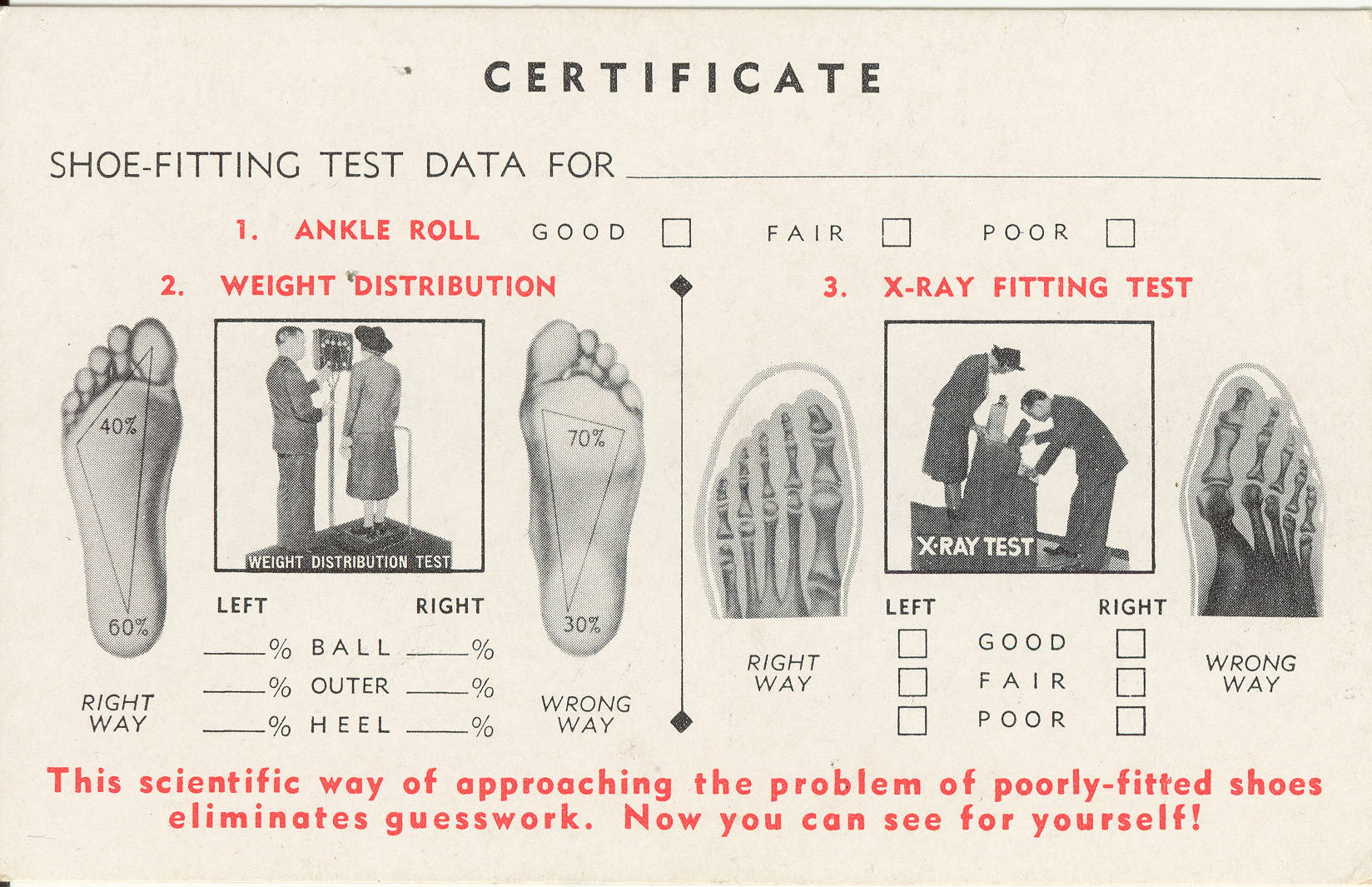
Shoe-fitting certificate, date unknown. Digital image. (Courtesy Oak Ridge Associated Universities, Museum of Radiation and Radioactivity)
Overexposed is on view at the Museum of the Moving Image in Queens through January 3, 2027.
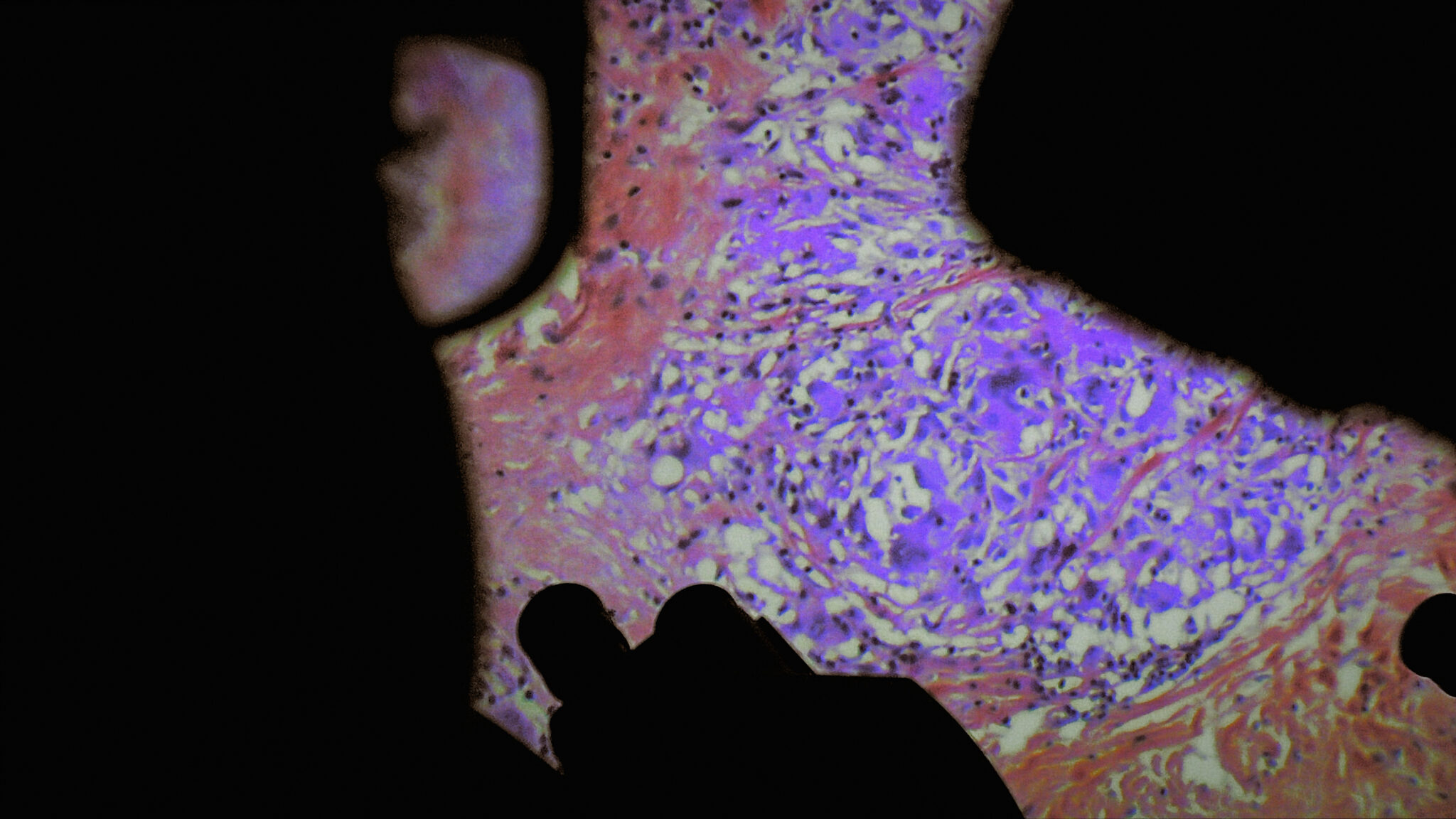
Véréna Paravel and Lucien Castaing-Taylor, “De Humani Corporis Fabrica,“ 2022. Multi-channel video installation. (Courtesy of the artists)
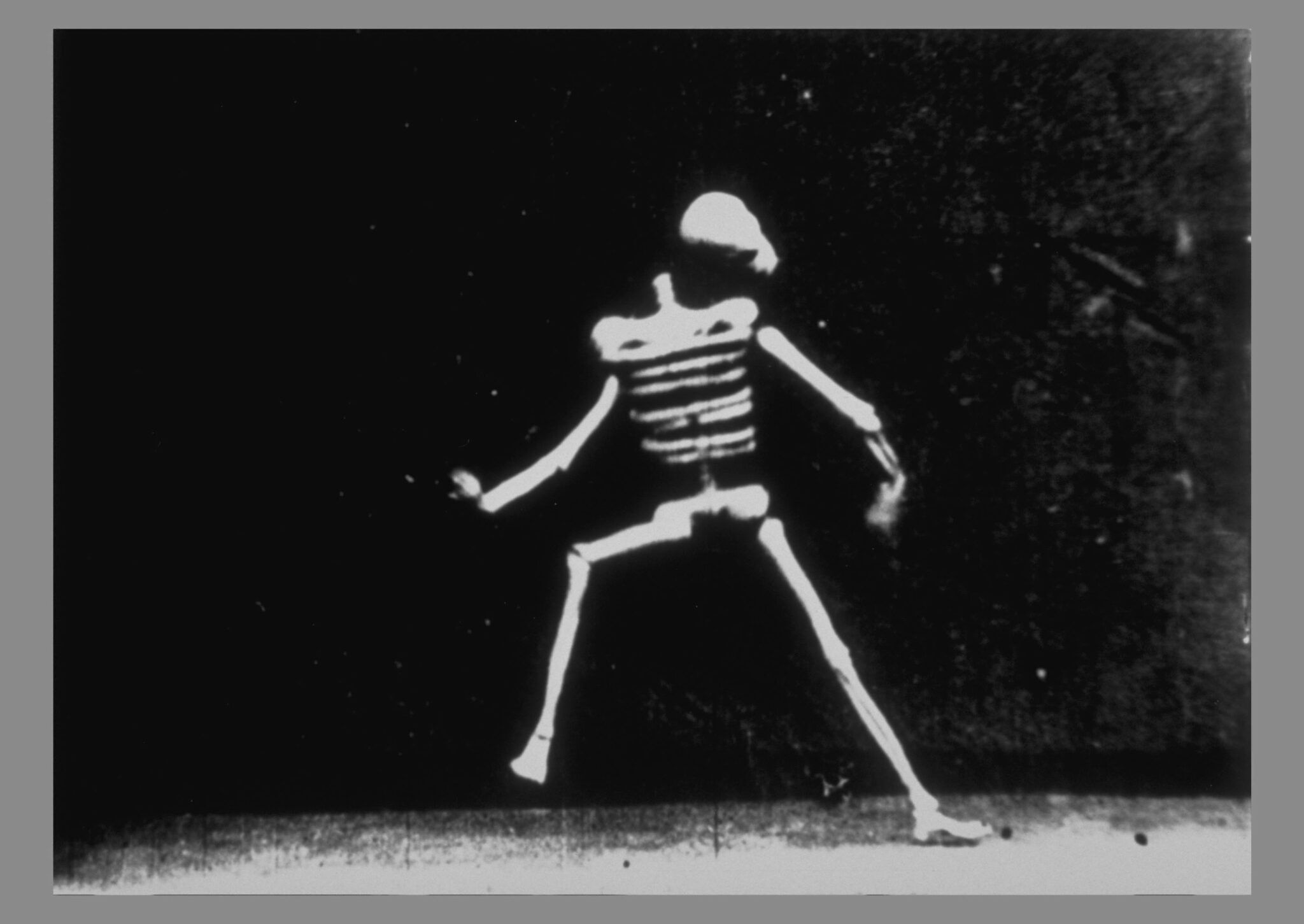
Louis and Auguste Lumière, “Film Lumière no. 831, Le Squelette Joyeux,” 1897. HD video, black and white/silent. (Copyright Institut Lumière)
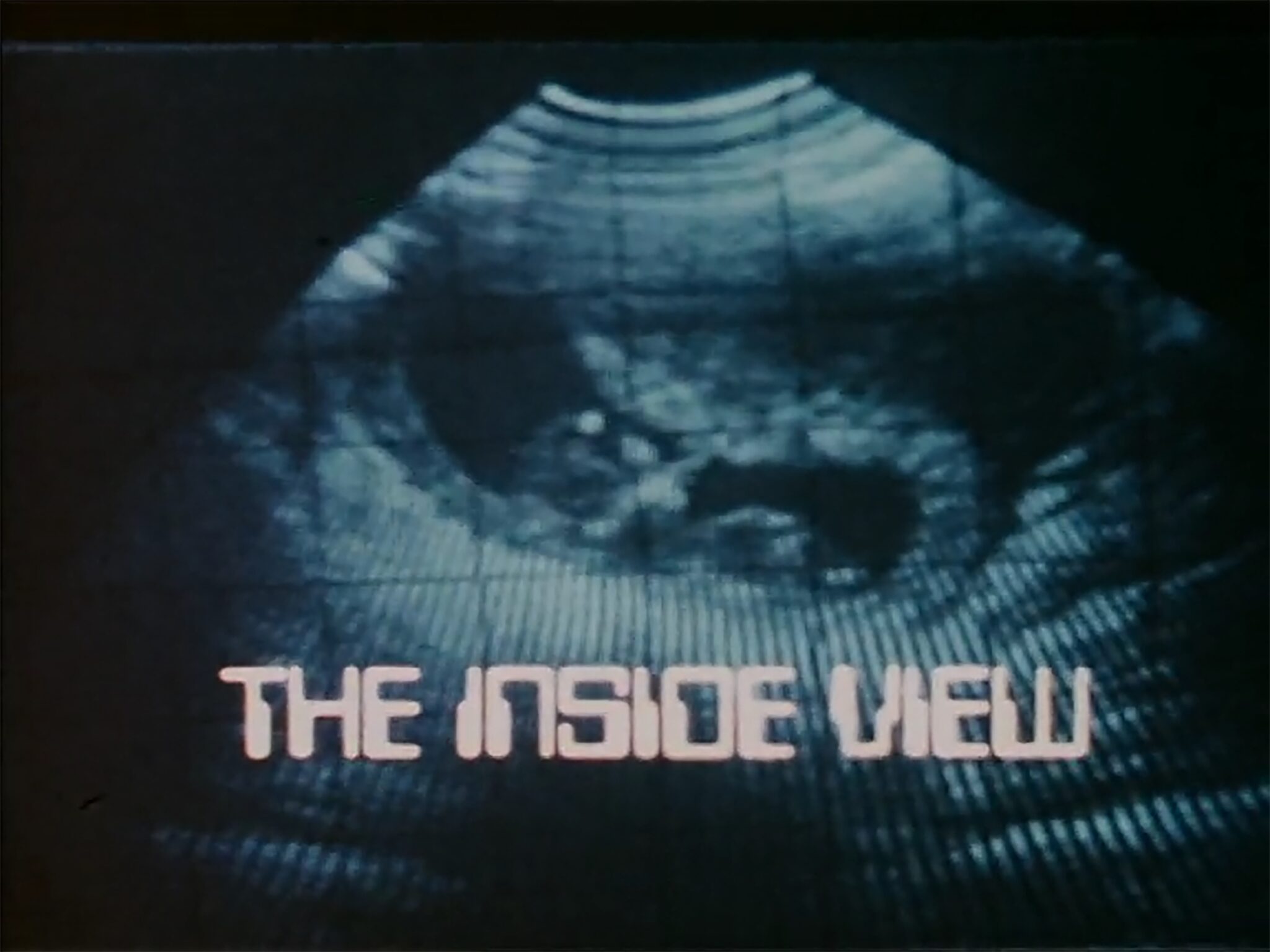
London Television Service, “The Inside View,” 1979, dir. by Edward Poulter. Digital video. (Courtesy of the Wellcome Collection)
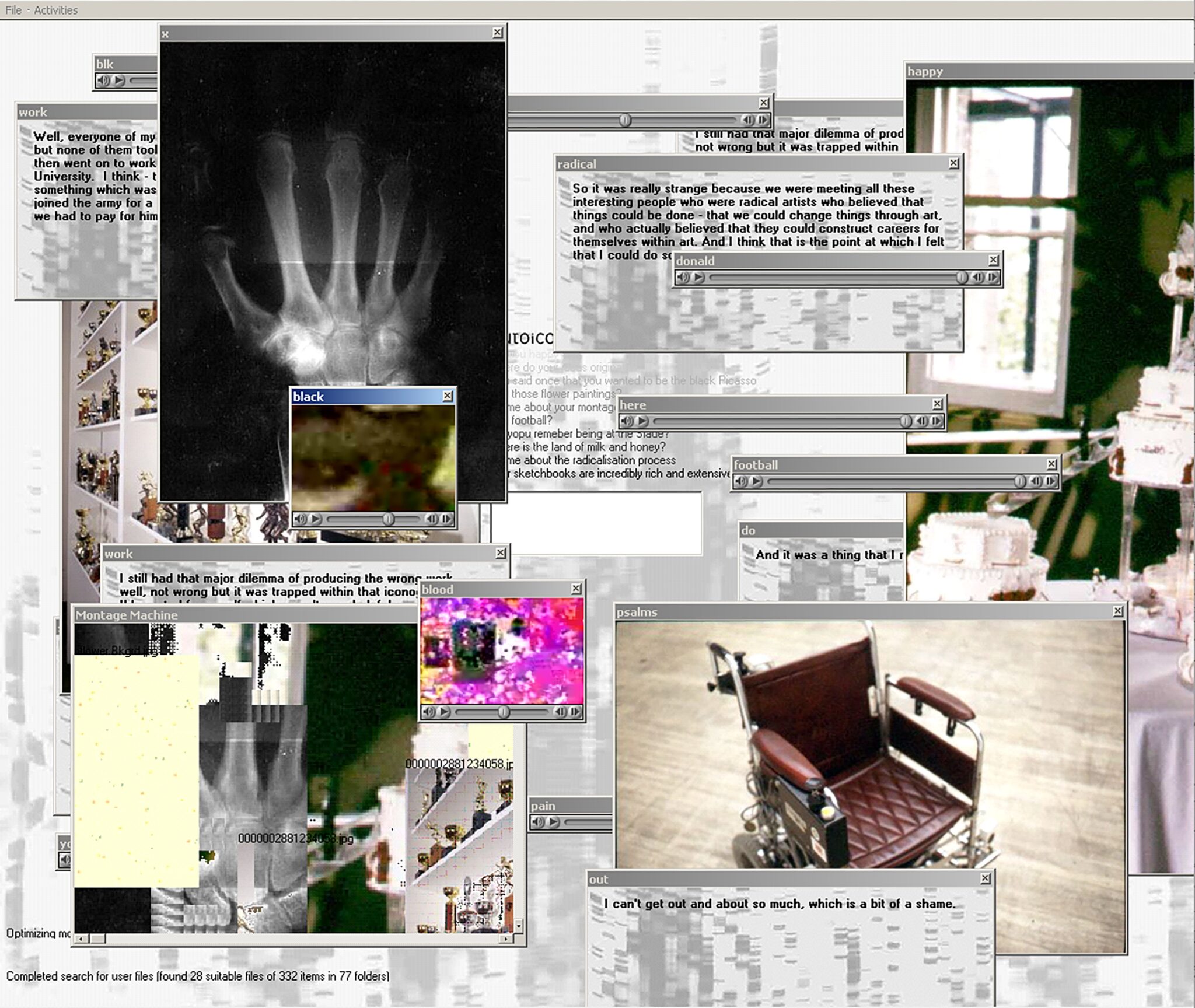
Donald Rodney and Donald Rodney plc, “Autoicon,” 1997-2000. Software written by Adrian Ward, prod. by Geoff Cox and Mike Phillips, with contributions from Eddie Chambers, Richard Hylton, Angelika Koechert, Virginia Nimarkoh, Keith Piper, Gary Stewart, and Diane Symons. Interactive CD-ROM, length variable. (Courtesy of the artist’s estate)
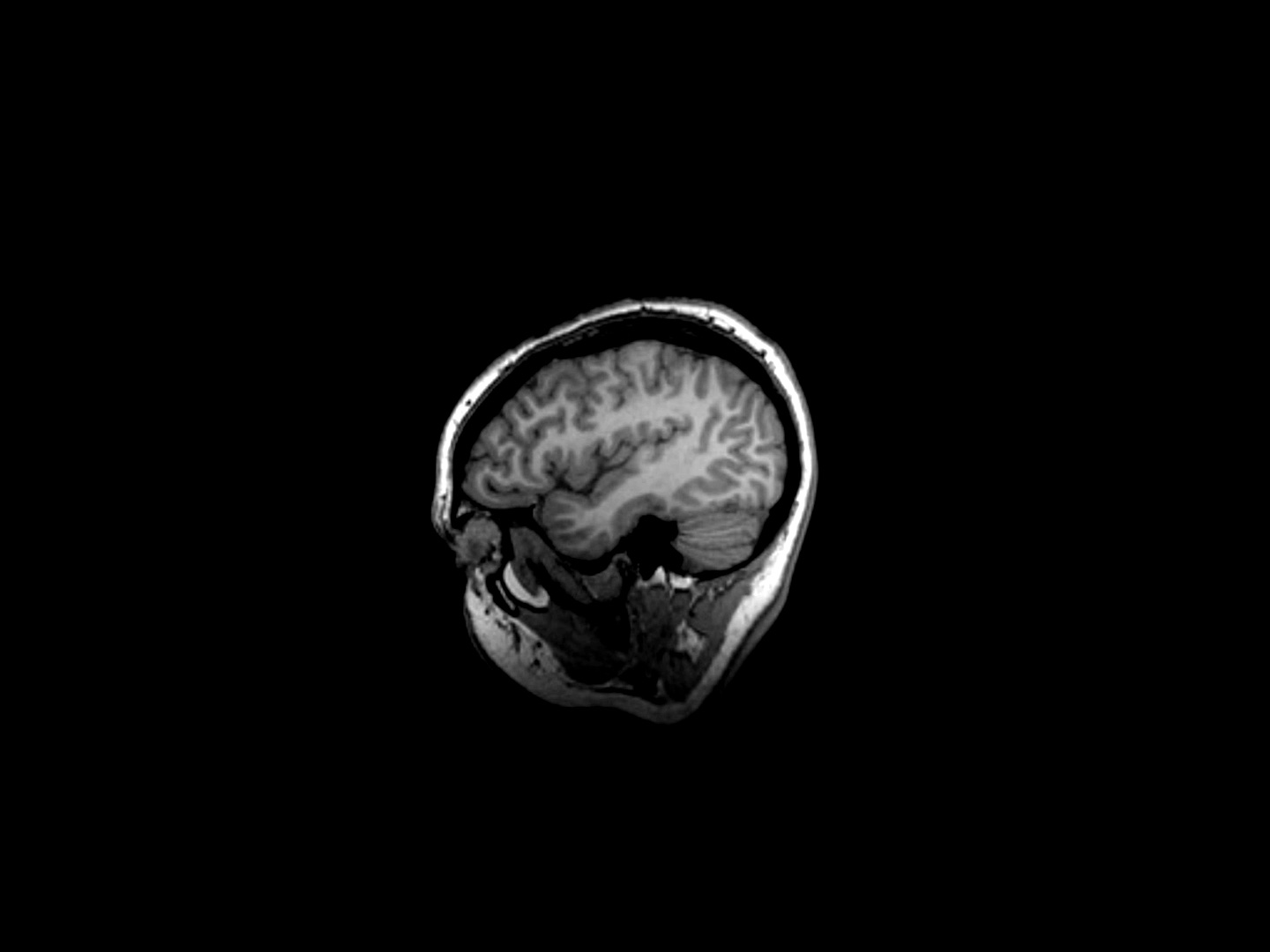
Courtney Stephens, “Mixed Signals,” 2018. 16mm film transferred to digital video. (Courtesy of the artist)
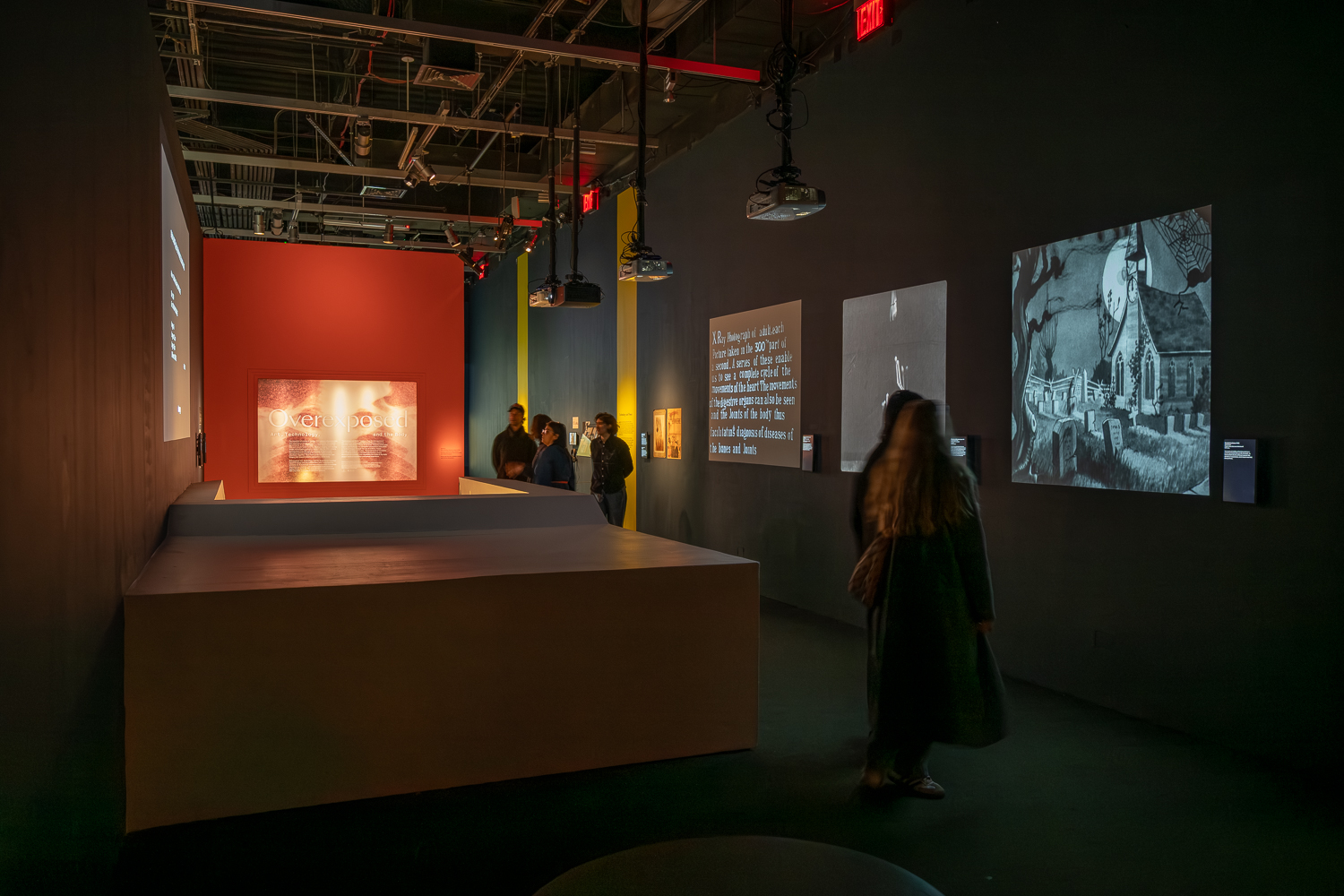
Installation view of “Overexposed: Art, Technology, and the Body” at the Museum of the Moving Image in Queens, NY. (Photo: Thanassi Karageorgiou)
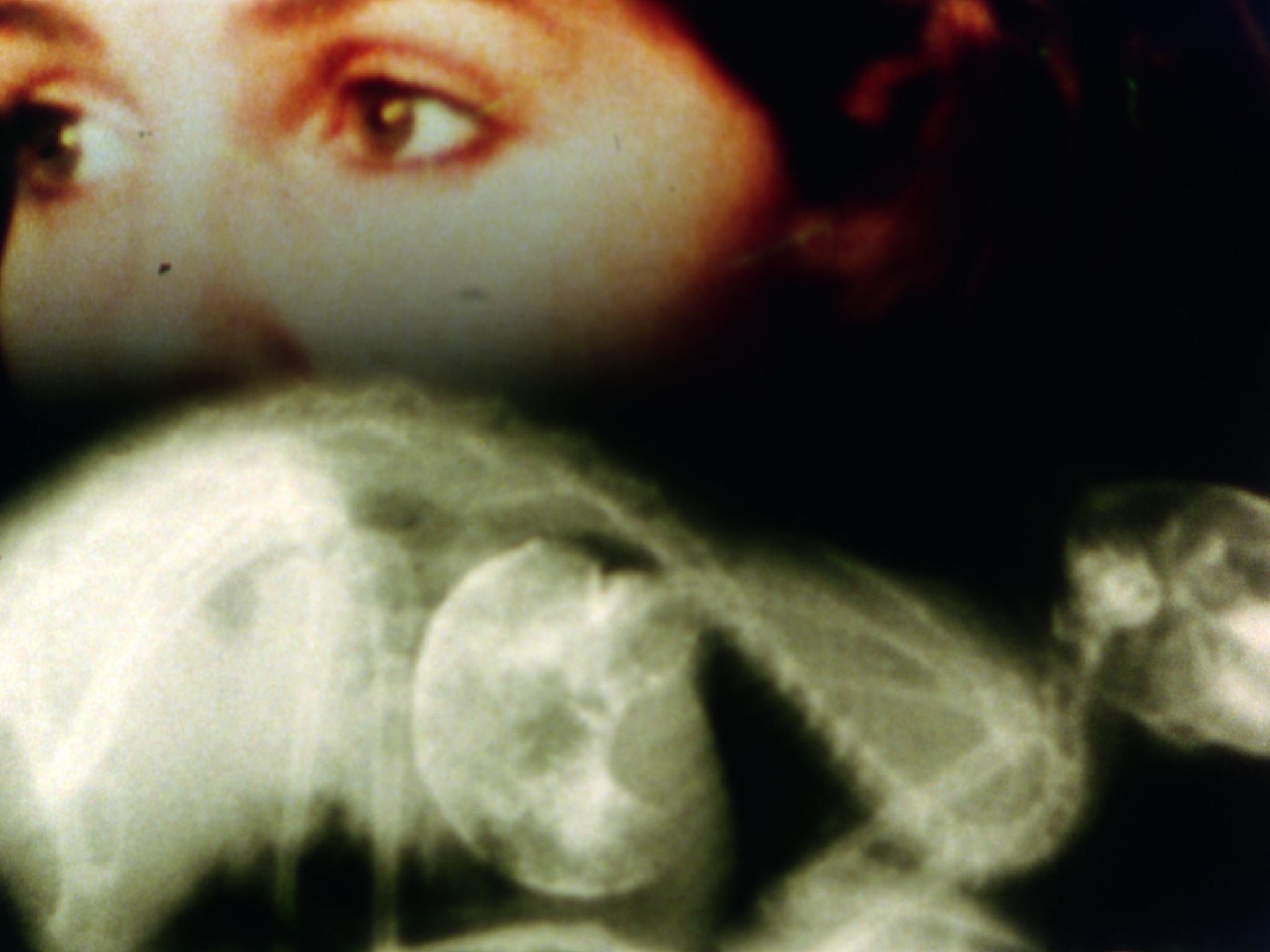
Barbara Hammer, “Sanctus,” 1990. 16mm film transferred to HD video. (Courtesy the artist’s estate and Electronic Arts Intermix)
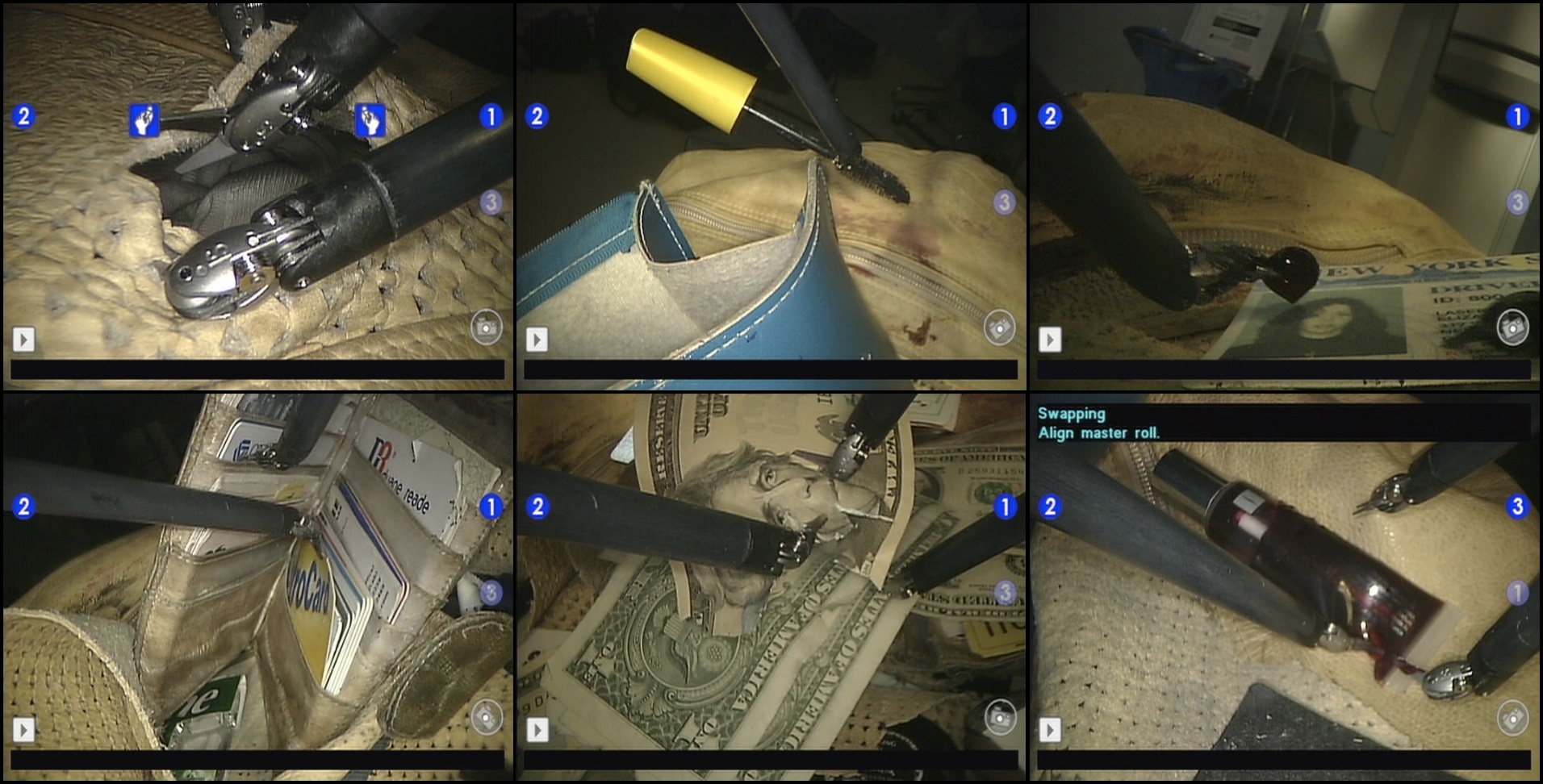
Liz Magic Laser, “Mine,” 2009. Produced via the da Vinci Robotic Surgical System with Dr. Mark Laser. Digital video. (Courtesy of the artist and Various Small Fires, Los Angeles, Dallas, and Seoul)
Exhibition Information:
Overexposed: Art, Technology, and the Body
March 14, 2026–January 3, 2027
Museum of the Moving Image
36-01 35 Ave, Astoria, NY 11106
Museum of the Moving Image: Website | Instagram
My Modern Met granted permission to feature photos by Sutton Communications.
Related Articles:
This “Cursed!” Exhibition Reveals How Magic Ruled the Ancient World [Interview]
New Exhibition Chronicles the Evolution of Chicano Photography Across Six Decades
Expansive Surrealist Exhibition Lands in the U.S. To Celebrate the Art Movement’s Centenary