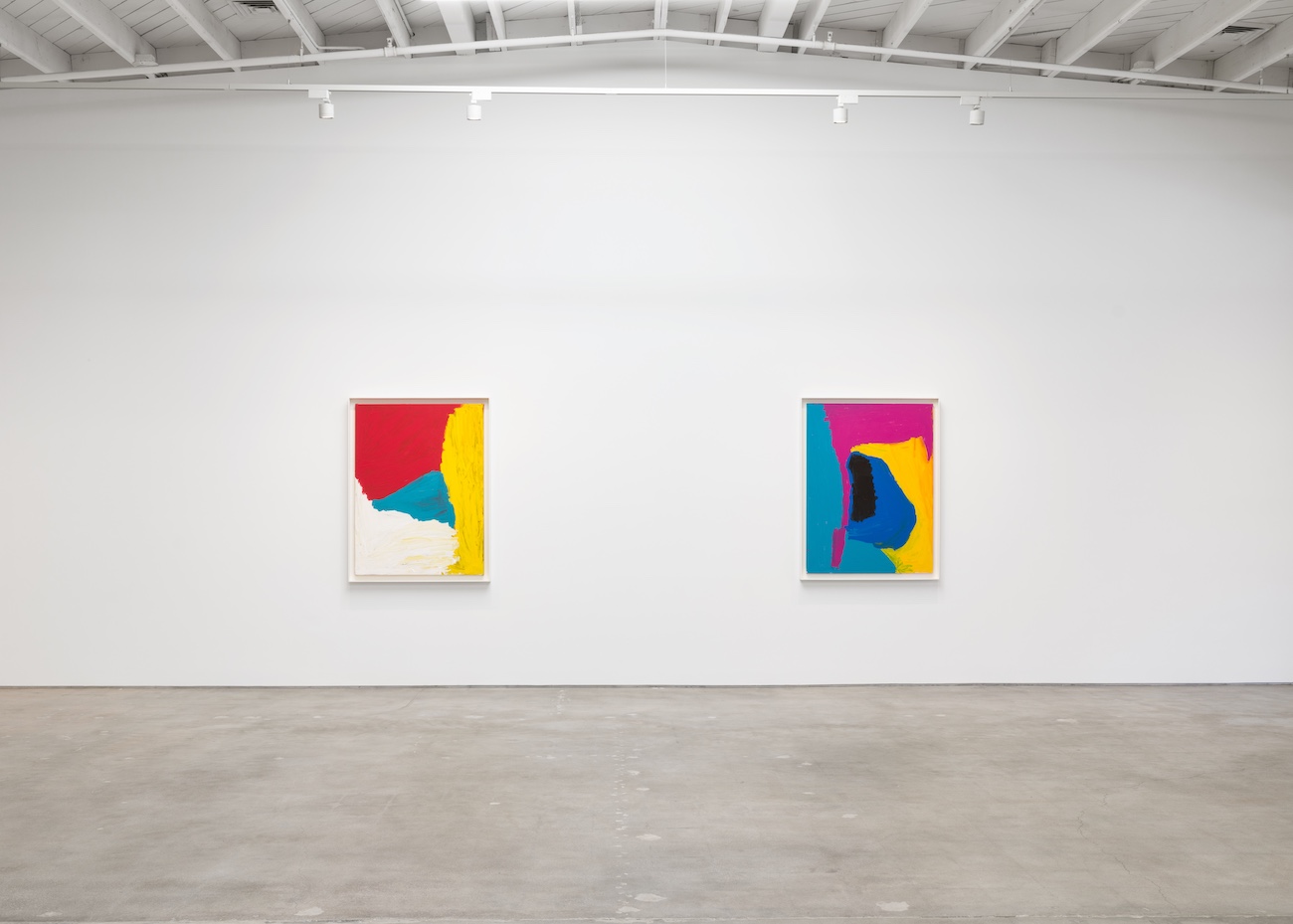
Photo: Courtesy of Karma and the Estate of Mirdidingkingathi Juwarnda Sally Gabori
A passion for art-making can arise at any point in life, even in your 80s. This was the case for Aboriginal painter Mirdidingkingathi Juwarnda Sally Gabori, whose work is now on display in an exhibition titled a story place out to sea. Born on Bentinck Island, Australia, Gabori’s work was deeply influenced by her home and reflects the way memory of a landscape can be transformed through color.
In 2005, Gabori began painting, and at the age of 81, it became the focus of the last decade of her life. The artist’s paintings trace the landscape in a unique way, following the topography of the land with her brushstrokes and, in doing so, creating new ways of seeing the region. In 1948, alongside the rest of the Aboriginal Kaiadilt people, Gabori was dispossessed of her home. When she began painting in 2005, it became a way to retrace the emotions that this displacement brought up for her, reclaiming the land that had been taken from her and her community through memory and paint. She lovingly called Bentinck “a story place out to sea.”
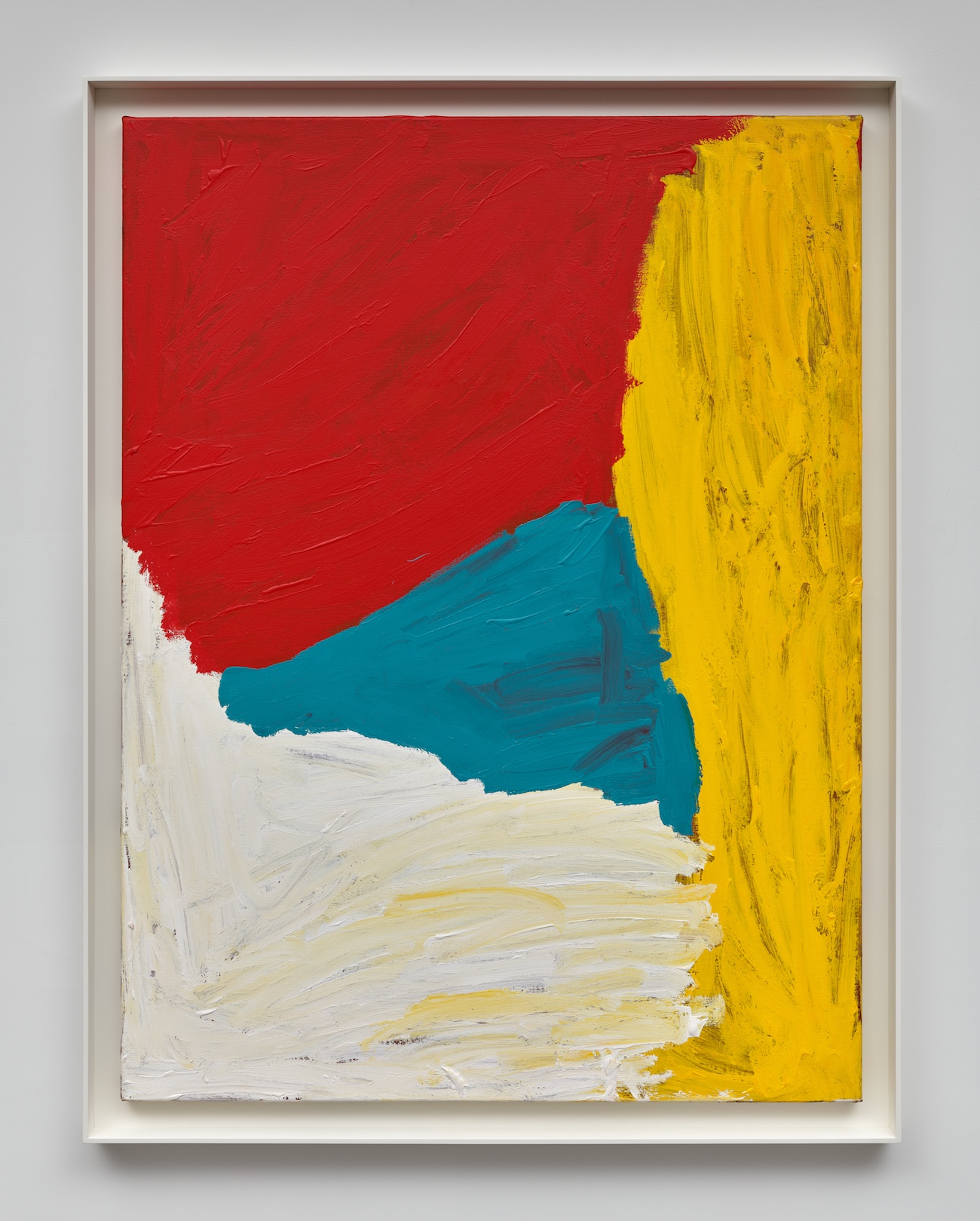
Gabori’s work takes a sensory approach to landscape painting. Rather than describing places literally, she explored them through their qualities and the sensations they evoked. Through abstraction and expressive brushwork, her paintings reflect the history of a place that underwent many changes over the last 70 years. Her work revolves around her own experience, not only on a personal level but also in terms of the subjects she chose to paint. Working wet-on-wet, she used the canvas itself as a site for mixing colors, painting with a free hand and loose gestures. In My Country (2009), half the canvas is white while the other half is a deep magenta, with the magenta bleeding into the white and creating a subtle tension between separation and continuity.
Within Kaiadilt conventions, people and place are intimately linked, with their birth “Countries,” as they are known, becoming a part of their names. This influenced the personal side of Gabori’s exploration of Bentinck, where she focused on sites connected to her own family. King Alfred’s Country (2006) represents an area associated with Gabori’s brother. The painting depicts forms nestled into one another in bright yellow, magenta, blue, and turquoise, drawing the viewer’s eye to the lines between the colors. It echoes the stone networks of fish traps built by the Kaiadilt across the island.
Although deeply personal, Gabori’s paintings also speak to the lasting effects of colonial displacement, blending the personal with the political while returning to the idea that borders are never truly fixed. Instead, the land and the feelings it evokes hold an authority that political power cannot erase. Through her use of color—which Gabori viewed not as something fixed, but as a force that blends into and out of other colors—her work suggests that we remain deeply connected to the places we come from, even when they have been taken from us.
A story place out to sea is currently on view through July 17, 2026, at Karma Gallery in Los Angeles.
Artist Sally Gabori began painting at age 81, transforming memories of her homeland on Bentinck Island into vibrant abstract landscapes now on view at Karma Gallery in Los Angeles.
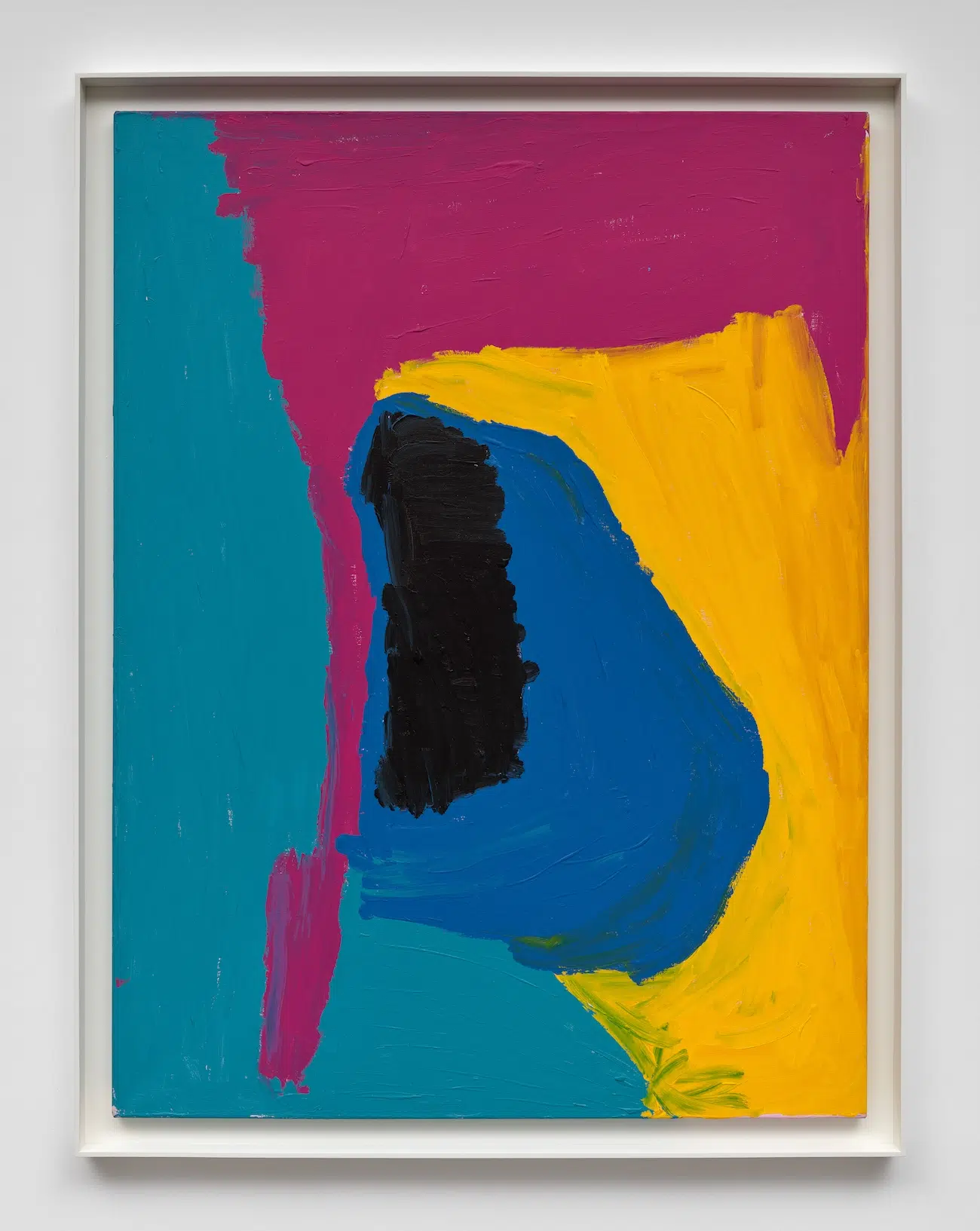
“King Alfred's Country,” (2006), Acrylic on linen. 51 1⁄2 x 39 1⁄2 x 2 3⁄8 inches (framed)
“My Father's Country,” (2007), Acrylic on linen. 51 3⁄4 x 39 5⁄8 x 2 5⁄8 inches (framed)
In 1948, alongside the rest of the Aboriginal Kaiadilt people, Gabori was dispossessed of her home. When she began painting in 2005, it became a way to retrace the emotions that this displacement brought up for her
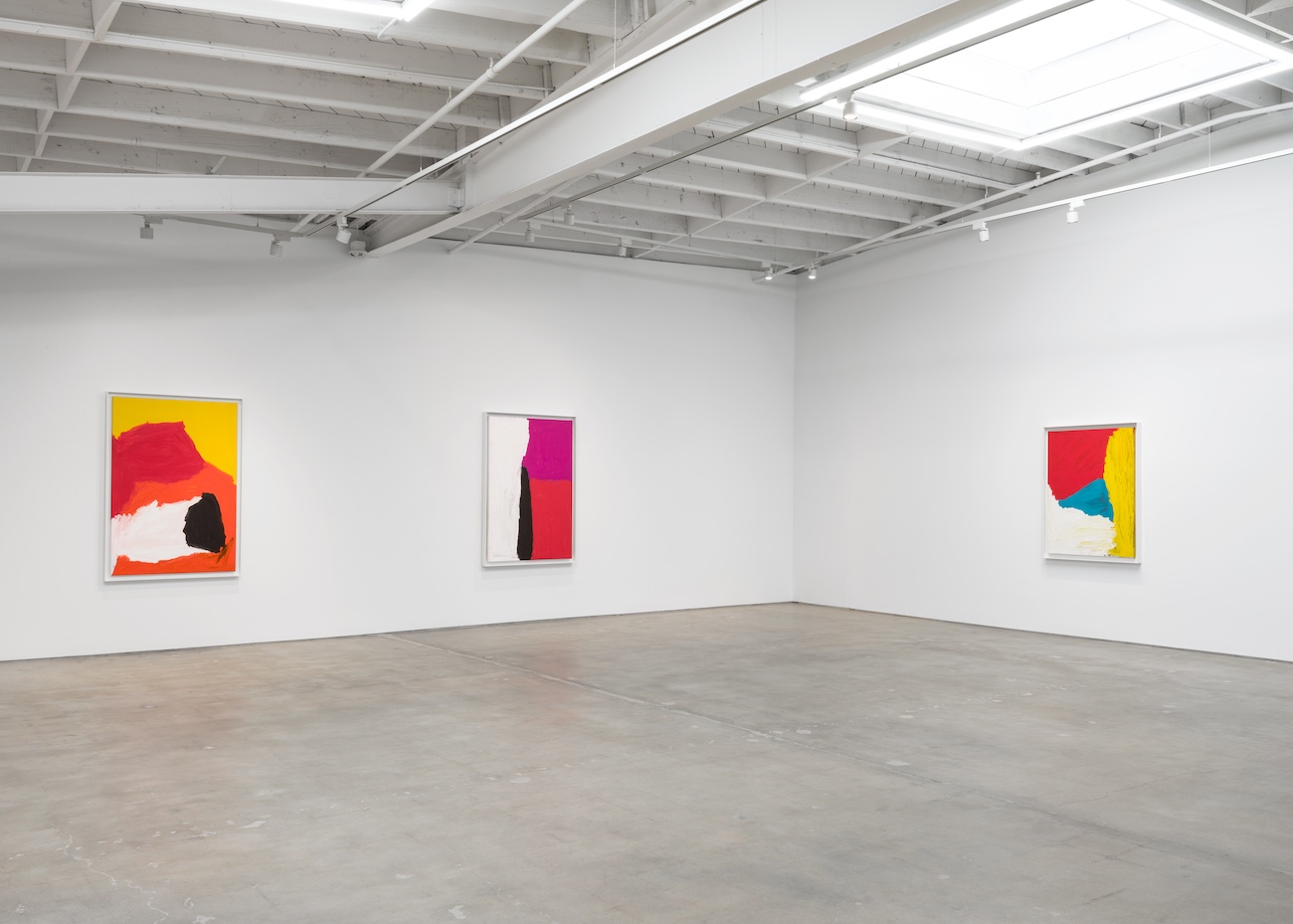
Photo: Courtesy of Karma and the Estate of Mirdidingkingathi Juwarnda Sally Gabori
Gabori’s work takes a sensory approach to landscape painting. Rather than describing places literally, she explored them through their qualities and the sensations they evoked.
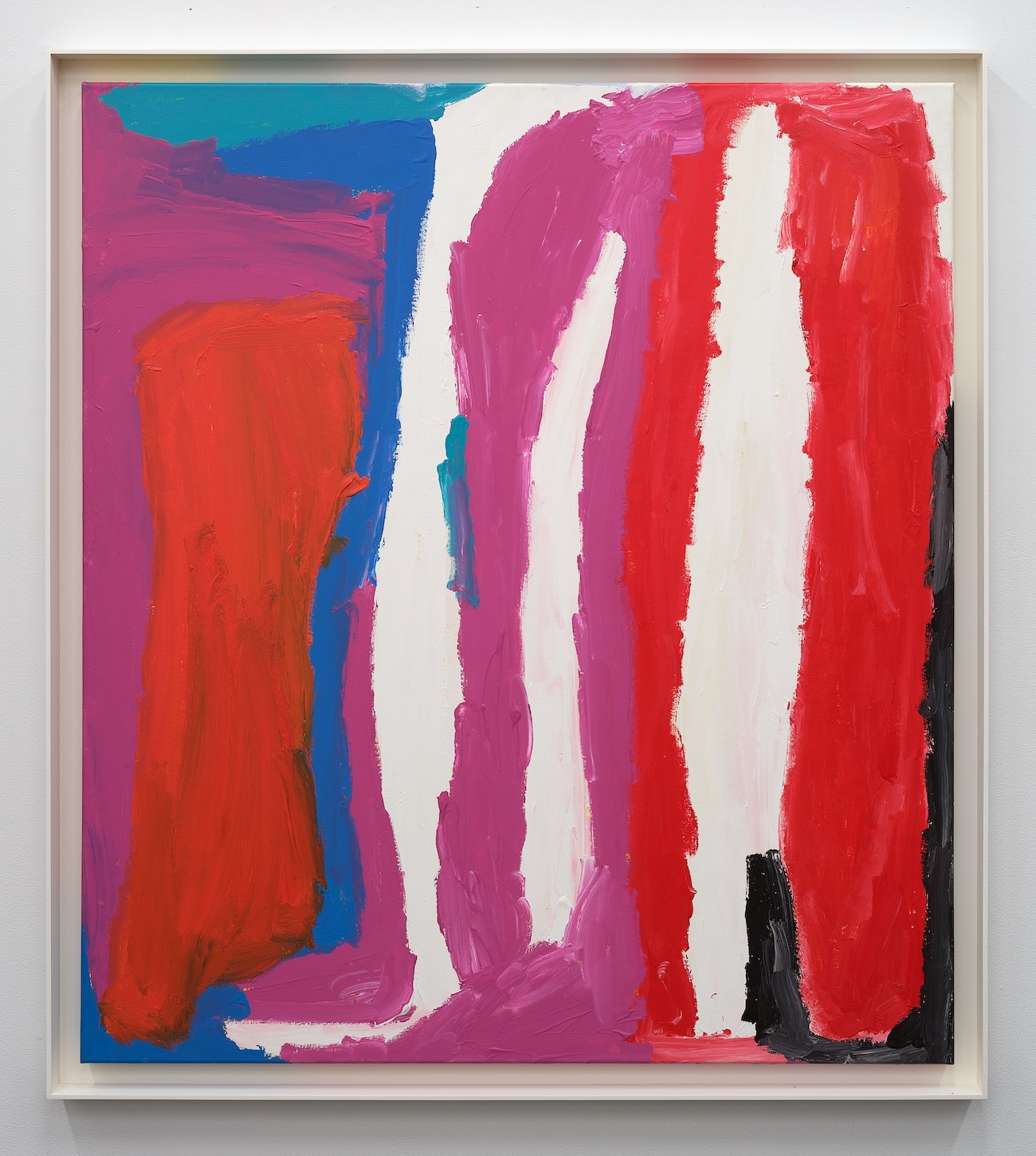
“Kombali” (2008), Acrylic on linen, 53 3⁄4 x 47 7⁄8 inches (framed)
Although deeply personal, Gabori’s paintings also speak to the lasting effects of colonial displacement, blending the personal with the political while returning to the idea that borders are never truly fixed.
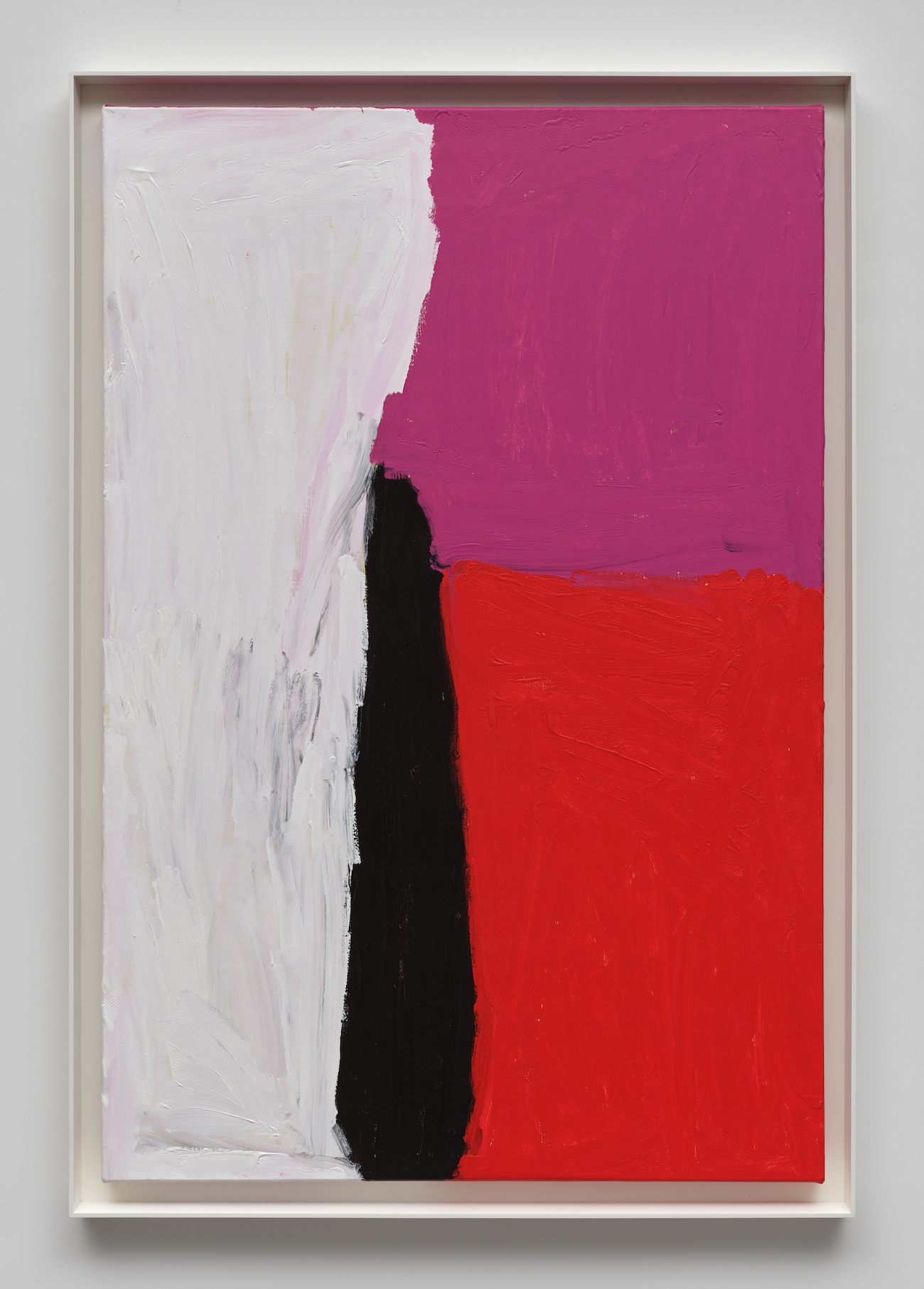
“Dibirdibi Country,” (2009), Acrylic on linen. 63 x 43 3⁄8 x 3 in (framed)
Gabori’s work will be on view at Karma Gallery in Los Angeles through July 17.
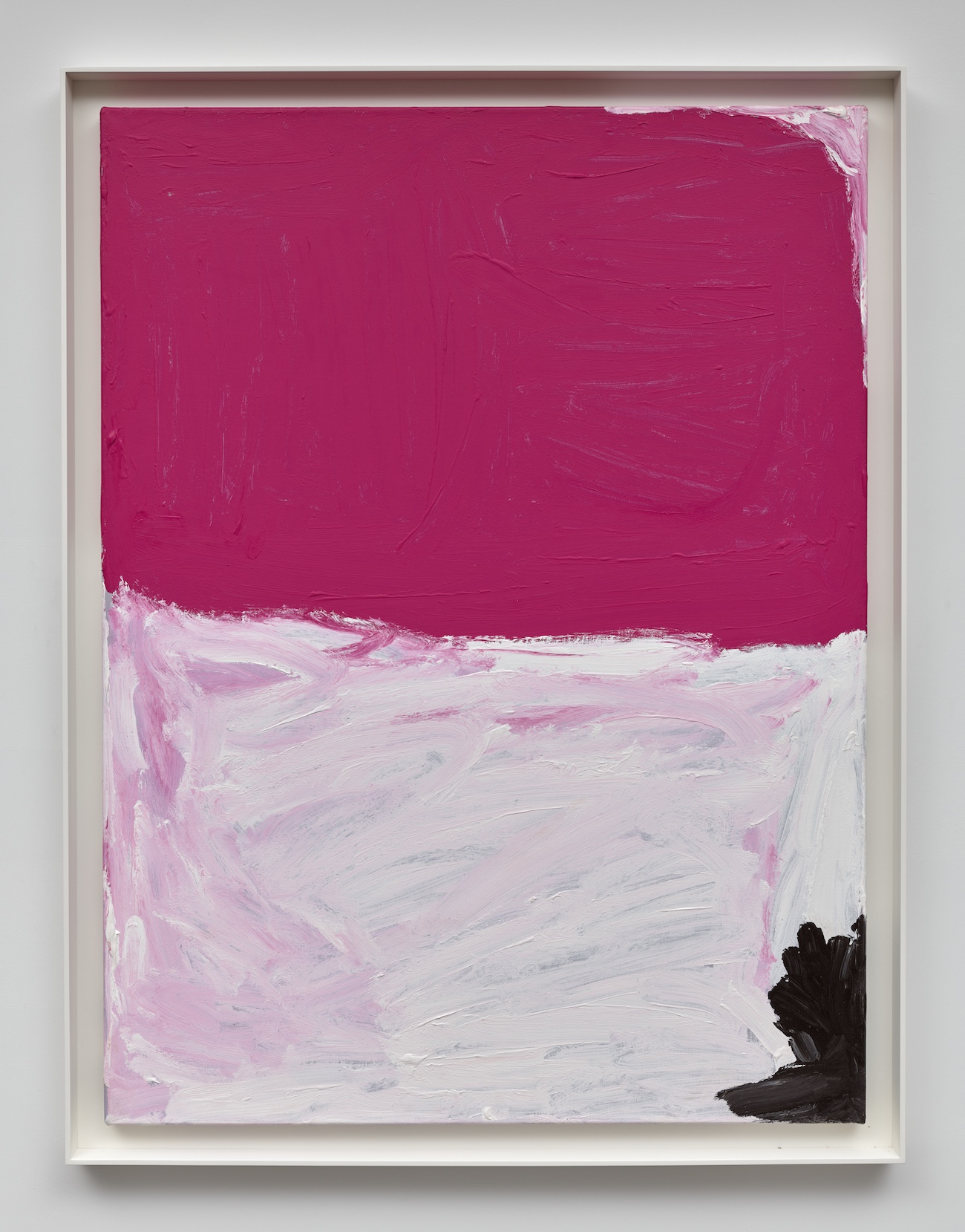
“My Country” (2009), Acrylic on linen, 51 5⁄8 x 39 5⁄8 x 2 5⁄8 inches (framed)
Exhibition Information:
Mirdidingkingathi Juwarnda Sally Gabori
a story place out to sea
June 4–July 4, 2026
Karma
7351 Santa Monica Boulevard, Los Angeles, CA
Mirdidingkingathi Juwarnda Sally Gabori: Website
Karma: Website | Instagram
All images via Karma Gallery and the estate of Mirdidingkingathi Juwarnda Sally Gabori.
Related Articles:
80-Year-Old French Artist Has Spent Years Painting Live Sports Events From the Sidelines
Winslow Homer Printmaking and Paintings Are Reunited in an Ambitious Landmark Exhibition
Audrey Kawasaki Reimagines a Past Painting in a Monumental 30-Foot-Tall Mural