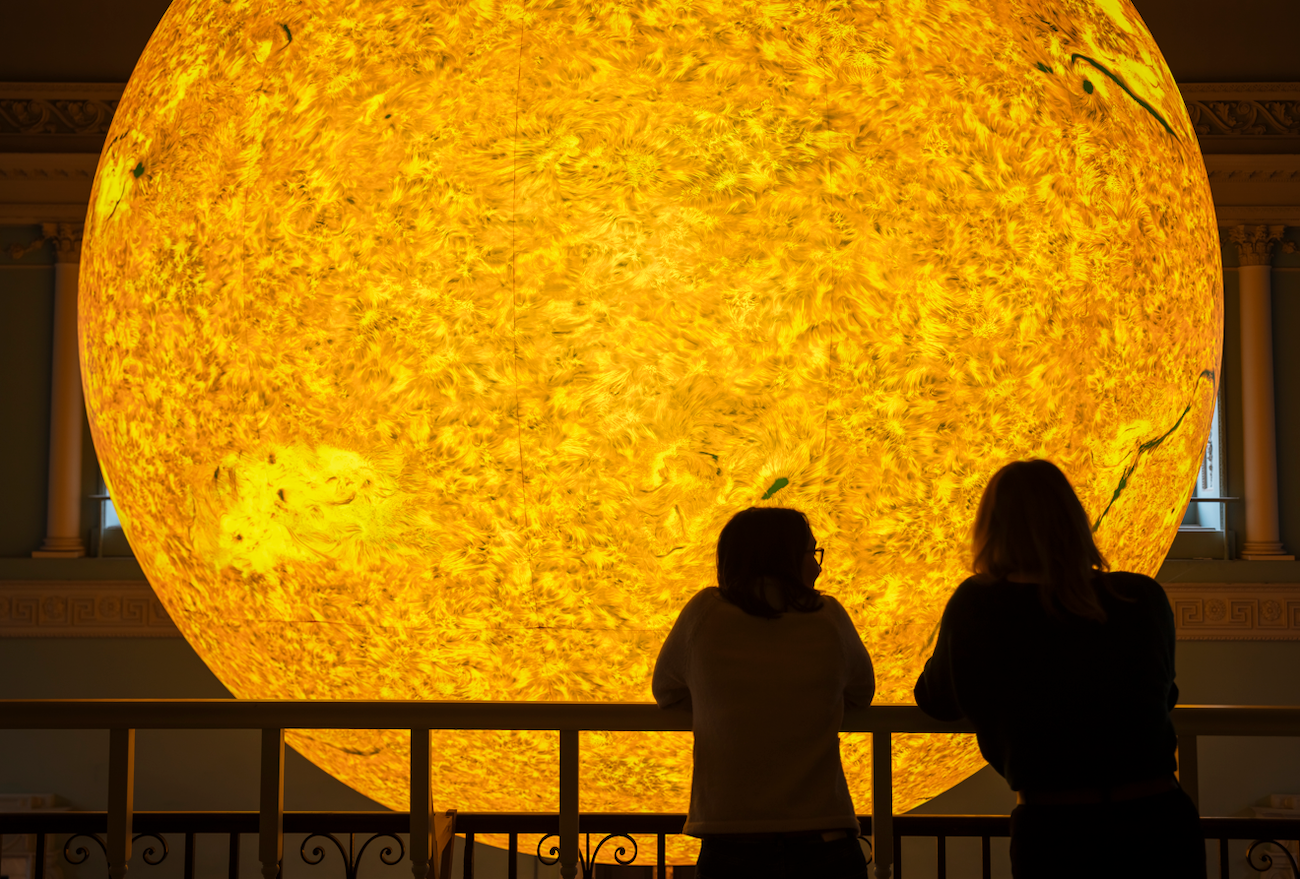
Luke Jerram, “Helios” at Bath Assembly Rooms, 2025. National Trust Images © Luke Jerram Photography by James Dobson
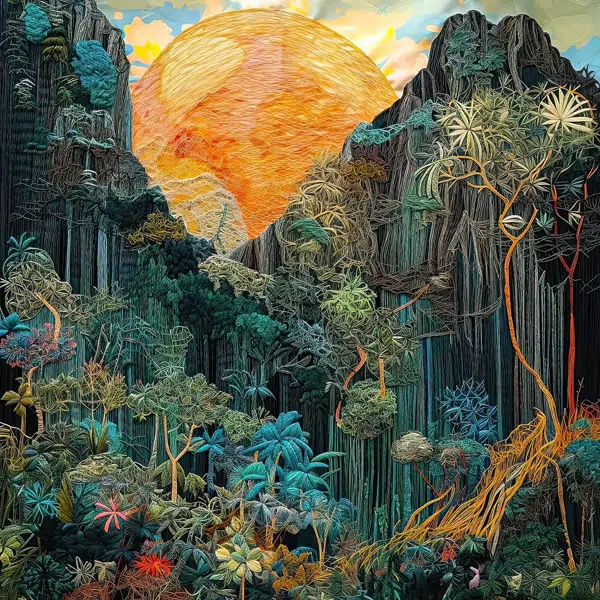
The sun and moon have been inspiring humanity since time immemorial. The two celestial bodies are constants across civilizations, and now Saatchi Gallery is paying homage to them with its aptly titled show, The Sun and The Moon: Art Inspired by the Celestial.
Featuring artwork, installations, and sometimes ancient artifacts, the expansive exhibition looks at how artists have responded to the sun and moon. From mythologies to rituals, scientific exploration, and spirituality, the ever-present celestial bodies reflect the views of both culture at large and our personal relationship to them.
The Sun and The Moon: Art Inspired by the Celestial comprises two floors of Saatchi Gallery, spanning nine major exhibition spaces. It is organized as a journey through a complete 24-hour cycle, starting with dawn and ending in the dark of night. Each of the nine galleries reflects a different part of the day and stories associated with the sun and moon.
Beginning with Dawn, this room is a look at how early cultures interpreted and rationalized the two bodies in the sky. Often, this is as deities and cosmic forces. This section features historical artifacts, including the Sol Invictus Celtic Bust, dated between the 1st century BCE to the 1st century CE. The conclusions made by long-ago cultures are placed alongside contemporary works by artists including Patrick Caulfield, Barbara Hepworth, and Sinta Tantra.
The center of the exhibition is Helios by Luke Jerram, a nearly 20-foot sculpture of the sun presented at an approximately 1:230 million scale. It’s an internally illuminated sphere featuring detailed imagery of the sun’s surface, compiled from over 400,000 photographs by astrophotographer Dr. Stuart Green and NASA observations, with guidance from solar scientist Professor Lucie Green of University College London.
“As well as highlighting the science of the sun,” Jerram says, “I hope that the artwork will inspire awe and wonder and prompt visitors to consider the importance of the sun in all our lives; for light, warmth, energy for our planet and how our nearest star has inspired culture and religion throughout history, all around the world.”
The Sun and The Moon: Art Inspired by the Celestial concludes with the Darkest Hours period and works by teamLab. Here, the international art collective presents Massless Suns and Dark Suns and Massless Sun and Surface of the Sky, two immersive installations where spheres of light and darkness take form in space and are shaped by light, environment, and perception.
“This [show] we will exhibit artworks from our Cognitive Sculpture series,” teamLab explains, “which appear only in the human world of perception. The materials are light and the environment, and the subject of its creation is the viewer’s own body and perception. The spheres cannot exist on their own—its existence is a phenomenon created in relation to its environment. The phenomenon created by the environment is shaped for the first time by the dynamic body and perception of the viewer, becoming a sculpture in their cognitive world.”
The Sun and The Moon: Art Inspired by the Celestial is now on view through September 8, 2026, at Saatchi Gallery in London.
Saatchi Gallery is paying homage to the sun and moon with its aptly titled show, The Sun and The Moon: Art Inspired by the Celestial, on view through September 8, 2026, in London.
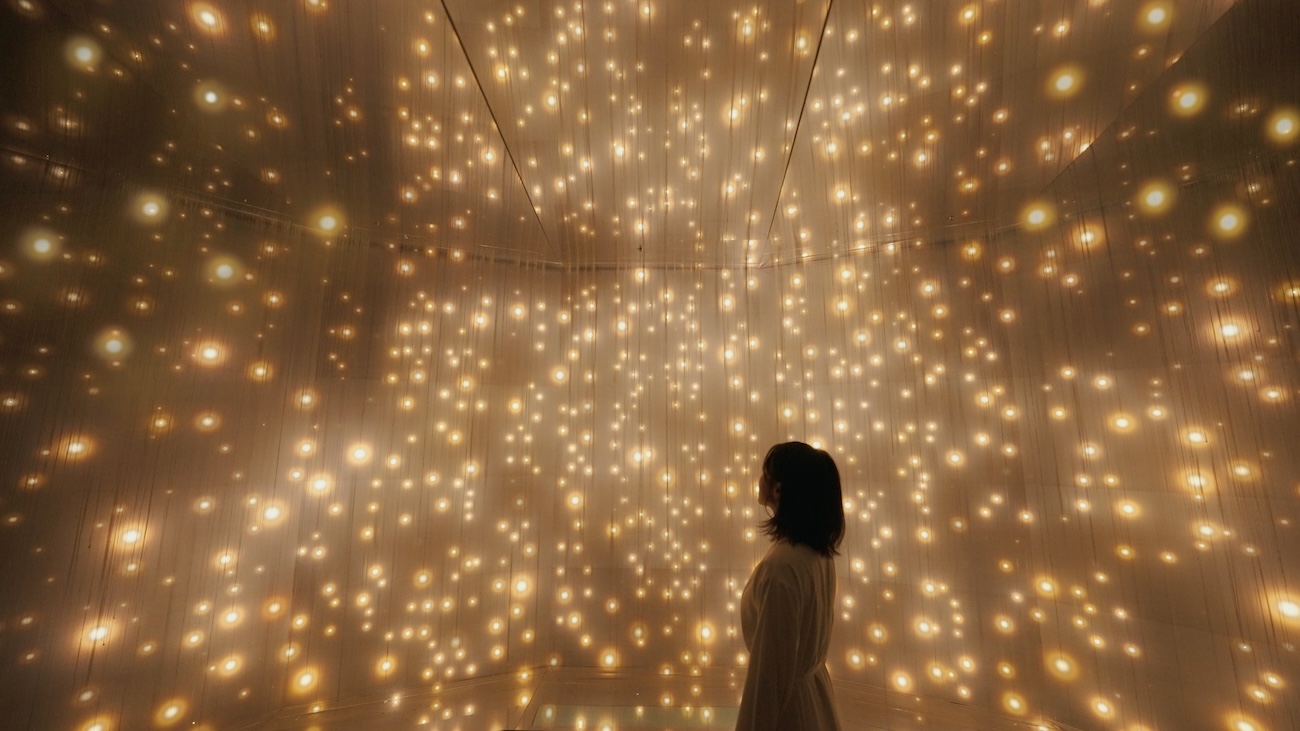
teamLab, “Massless Suns and Dark Suns.” Installation image courtesy of teamLab
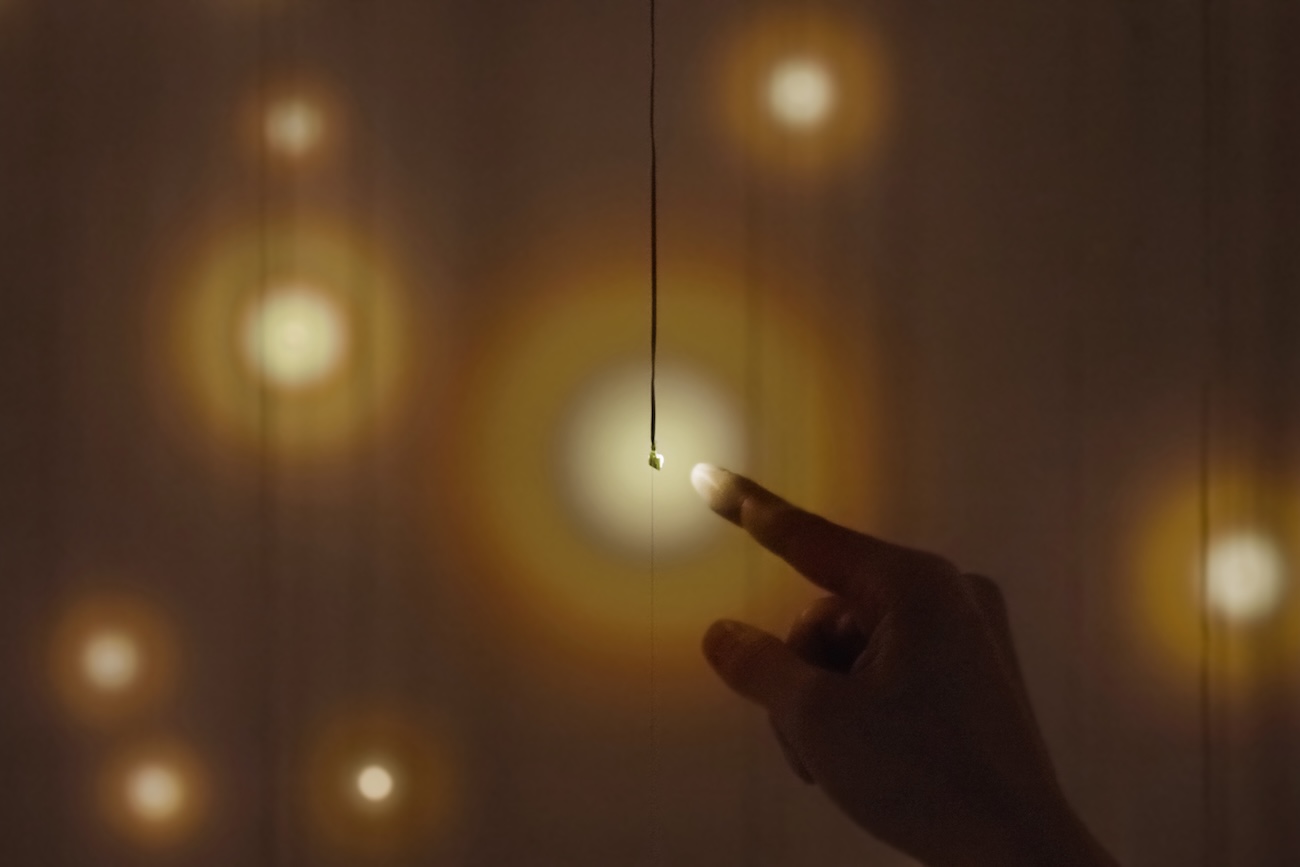
teamLab, “Massless Suns and Dark Suns” (detail). Installation image courtesy of teamLab
Featuring artwork, installations, and sometimes ancient artifacts, the expansive exhibition looks at how artists have responded to the sun and moon.
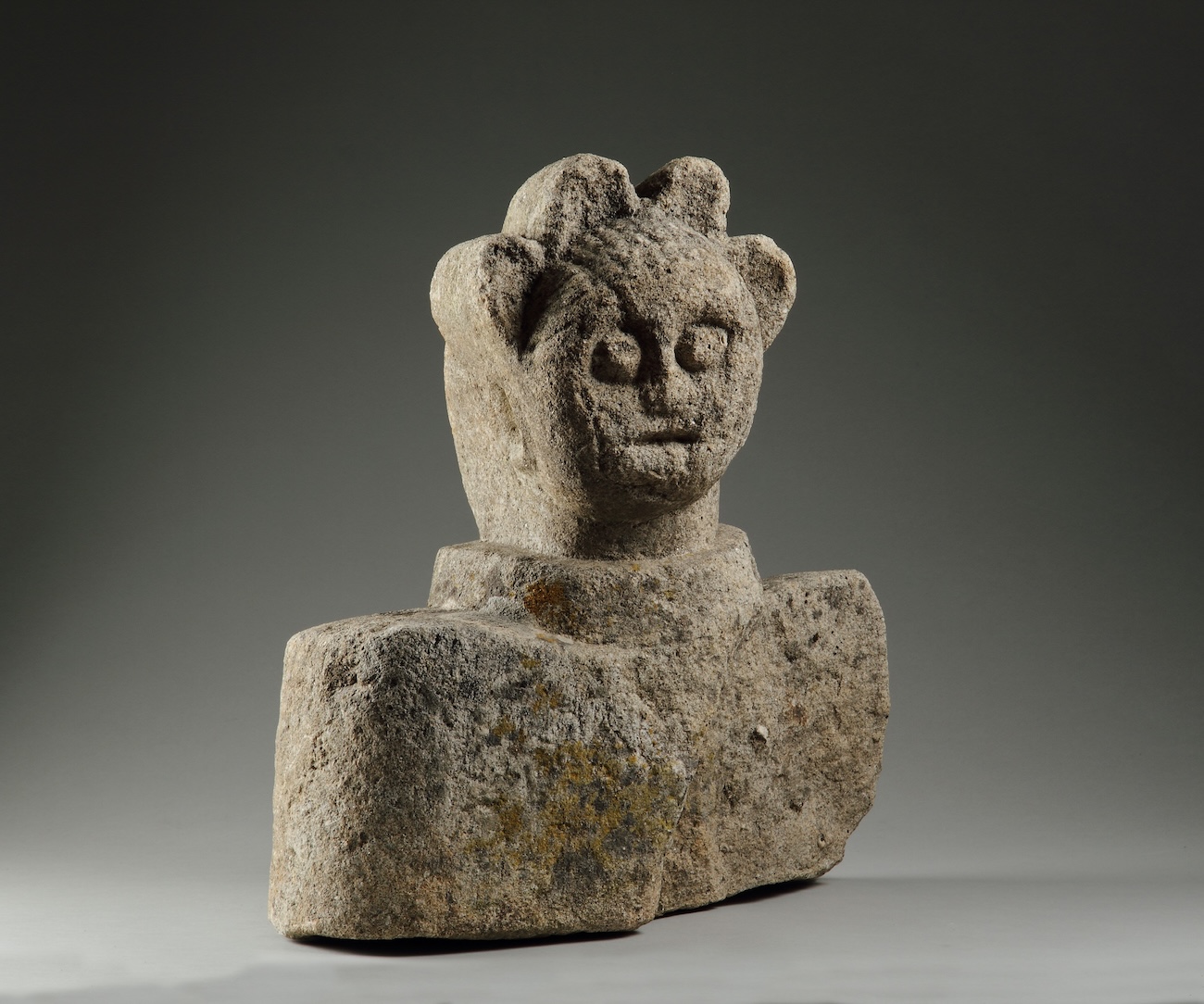
“Sol Invictus,” British Celtic limestone bust, 1st Century BC-1st Century AD. Courtesy of Finch and Co. Photography by Philip Connor
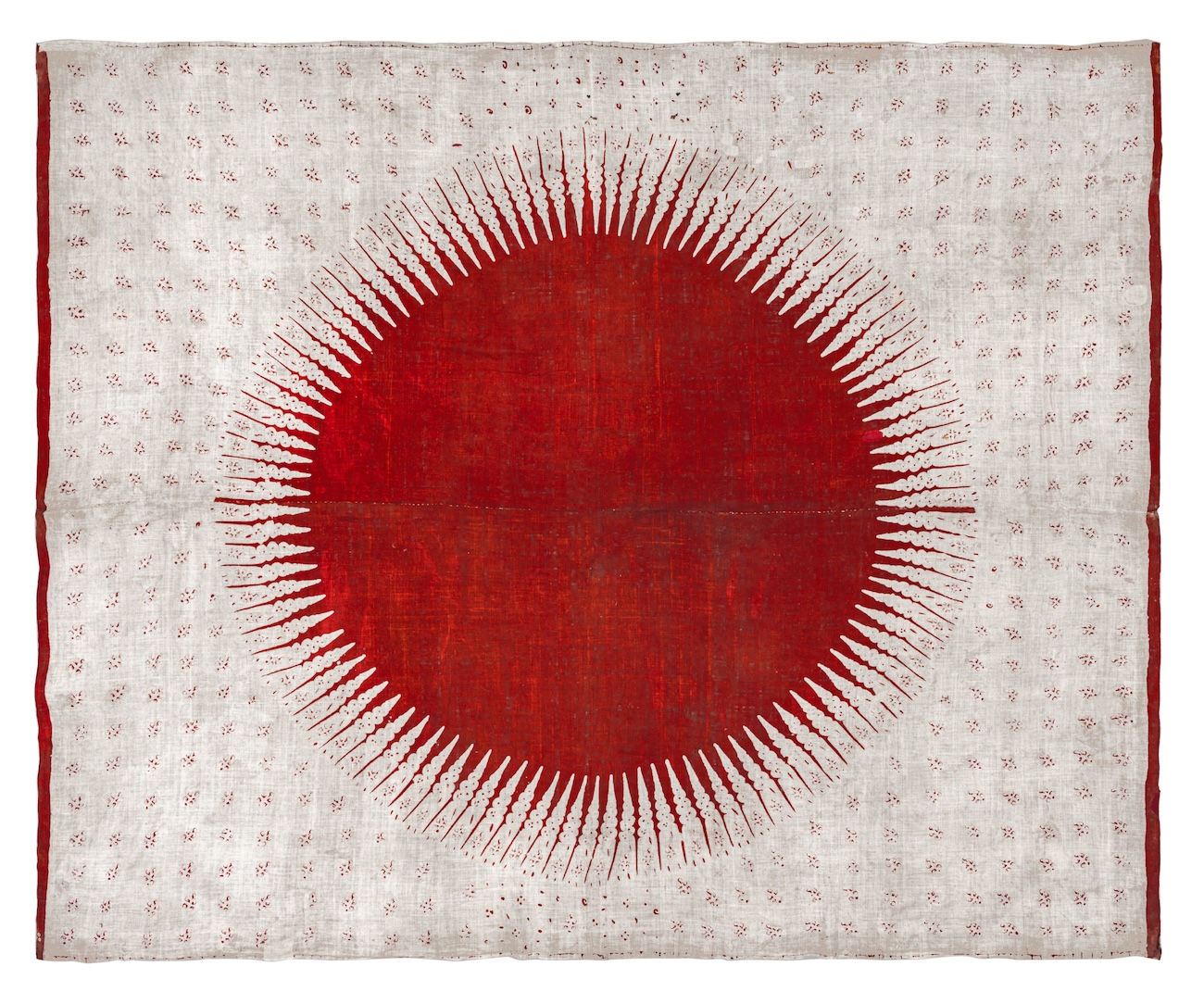
“Mata Hari,” Indian chintz ceremonial cloth, 18th Century. Courtesy of Karun Thakar Collection, London
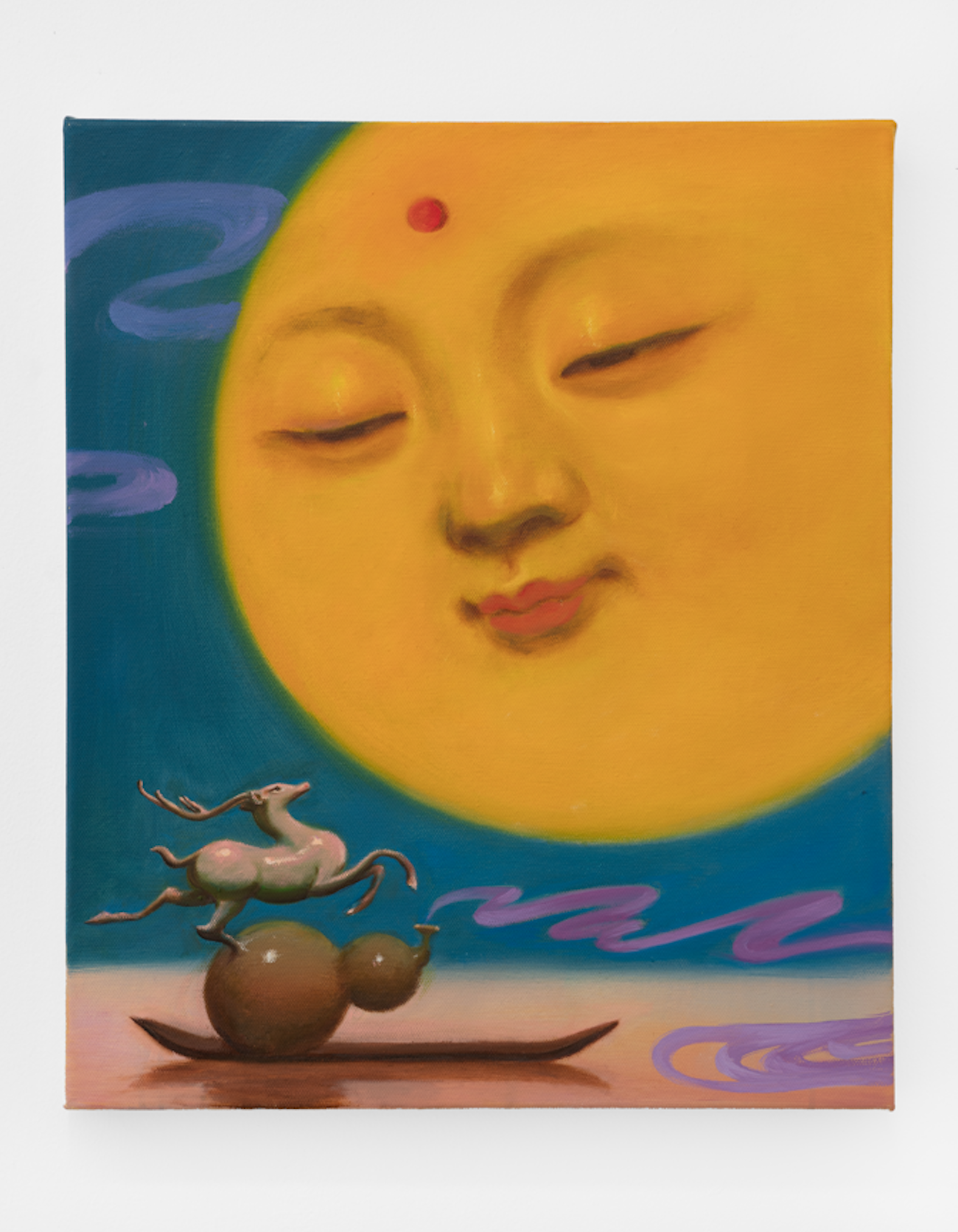
Lian Zhang, “Coming Home,” 2023. Courtesy of Lychee One Gallery © Lian Zhang
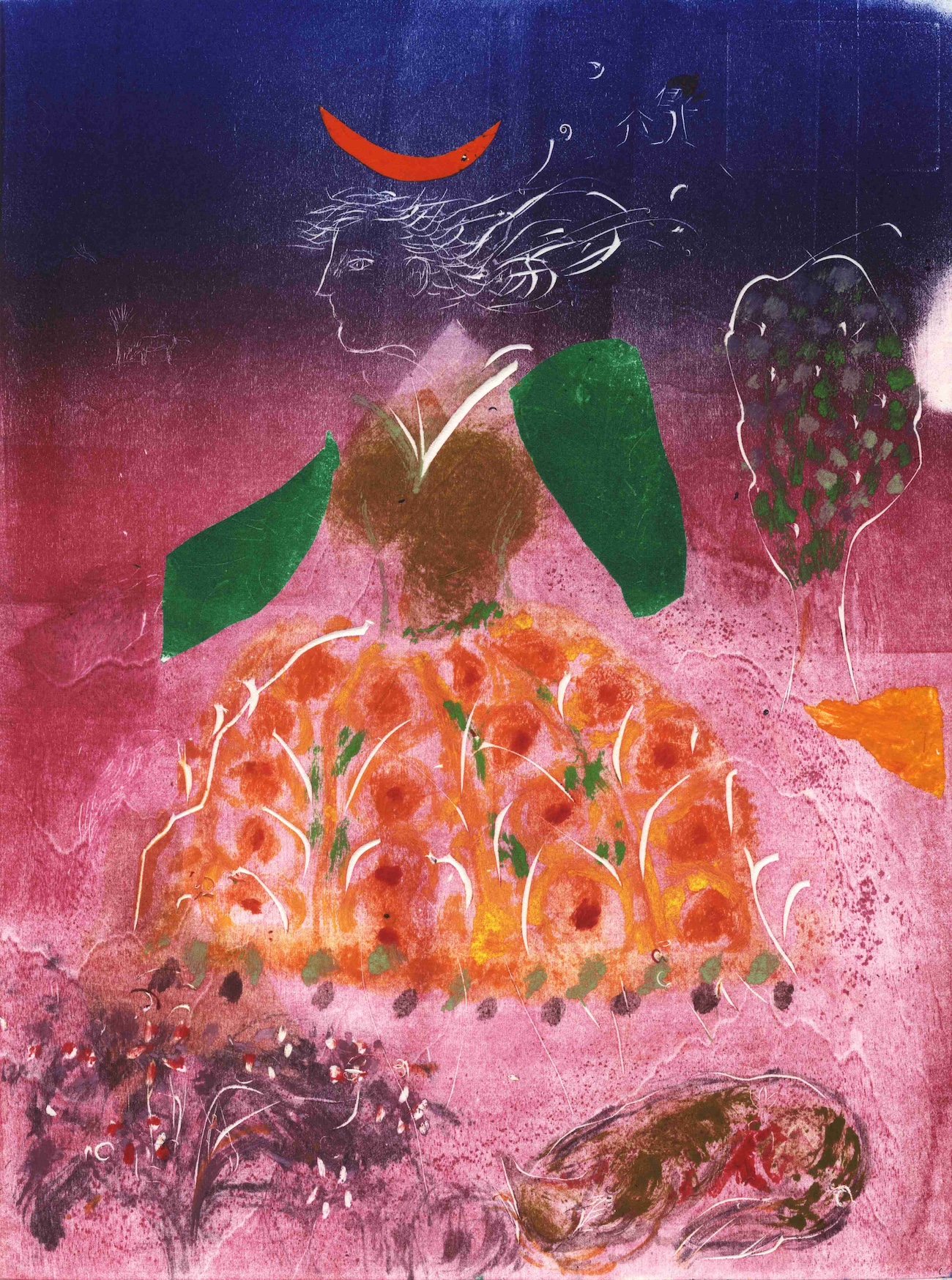
Margureite Carnec, “Red Moonhat,” 2024. Courtesy of the artist and Glasgow Print Studio
The Sun and The Moon: Art Inspired by the Celestial comprises two floors of Saatchi Gallery, spanning nine major exhibition spaces.
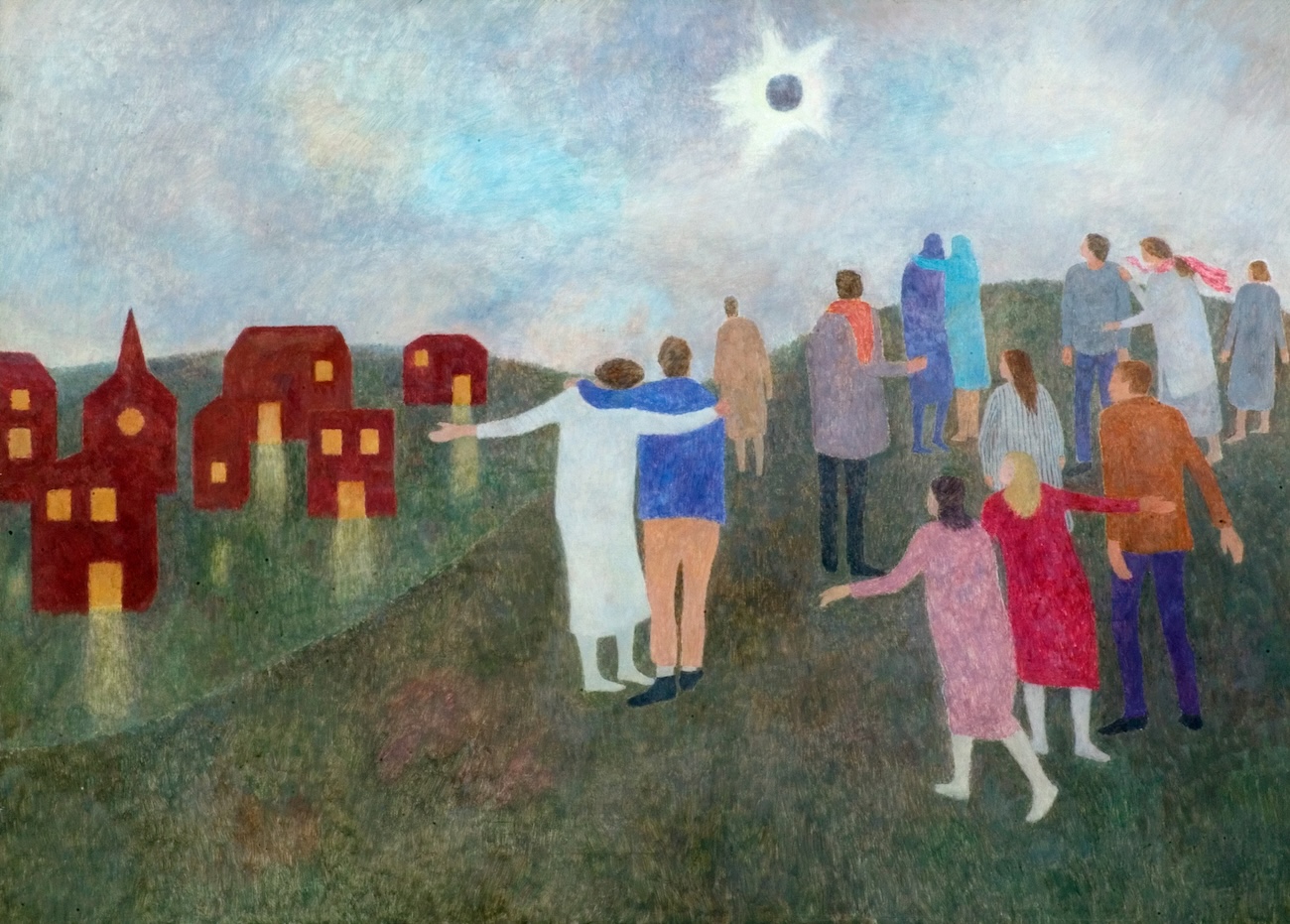
Elisabeth Vellacott, “Eclipse of the Sun,” c.1973-74. Courtesy of Derby Museums Collection
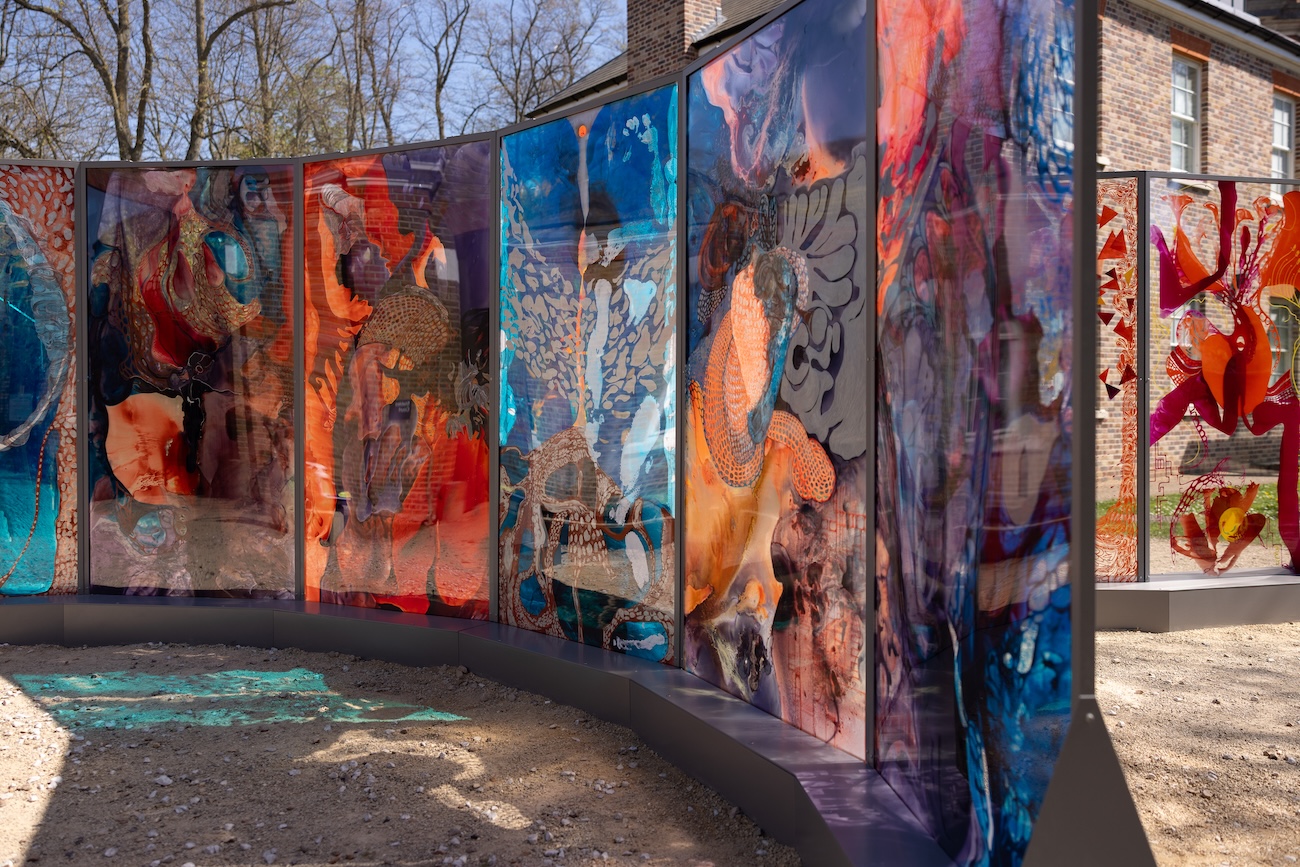
Bryony Ella, “My Body is a Sundial,” 2025. Installation image at Orleans House Gallery. Courtesy of the artist. Photography by Ewelina Ruminska
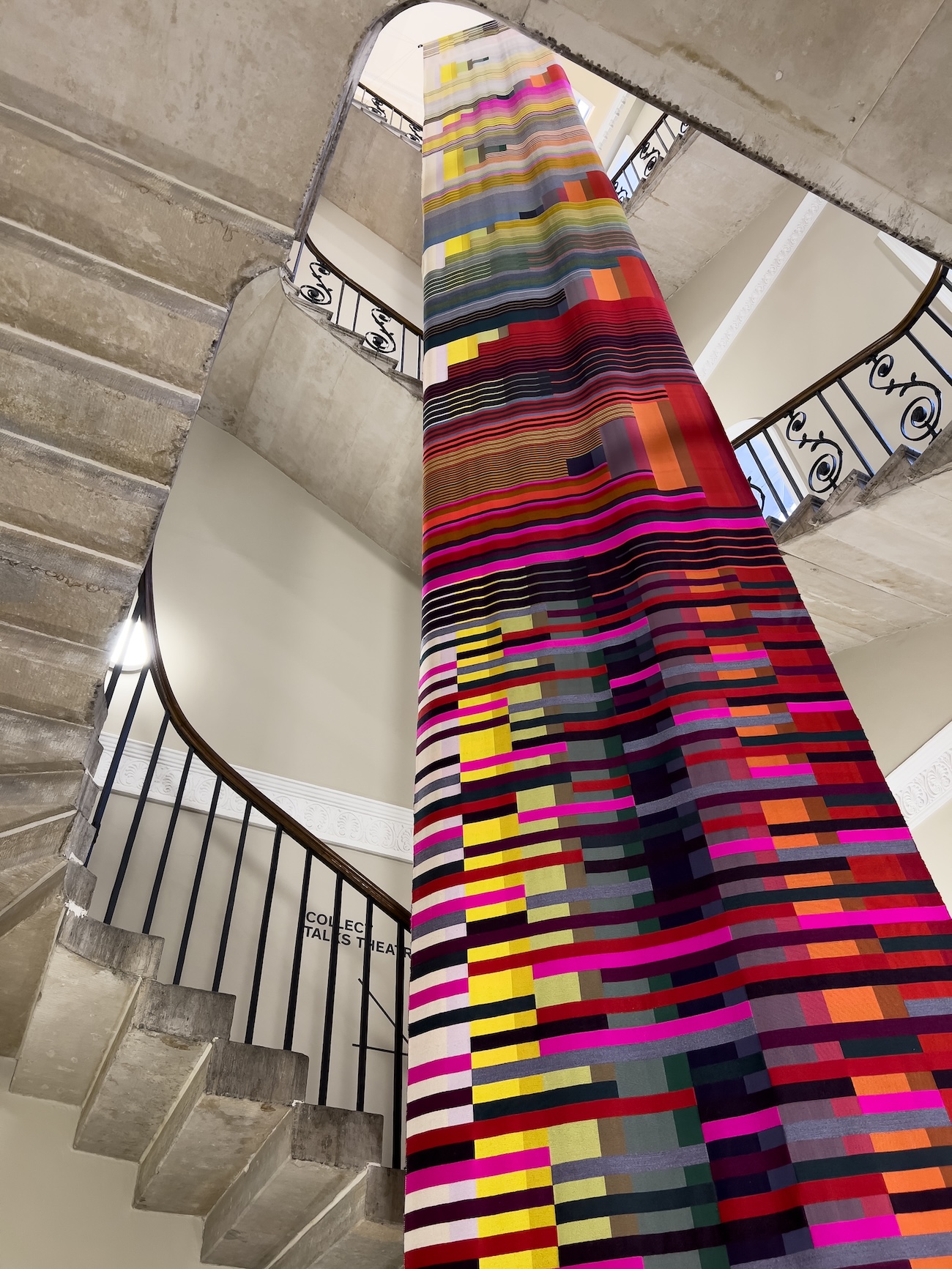
Margo Selby, “Moon Landing,” 2024. Installation image at Somerset House's Stamp Stairwell. Courtesy of the artist
It is organized as a journey through a complete 24-hour cycle, starting with dawn and ending in the dark of night. Each of the nine galleries reflects a different part of the day and stories associated with the sun and moon.
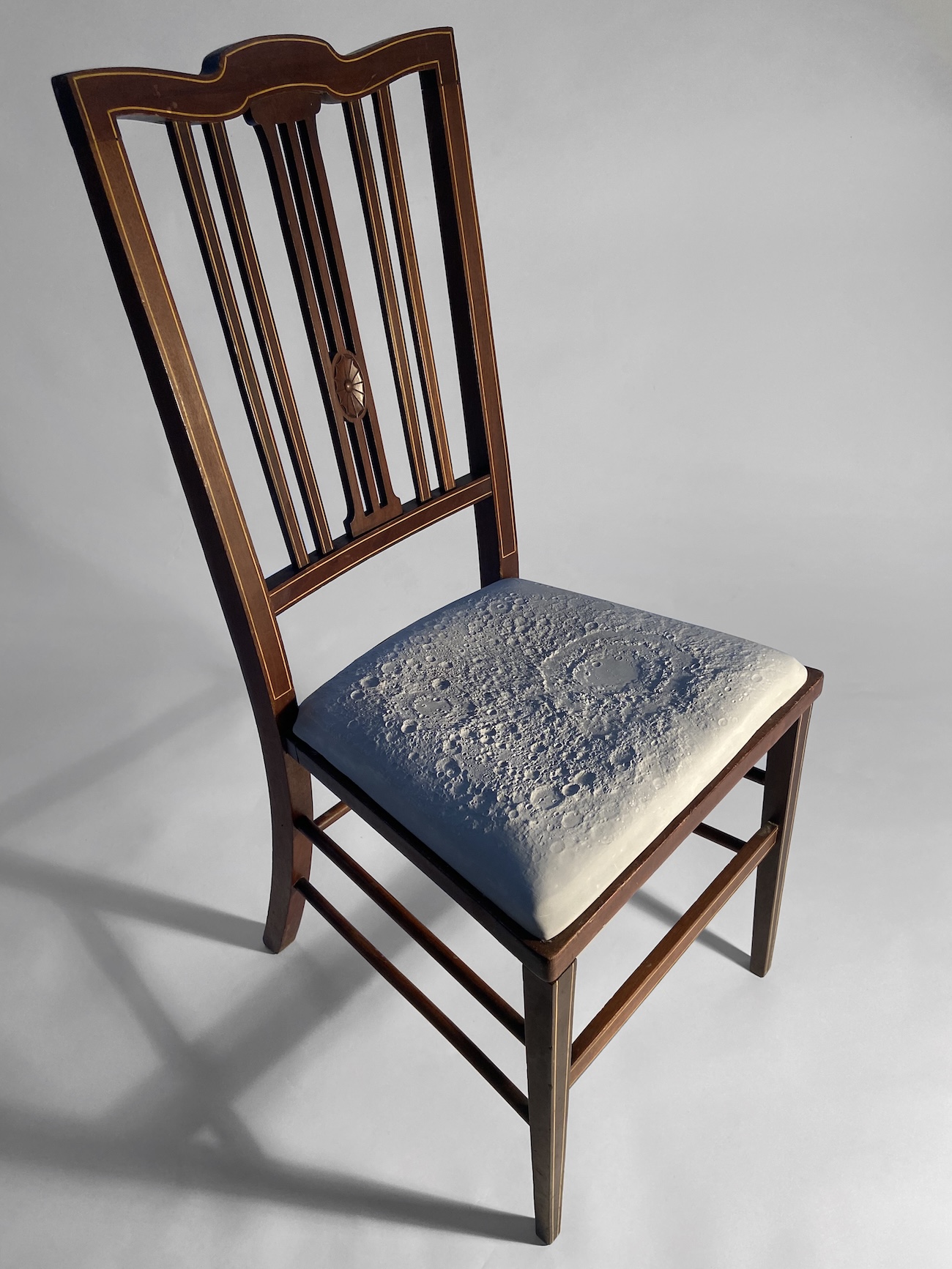
Isobel Church, “Stargazer,” 2026. Courtesy of the artist
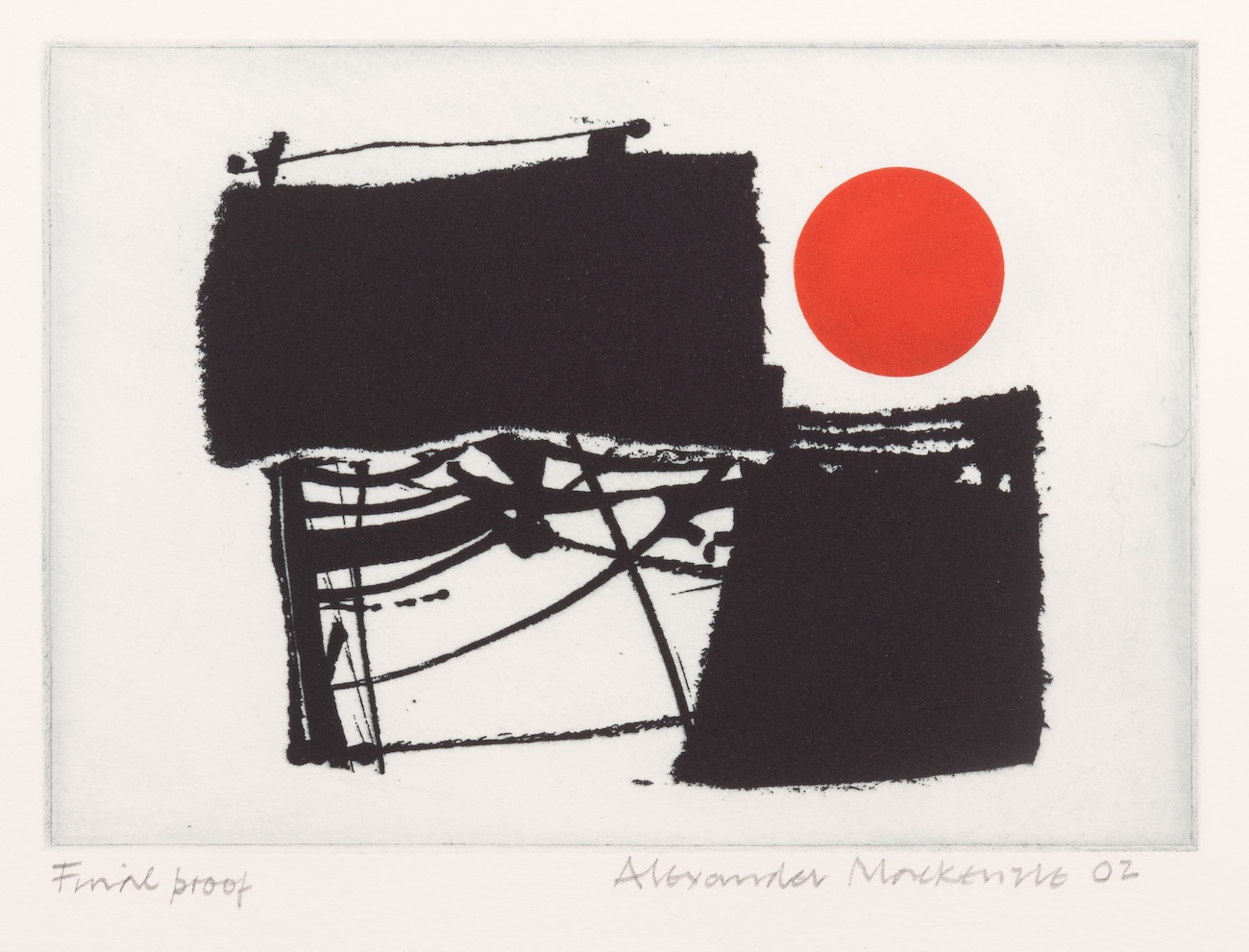
Alexander Mackenzie, “Winter Fields,” 2002. Courtesy of Jerwood Collection and Redfern Gallery, London © Alexander Mackenzie
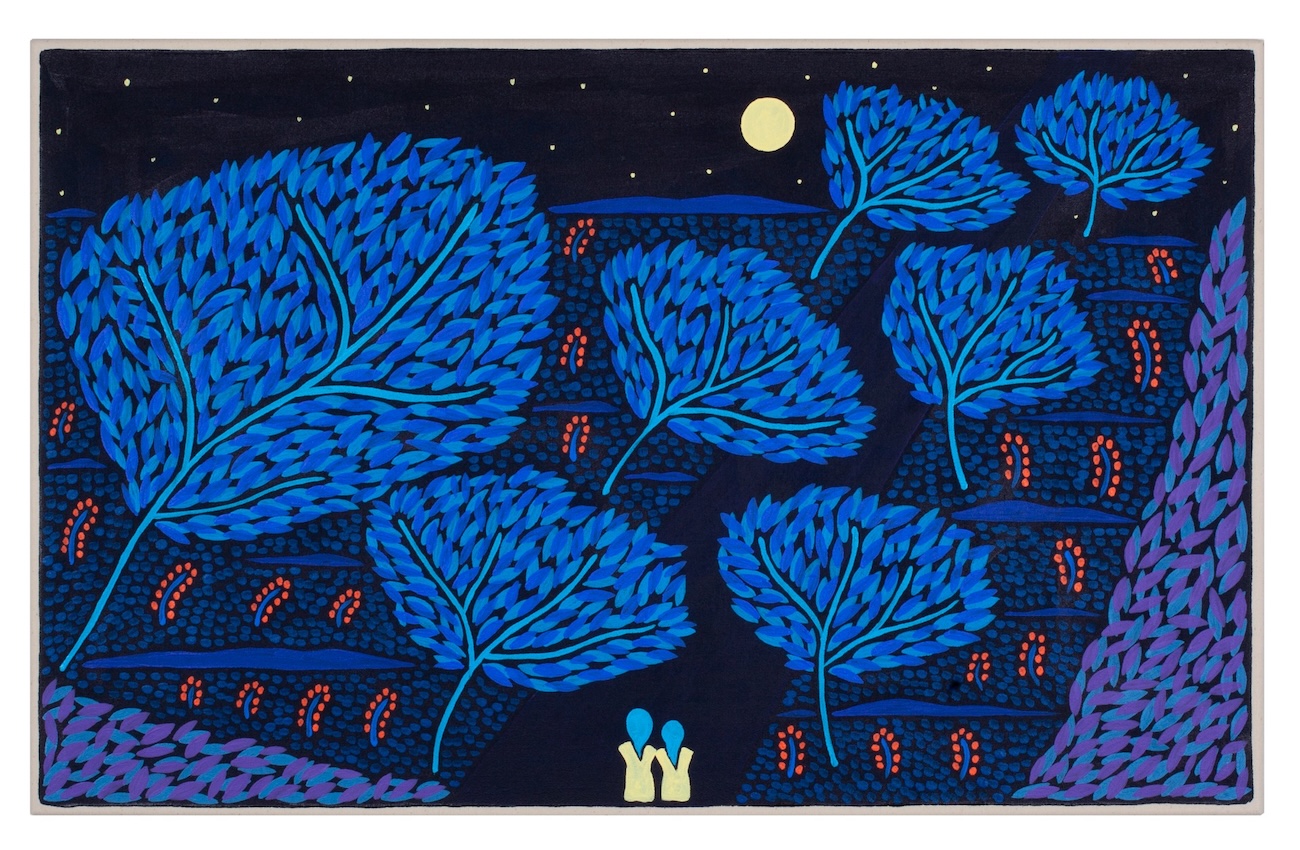
Anders Scrmn Meisner, “Midnight Conversations,” 2026. Courtesy the Artist and Kristin Hjellegjerde Gallery
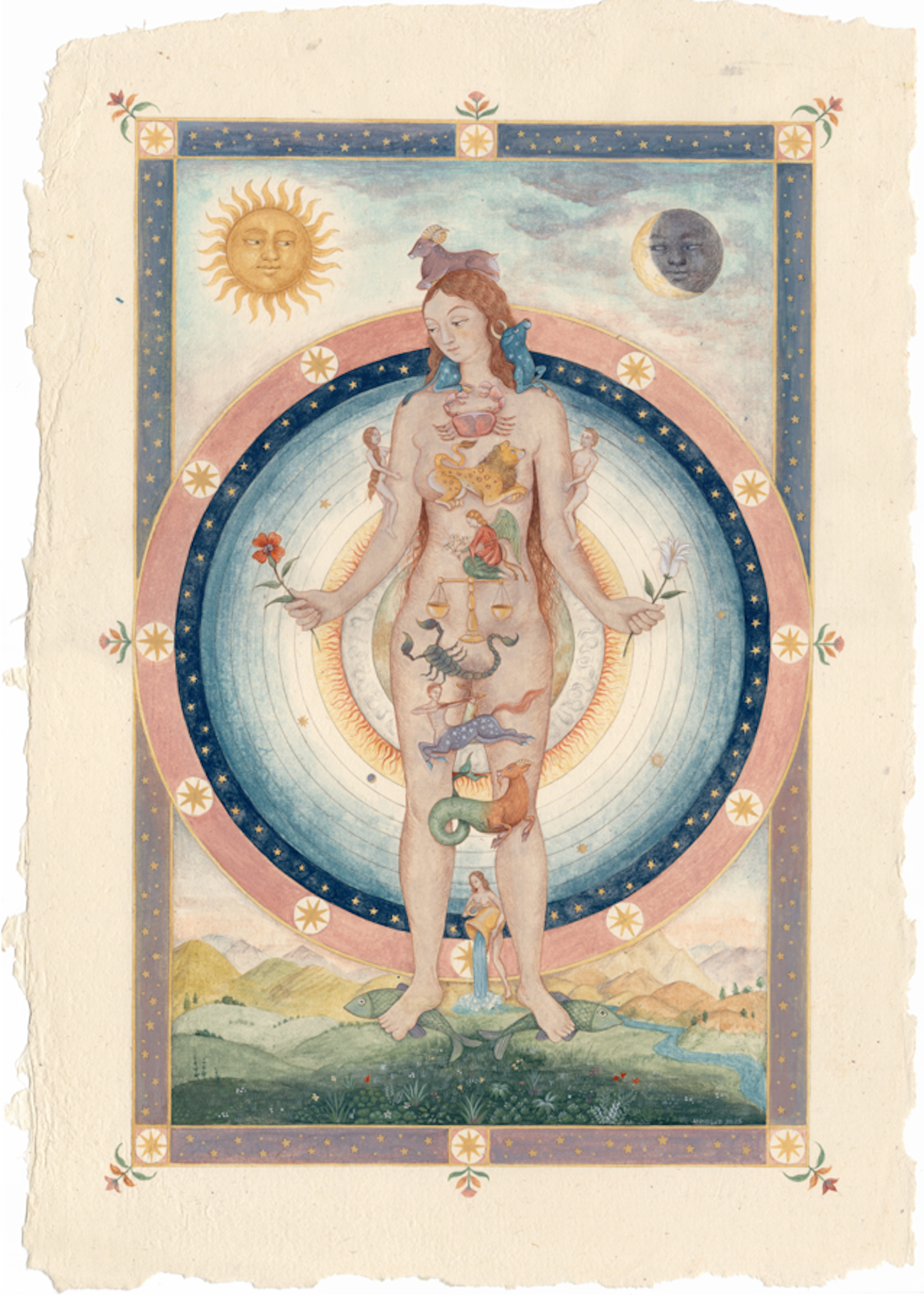
Annelie Solis, “Signorum,” 2025. Courtesy of the artist
The sun and moon have been inspiring humanity since time immemorial, a clear throughline of the exhibition.
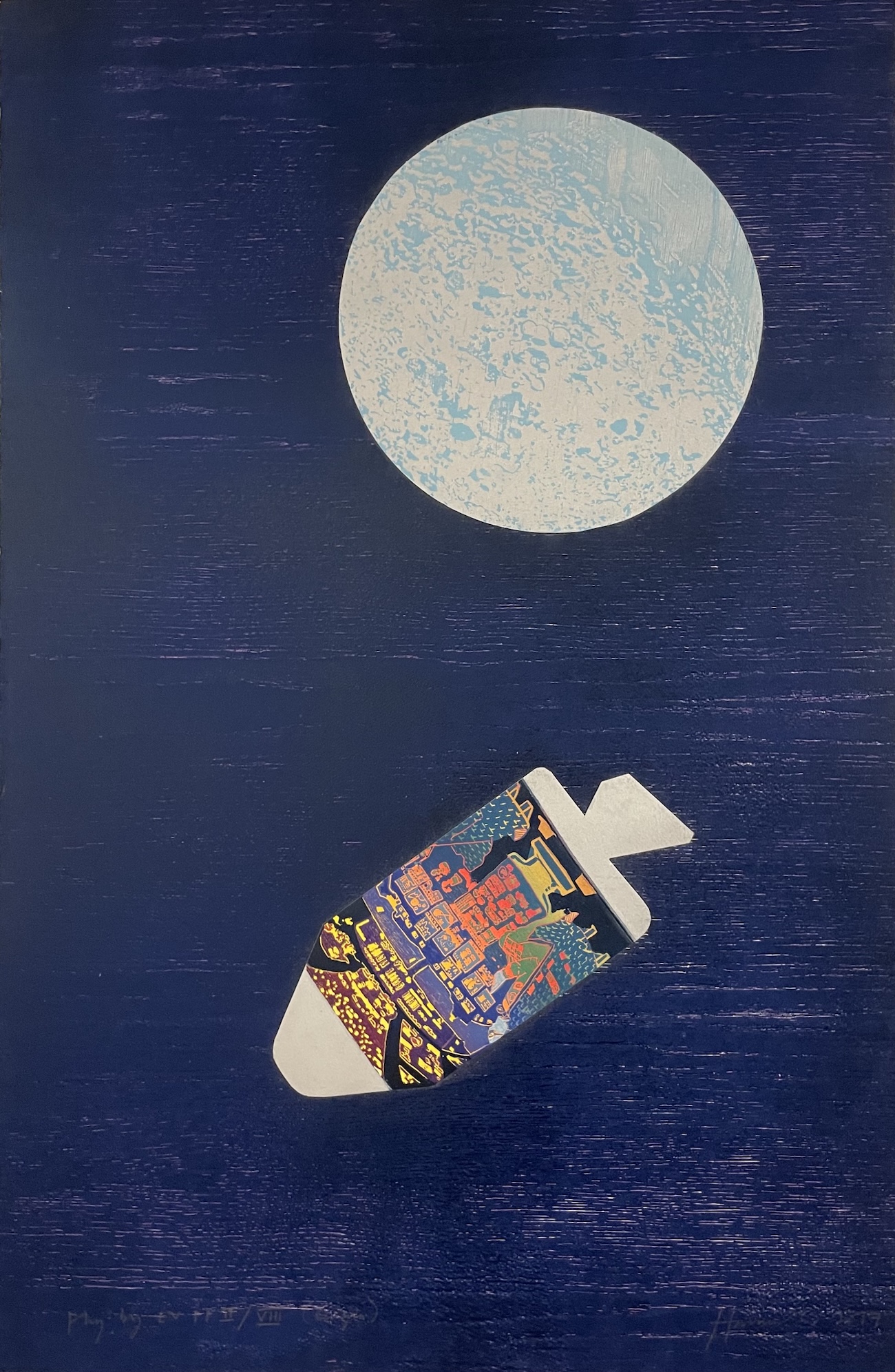
Tom Hammick, “Fly-By,” 2017. Courtesy of the artist. From his Lunar Voyage series
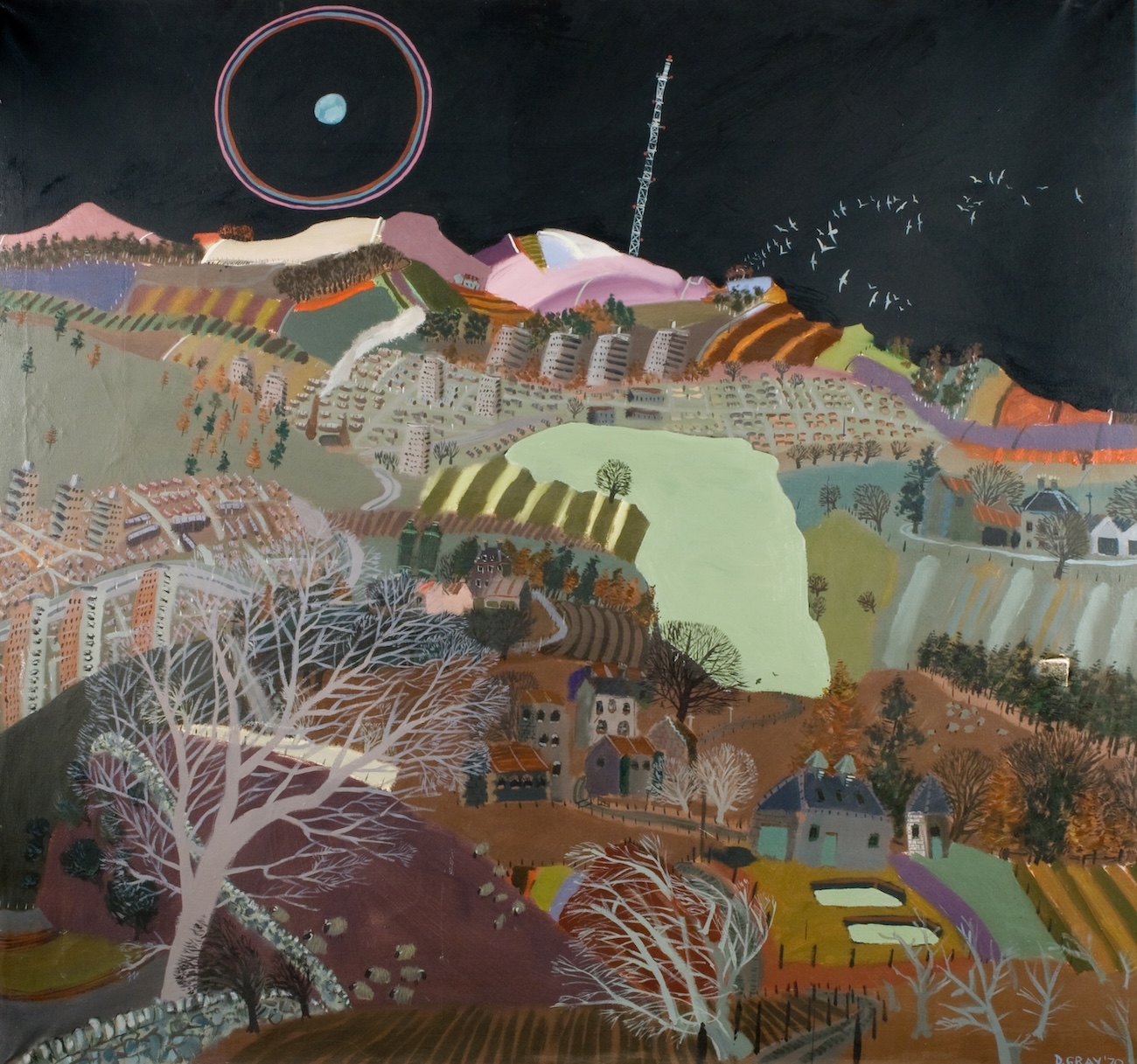
Douglas Gray, “Landscape with Rings Round the Moon,” 1970. Courtesy of the artist and University of Dundee
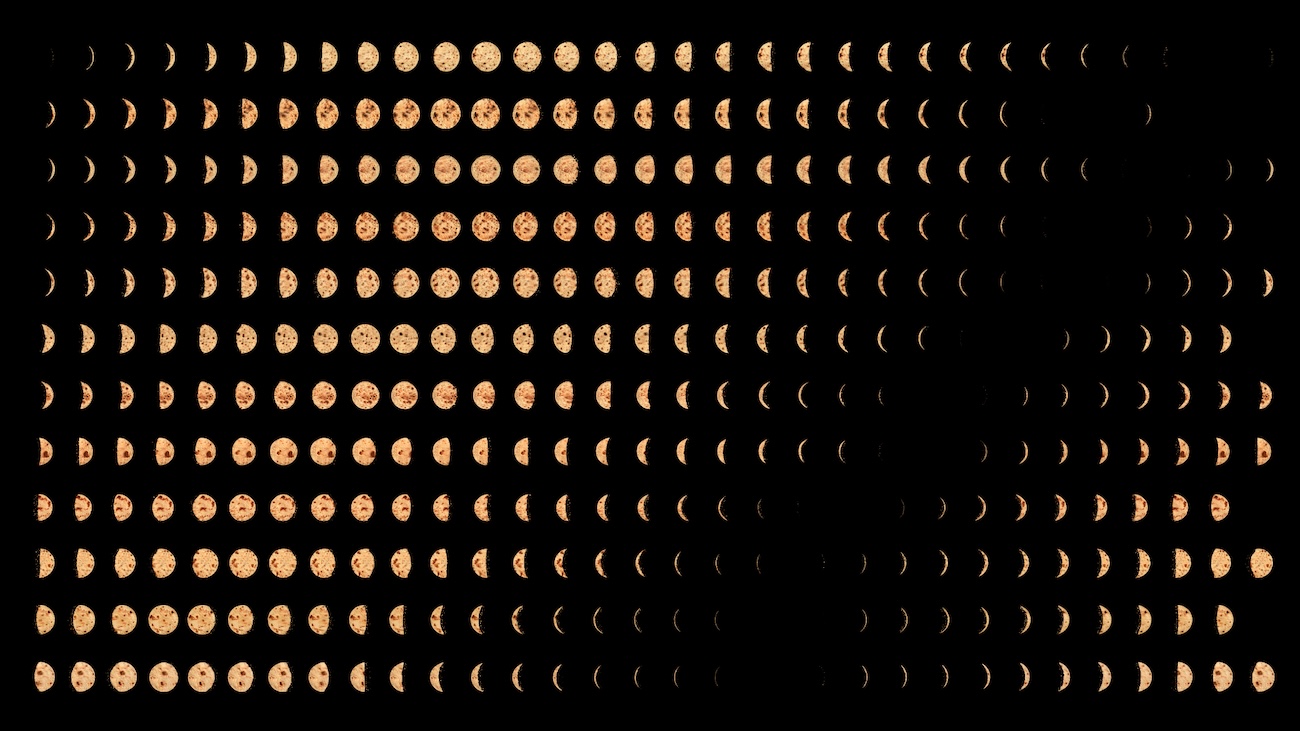
Jitish Kallat, “The Eternal Gradient,” 2015. Courtesy of the artist. Stills taken from single-channel video

Aina Petrova (URSUUNA), “Charapchy (Arctic Snow Goggles),” 2026. Courtesy of the artist