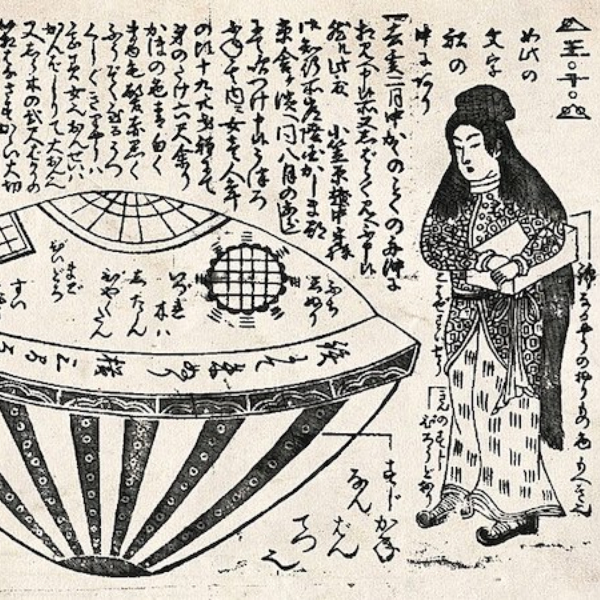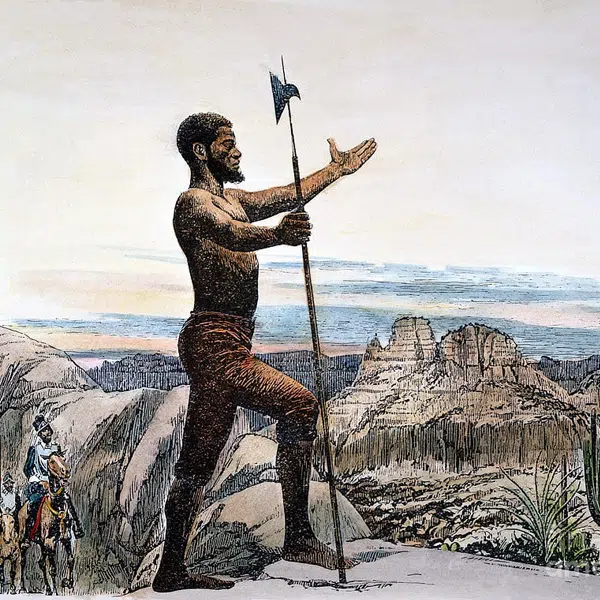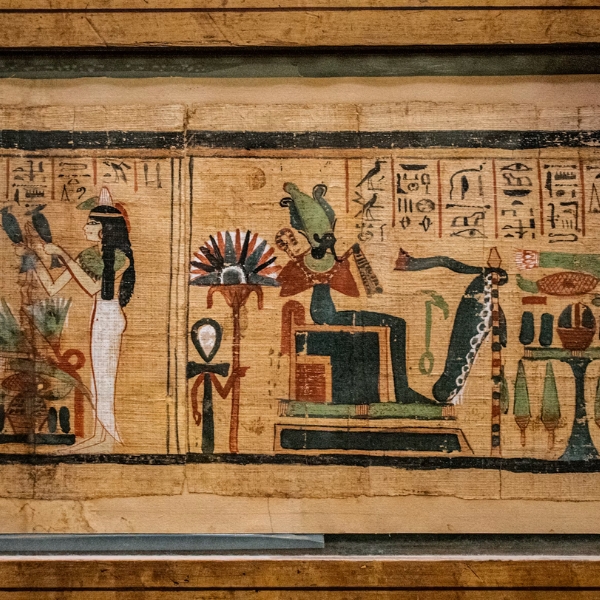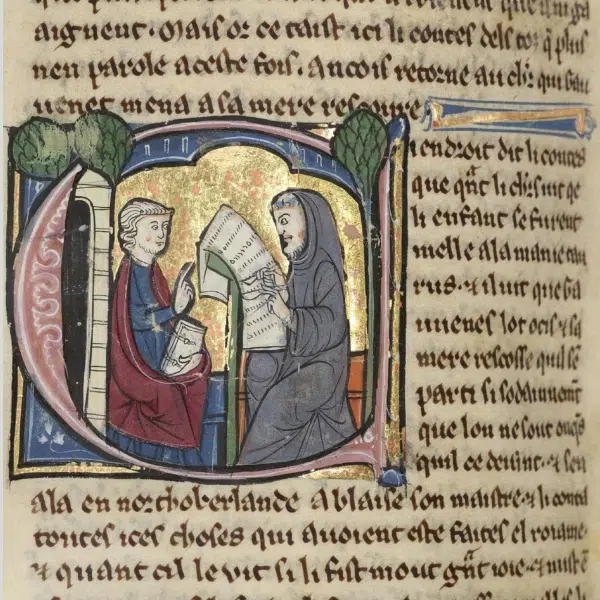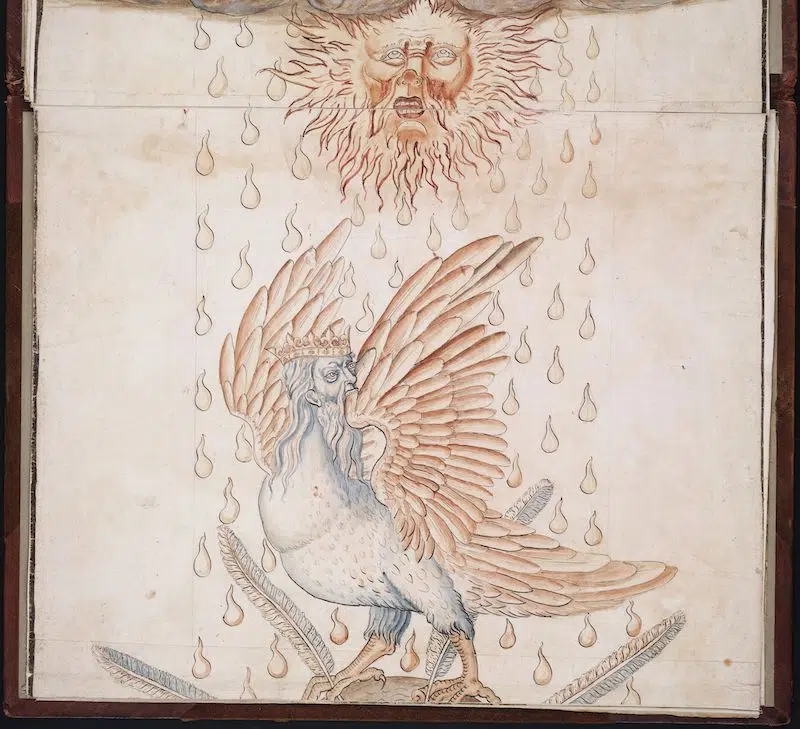
Hidden inside one of America’s most iconic academic libraries sits a collection that feels more like folklore than fact. At Yale University’s Beinecke Rare Book & Manuscript Library, thousands of rare texts rest behind a towering marble facade. Among them lies one of the most fascinating collections of early scientific imagination ever assembled: a major archive of medieval and Renaissance alchemical manuscripts.
In fact, scholars often refer to it as Yale’s “alchemy collection.” These manuscripts sit at the border of science, philosophy, and what we now call magic. They include handwritten works on alchemy, astrology, early chemistry, and natural philosophy. At the time, these fields overlapped as thinkers tried to understand and transform matter.
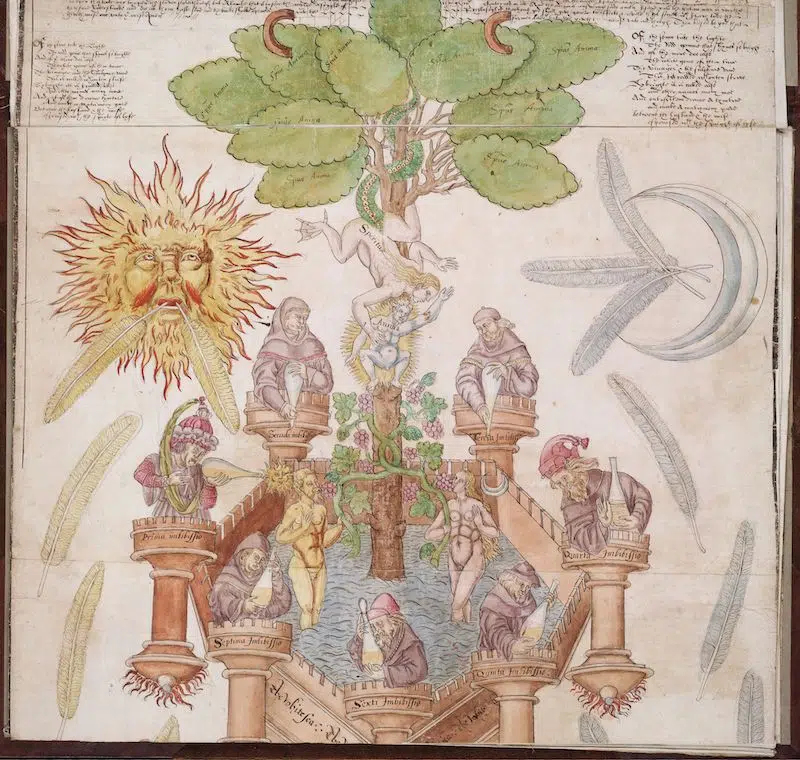
To understand their importance, it helps to go back before modern chemistry. During this period, alchemy shaped how people studied the natural world. Practitioners searched for ways to turn base metals into gold, create universal medicines, and decode nature’s hidden structure. As a result, the Yale manuscripts preserve this worldview in remarkable detail. They contain symbolic diagrams, coded recipes, cosmological theories, and experimental notes written in dense, often poetic language.
Much of the collection also reached Yale through major 20th-century donations and acquisitions that helped shape its rare book holdings. These gifts preserved fragile manuscripts that earlier generations often overlooked or scattered. Over time, they built one of the most important archives of early scientific and philosophical writing in the world.
Physically, the manuscripts live in the Beinecke’s striking six-story marble building. The design filters sunlight to protect delicate pages from damage. At the same time, it maintains a tightly controlled environment for preservation. Today, Yale has digitized many of these manuscripts, and anyone can view them online for free. What once stayed locked in elite libraries and private collections now opens to students, artists, and the public worldwide.
Ultimately, these texts reveal how people once made sense of the unknown. Alchemy did not focus only on turning lead into gold. Instead, it explored transformation in material, spiritual, and philosophical forms. Seen through a modern lens, the collection sits between belief and observation. It reflects a time when imagination and inquiry worked together rather than separately. In the end, these “books of magic” are not relics of irrationality. Rather, they are records of early curiosity, preserved in ink and parchment, still waiting to be read.
Inside Yale’s Beinecke Library lies a hidden collection of medieval manuscripts that blur the line between early science, philosophy, and what once felt like magic.
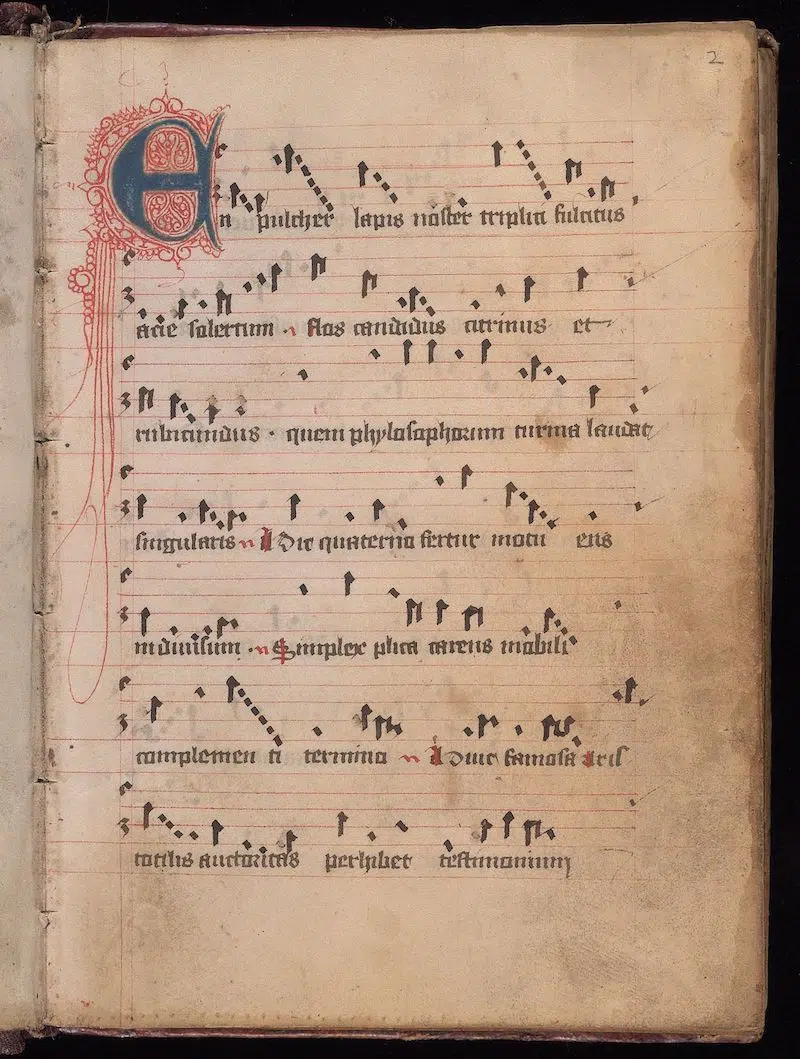
These rare texts reveal how alchemists once explored transformation through coded symbols, experiments, and spiritual ideas about matter and the universe.
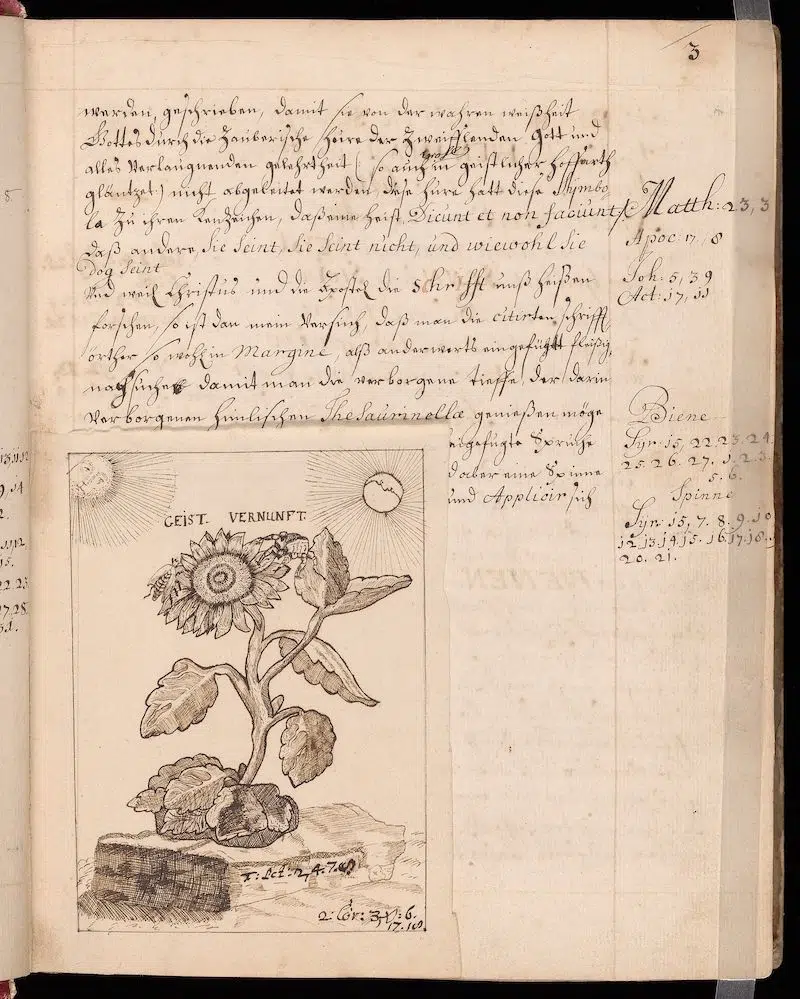
Today, Yale has digitized much of the collection, allowing anyone to explore these once-secret manuscripts freely online.
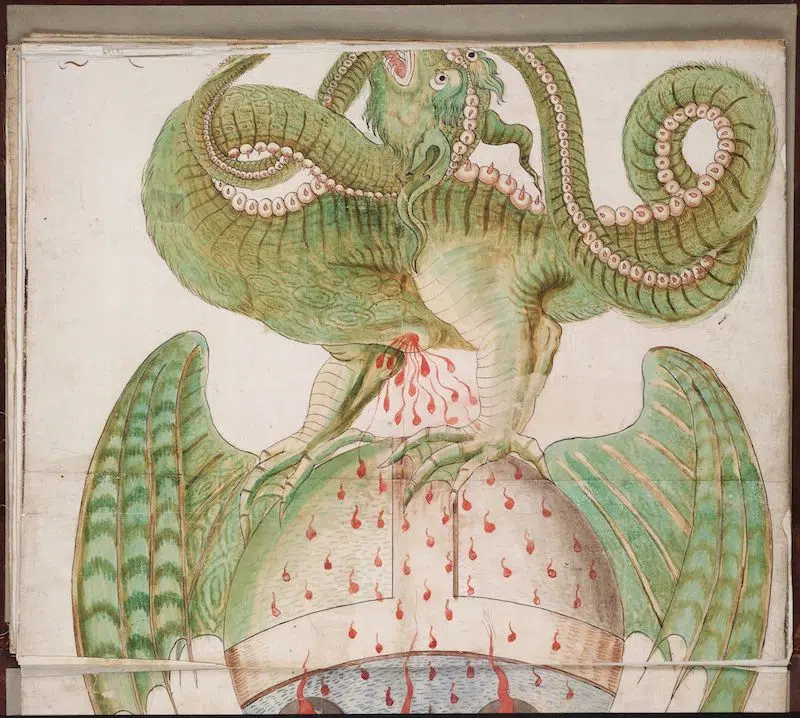
Beinecke Rare Book & Manuscript Library: Website | Instagram
All images via Beinecke Rare Book & Manuscript Library.
Related Articles:
Book of Kells Experience Blends History and Technology To Celebrate the Illuminated Manuscript
Shining a Light on the Beautiful Illuminated Manuscripts of the Medieval Period
Morgan Library Celebrates Incredible Life of the “Most Fascinating Librarian in American History”
The Brilliant History of Books, From Egyptian Scrolls to E-Readers