Photo: Sam Oberter
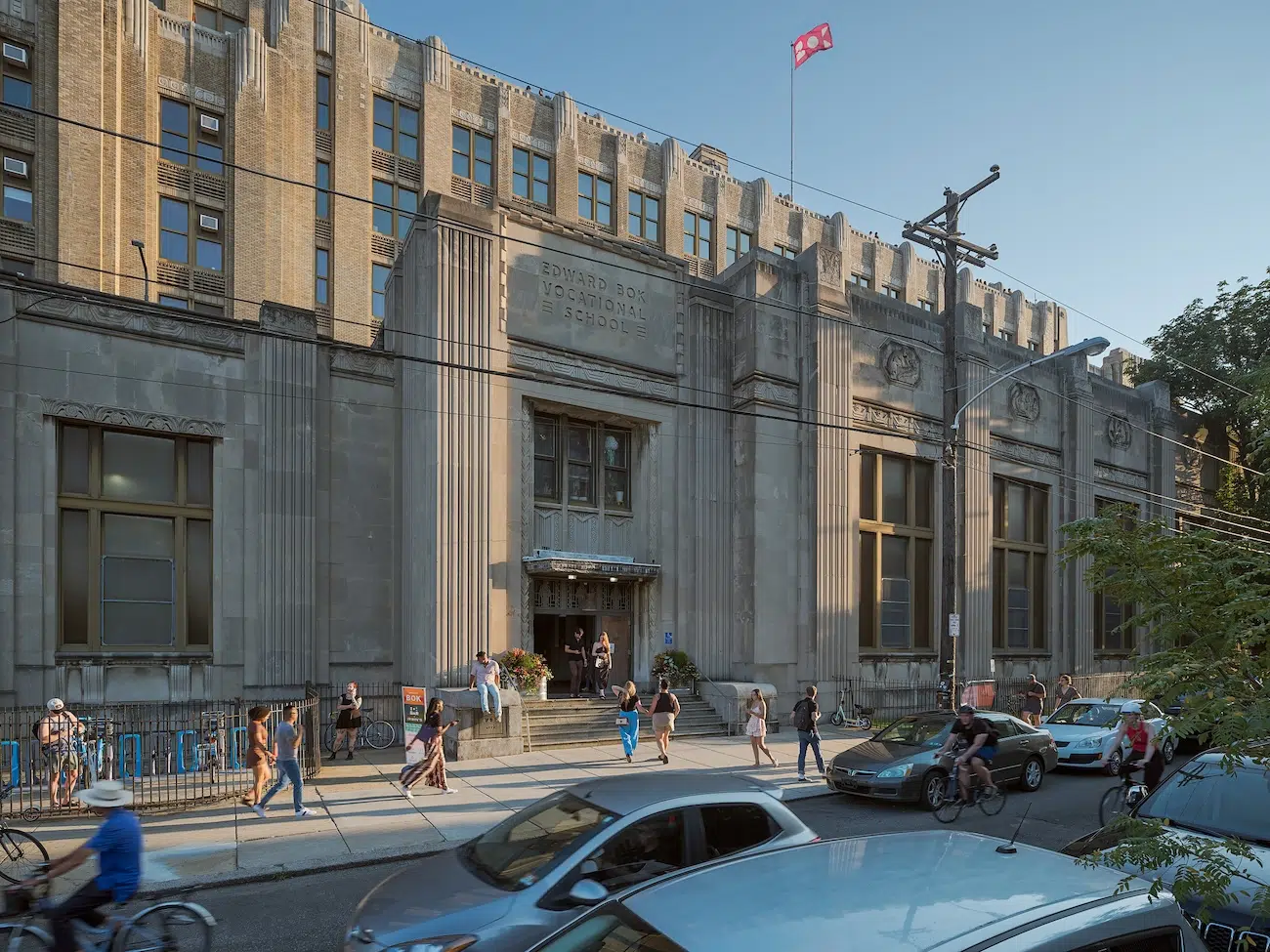
In South Philadelphia, there’s an old school that has been given a new lease on life. For over 10 years, a former vocational high school has been a hub for makers, entrepreneurs, businesses, and nonprofits. It’s called BOK, named after Bok Vocational High School, a 340,000-square-foot building originally constructed in 1936, where students across Philadelphia learned skills such as bricklaying, auto mechanics, wallpapering, and more. After closing due to decreased enrollment and deferred maintenance in 2013, Scout, a development and design practice based in the city, purchased the building. A new, yet familiar, direction of BOK opened its doors in 2015.
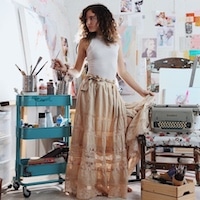
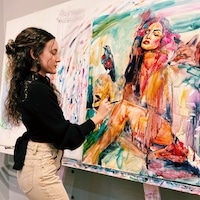
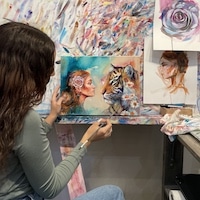
Tenants of BOK run the gamut. Some of its over 200 businesses occupy its spaces for screen printing, while others make jewelry and throw ceramics. There are also bike repair and coffee shops. A look through its directory highlights the creativity and community in this part of South Philadelphia, aspects that BOK actively cultivates.
Community plays a huge role in what Scout does—not only between its tenants, but in the surrounding neighborhood. BOK is located across from an elementary school, and will, for instance, hold block parties at the end of the school year. Activities and events like this strengthen Scout’s mission of adaptive reuse, while engaging and renewing the community it inhabits.
My Modern Met spoke with Lily Goodspeed, scout leasing and community manager, about the history of BOK, and Scout’s newest project. Scroll down for our exclusive interview.
Interview has been edited for length and clarity.
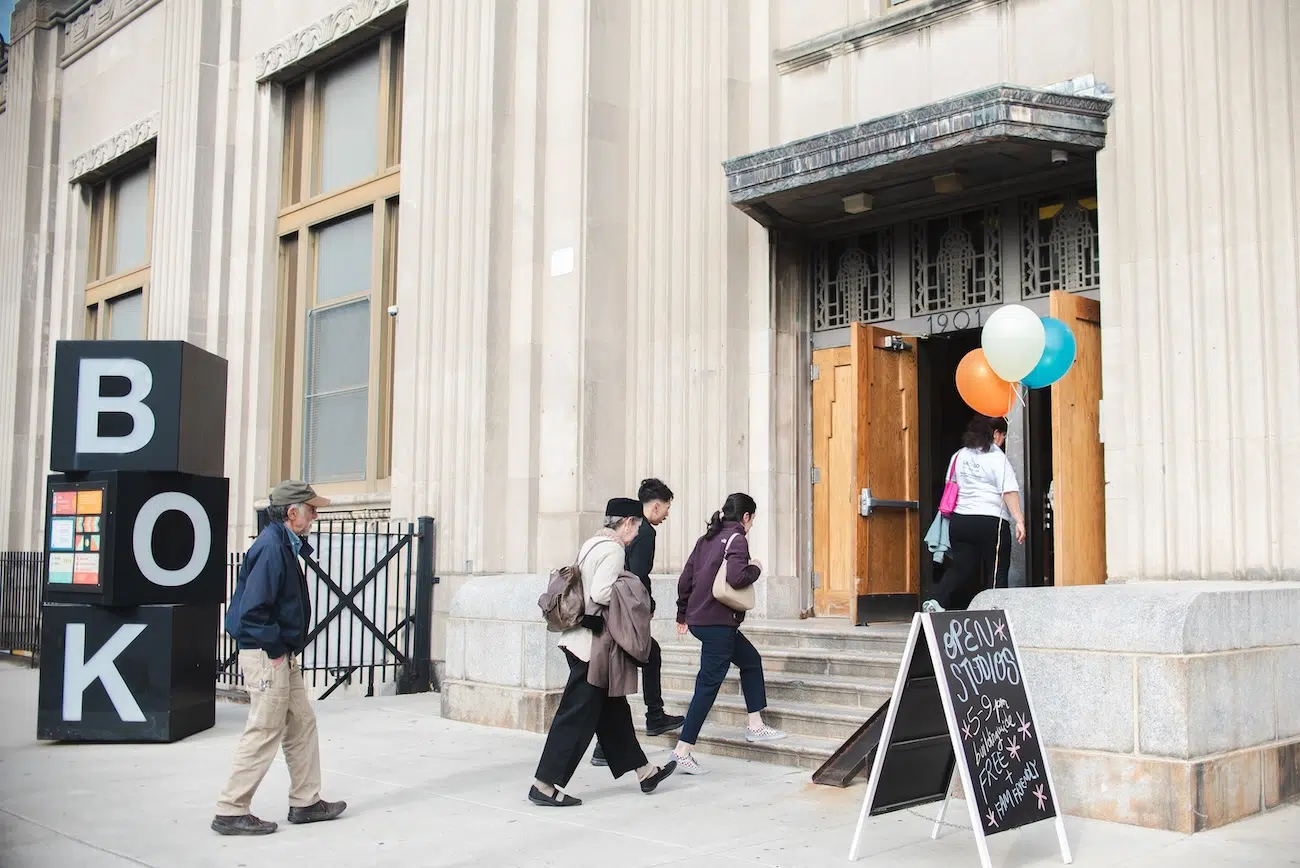
Photo: Zara Neifield
Can you share the history of Scout’s role in BOK? How did the project come to be?
Scout has been a design and development firm since 2011, but BOK was our first real estate development with an actual purchase of a building and a long-term stewardship of a space. Our founder, Lindsey, is very much all about creating spaces for experimentation in cities for artists, and creating spaces for creativity.
The story behind BOK is that in Philadelphia, there was a series of school closures, and there was a process by which these schools kind of came into different ownership. I think for Scout, it was maybe a surprise. We put in a very robust submission for the building [between 2013 and 2014], did a lot of community engagement with the school across the street, Southwark Elementary, and did a lot of work building community partnerships in that year or so when we were looking. We purchased the building in 2015.
The building has a really rich history. It was a vocational school. So, not only was it a school that was working with youth in Philly, but it was a vocational school; it was actually youth around the whole city. It had brick laying and framing, cosmetology, and an auto body shop, and the different trades changed over time from when it started in the 1930s, when it closed in 2013.
Obviously, the building had a really rich history of making and doing and creativity. So you are not only seeing the value in that history and bringing in alumni and the storytelling in the history of the space, but also actively using that infrastructure as it was kind of intended. So looking for tenants, looking for businesses, looking for nonprofits who could use that infrastructure in a way that was both kind of again allowed to tell that story of the history of the space but also has an affordability piece where we listen to the building and we listen to see that, a rollup auto body shop door actually makes a lot of sense as a bike repair shop and bike shop.
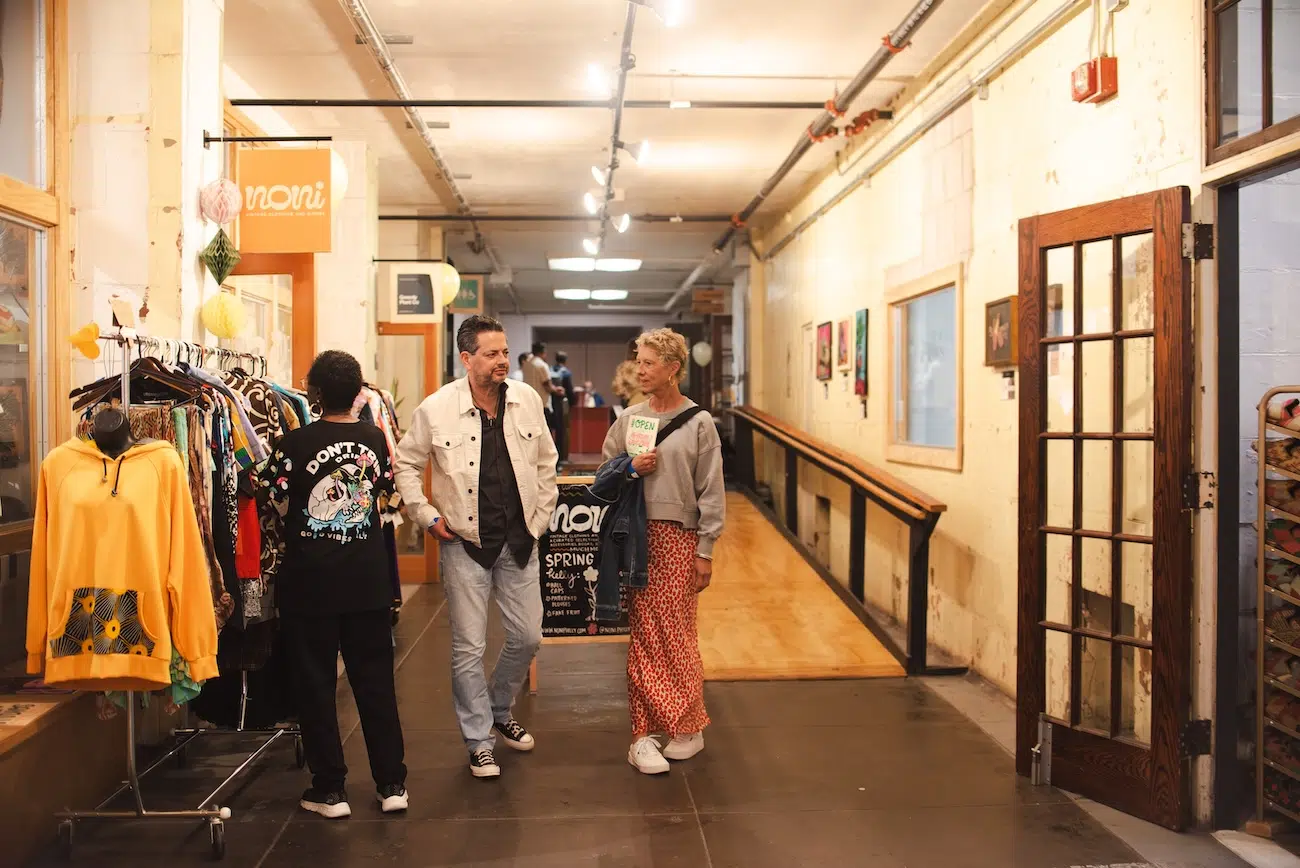
Photo: Zara Neifield
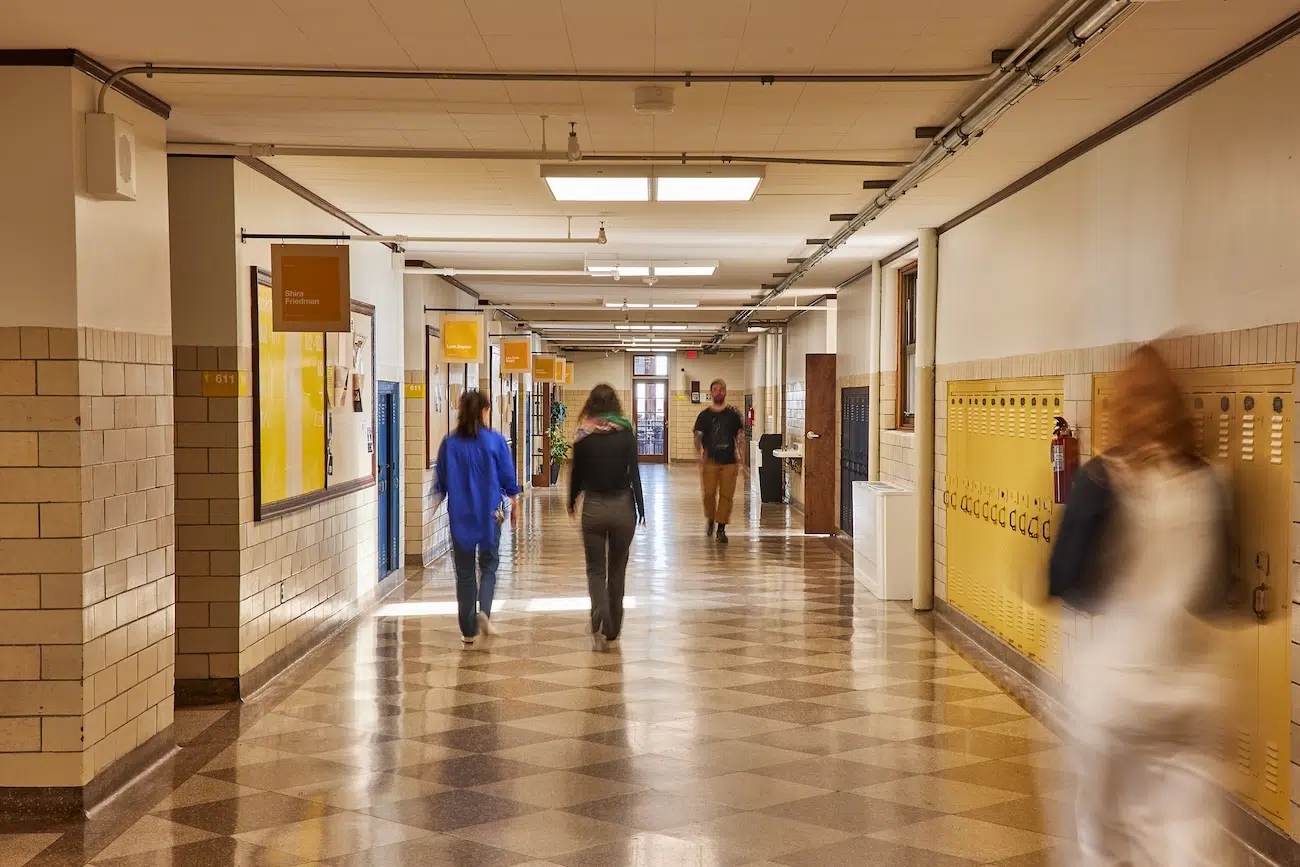
Photo: Mike Persico
How many tenants do they have, and how long do they generally stay?
There are about 220. Some people rent multiple spaces; some people are in month-to-month leases, so I think 220 plus individuals, either artists, nonprofits, or small businesses. About 670 people work every day in the building. So that’s all the employees of those 220 businesses and nonprofits.
This is the 11th year of BOK. There are some people who have been here for 11 years. They’ve been here since the first month or two. And then some people who had just moved in last month. We have a newspaper, and if you look at the website there’s something called the yearbook. You can see that we separated into people who have been in the building since the first three years.
Was it hard to have people see the vision for BOK? For those early tenants to take the leap of being in this space? I think from the beginning, artists, creatives, and nonprofits have always been our biggest cheerleaders and the most visionary people in this building. They are the ones who signed up, and they could see the vision, and we built relationships with them. It’s really more the funders and the institutions that have a hard time believing in the mission, or at least need to see more evidence.
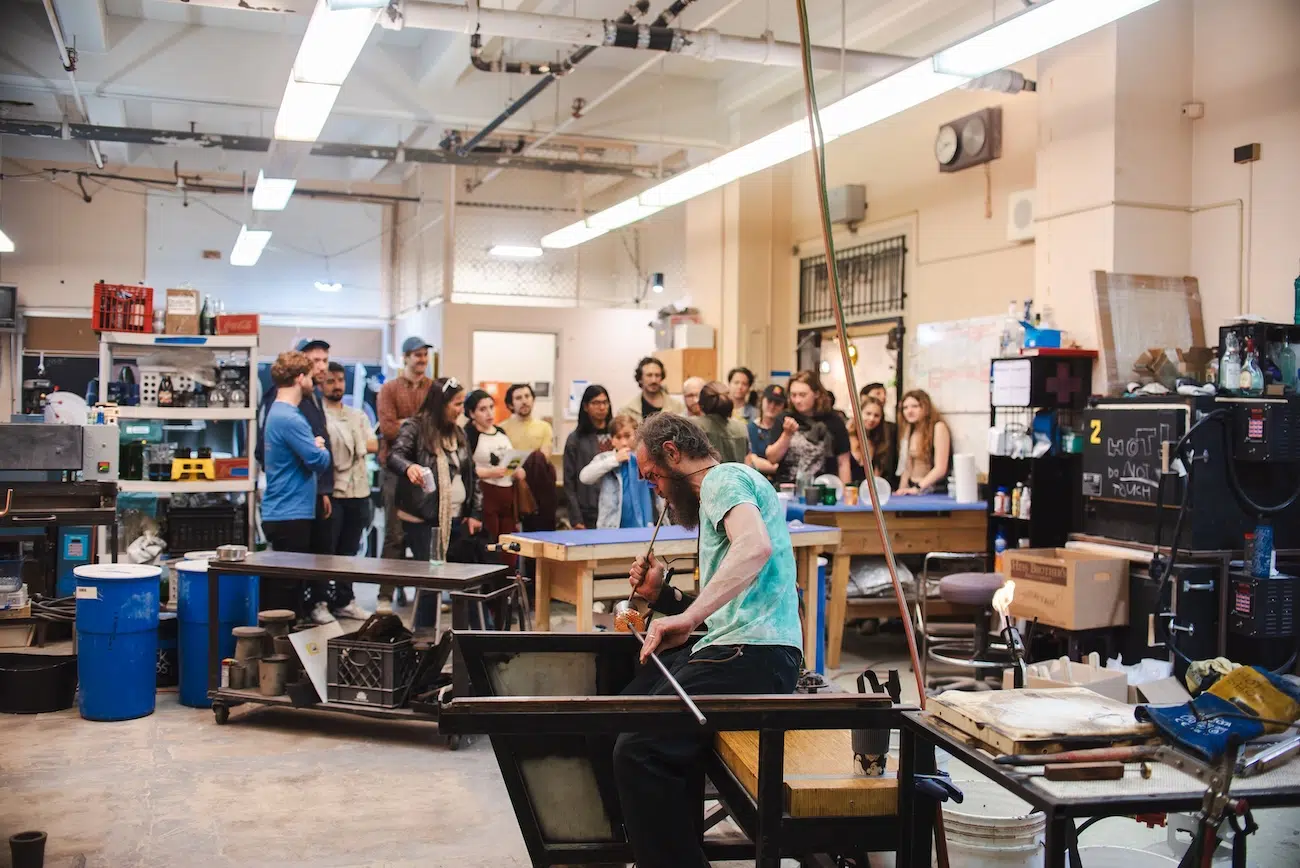
Photo: Zara Neifield
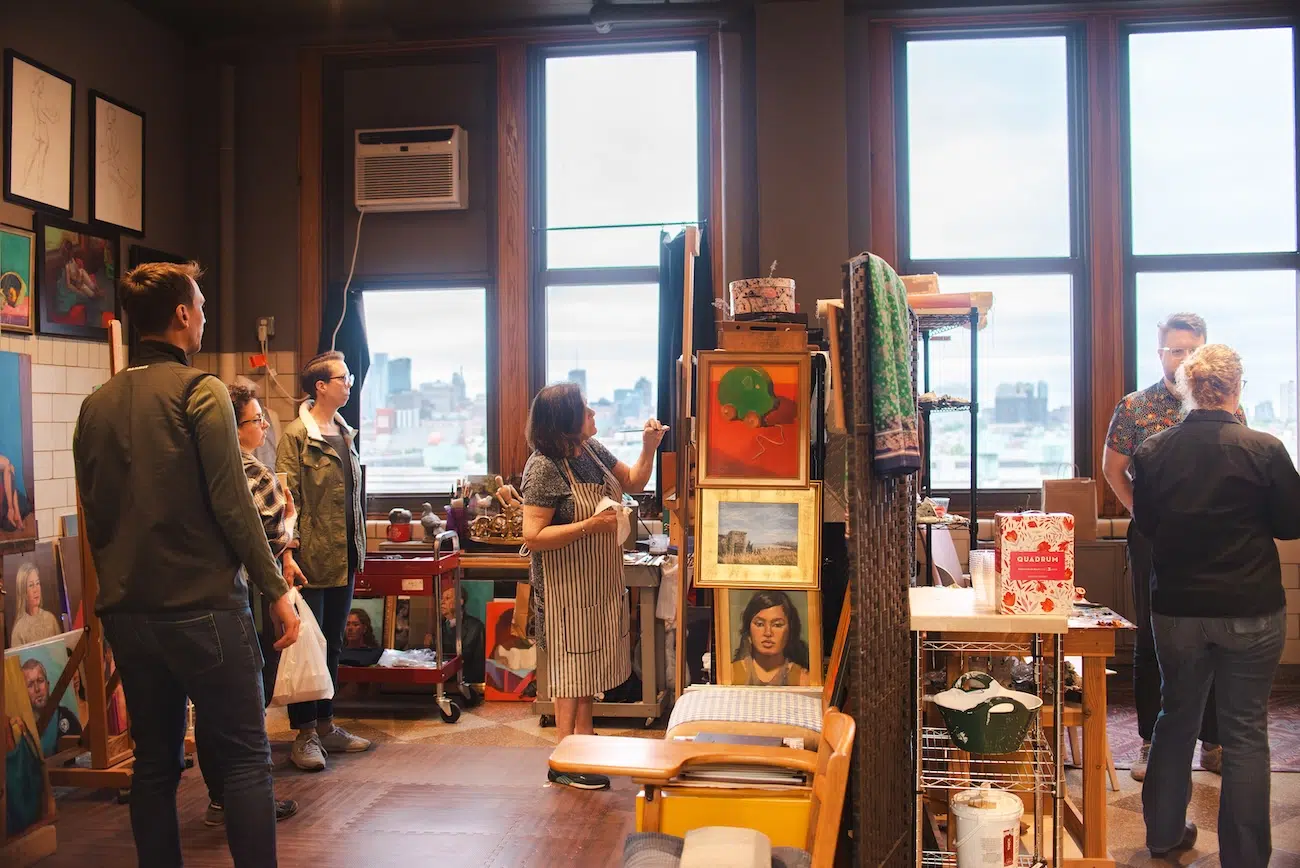
Photo: Zara Neifield
Do the tenants get to know each other as they’re in BOK?
The number one thing I hear from interested people is that there are a lot of spaces that accommodate arts and culture in Philly, but there are very few places that feel that same kind of neighborhood, almost like Sesame Street feeling, where there’s really not only people going to do work and going to do art and going to do their own thing, but that really support each other.
Everyone kind of hires each other. There’s just really this sense of kind of collaboration, not only between the tenants but all the people who might have a part-time job in one place and live down the street and come to the block party and send their dog to the doggy daycare and their kid goes to the elementary school across the street. I think that’s been really powerful and that feels maybe like there’s some distinction between some of the more traditional—you rent a space, you close your door, you do your work—which again is very important spaces that need to exist in cities, but BOK just feels different.
That’s a really powerful thing that we feel like we’ve lost more and more of, especially in cities that are being turned into the way we can extract capital, rather than seeing it as relationship building. There’s a huge demand, though.
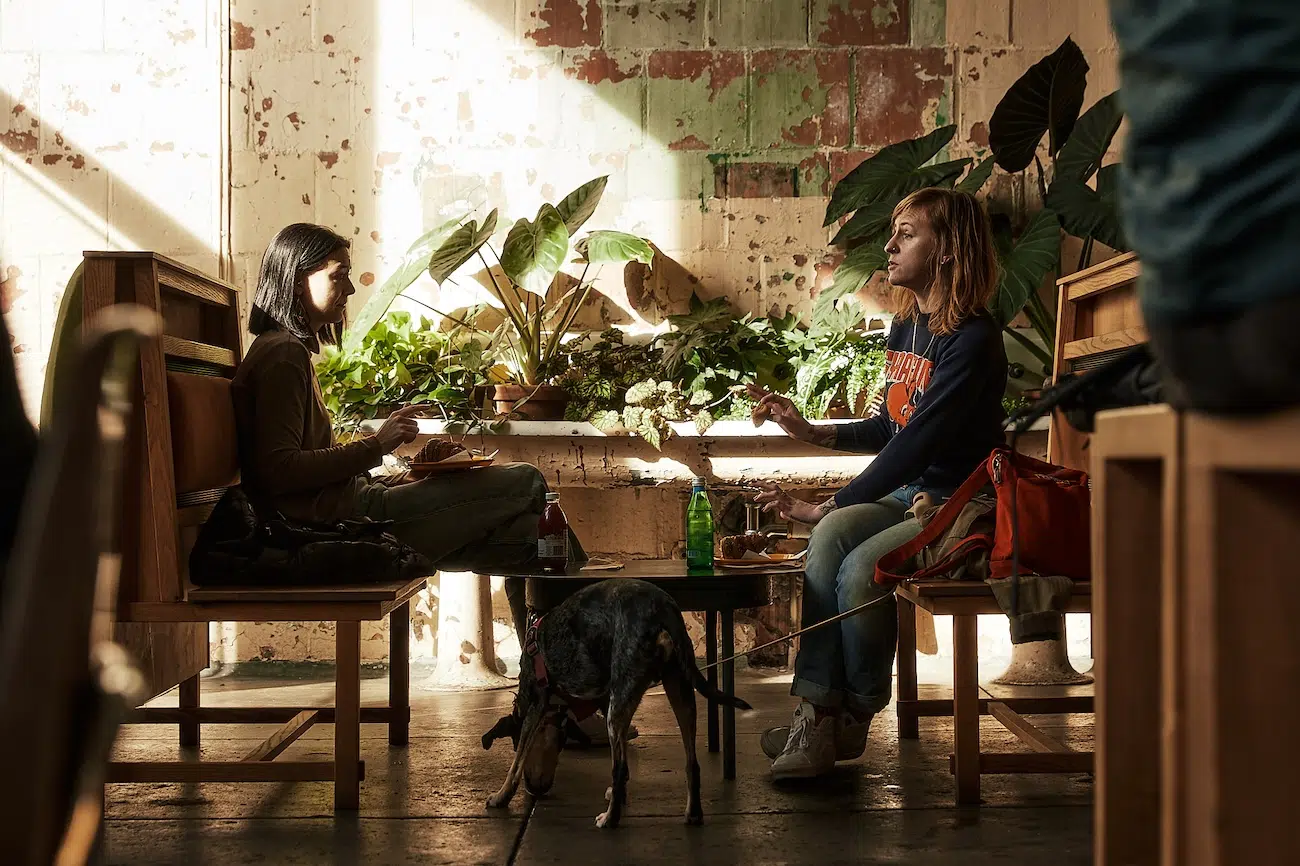
Photo: Ed Newton
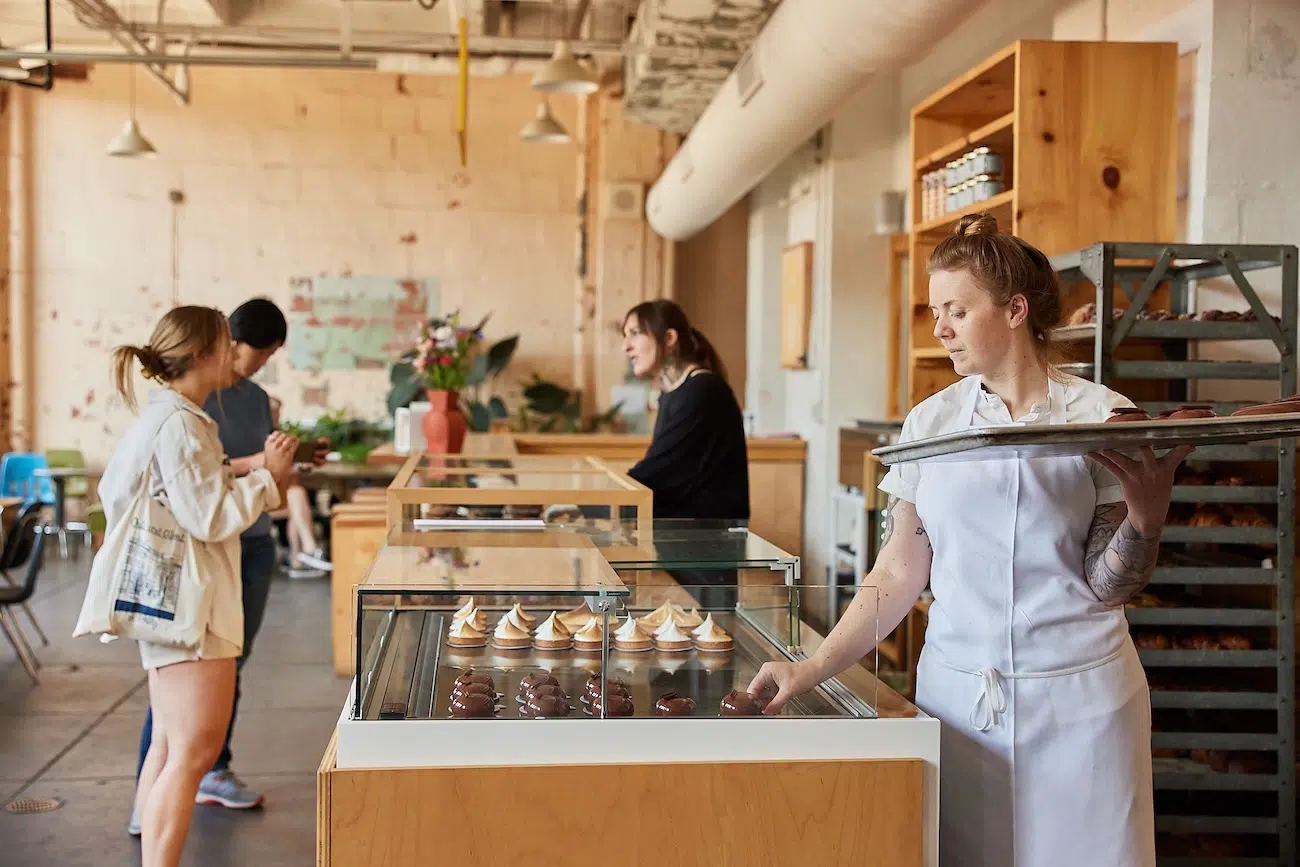
Photo: Mike Persico
Can you describe the neighborhood surrounding BOK?
The neighborhood’s super fascinating. I moved here to do Americore about 12 years ago and didn’t know a huge amount about South Philly, but I grew up in New York, and it feels very familiar to me in that it’s super diverse. It’s one of the most racially integrated and diverse parts of Philadelphia. It has kind of a traditional feel. When BOK was a high school, it was very working-class, white, Irish, and Italian. Kind of that standard like South Philly Rocky Balboa thing that you hear about. But in the 80s and 90s, a lot of refugee resettlement was from Southeast Asia. So, Vietnamese people, people from Cambodia, people from different parts of Southeast Asia, who were impacted during that time. And then recently it also had a lot of Latin American immigration. There’s a historic African-American neighborhood as well, slightly to the north.
I feel very lucky to have accidentally ended up in a place that feels really rich and diverse, so rooted in family and community and activism. My role in Americore was actually organizing around social services and support for a lot of those different communities. There are some amazing nonprofits that have been here for 50 years, or, even if they’re new, they’re really serving people who don’t always get the voice that they deserve at the city level.
It was a lot about why I was brought in, specifically in the early days, was that I had these built relationships. So it’s always been a huge part of the project, how can we serve those who have already been neighbors for many years? I think kind of the thing I’m most proud of is this relationship we’ve built with SEAMAAC, which is the Southeast Asian Mutual Aid Coalition. They were founded about, I think, 30 years ago as a collaboration between a lot of the Southeast Asian refugee mutual aid organizations. They are really incredible and do a lot of economic development and support for immigrant businesses. It’s why we immediately went to them and said, “What do you need? We have space.” They’ve been doing their elders meetup here pretty much weekly for the last 10 or 11 years.
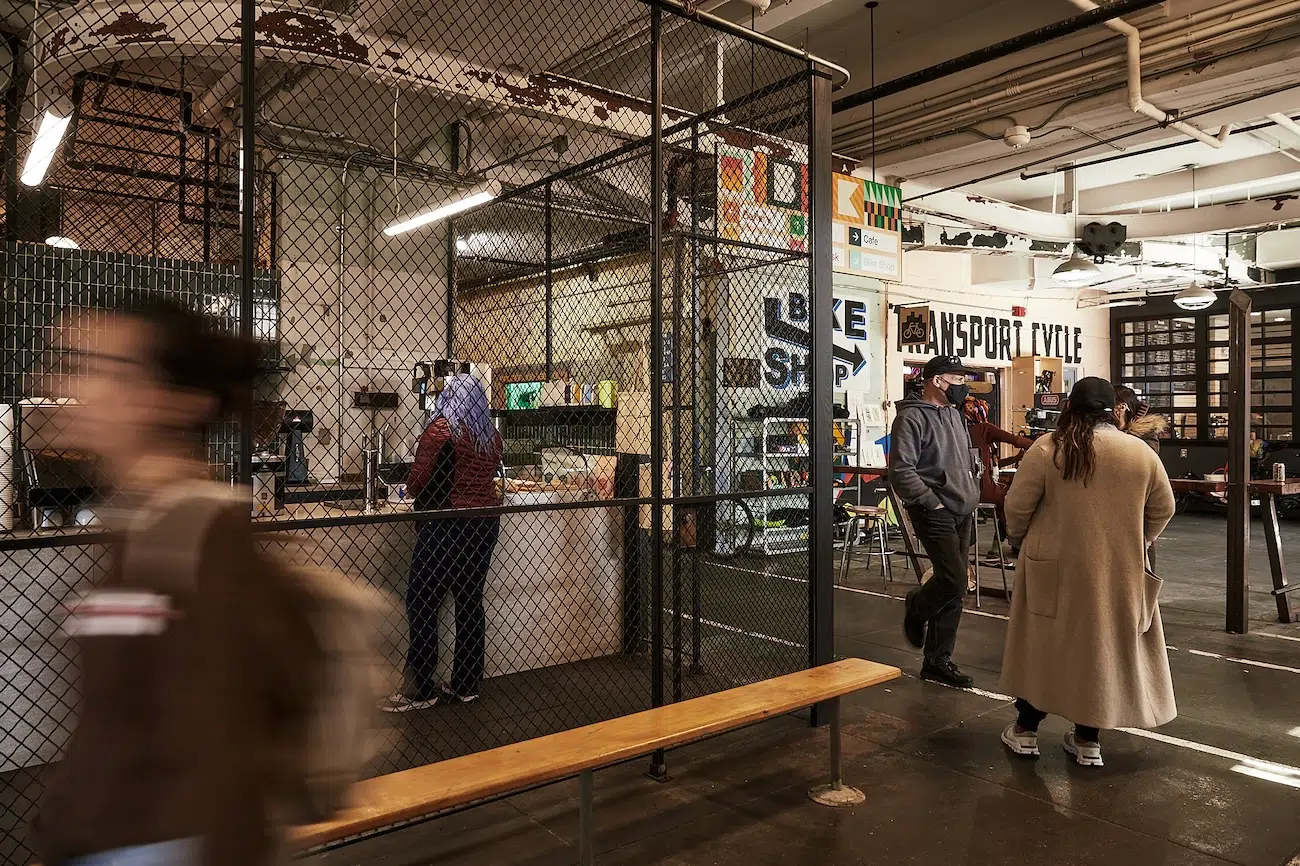
Photo: Ed Newton
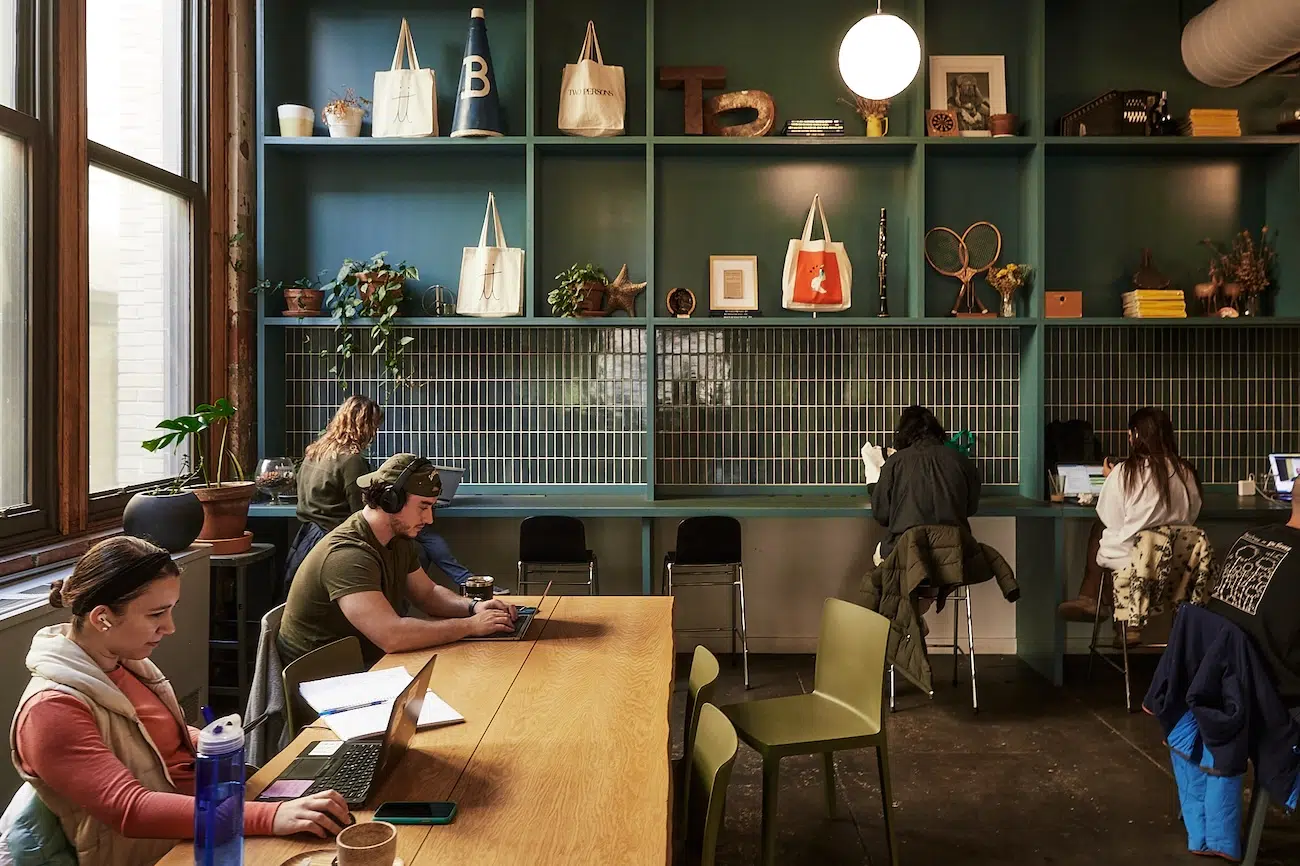
Photo: Ed Newton
You have a new project, similar to BOK. Can you talk about that?
The University of the Arts in Philadelphia was a very beloved institution that closed suddenly. It was a bankruptcy hearing, and there were nine buildings that went on sale right after its closure. The rallying cry of alumni, Philadelphians involved in the arts, people in leadership, the creative department that’s part of the mayor’s office, was just incredible, and the city council in being advocates for us to have an opportunity to purchase one of the buildings.
Ultimately, the best fit felt like the building that was kind of the most historic building on the campus, which is the Hamilton and Furness buildings. They have been around since the 1800s and are some of the oldest buildings on Broad Street and in the city.
It’s really exciting, but I would say even just like BOK, I feel a lot of responsibility—and all of us do—to make sure we keep that spirit of making and doing, when hands-on creative work feels harder to do in cities. Especially where it’s based in Philadelphia, right in the center of the city, in a way that very few places still have the capacity and ability and affordability to have a foundry and have a ceramic studio and have people really getting their hands dirty.
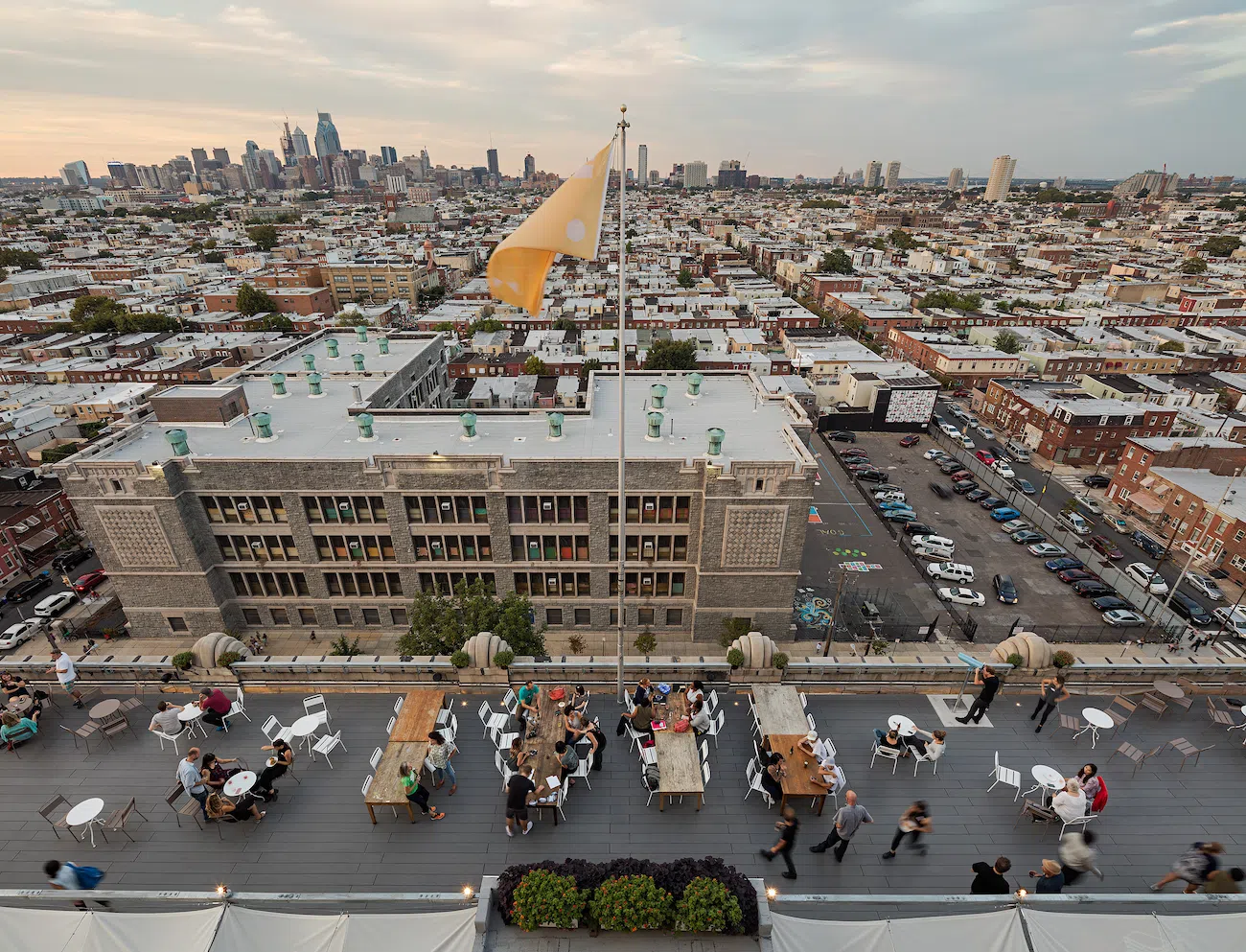
Photo: Sam Oberter