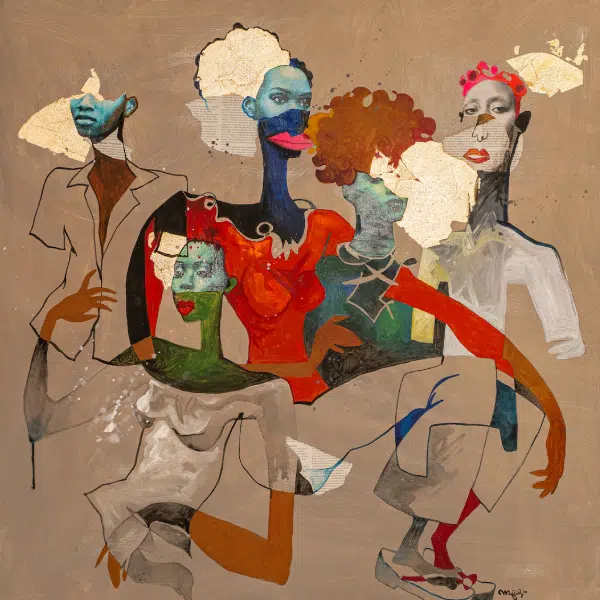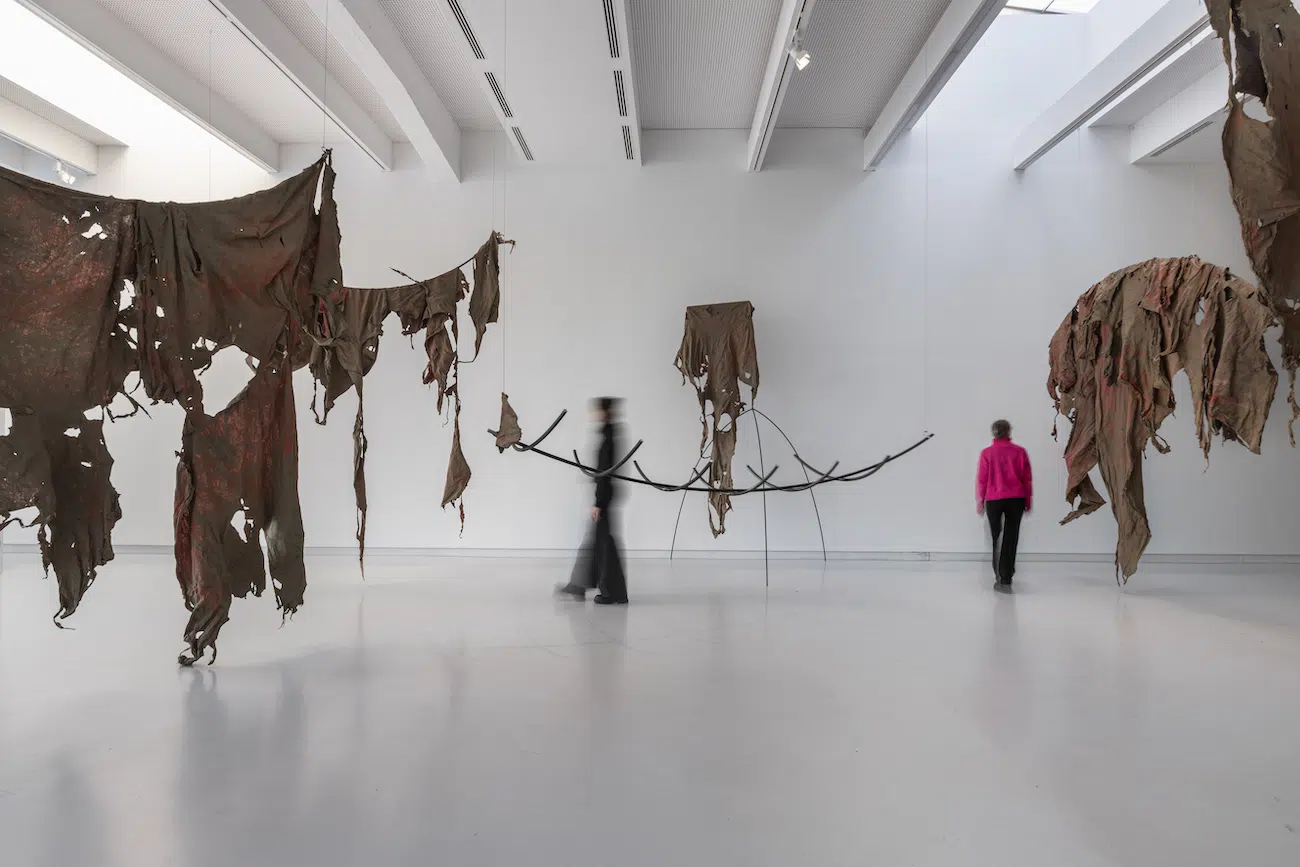
Jota Mombaça, GHOST 7 (#1 – #7): FRENCH HISTORICAL MALADIE, 2023, linen, iron bars, Exhibtion view, FRAC des Pays de la Loire, Carquefou, France.
What can sound reveal about a place? For Busan Biennale 2026, the answer begins with the city itself. As South Korea’s largest port, Busan has long been shaped by the movement of people and goods. Its identity is also tied to the sea, with harbors, wetlands, and islands forming a constantly changing environment.
The Busan Biennale 2026, under the title Dissident Chorus, considers how sound can carry memory and bring people together. Artistic directors Evelyn Simons and Amal Khalaf have brought together 46 artists and teams from 22 countries. Their work spans several mediums, including installation, performance, sound, and moving image.
The Busan Biennale 2026, under the title Dissident Chorus, considers how sound can carry memory and bring people together.
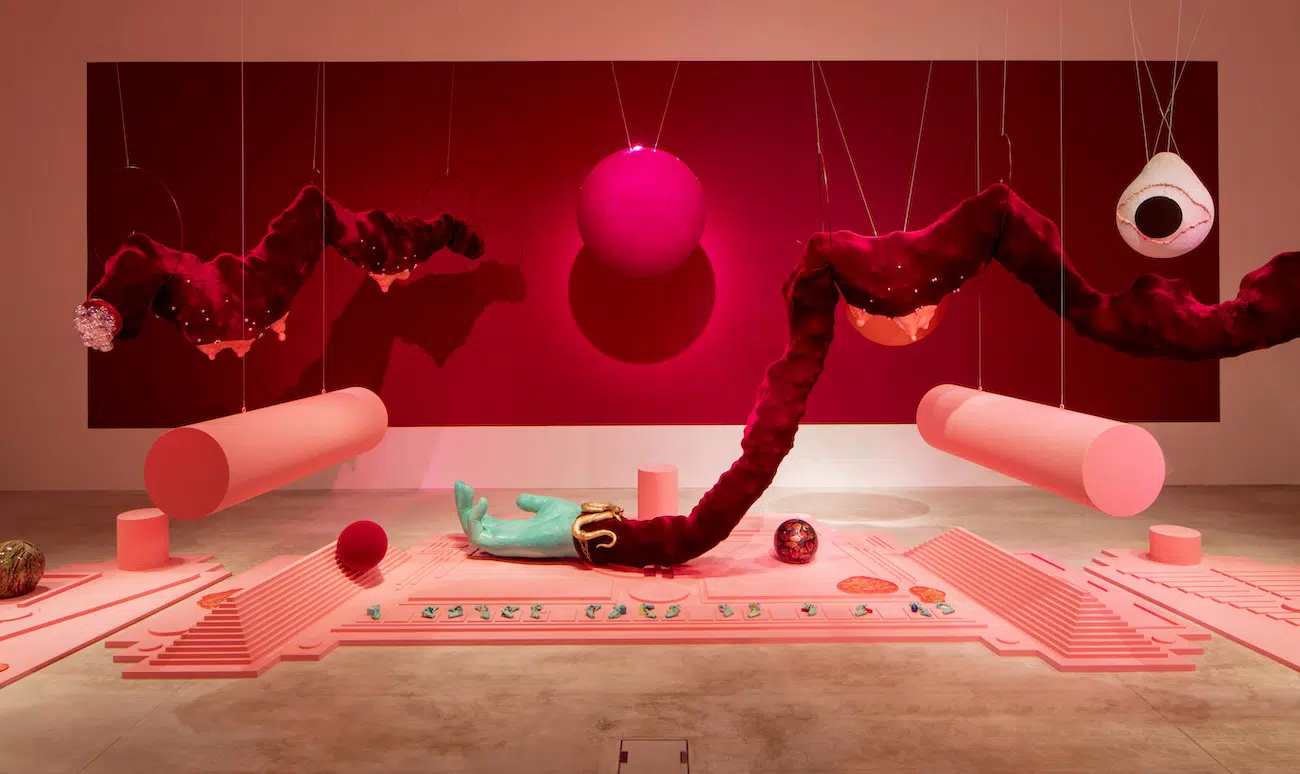
Tai Shani, DC Semiramis, 2019. Installation view, Turner Prize 2019 at Turner Contemporary. Courtesy of the artist (Photo: David Levene)
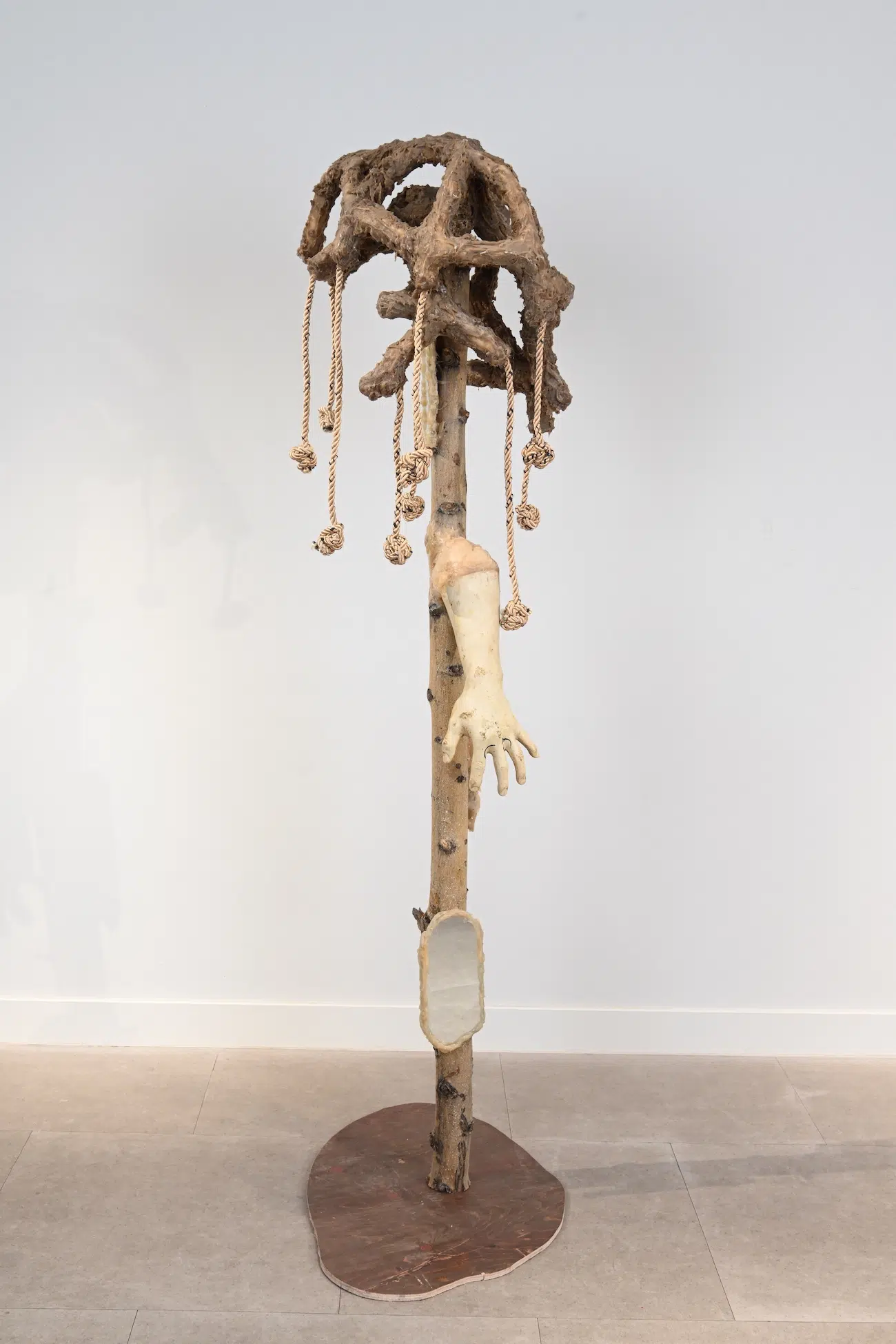
Jantsankhorol Erdenebayar, Mutual Ambitions series No. 1, 2024, found tree, mirror, plywood, stone glue, rope and plaster, 178 × 54 × 52 cm.
Rather than treating sound as music alone, Dissident Chorus considers it as a form of communication. Rhythm, gesture, movement, and oral traditions can all carry information. They can also preserve histories that might otherwise disappear.
The Biennale also considers the relationship between people and the natural world. Water, marine life, birds, and other elements of the environment become part of the conversation. Sound provides a way to think about how these different forms of life exist alongside one another. Busan provides an important context for these ideas.
The city has a long history of labor, protest, and maritime culture. Sound is embedded in that history. Work songs and protest songs accompanied labor in the port, while shamanic songs connected communities to seasonal cycles and the sea.
The Biennale brings together 46 artists and teams from 22 countries, spanning various mediums.
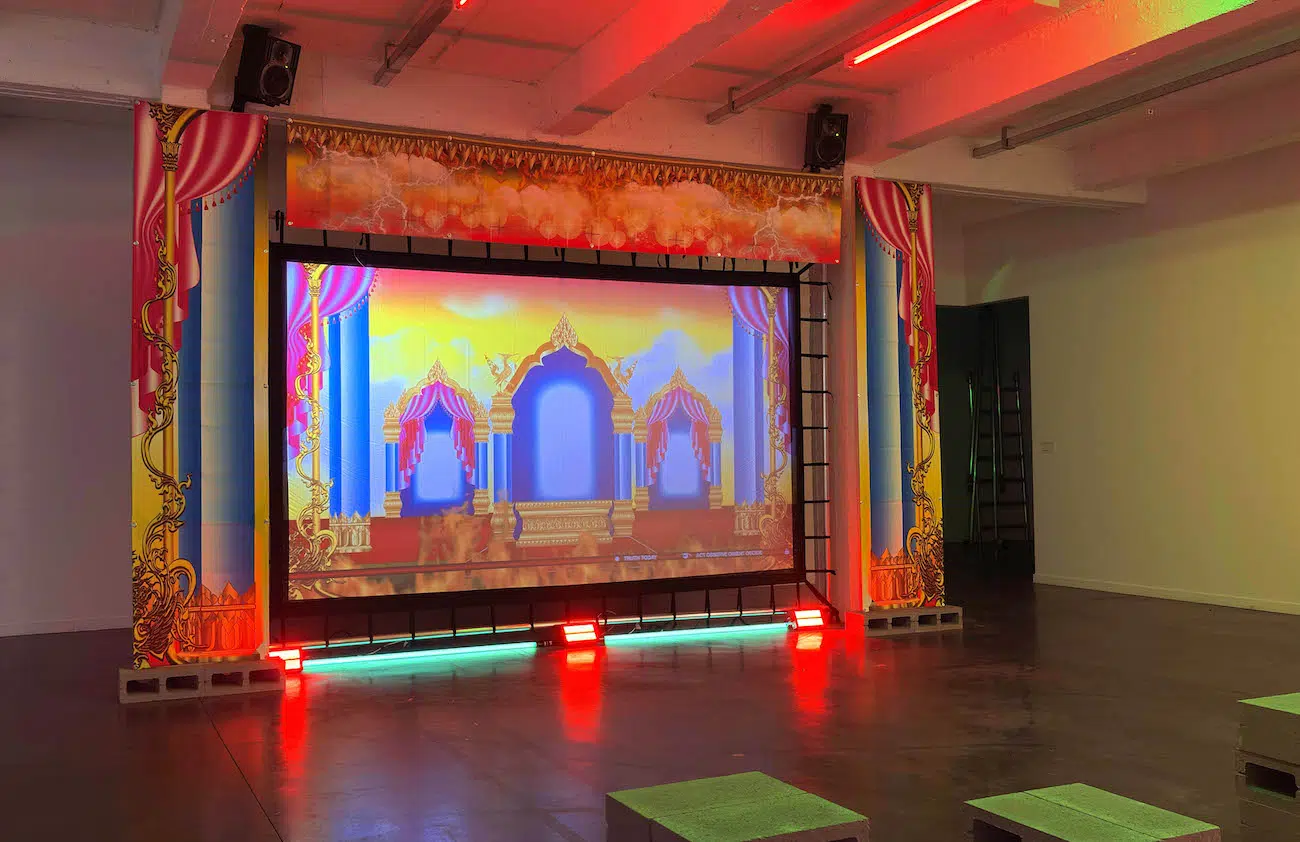
Tant Teeradakorn, POST-CAPITAL COMPLEX, 2026, Kunsthal Mechelen, Mechelen, Belgium, installation view.
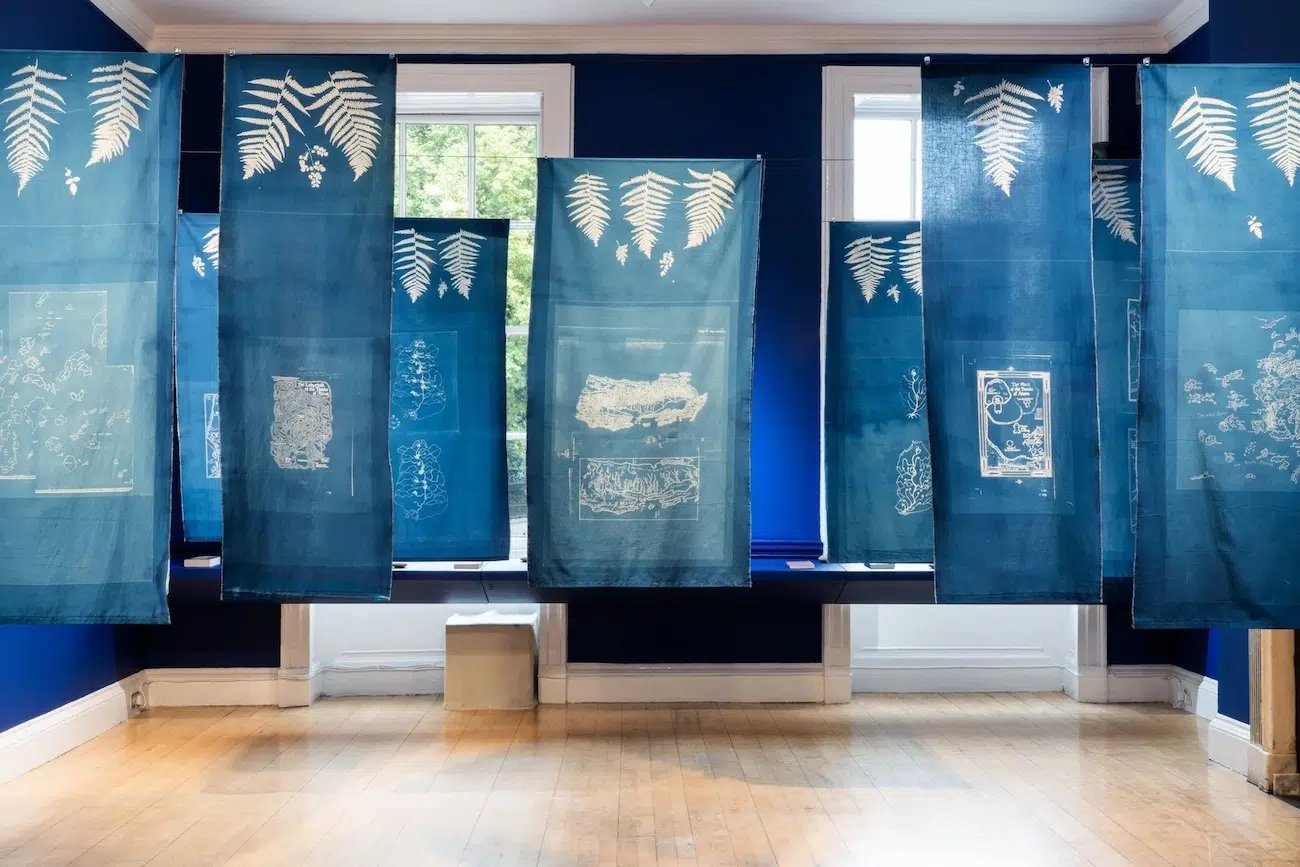
Sammy Lee, Mark Lowe, Sarah Shin, The Word for World: The Maps of Ursula K. Le Guin, 2025, Architectural Association, London, exhibition view. (Photo: Elena Andreea Teleaga)
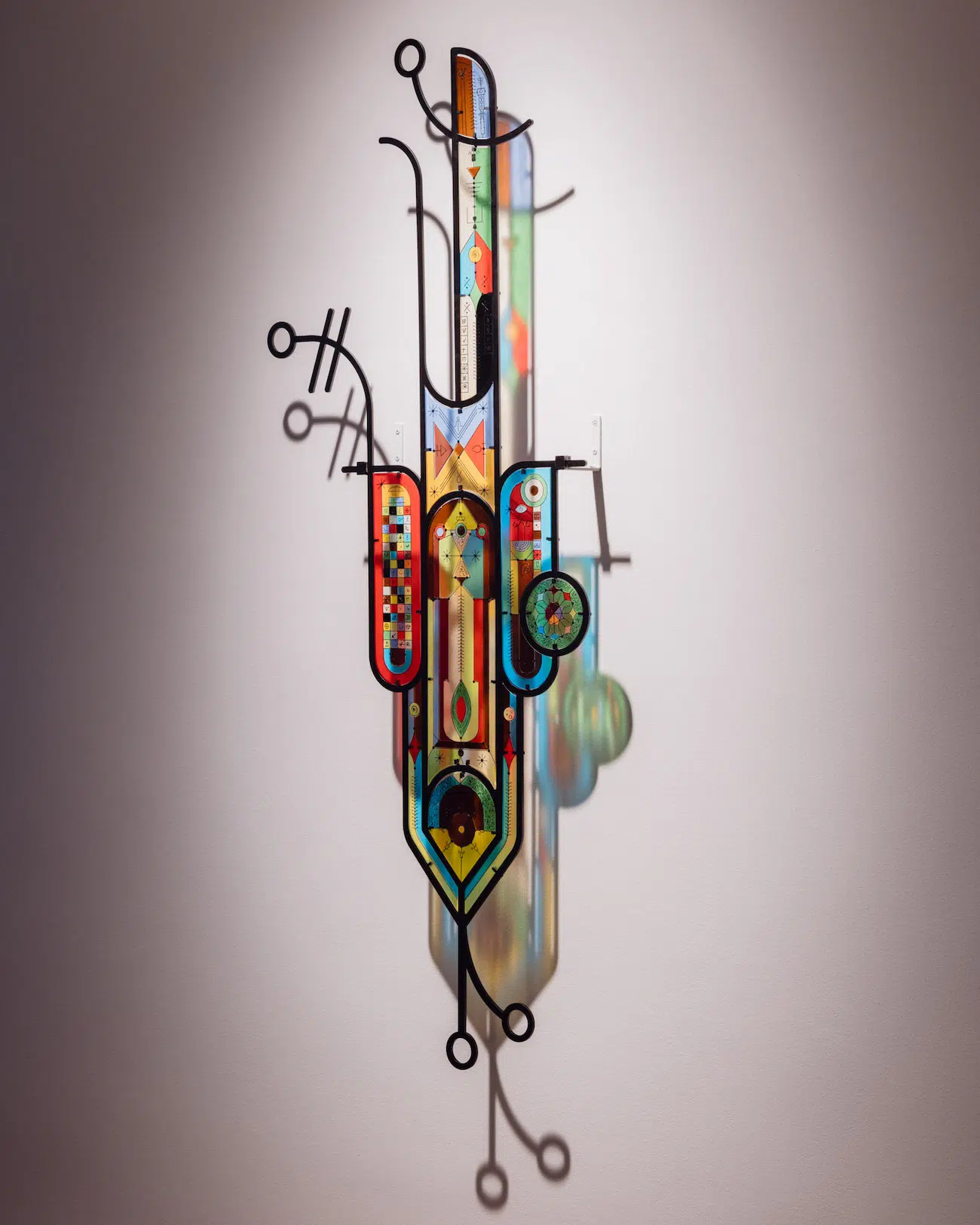
Aliaskar Abarkas, Wall-mounted sculpture, 2025, fused glass and iron framing, Scuola Piccola Zattere, Venice. (Photo: Matteo De Mayda)
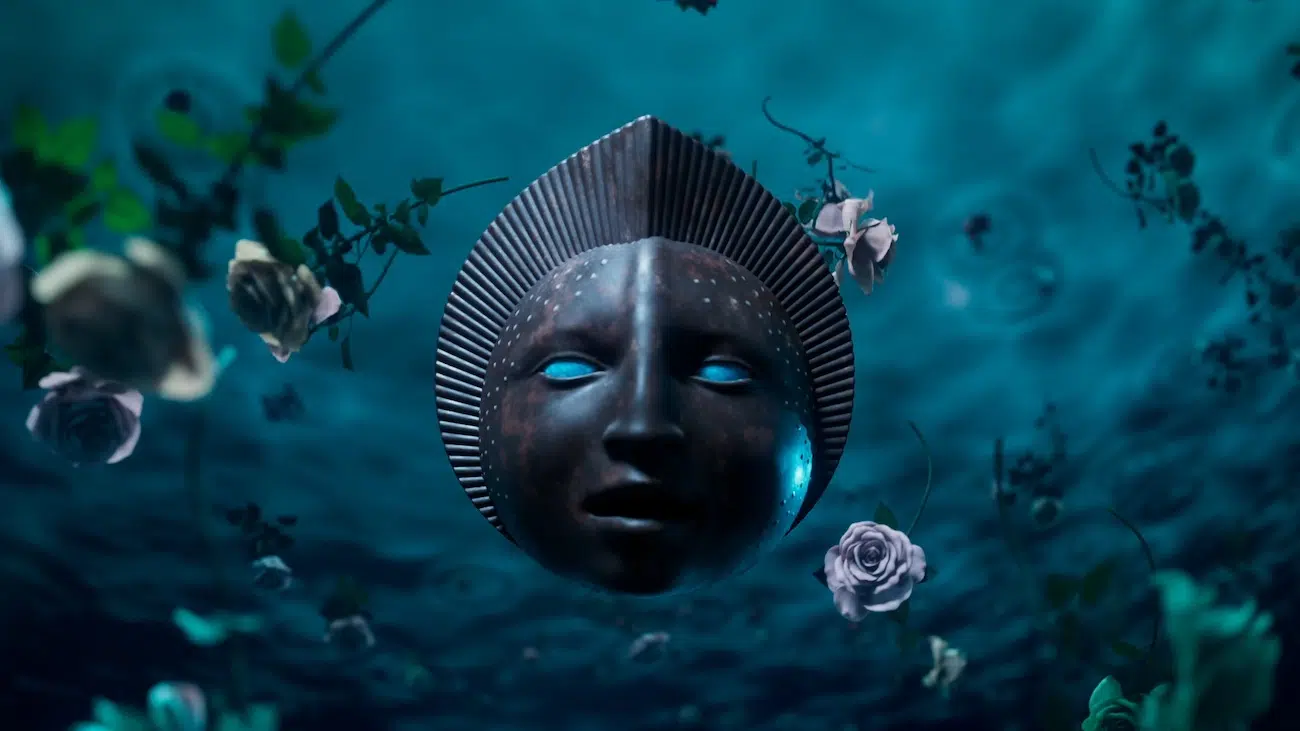
Julien Creuzet ZUMBI ZUMBI ETERNO, 2023 HD video 10'27” Edition of 5 plus 2 artist's proofs (#3/5) (MW.JCR.012) Photo: Copyright The Artist Courtesy of the artist and Mendes Wood DM, São Paulo, Brussels, Paris, New York
These traditions continue to inform the Biennale. Its artists look at how sound can document history and create solidarity. They also consider the role of music and club culture in bringing people together, particularly when conventional forms of speech become restricted.
The result is a biennale that treats listening as an active experience.
The Biennale will run across three venues in Busan, South Korea.
Dissident Chorus unfolds across three sites—the Busan Museum of Contemporary Art, Space OneZ, and the Former Busan Nam High School—each with a distinct relationship to Busan’s history and landscape. Together, they form three parts of the Biennale’s larger structure.
At the Busan Museum of Contemporary Art, the surrounding wetlands provide an important point of reference. The area is also part of a migratory route for birds. Artists explore ecological care alongside questions of protest, memory, and collective action.
Space OneZ occupies a former marine warehouse. Its weathered architecture reflects the history of Busan’s port and the labor that sustained it. Here, the Biennale turns toward the ocean and considers relationships between human and aquatic life.
At the Former Busan Nam High School, empty classrooms become spaces for thinking about knowledge and memory. Artists work with oral histories, archival material, and forms of learning that exist outside official institutions.
The exhibition explores how sound can carry memory, connect communities, and deepen our relationship with the natural world.
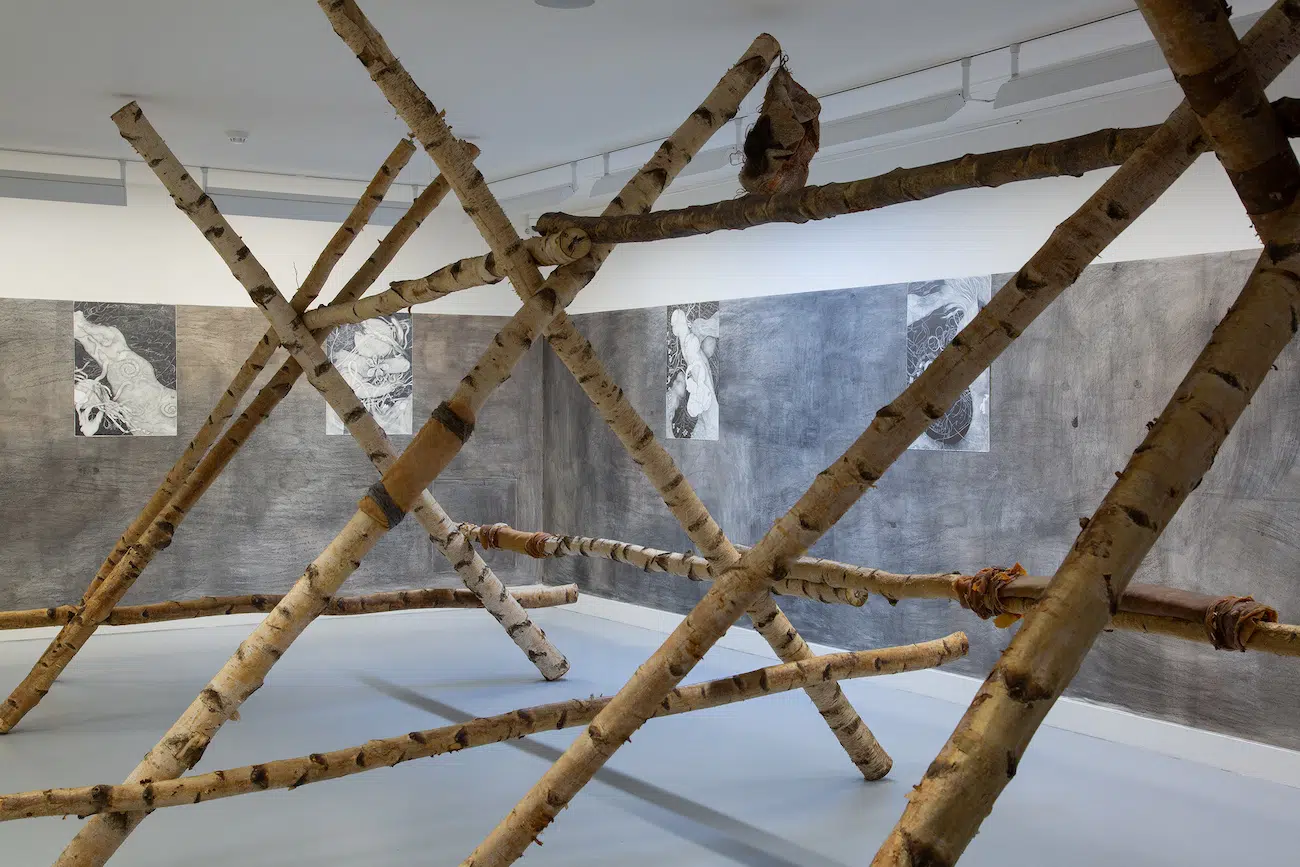
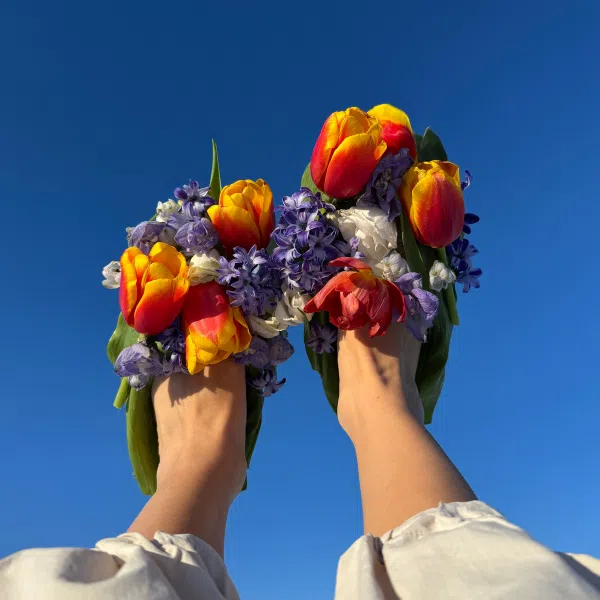
Tom Hallet, Snowy View – 41.296111 N 105.515000 W, 2023, birch wood, metal, latex, human-animal hair, rope, flowers, 250 × 200 × 600 cm.
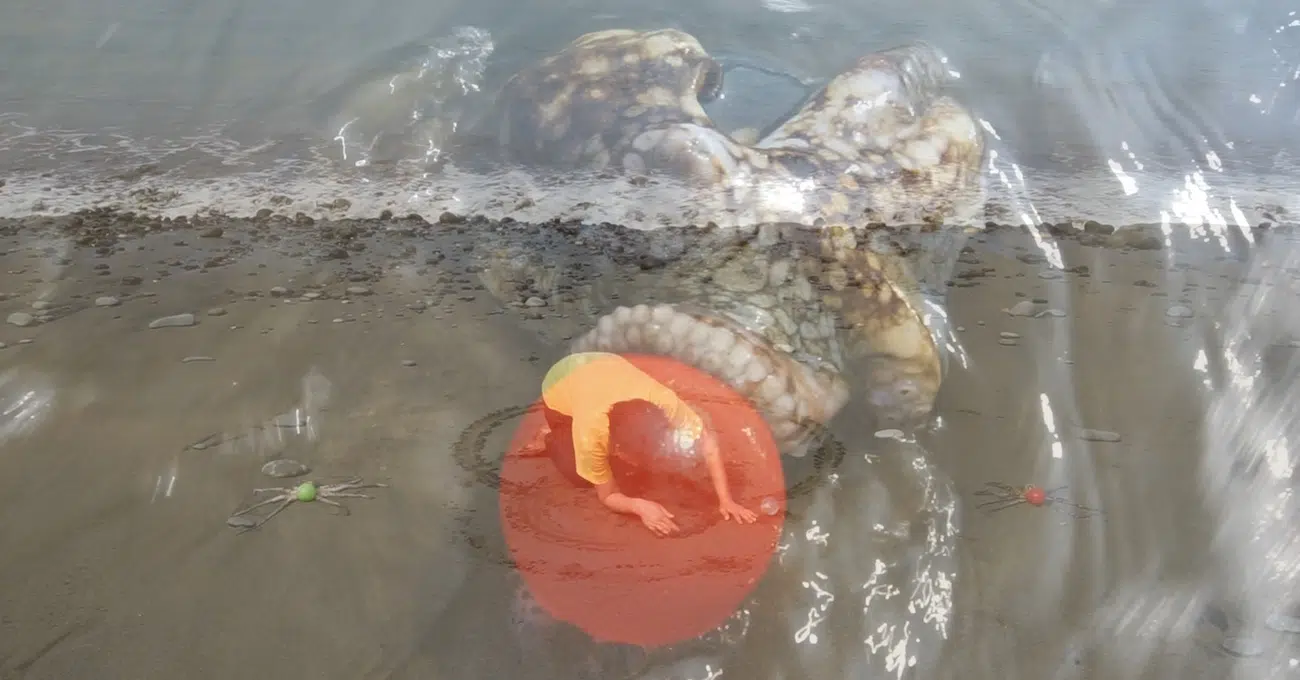
Eunji Cho, Octopusy Ecstasy, 2019, single-channel video, stereo sound, 8min 8sec, dimensions variable.
Several projects connect sound directly to the environment. For instance, Eunji Cho’s Sonic Octopus, Ecological AI draws from research into the octopus nervous system and Busan's traditional fishing songs. The project explores collective intelligence and the relationship between human and non-human life through sound and movement.
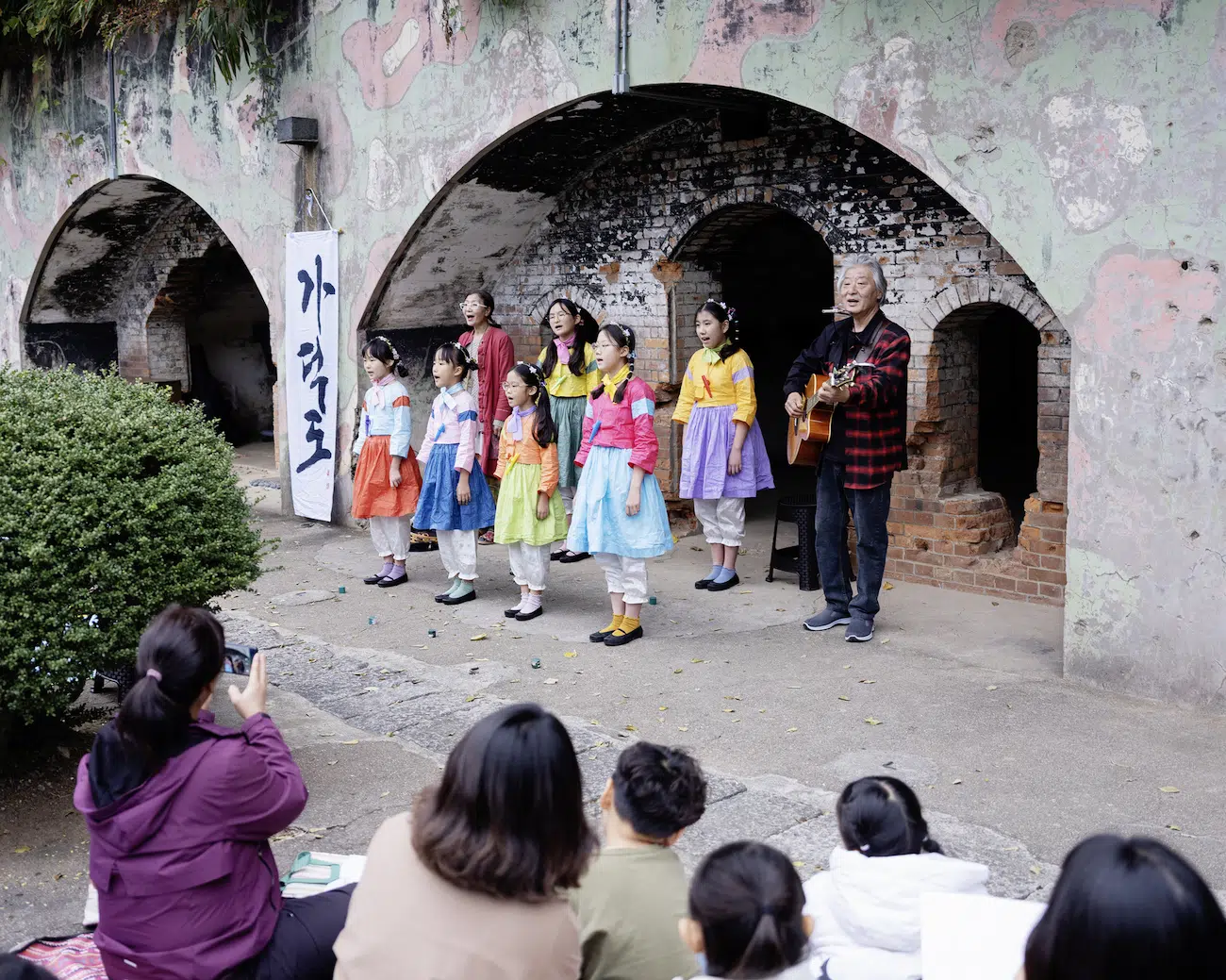
Lee Dong-Keun, Three Island – Gadeok Island, 2024-2026, photograph and video
Lee Dong-Keun’s Gadeokdo Birdsong Music Festival takes another approach. Participants listen to birdsongs, waves, and wind on Gadeokdo Island before creating their own shared composition. The project connects environmental awareness with collective listening.
These works reflect one of the Biennale’s central ideas: listening can change how we understand our surroundings.
Through installations, performances, and sound-based projects, the Biennale invites visitors to listen closely to the city and its history.
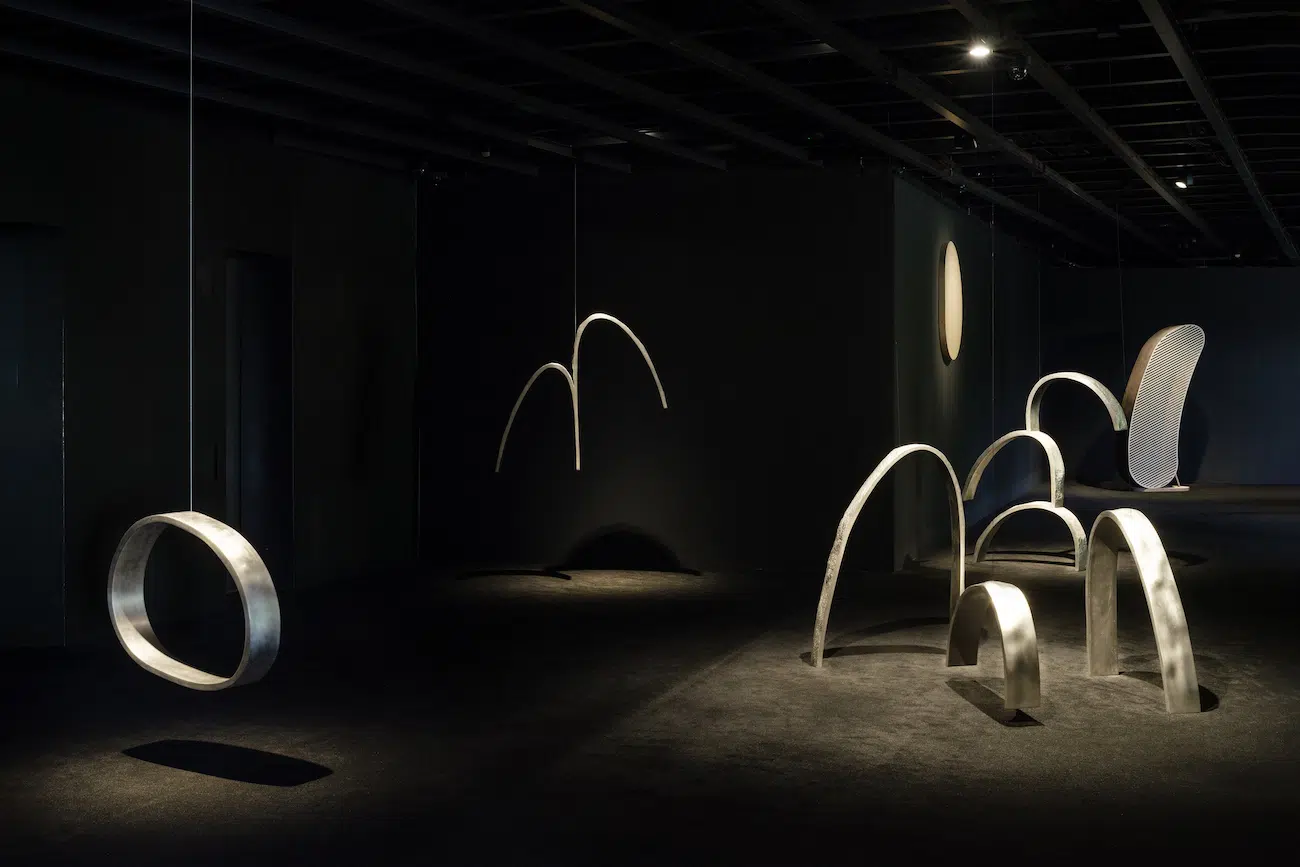
Suki Seokyeong Kang, Willow Drum Oriole, 2023, Leeum Museum of Art, installation view. Courtesy of the artist and Leeum Museum of Art (Photo: Cheolki Hong)
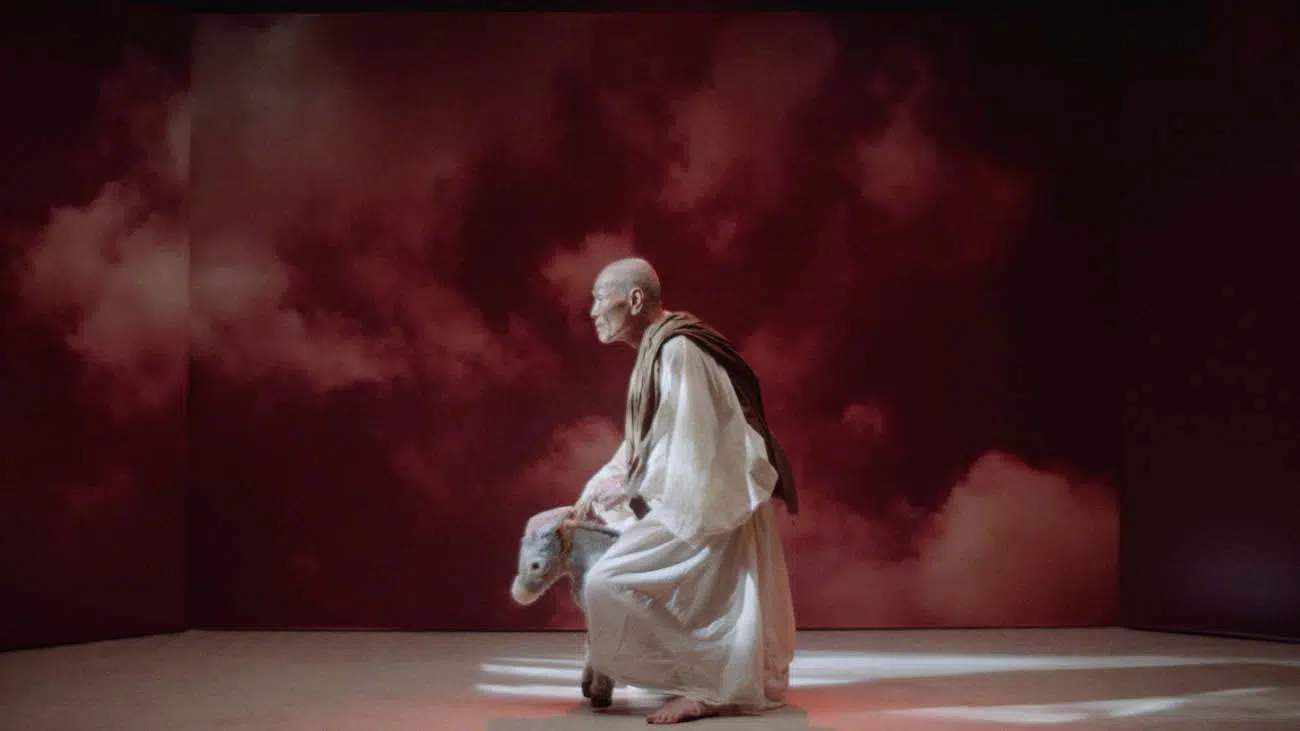
Umi Ishihara, Gravity and Radiance, 2022, HD video installation, 30min.
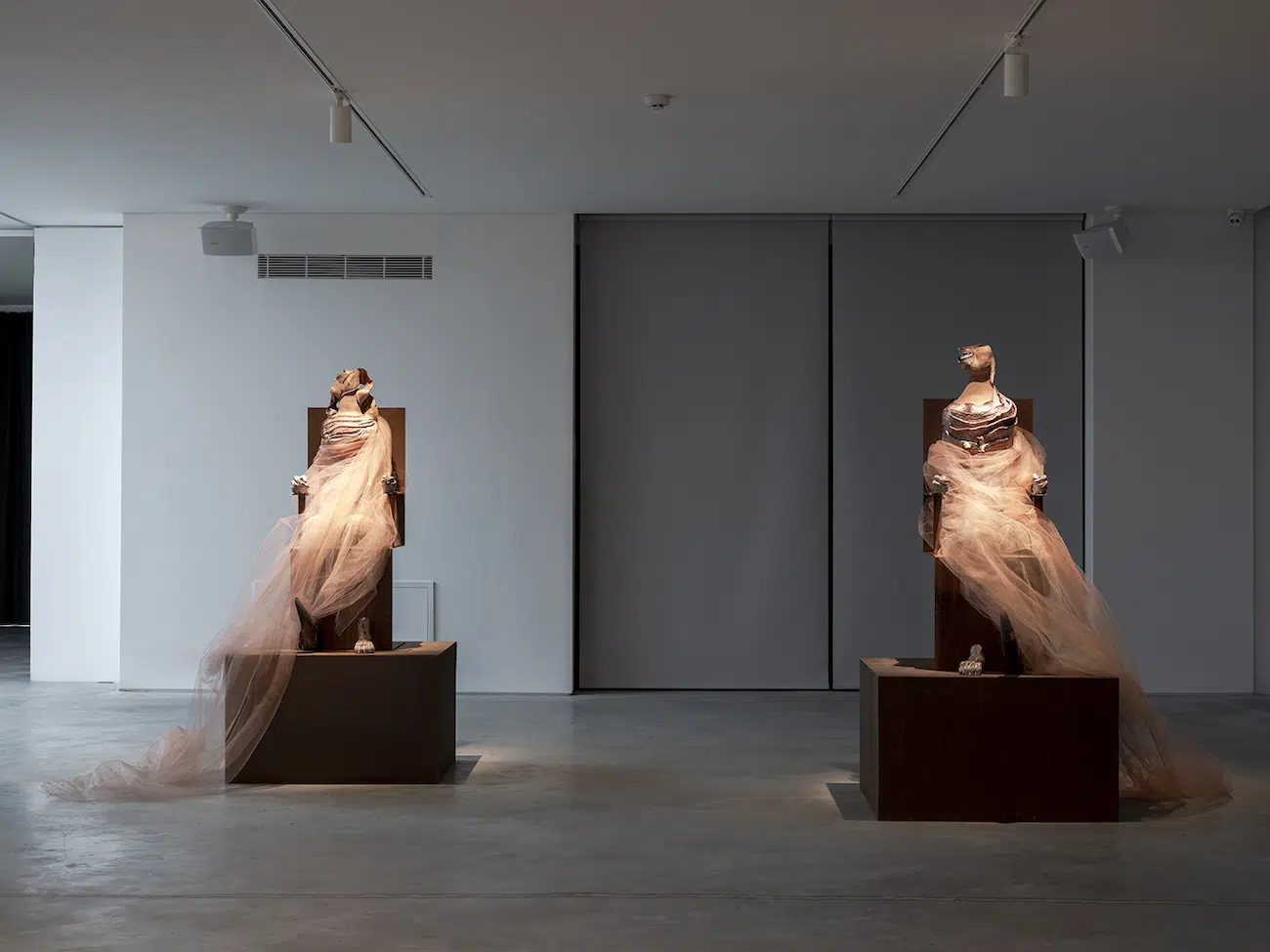
Lara Ogel, Untitled, 2026, glazed stoneware, iron, rust, tulle, ox horn, diptych, 165 × 83.5 × 75.5 cm each.
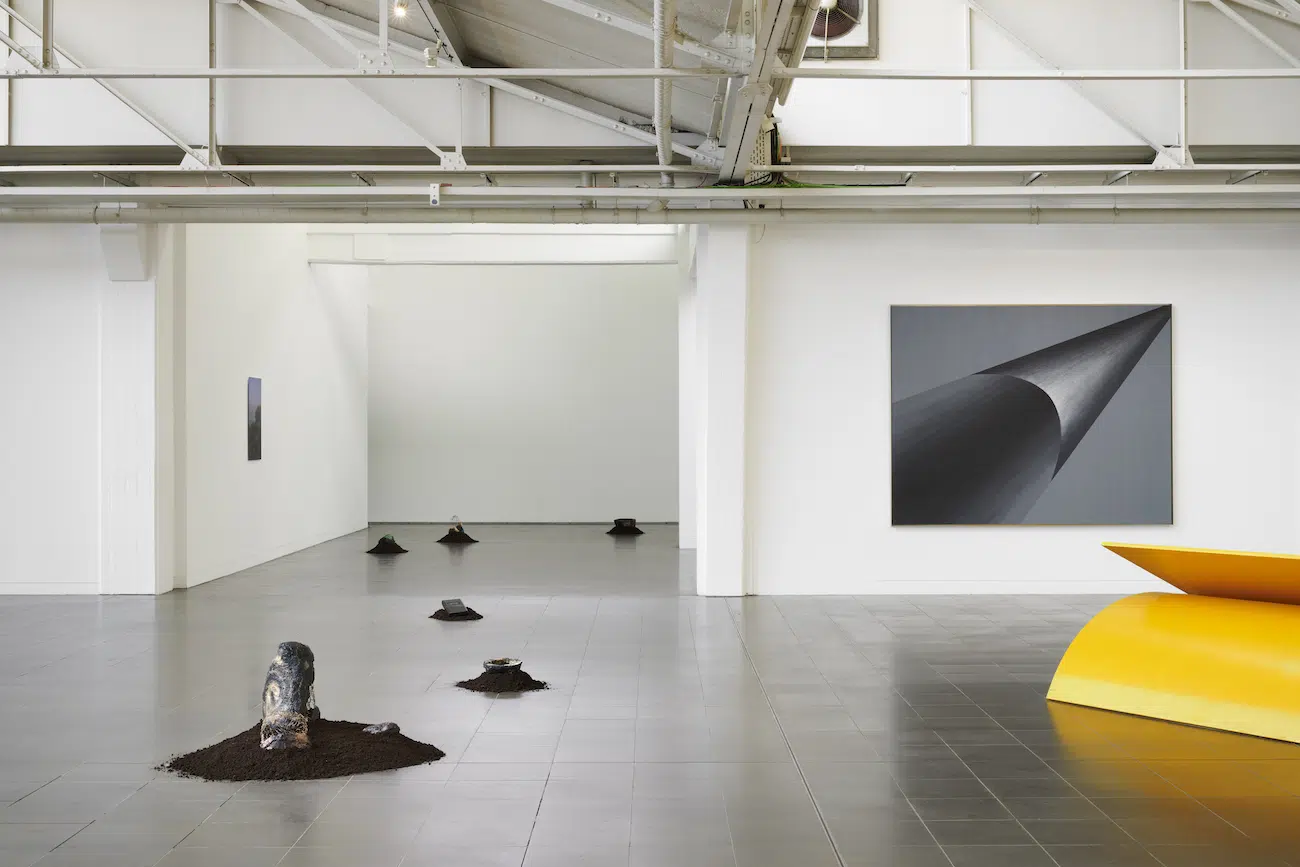
Nkisi, Nzita Dia Nza, 2022, mixed-media stone sculptures, infinity cassette tape on loop, soil, Courtesy of the Artist.
Through Dissident Chorus, sound becomes a way to look at Busan from multiple perspectives. It connects the city’s natural environment with its social history. It also shows how something as simple as a song, rhythm, or shared voice can preserve memory and bring people together.
The Busan Biennale 2026 ultimately asks audiences to listen more closely. Not only to the artists, but to the city itself. It will run from August 29 through November 1, 2026. For more information, visit the Busan Biennale website.
The Busan Biennale 2026 will run from August 29 through November 1, 2026.
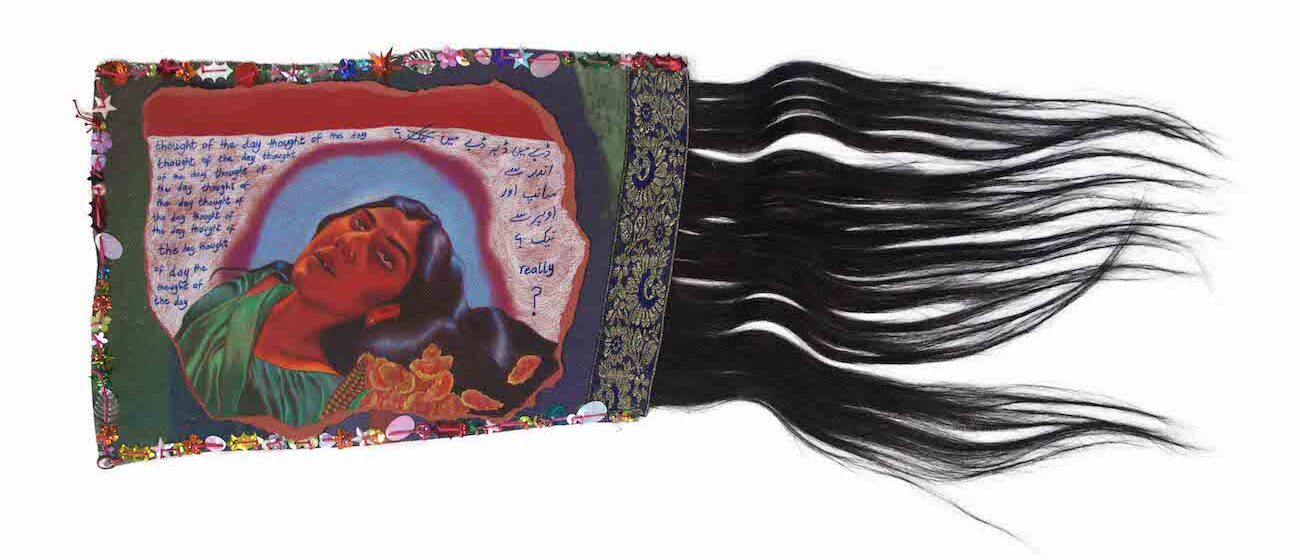
Fatima Kaleem Khan, Falling, 2025, colored pencil, oil pastel, lace, spangles, hair extension on paper, canvas, 25.4 × 68.6 cm.
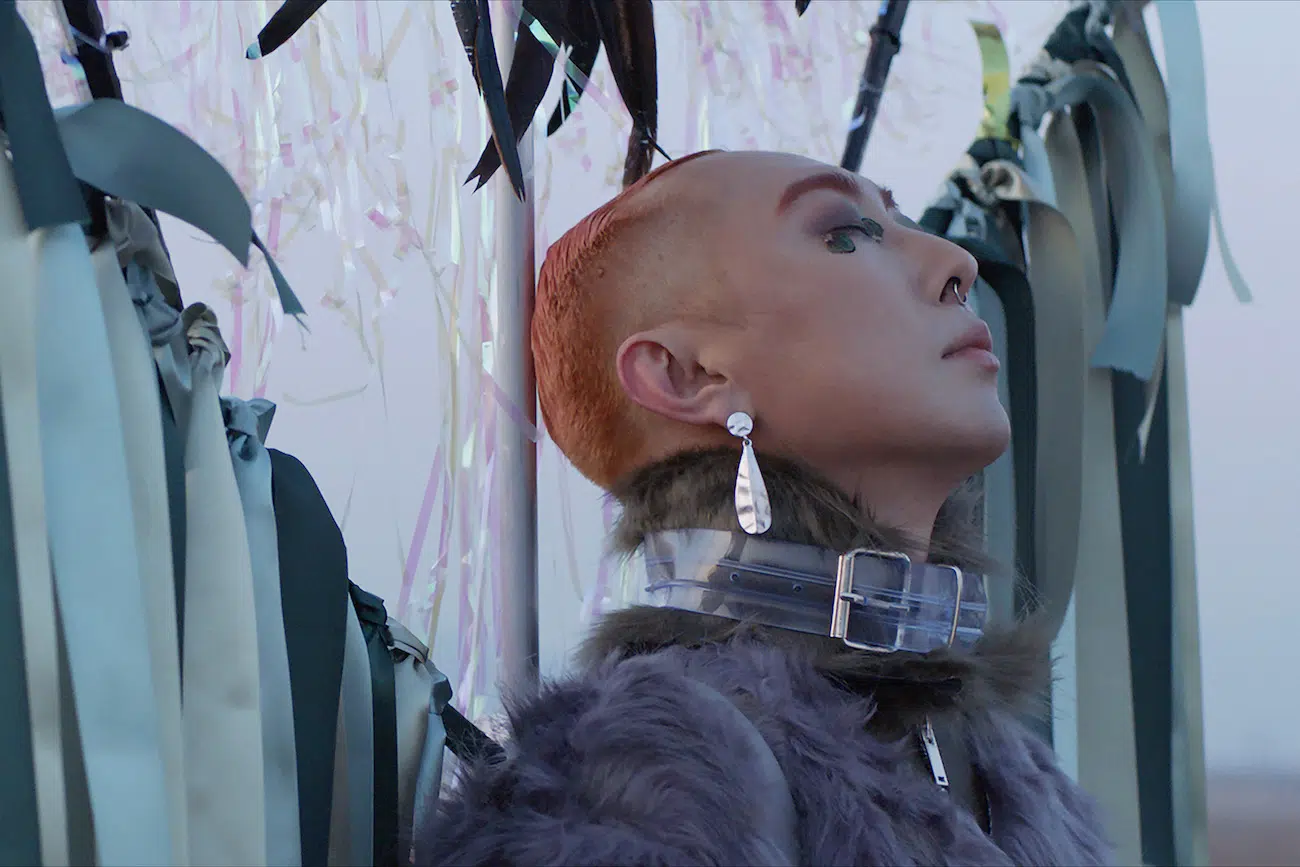
Dew Kim, Kiss of Chaos, 2020, single channel video, 4min. 18sec.
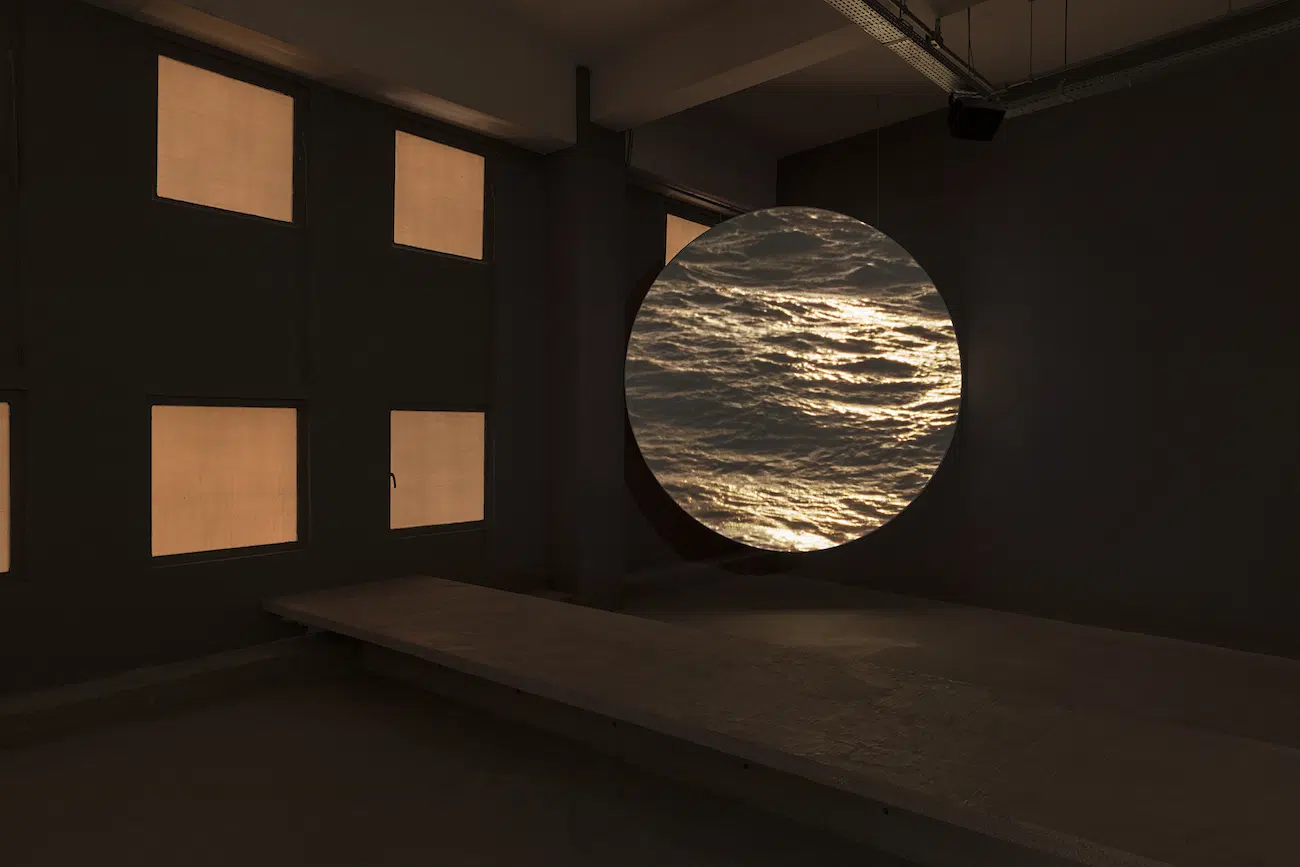
Luiz Roque, República, 2020, Pivô, São Paulo, Brazil, exhibition view.
Busan Biennale: Website | Instagram