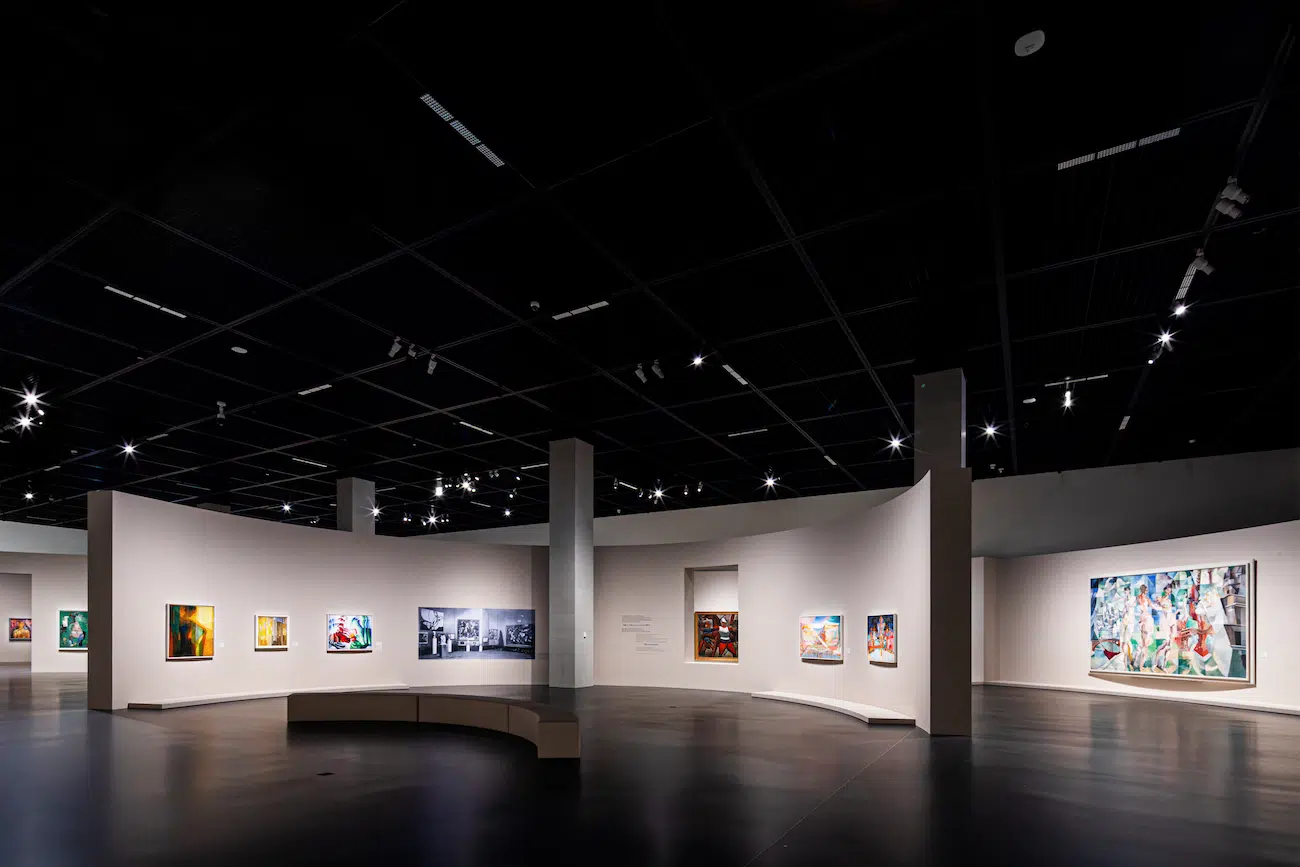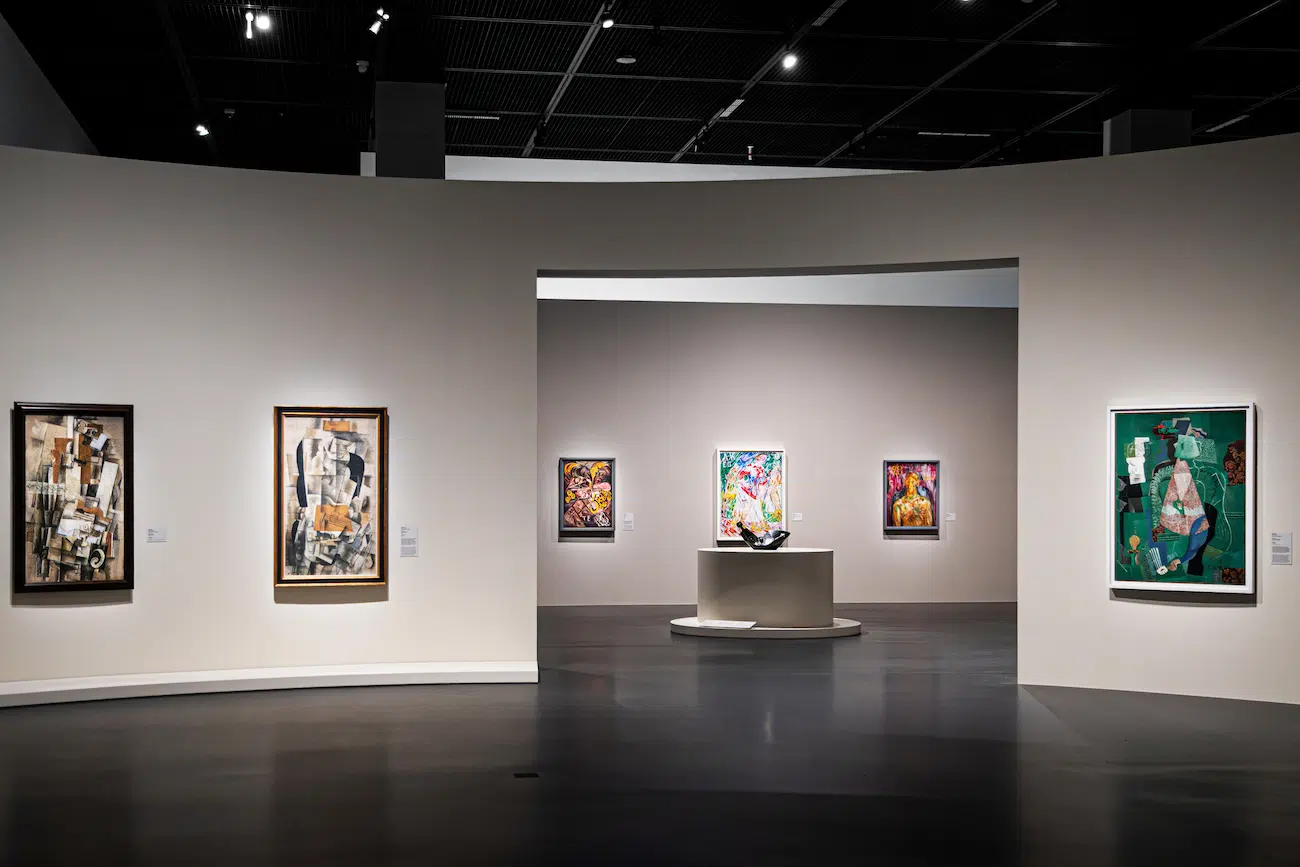
Seoul has a new destination for modern and contemporary art. Opened in June 2026, Centre Pompidou Hanwha brings the collection and artistic legacy of Paris’s Centre Pompidou to South Korea through a partnership with the Hanwha Foundation of Culture. Its inaugural exhibition, The Cubists: Inventing Modern Vision, introduces the museum with a sweeping look at the movement that transformed modern art.
Designed by French architect Jean-Michel Wilmotte, Centre Pompidou Hanwha occupies a renovated four-story annex of Seoul’s 63 Building. Two exhibition galleries form the heart of the museum, with additional spaces dedicated to education and public programs. Alongside exhibitions drawn from the Centre Pompidou collection, the museum plans to present Korean and international artists.
The opening exhibition features 112 works by 54 artists and traces Cubism from its emergence around 1907 through its international expansion in the 1920s. Works by Pablo Picasso, Georges Braque, Fernand Léger, Juan Gris, Robert Delaunay, Sonia Delaunay, and Natalia Goncharova demonstrate how quickly Cubism grew beyond the experiments of its two best-known pioneers.
Picasso and Braque’s early experiments provide the foundation. By rejecting traditional perspective and breaking subjects into geometric planes, the artists developed a new way of representing the world. Other creatives soon took Cubism in different directions. Salon Cubism brought its ideas to a wider public, while Orphic Cubism emphasized color, rhythm, and abstraction. Synthetic Cubism introduced collage and everyday materials, further expanding the movement’s possibilities.
But the exhibition is not only about how Cubism changed European art. A special section, KOREA FOCUS: A Dream Map Toward the Modern Avant-Garde, examines what happened when these ideas entered Korea.
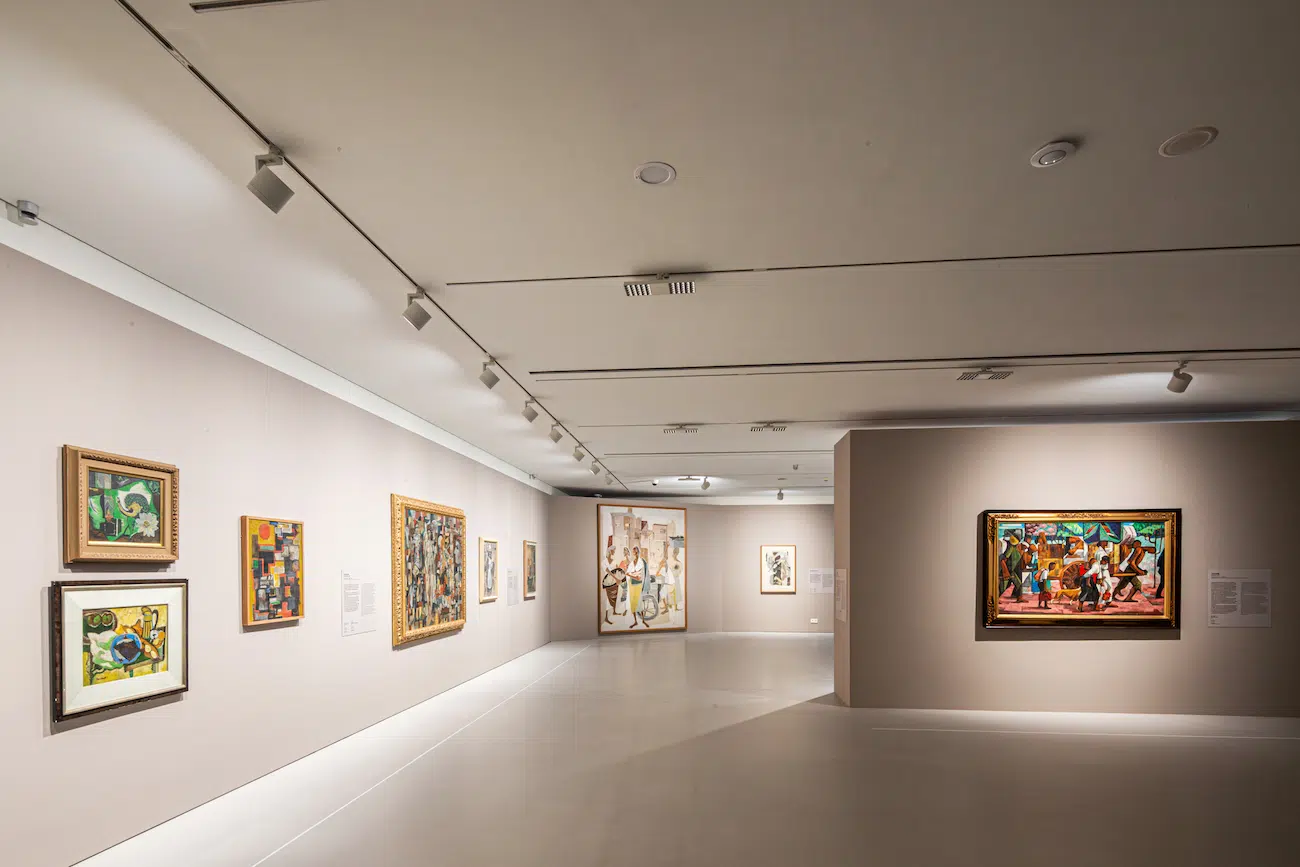
Located on the mezzanine of Gallery 2, KOREA FOCUS brings together works by Korean modern and contemporary artists including Kim Whanki, Yoo Youngkuk, Park Rehyun, Lee Soo-auck, and Ham Daejeong. The section traces how Korean artists encountered Cubism and other European avant-garde movements and transformed them through their own cultural and historical experiences.
The story reaches back to the 1920s and 1930s, when Korean artists began engaging with new European approaches to form and abstraction. These ideas took on renewed significance after liberation and the Korean War, as artists moved beyond naturalistic representation and searched for new visual languages.
Together, the works demonstrate that Cubism did not simply arrive in Korea as a fixed European style. Korean artists adapted its fragmented forms, geometric structures, and shifting perspectives to subjects drawn from their own lives and circumstances.
This cultural exchange is central to Centre Pompidou Hanwha’s identity. The new museum places its international holdings in conversation with Korean art and history. Its first exhibition makes that approach clear, using Cubism as both a history of modern art and a starting point for exploring how artistic ideas change as they move across cultures.
The Cubists: Inventing Modern Vision is on view through October 4, 2026, at Centre Pompidou Hanwha in Seoul.
Centre Pompidou Hanwha opened in Seoul in June 2026, bringing the Paris institution’s collection and artistic legacy to South Korea.
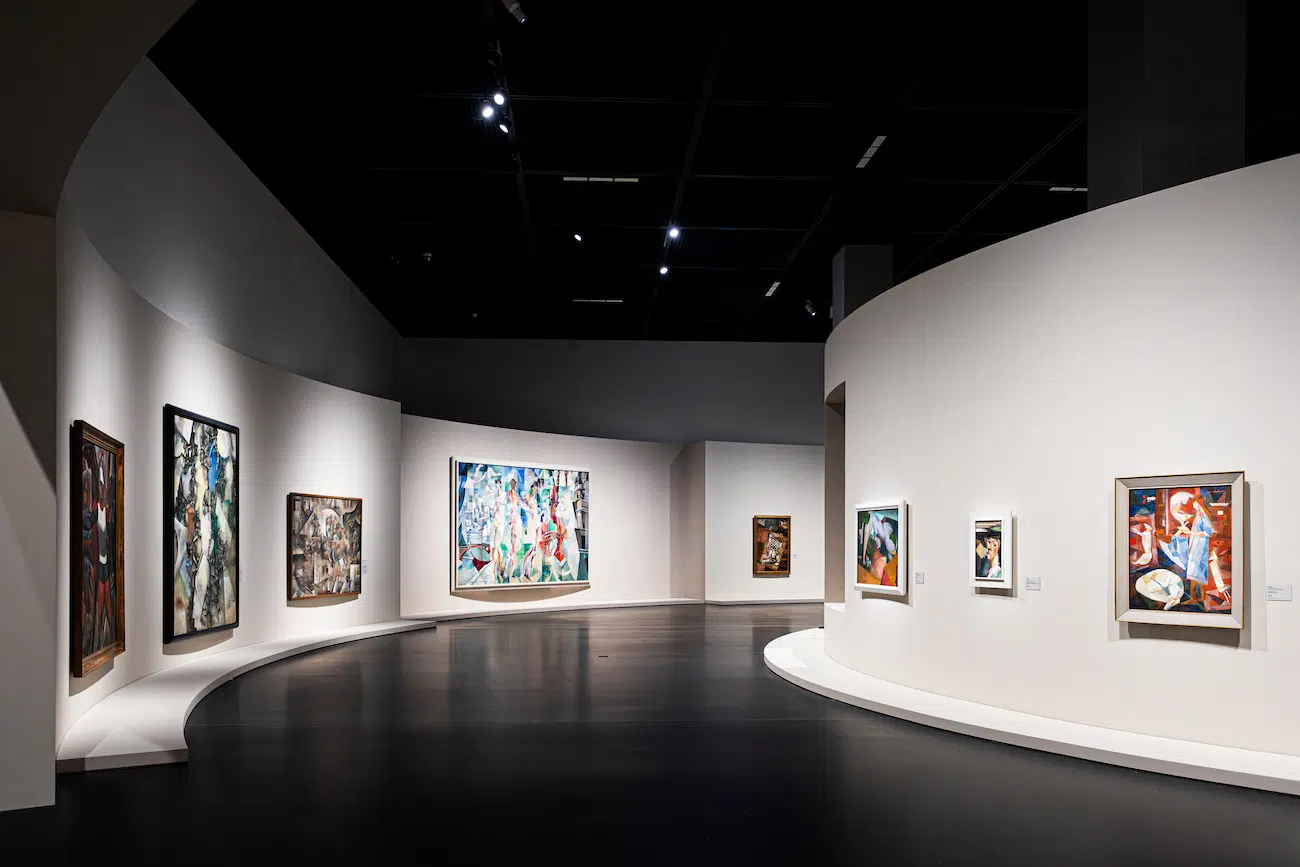
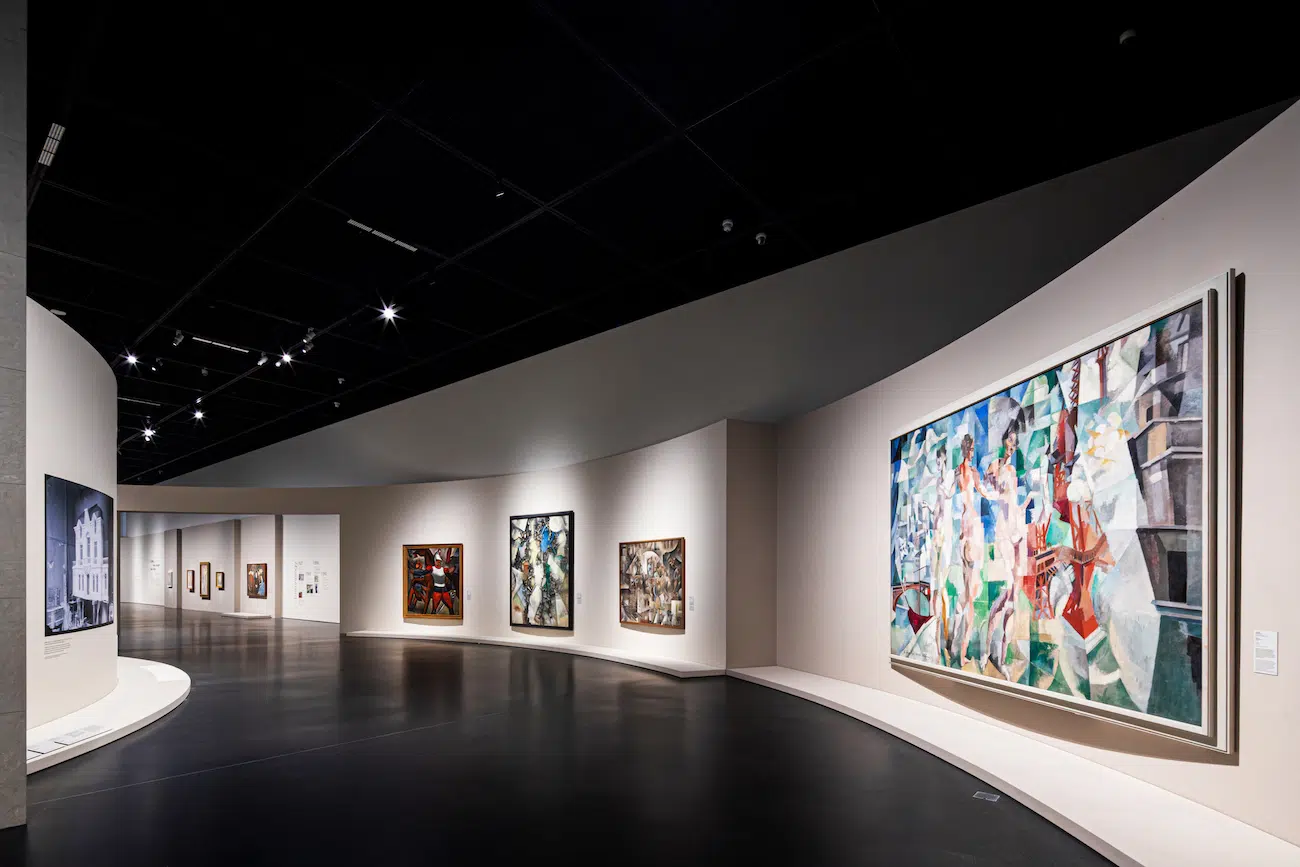
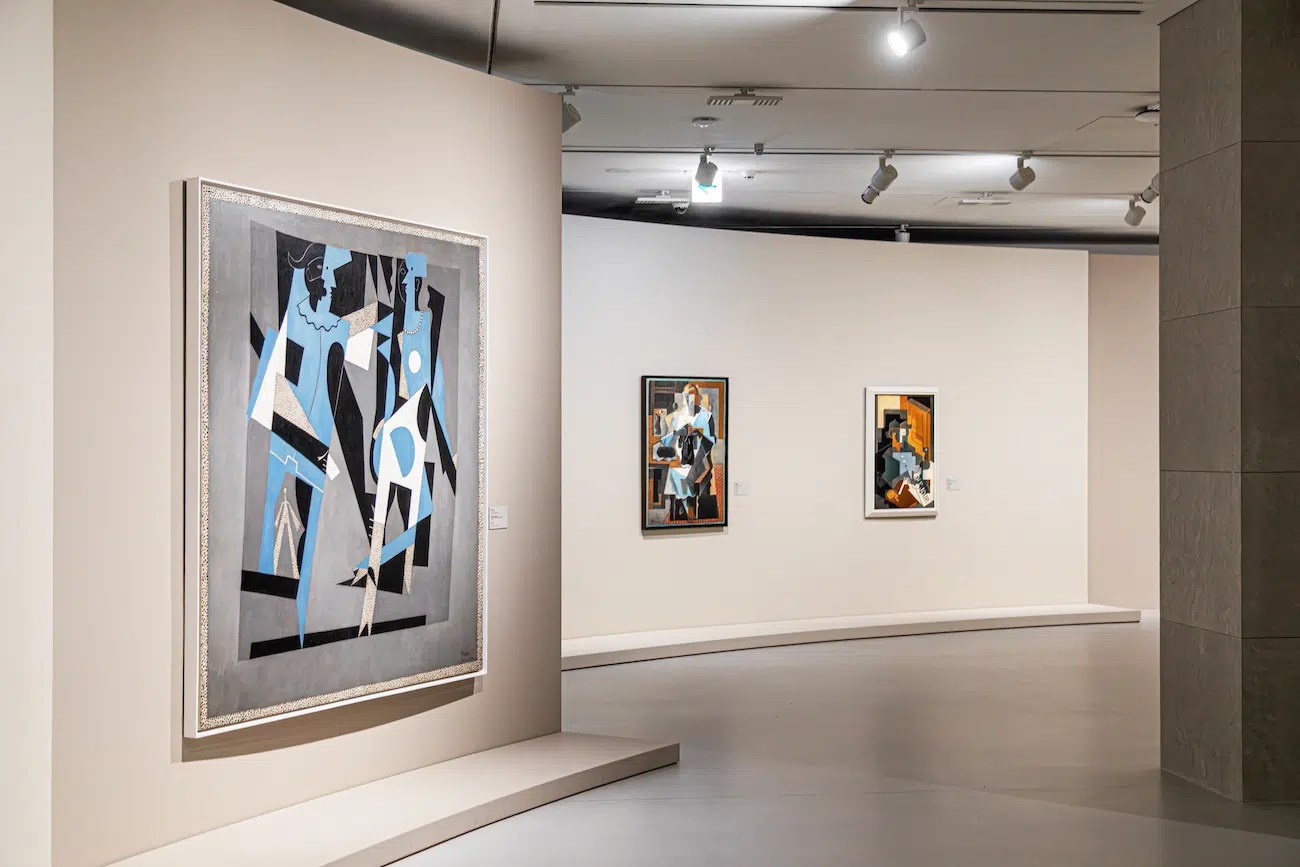
The Cubists: Inventing Modern Vision traces Cubism from Picasso and Braque’s early experiments to the movement’s international evolution.
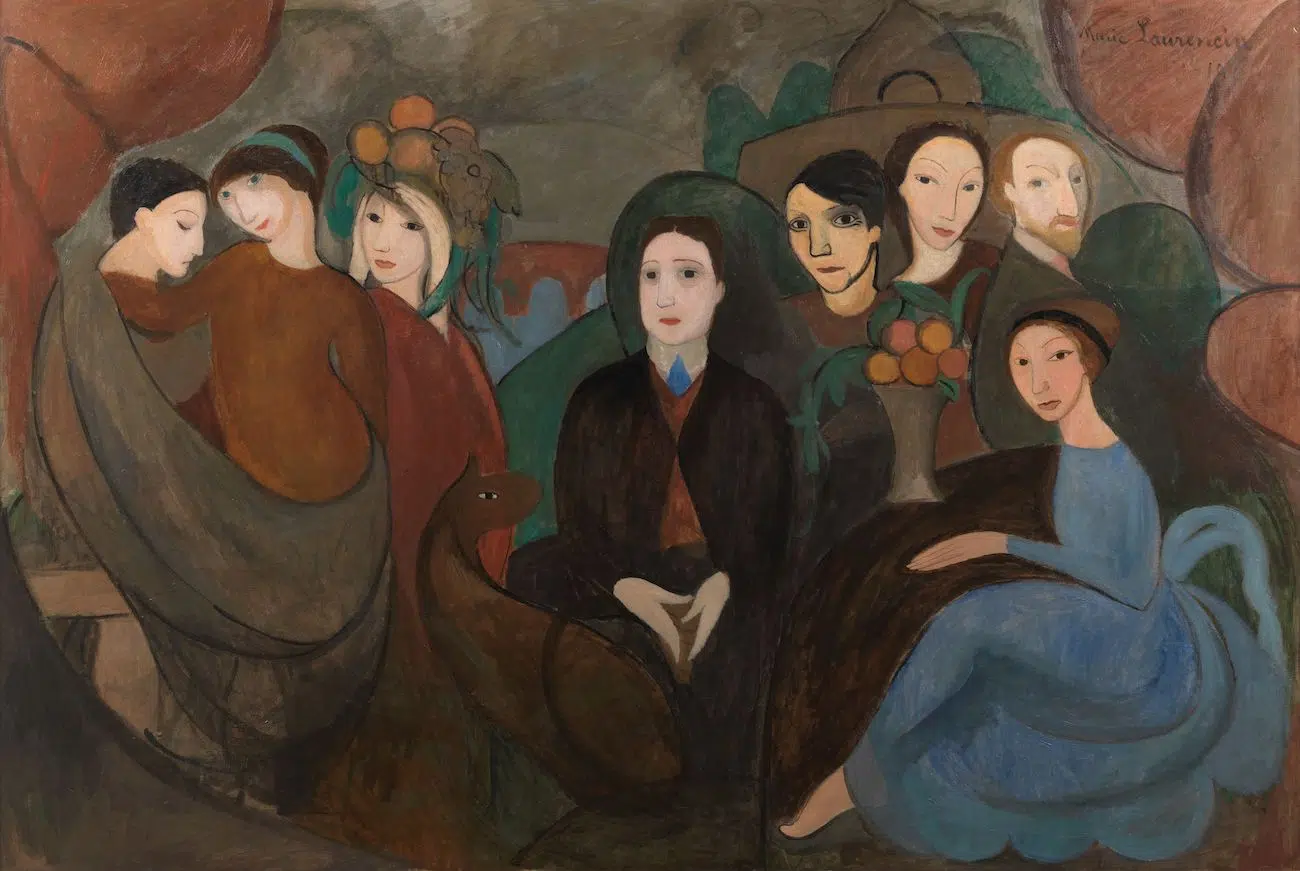
Marie Laurencin, Apollinaire and his Friends (second version), 1909, Oil on canvas, 130 × 194 cm. Dation, 1973. Centre Pompidou, Paris © Centre Pompidou, MNAM-CCI/Audrey Laurans/Dist. GrandPalaisRmn
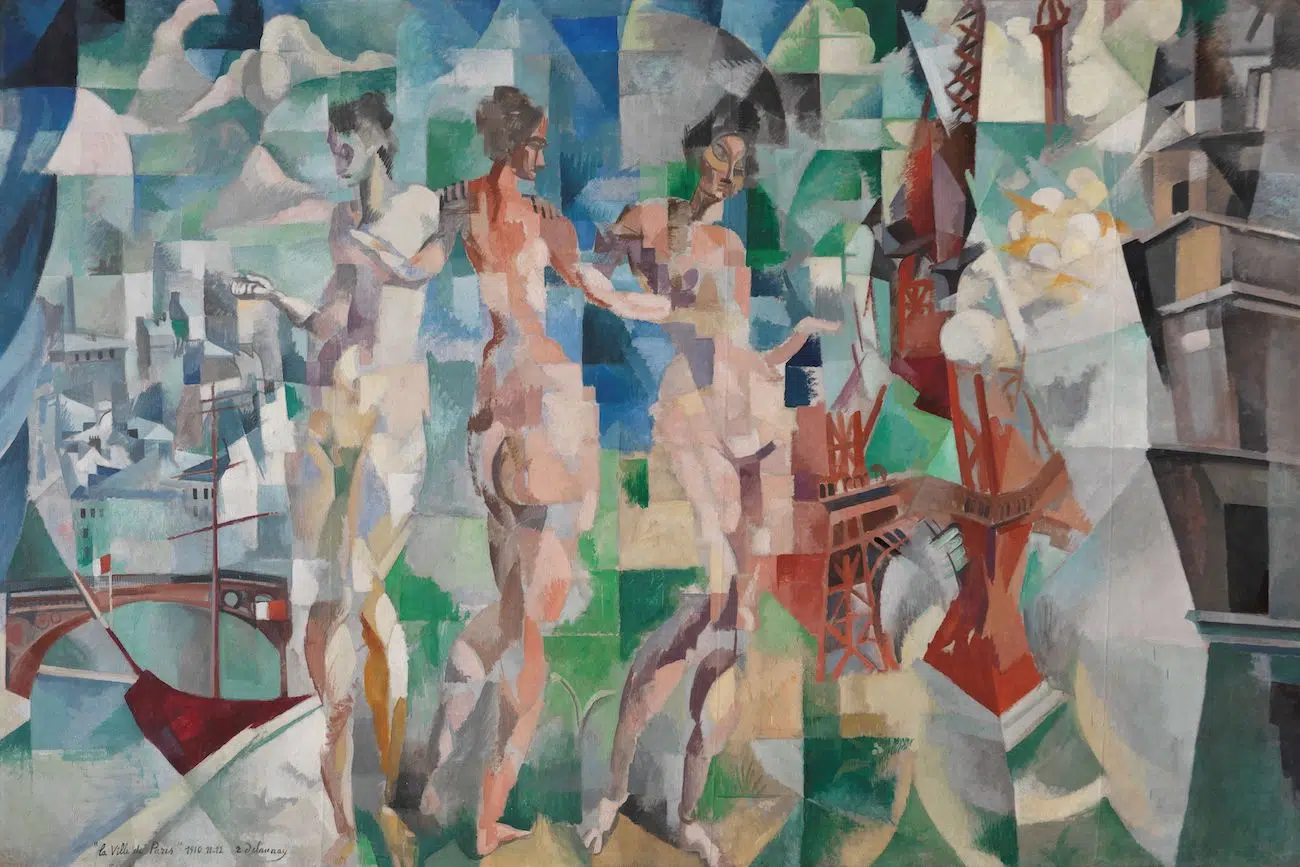
Robert Delaunay, The City of Paris, 1910–1912, Oil on canvas, 267 × 406 cm. Purchased by the State, 1936; attribution, 1937. Centre Pompidou, Paris © Centre Pompidou, MNAM-CCI/Georges Meguerditchian/Dist. GrandPalaisRmn
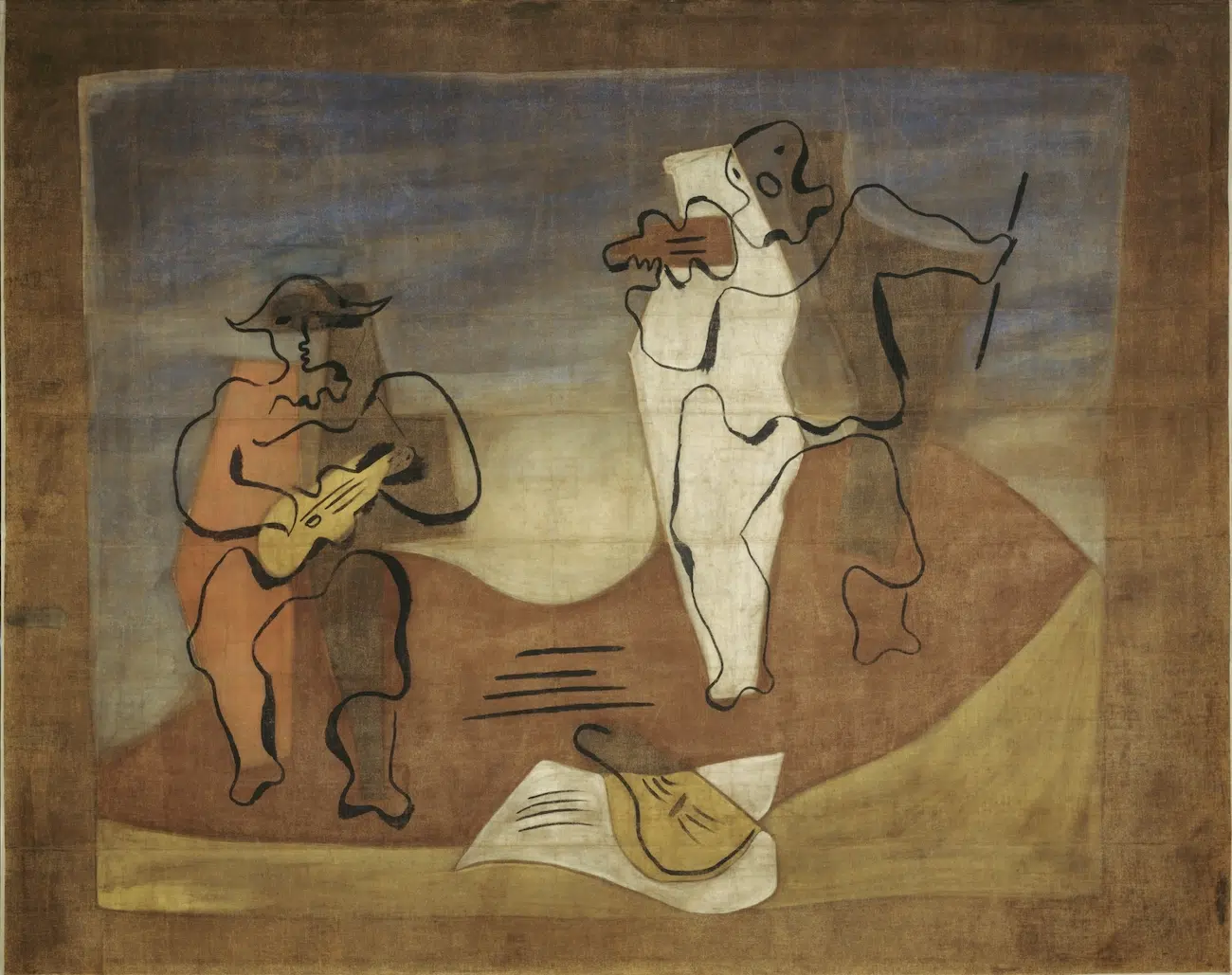
Pablo Picasso, Stage Curtain for Soirée de Paris (known as the “Mercure Curtain”), 1924, Glue-based paint on canvas, 392 × 501 cm. Purchase, 1955. Centre Pompidou, Paris © 2026 – Succession Pablo Picasso – SACK (Korea) © Centre Pompidou, MNAM-CCI/Jean-François Tomasian/Dist. GrandPalaisRmn
The exhibition’s KOREA FOCUS section shows how Korean artists adapted Cubist ideas to their own cultural and historical experiences.
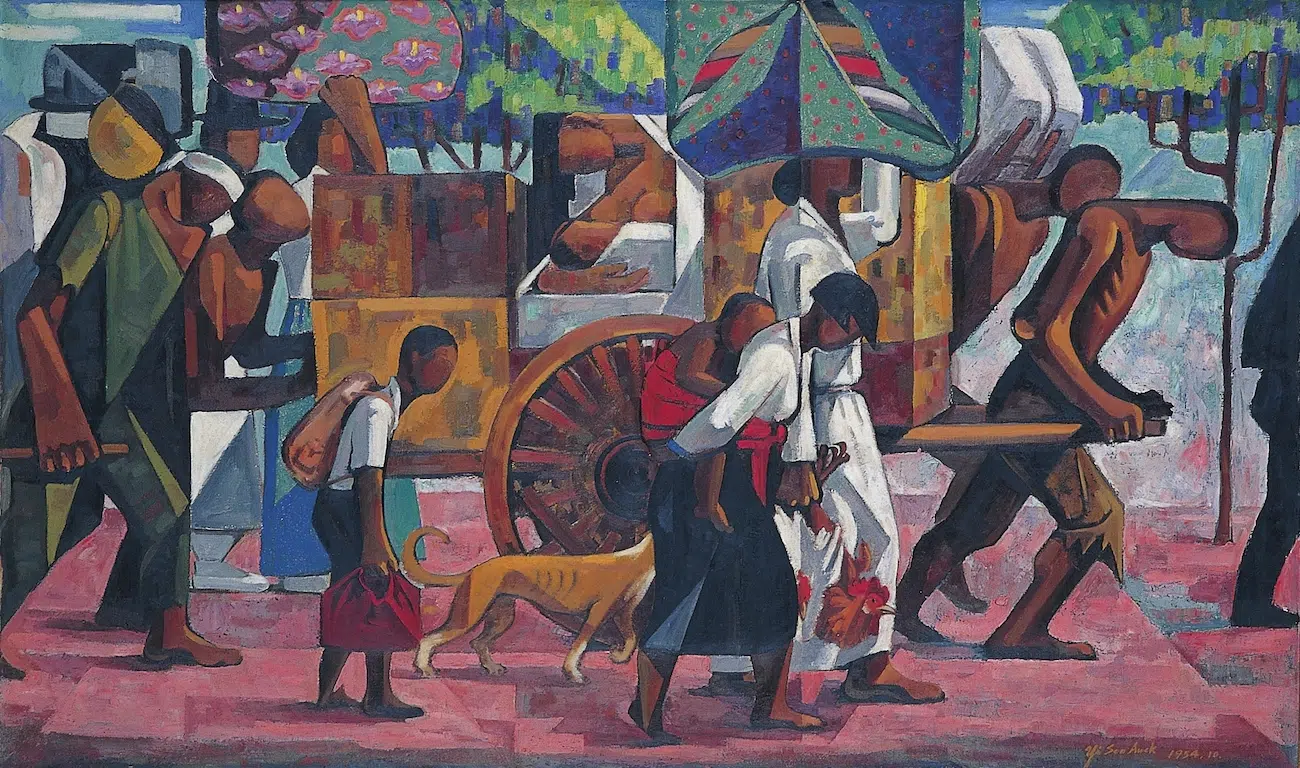
Lee Soo-auck, The Korean War, 1954, Oil on canvas, 96 x 160 cm, Gana Art Foundation Collection
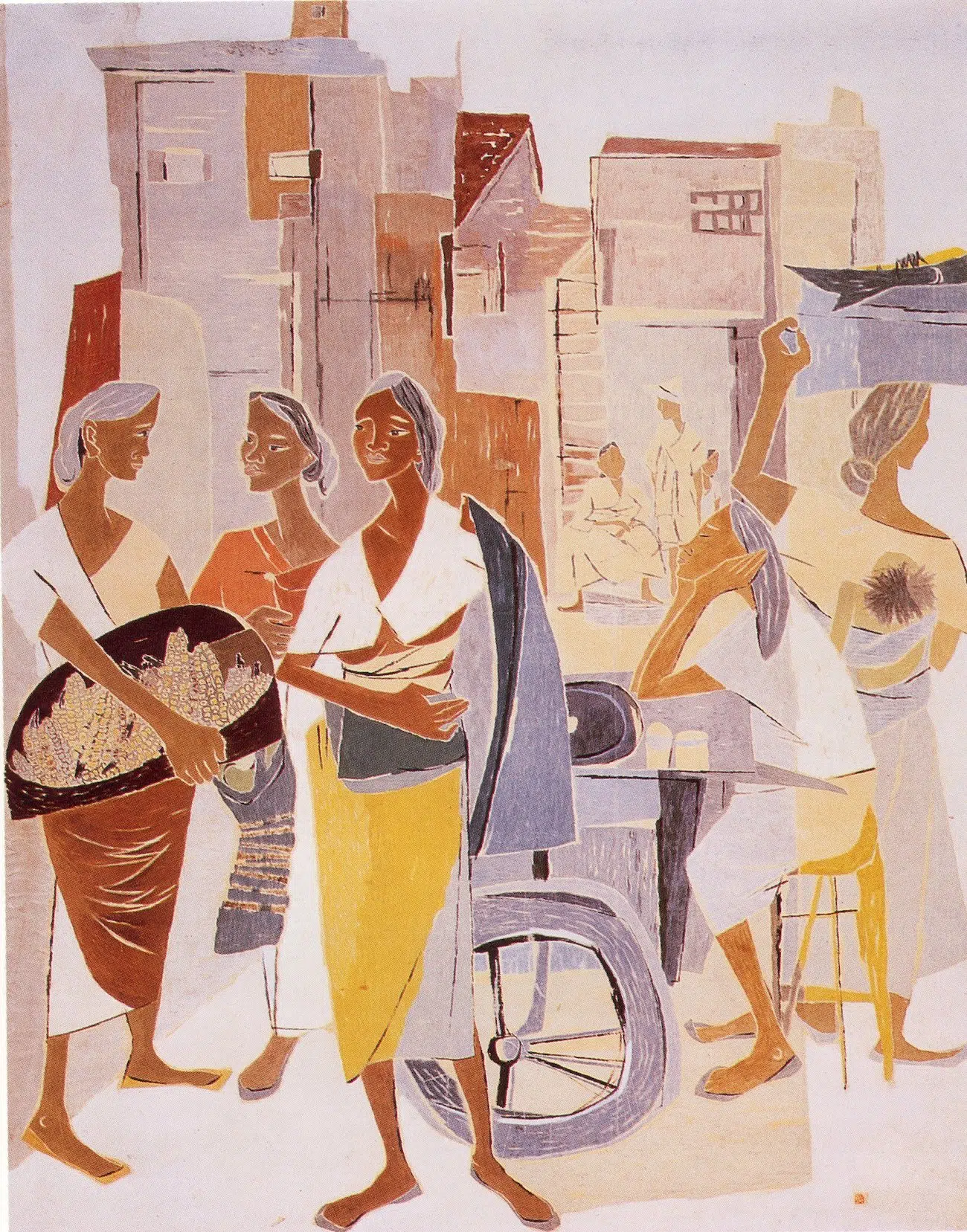
Park Re-hyun, Open Stalls, 1956, Ink and color on paper, 267 x 210 cm, MMCA Collection
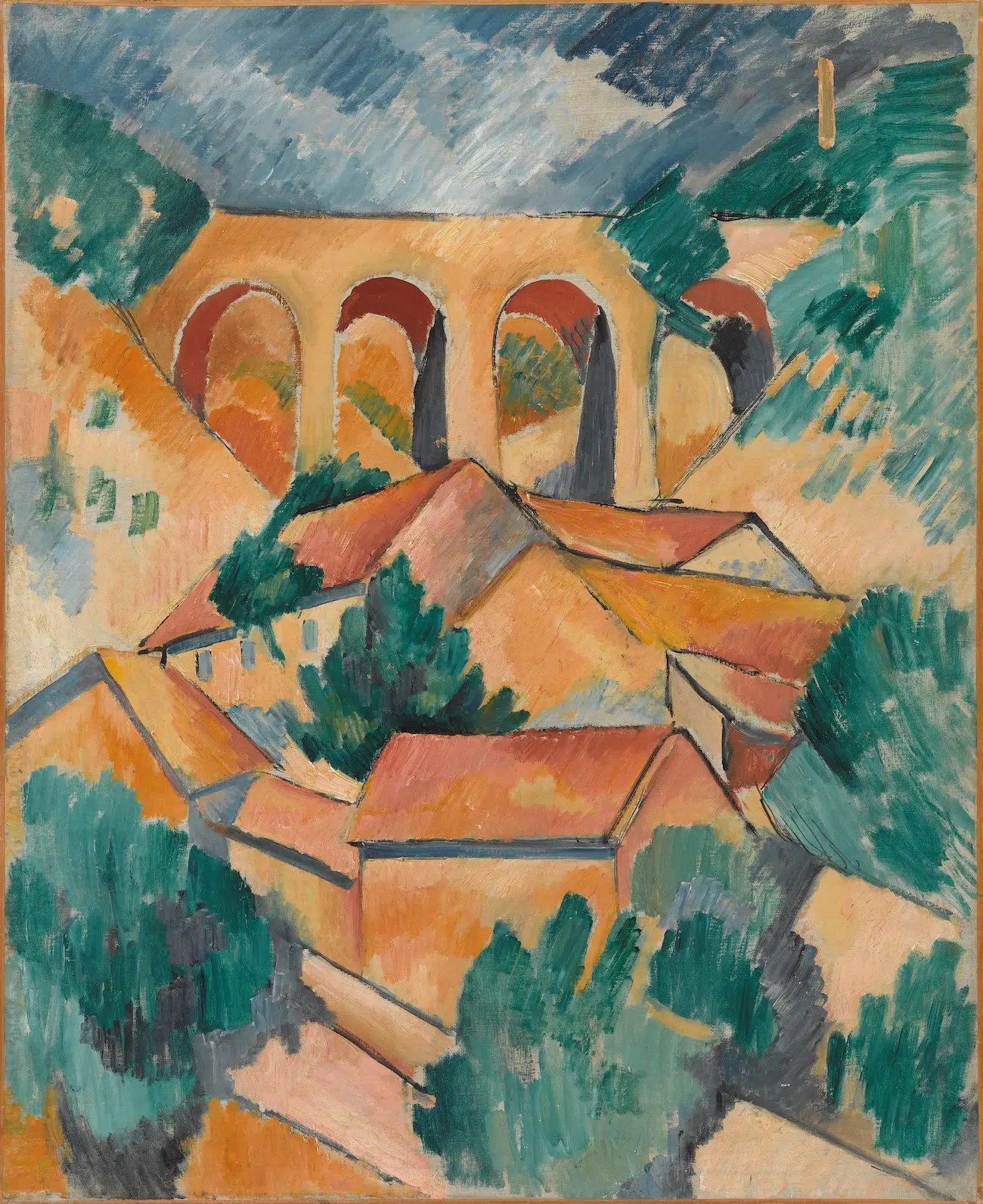
Georges Braque, The Viaduct at L’Estaque. Early 1908, Paris, Oil on canvas, 72.5 × 59 cm. Dation, 1984. Centre Pompidou, Paris © Georges Braque / ADAGP, Paris – SACK, Seoul, 2026 © Centre Pompidou, MNAM-CCI/Georges Meguerditchian/Dist. GrandPalaisRmn
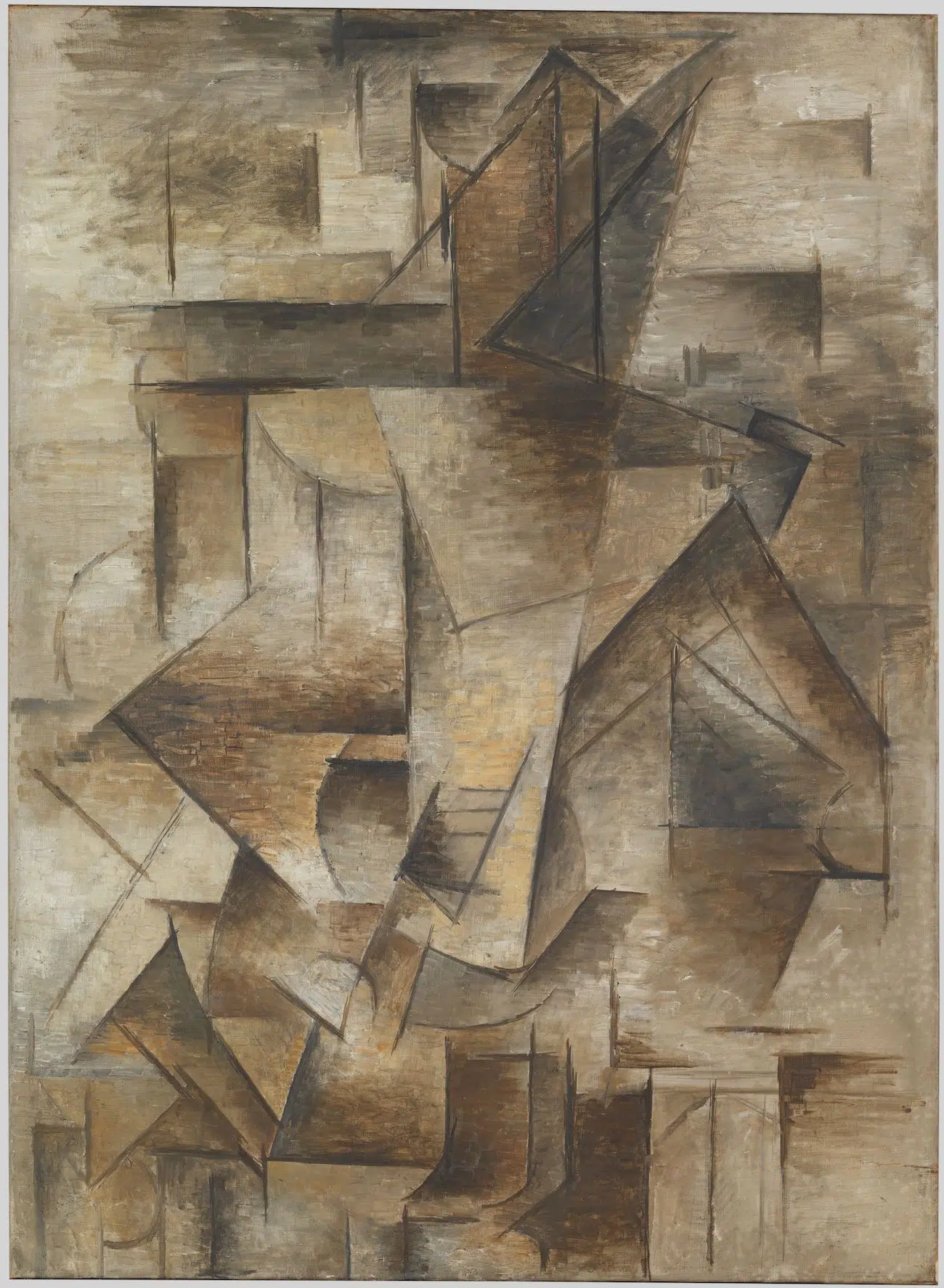
Pablo Picasso, The Guitarist, summer 1910, Oil on canvas, 100 × 73 cm. Gift of André and Jeanne Lefèvre, 1952. Centre Pompidou, Paris © 2026 – Succession Pablo Picasso – SACK(Korea) © Centre Pompidou, MNAM-CCI/Philippe Migeat/Dist. GrandPalaisRmn
Together, the exhibition and new museum create a dialogue between European modernism and Korean art, establishing Centre Pompidou Hanwha as a new cultural destination in Seoul.
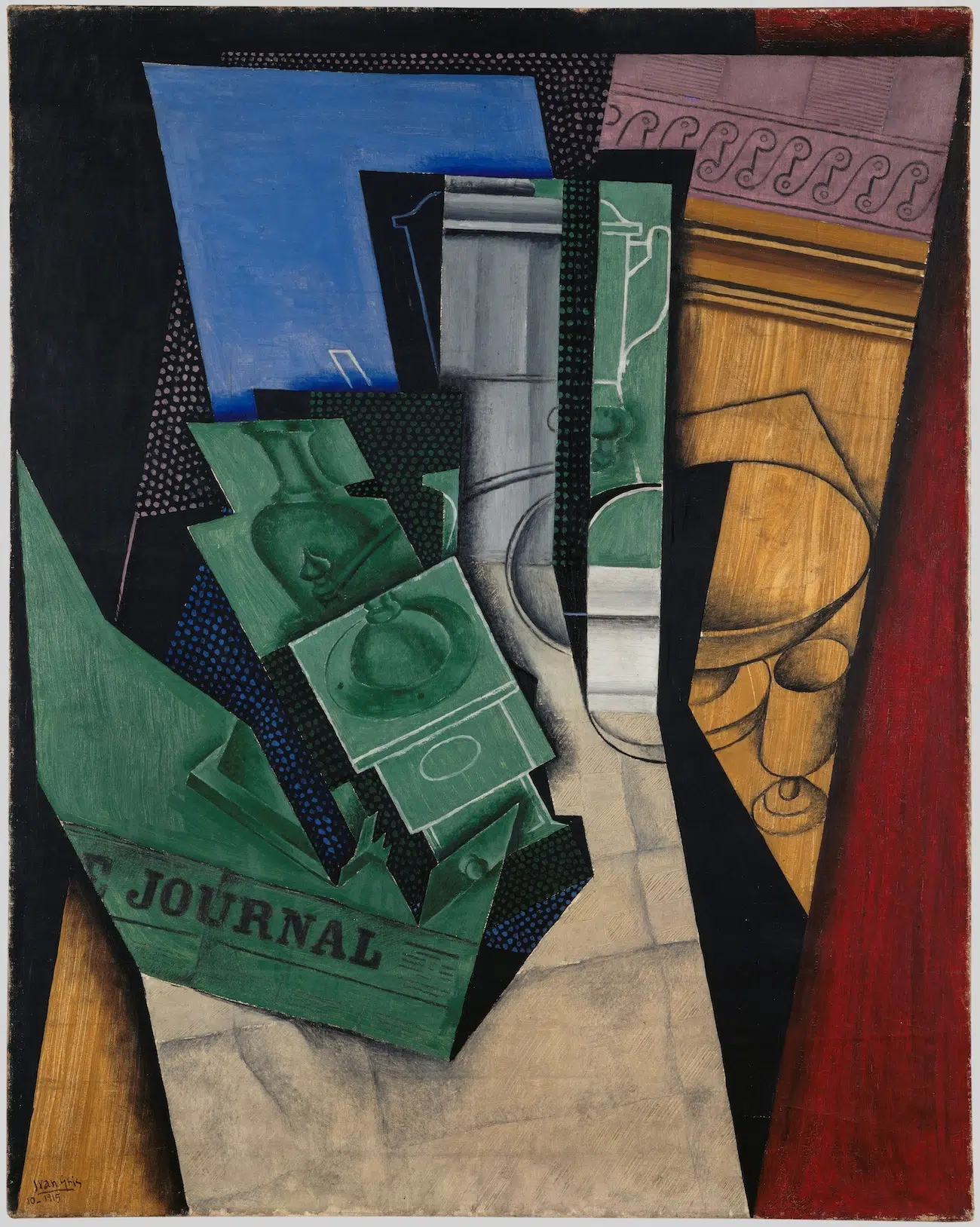
Juan Gris, The Breakfast Table, october 1915, Oil and charcoal on canvas, 92 × 73 cm
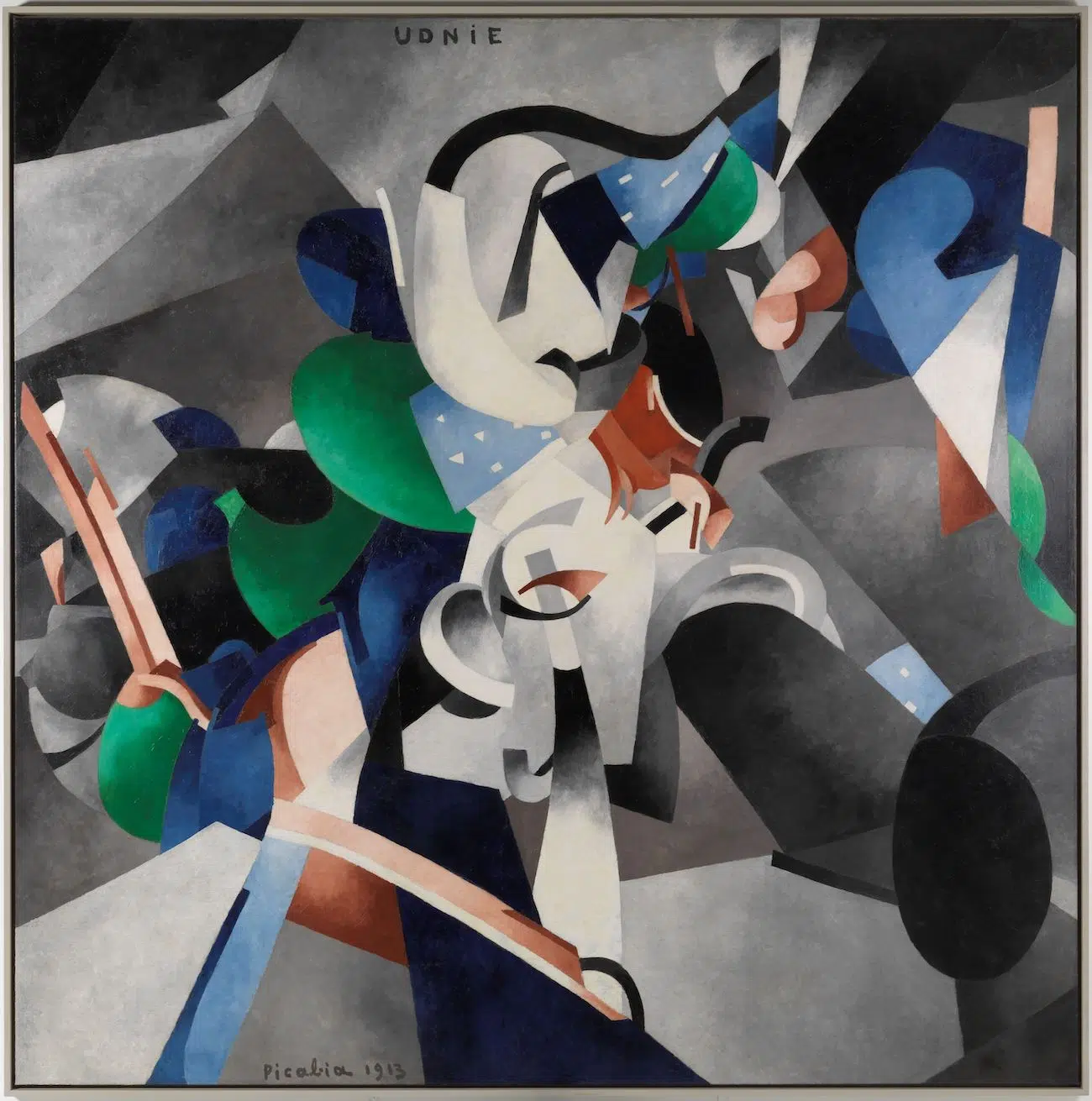
Francis Picabia, Udnie (Young American Girl; The Dance), 1913, Oil on canvas, 290 × 300 cm. Purchase, 1979. Centre Pompidou, Paris © Centre Pompidou, MNAM-CCI/Audrey Laurans/Dist. GrandPalaisRmn
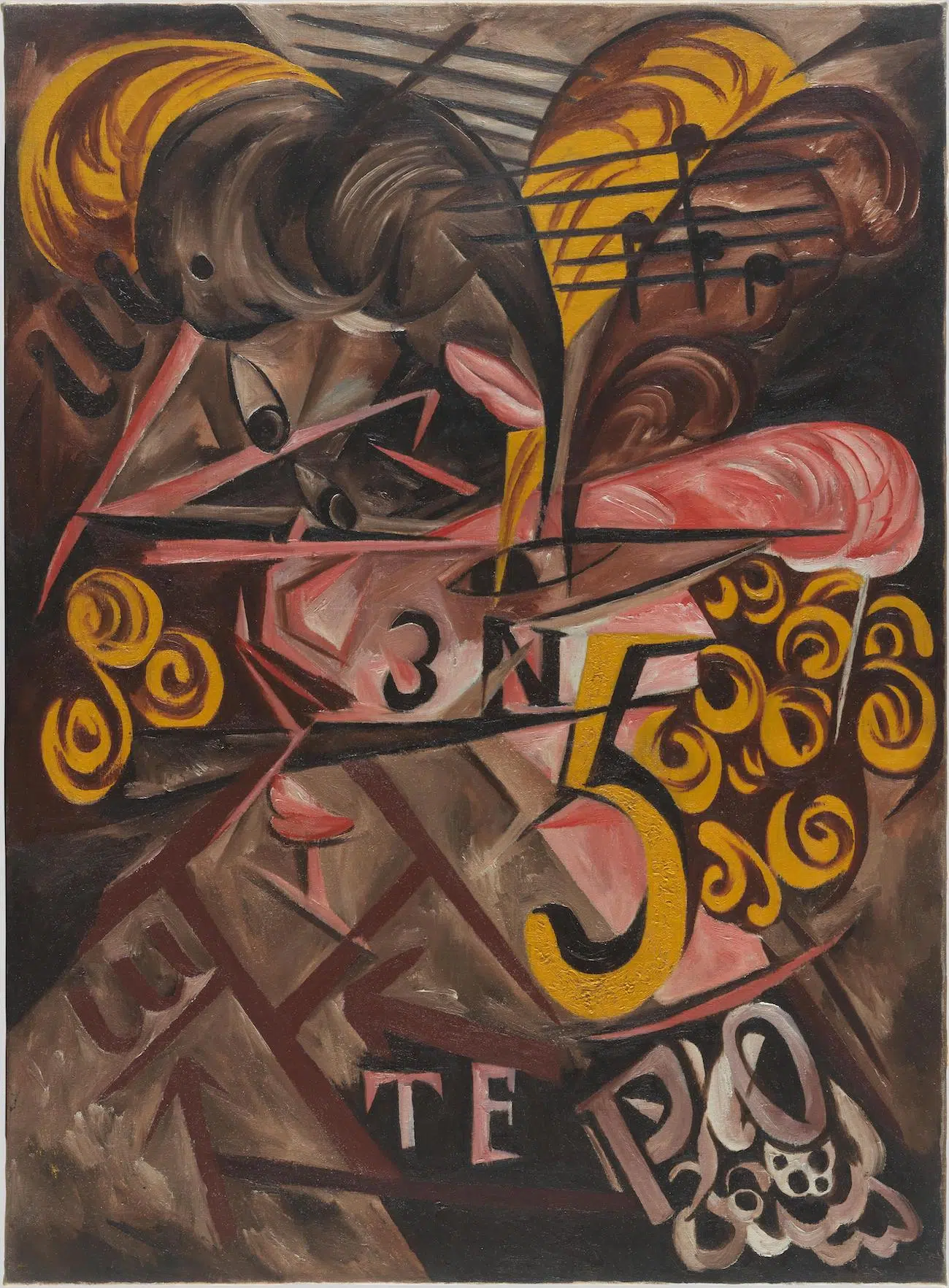
Natalia Goncharova, Lady with a Hat, 1913, Oil on canvas, 90 × 66 cm. Gift of Jean Cassou, 1960. Centre Pompidou, Paris © Centre Pompidou, MNAM-CCI/Audrey Laurans/Dist. GrandPalaisRmn