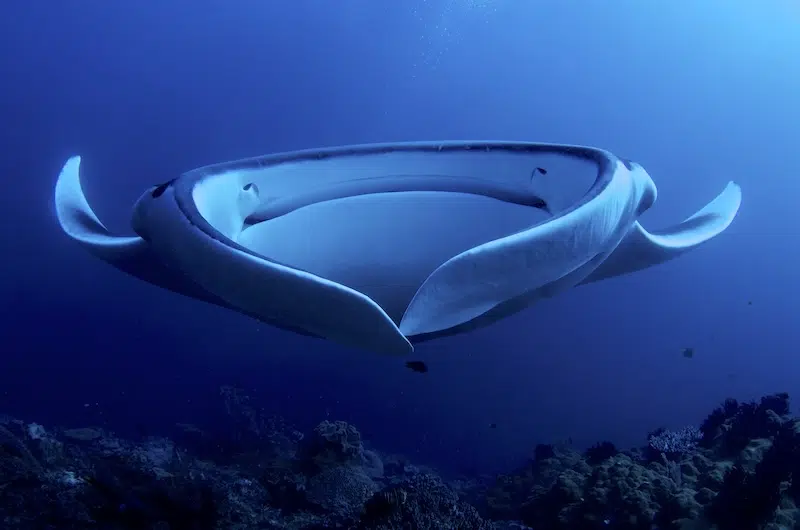
Giant manta ray (Manta birostris) (Photo: Arturo de Frias Marques via Wikimedia Commons, CC BY-SA 4.0)
At the 20th conference of the Convention on International Trade in Endangered Species of Wild Fauna and Flora (CITES), more than 185 countries voted to increase legal protections for 70 shark and ray species. It was announced in Samarkand, Uzbekistan, that new protections under an international wildlife trade treaty are to be implemented, and they will take effect within three to 18 months. Their population declines are driven by overfishing and high demand for their body parts.
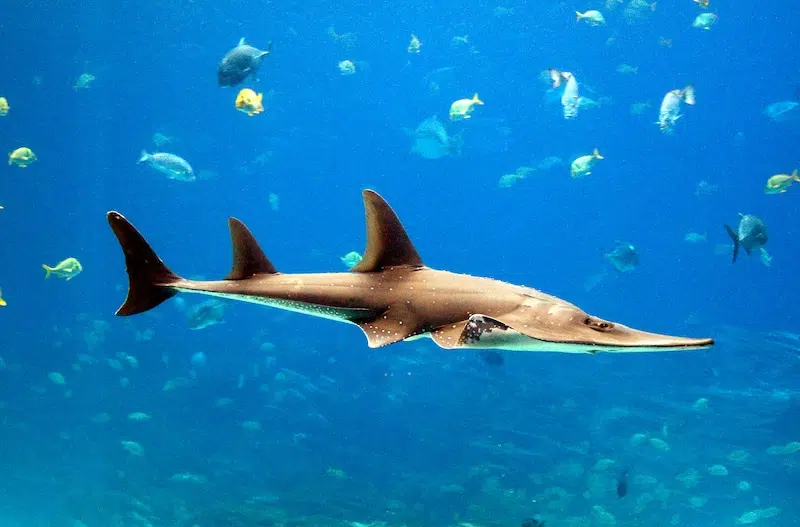
Unlike many other marine species like whales and turtles, sharks and rays did not gain protection 40 years ago, and are suffering because of it. Wedgefish and similar guitarfish are being hunted for shark fin soup; gulper sharks are being killed for their liver oil, which is used for moisturizers and antioxidants; and rays are being targeted for their gill plates in traditional medicine. These expanded protections are especially important because these species are vulnerable due to their slow growth and late reproduction.
Each species was newly placed or moved up in an appendix based on the level of protection the species needs. Rather than banning trade entirely, the treaty strengthens regulation by requiring countries to prove that shark and ray products are sourced legally and sustainably. Appendix I protects endangered species and prohibits all commercial international trade. Moved into this category were whale sharks, oceanic white tip sharks, and manta rays. Appendix II protects threatened species and now includes gulper sharks, smooth-hound sharks, and guitarfish.
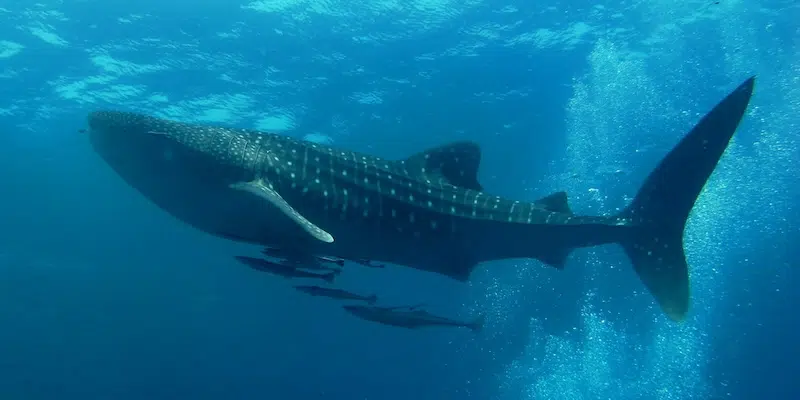
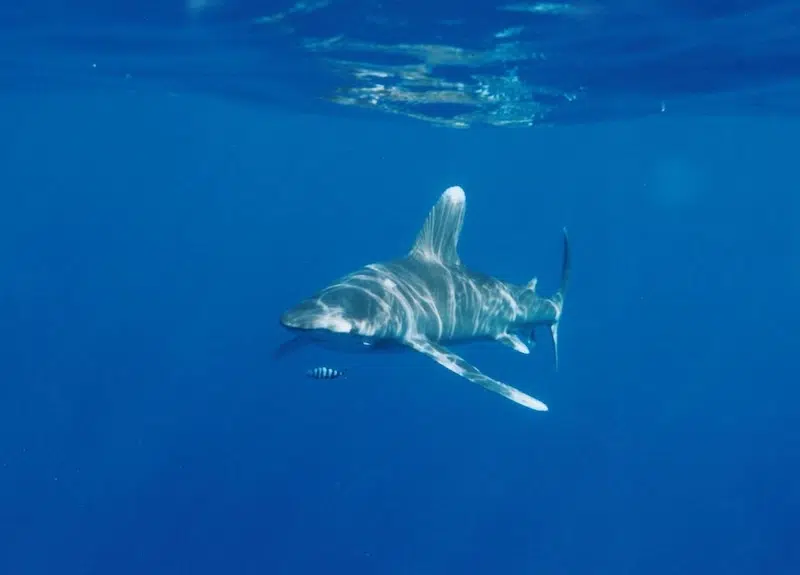
There are three levels of protection, and each species was placed based on their endangerment status and how much protection they need.
Related Articles:
Stunning Underwater Portraits of Rare and Endangered Marine Life in the Azores
India’s Tiger Population Has Doubled Thanks To Active Wildlife Conservation
Prehistoric New Zealand Bird Thought to Be Extinct Returns to the Wild in a Conservation Victory