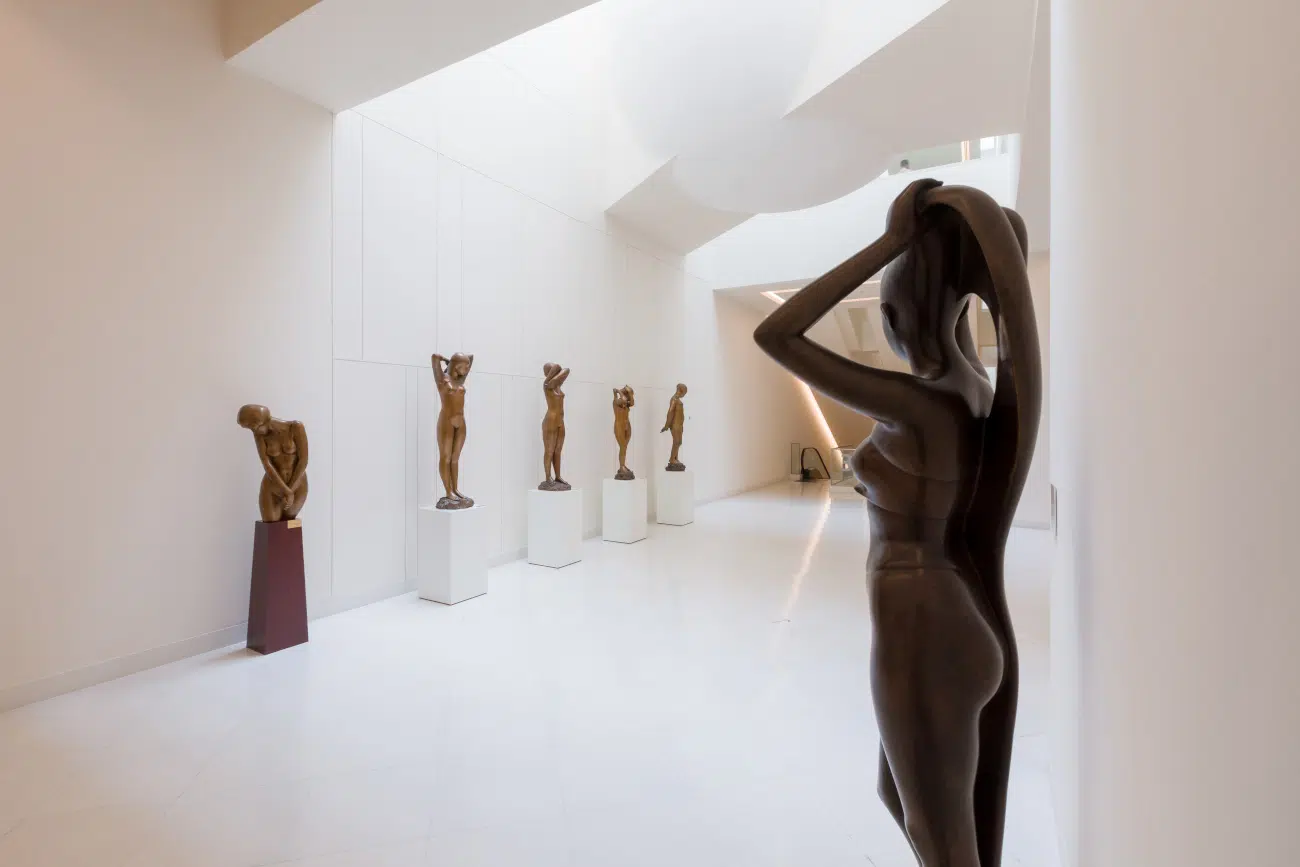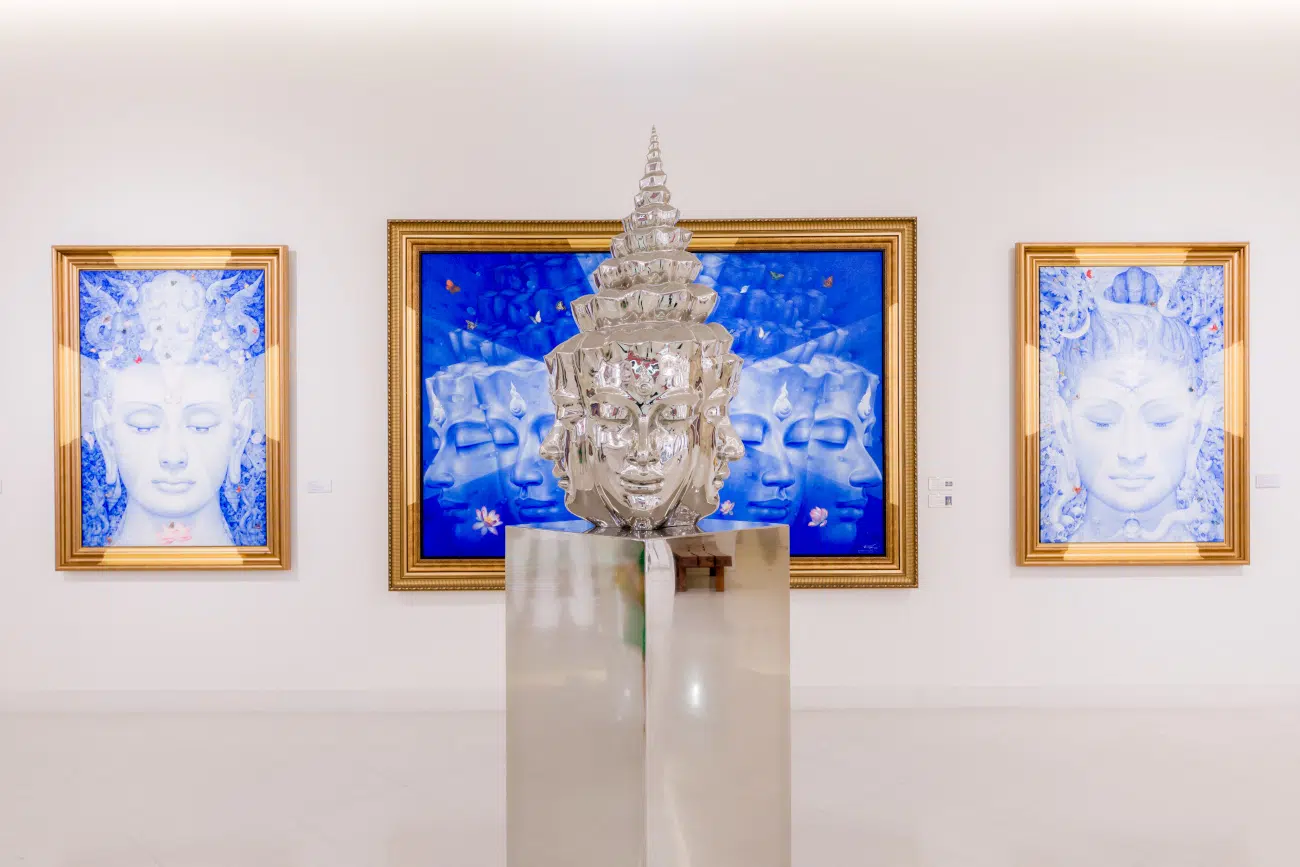
Art is one of the most compelling ways to tell a country’s history. MOCA Bangkok, an important museum in Thailand and one of the best contemporary art venues in Asia, excels at it. This sprawling, 215,278-square-foot institution boasts over a thousand works across different media. With its eclectic collection, MOCA Bangkok both chronicles the country’s creative evolution and pays tribute to pioneering Thai artists.
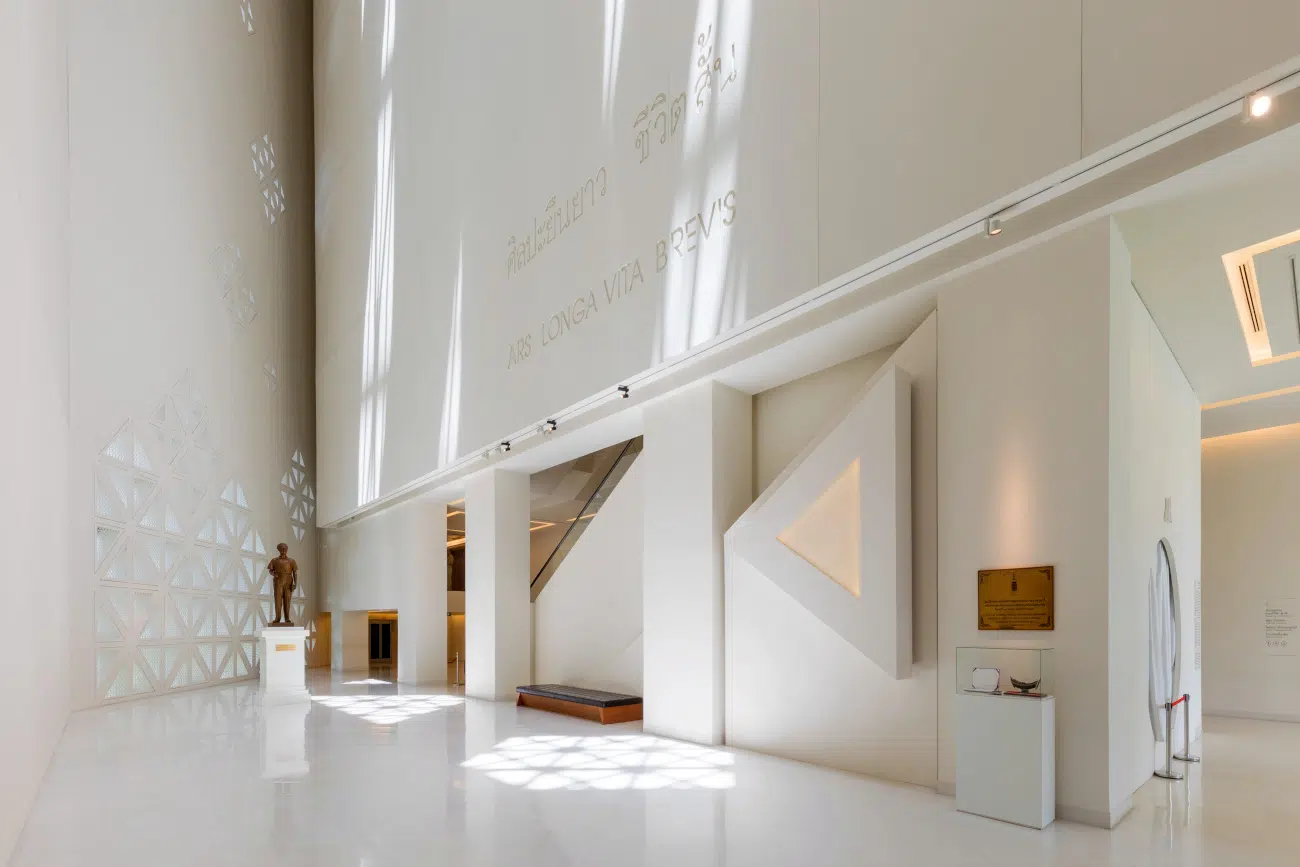
MOCA Bangkok opened in 2012, offering an exploration of local culture and identity through the private collection of business executive Boonchai Bencharongkul. Divided across five floors, each level has a distinctive theme and feel. Serving as an overarching approach is the motto “Ars Longa, Vita Brevis,” which roughly translates to “skillfulness takes long and life is short.” The phrase signals the never-ending push of creativity that unites artists throughout centuries.
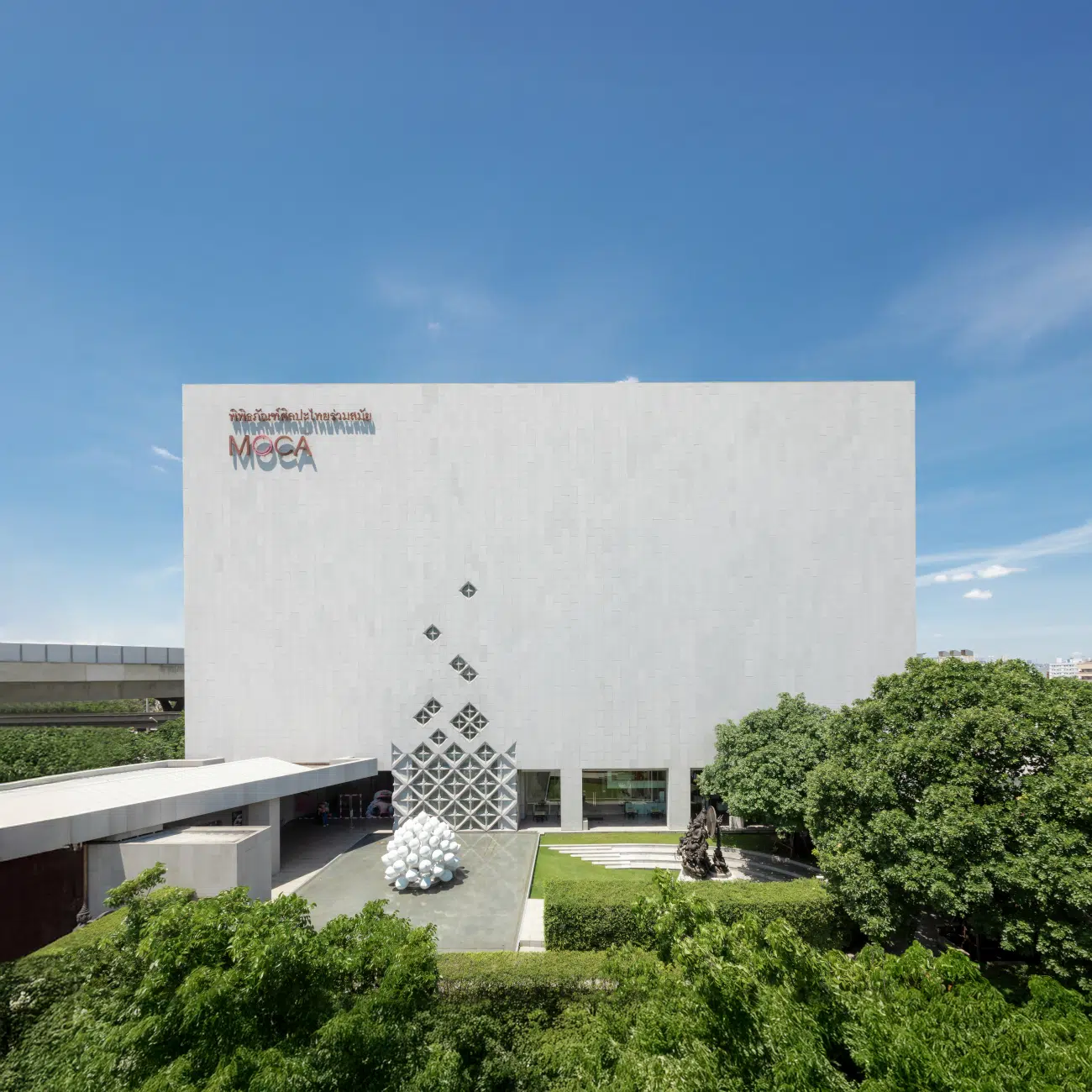
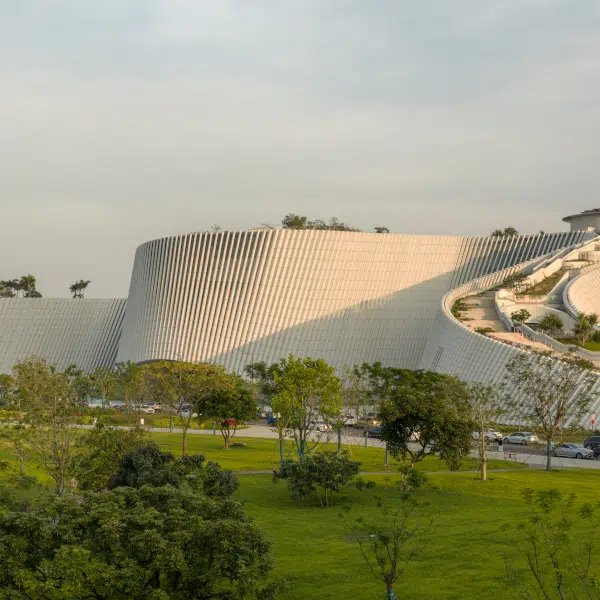
The building, which creates the illusion of being carved out of a single block of pale gray granite, was conceived by the Office of Bangkok Architects, with notable contributions from Thai architect Rachaporn Choochuey. Despite being located near the busy international airport, its clever design is isolated from the surrounding hustle, offering visitors calm and contemplation to take in the collection. The fact that the structure achieves this without compromising the aesthetics has earned the building the status of a commendable work of art in and of itself.
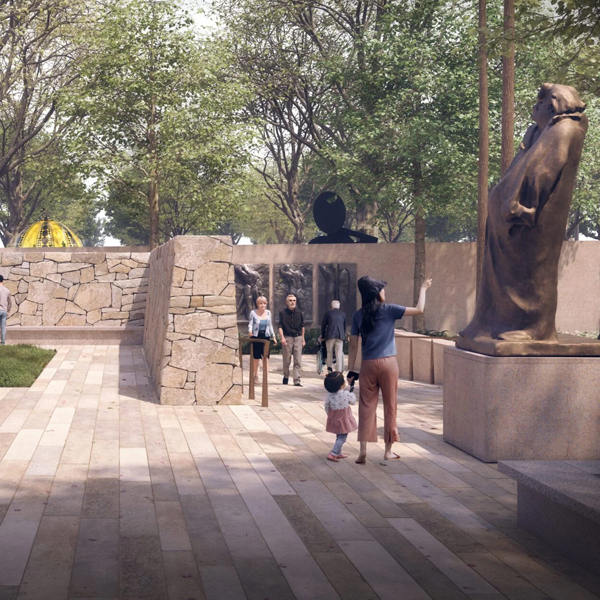
Outside, the towering sculpture Happiness by Nonthivathn Chandhanaphalin greets all the visitors. Resembling a lotus flower in full bloom, the piece nods to the harmony that comes from inner peace—a key point of the Buddhist philosophy that permeates Thai culture. The floral motif also appears in the jasmine pattern cast onto the floor by the latticework of the facade. Inside, the museum honors Silpa Bhirasri, considered the father of Thai contemporary art, with a statue in the center of its soaring atrium.
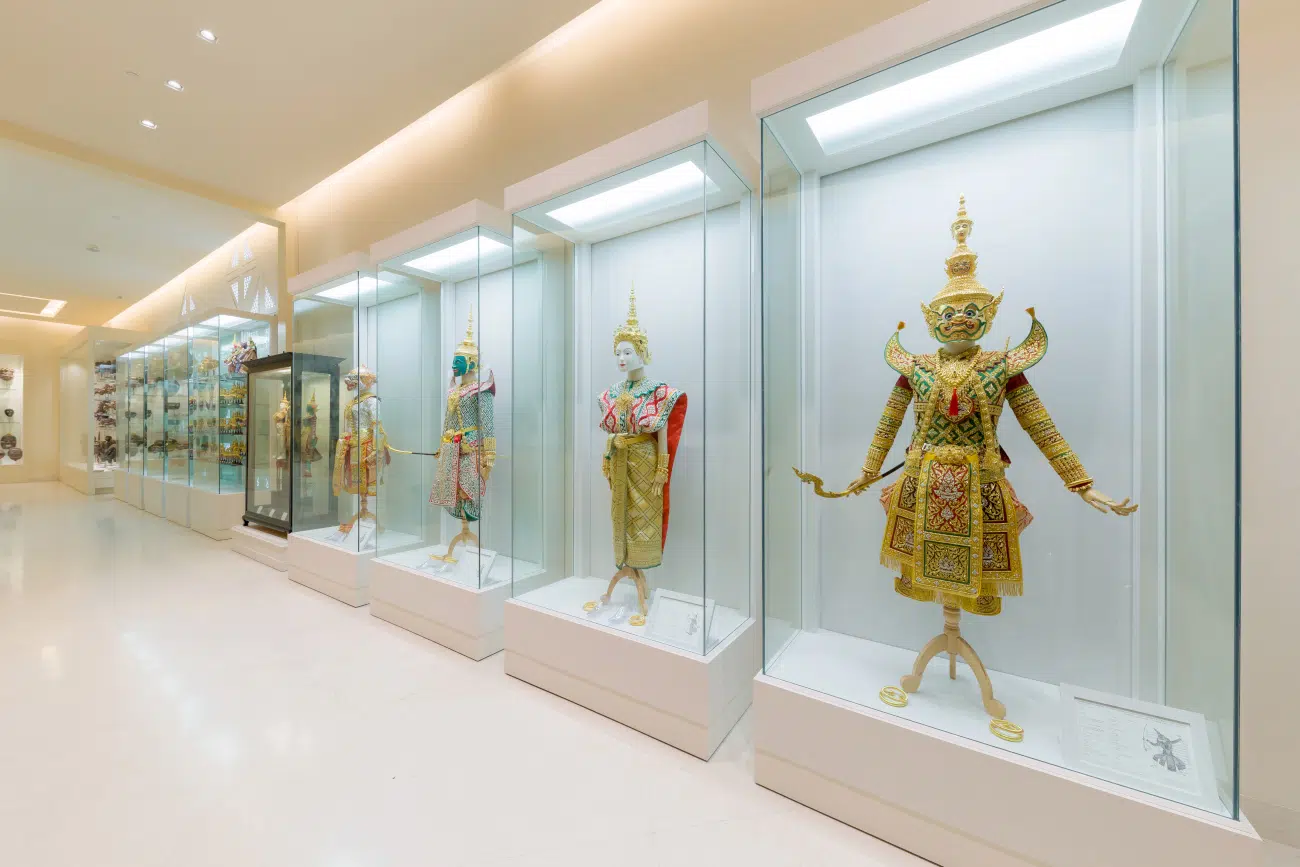
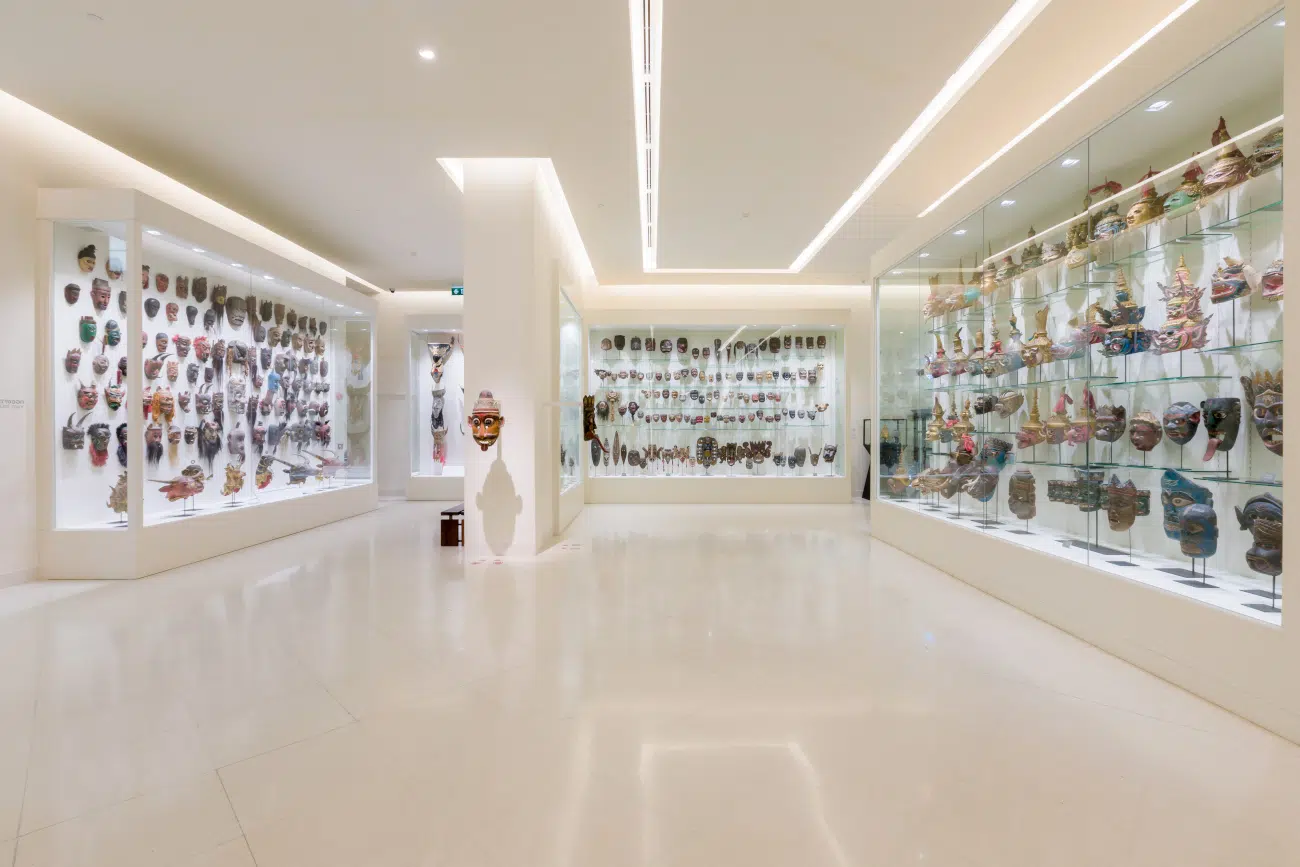
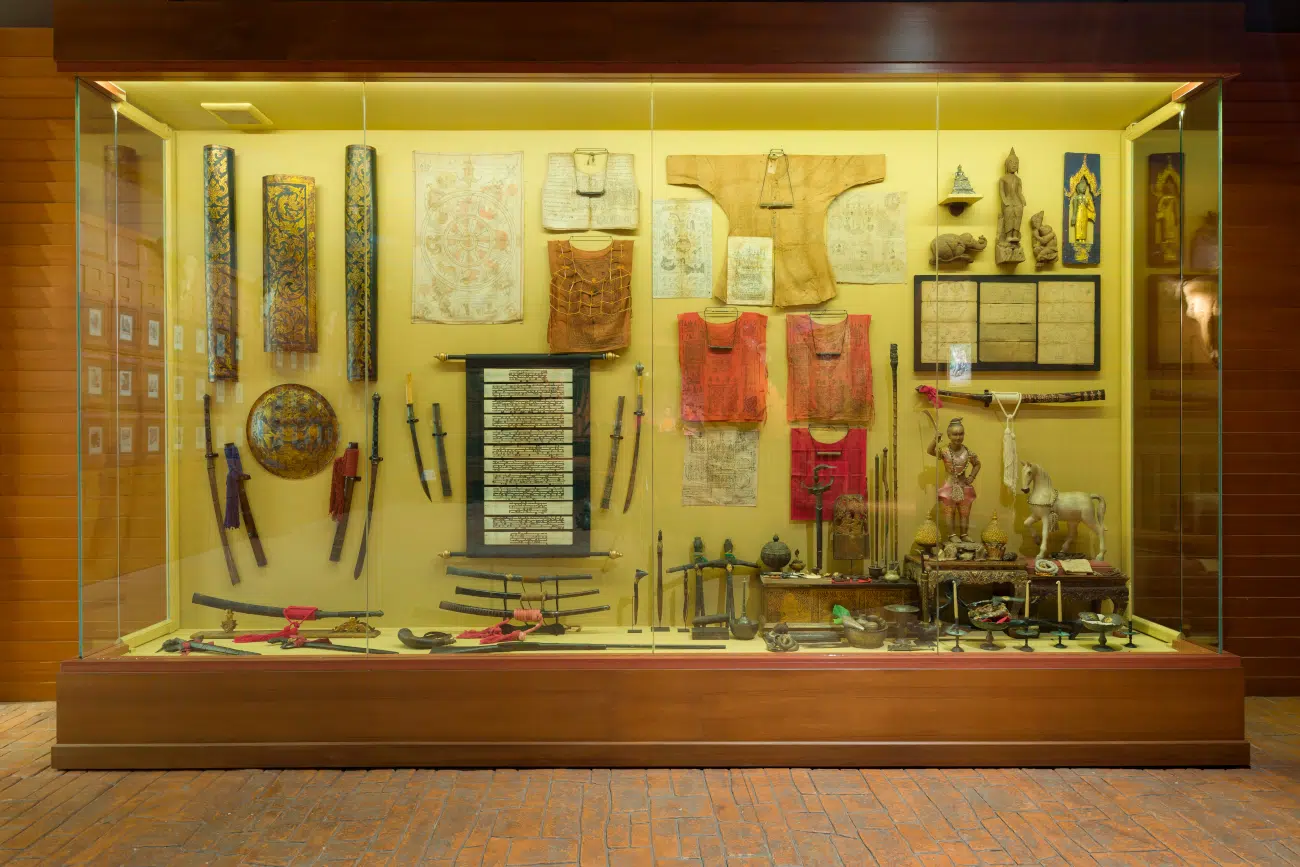
The second floor covers the heritage of Thailand and the broader Southeast Asian region dating back to over 1000 BCE, with sacred objects, weapons, talismans, and rare collectibles. It also features a “Pimphilalai House,” which recreates an old Siamese home and the garments worn by its inhabitants. Among the highlights of this area are Khon masks, shadow puppets, and artworks related to the epics of Ramayana and Mahabharata.
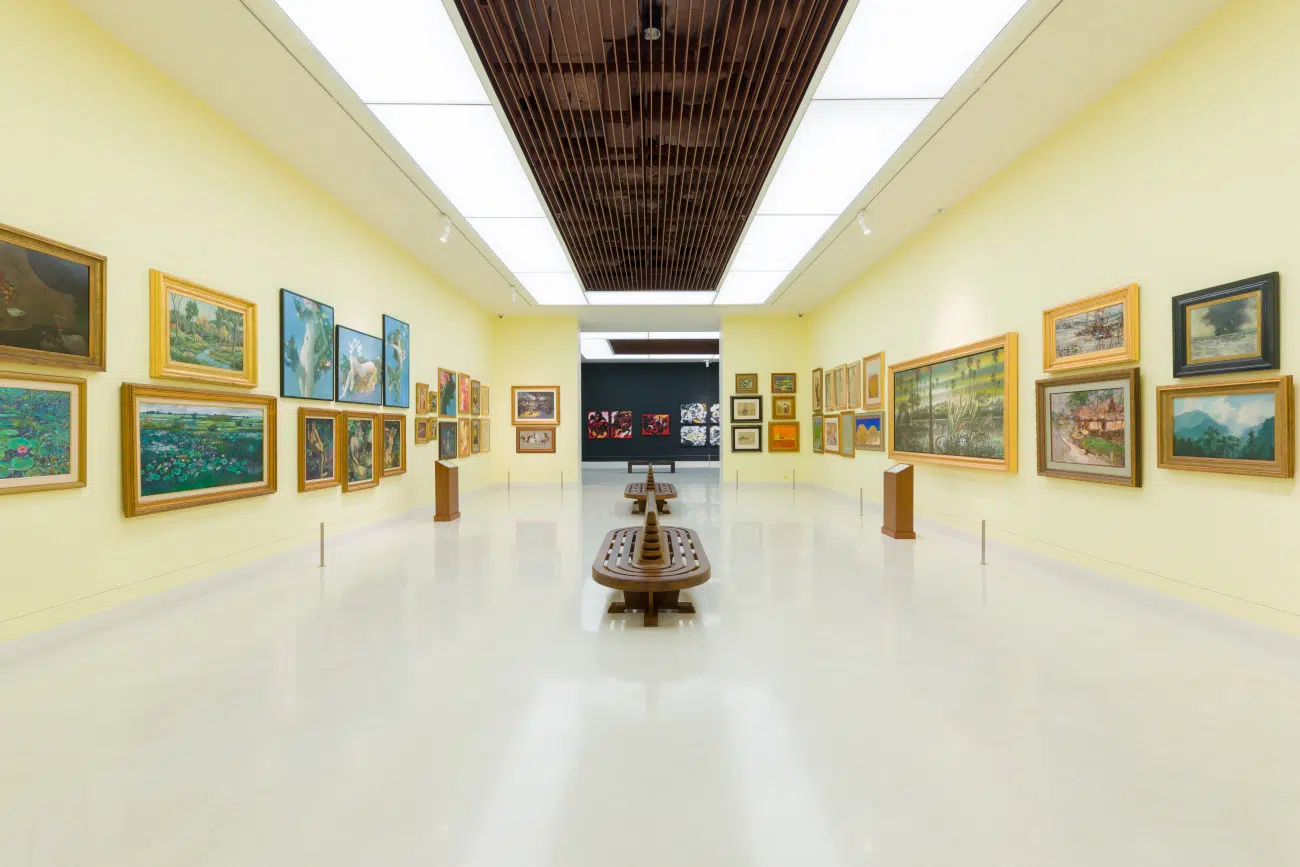
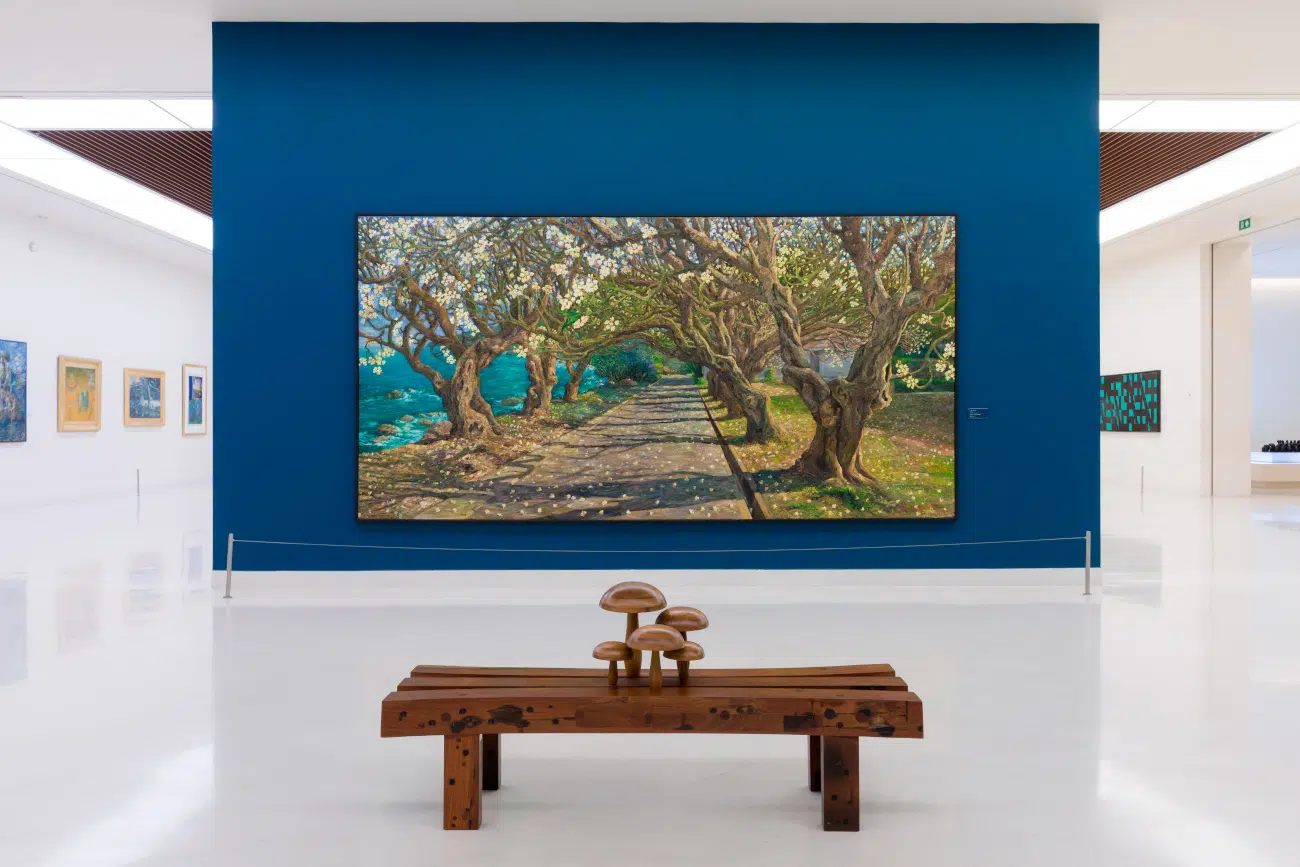
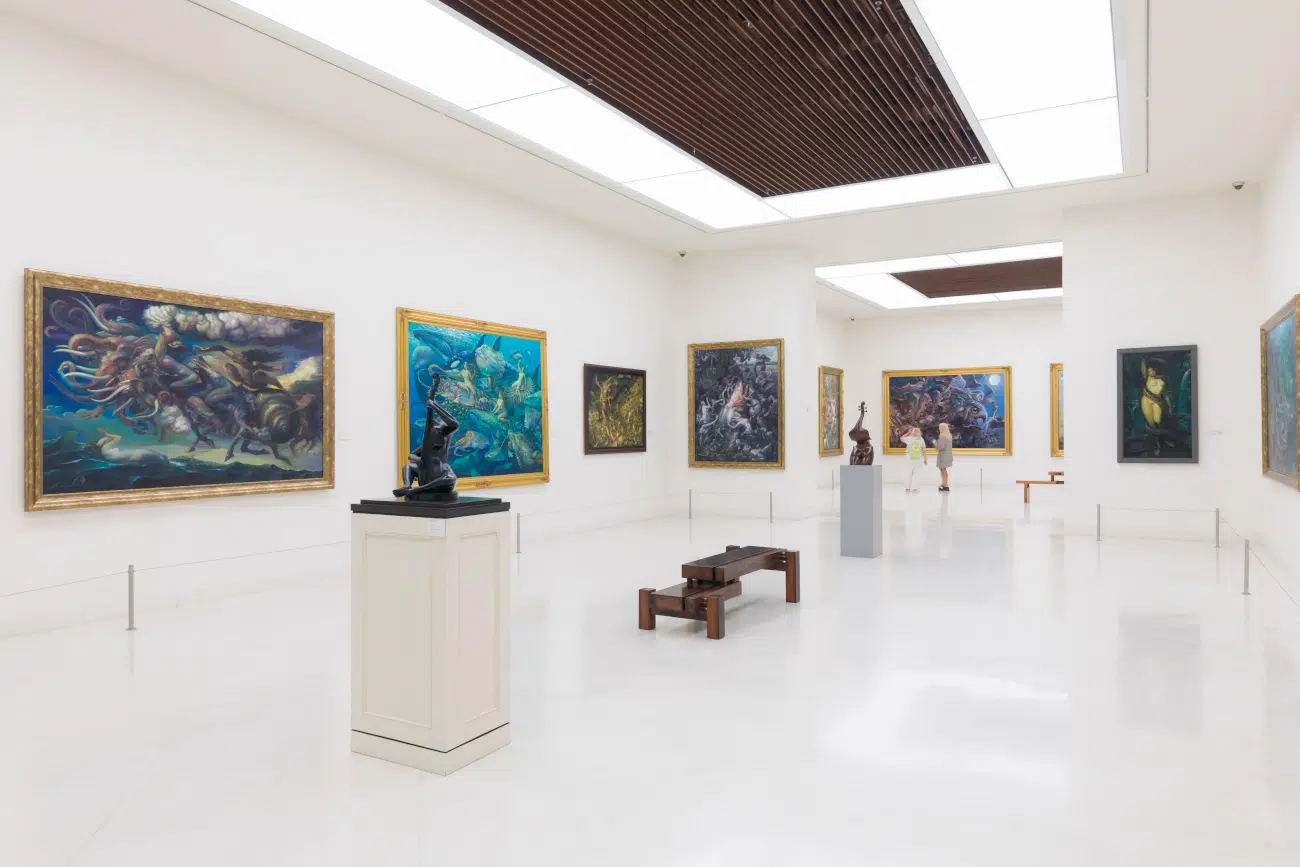
On the third floor, the narrative turns to how nature has inspired creatives, whether as face-value depictions of landscapes or as a stepping stone to create new worlds, such as those found in the artworks of Thai artists Sompong Adulyasaraphan and Prateep Kochabua, known for their unique blends of layered surrealism.
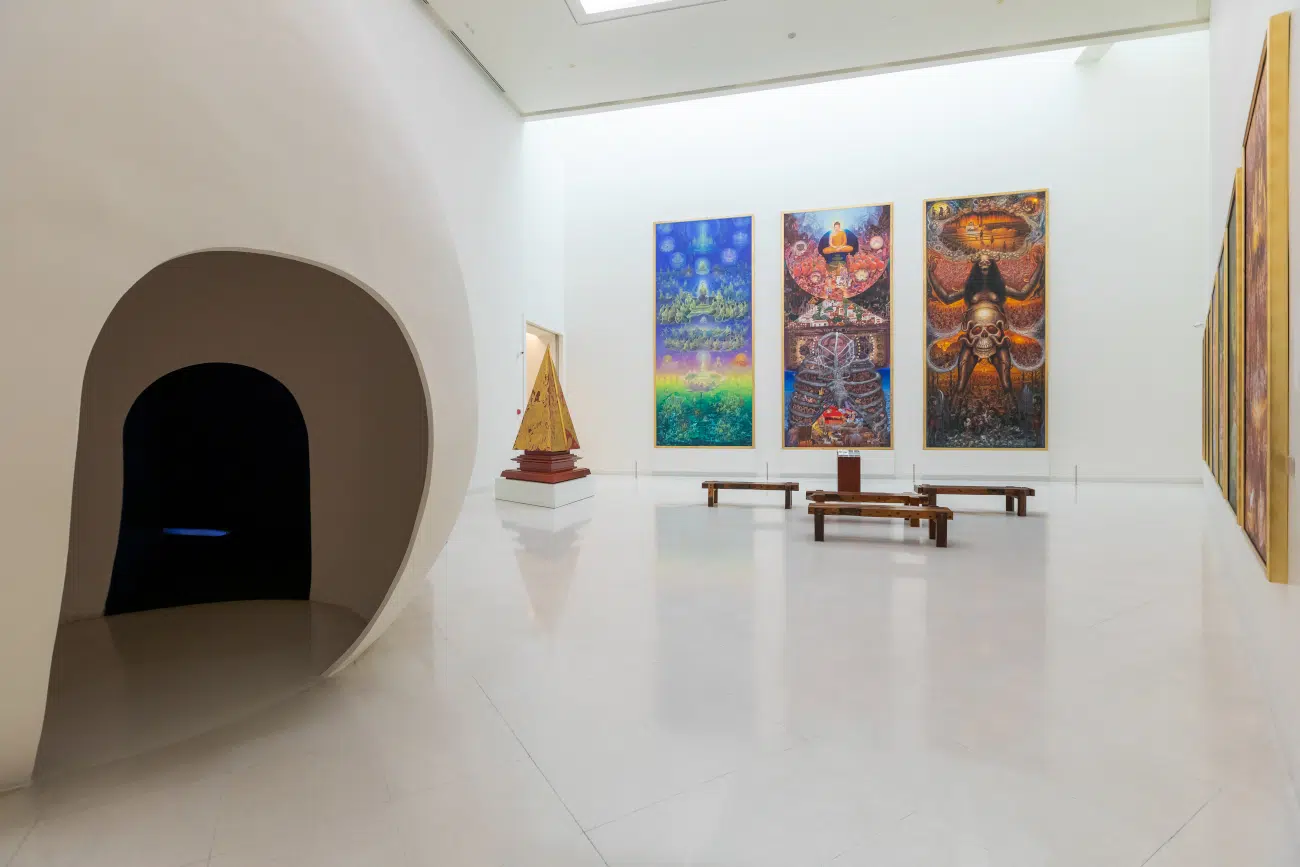
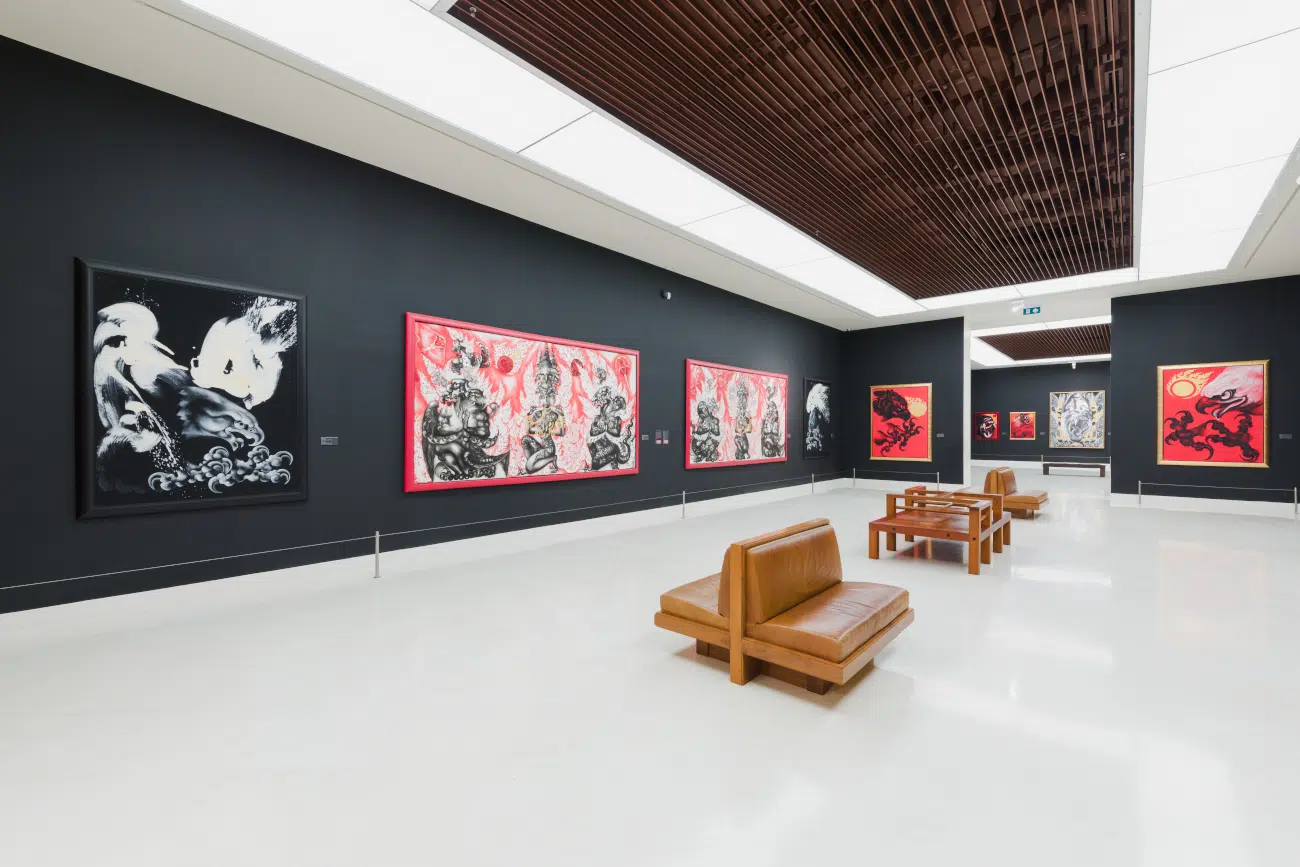
Late Thai artist Thawan Duchanee is honored with a gallery of his trailblazing work on the fourth floor. This area also explores the influence of the spiritual realm on contemporary art, while celebrating the unique yet complementary visions of Thai artists. The collaborative work The Three Kingdoms Heaven, Middle Earth, and Hell, painted by Sompop Butarad, Panya Wijinthanasan, and Prateep Kochabua, best represents this sentiment.
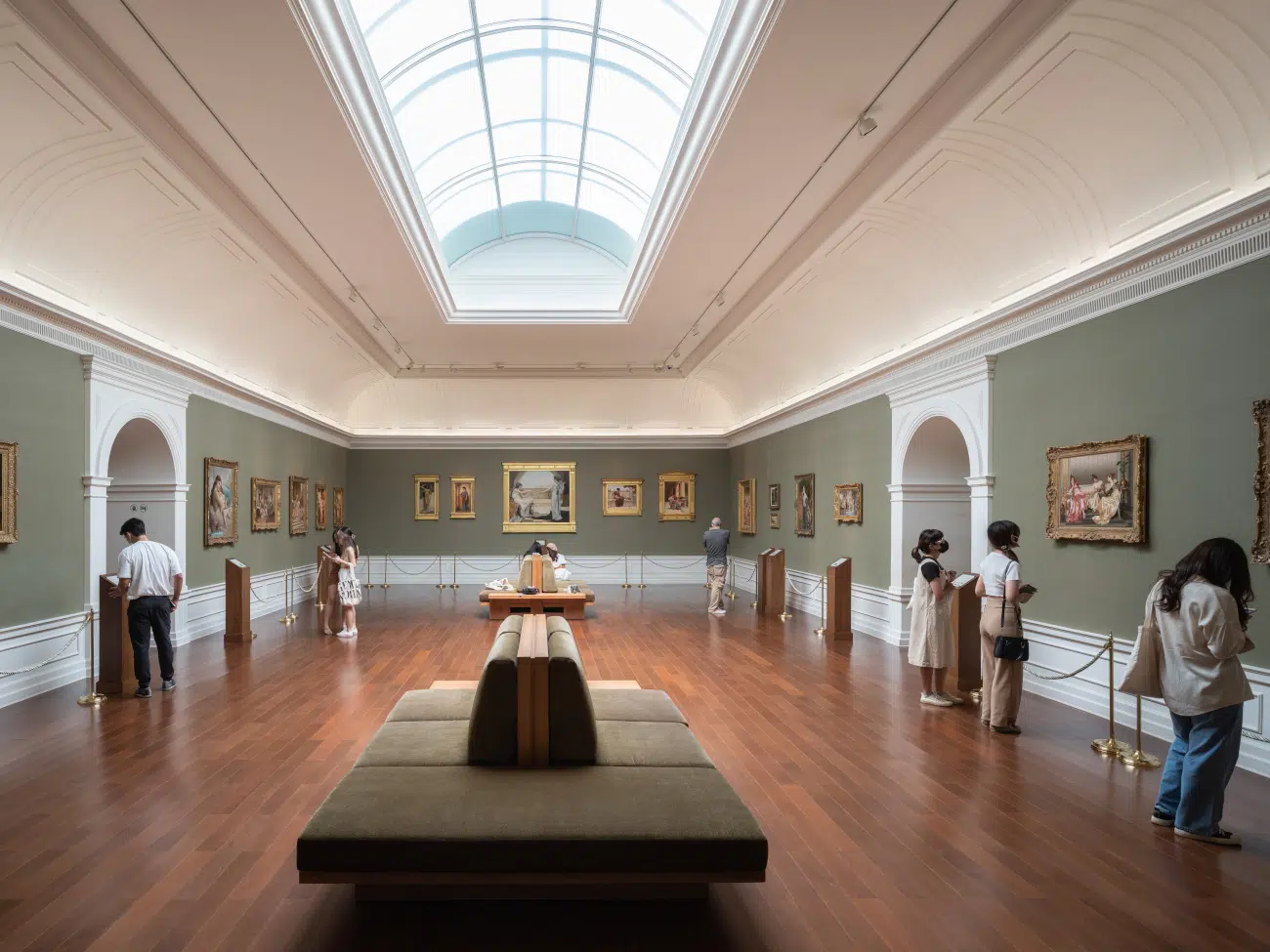
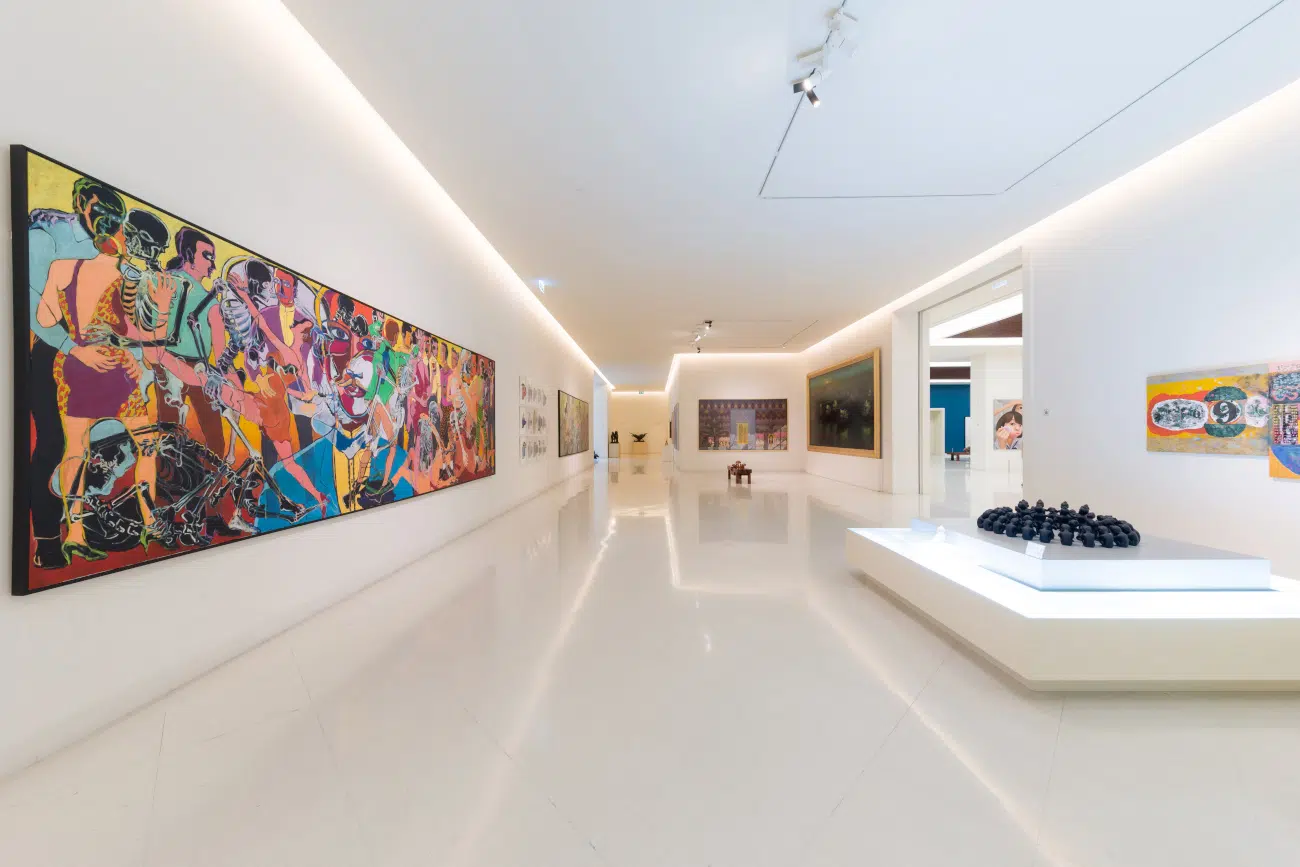
Marking Thailand’s entry into the global art conversation, the fifth and final floor houses a collection of modern art from around the world, from the United States, Italy, Norway, and neighbors Vietnam and Malaysia. By looking back at the last two hundred years of Western and regional art production, the museum rallies the spectator to spot the influence on Thai contemporary art, and how it has birthed a visual language that marries past and present, and tradition with innovation.
To plan your visit, learn more at MOCA Bangkok’s website.
With its eclectic collection, MOCA Bangkok both chronicles Thailand’s creative evolution and pays tribute to pioneering Thai artists.