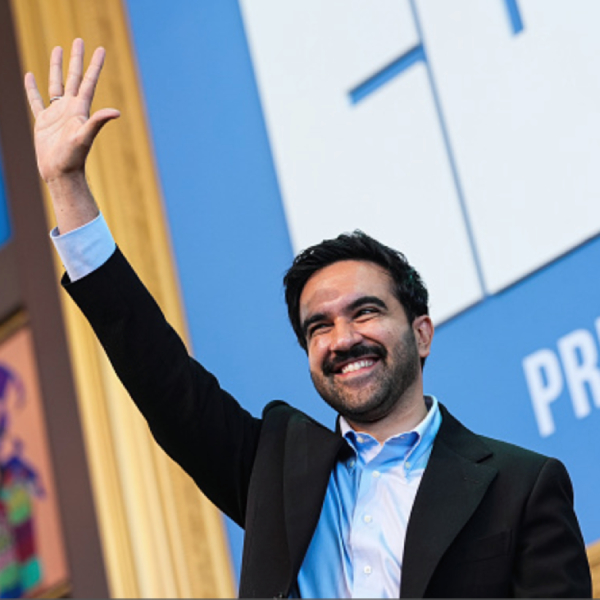
On September 2, 2026, New York City officials announced a ban on AI in classrooms for K–8 students in the city’s public schools. The policy, announced by New York City Mayor Zohran Mamdani and Schools Chancellor Kamar Samuels, is one of the most comprehensive to be introduced by a school district in the country. It will discontinue the use of 40 AI educational tools and is set to remain in place for one year while the city studies the effects of AI on young students. There will be more flexibility for older students, although ChatGPT and Claude will be banned within the classroom. Accommodations will also be made for students with disabilities and English language learners.
In 2022, New York City schools implemented a ban on ChatGPT which was revoked several months later. Now that the use of AI learning has broadened, the school district faces a reassessment of that decision.
“The tech industry wants us to believe that AI in early education is not only inevitable, but that it is necessary,” Mamdani said during Wednesday’s press conference. “We do not see it that way.”
The decision could have an impact on other districts across the country as well, and comes amid a broader reassessment of AI protocols on a global scale. In Los Angeles, home to the nation’s second-largest public school district after New York City, significant restrictions have also been adopted around the use of AI and digital learning, including reductions in screen time for younger students due to concerns about child development. In Texas, the Katy Independent School District has implemented restrictions on AI for children in grades K–6, in the hopes that they will have a positive impact on children’s socialization and critical thinking skills.
Similar bans and restrictions are being implemented the globe, including a generative AI ban in Norway’s elementary schools. This wave of global legislation signals a positive trend toward thinking more carefully about the impact of AI learning on young minds, as well as how to best support teachers in using technology as a tool rather than a crutch.
“Children need teachers and human connection in order to learn and grow. They need to develop skills alongside their peers, build relationships with educators and wrestle with tough problems on their own,” Mamdani said at a press conference surrounding the ban.
It will take some time to know the overall impact of this decision, but it’s heartening to see careful consideration being given to how AI may affect children and their development. As one of our most vulnerable demographics, children deserve thoughtful consideration when it comes to the technologies shaping their education and daily lives.
New York City Mayor Zohran Mamdani announced that the city’s public schools will now ban the use of AI in classrooms for one year.
The decision could have an impact on other districts across the country as well, and comes amid a broader reassessment of AI protocols on a global scale.
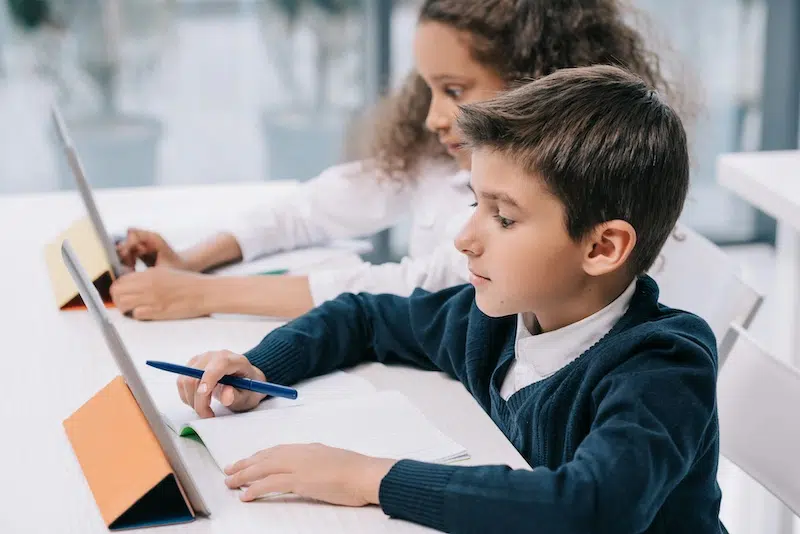
It will take some time to know the overall impact of this decision, but for now the emphasis on prioritizing children’s mental development presents a positive move forward.
Sources: Mamdani imposes one-year ban on AI for most NYC students, Mamdani Cracks Down on AI in Schools: Map of Districts Taking Similar Steps
Related Articles:
Norway Announces Major Ban on Generative AI Use in Elementary School Classrooms
Why Swedish Schools Are Cutting Back on Digital Learning and Bringing Back Textbooks
Finnish Children Are Learning How To Spot AI-Generated Content From the Age of Three