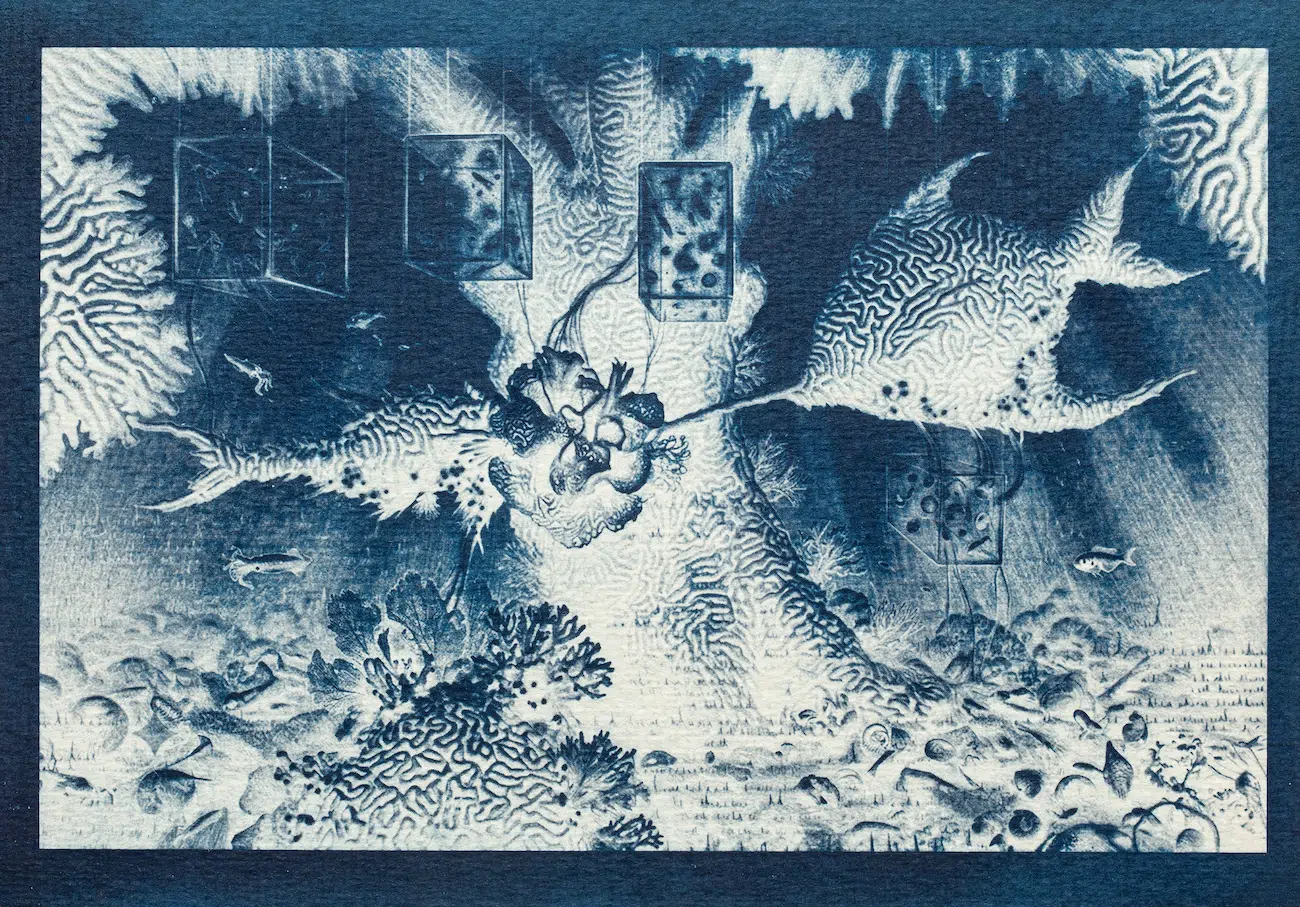
Parag Tandel, Vitamin Sea Archives: Sediments of Intelligence – 5, 2026, Cyanotype on Archival watercolor paper, washed in local seawater and freshwater, 5.9 x 8.3 inches. Copyright Parag Tandel, 2026. Courtesy of Parag Tandel and TARQ
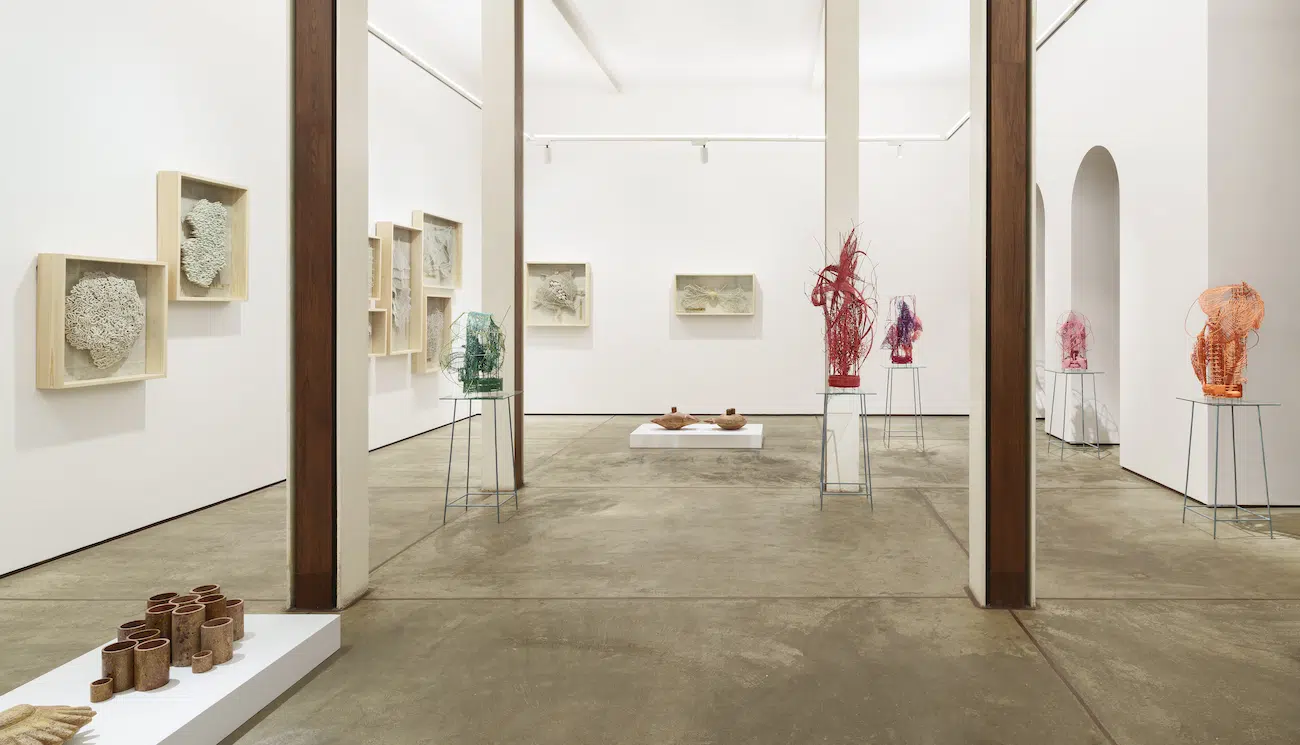
For Mumbai’s Koli fishing communities, the sea holds generations of cultural knowledge. In Salted Caviar, an exhibition at TARQ in Mumbai, artist Parag Tandel draws on his Koli heritage to examine how coastal development and emerging technologies threaten traditional ways of life. Through sculpture, cyanotype, and archival research, he explores the ties between Indigenous knowledge and the marine environments that sustain it.
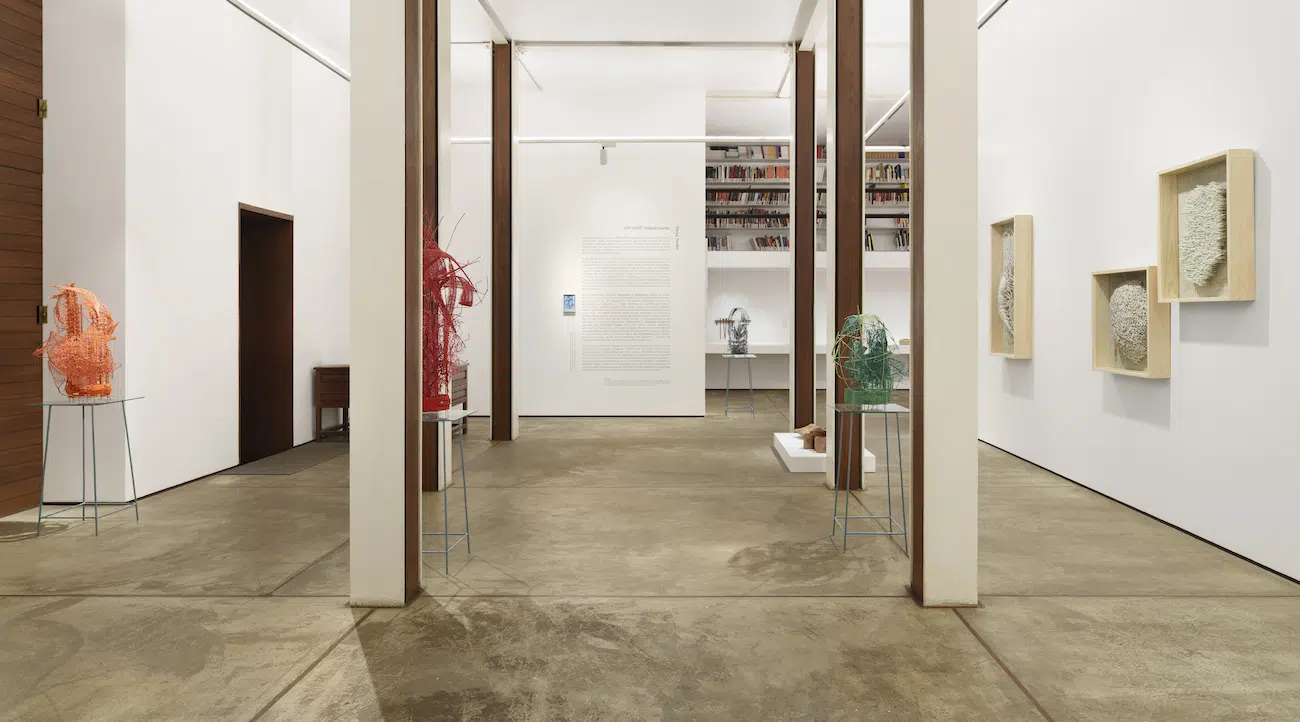
The exhibition brings together four new bodies of work that connect the ocean’s geological past with the challenges facing coastal communities today. Tandel approaches the sea as more than a source of livelihood. It is also a repository of cultural memory.
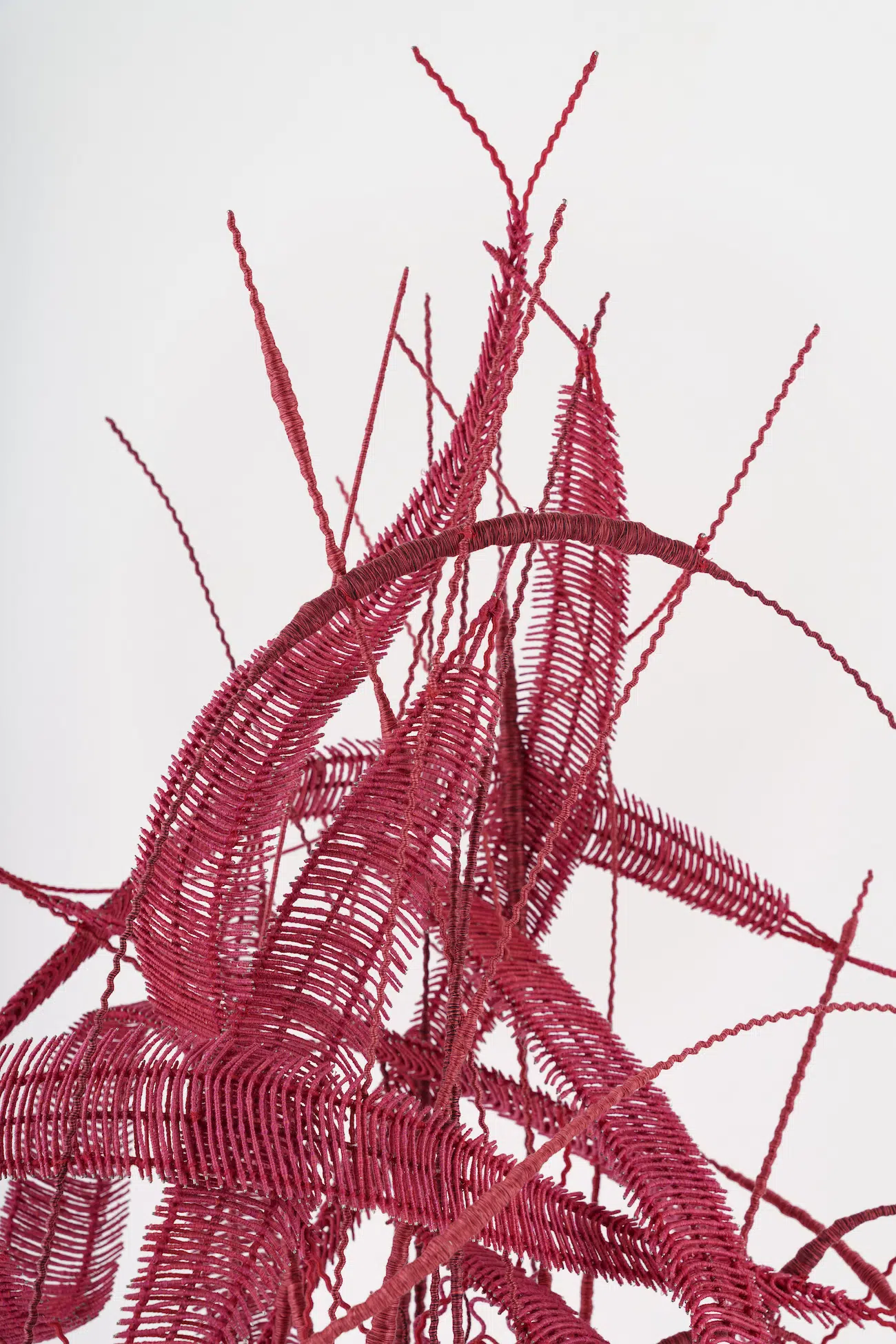
In the Salt Shrines series, Tandel draws inspiration from Koli votive traditions and nature worship. He wraps brightly colored yarn and found materials around metal armatures to create intricate sculptures that evoke handmade ritual objects. The works reference Bharali Puja, an annual ceremony held around the full moon in October. They also reflect the knowledge embedded in everyday practices, from repairing fishing nets to caring for coastal ecosystems.
Tandel explores a different relationship between past and present in his Ancestors series. Using Habur stone, a fossil-rich material from Jaisalmer that formed in an ancient seabed, he casts oil pipes alongside marine life-forms. The resulting works bring traces of prehistoric oceans into contact with modern industrial extraction. This juxtaposition highlights the consequences of fossil-fuel dependence and its impact on traditional fishing livelihoods.
In Vitamin-Sea Archives: Sediments of Intelligence, Tandel turns his attention to the technological demands placed on marine environments. Using cyanotype, a photographic process that produces rich blue images, he creates speculative maps of the ocean floor. Coral reefs and marine organisms appear alongside undersea cables and shipwrecks. These compositions consider the growing demand for seawater desalination to support data centers and artificial intelligence infrastructure, raising questions about the ecological costs of technological expansion.
Other works focus on how cultural knowledge survives across generations. For the Worli Koliwada series, Tandel draws on oral histories and archaeological records alongside illustrated recipes from his mother, Kamal Tandel’s, kitchen. Food becomes a way to trace the community’s history through practices that continue in everyday life.
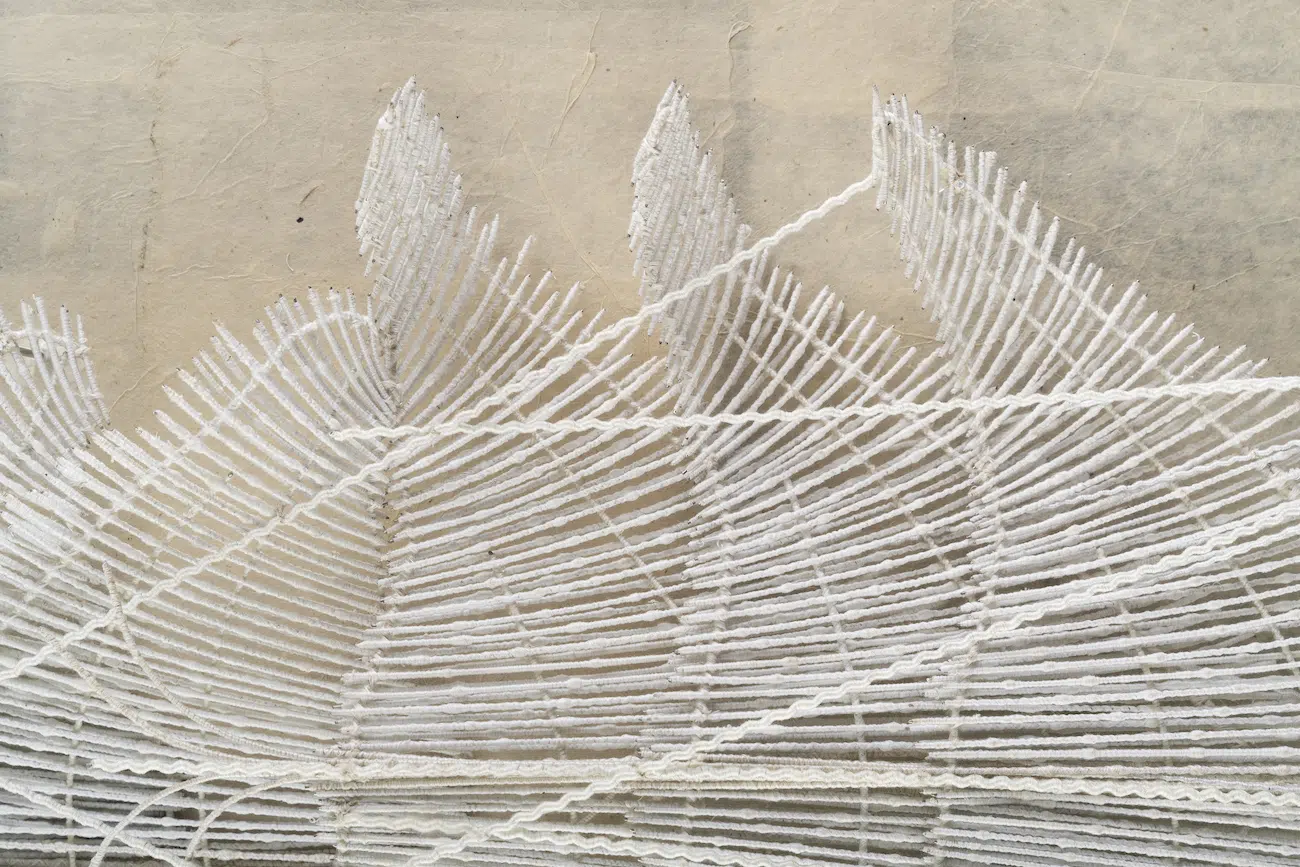
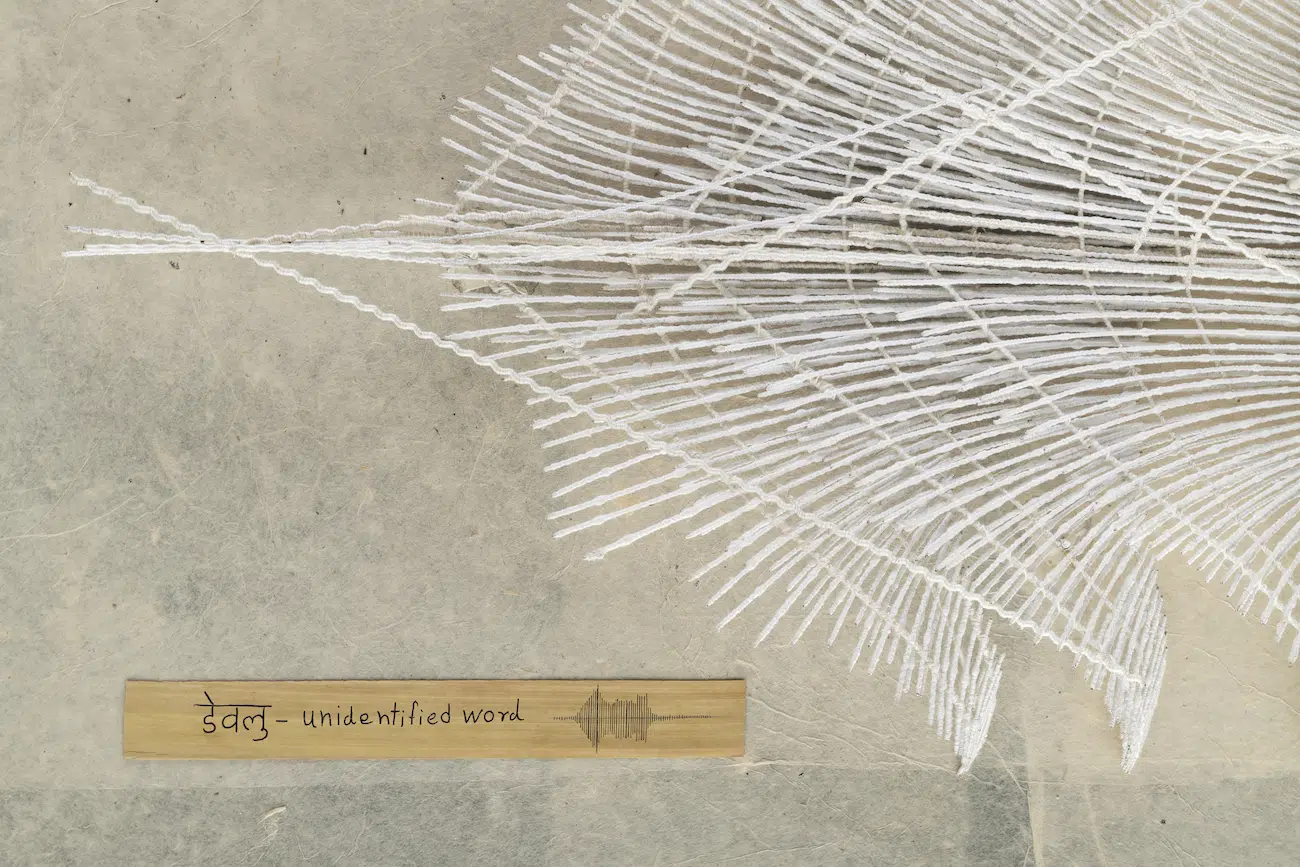
His Estuaries of Waning Sounds: Koli Dictionary Project approaches cultural preservation through language. Tandel translates elements of the Koli vocabulary into sculptural forms incorporating fishing nets, shells, knots, and found objects. The works give physical presence to a language shaped by life at sea.
Together, the exhibition considers what is lost when coastal ecosystems and the communities that depend on them come under pressure. Tandel brings Koli knowledge into a contemporary conversation about environmental change, asserting the importance of preserving the cultural traditions that connect people to the ocean.
Salted Caviar by Parag Tandel is now on view at TARQ in Mumbai through October 17, 2026.
In an exhibit titled Salted Cavier, artist Parag Tanded draws on Koli ritual traditions to honor the relationship between Mumbai’s fishing communities and the natural world.
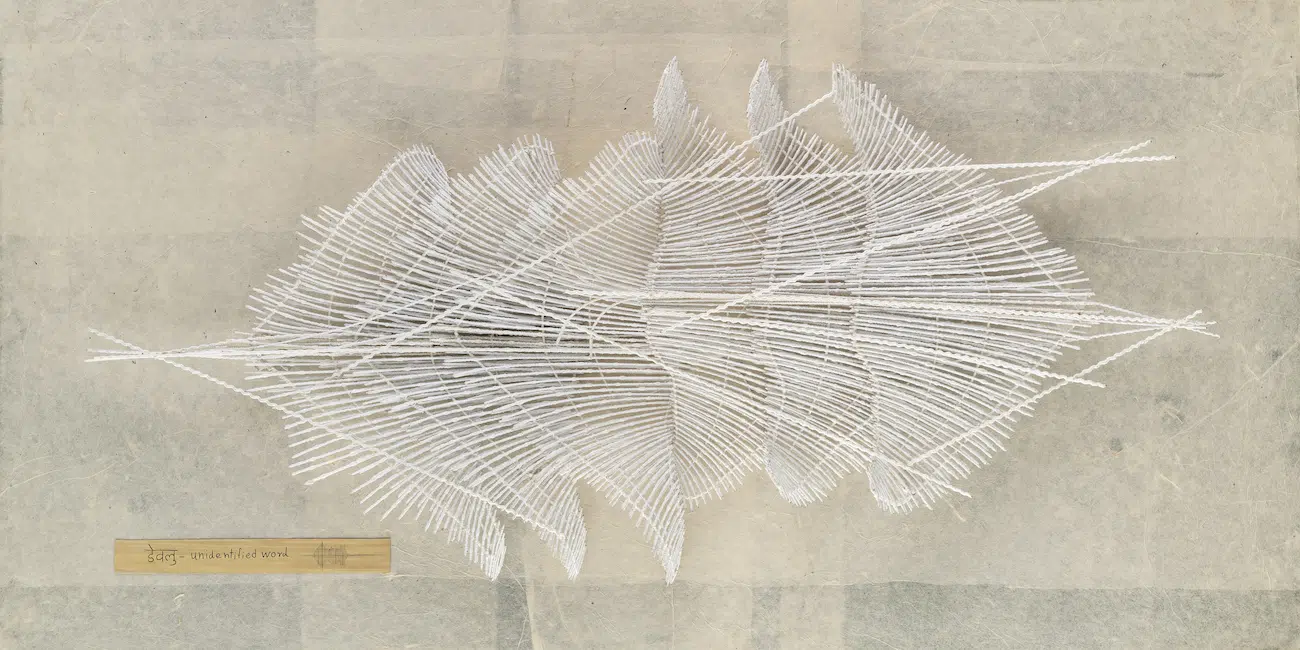
Parag Tandel, Estuaries of Waning Sounds: Koli Dictionary Project 8, 2026. Cotton polyester thread, stainless steel wire and rice paper on MDF board, 48 x 24 x 3.5 inches. Framed size: 49.4 x 25.3 x 5.8 inches. Copyright Parag Tandel, 2026. Courtesy of Parag Tandel and TARQ
Using fossil-rich stone and cyanotype, Tandel examines how industrial extraction and emerging technologies threaten marine ecosystems.
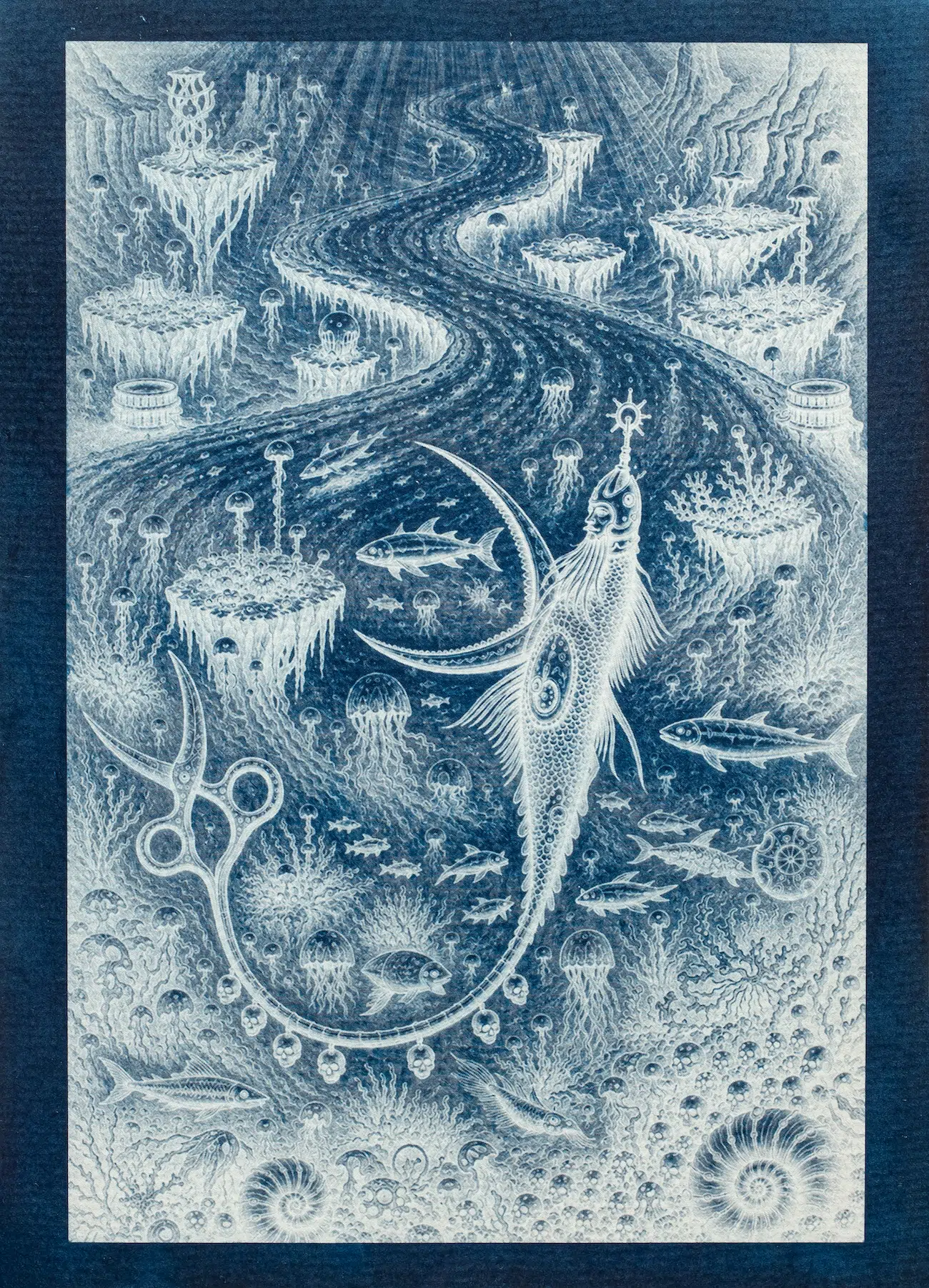
Parag Tandel, Vitamin Sea Archives: Sediments of Intelligence – 27, 2026, Cyanotype on Archival watercolor paper, washed in local seawater and freshwater, 8.3 x 5.9 inches. Copyright Parag Tandel, 2026. Courtesy of Parag Tandel and TARQ
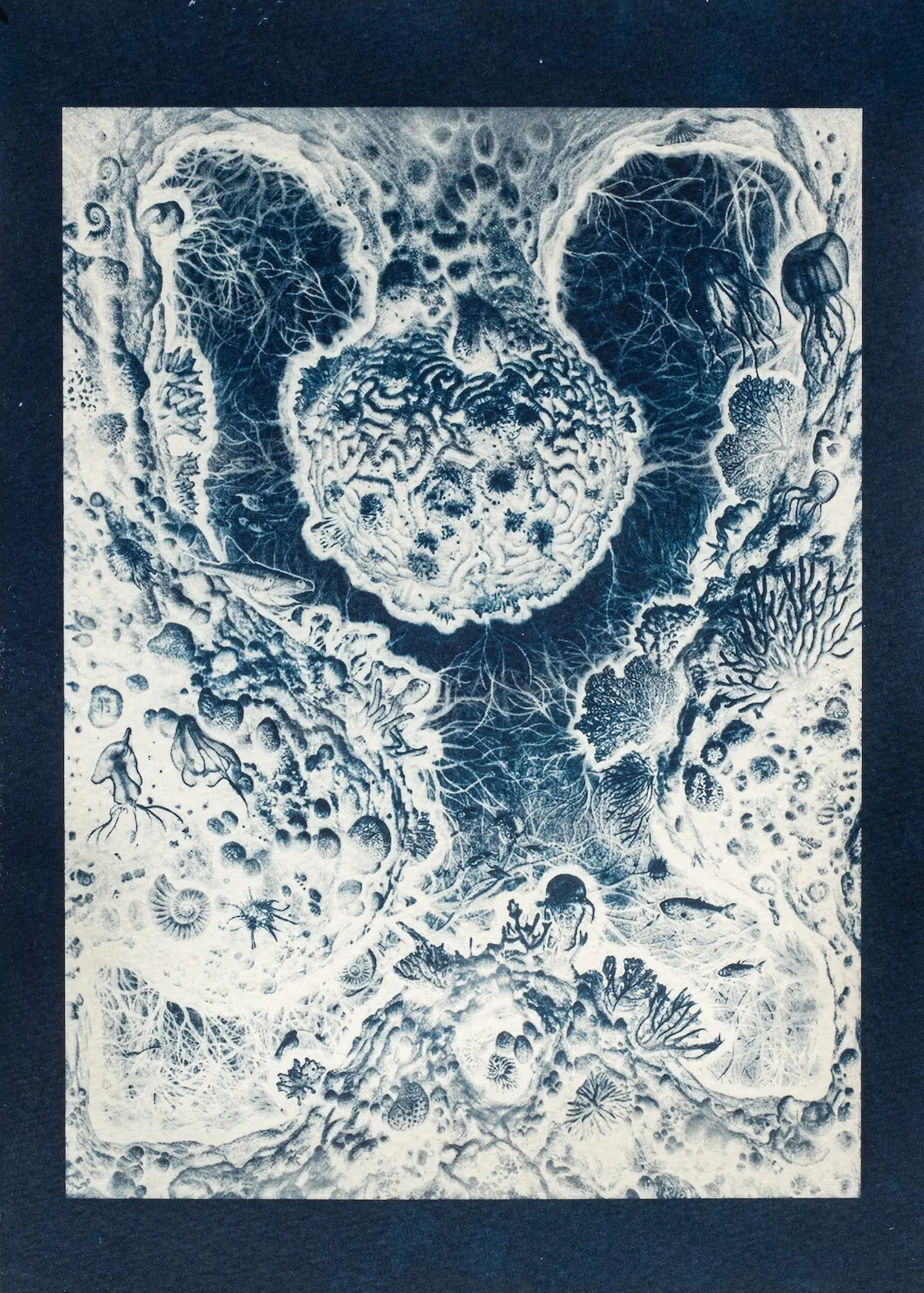
Parag Tandel, Vitamin Sea Archives: Sediments of Intelligence – 22, 2026 Cyanotype on Archival watercolor paper, washed in local seawater and freshwater, 8.3 x 5.9 inches. Copyright Parag Tandel, 2026. Courtesy of Parag Tandel and TARQ
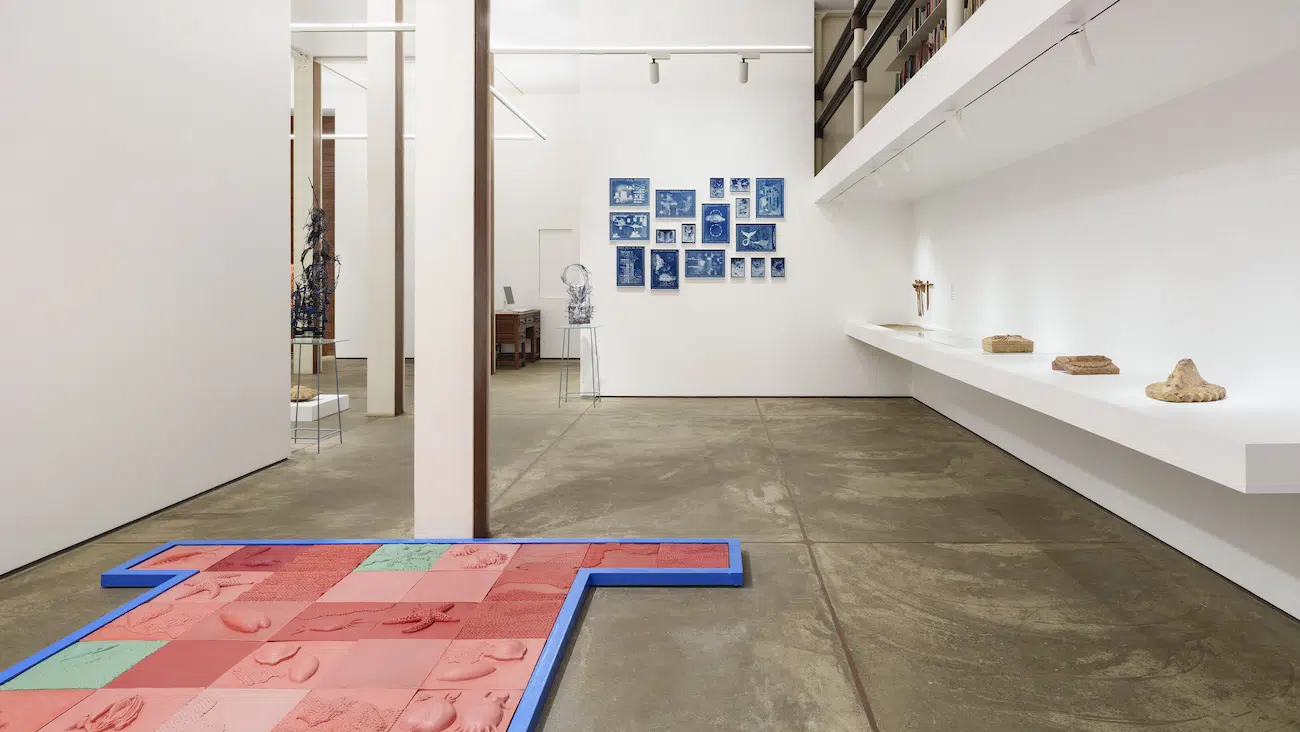
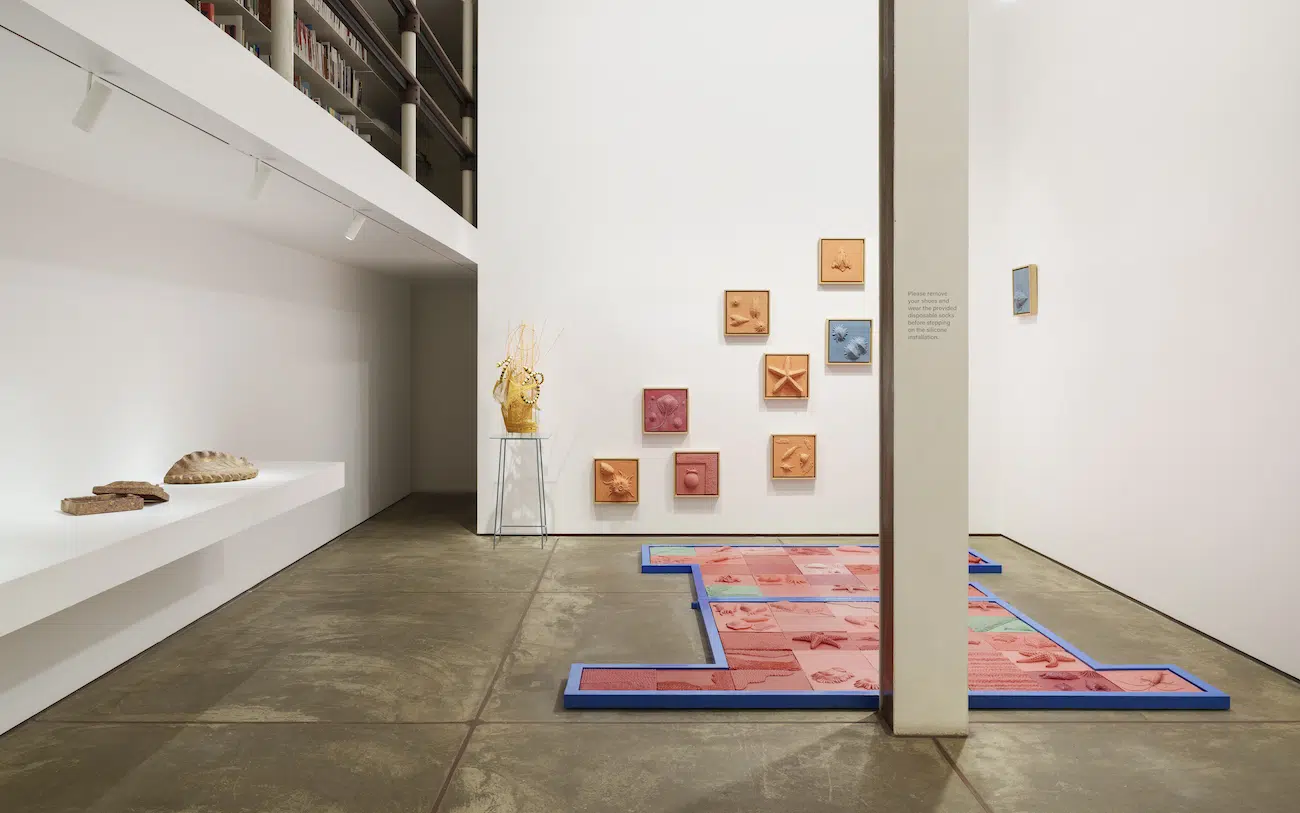
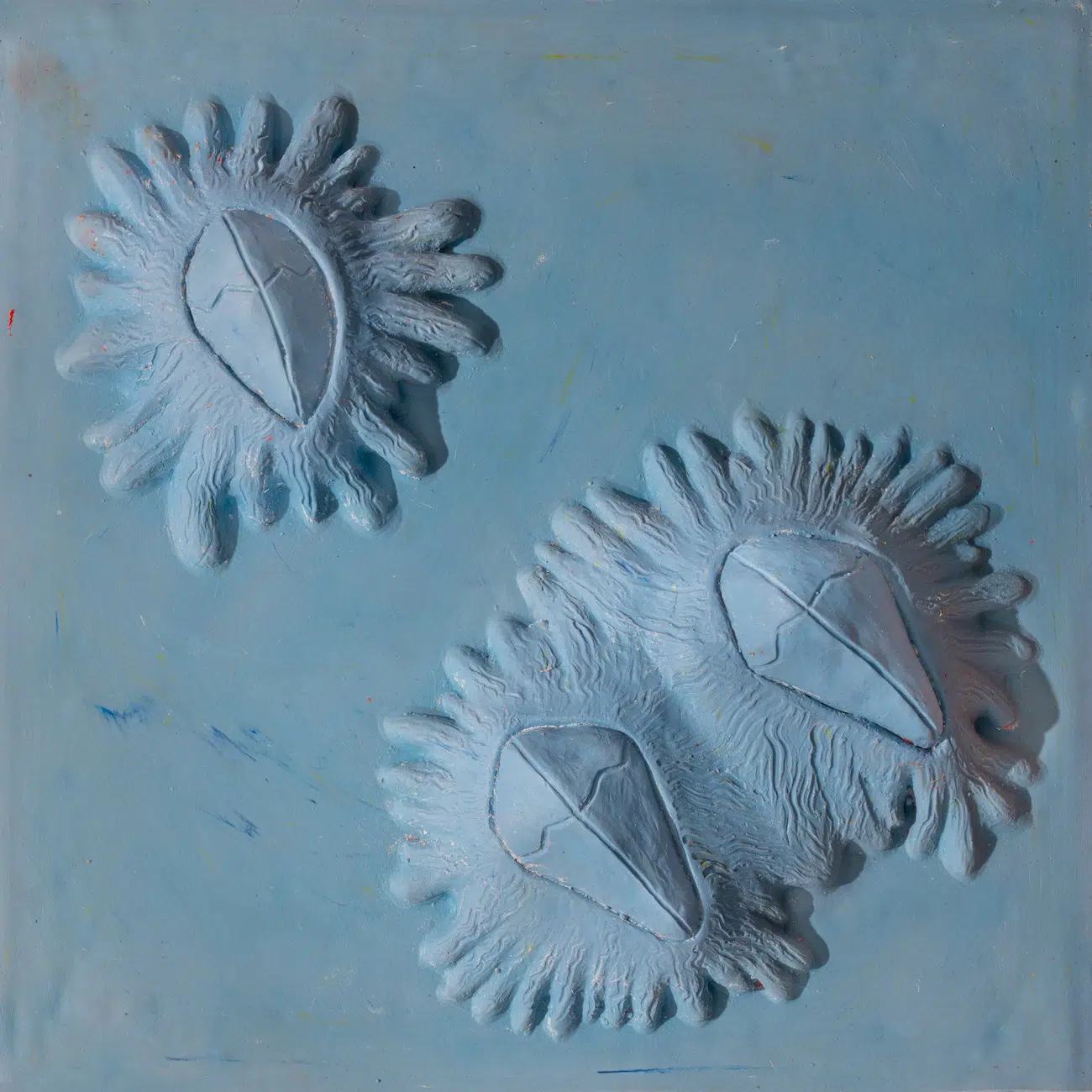
Parag Tandel, Sea of Relation – 3, 2026. Silicone rubber reinforced on marine plywood, cotton fabric, 11.9 x 11.9 inches x 2.4 inches. Copyright Parag Tandel, 2026. Courtesy of Parag Tandel and TARQ
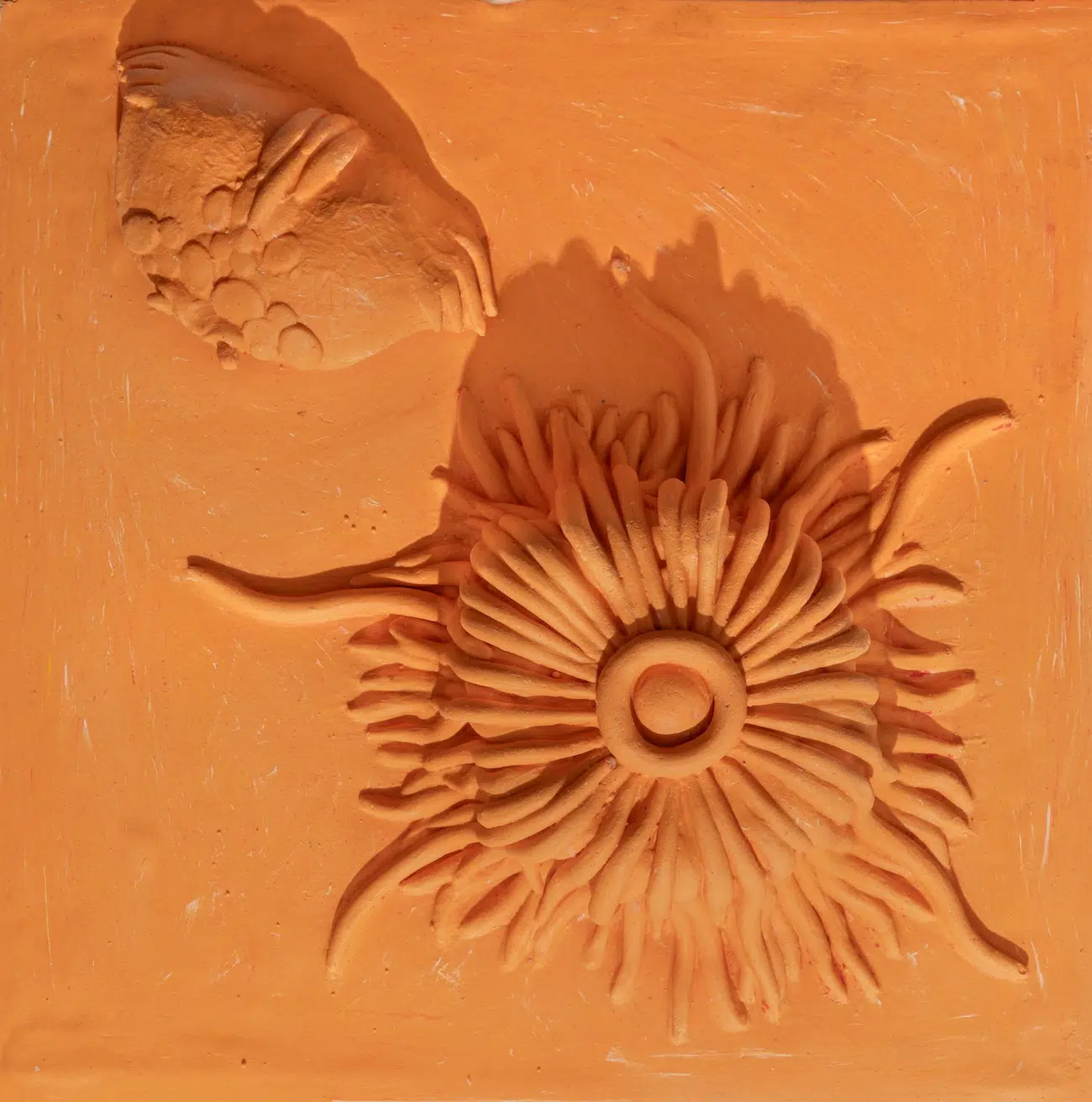
Parag Tandel, Sea of Relation – 2, 2026. Silicone rubber reinforced on marine plywood, cotton fabric, 11.9 x 11.9 inches x 2.9 inches. Copyright Parag Tandel, 2026. Courtesy of Parag Tandel and TARQ
From illustrated family recipes to woven fishing nets, the exhibition preserves Koli knowledge through the materials and practices of everyday life.
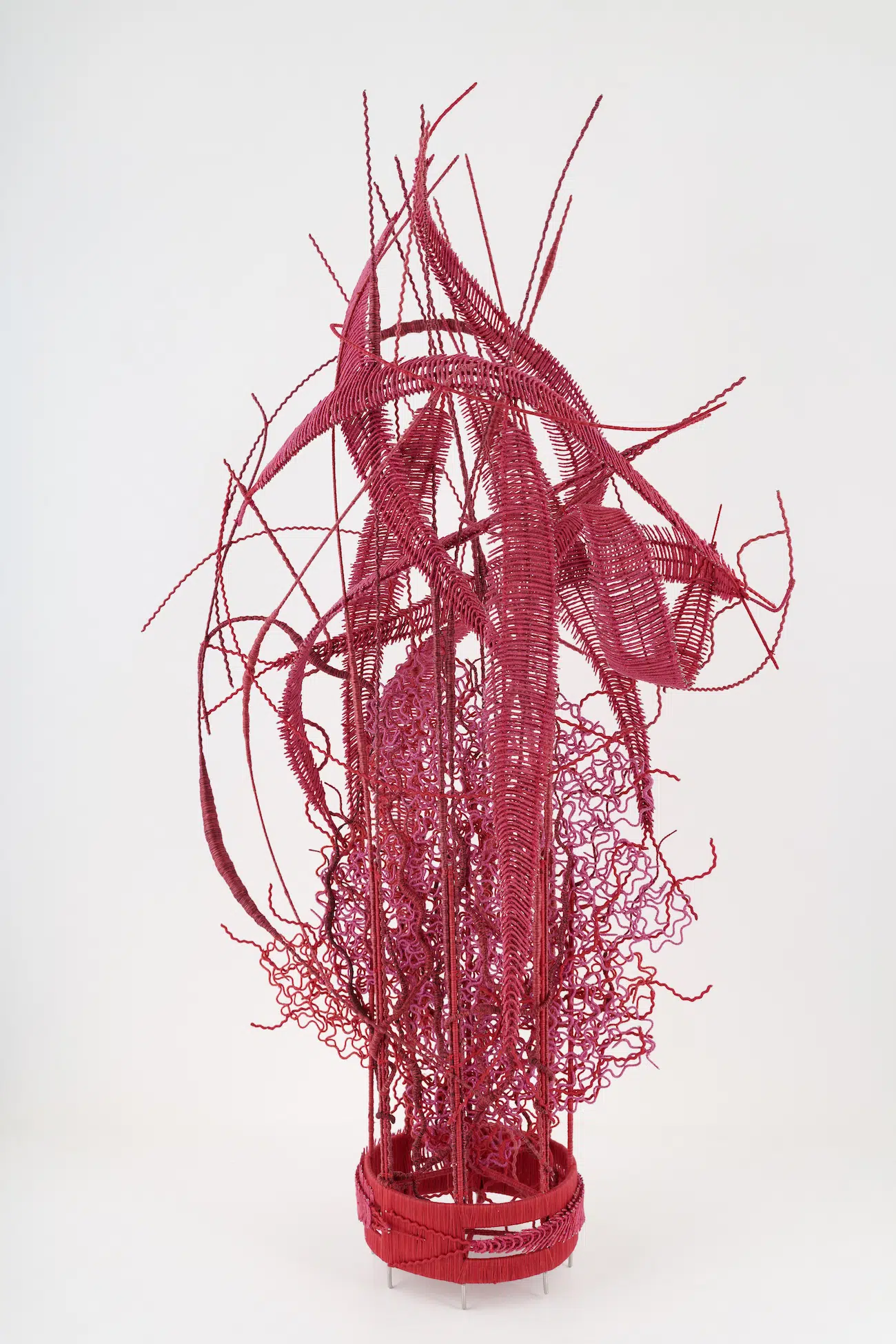
Parag Tandel, SALT SHRINES: Colour Blind/ वर्णान्ध series (6), 2026. Stainless steel wire and polyester and cotton thread 45 x 26 inches. Base Diameter: 8 inches. Copyright Parag Tandel, 2026. Courtesy of Parag Tandel and TARQ