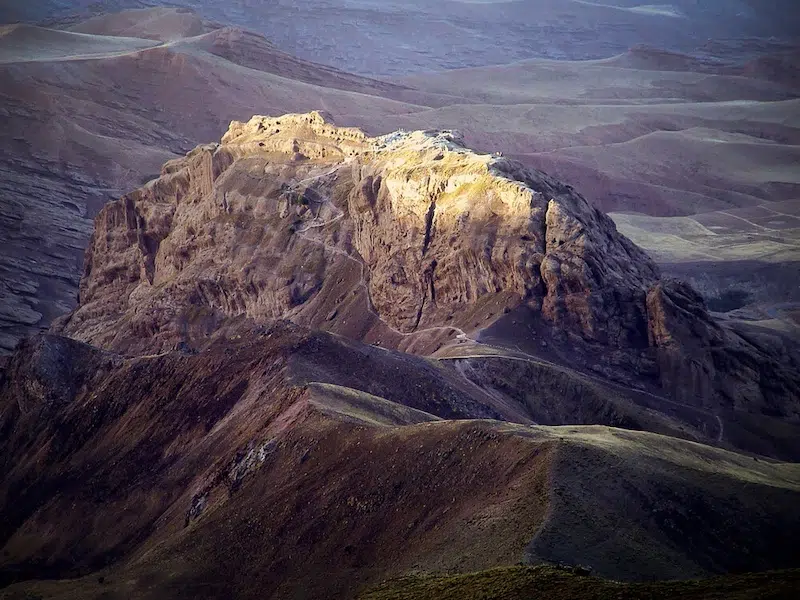
Alamūt Castle, Iran. (Photo: Mohammad Mahmoudi © ACHB)
During the 48th session of the World Heritage Committee in Busan, South Korea, last month, UNESCO added 25 new sites to its World Heritage List. Among them were ancient sites in Lebanon, Palestine, and Iran, helping to protect cultural heritage in regions affected by conflict.
In Iran, Alamūt Castle and six related fortifications were added to the list. Nestled in the dramatic Alborz Mountains, the network was once the political and cultural heart of the Nezāri Ismaʿilis, an influential Islamic community. While the castles were built for defense, they also became centers of scholarship and learning, helping the community flourish until the fall of Alamūt in 1256. Today, the fortifications stand as a reminder of the group’s resilience and lasting influence on the region’s history.
Meanwhile, in southern Lebanon, five castles across the historic region of Jabal Amel were also given UNESCO status. Perched on strategic hilltops, the fortresses once protected important trade routes and formed a powerful defensive network that was used and expanded by Crusader, Ayyubid, Mamluk, Ottoman, and local rulers over hundreds of years. Together, they offer a fascinating record of how military architecture evolved through centuries of cultural exchange between Europe and the Near East.
In Palestine, one of the West Bank’s most important archaeological sites named Sebastia was inscribed on UNESCO’s World Heritage List under emergency procedures whilst being simultaneously placed on its World Heritage in Danger List. The site is one of six to be placed on the Danger List by the committee, including Lebanon’s Mount Amel Castles. The site has more than 3,000 years of history, and includes a Byzantine-era church, Roman columns, and olive trees that are vital for the survival of the local community.
In November 2025, Mahmud Azem, the mayor of Sebastia, received a notice from Israeli authorities announcing the seizure of the entire archaeological site. The Israeli government had already announced plans to develop the area, raising concerns about the future of its ancient ruins. Now that Sebastia has been inscribed on UNESCO’s World Heritage List—and also added to the List of World Heritage in Danger—any future excavations or development are expected to follow international heritage protection standards and will come under greater international scrutiny.
As UNESCO explains, “Activities and excavations must adhere to international law and be conducted with the consent and cooperation of all concerned parties, in line with the 1956 Recommendation on International Principles Applicable to Archaeological Excavations, as well as with the principles of the 1954 Hague Convention and the 1972 World Heritage Convention. These frameworks aim to prevent damage and ensure protection of cultural heritage in all its forms.”
Learn more about all 25 newly added sites on the UNESCO website.
During the 48th session of the World Heritage Committee in Busan, South Korea, last month, UNESCO added 25 new sites to its World Heritage List.
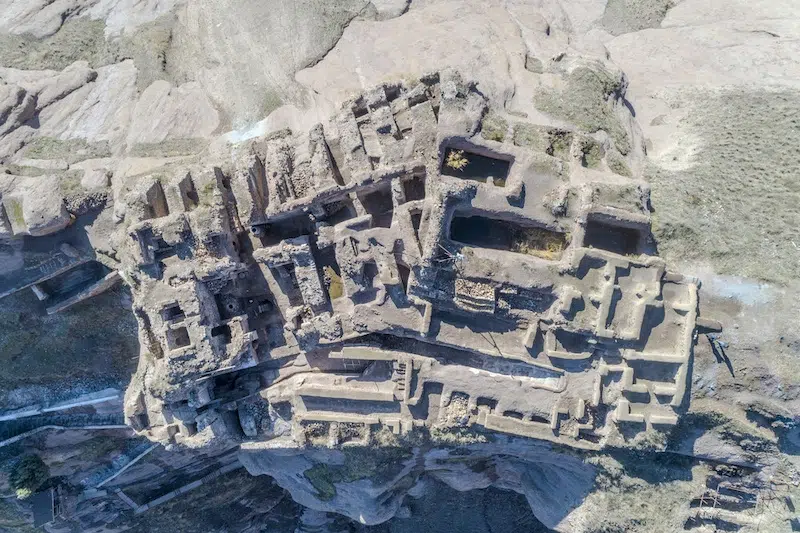
Alamūt Castle, Iran. (Photo: Payam Entekhabi © ACHB)
Among them were ancient sites in Lebanon, Palestine, and Iran, helping to protect cultural heritage in regions affected by conflict.
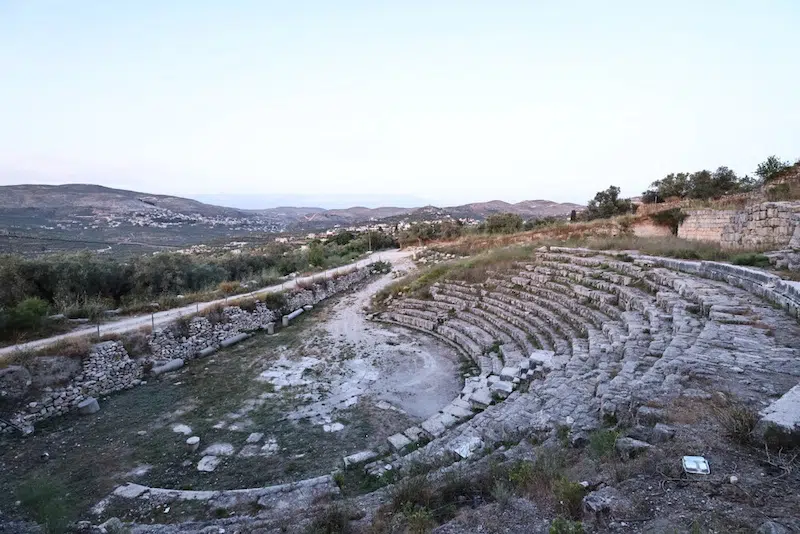
The Roman Theatre with the village of Sebastia in the background, Palestine. (Photo: MoTA © MoTA)
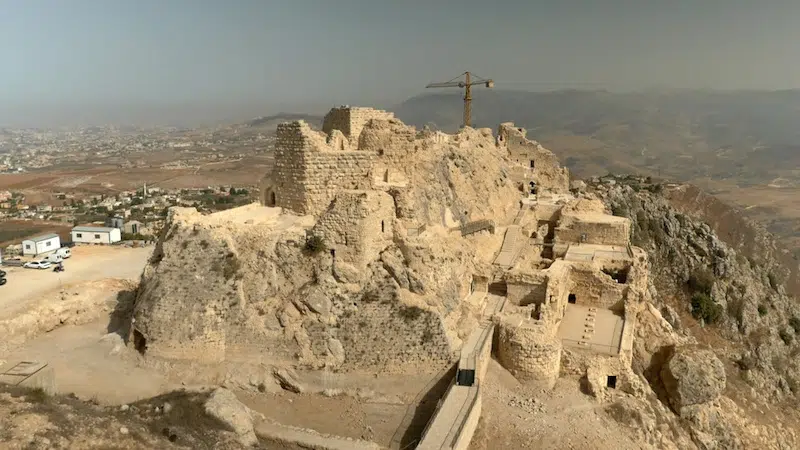
Qalaat al-Chakif (Beaufort Castle), Lebanon. Photo: Jean Yasmine. © Directorate General of Antiquities (DGA)
Other additions to the list include significant and ancient sites in India, China, France, and more.
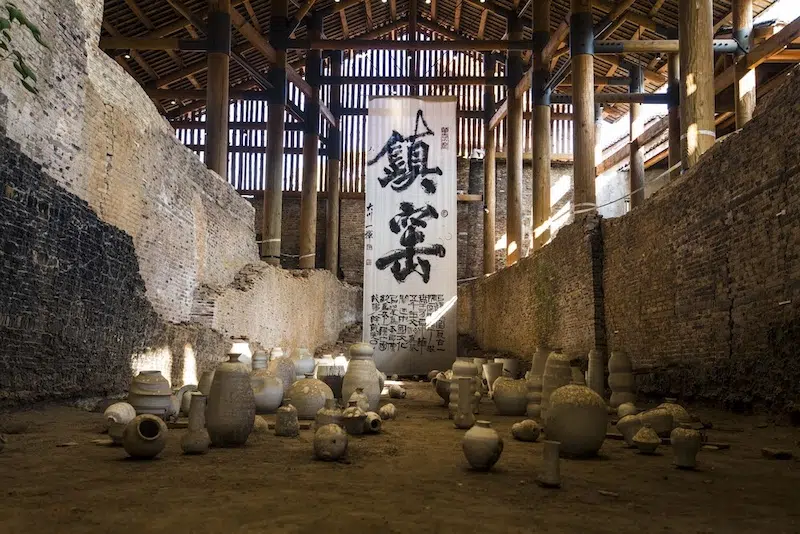
Huanglaodayao Kiln Remains, China. (Photo: Chen Kai © Jingdezhen Handicraft Porcelain Industry Heritage Conservation Center)
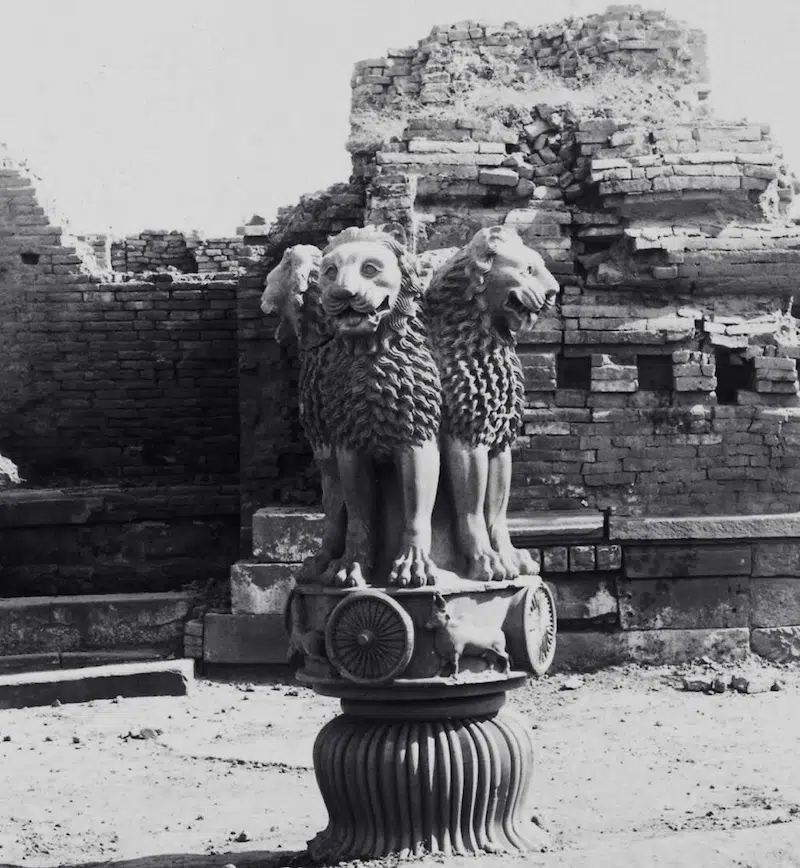
Ancient Buddhist Site of Sarnath, India. (Photo: Archaeological Survey of India © Archaeological Survey of India)
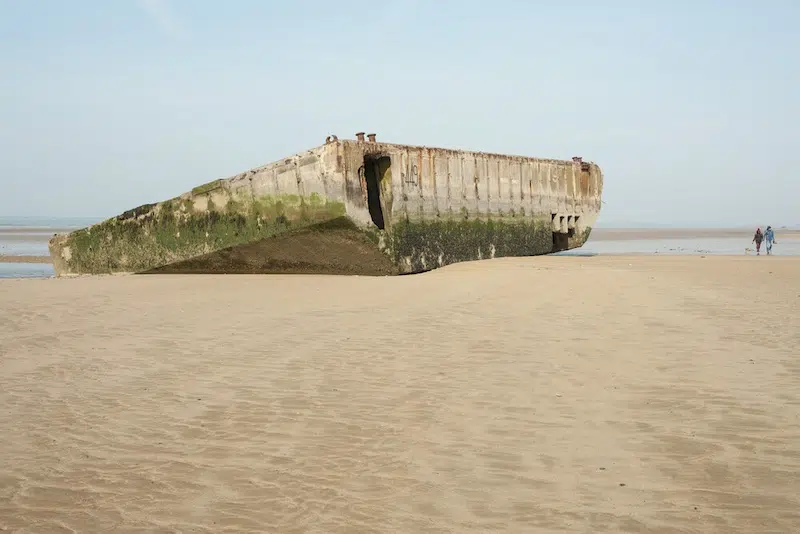
Beaches of the D-Day Landings, Normandy. Gold Beach, Lobnitz unloading platform extension, located on the beach at Arromanches-les-Bains. (Photo: Manuel de Rugy © Région Normandie – Manuel de Rugy)
UNESCO: Website | Instagram | Facebook
Source: New Inscribed Properties 2026
All images via UNESCO.
Related Articles:
42 New Sites Added to the UNESCO World Heritage List
Get a Bird’s-Eye View of UNESCO World Heritage Sites Across the Globe
New Exhibition Explores Palestinian Stories of Displacement Across Generations
These Rare Daguerrotypes Are the Earliest Surviving Photos of Iran in the 1850s