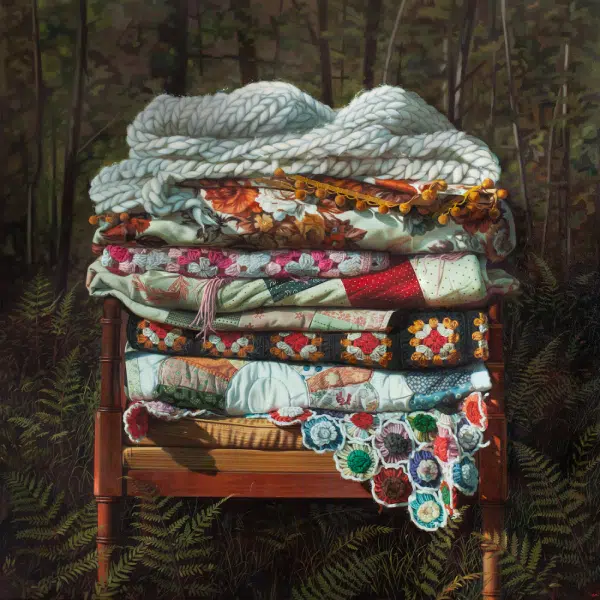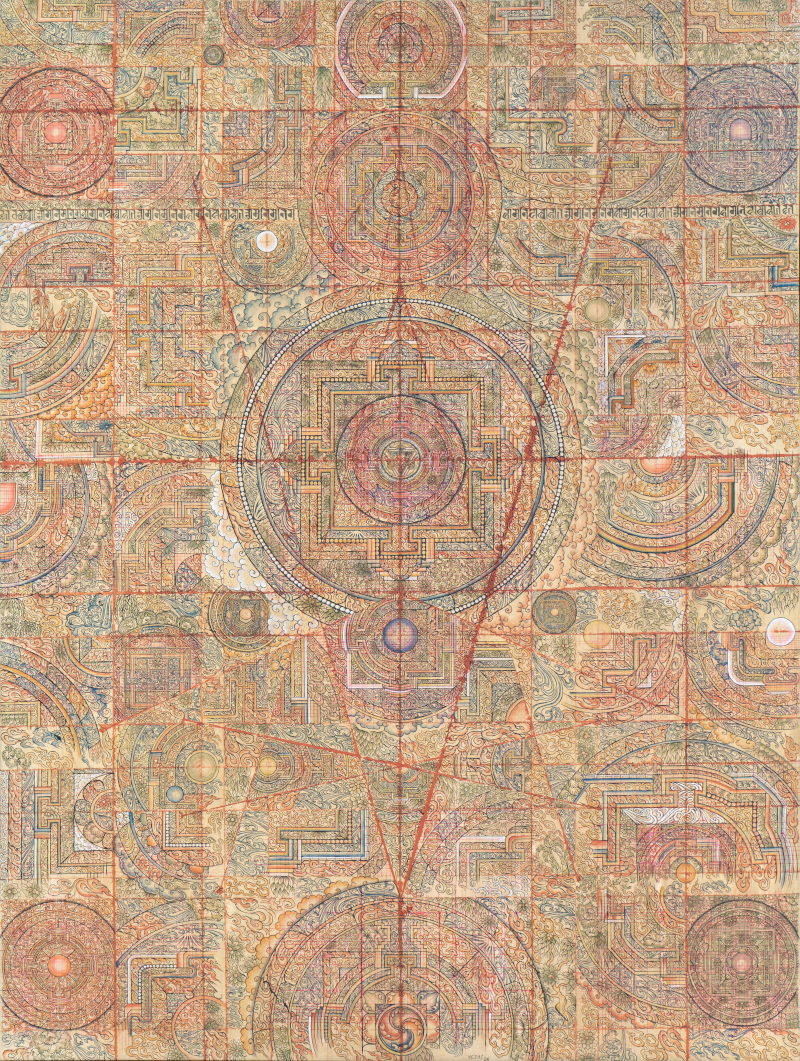
“The Path and Paradise.” Medium: Natural Pigment on Traditional Handmade. Canvas Size: 3 X 4 ft.
For Bhutanese artist Yeshi Pelden, tradition is not a fixed asset passed down from one generation to the next. Instead, he sees it as a living, breathing entity capable of generating new ideas. This concept sits at the center of his artistic practice, as seen in his intricate paintings that bring past and present together on the same canvas.
Pelden draws from the longstanding tradition of Thangka painting. This Tibetan art style serves as a key meditative tool in Buddhist practice, using ground mineral pigments on cotton or silk. Inspired by the intricate line work, geometry, symbolism, and spiritual foundations of these ancestral artworks, Pelden reimagined these elements through a contemporary approach shaped by his own life experiences.
Pelden was born in Bumthang, which is considered the spiritual heartland of Bhutan. But for all the influence Buddhism has on his work, his artistic journey began with an intimate family moment. “I developed a profound passion for art while assisting my uncle, a painter, during a winter vacation,” says Pelden.
This later inspired him to study at the National Institute for Zorig Chusum (NIZC), which is devoted to preserving and promoting Bhutan’s traditional arts and cultural heritage. In a full-circle moment, he now works as a painting instructor at NIZC, continuing the cycle of safeguarding his homeland’s visual arts legacy.
Pelden’s work is strongly connected to his day job: where one introduces new generations to ancient techniques and motifs, the other keeps tradition alive by letting it evolve into new forms of expression. “Traditional art has its own discipline and principles, but carrying it forward also gives us room to express it in our own voice,” Pelden told the Bhutanese Broadcasting Service.
“People often try to separate traditional and contemporary art, but I don’t think we really need to. Traditional art has its own discipline and principles, but contemporary art is more about how we express those elements in our own way,” the artist added. “I think bringing traditional elements into contemporary expression can make the art more relatable and create an opportunity to introduce our art to people outside Bhutan.”
Eugene Kim, My Modern Met Editor-in-Chief, visited Pelden’s solo show, Perseverance, at VAST Bhutan as part of Lungta Art Festival 2026. This experience was part of a trip with luxury tour company MyBhutan, which gave him a front-row seat to the rich cultural heritage of this South Asian nation.
To stay up to date with the artist, follow Pelden on Instagram.
Bhutanese artist Yeshi Pelden creates intricate paintings that bring together past and present on the same canvas.
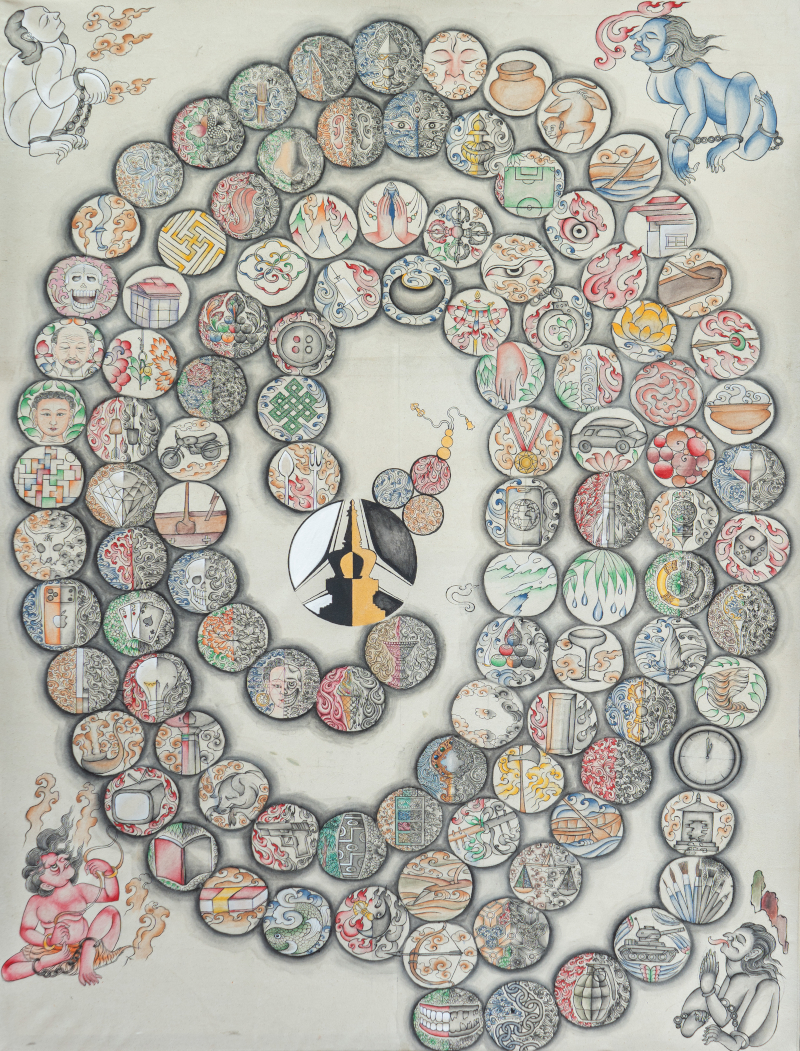
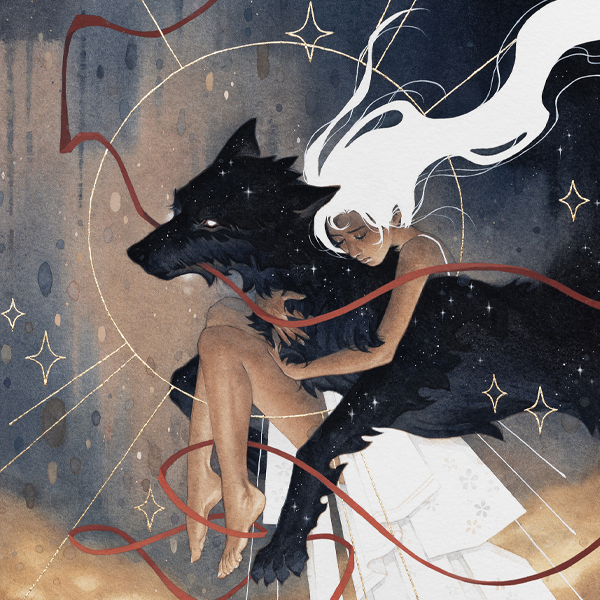
“The Mind Within 108 Beads,” Medium: Acrylic on Traditional Handmade Canvas. Size: 3 X 4 ft.
Pelden draws from long-standing tradition of Thangka painting, a Tibetan art style that serves as one of the main meditational tools in Buddhist practice.
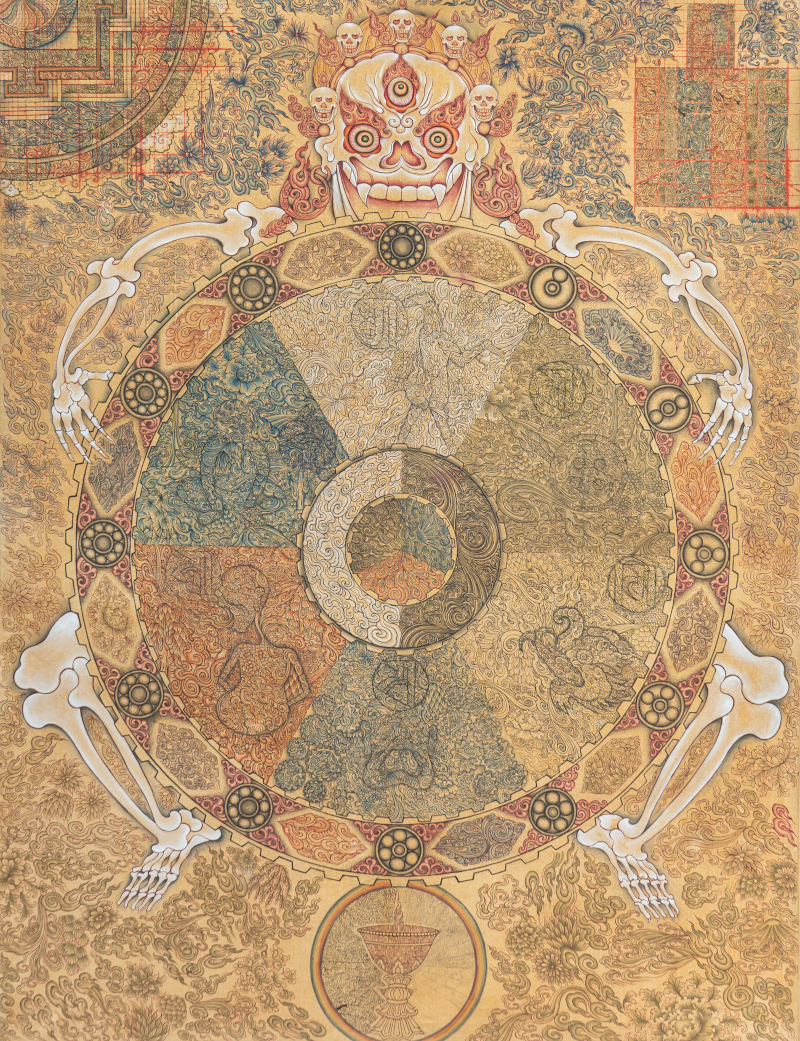
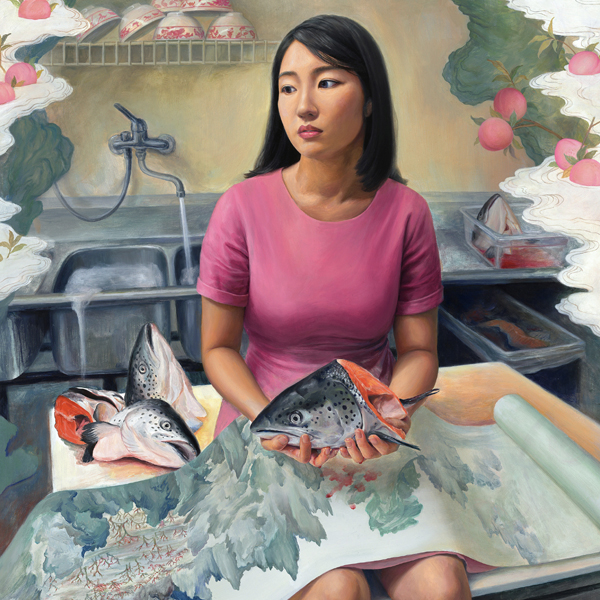
“Wheel of Life,” Medium: Acrylic and Natural Pigment on Traditional Handmade Canvas. Size: 3.5 X 2.8 ft.
Pelden then reimagines these elements through a contemporary approach shaped by his own life experiences.
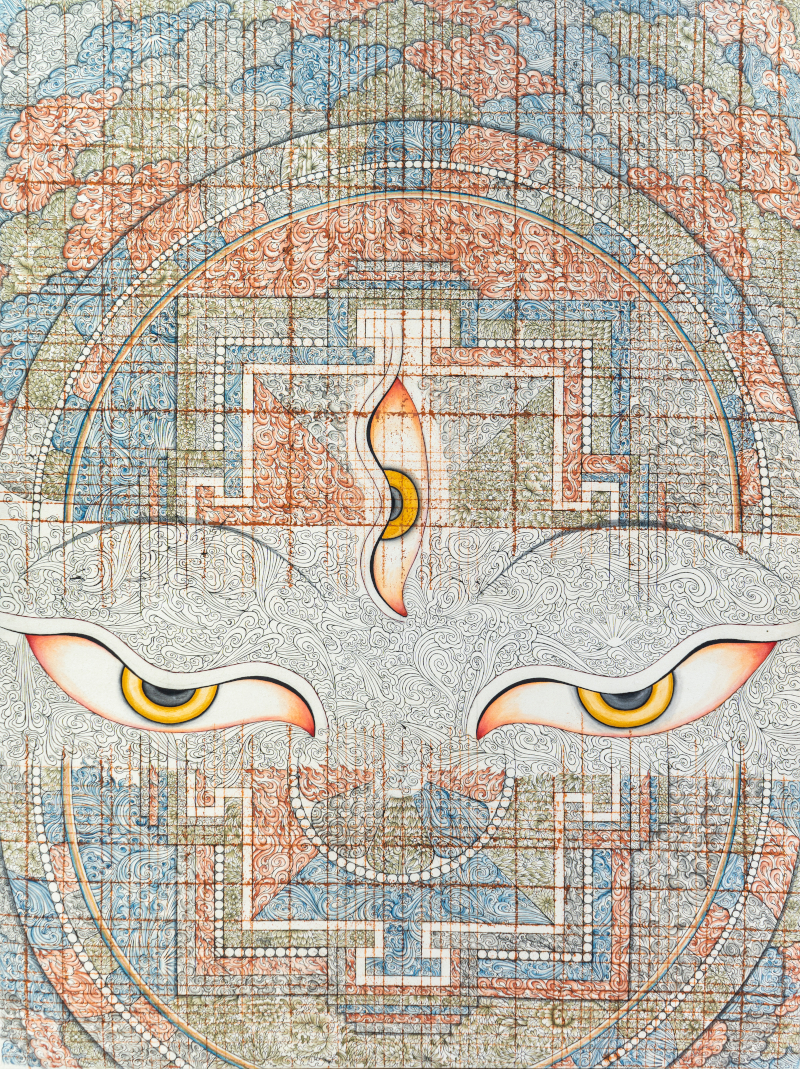
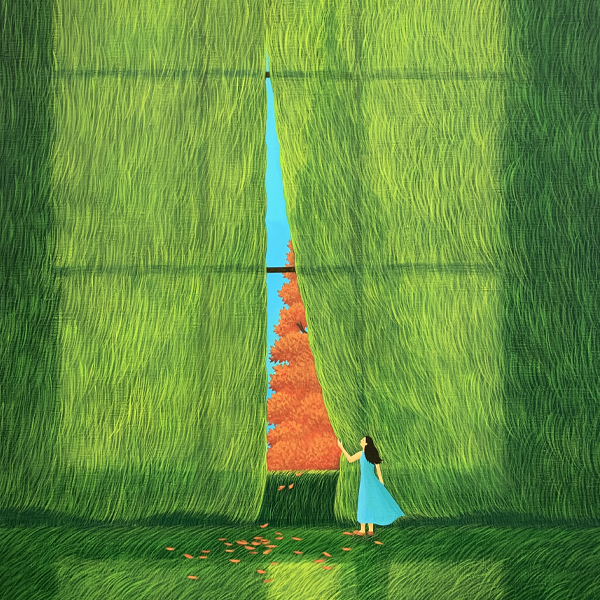
“The Third Eye,” Medium: Acrylic on Traditional Hand Made Canvas. Size: 3 X 4 ft.
“Traditional art has its own discipline and principles, but carrying it forward also gives us room to express it in our own voice,” Pelden says.
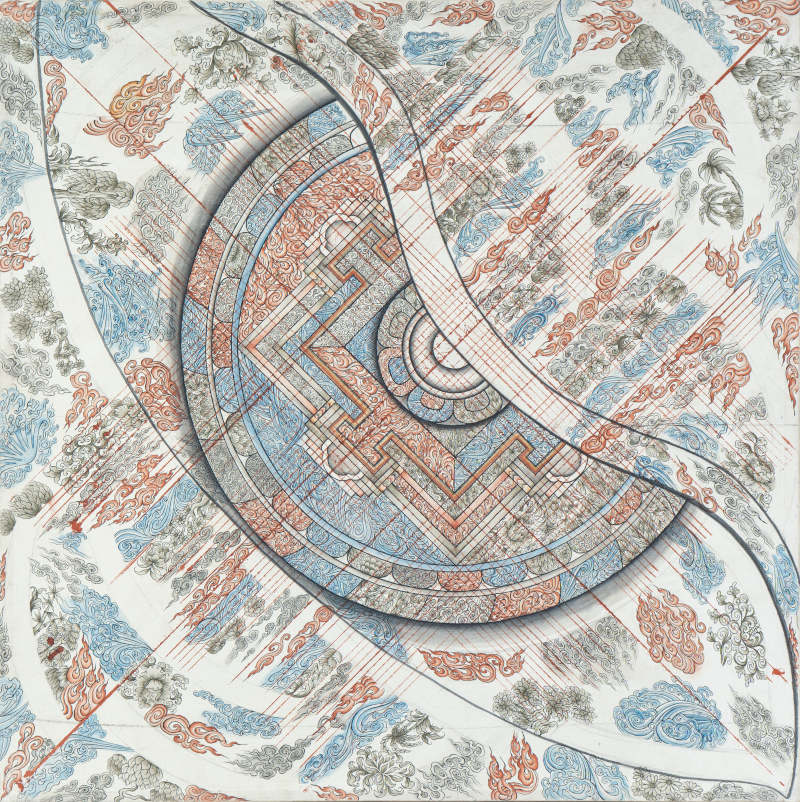
“Globular Eye,” Medium: Acrylic on Traditional Handmade Canvas. Size: 2.6 X 2.6 ft.
Yeshi Pelden: Instagram
My Modern Met granted permission to feature photos by VAST Bhutan.
Related Articles:
Bhutanese Artist Pem Lham Wins International Prize for Reimagining Himalayan Art
Luxury Trip Designer MyBhutan Is Helping You Experience the Country Like Never Before
New Gelephu International Airport Is a Celebration of Bhutanese Culture and Heritage
Interview: Exploring the Rich Cultural Traditions and Sacred Festivals of Bhutan