Photo: Egyptian Ministry of Tourism and Antiquities
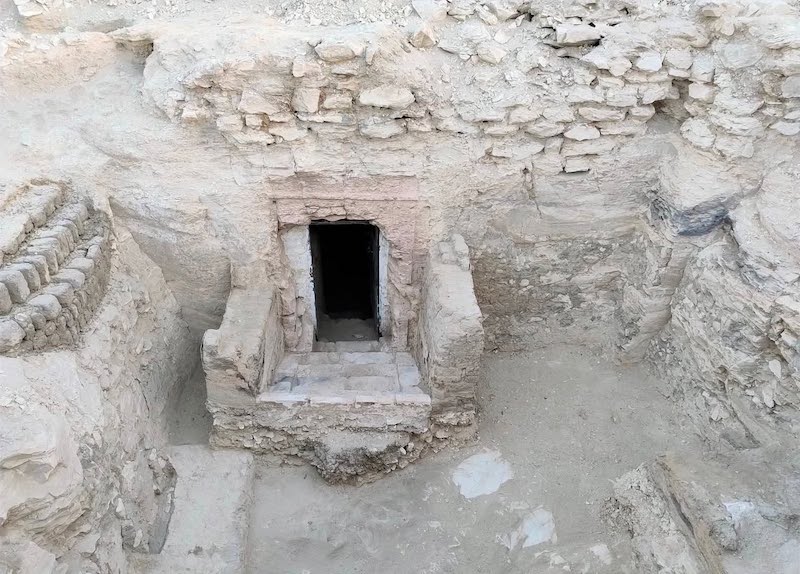
Archaeologists have uncovered a previously unknown tomb on Luxor’s West Bank, revealing colorful wall paintings, inscriptions, and architectural features that offer a new glimpse into burial practices during ancient Egypt’s New Kingdom. A Dutch archaeological mission from Leiden University discovered the tomb in the Lower Sheikh Abd el-Qurna area of the Theban Necropolis during its seventh season of fieldwork.
Inscriptions inside the tomb identify its owner as Paser, while the style and iconography of the painted decoration place the monument within the Ramesside Period, which spanned the 19th and 20th Dynasties. The tomb therefore dates to roughly 3,000 years ago, when Thebes served as one of ancient Egypt’s most important religious and political centers.
The discovery also expands archaeologists’ understanding of how the cemetery developed over time. The tomb sits east of Theban Tomb 45, where the Leiden University mission has conducted research since 2018 in collaboration with Egypt’s Ministry of Tourism and Antiquities. Rather than treating the newly identified monument as an isolated find, researchers can now study it alongside the surrounding tombs to reconstruct the changing burial landscape of Lower Sheikh Abd el-Qurna.
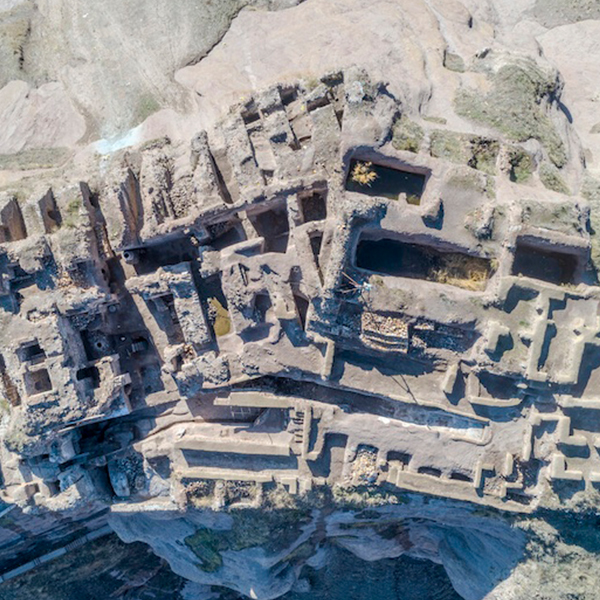
Paser’s tomb follows the architectural pattern archaeologists commonly associate with private Theban burials from the New Kingdom. An open courtyard leads toward a rock-cut chapel with an inverted T-shaped plan, while subterranean burial chambers extend beneath the chapel.
Several features remain remarkably well preserved. Archaeologists found a mudbrick platform with a niche that once held a funerary stela, as well as a staircase flanked by sloping ramps that leads into the tomb. Together, these elements provide physical evidence of how mourners and visitors once approached the monument and participated in its funerary rituals.
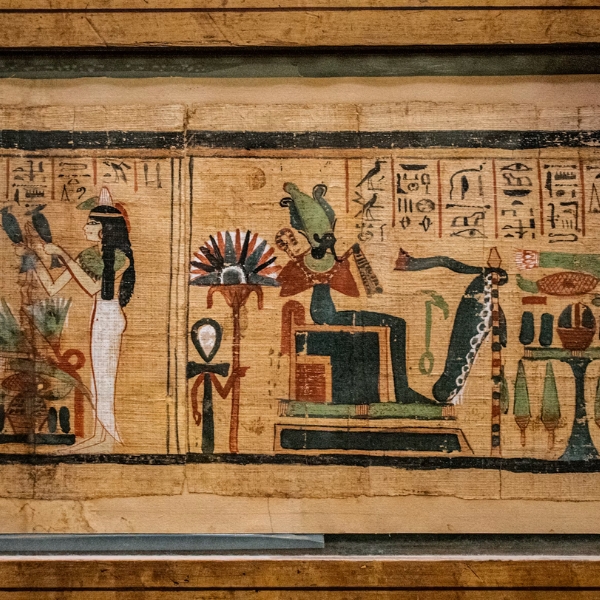
Inside, the tomb preserves remnants of a more colorful world. Painted scenes show Paser worshipping Egyptian deities within shrines and depict him with his wife before an offering table. These images formed part of a larger funerary tradition that connected the deceased with the gods and expressed hopes for continued offerings and existence after death.
The paintings also contain clues about Paser’s household. His wife appears alongside him in the funerary scenes, offering another avenue for researchers to investigate the family and social networks connected to the tomb.
The paintings remain covered by a thin layer of dirt, so archaeologists have not yet exposed their full detail. The excavation team plans to consolidate the tomb’s structure, conserve its painted decoration, and continue documenting the monument during future fieldwork seasons.
For now, the discovery adds another monument to the vast Theban Necropolis, where the tombs of nobles, officials, priests, and other members of elite society preserve a remarkably detailed record of ancient Egyptian beliefs about death, status, family, and the afterlife.
Archaeologists discovered the 3,000-year-old tomb of an ancient Egyptian named Paser in Luxor’s Theban Necropolis.
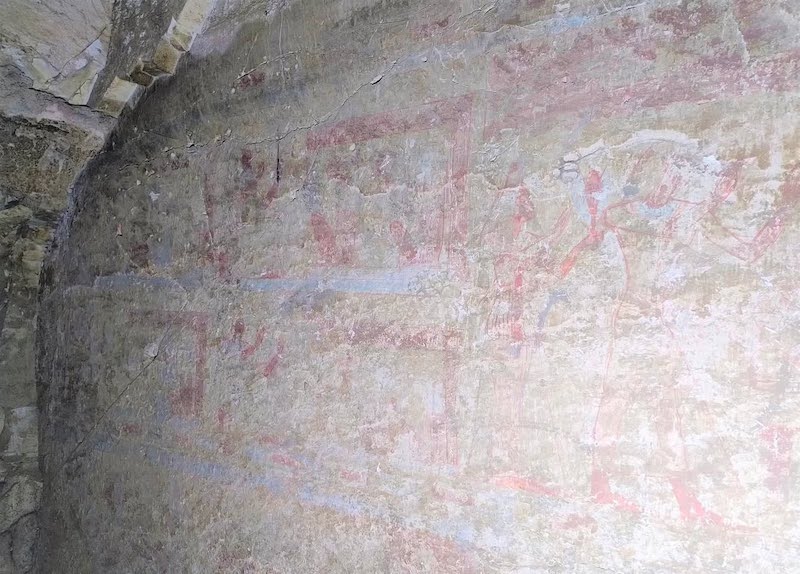
Photo: Egyptian Ministry of Tourism and Antiquities
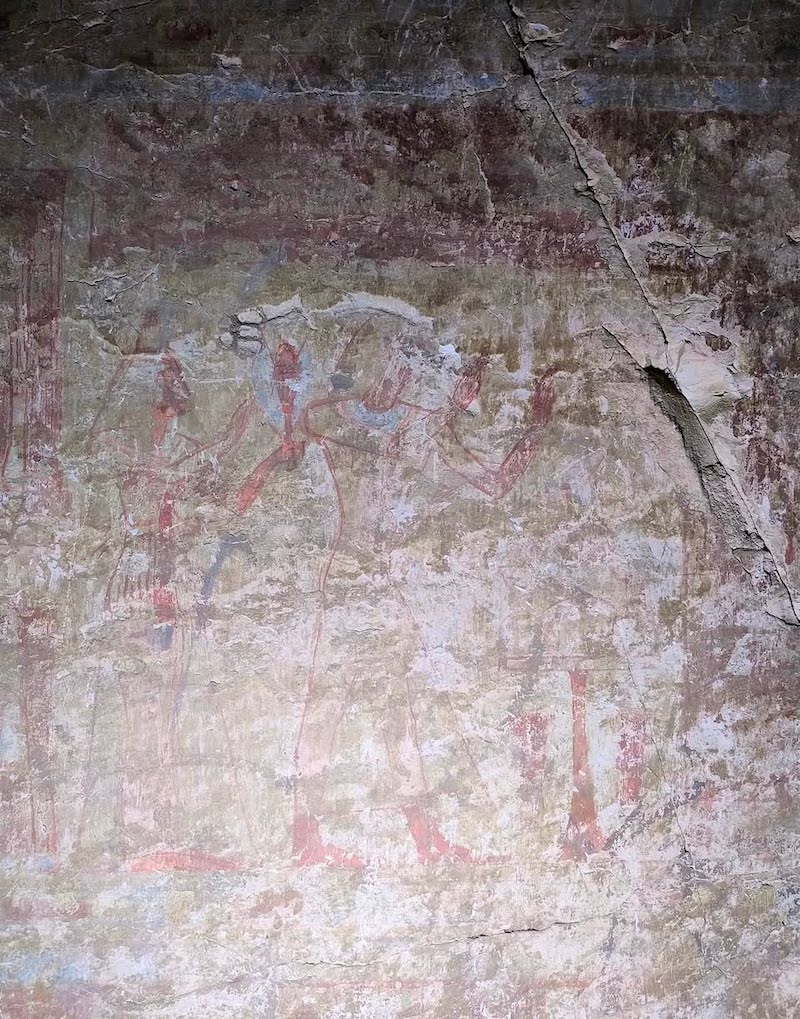
Photo: Egyptian Ministry of Tourism and Antiquities
Dating to the Ramesside Period, the rock-cut tomb features an open courtyard, an inverted T-shaped chapel, and underground burial chambers, giving researchers new evidence of elite funerary architecture and beliefs in ancient Thebes.
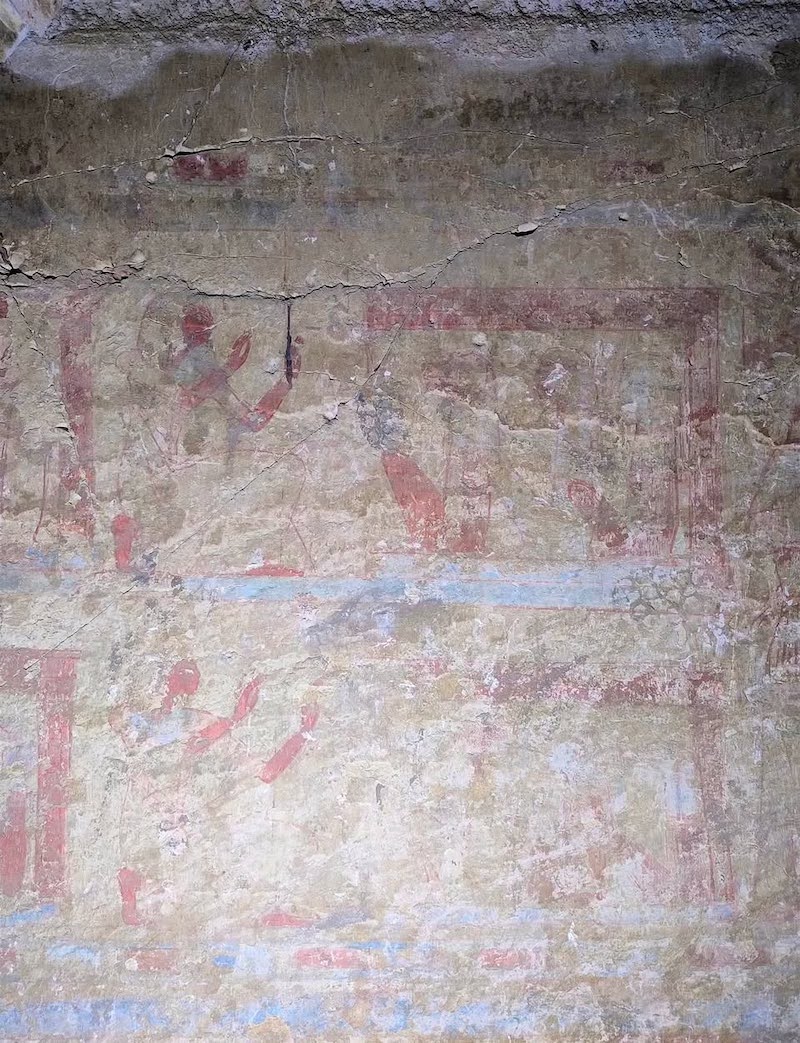
Photo: Egyptian Ministry of Tourism and Antiquities
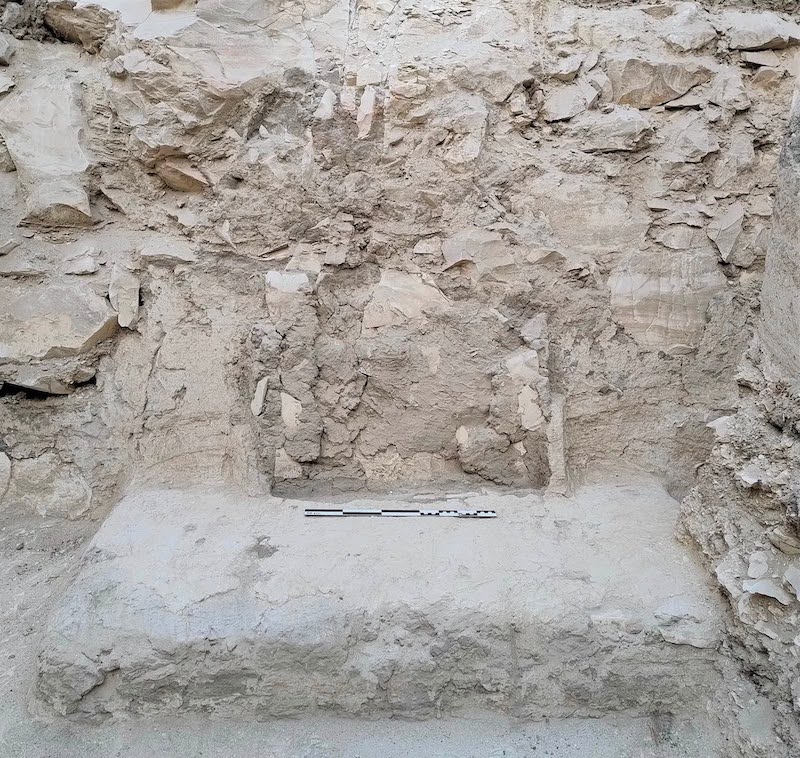
Photo: Egyptian Ministry of Tourism and Antiquities
Sources: A Ramesside tomb uncovered in Luxor’s West Bank; Luxor Archaeological Heritage Foundation
All images via Egyptian Ministry of Tourism and Antiquities.
Related Articles:
1,800-Year-Old Egyptian Kohl Bottle Discovered in England Sheds New Light on Roman-Era Travel
Archaeologists Discover 43,000 Ancient Egyptian “To-Do” Lists Offering a Rare Glimpse of Daily Life
2,000-Year-Old Graffiti Tags From an Ancient Traveler Discovered in Five Egyptian Tombs
Ancient Egyptian Pharaoh Statues Finally Restored After Surviving an Earthquake 2,000 Years Ago