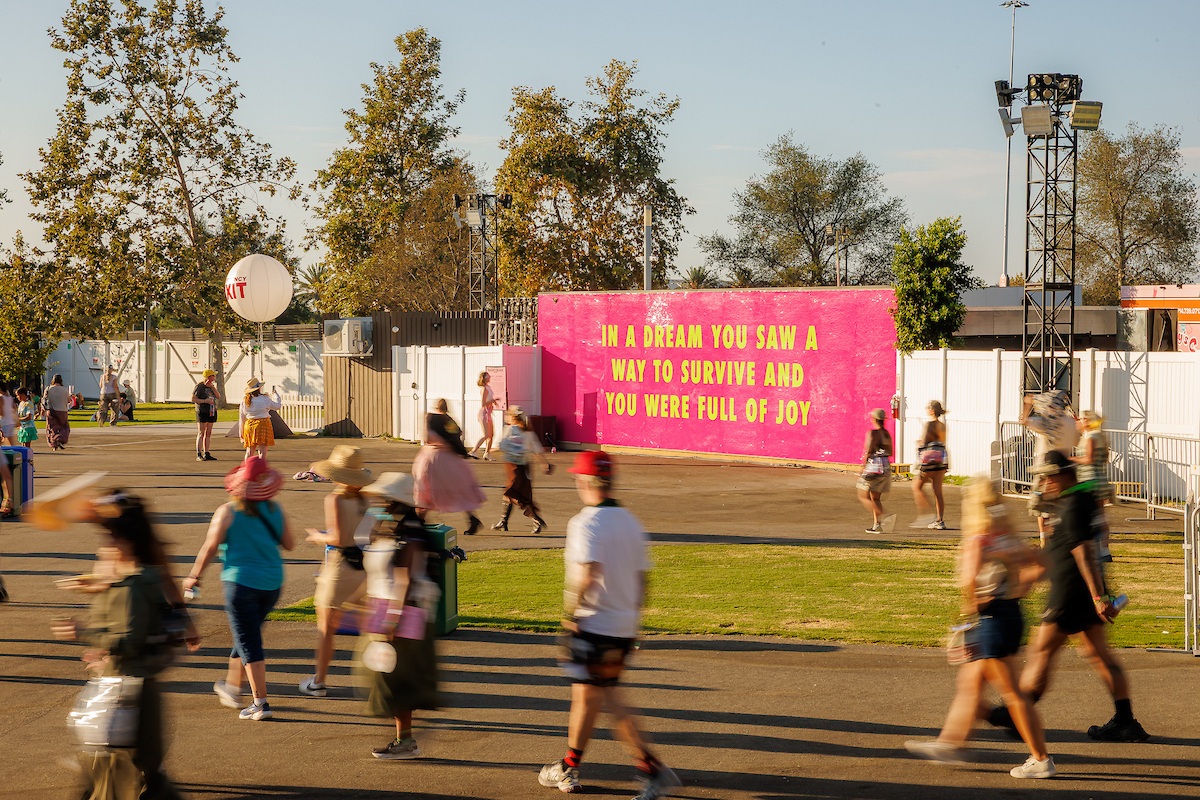
Jenny Holzer, ‘IN A DREAM…’
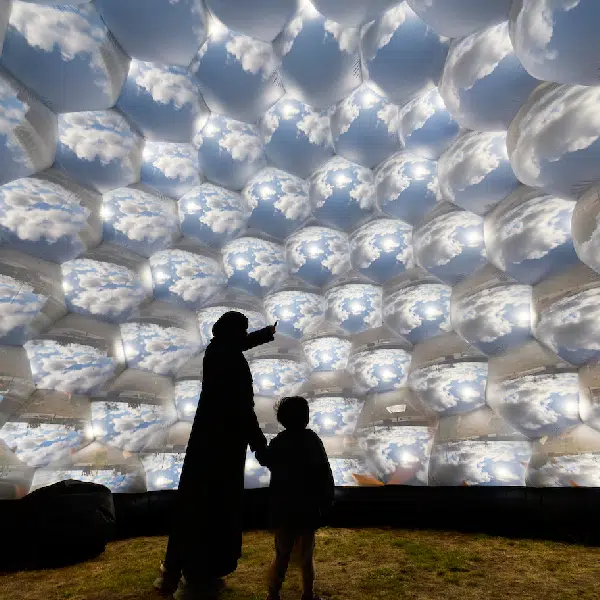
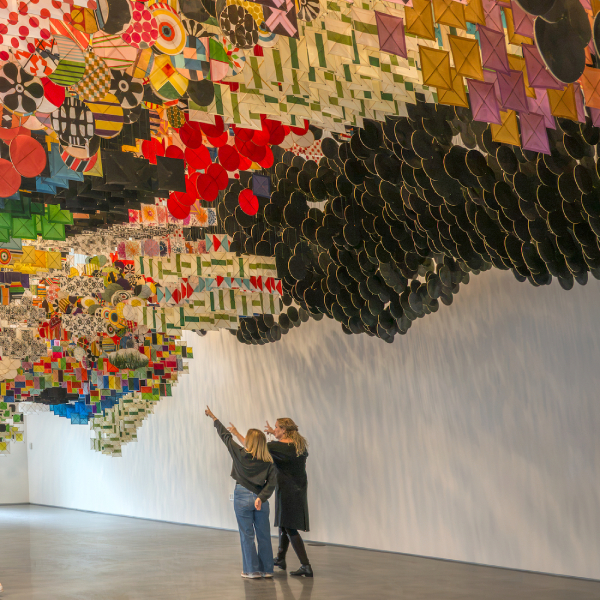
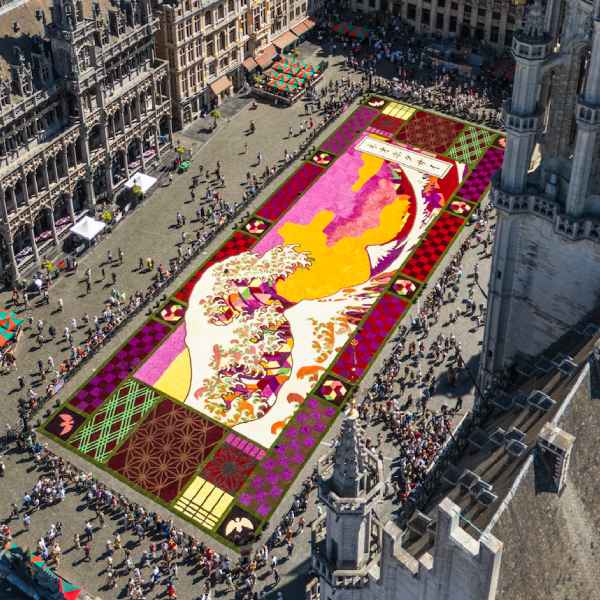
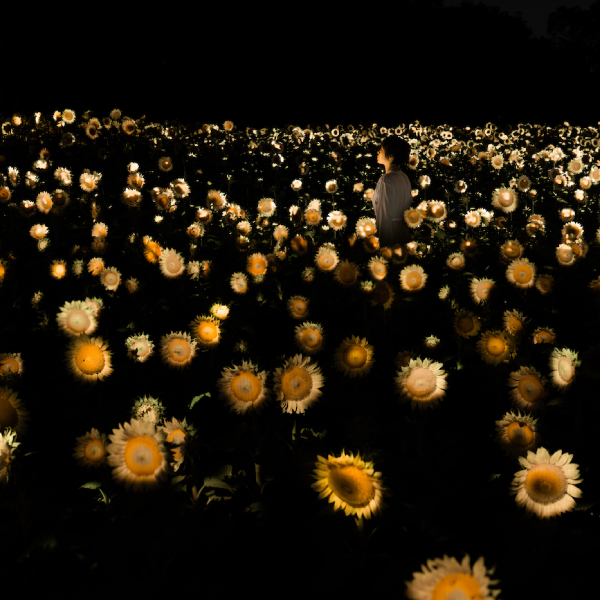
The inaugural edition of Daisy Chain Fields festival was a resounding success. Bringing together some of the most compelling female music performers of the last few decades, led by festival creator Olivia Rodrigo, the event raised $20 million for charity, benefitting organizations that support women and girls. In addition to the music, the festival also welcomed art installations that shared the uplifting, empowering spirit of Daisy Chain Fields.
The artworks displayed throughout the festival were much more than decorative landmarks; they were engaging pieces that rallied the community around them to express themselves. A prime example of this is Yoko Ono’s Wish Tree. First created in 1996, this interactive installation invites participants to write down their hopes and wishes on paper tags, later placing them on the branches of a tree.
Similarly, Ariel Zana’s I always knew the words starts with mirrors containing questions and prompts on them. Participants later add their responses to the interactive piece by writing their answers on the mirrors with colorful markers. Creating colorful visuals charged with meaning, this project explores how vulnerability and reflection can spark connection, community, and curiosity, even among people who are not physically in the same room at the same time.
Fans also shared their thoughts on Guerrilla Girls’ The Art of Behaving Badly. The anonymous artists presented displays with news headlines and statistics about gender and ethnic prejudice, as well as its effects in art, film, politics, and pop culture. Giving attendees a place to vent, the piece includes a “Complaints Department,” a large blackboard where people could air their grievances toward what they had just read.
Meanwhile, Grrrl Germs: Punk feminism goes viral, 1991-2026, curated by Astria Suparak, tells the story of the Riot Grrrl movement. It explains how they built a community and shared their message of resistance through DIY endeavors, from zines and flyers to music. Featuring listening spaces and a collaborative map, the piece made history feel alive, relaying it to a new generation of music lovers.
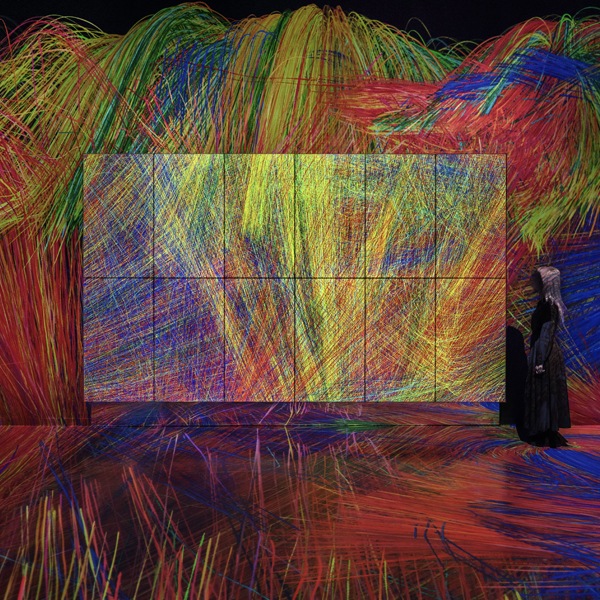
Other installations took a different approach. Jenny Holzer spread an inspiring message to the women in attendance with one of her signature, eye-catching billboards. The piece reads In a Dream You Saw a Way to Survive and You Were Full of Joy, a concept that dates back to her Survival series from the early 80s. On the other hand, Kelly Wall’s Fata Morgana (Lost & Found) offered “a chance for reflection and a souvenir direction” through her modified penny press.
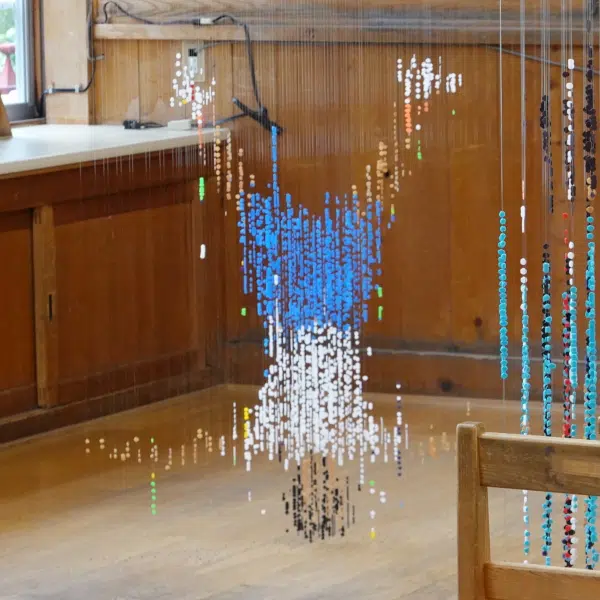
Rounding out the art projects were pieces that were more abstract but carried just as much power as the rest. Jordan Ann Craig, a Northern Cheyenne artist, created To Daisy, My Girl, a site-specific artwork inspired by a Cheyenne beaded bag. Featuring geometric patterns that evoke the daisy chains that gave its name to the festival, the installation is both a celebration of her Native heritage and a tribute to her late dog, also named Daisy.
Daisy Chain Fields is set to return next summer with an equally inspiring lineup of artists, creatives, and musicians. To stay up to date with the festival, follow Daisy Chain Fields on Instagram.
The inaugural edition of Daisy Chain Fields, created by Olivia Rodrigo, welcomed art installations that shared the uplifting, empowering spirit of the festival.
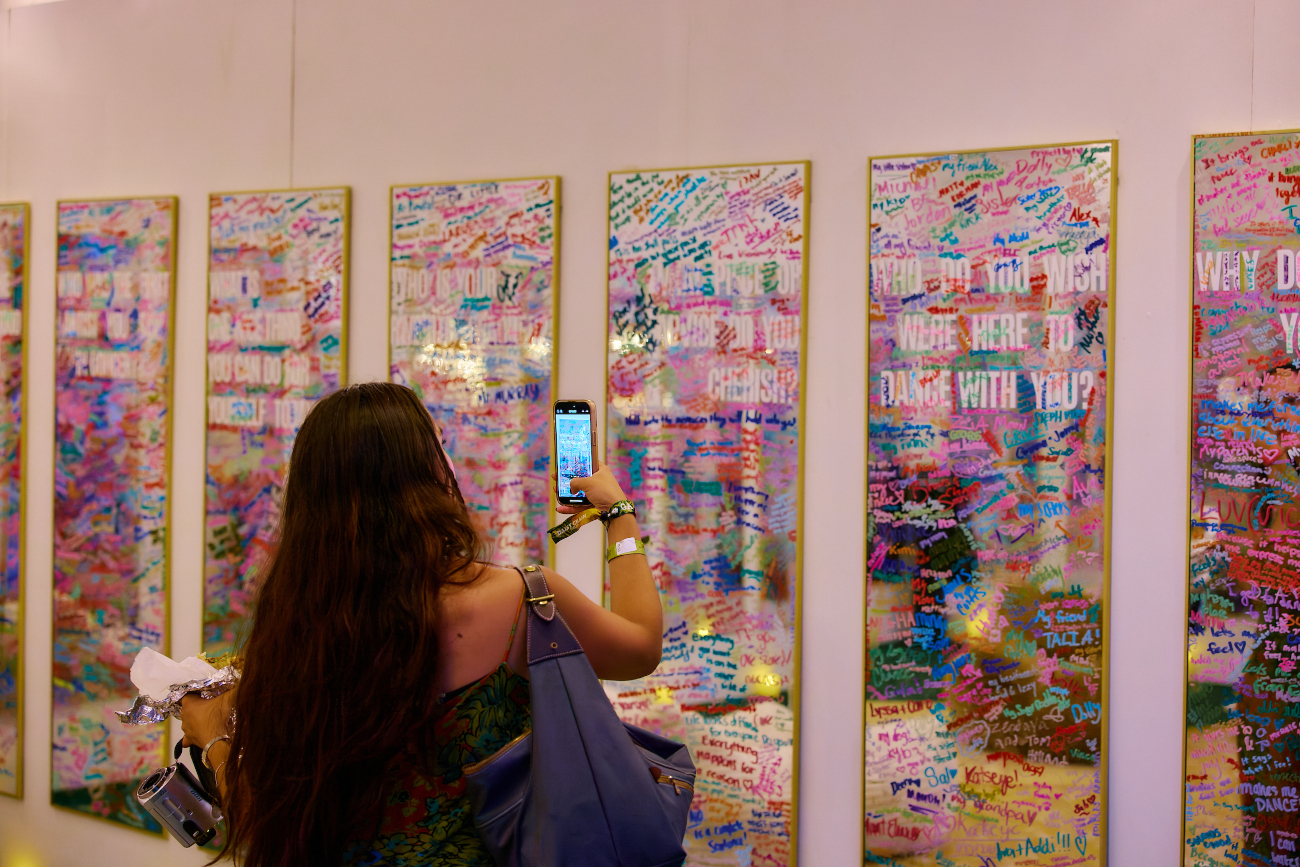
Ariel Zana, ‘I always knew the words’ (Photo: Maggie London)
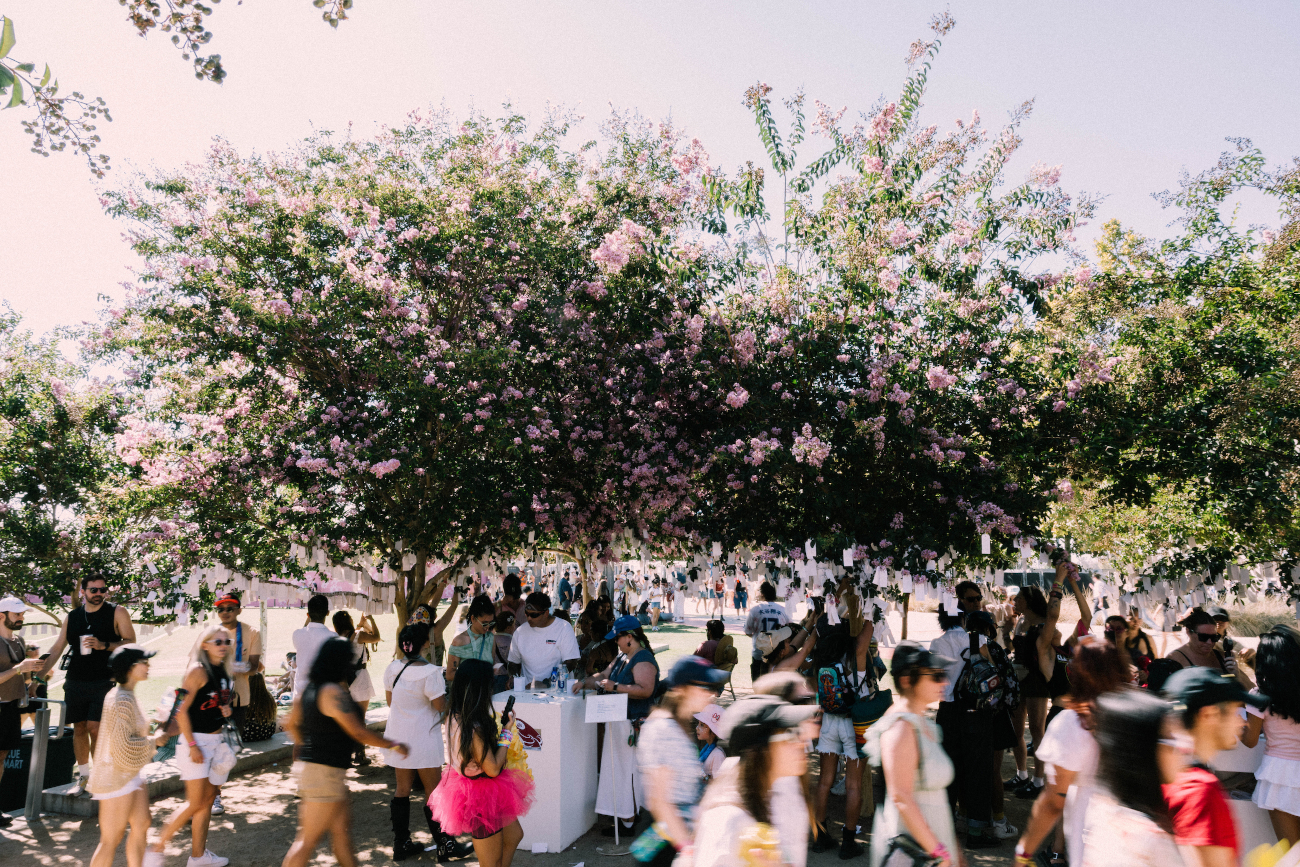
Yoko Ono, ‘Wish Tree’
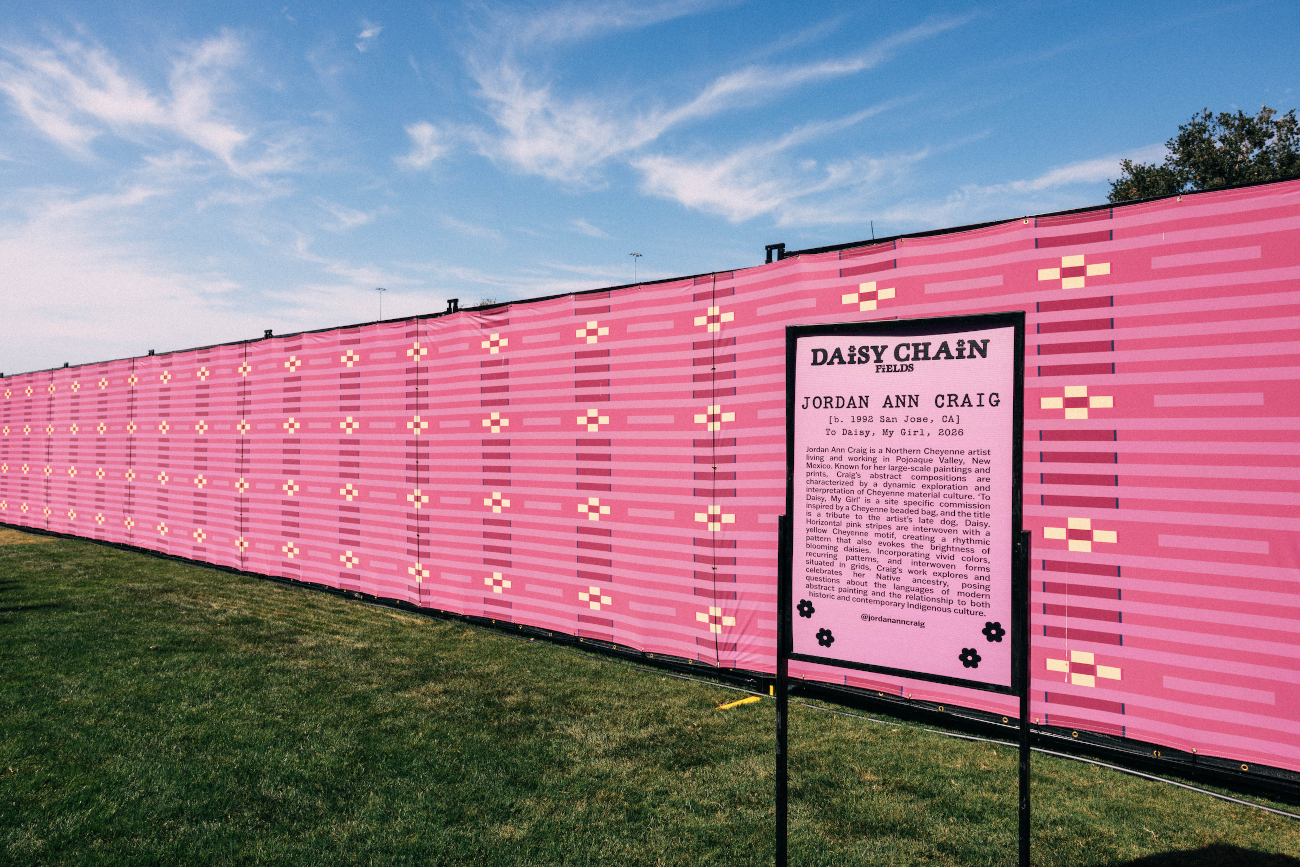
Jordan Craig, ’To Daisy, My Girl’
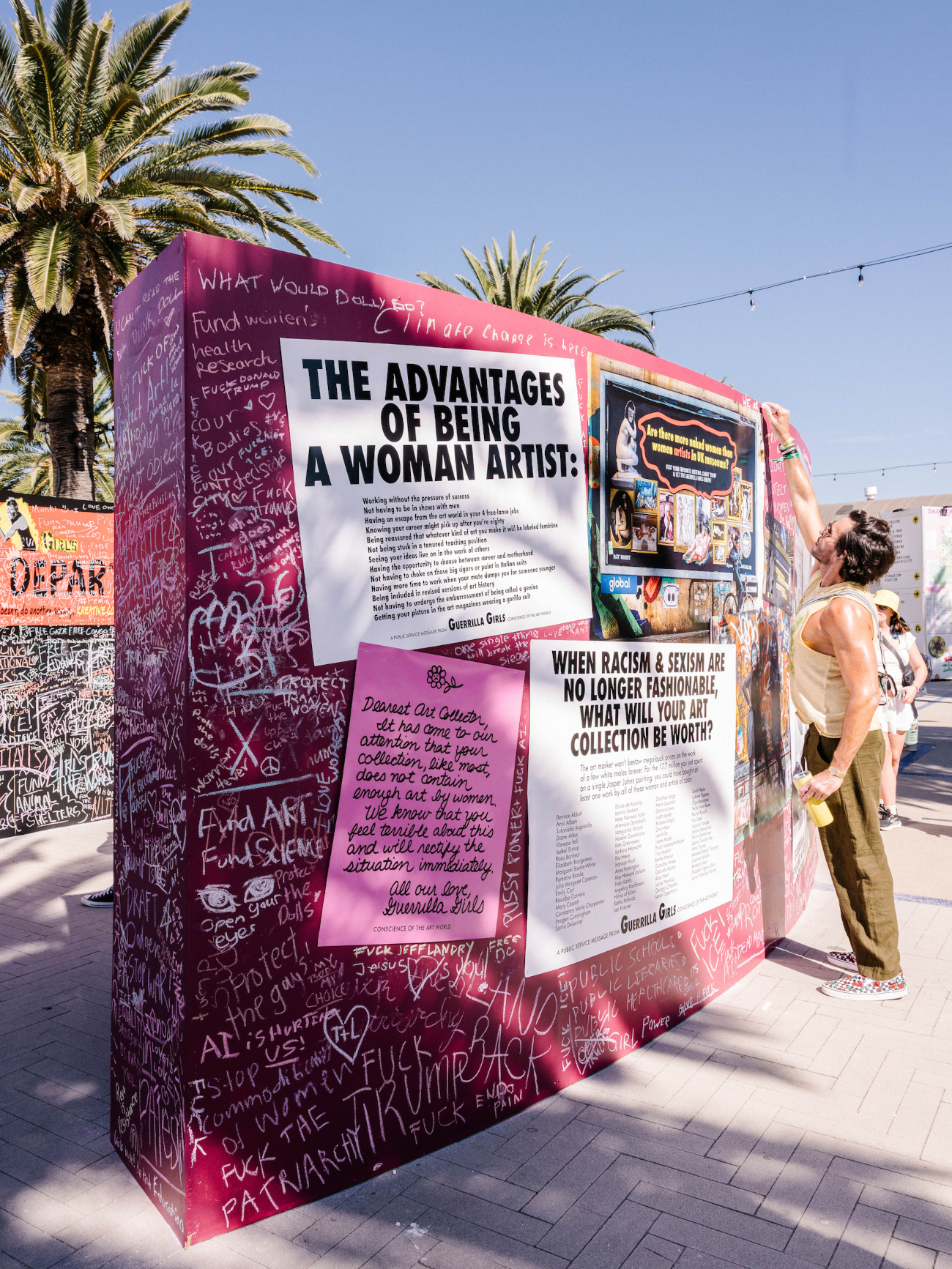
Guerrilla Girls, ’The Art of Behaving Badly’
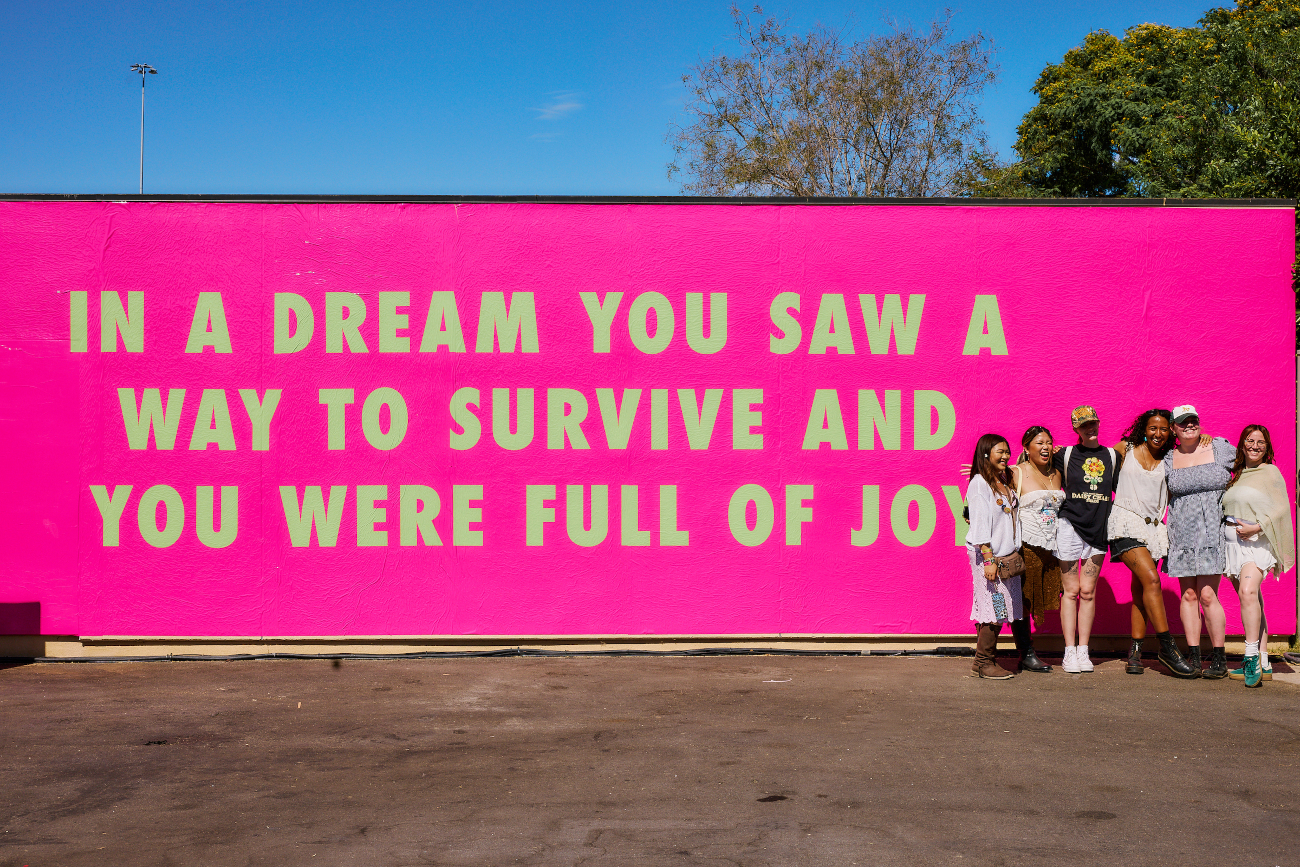
Jenny Holzer, ‘IN A DREAM…’
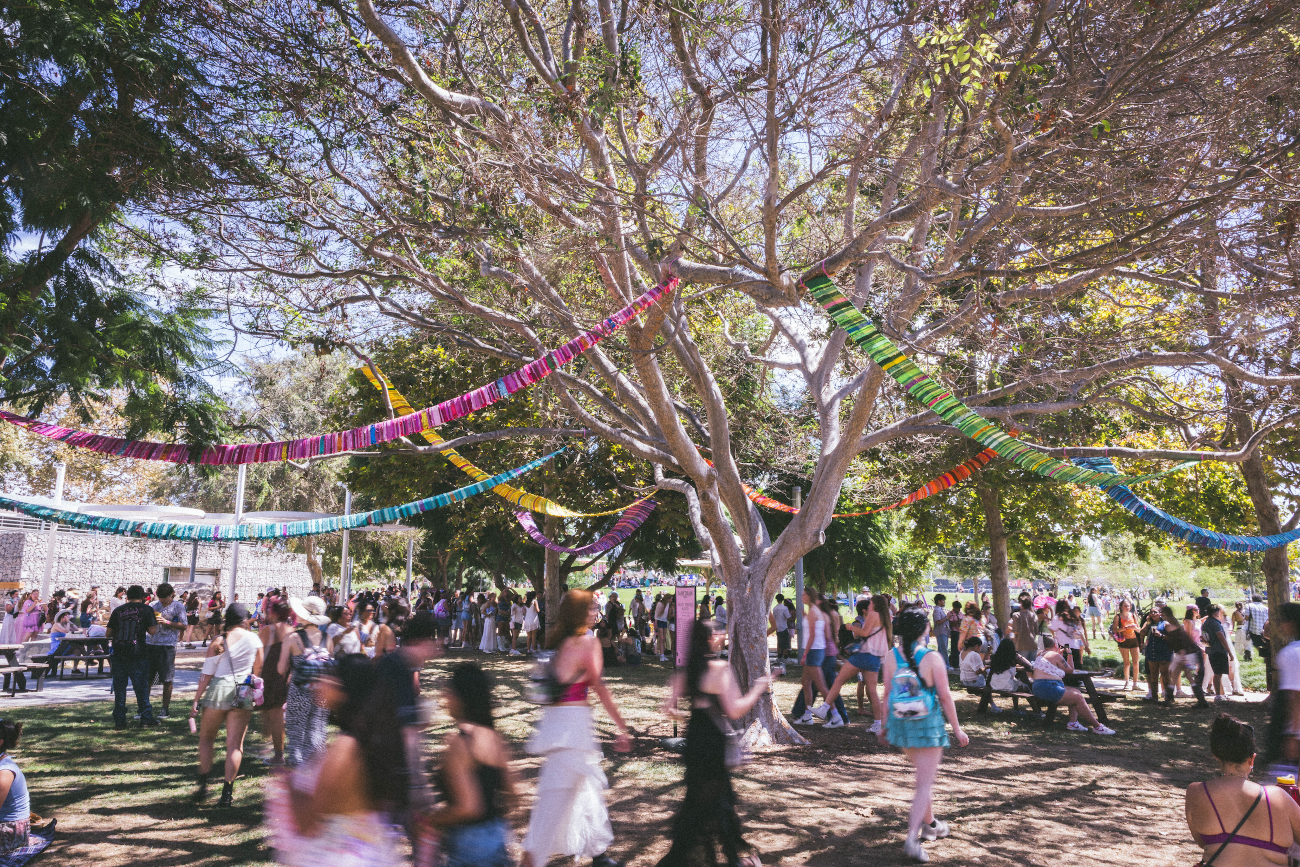
Kelsey Merreck Wagner, ’Arachne’
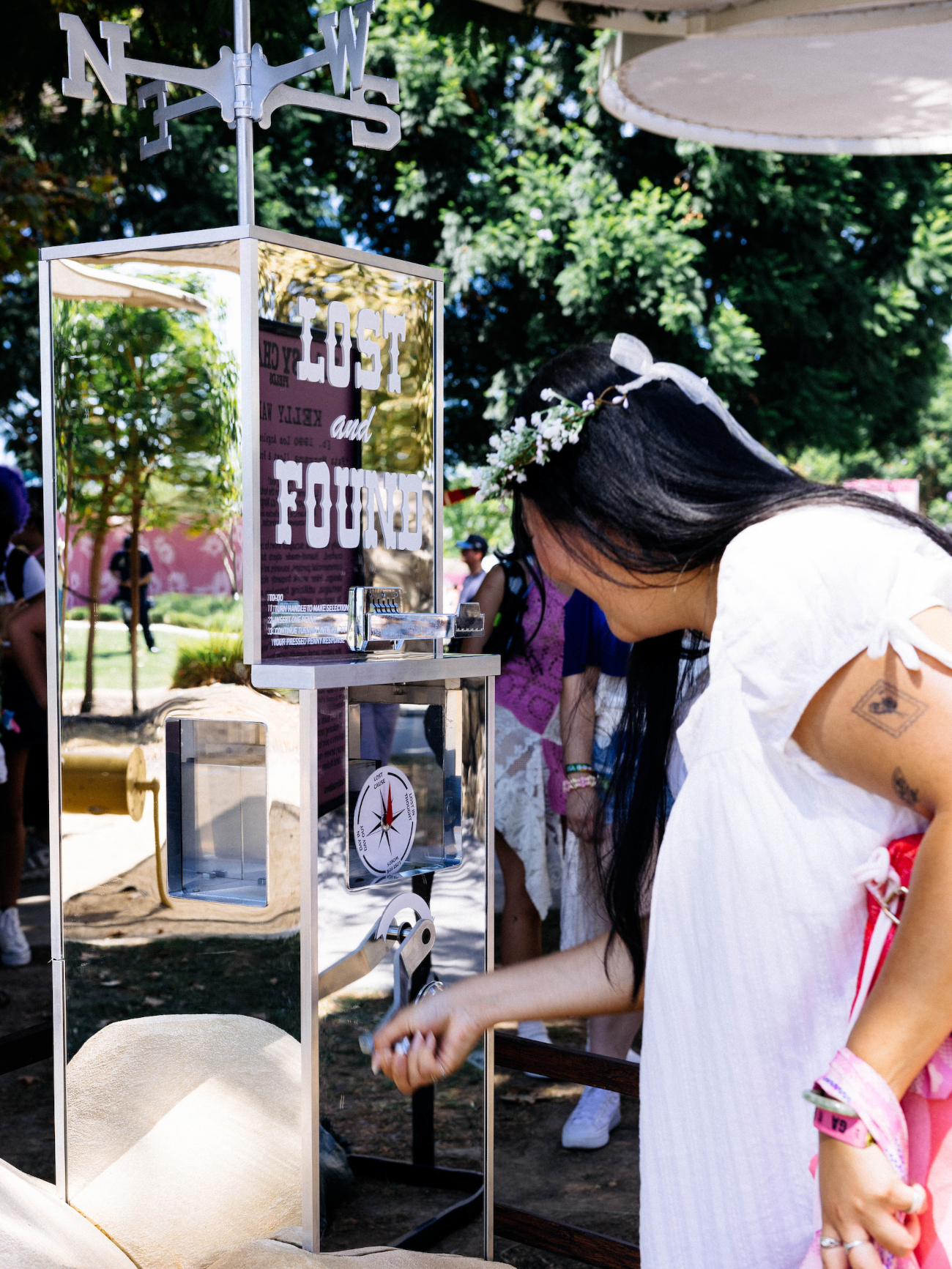
Kelly Wall, ’Fata Morgana (Lost & Found)’
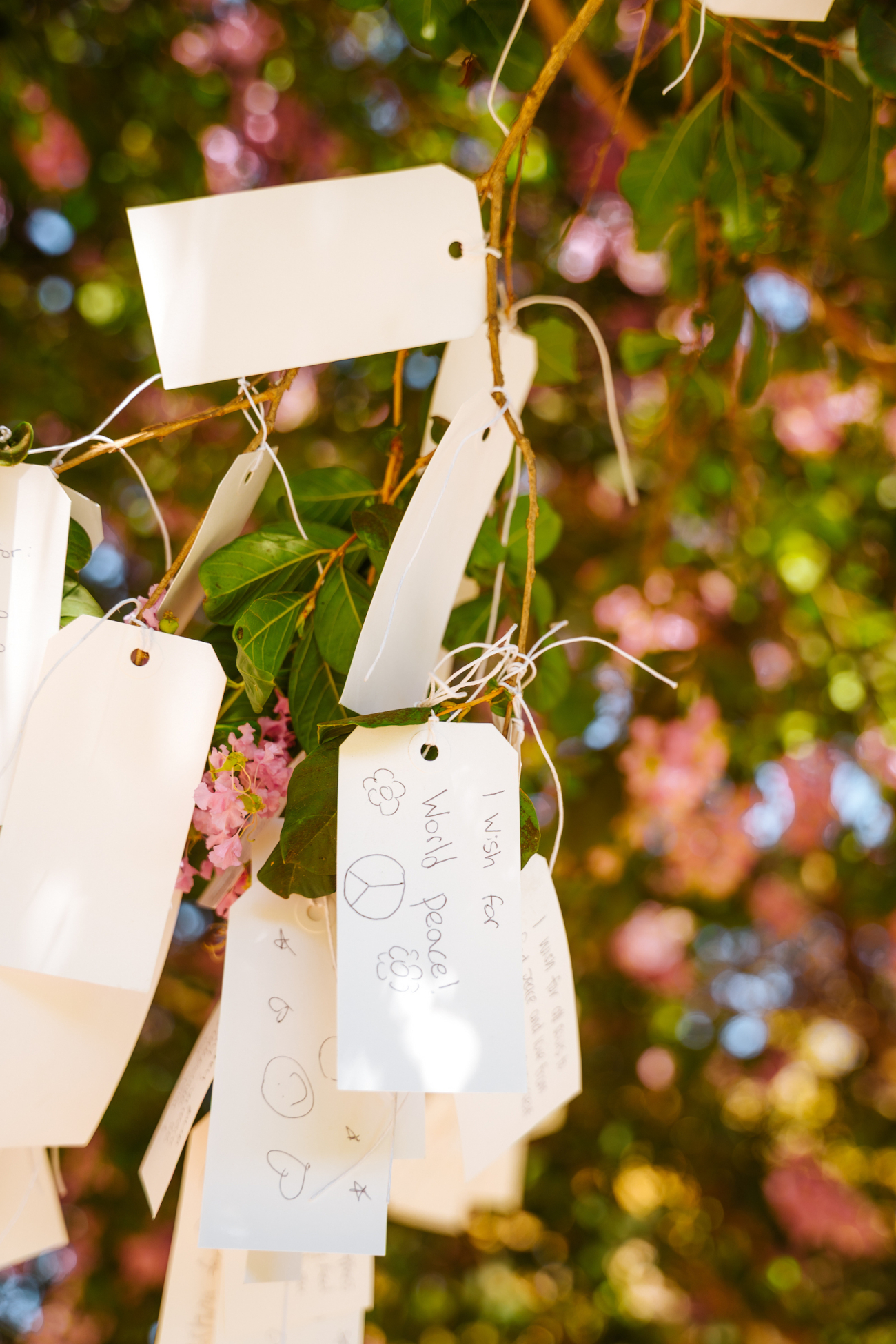
Yoko Ono, ‘Wish Tree’
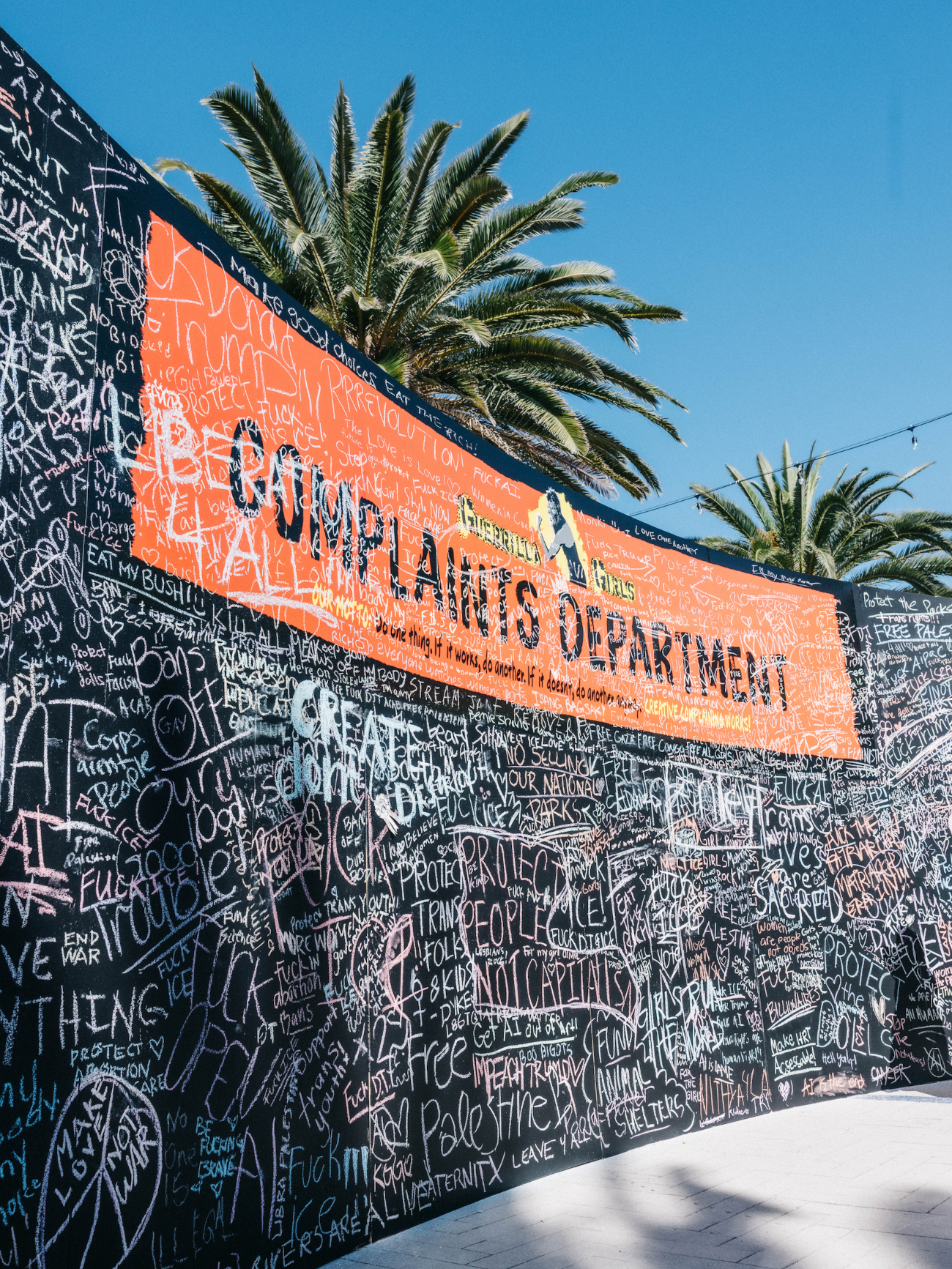
Guerrilla Girls, ’The Art of Behaving Badly’
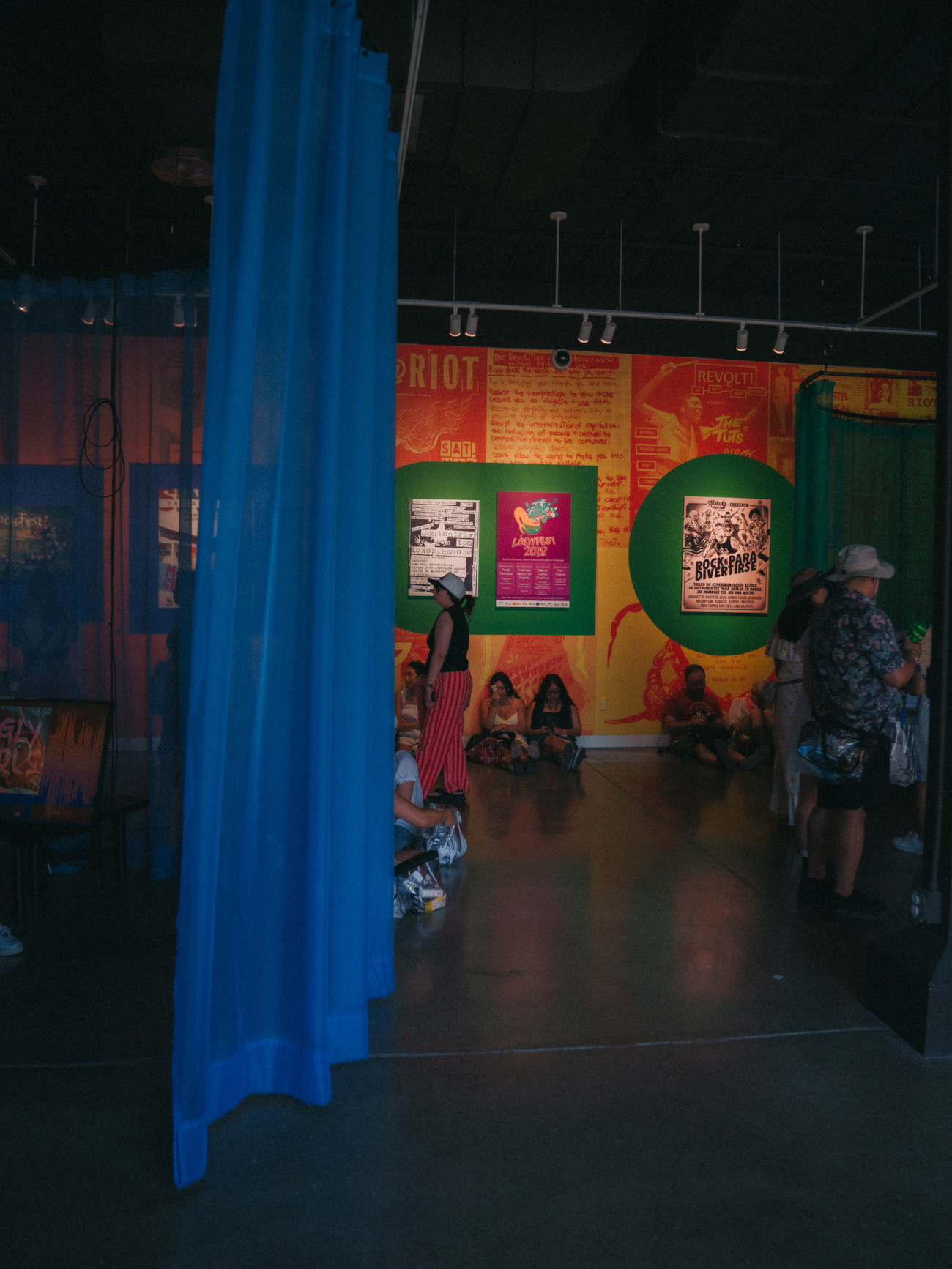
Astria Suparak, ’Grrrl Germs: Punk feminism goes viral, 1991-2026’ (Photo: Marie Lombardo)
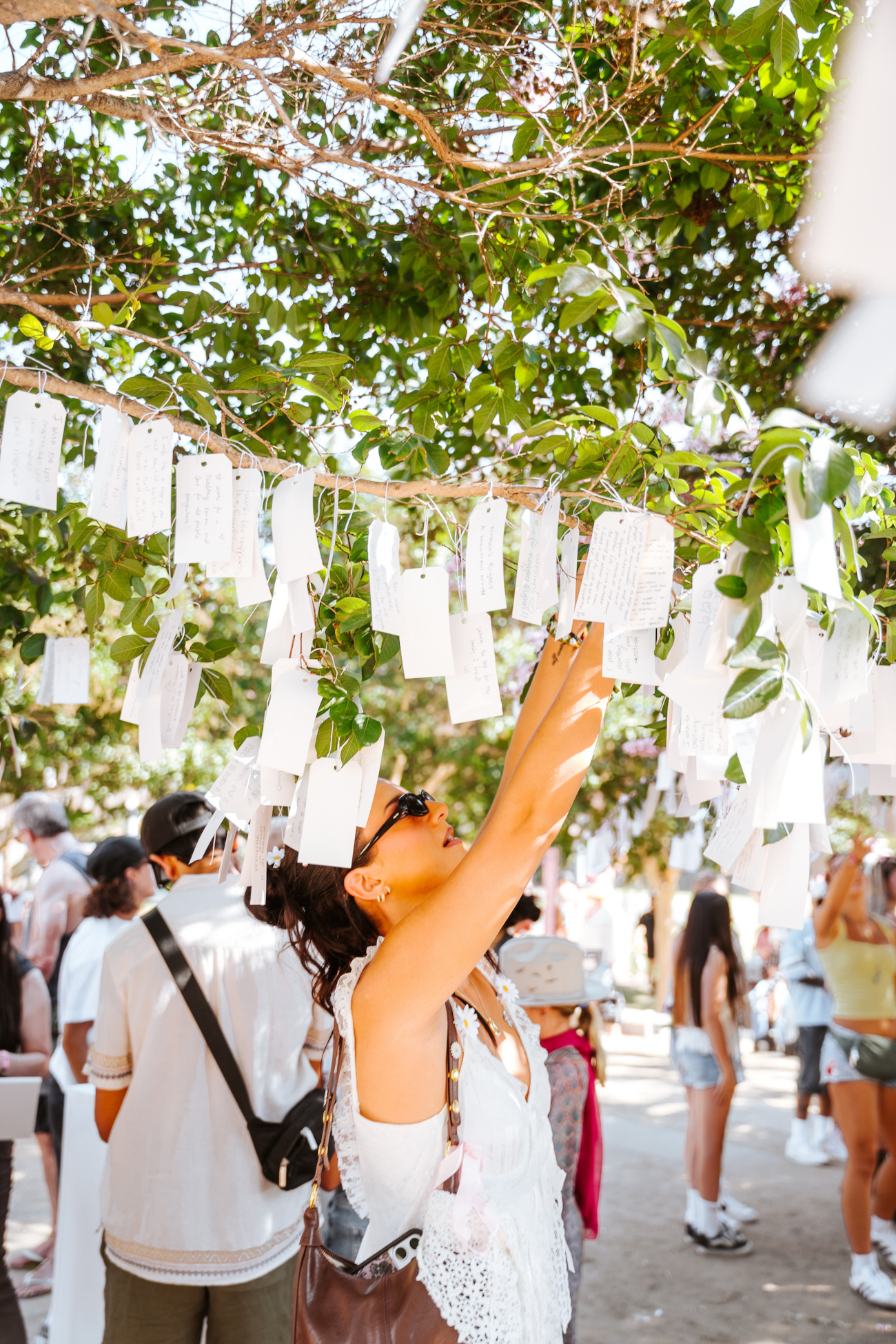
Yoko Ono, ‘Wish Tree’
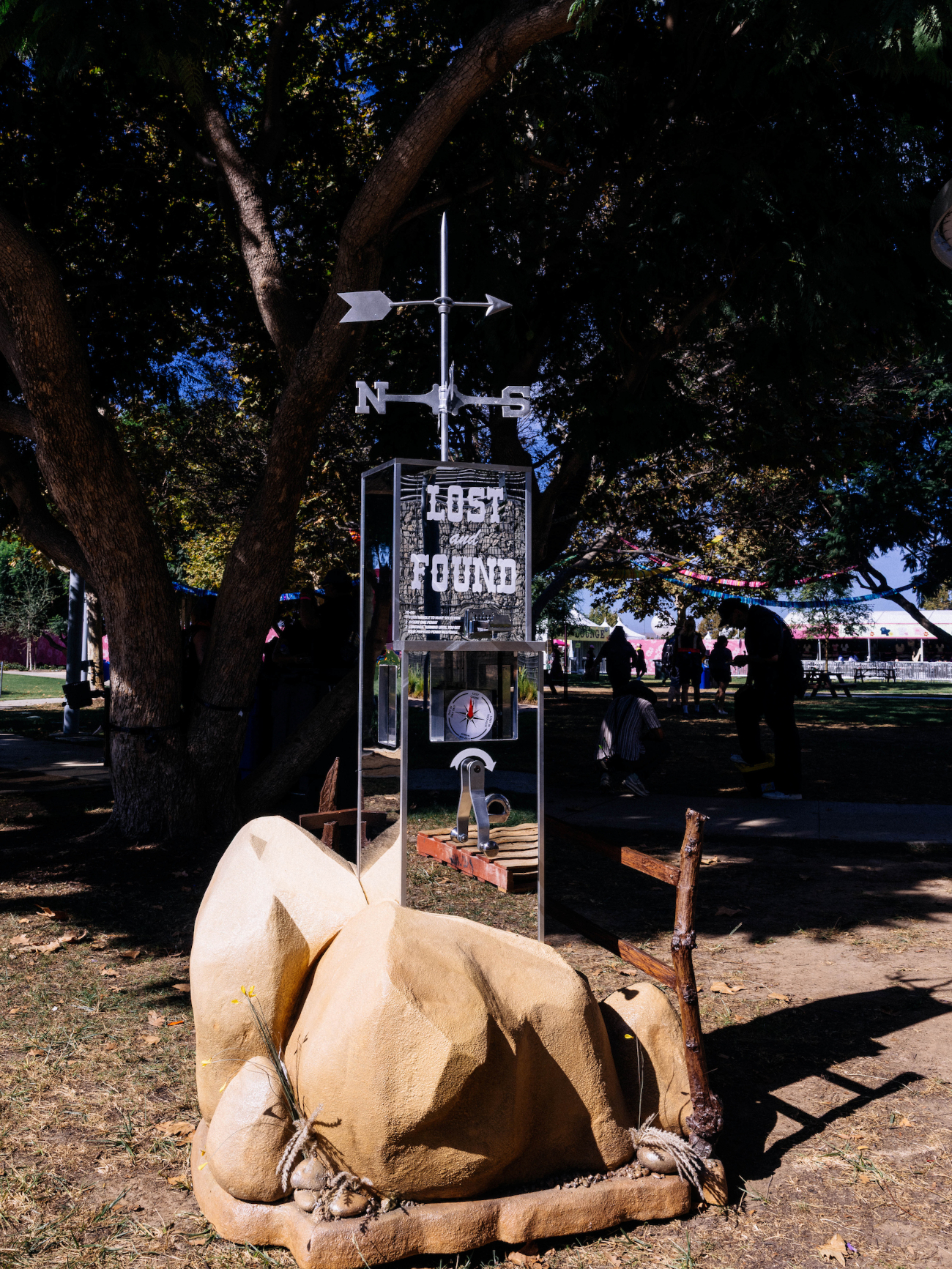
Kelly Wall, ’Fata Morgana (Lost & Found)’
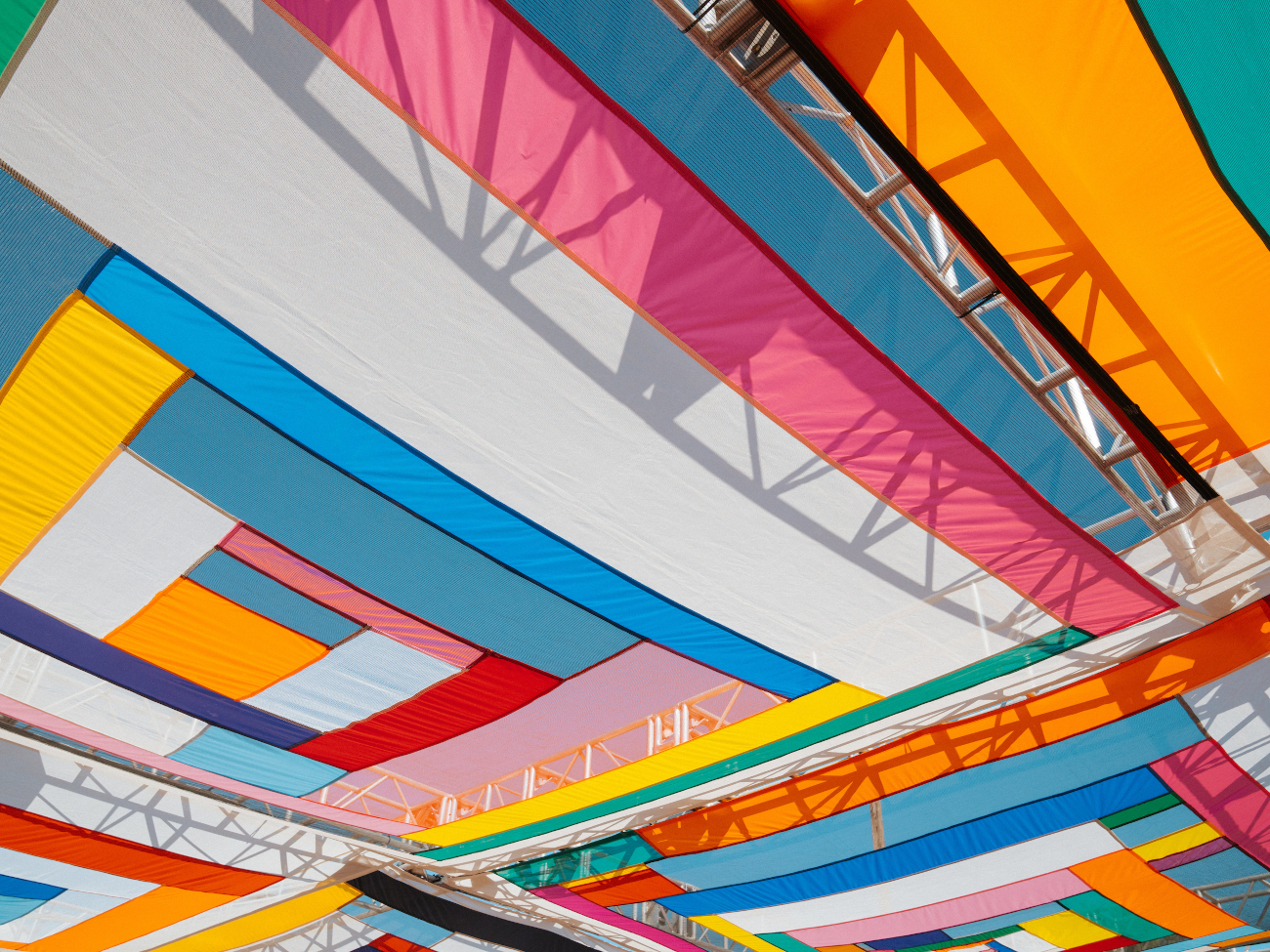
Rachel Hayes, ‘Sky by Day, Sky by Night’