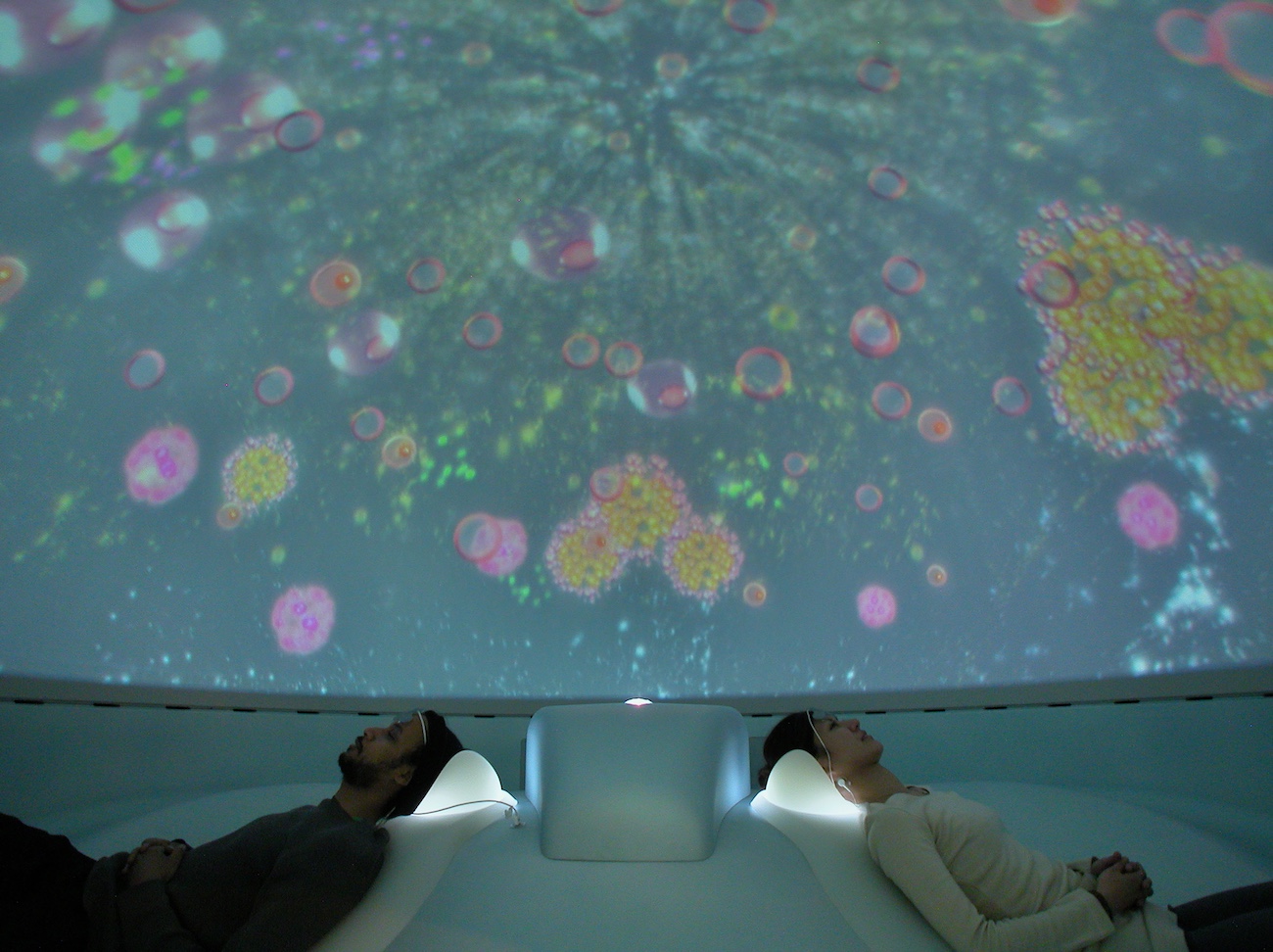
Mariko Mori, “Wave UFO,” 1999–2002.
More than three decades after first emerging on the contemporary art scene, Japanese artist Mariko Mori will be the subject of a major retrospective at the Mori Art Museum in Tokyo. Titled Mariko Mori: All That Shines, the exhibition opens on October 31, 2026, and runs through March 28, 2027, marking Mori’s first major institutional retrospective in Japan since Pure Land at the Museum of Contemporary Art Tokyo in 2002.
All That Shines traces the evolution of an artist whose work has continually blurred the boundaries between art, technology, science, and spirituality. While Mori’s earliest pieces often examined contemporary Japanese society and identity, her later practice expanded to explore consciousness, the cosmos, and humanity’s relationship with the natural world.
The exhibition brings together approximately 40 pieces across photography, video, drawing, sculpture, and immersive installations, highlighting the breadth of Mori’s multidisciplinary practice. Among the earliest pieces on view is Miko No Inori (1996), a performance-based video that reflects the artist’s fascination with ritual and identity. Visitors will also encounter Wave UFO (1999–2002), one of Mori’s best-known installations. Housed inside a futuristic fiberglass dome, the piece was the first artwork to incorporate a functioning brainwave biofeedback interface, allowing participants to experience a visualization generated by their own neural activity.
Science and technology continue to play a central role throughout the exhibition. In Tom Na H-iu (2006), Mori transforms invisible astronomical phenomena into a sensory experience by translating real-time neutrino emissions from distant supernova explosions into pulses of light. The installation reflects her ongoing interest in making the unseen rhythms of the universe perceptible through art.
Alongside these immersive works, All That Shines also features documentation of Mori’s monumental outdoor installations, including Primal Rhythm: Sun Pillar (2011) and Ring: One with Nature (2016). Installed in natural landscapes, both sculptures are carefully aligned with the winter solstice sun, bringing together contemporary engineering with ancient understandings of celestial movement. Throughout her practice, Mori returns to the idea that technological innovation and spiritual inquiry need not exist in opposition, but can instead become complementary ways of understanding our place within the universe.
Mariko Mori: All That Shines will be on view at the Mori Art Museum in Tokyo from October 31, 2026, through March 28, 2027.
More than three decades after first emerging on the contemporary art scene, Japanese artist Mariko Mori will be the subject of a major retrospective at the Mori Art Museum in Tokyo.
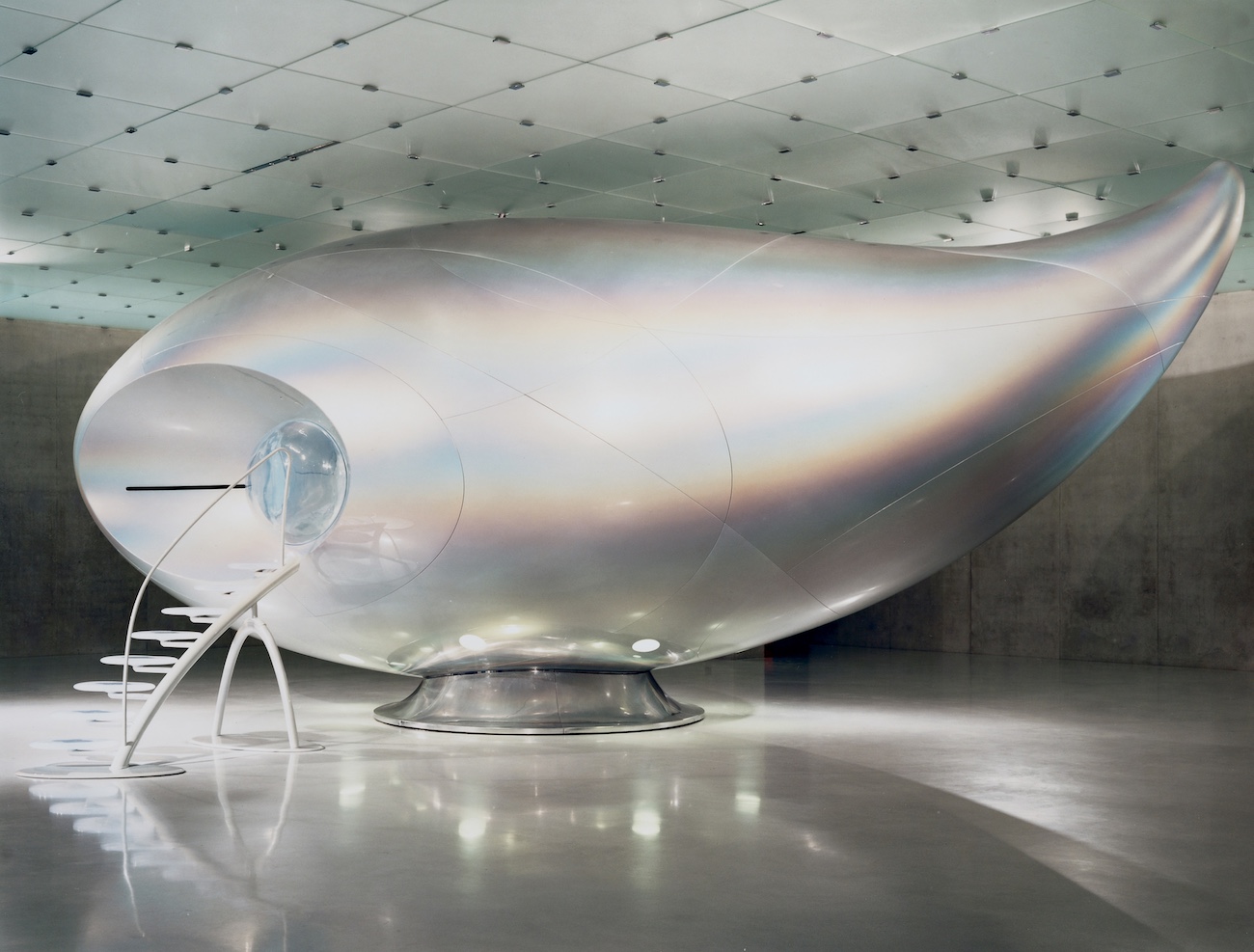
Mariko Mori, “Wave UFO,” 1999–2002.
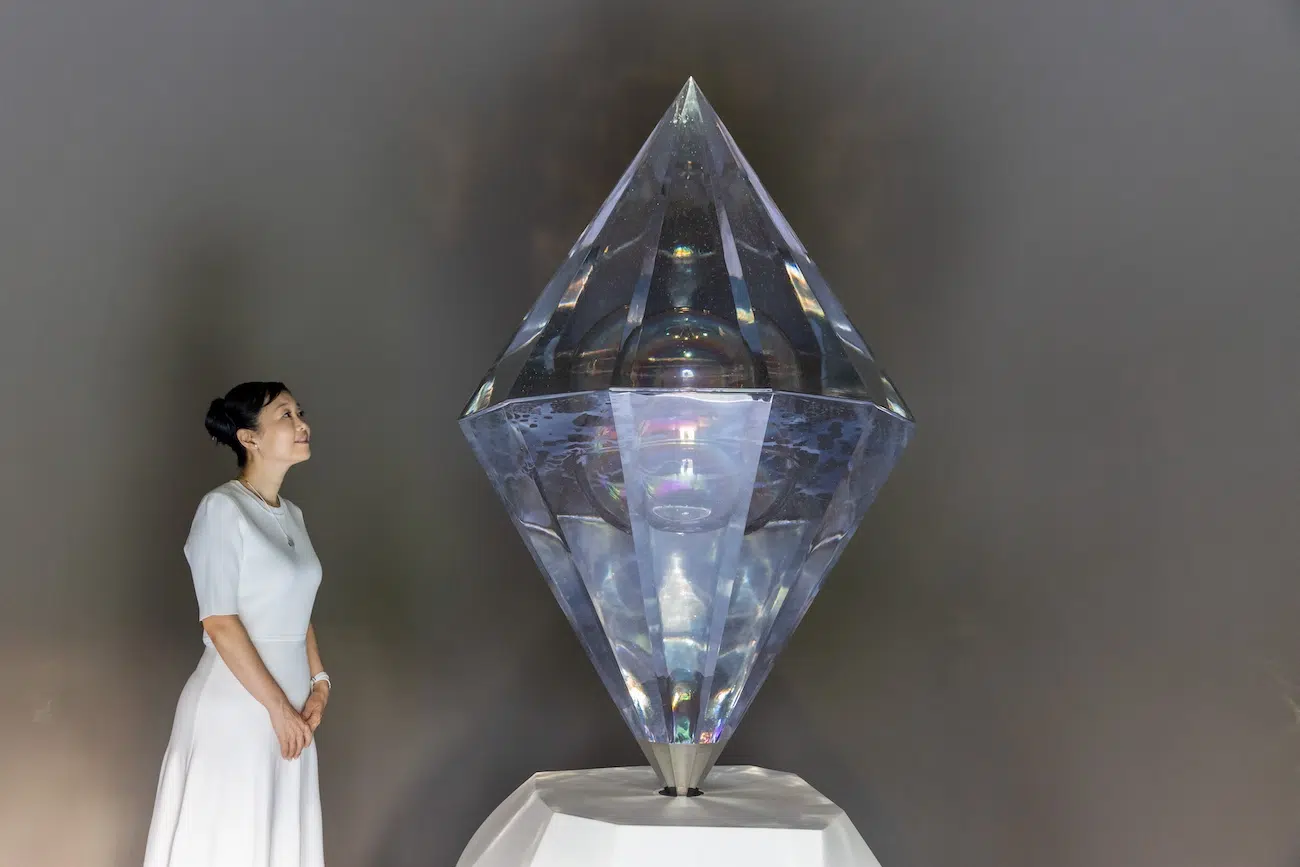
Mariko Mori “Peace Crystal,” 2024.
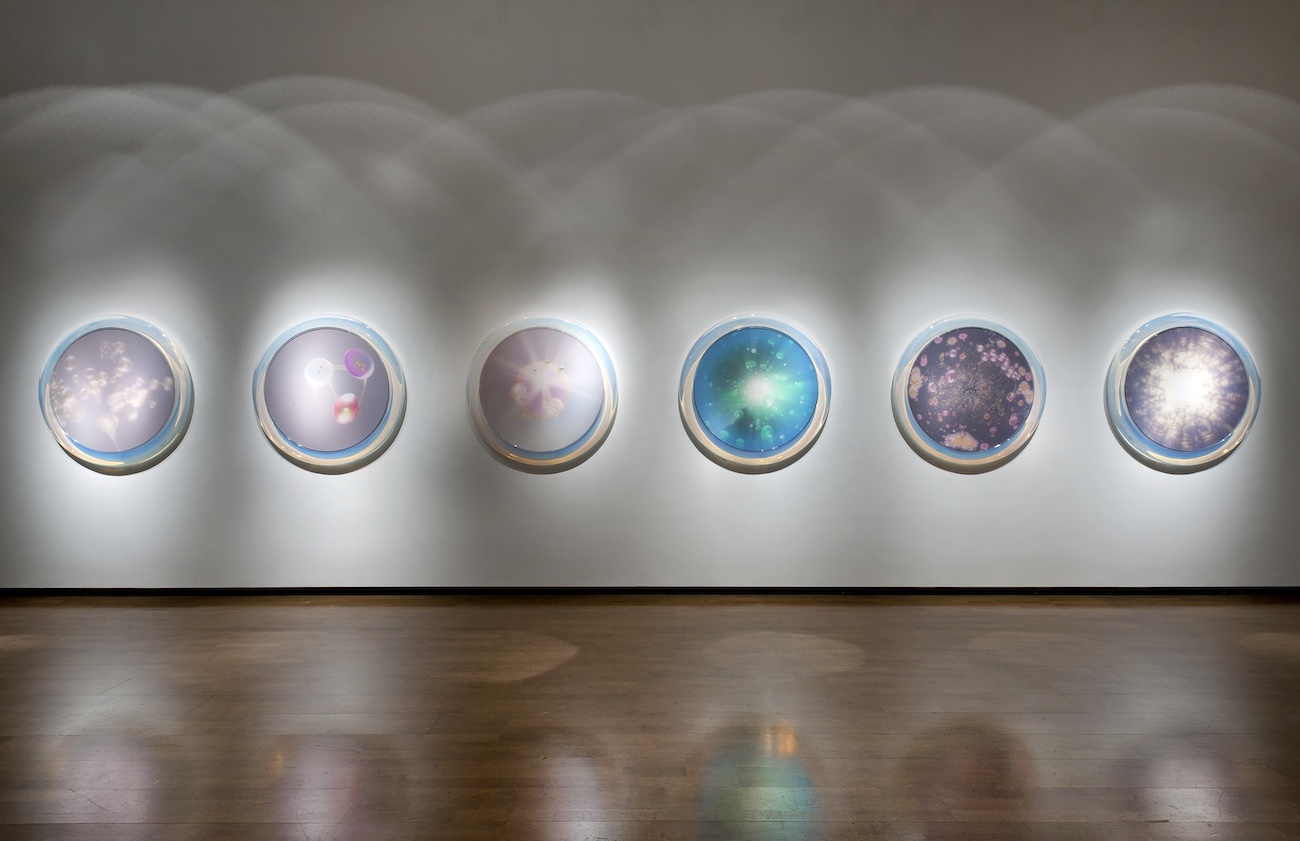
Mariko Mori, “Rebirth 27-Connected World,” 2002.
Titled Mariko Mori: All That Shines, the exhibition marks Mori’s first major institutional retrospective in Japan since Pure Land at the Museum of Contemporary Art Tokyo in 2002.
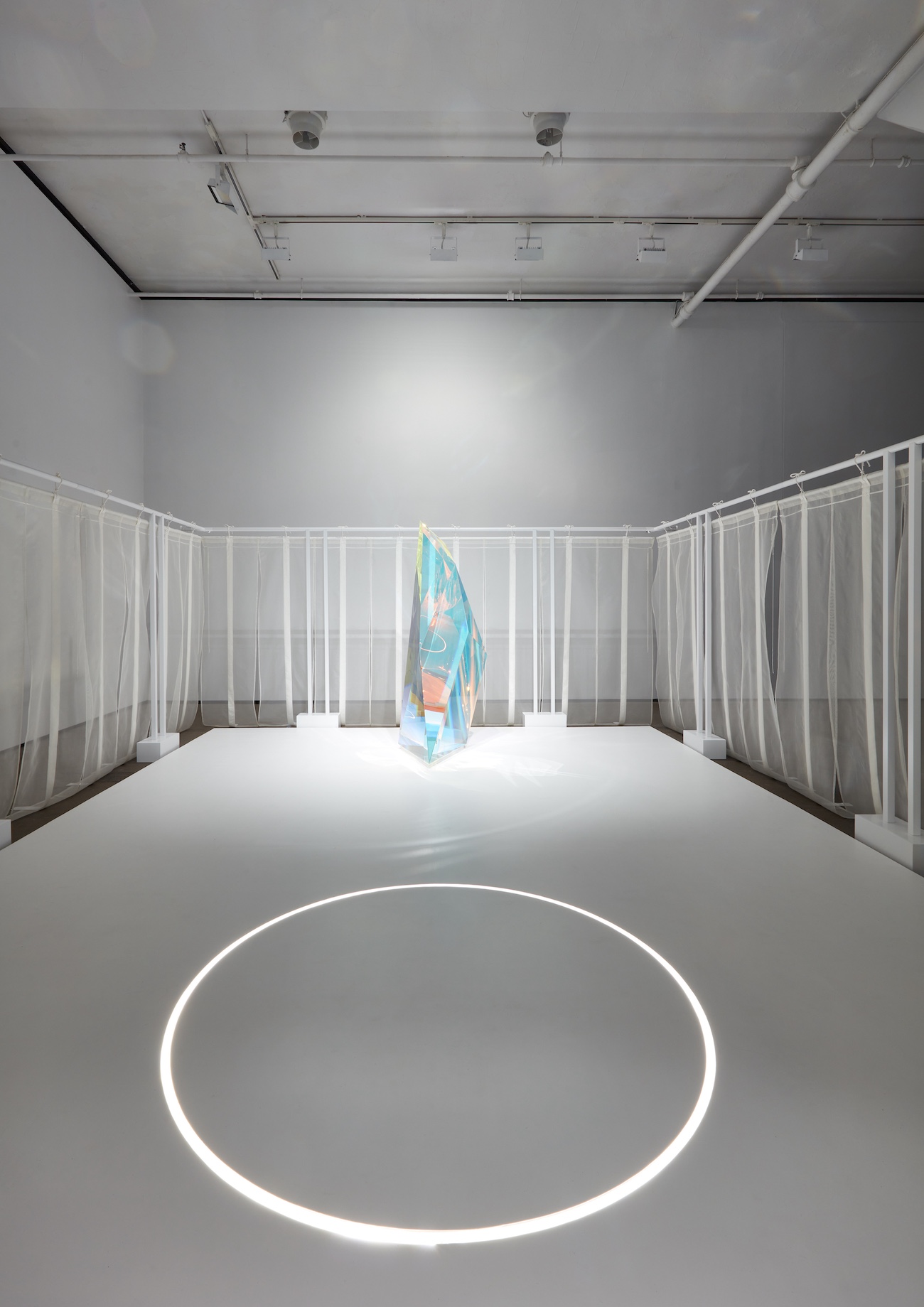
Mariko Mori, “Shrine,” 2025.
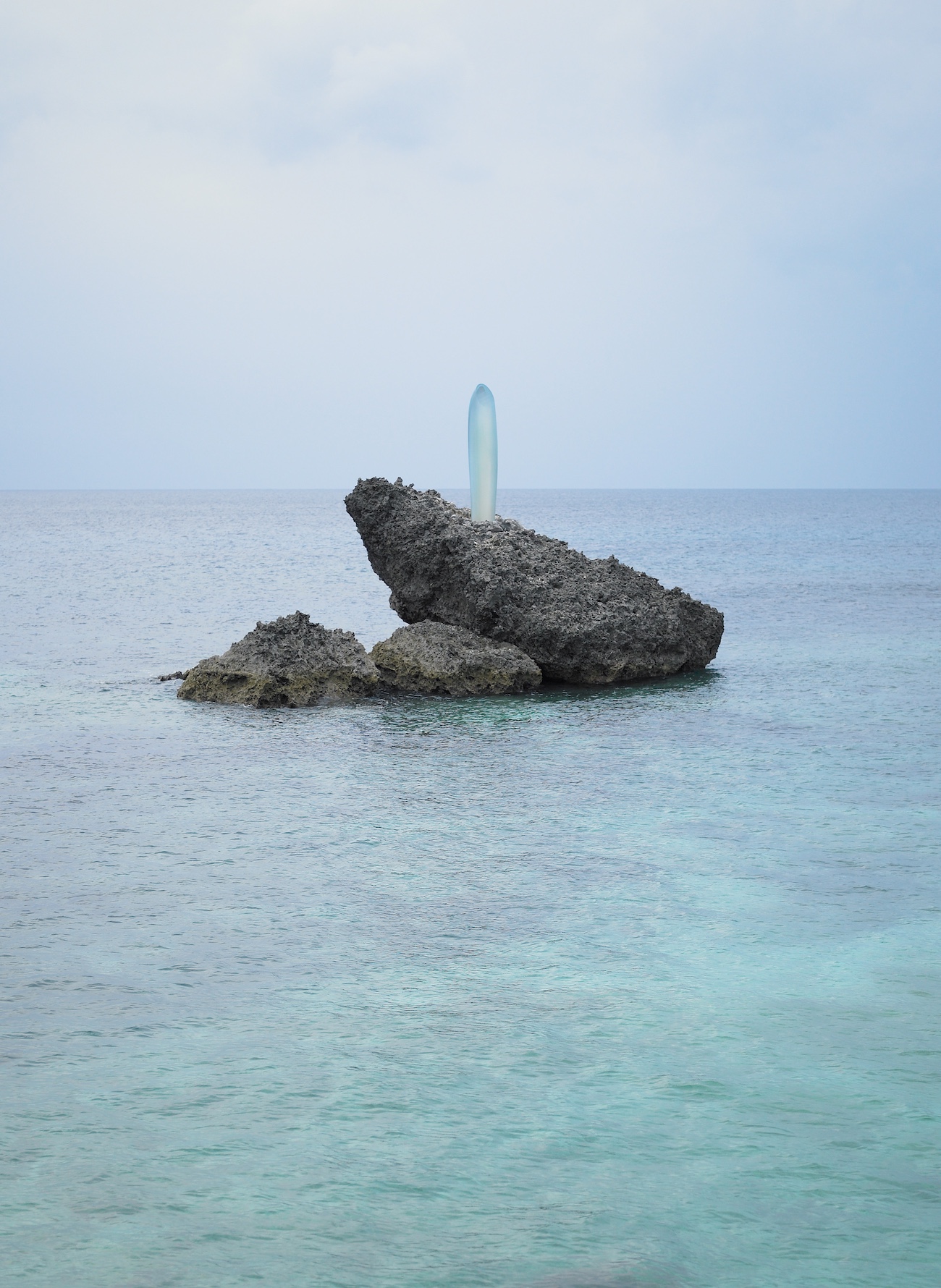
Mariko Mori, “Primal Rhythm: Sun Pillar,” 2011.
The exhibition brings together approximately 40 works across photography, video, drawing, sculpture, and immersive installations, highlighting the breadth of Mori’s multidisciplinary practice.
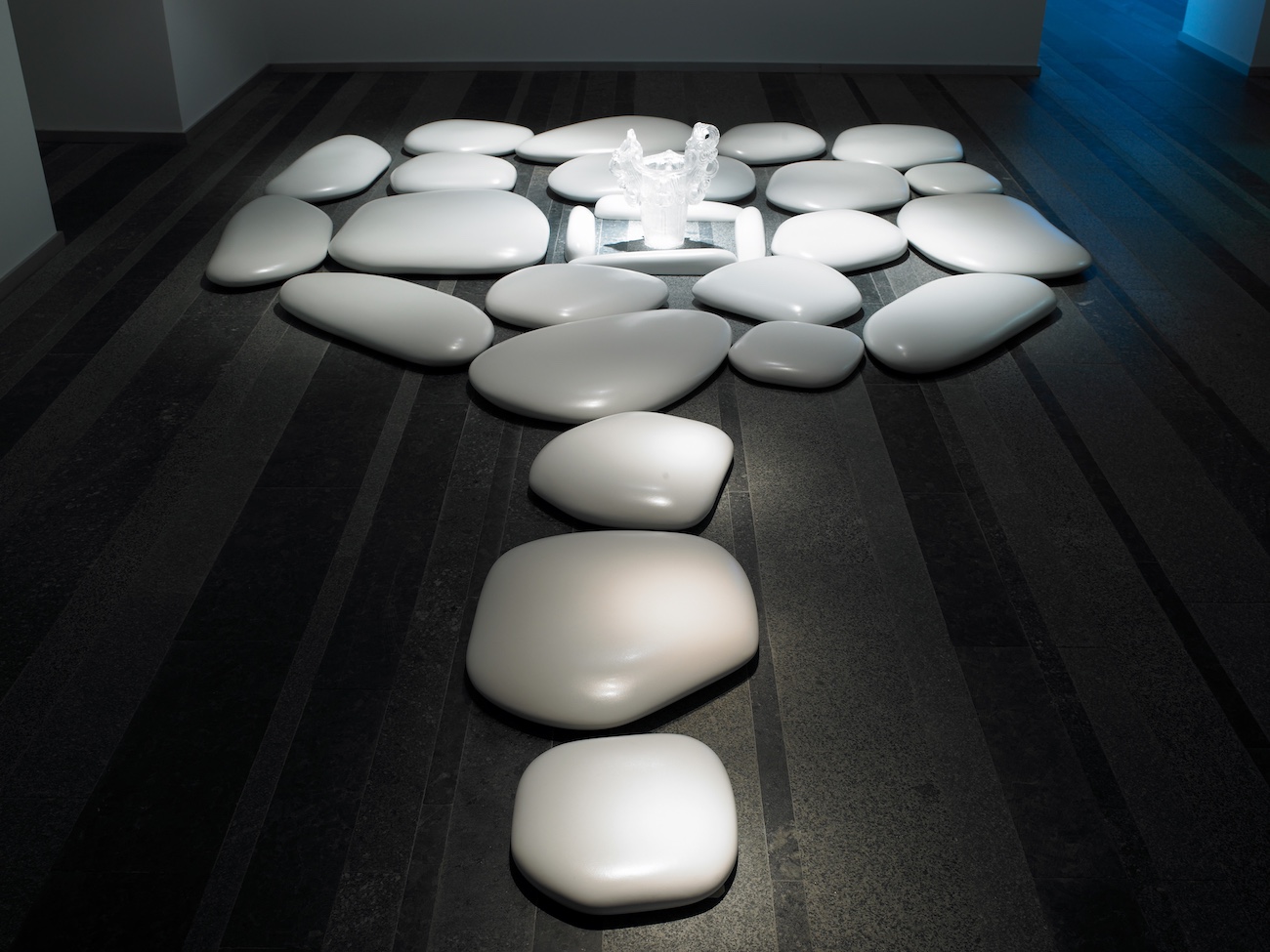
Mariko Mori, “Flat Stone,” 2006.
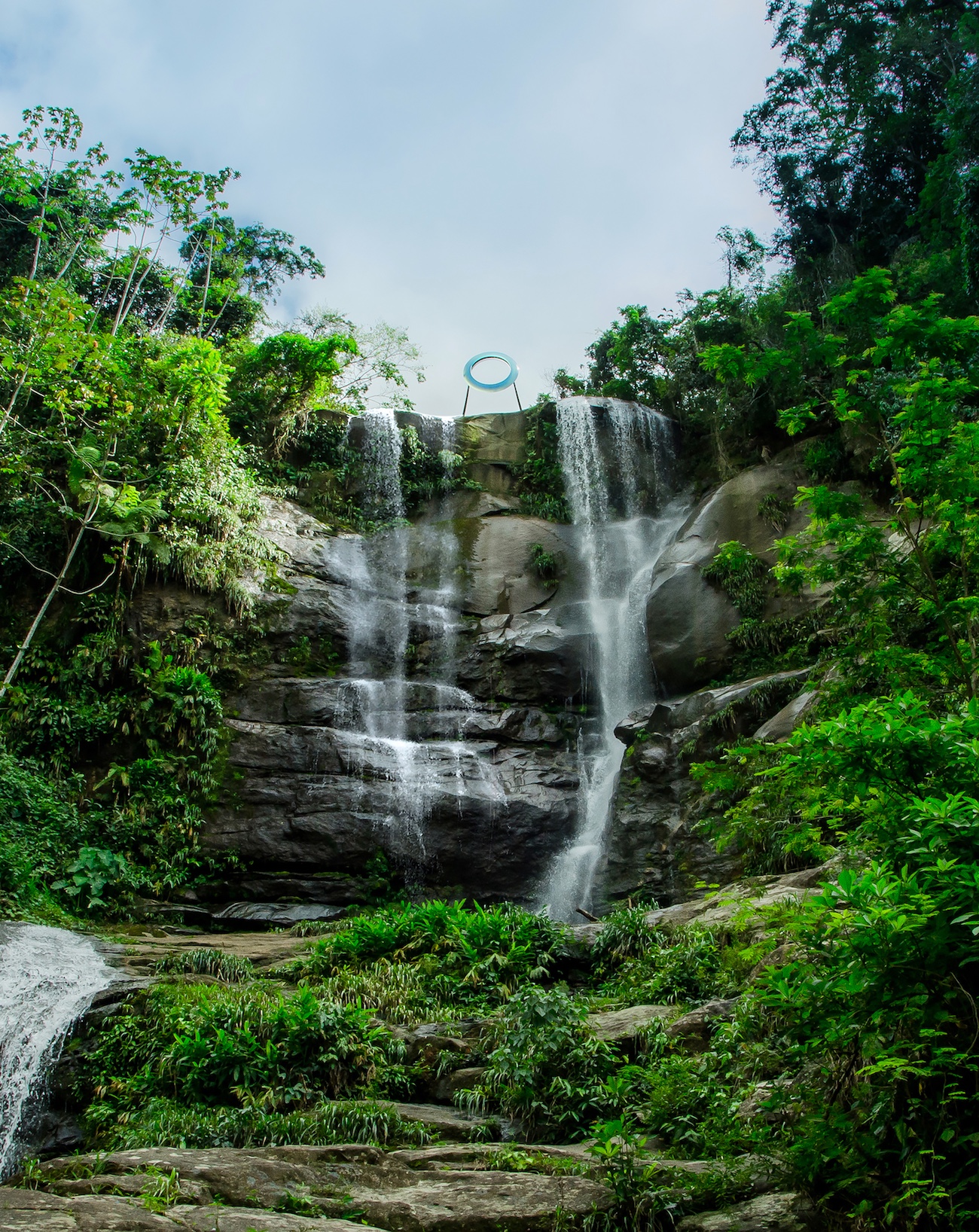
Mariko Mori, “Ring: One with Nature,” 2016.
Throughout her practice, Mori returns to the idea that technological innovation and spiritual inquiry need not exist in opposition; instead, they can become complementary ways of understanding our place in the universe.
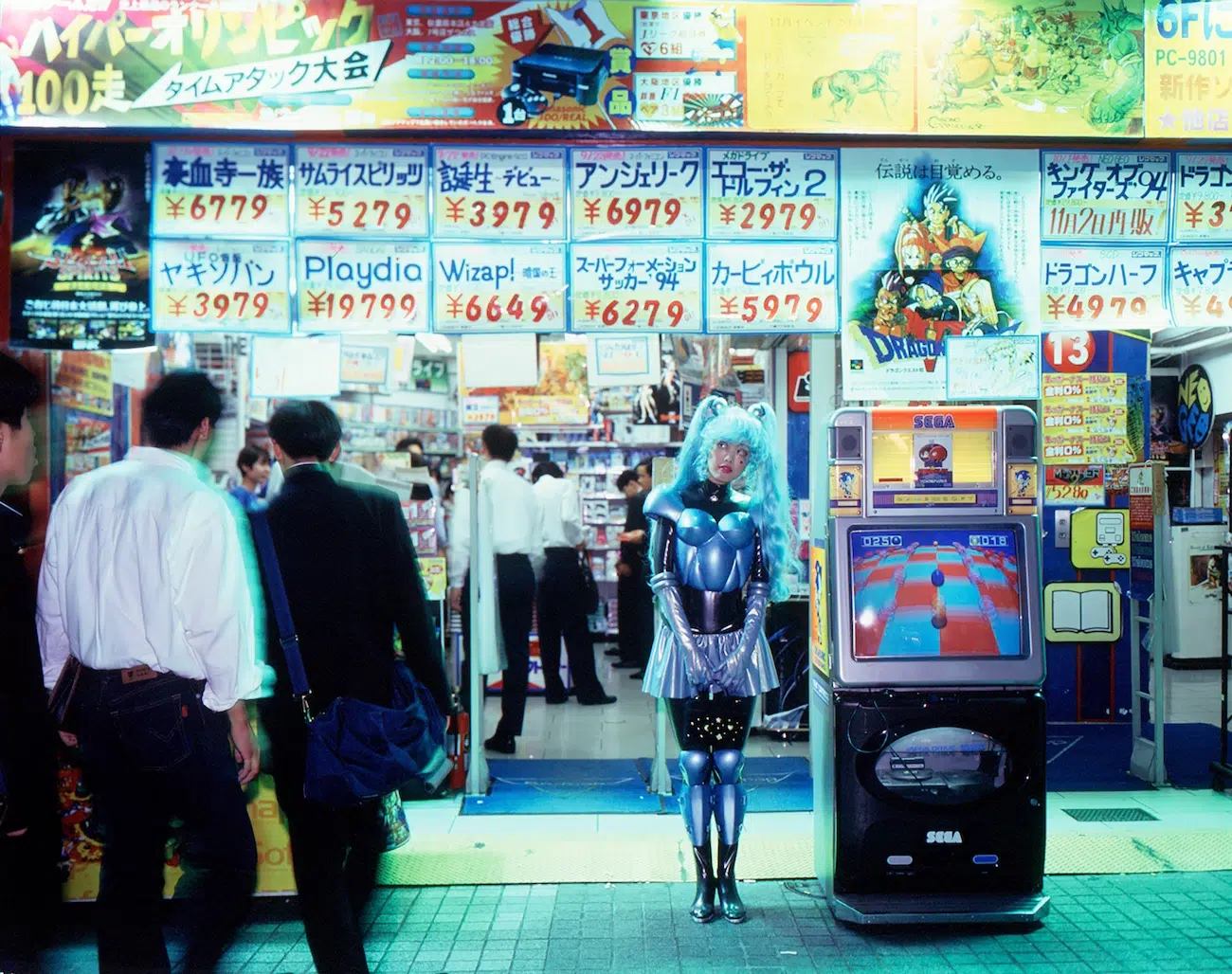
Mariko Mori, “Play with Me,” 1994.