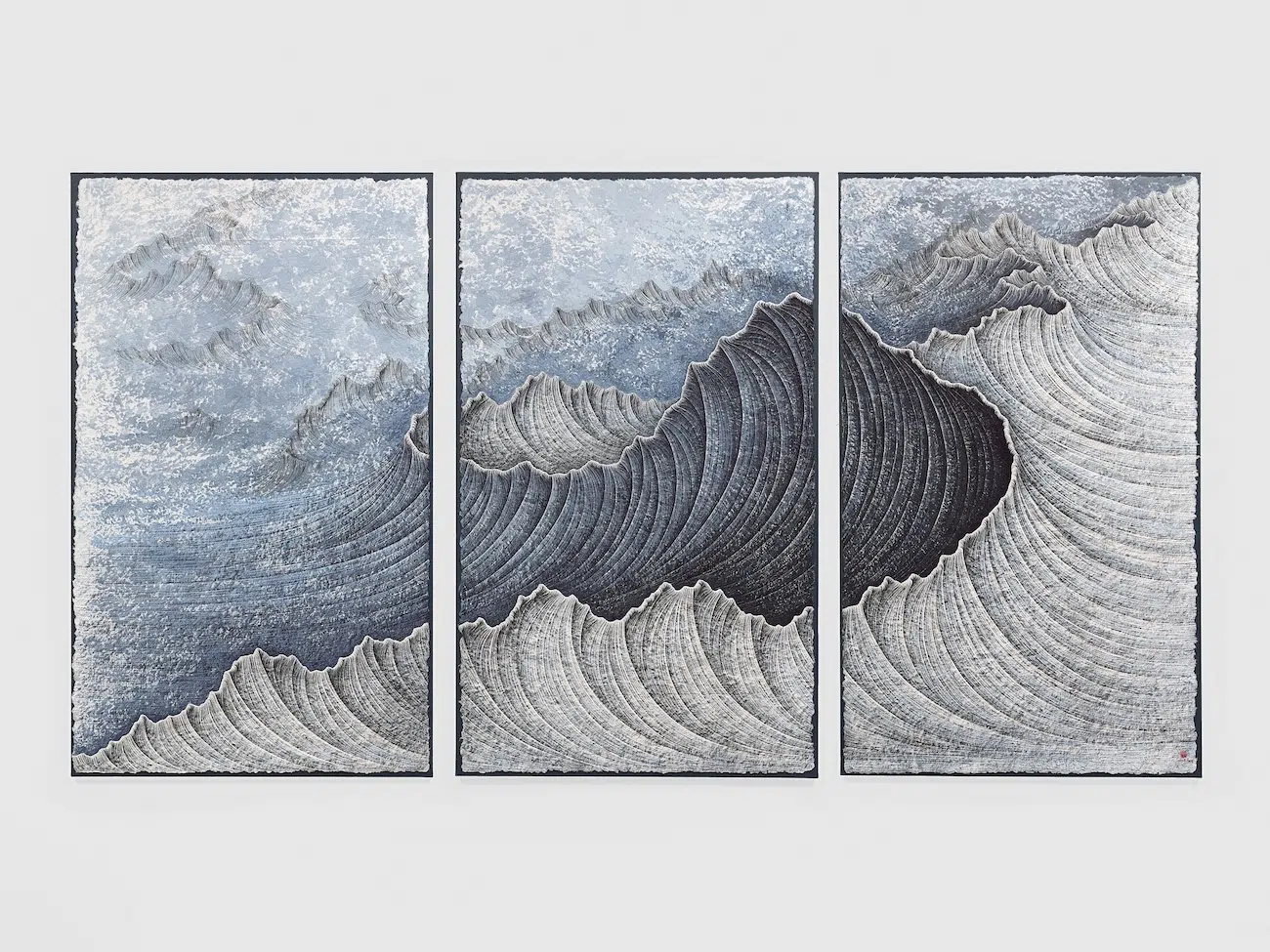
“Contemplation,” 2024. (Photo: Courtesy of Galerie Sept)
For Lee Hyun-Joung, hanji is more than simply an artistic medium. The traditional Korean paper offers a direct path to the country’s rich heritage, where it has been used for calligraphy, painting, and even architecture for centuries.
“Hanji is a part of everyday life, history, and cultural memory. Its texture, strength, and sensitivity respond directly to touch, time, and ink,” Lee tells My Modern Met. “For me, hanji carries the memory of my culture and my country, as well as a way of thinking that values patience, respect for materials, and attention to each gesture.”
Even with her preference for an ancient medium, Lee has found a way to reimagine hanji for the contemporary world. Throughout her practice, the South Korean artist transforms blank sheets of paper into abstract landscapes, often rendered with black ink. These poetic scenes resemble waves about to crash onto the shore, crests foaming with delicate white clouds; they conjure the movement of a crisp gust of wind; and they rise and fall like a dramatic mountain range. Encountering these compositions almost inevitably inspires reflection, as we search for meaning in their intuitive, fluid brushstrokes.
“The lines I draw can be seen as abstract landscapes, but they are also traces of an inner journey,” Lee explains. “The idea of the path is a recurring theme in my work. The path is not only a visual element but also a metaphor for life itself—a journey made of detours, pauses, repetitions, and forward movement.”
In other words, Lee’s vision captures an endless process of becoming, whether it be related to the natural world, the inner self, or both. Eliciting such themes, though, requires a certain care, a subtlety that can only be achieved through what Lee describes as a “deep respect for time and craftsmanship.” That’s precisely why the artist creates her work directly on the floor, resulting in a more intimate relationship between herself, her medium, and the act of artistic production. The process, she adds, also encourages a more meditative approach, one free from predictability and preparation.
“Each line is drawn slowly, one after another, in a continuous rhythm,” Lee says. “Every line is an immediate and irreversible decision. This process reflects my artistic philosophy: accepting uncertainty, moving forward without knowing the final outcome, and trusting the inner state that guides the hand.”
It’s clear that this “continuous rhythm” complements Lee’s chosen medium. Her gestural, sweeping brushstrokes and linear patterns accentuate—and at times obscure—the natural texture of hanji, enhancing the dynamism at the core of her practice. Taken altogether, these artworks vibrate with presence, offering a rare glimpse into creativity as it unfolds.
“Each work becomes a record of time, movement, and experience—a quiet reflection of the process and the moment in which it was created.”
Learn more about Lee Hyun-Joung via her artist page on Galerie Sept, the Belgian gallery that has represented her for the past several years.
Throughout her practice, the Korean artist Lee Hyun-Joung reimagines traditional hanji paper into abstract, billowing forms.
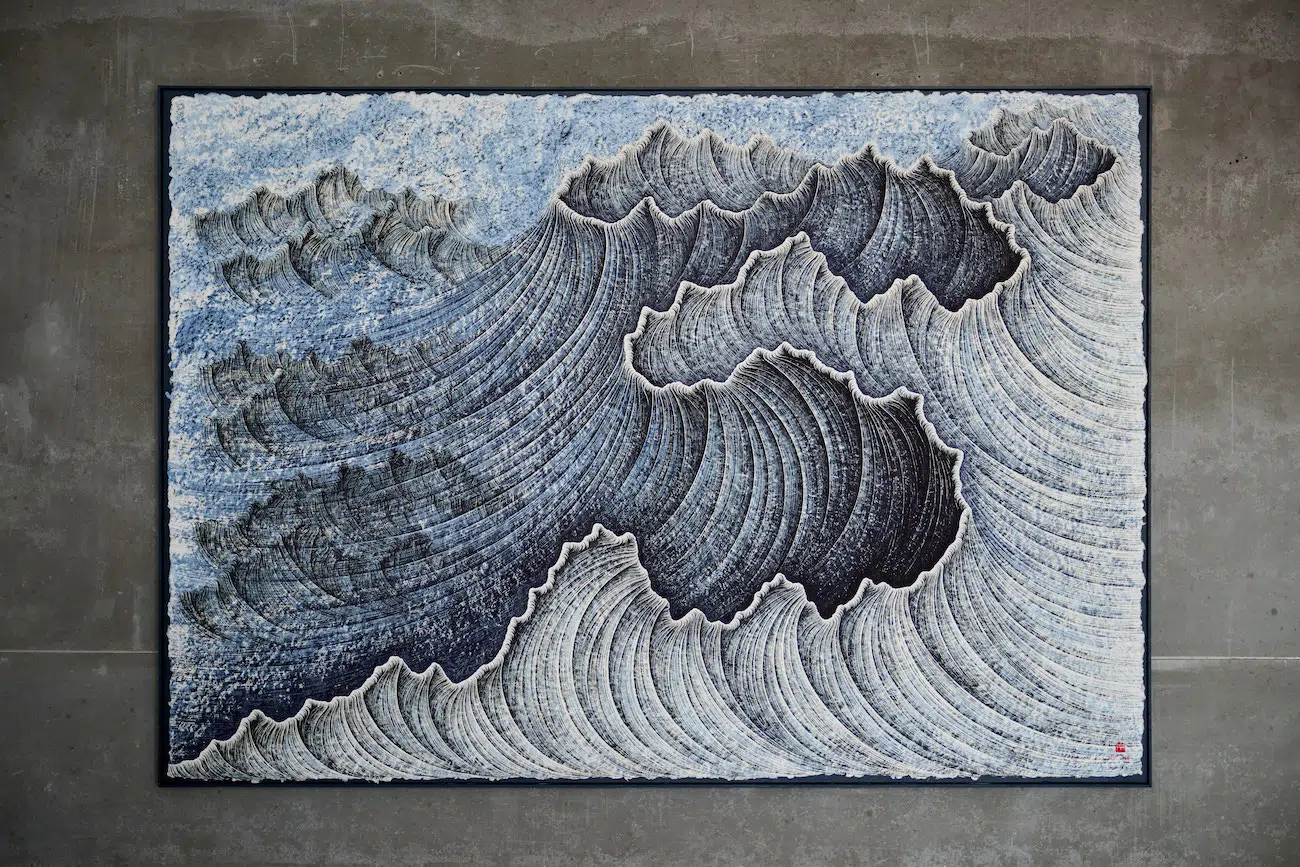
Photo: Courtesy of Galerie Sept
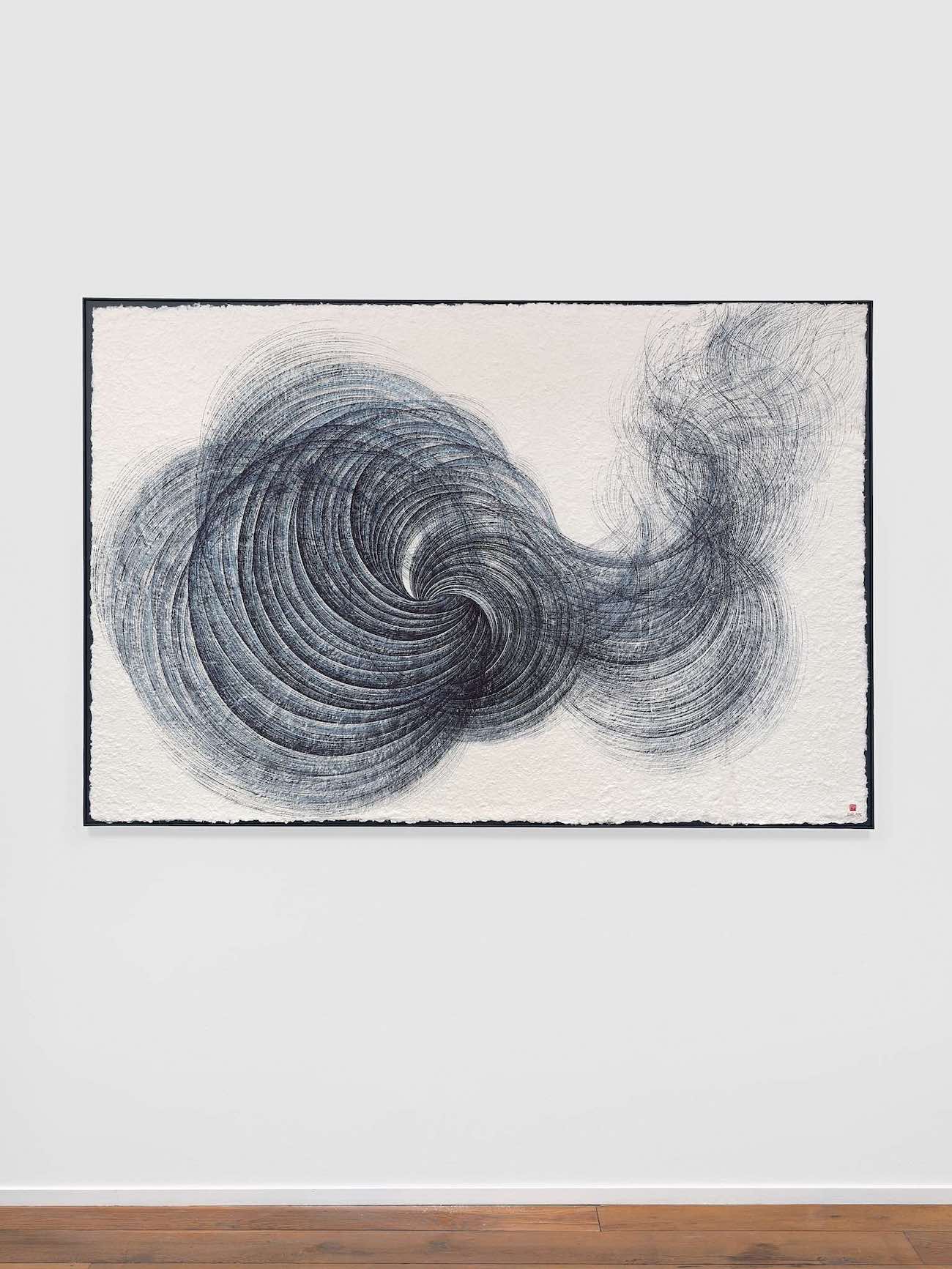
“Mémoire du Vent,” 2024. (Photo: Courtesy of Galerie Sept)
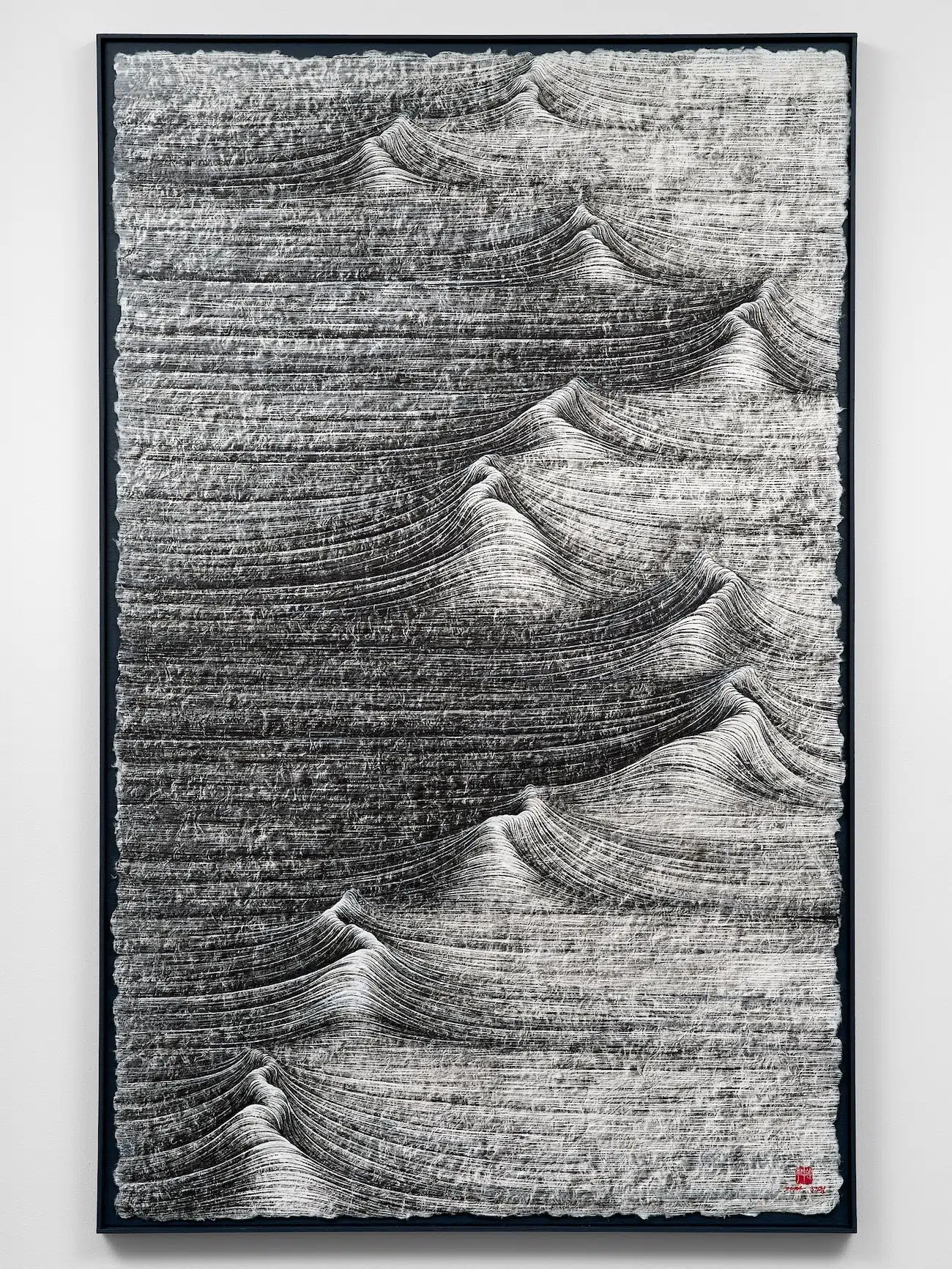
“Les Chemins,” 2024. (Photo: Courtesy of Galerie Sept)
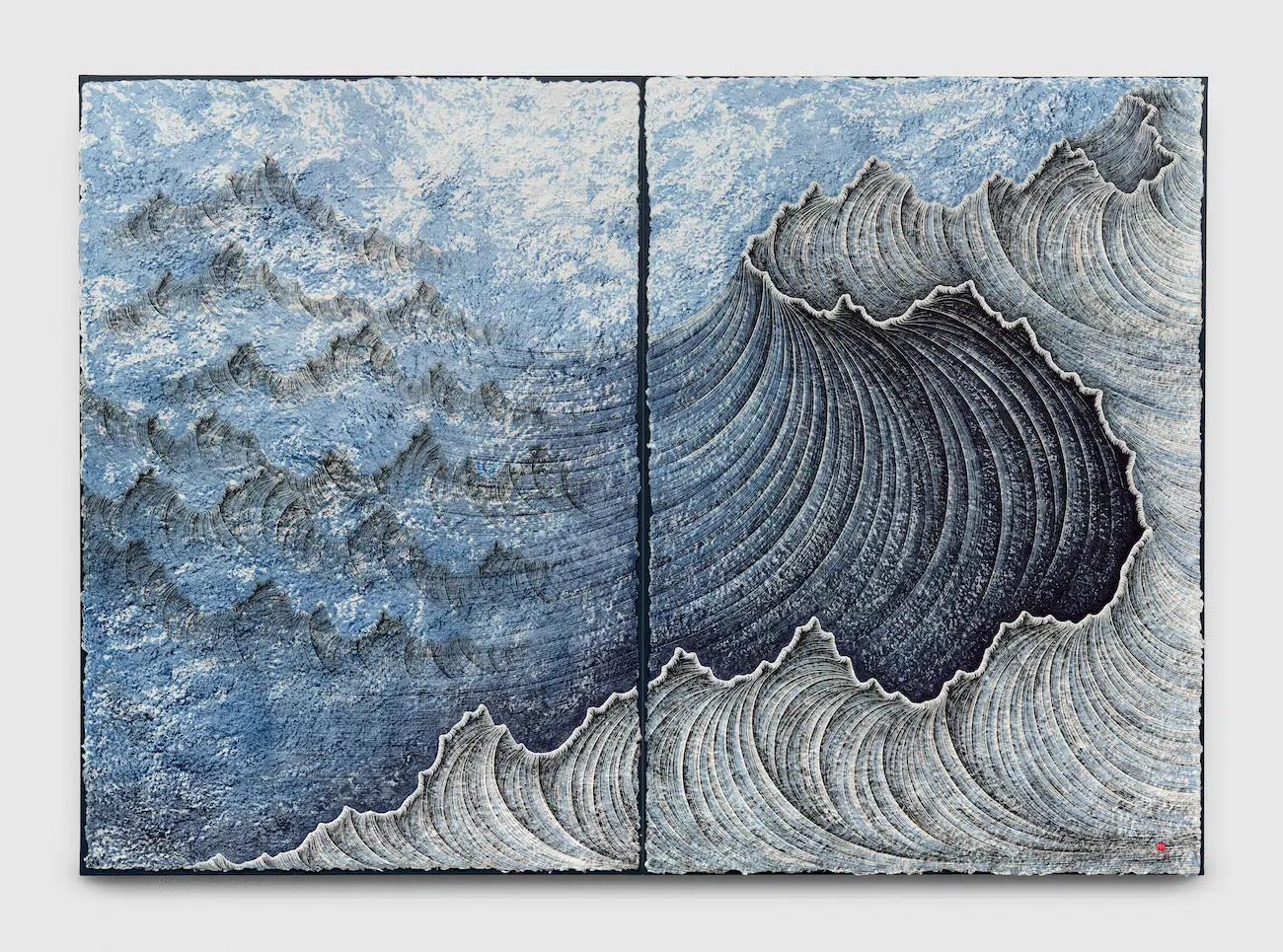
Photo: Courtesy of Galerie Sept
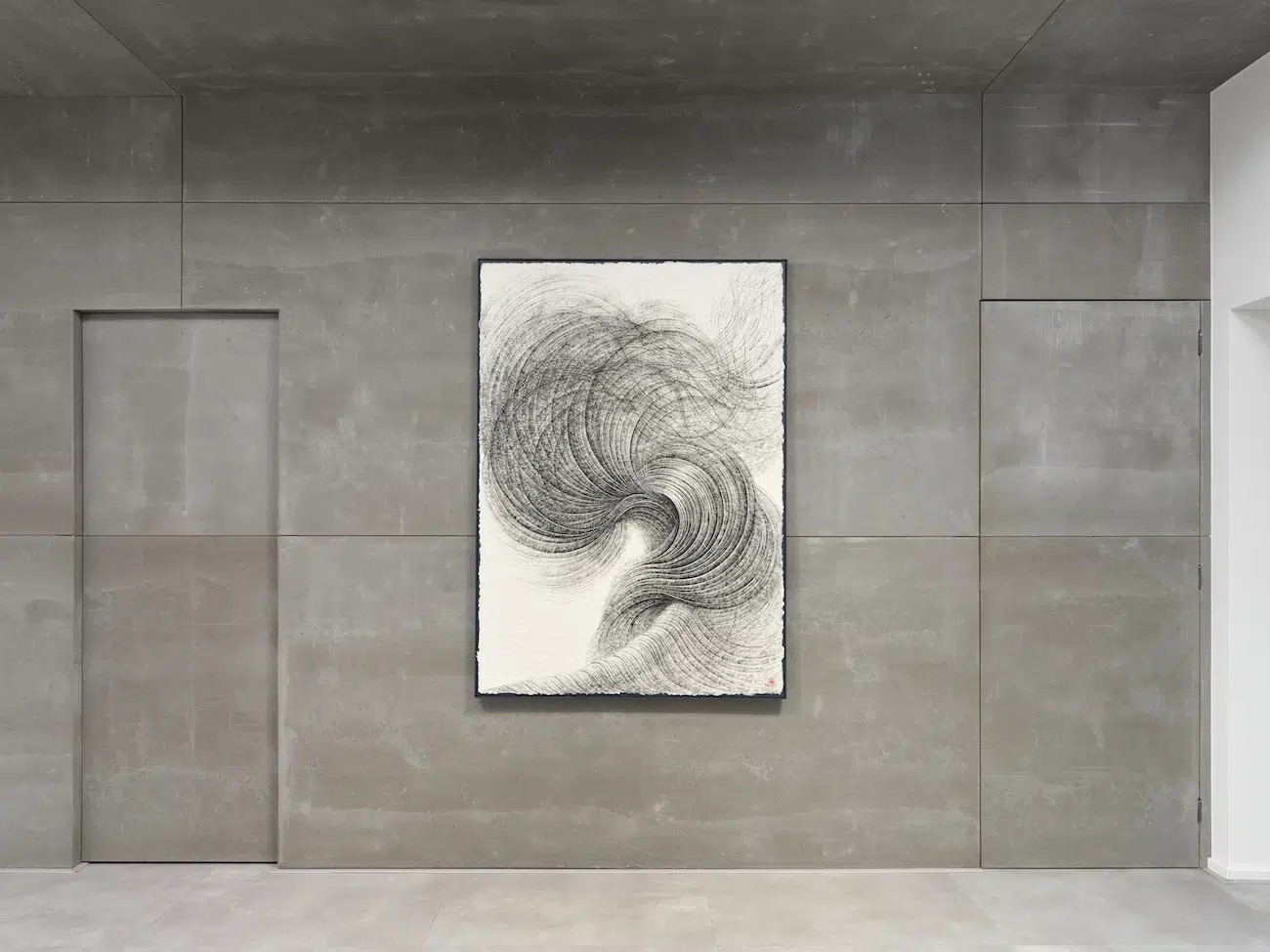
Photo: Courtesy of Galerie Sept
Through her fluid, intuitive brushstrokes, the artist encourages intimate moments of self-reflection.
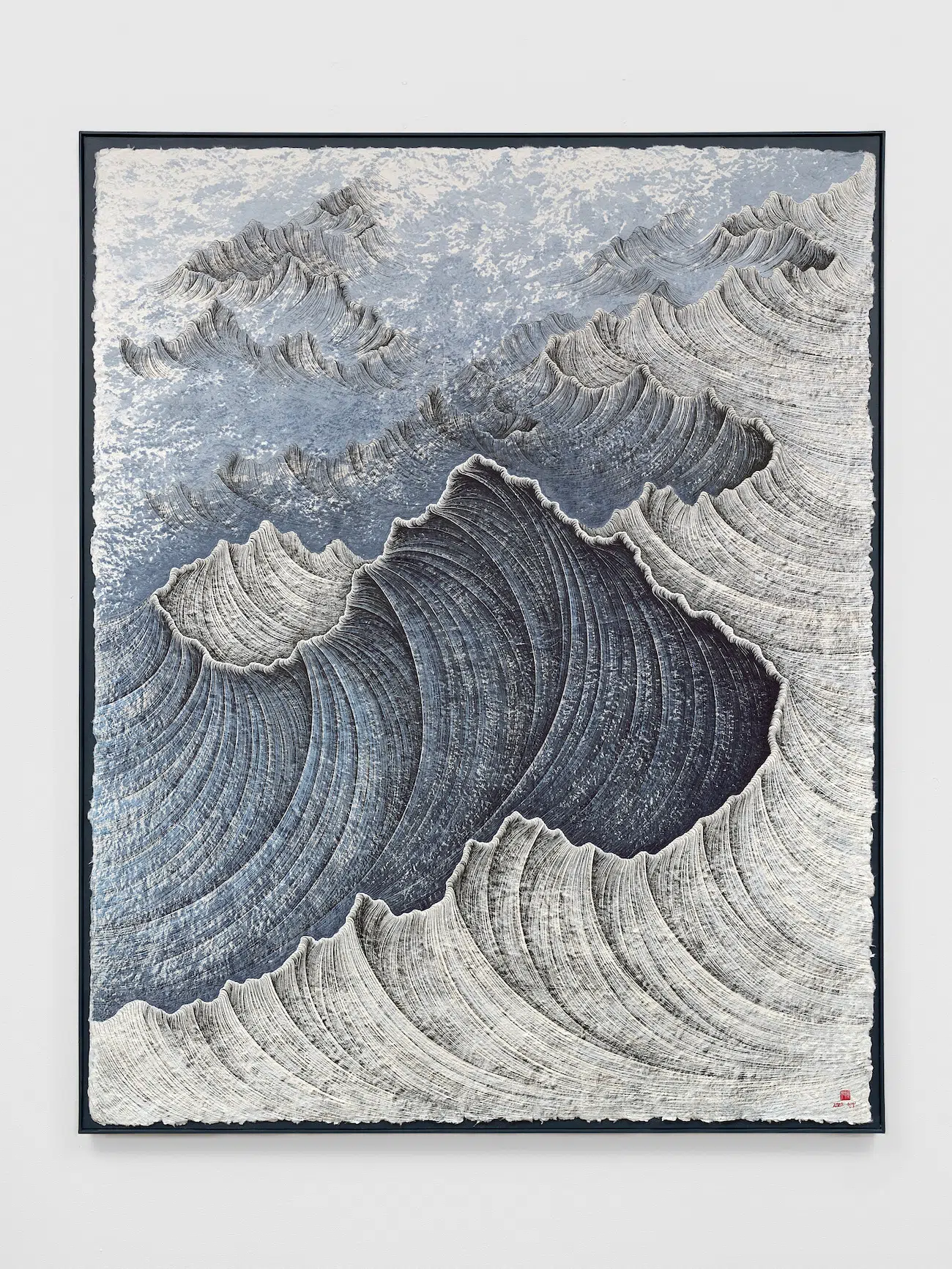
Close-up of “Contemplation,” 2024. (Photo: Courtesy of Galerie Sept)
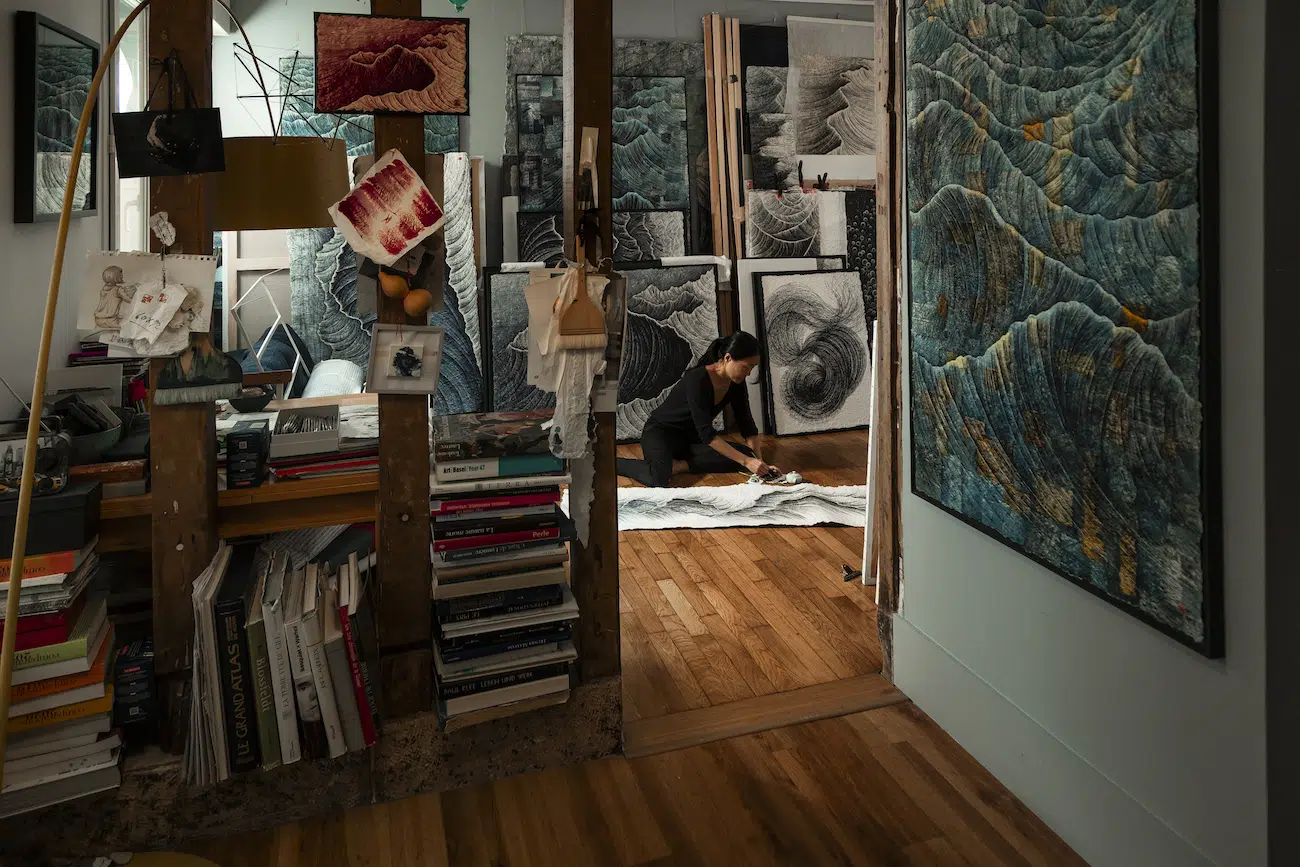
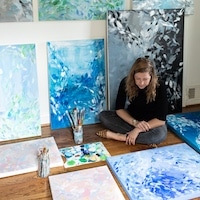
Lee Hyun-Joung in her studio. (Photo: Courtesy of Galerie Sept)
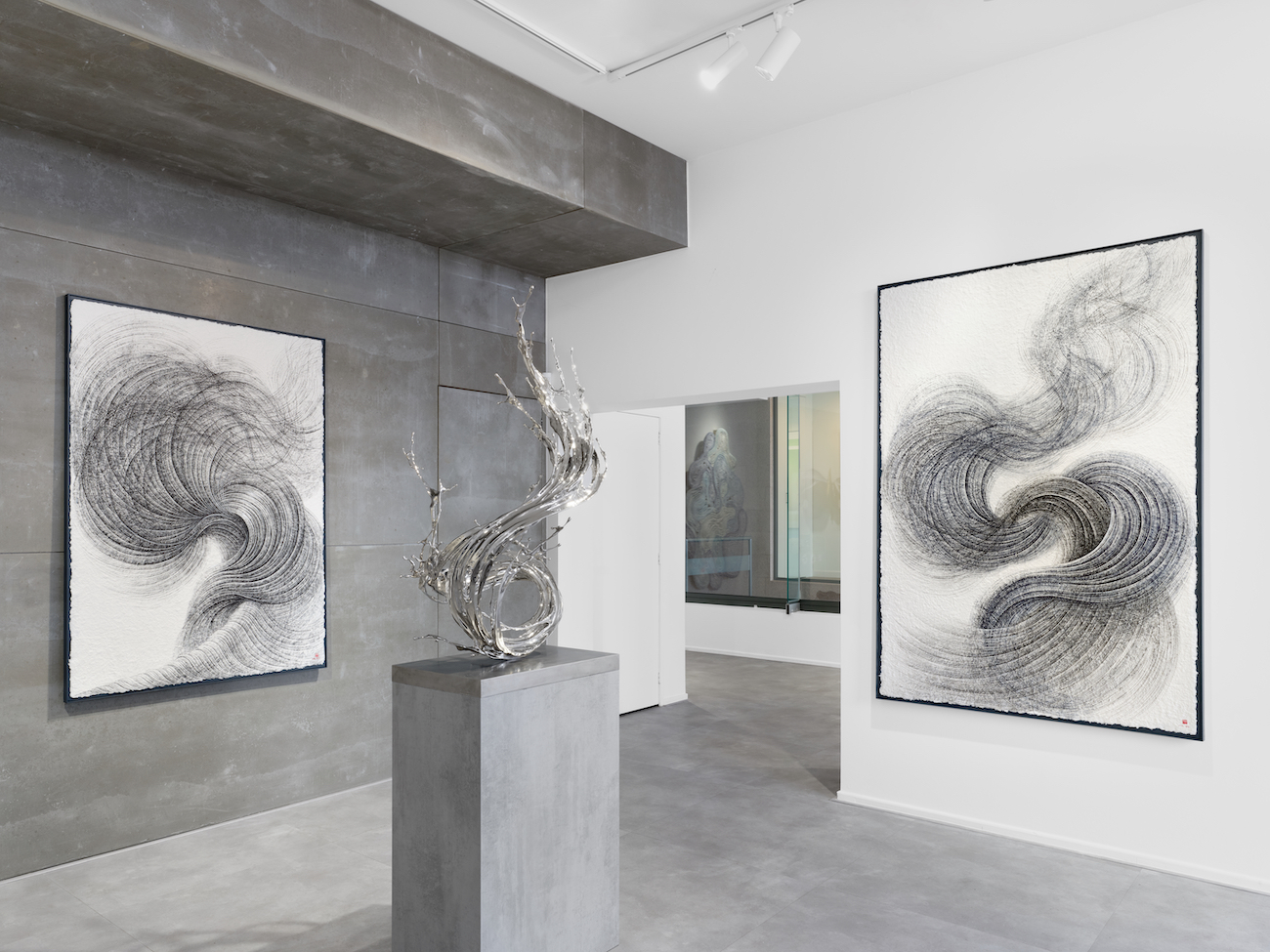
Photo: Courtesy of Galerie Sept
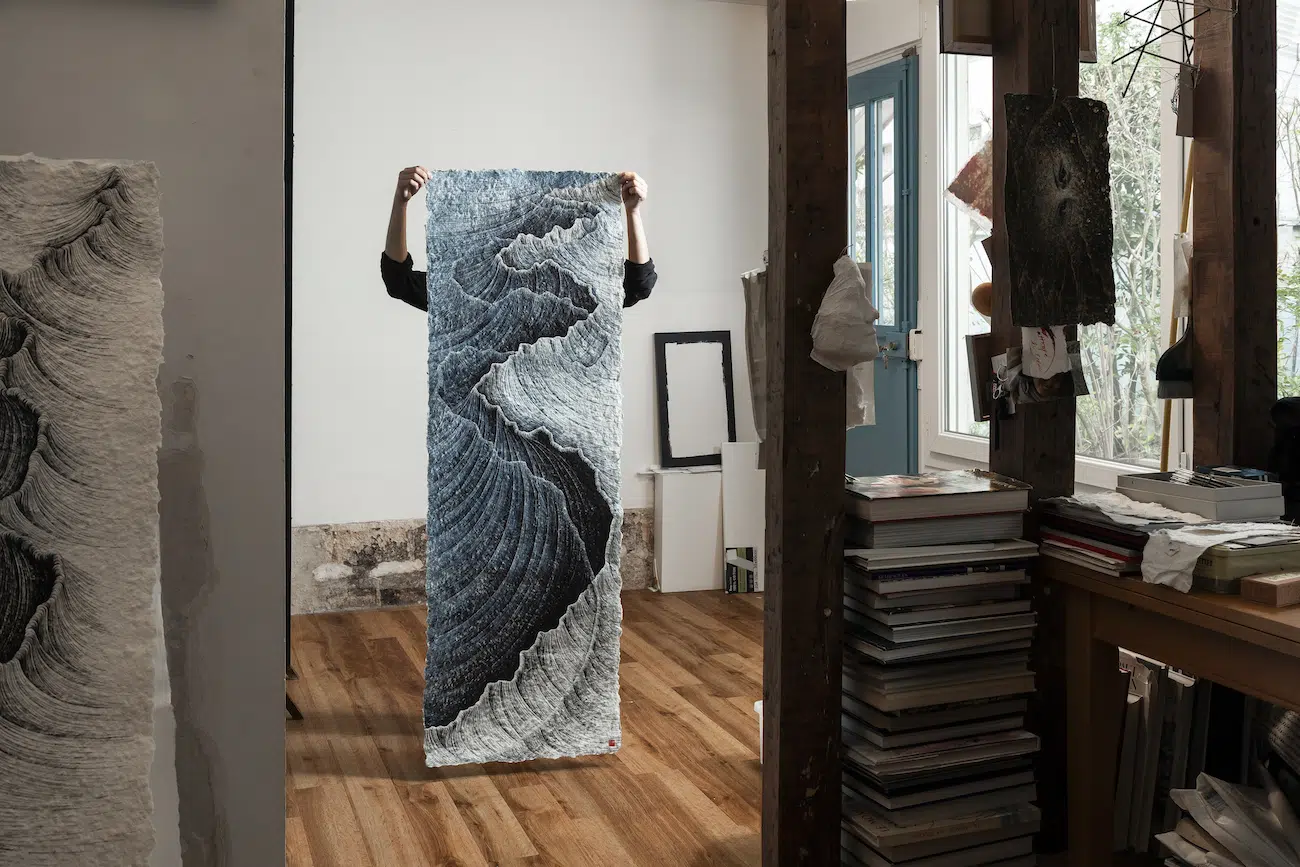
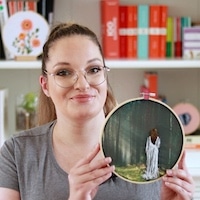
Lee Hyun-Joung holding up one of her artworks. (Photo: Courtesy of Galerie Sept)
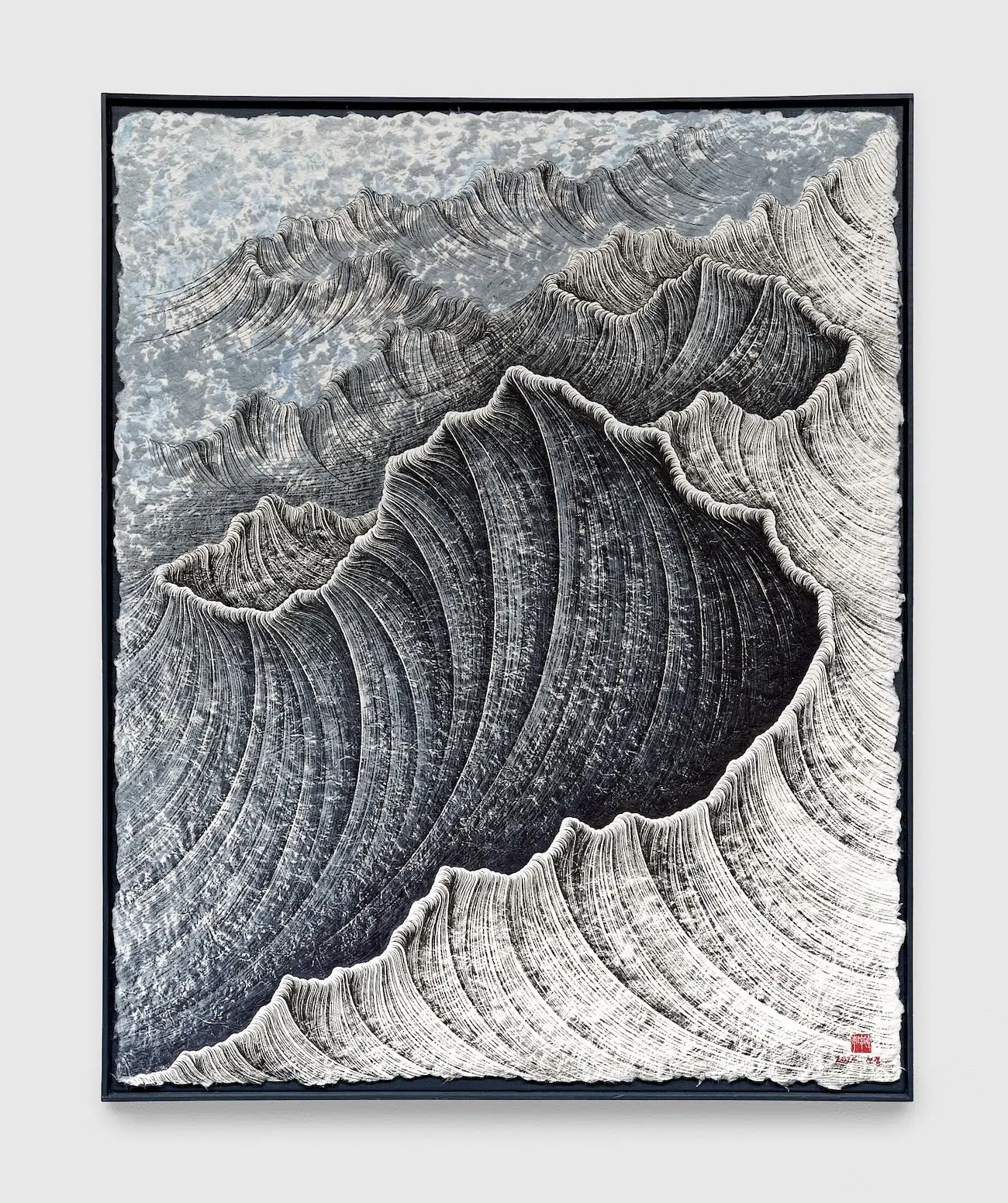
Photo: Courtesy of Galerie Sept
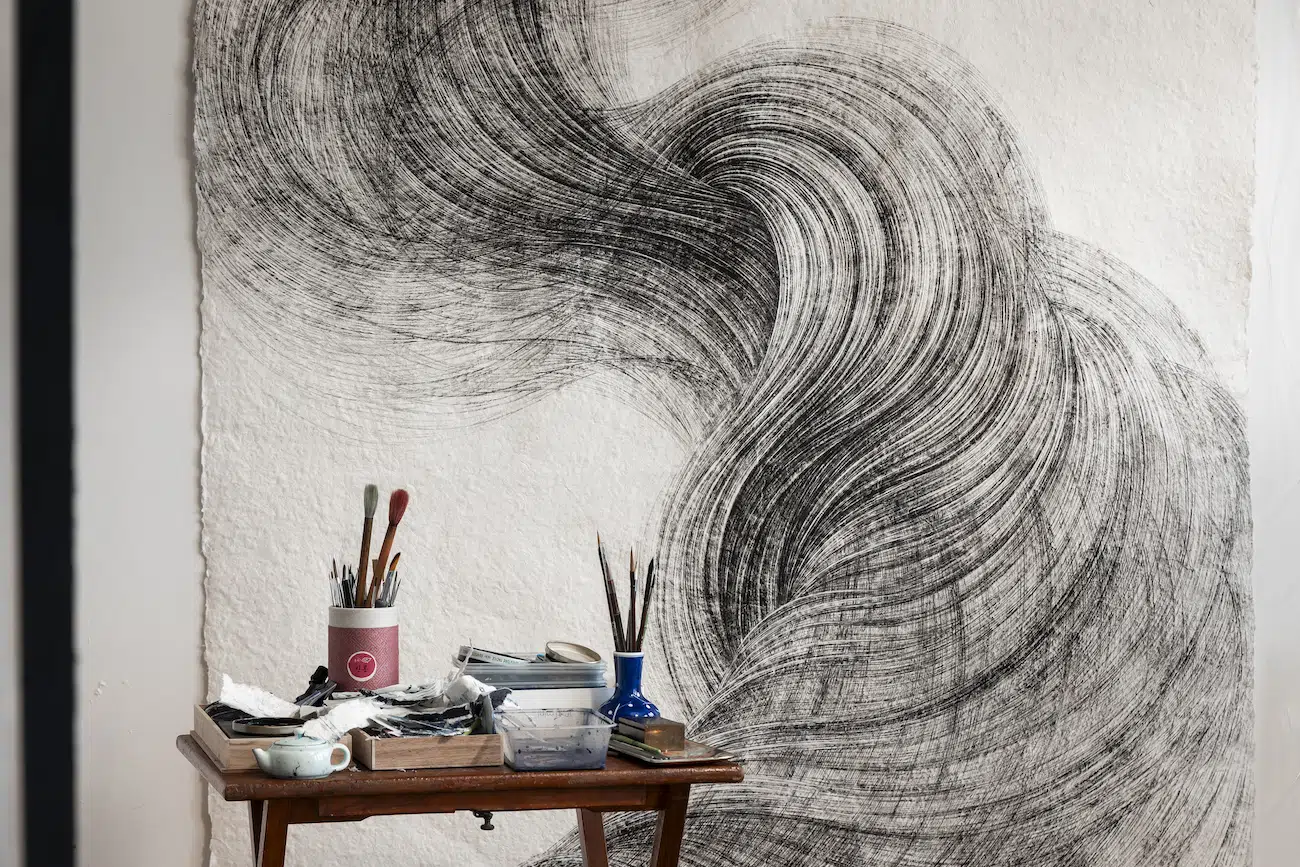
Lee Hyun-Joung’s studio. (Photo: Courtesy of Galerie Sept)
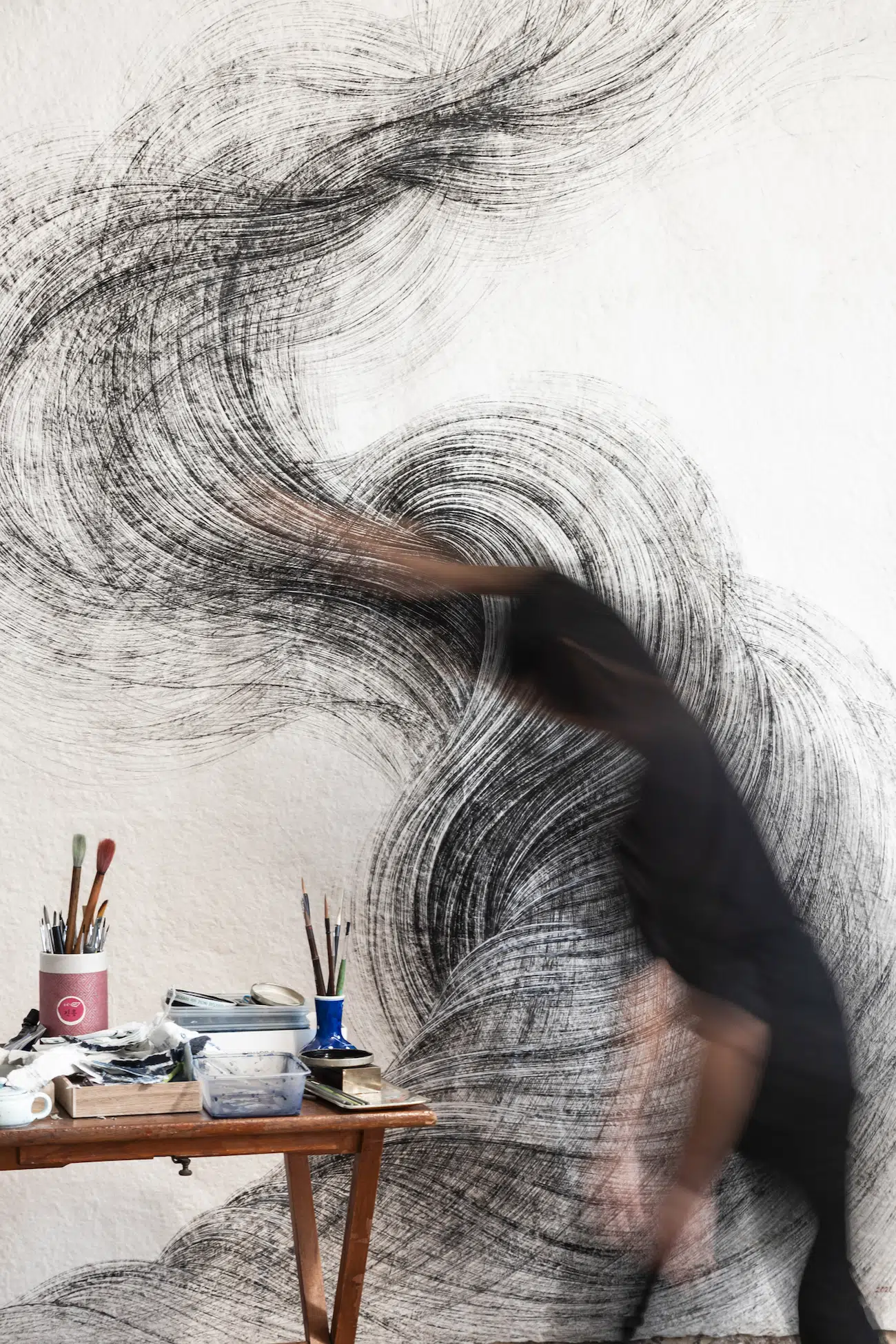
Lee Hyun-Joung producing one of her artworks. (Photo: Courtesy of Galerie Sept)
Lee Hyun-Joung: Instagram
Galerie Sept: Website | Instagram
My Modern Met granted permission to feature photos by Galerie Sept.
Related Articles:
Nearly 30 Years of Artist Lee Bul’s Extensive Oeuvre in One Expansive Exhibition
Artist Reimagines Korean Folktale As Elegant Acoustic Sculpture Covered in Bells
Introspective Paintings Explore Emotion Through Strange, Otherworldly Landscapes