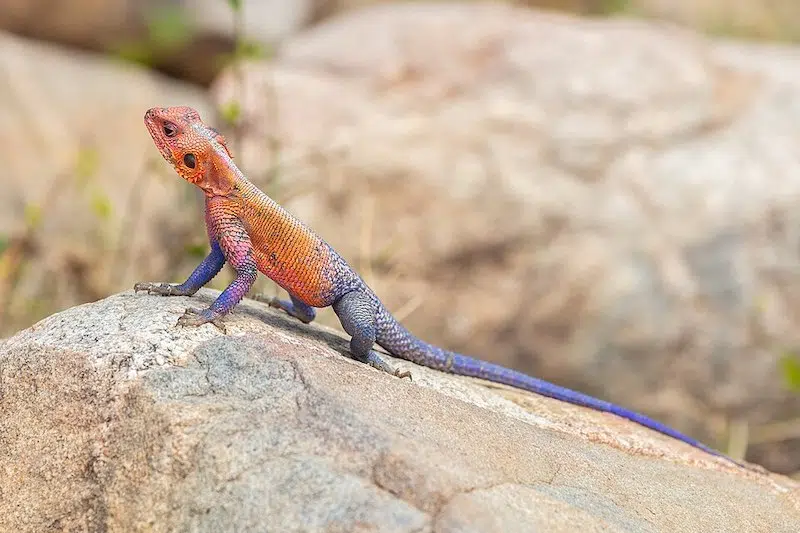
Mwanza flat-headed rock agama (”Agama mwanzae”), Masai Mara, Kenya. (Photo: Diego Delso via Wikimedia Commons, CC BY-SA 4.0)
At first glance, the Mwanza flat-headed rock agama looks like someone painted a lizard in Spider-Man’s signature colors. Its bright red head and shoulders contrast sharply with a deep blue body, creating one of the most striking color combinations in the reptile world. But this eye-catching animal is completely real, and its unusual appearance serves an important purpose.
Known scientifically as Agama mwanzae, the creature is native to parts of East Africa, including Tanzania, Kenya, and Rwanda. It spends much of its time on rocky outcrops and sun-warmed boulders, where its flattened head, strong claws, and agile body help it navigate the terrain. The species is also known as the “Spider-Man agama” because of the dramatic coloration displayed by males.
The superhero-like appearance is not shared equally across the species. Adult males develop vivid red or violet coloring across the head, neck, and shoulders, while the rest of the body becomes a rich blue. Females and juveniles are much more subdued, with brownish coloring that blends more easily into their rocky surroundings.
The difference comes down to communication. Male agamas use their bold colors during territorial and breeding displays, making the bright pattern a visual signal to both potential mates and rival males. During breeding season, the colors become particularly intense, turning the lizard into a conspicuous presence on the rocks.
The males also communicate through body movements. They perform head-bobbing and head-swinging displays as part of courtship and territorial behavior. Dominant males can maintain territories associated with groups of females, making their colorful appearance part of a larger social performance.
The Mwanza agama’s unusual appearance is only part of what makes it fascinating. Its physical structure is closely suited to the rocky landscapes where it lives. These lizards are commonly found at granite outcrops and kopjes, isolated rock formations that rise above the surrounding East African savannah. The rocks provide places to bask, hide, hunt, and escape predators. The agama can retreat into narrow crevices when threatened, using its flattened head and agile body to move through tight spaces.
Beneath the spectacular colors, Agama mwanzae is a small predator helping maintain the balance of its ecosystem. Its diet centers on insects, including ants, termites, and other invertebrates. By feeding on these animals, the agama becomes part of the complex food web of the East African savannah.
It also becomes food for larger predators, including birds and reptiles. Its survival therefore connects several levels of the ecosystem, from insects living among the rocks to the animals that hunt the agama itself.
Despite its recent internet fame, the species is not a creature of fantasy or a product of selective breeding. It is a naturally occurring lizard that has evolved to thrive in one of Africa's most challenging environments. Its brilliant colors may look like something from a comic book, but they are actually part of a sophisticated biological language written across its skin.
In other words, Spider-Man does exist in the animal kingdom. He just happens to spend his days basking on rocks in East Africa.
The Mwanza flat-headed rock agama looks remarkably like Spider-Man come to life.
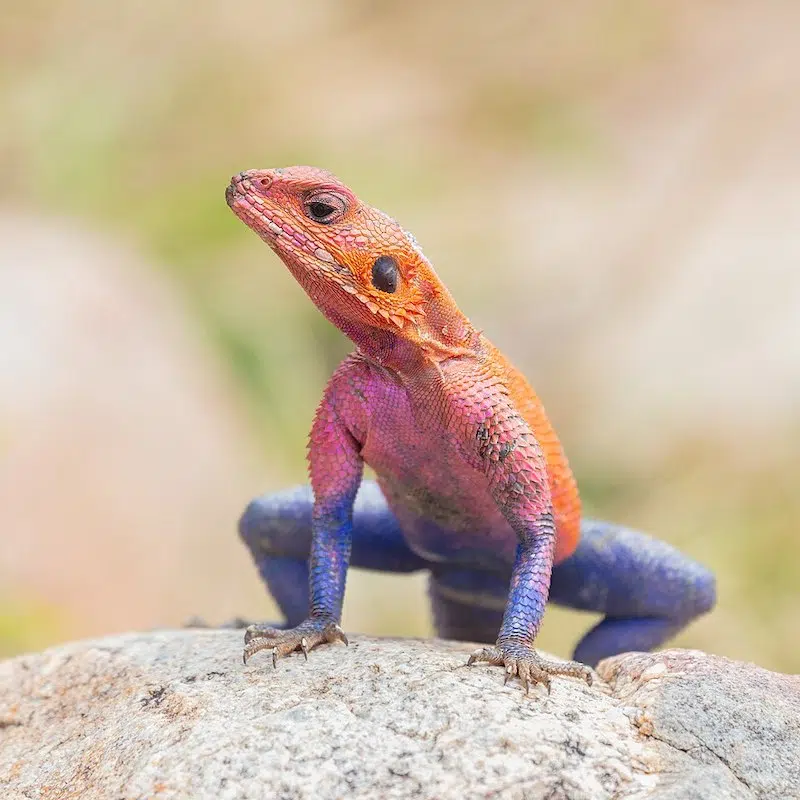
Mwanza flat-headed rock agama (”Agama mwanzae”), Masai Mara, Kenya. (Photo: Diego Delso via Wikimedia Commons, CC BY-SA 4.0)
Native to Tanzania, Kenya, and Rwanda, these rock-dwelling reptiles use sun-warmed outcrops to bask, hunt insects, establish territories, and escape predators.
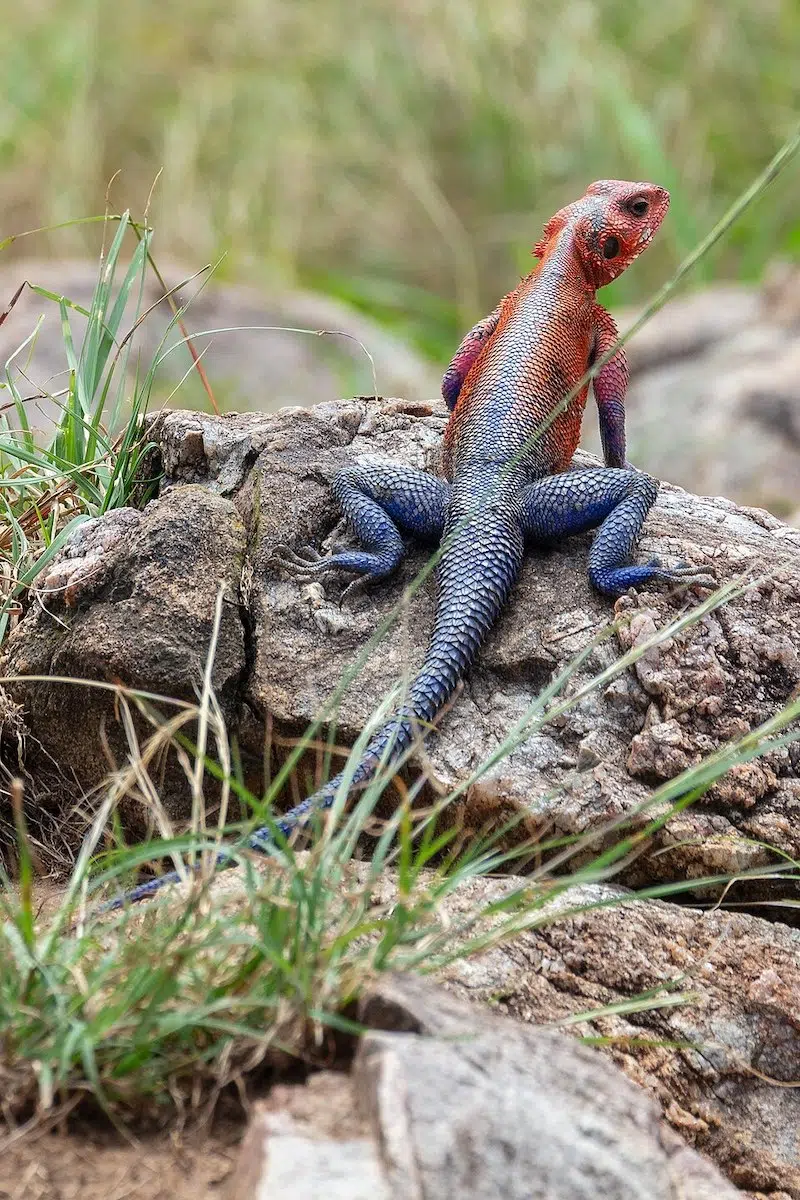
Mwanza flat-headed rock agama (”Agama mwanzae”), Masai Mara, Kenya. (Photo: Diego Delso via Wikimedia Commons, CC BY-SA 4.0)
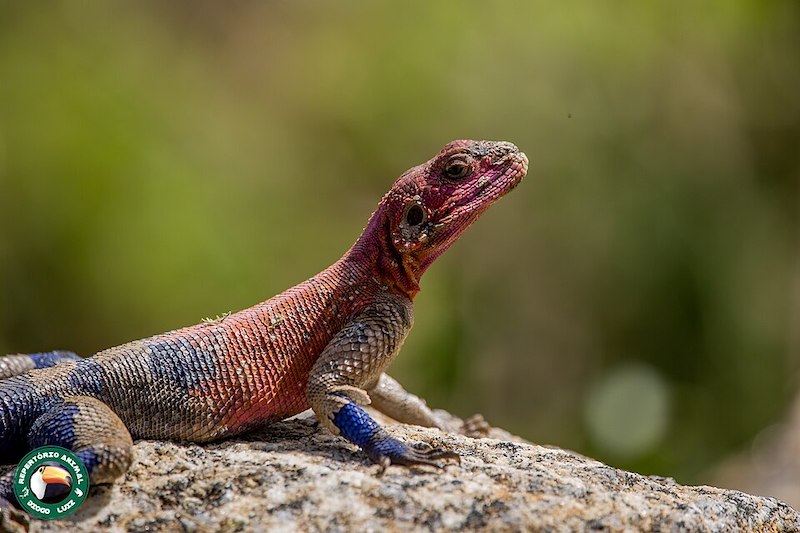
Mwanza Flat-headed Rock Agama (Agama mwanzae). (Photo: Diogo Luiz via Wikimedia Commons, CC BY-SA 4.0)
The resemblance to a comic-book hero is striking, but the colors are entirely biological, helping males signal their presence to rivals and potential mates.
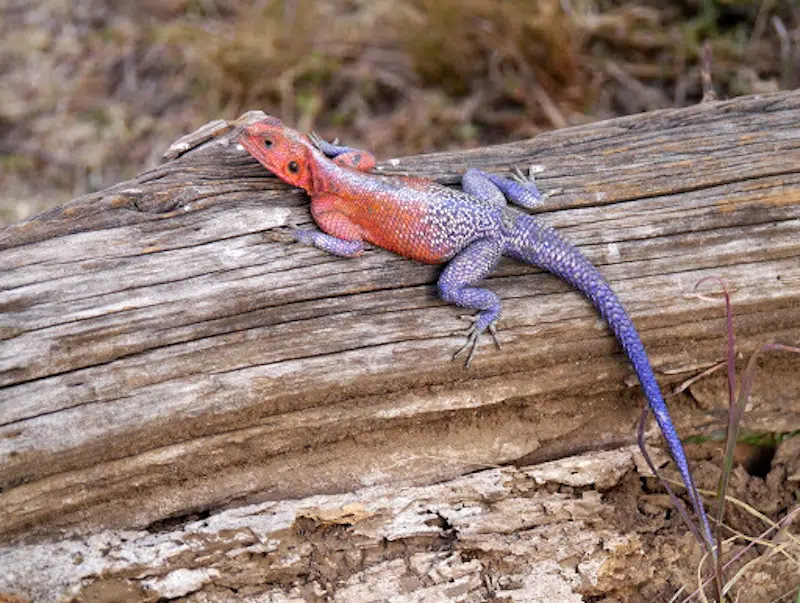
Mwanza Flat-headed Rock Agama (Agama mwanzae). (Photo: Matt Muir via Wikimedia Commons, CC BY-SA 4.0)
Sources: The Spider-Man Lizard Is Real, and It Lives on the Rocks of East Africa; Meet the ‘Spider-Man lizard’: The science behind the Mwanza flat-headed rock agama’s suerhero colours
Related Articles:
Study Reveals How “Scuba Diving” Lizards Create an Air Bubble for Underwater Survival
23 Animals Who Have Perfected the Art of Camouflage
Adorable Lizard Uses Blossoming Rose as a Comfy Bed
Bold Parakeet Biting a Lizard’s Tail Wins SINWP Bird Photographer of the Year Contest