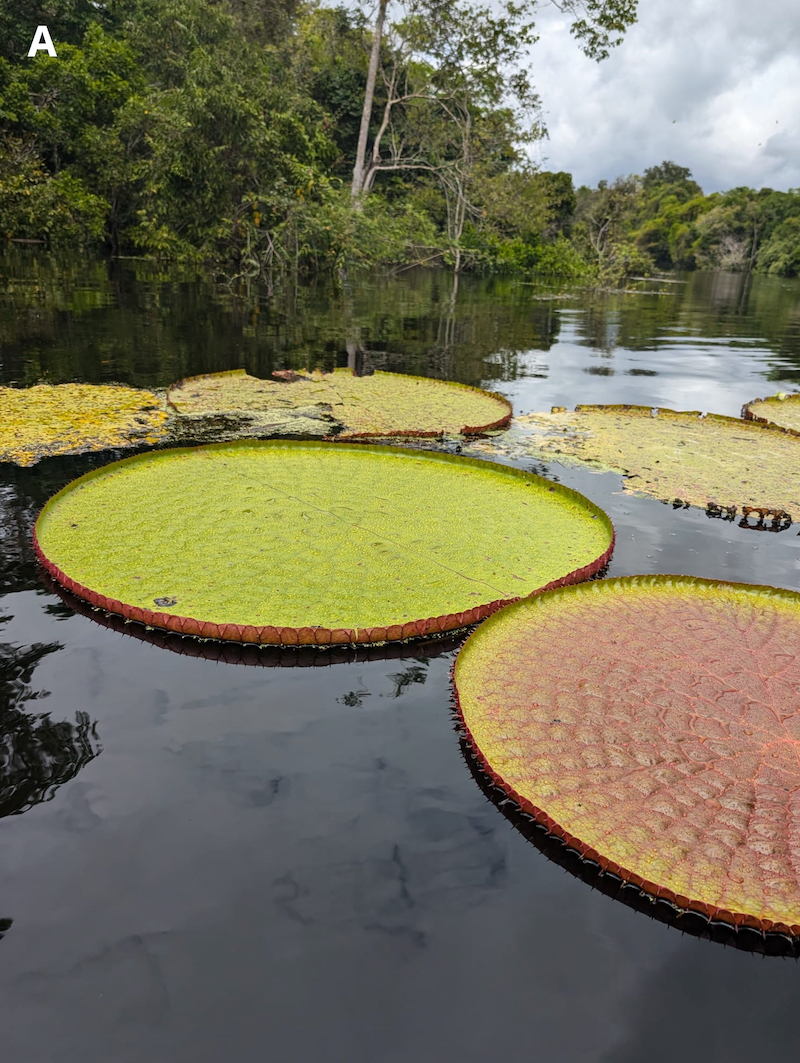
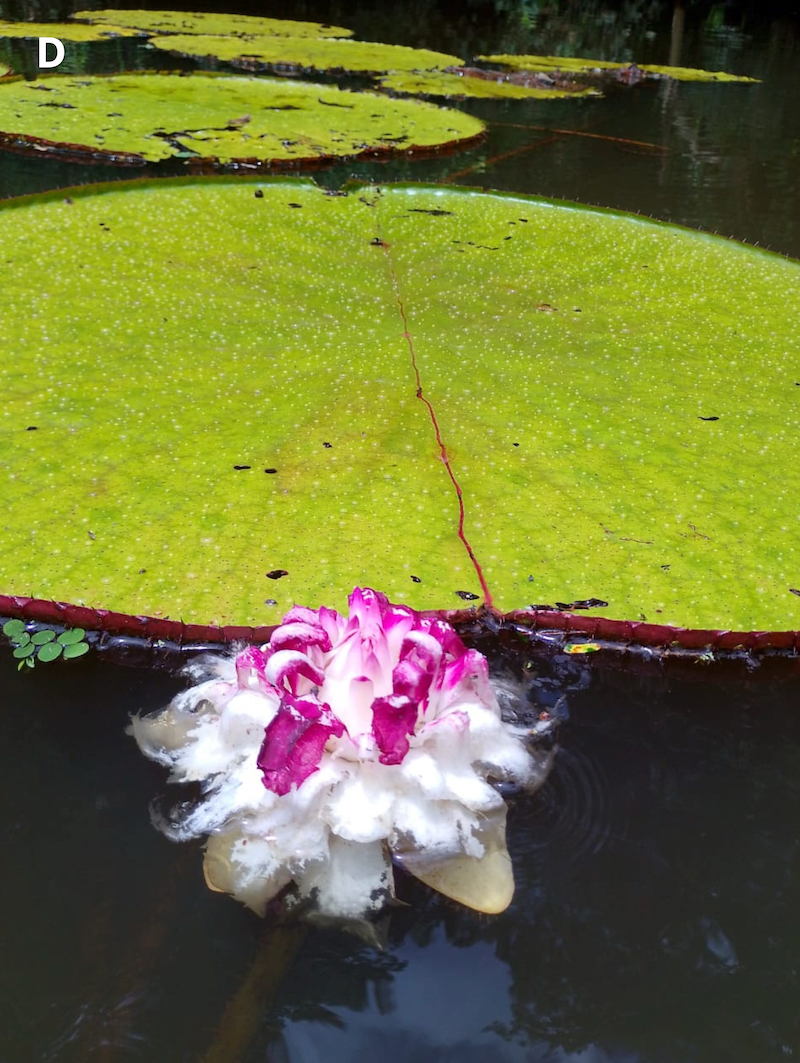
A chance Instagram post helped scientists identify a new species of giant waterlily in Colombia. Named Victoria colombiana, the plant produces floating leaves up to 2 meters (6.6 feet) across. Researchers estimate that only a few dozen individual plants remain in the wild, making it a conservation priority.
The discovery began in 2021, when Carlos Magdalena, a horticulturist at the Royal Botanic Gardens, Kew, spotted photographs of the plant shared by American plant enthusiast Jeremiah Harris. Harris had photographed the waterlily in Colombia's Inírida region and initially identified it as Victoria amazonica. However, Magdalena recognized that scientists had not documented any known Victoria species in the Inírida River basin.
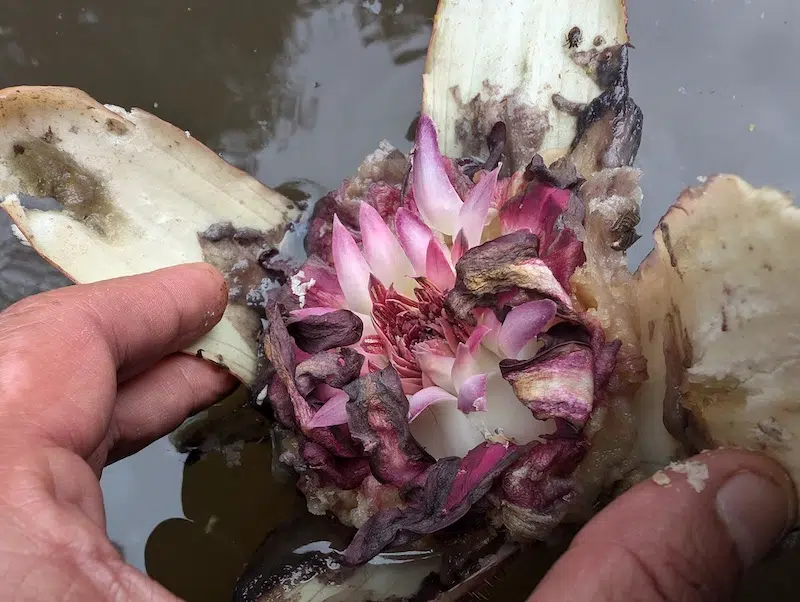
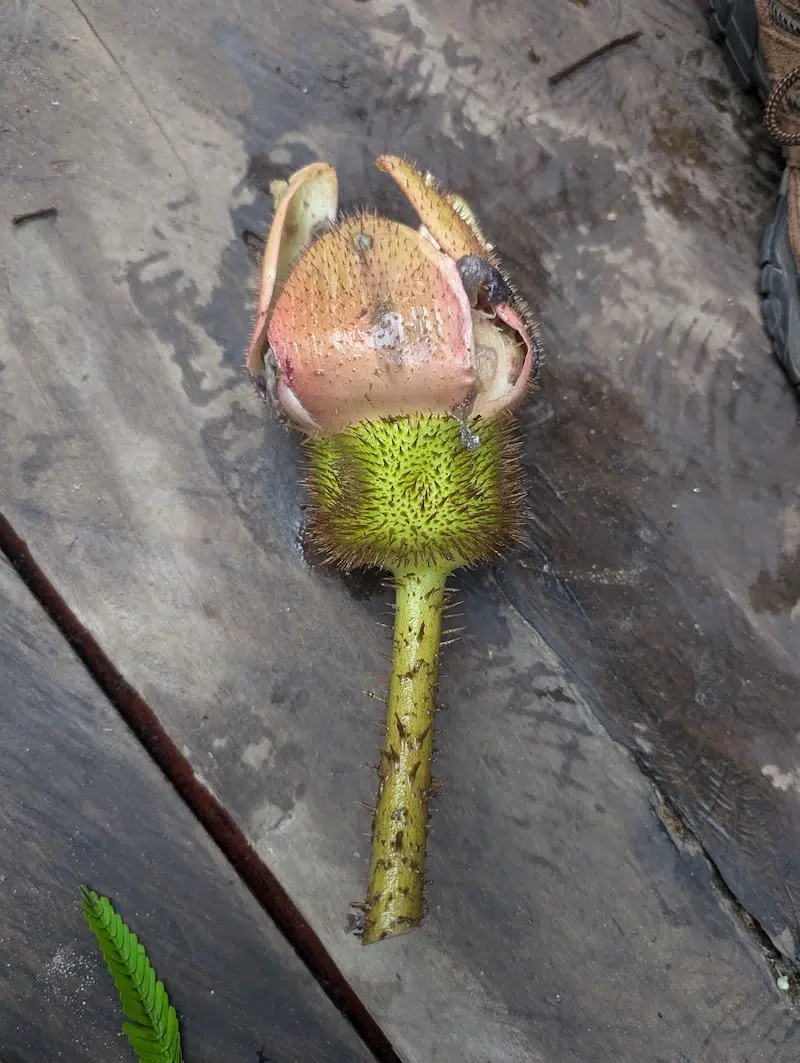
Magdalena and researchers from the Bogotá Botanical Garden organized an expedition to investigate. During five days in the flooded rainforest, the team located seven plants across two lakes. They initially struggled to find a flowering specimen, which botanists need to examine key features for species identification. With help from Gustavo Melo, a boatman from the Indigenous Tucano community, they reached a secluded lake and found five additional plants, including one in flower.
By comparing the specimens with existing botanical collections, the researchers confirmed that the waterlily represents a distinct species. Their findings, published in Phytotaxa on October 9, 2026, establish Victoria colombiana as the fourth scientifically recognized species in the genus Victoria.
The team also used satellite imagery to identify a third lake where the plant grows. Further surveys could reveal additional populations and help scientists determine the species' full distribution.
Despite its enormous leaves, Victoria colombiana faces a precarious future. Researchers estimate that just 30 to 50 individual plants survive in the wild. They are exploring conservation strategies, including cultivating plants from collected seeds in Bogotá and potentially establishing a protected population in a more accessible lake within Indigenous territory.
The researchers are working toward an official assessment by the International Union for Conservation of Nature (IUCN). In the meantime, documenting the waterlily's remaining populations is essential to understanding the threats it faces and determining how best to protect it.
The discovery highlights how botanical research, satellite technology, social media, and Indigenous knowledge can help scientists identify overlooked biodiversity. For Victoria colombiana, that discovery marks the beginning of a race to understand and conserve a species that may already be close to disappearing.
Scientists at Kew identified Victoria colombiana after an Instagram post led them to a new giant waterlily species in Colombia.
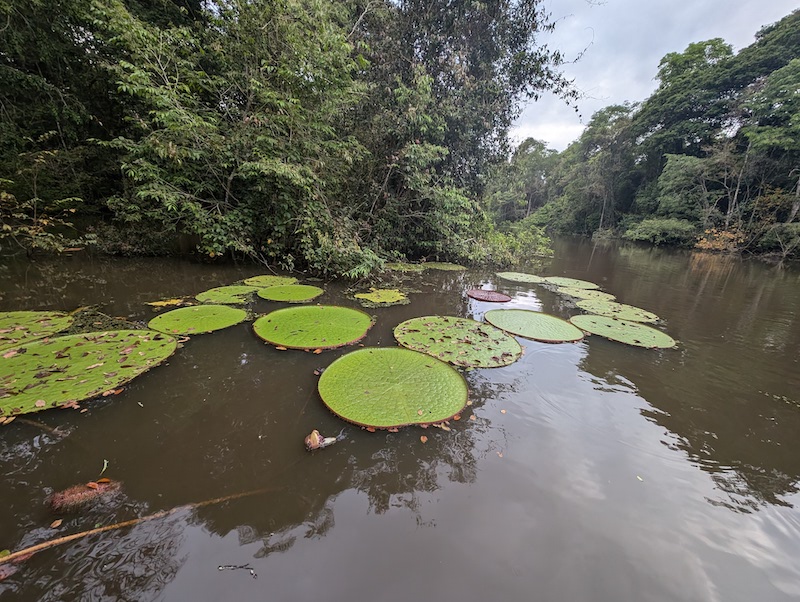
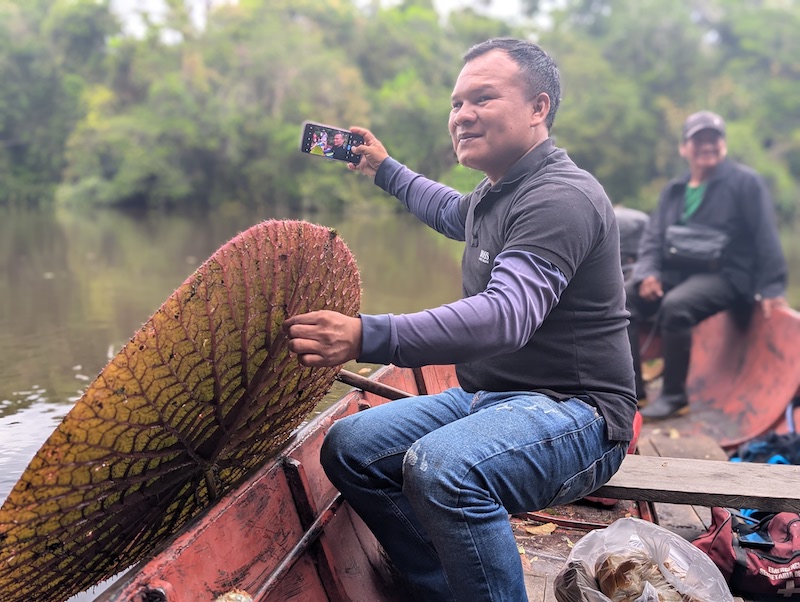
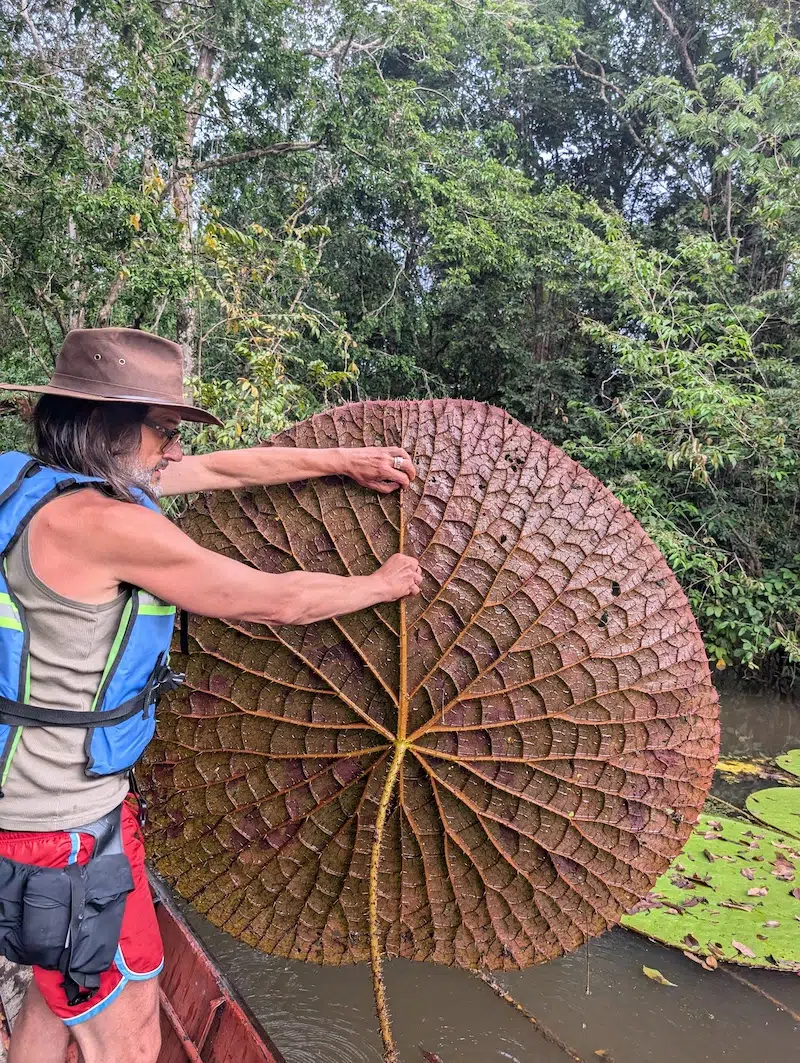
Researchers confirmed the discovery by examining flowering specimens and comparing them with existing botanical collections.
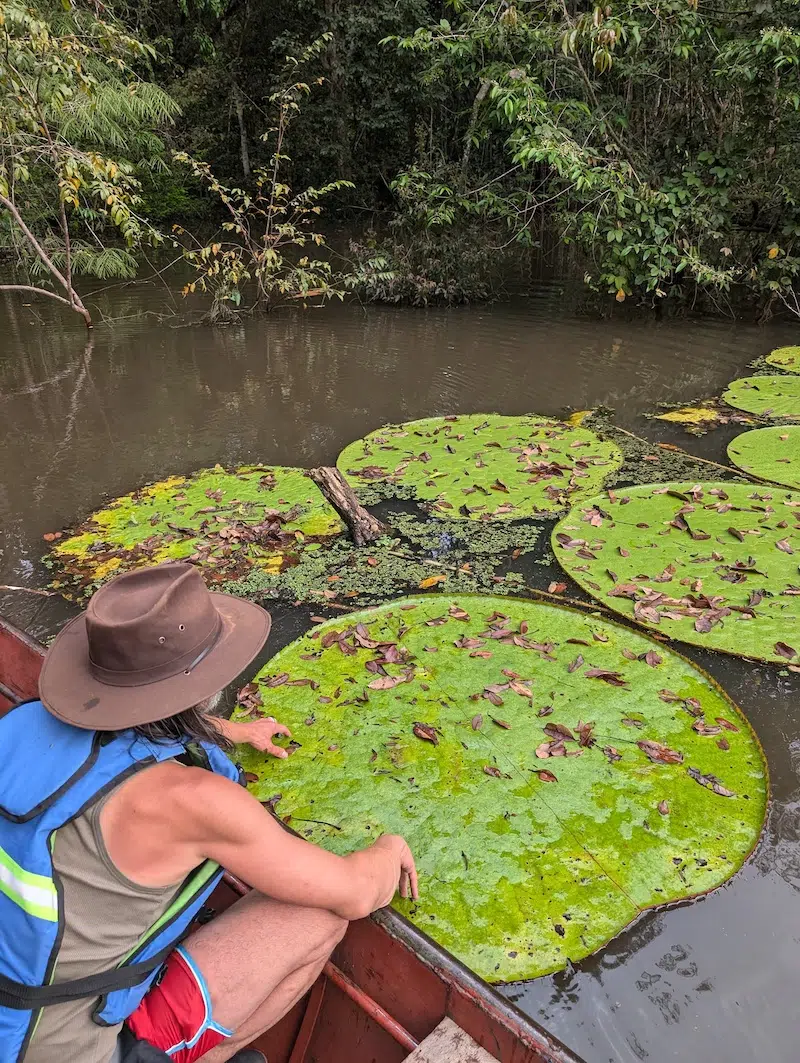
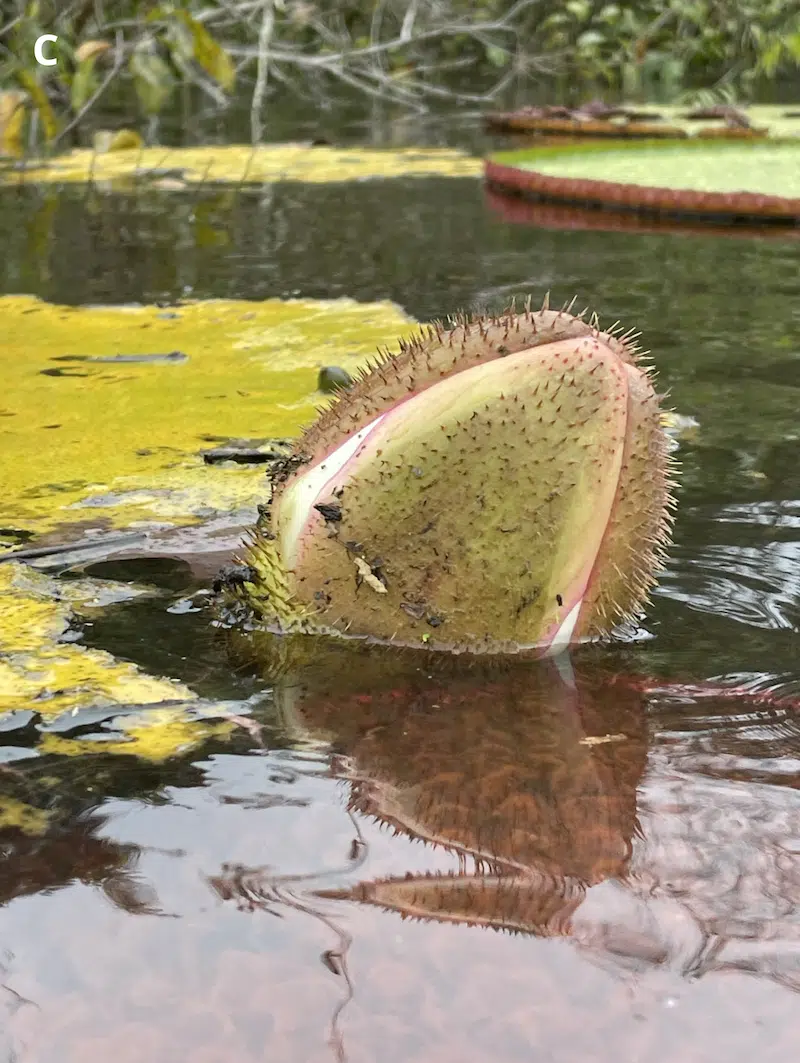
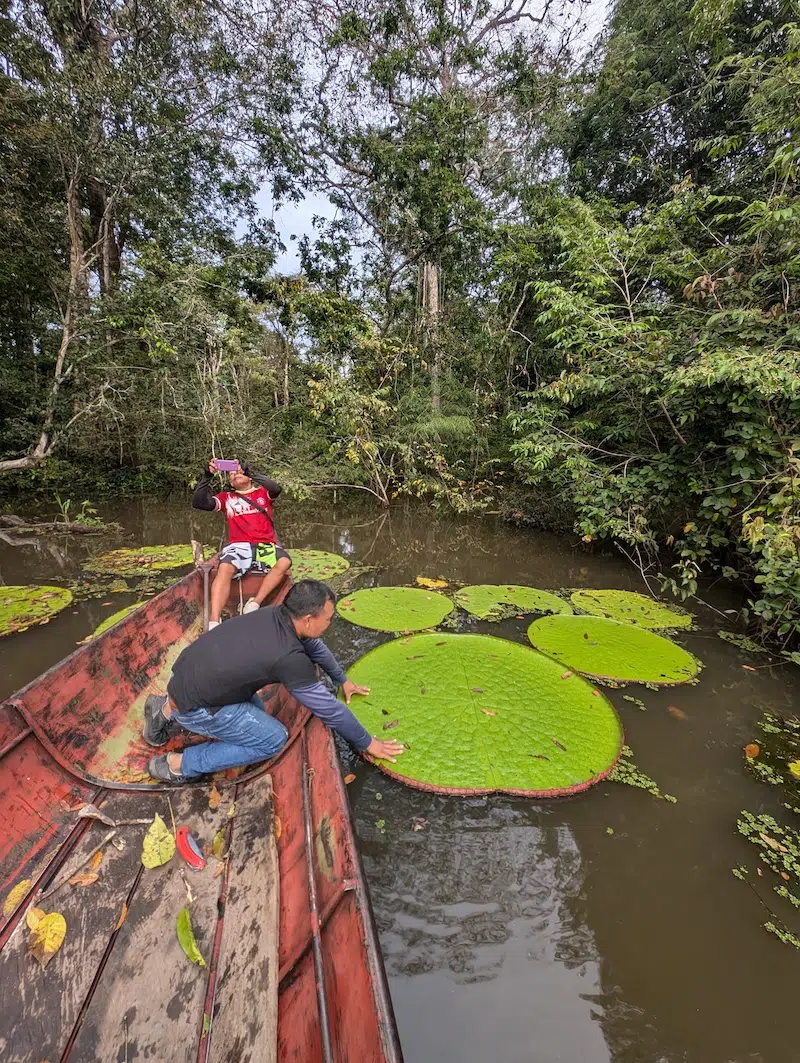
With just 30 to 50 plants estimated to remain in the wild, scientists are exploring ways to protect the species from extinction.
Source: New giant waterlily species described after chance Instagram sighting – and it’s already Critically Endangered
All images via Royal Botanic Gardens, Kew.
Related Articles:
Sustainable Floating City Inspired by an Amazonian Water Lily
100 Million Seeds From Native Plants Are Released Into the Brazilian Amazon by Daring Skydiver
YouTuber Disrupts Rare Plant Market by Revealing How to Clone Rare Species at Home