Ver esta publicación en Instagram
To the Siekopai, an Indigenous people living in the Ecuadorian Amazon rainforest, the wide-eyed charapa turtles represent a connection between the tangible and the spiritual worlds. That’s why they all carry the protection of Koouwajëo, a deity considered the mother, chief, and ancestral guardian of the turtles. Sadly, their populations have been decimated due to various human actions, including pollution and hunting. This has prompted local women to blend tech with tradition to bring this turtle back from the brink.
Also known as the yellow-spotted Amazon River turtle (Podocnemis unifilis), the charapa turtles are considered Vulnerable under the IUCN Red list. Although they were last assessed 30 years ago, the locals have witnessed the destruction of their habitat firsthand over the past few years. “Sometimes we see plastic, garbage bags,” Janeth Piaguaje, a Siekopai community leader, told Mongabay. “We also see dead animals floating down the river. We can’t control all of that, but we do make a significant effort to clean the beaches where we work.”
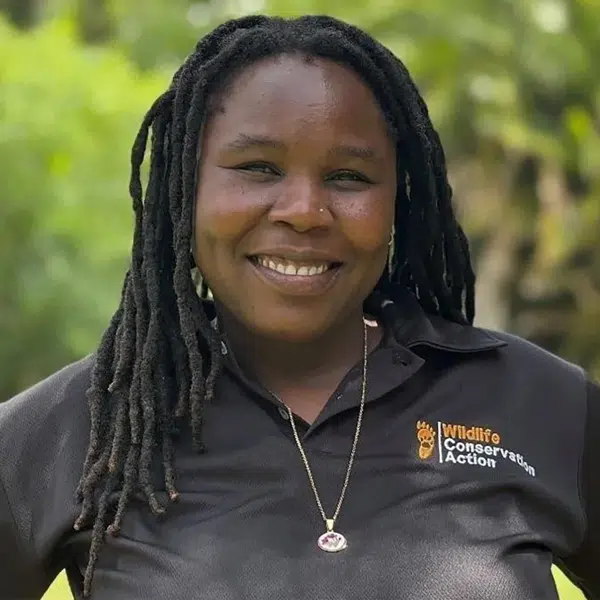
Piaguaje and six other women call themselves Tari Nomiowa’i or “turtle women,” having taken the matters into their own hands. On top of removing garbage and debris from the turtles’ habitat, they carry out an even more delicate task. The group scouts the banks of the Aguarico River to search for turtle tracks and nests. If they come across one, they collect the eggs and take them to an incubation facility where newborn turtles are kept safe from predators.
The Tari Nomiowa’i rely on tools like the Epicollect5 app, a field data collection tool, where they track the date, time, location, and number of eggs in each nest, allowing them to provide the appropriate care to each turtle and measure the success of their operation. On the other hand, the skill to safely collect them comes from traditional knowledge. Particularly, Piaguaje learned this from her dad. She says,“He taught me how to handle the eggs, how to see on what dates and in what months the turtles lay their nests.”
The work isn’t done once the eggs have hatched. The women care for the small turtles during the first month of their lives, feeding them cassava, sweet potato, and taro leaves as they gain strength to thrive despite the pollution and flooding in their ecosystem. In the last year, Tari Nomiowa’i collected 235 eggs, resulting in 208 hatchlings that have since been released into the Aguarico River with the help of the local community.
“I want Koouwajëo to be proud. That’s why I do what I do; that’s why I take care of the turtles,” shared Piaguaje. “When we protect turtles, we don’t just care for a species; we honor the spirits of the river, strengthen our culture and maintain the sacred pact between our community and nature.”
A group of Indigenous women in the Ecuadorian Amazon blend tech with tradition to bring an endangered turtle back from the brink.
Ver esta publicación en Instagram
The charapa turtles, also known as the yellow-spotted Amazon River turtle (Podocnemis unifilis), are considered Vulnerable under the IUCN Red list.
Ver esta publicación en Instagram
“When we protect turtles, we don’t just care for a species; we honor the spirits of the river, strengthen our culture and maintain the sacred pact between our community and nature.”
Ver esta publicación en Instagram
Sources: Indigenous ‘turtle women’ help vulnerable reptiles recover in Ecuadorian Amazon; Mujeres Tortuga: la iniciativa del pueblo indígena siekopai para recuperar las charapas del río Aguarico
Related Articles:
Kind Aquarium Workers Save Young Sea Turtle’s Life by Removing Barnacles Covering Its Entire Body
Marine Biologist Devotes 92 Days To Removing Dangerous Barnacles From a Turtle in Pain
Museum Staff Build Disabled Turtle a Custom Mobility Aid Made of LEGO Parts
Endangered Green Sea Turtle Suffering From Hypothermia Is Rescued in Oregon