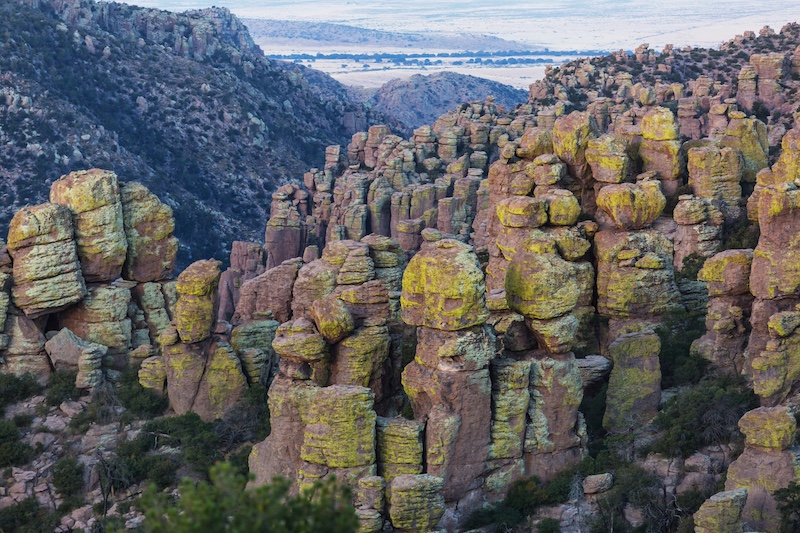
Arizona is home to no shortage of dramatic landscapes, but Chiricahua National Park might be one of its strangest. Filled with towering rock spires, narrow pinnacles, and boulders that look as though they could topple at any moment, the landscape has long been known as the “Land of Standing-Up Rocks.”
Now, the area is getting even more recognition. Formerly known as Chiricahua National Monument, the site has officially been redesignated as Chiricahua National Park, making it the 64th national park in the United States. Located in southeastern Arizona, the park is best known for its unusual rock formations, which were shaped by a massive volcanic eruption around 27 million years ago. Over time, erosion carved the volcanic rock into the dramatic columns and balanced formations that visitors see today. The result is a landscape that looks almost sculpted by hand. Some formations rise like towers from the desert, while others balance massive stones on surprisingly narrow bases.
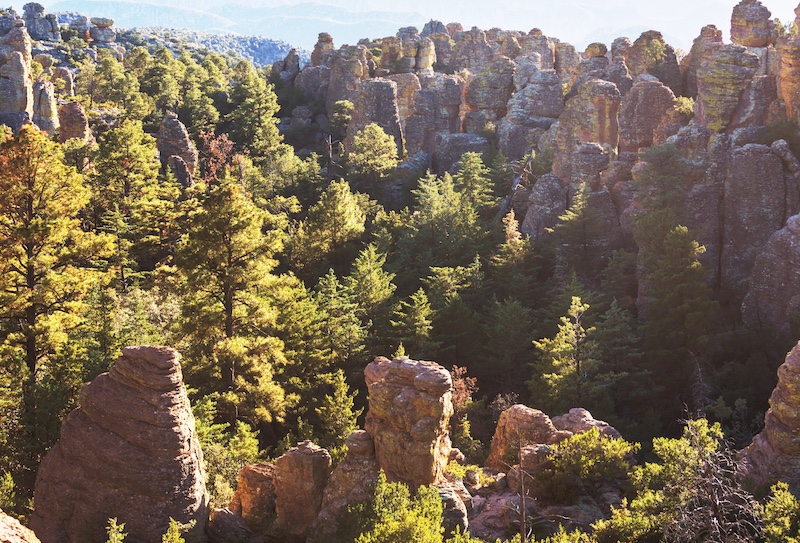
Chiricahua is also part of a “sky island,” where mountains rise above the surrounding desert. Because of the changes in elevation, desert, grassland, and forest environments can all be found within the park, making it home to a wide range of plants and wildlife. Visitors can explore the roughly 12,000-acre landscape along 17 miles of hiking trails or take an eight-mile scenic drive to Massai Point, where sweeping views show just how unusual the terrain really is.
The area also has a long human history. Chiricahua is the homeland of the Chiricahua Apache and has connections to numerous Indigenous communities. Over the years, it has also been shaped by Buffalo Soldiers, ranchers, homesteaders, and members of the Civilian Conservation Corps. The landscape has already been federally protected for more than a century. President Calvin Coolidge established Chiricahua National Monument in 1924, and the National Park Service has managed the area since 1938.
Its new national park status does not change the park’s boundaries or how the land is protected. Visitors will still be able to hike, camp, drive through the park, and take in its unusual rock formations just as before.
What the new designation does offer is greater recognition for a landscape that already feels unlike almost anywhere else. With its towering stone formations and desert views, Chiricahua’s “Land of Standing-Up Rocks” certainly looks worthy of the title.
Long-known as the “Land of Standing-Up Rocks,” Chiricahua Park is now officially being granted national park status.
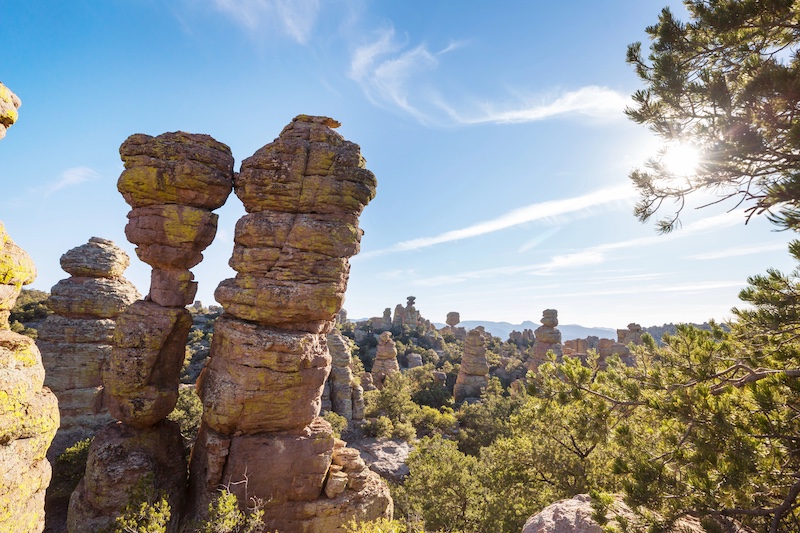
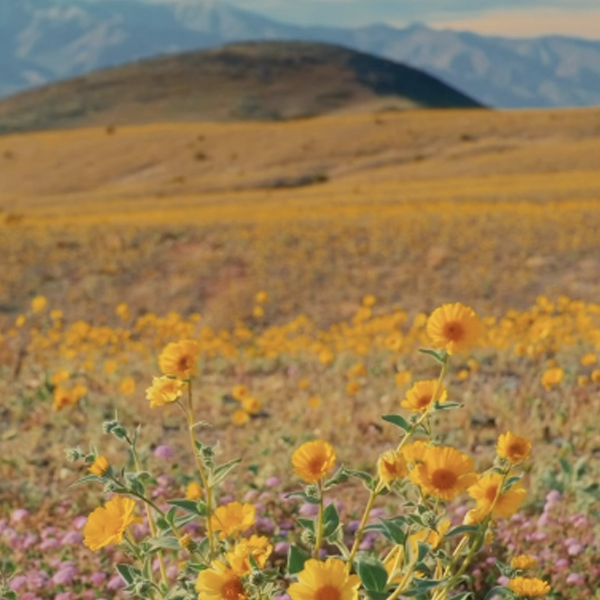
Chiricahua is home to a wide range of plants and wildlife due to its variety of landscapes, which include desert, grassland, and forest environments.
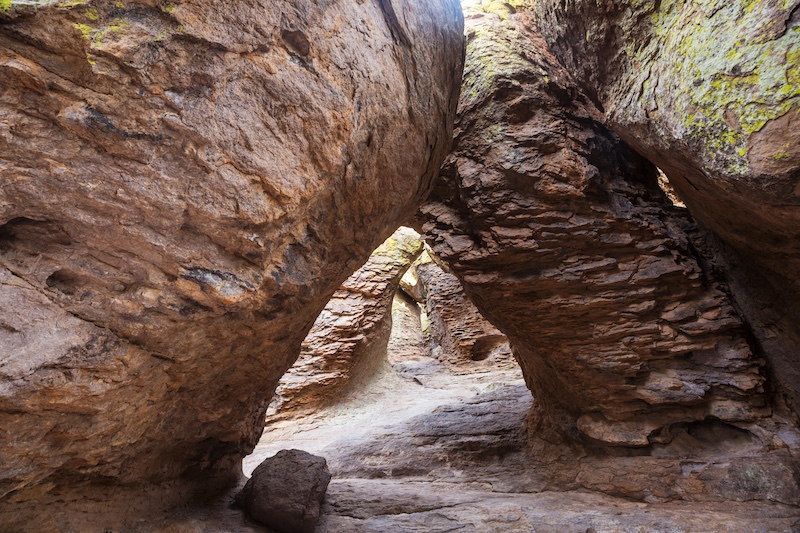
The new designation offers greater recognition for a landscape that already feels unlike almost anywhere else.
Source: Chiricahua National Monument Becomes America’s Newest National Park
Related Articles:
Zion National Park Introduces All-Terrain Wheelchair To Make Its Trails More Accessible
Kruger National Park Celebrates 100 Years of Wildlife Conservation
Rare Red Fox Spotted for the First Time in Years in California National Park